Understanding the Cost of Respite Care: A Caregiver's Guide

For families in our service areas
For families in our service areas, this guide explains respite care and how non-medical in-home caregiving can support care planning in East Idaho, Treasure Valley & Magic Valley, Northern Wasatch, North Central West Virginia & Southwestern Pennsylvania, and Northeast Ohio.
What You Need to Know About The Cost of Respite Care: A Caregiver
Understanding the financial landscape of respite care is crucial for caregivers who often feel overwhelmed by their responsibilities. Many caregivers face health issues due to the demands of their roles, making the need for temporary relief even more pressing.
This article explores the costs associated with respite care, examining the factors that influence pricing, available payment options, and practical strategies for managing expenses. Caregivers must navigate this complex financial terrain to ensure they receive the support they need without compromising the care of their loved ones.
To tackle these challenges, caregivers can benefit from understanding the various financial resources available, including government assistance programs and community support services. By being informed and proactive, they can alleviate some of the financial burdens associated with respite care.
Define Respite Care and Its Importance
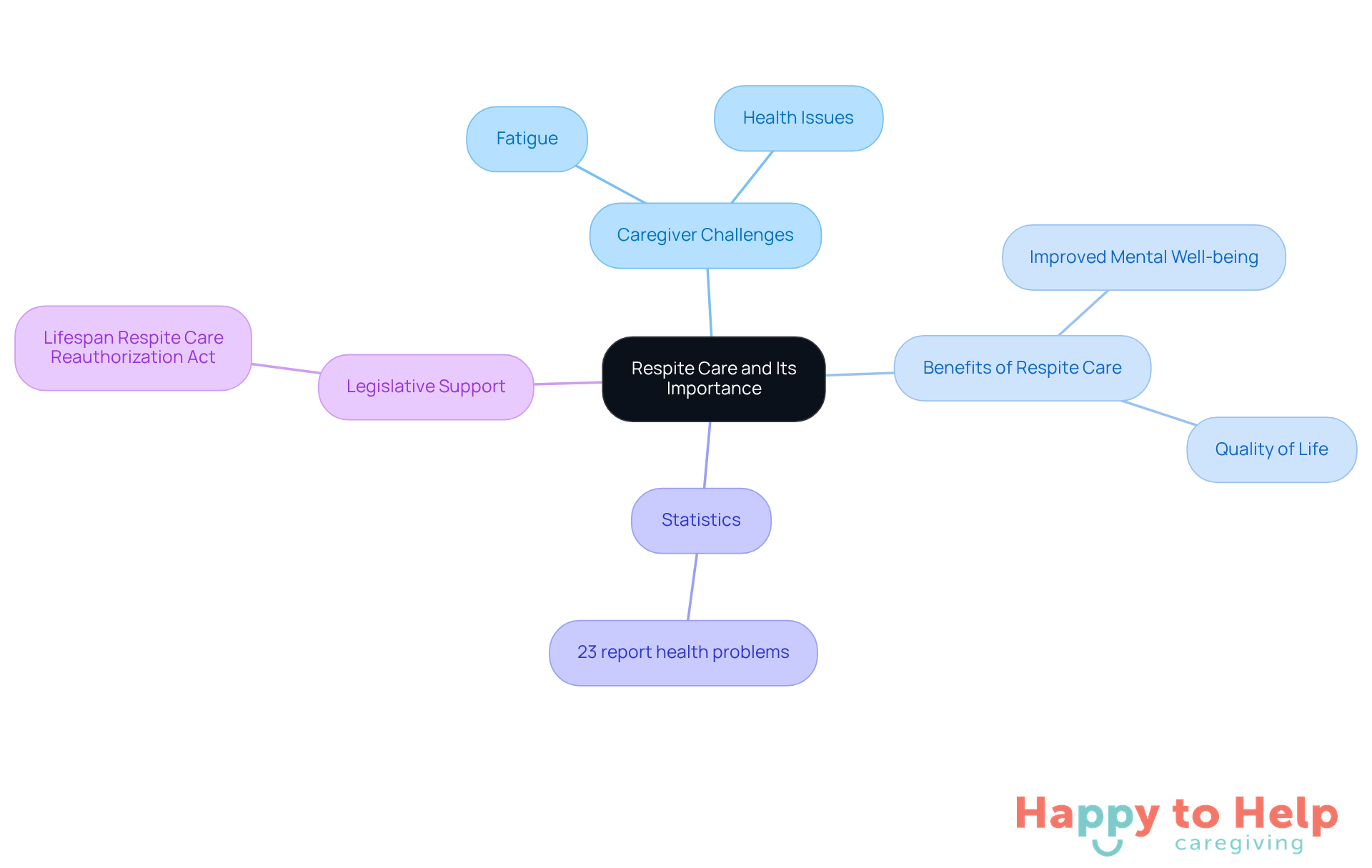
Caregivers face significant challenges, including fatigue and health issues, due to their demanding responsibilities. Statistics reveal that 23% of caregivers report health problems stemming from their caregiving roles. This situation not only affects their well-being but also impacts the quality of care they provide to their loved ones.
Respite assistance offers a vital solution, providing temporary support services that can help mitigate the cost of respite care for individuals with disabilities or chronic illnesses. By allowing primary caregivers essential breaks, respite services help reduce fatigue and improve overall quality of life, although it is important to consider the cost of respite care for both caregivers and those receiving assistance. Studies show that caregivers who take regular breaks report enhanced mental well-being and greater patience, reinforcing the idea that the cost of respite care is crucial for sustainable caregiving.
For instance, the Lifespan Respite Care Reauthorization Act, renewed through fiscal year 2029, aims to assist caregivers, particularly in rural areas, by increasing awareness and availability of respite services. As Jason Resendez, President and CEO of the National Alliance for Caregiving, states, "Respite is a lifeline for millions of caregivers."
By understanding the various advantages of respite assistance, families can better appreciate its role in maintaining their loved ones' well-being and their own mental health. This understanding ultimately promotes a healthier caregiving environment.
Explore Factors Influencing Respite Care Costs
Understanding the cost of respite care is crucial for caregivers facing the challenge of finding affordable support. Several factors significantly influence these costs, creating a complex landscape that can be overwhelming.
-
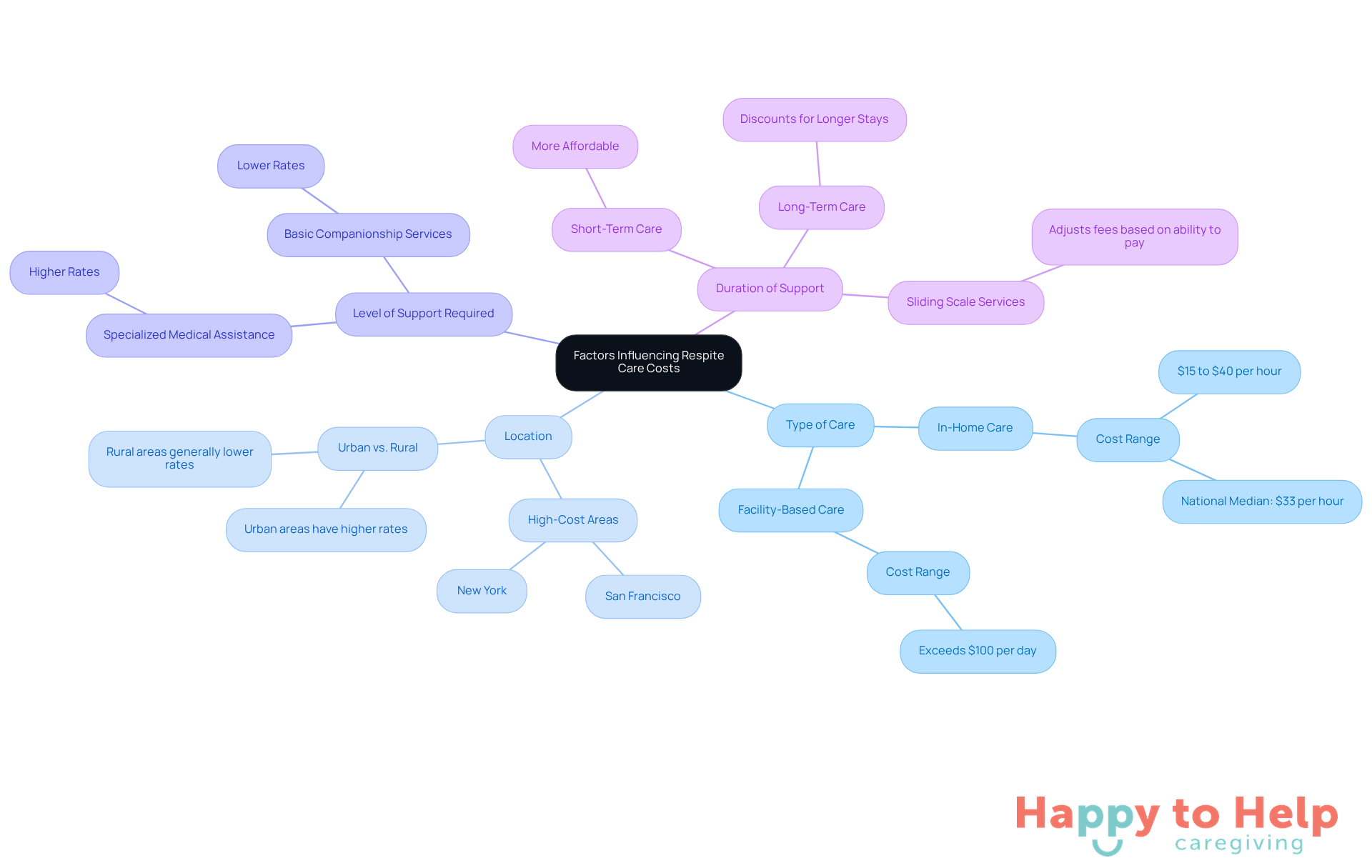
Type of Care: In-home care is generally more affordable than facility-based care. For instance, in-home relief services typically range from $15 to $40 per hour, while residential support can exceed $100 per day, depending on the facility and services offered. The national median for in-home assistance is approximately $33 per hour.
-
Location: Geographic location plays a critical role in pricing. Metropolitan regions often face higher expenses due to increased demand and living costs. Cities like San Francisco and New York showcase some of the highest rates in the nation.
-
Level of Support Required: The complexity of assistance needed also impacts pricing. Specialized medical assistance typically commands higher rates compared to basic companionship services. Individuals with complex medical needs may incur additional costs due to the specialized nature of their treatment.
-
Duration of Support: The length of relief support can influence pricing structures as well. Providers may offer discounts for longer stays, making it more affordable for households needing extended support. Additionally, sliding scale support services adjust fees based on the caregiver’s financial capacity, enhancing accessibility.
By comprehending these factors, households can better anticipate the cost of respite care and plan their budgets more effectively. As highlighted by Buckner Retirement Services, preparing for temporary assistance ahead of time can provide reassurance regarding available programs and payment options. By assessing the type of assistance, location, level of support needed, and duration, caregivers can make informed choices that align with their financial capacities.
Review Payment Options for Respite Care
Families often face significant financial challenges when dealing with the cost of respite care for their loved ones. The overwhelming cost of respite care and other caregiving expenses can lead to stress and uncertainty about how to manage these financial obligations.
To address this issue, it's essential to explore various payment options available for respite care:
-
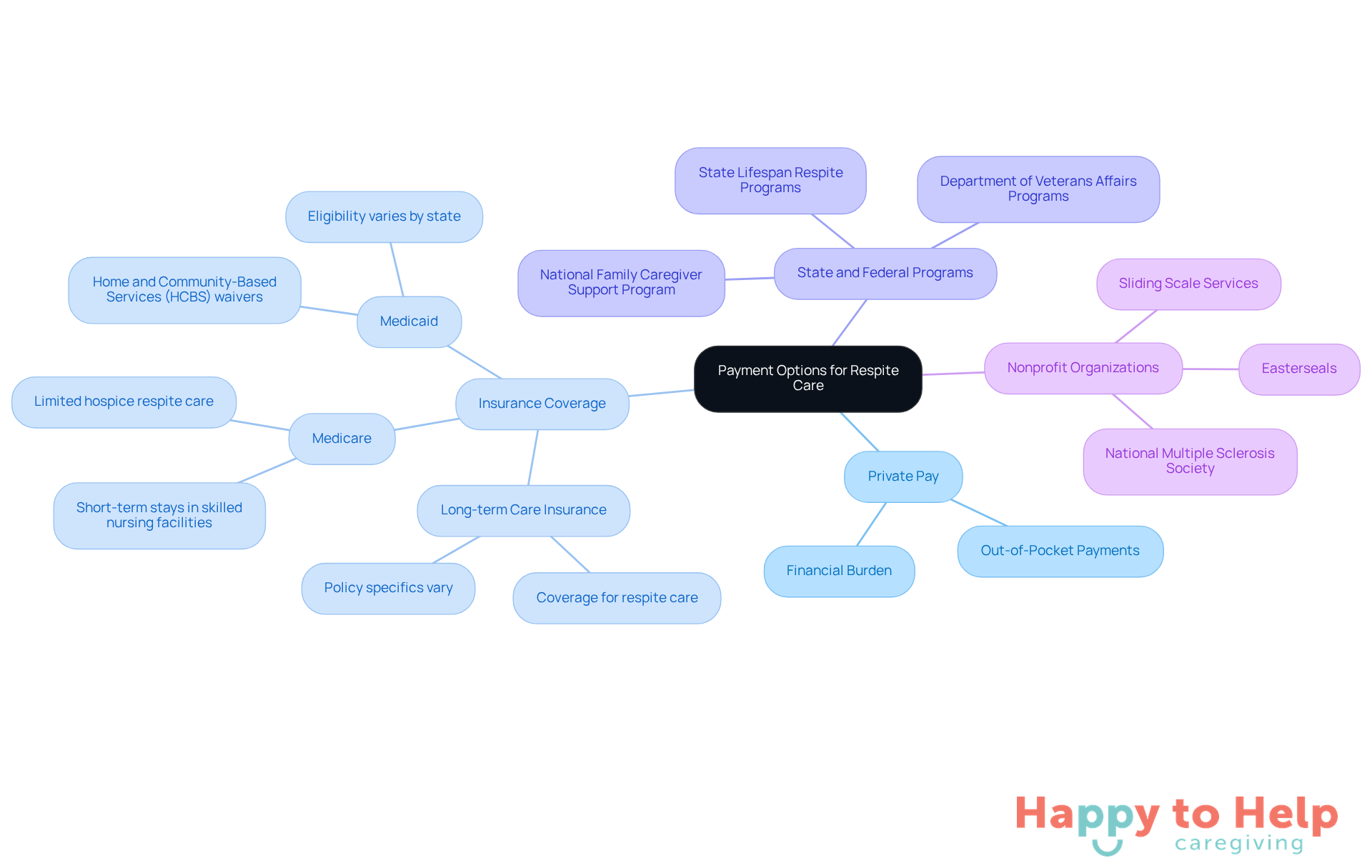
Private Pay: Many families choose to pay out-of-pocket, which allows for flexibility in selecting services. However, this method can quickly become a financial burden, particularly due to the cost of respite care for long-term care needs.
-
Insurance Coverage: Some health insurance plans, including Medicare and Medicaid, may cover specific support services. For example, Medicare provides coverage for short-term overnight stays in skilled nursing facilities for up to five days following a qualifying hospitalization. Medicaid often assists through home and community-based services waivers. Families should thoroughly review their policy details to understand their coverage.
-
State and Federal Programs: Programs like the National Family Caregiver Support Program offer financial assistance for temporary relief. Most states provide some form of support through Medicaid home and community-based services (HCBS) waivers, which can significantly ease the cost of respite care.
-
Nonprofit Organizations: Numerous nonprofits offer grants or vouchers to help cover temporary support costs. Organizations such as Easterseals and the National Multiple Sclerosis Society may provide funding, making assistance more accessible for those in need.
By understanding these options, families can navigate the financial landscape of temporary assistance more effectively, ensuring they find the necessary support for both their loved ones and themselves.
Calculate and Manage Respite Care Expenses
To effectively calculate and manage respite care expenses, families face a significant challenge. Many caregivers struggle with the financial implications of securing temporary support, often leading to stress and uncertainty. Statistics reveal that around 86% of adult caregivers do not receive temporary relief, primarily due to a lack of awareness about available resources. Understanding and planning for the cost of respite care is essential for sustaining caregiving efforts.
-
Evaluate Your Requirements: Start by determining how frequently and for what duration relief services will be necessary. This evaluation is essential for calculating total expenses and ensuring that support aligns with specific needs.
-
Research Expenses: Gather data on local temporary support providers, comparing rates for both in-home and facility-based options. The cost of respite care typically amounts to around $2,945 monthly, with daily charges averaging about $95. Comprehending these figures will assist households in making informed decisions.
-
Create a Budget: Based on your research, develop a comprehensive budget that includes all potential costs, such as transportation, supplies, and any additional fees. This proactive approach can help families avoid unexpected expenses.
-
Explore Funding Sources: Identify available funding options, including insurance, grants, and community resources. Many families may qualify for assistance through programs like Medicaid waivers or the National Caregiver Support Program, which can significantly alleviate financial burdens.
-
Track Expenses: Keep thorough documentation of all relief service expenses to oversee expenditures and adjust your budget as needed. This practice not only aids in managing finances but also provides insights into future budgeting needs.
By following these steps, families can ensure they are financially prepared for temporary support, allowing them to focus on the well-being of their loved ones.

Key Takeaways for Caregivers
Understanding the cost of respite care is essential for caregivers striving to maintain their well-being while providing quality support to their loved ones. Caregiver fatigue is a significant issue that can impact both physical and mental health. Without proper relief, caregivers may experience burnout, which can hinder their ability to provide compassionate care.
Recognizing the importance of temporary relief services is crucial. Families can foster a healthier caregiving environment that benefits everyone involved. Various factors influence respite care costs, including the type of care, geographic location, and the specific level of support required.
To navigate the financial landscape of respite care, families should explore payment options such as:
- Private pay
- Insurance coverage
- State programs
Evaluating needs, researching expenses, and creating a budget are practical steps caregivers can take to manage costs effectively.
Ultimately, investing in respite care is not just a financial decision; it’s a vital step toward ensuring the sustainability of caregiving. By prioritizing respite services, caregivers can recharge and continue providing compassionate care. Families can explore available resources to manage expenses effectively. Embracing respite care supports the caregiver's health and enhances the overall quality of life for both caregivers and those they care for, making it a crucial component of the caregiving journey.
https://iframe.tely.ai/cta/eyJhcnRpY2xlX2lkIjogIjY5M2Y1MGIxYjk3NTAxMmE2YWRmZmQxZSIsICJjb21wYW55X2lkIjogIjY4ZWU1ZGNhNzMxNzYyNTU3ZjNjOTVjMSIsICJpbmRleCI6IG51bGwsICJ0eXBlIjogImFydGljbGUifQ==Frequently Asked Questions
What is respite care?
Respite care refers to temporary support services that provide caregivers with essential breaks from their caregiving responsibilities, helping to alleviate fatigue and improve their overall quality of life.
Why is respite care important for caregivers?
Respite care is important for caregivers because it helps reduce fatigue, improves mental well-being, and enhances the quality of care provided to their loved ones. Regular breaks can lead to greater patience and a healthier caregiving environment.
What challenges do caregivers face?
Caregivers face significant challenges, including fatigue and health issues, with statistics indicating that 23% report health problems stemming from their caregiving roles.
How does respite care impact the quality of care provided?
By allowing primary caregivers to take necessary breaks, respite care can improve their mental health and overall well-being, which in turn enhances the quality of care they provide to those they are caring for.
What is the Lifespan Respite Care Reauthorization Act?
The Lifespan Respite Care Reauthorization Act, renewed through fiscal year 2029, aims to assist caregivers, particularly in rural areas, by increasing awareness and availability of respite services.
What are the potential costs associated with respite care?
While respite care offers vital support, it is important to consider the costs involved for both caregivers and those receiving assistance. Balancing these costs is crucial for sustainable caregiving.
How can families benefit from understanding respite assistance?
By understanding the advantages of respite assistance, families can better appreciate its role in maintaining the well-being of their loved ones and promoting their own mental health, leading to a healthier caregiving environment.
List of Sources
- Define Respite Care and Its Importance
- 14 Self-Care Quotes for Caregivers (https://comfortkeepers.com/offices/indiana/logansport/resources/resources/14-selfcare-quotes-for-caregivers)
- Congressman Nick Langworthy Introduces Bill to Support the Wellbeing of Family Caregivers (https://langworthy.house.gov/media/press-releases/congressman-nick-langworthy-introduces-bill-support-wellbeing-family)
- CaringBridge (https://caringbridge.org/resources/inspirational-quotes-on-caregiving)
- Caring Hearts Canada (https://caringheartscanada.ca/blog/2015/august/20-inspirational-caregiver-quotes)
- The Benefits of Respite Care for Family Caregivers (https://h2hhc.com/blog/the-benefits-of-respite-care-for-family-caregivers)
- Explore Factors Influencing Respite Care Costs
- The Financial Aspects of Respite Care (https://bucknervillas.org/news-blog/the-financial-aspects-of-respite-care)
- Who Pays For Respite Care? [Payment Options & FAQs] (https://alwaysbestcare.com/resources/who-pays-for-respite-care)
- Average Cost Of Respite Care (https://rosewood-nursing.com/post/average-cost-of-respite-care)
- Home Care Costs in 2025: A State-by-State Guide (https://aplaceformom.com/caregiver-resources/articles/in-home-care-costs)
- Review Payment Options for Respite Care
- Who Pays For Respite Care? [Payment Options & FAQs] (https://alwaysbestcare.com/resources/who-pays-for-respite-care)
- CaringBridge (https://caringbridge.org/resources/inspirational-quotes-on-caregiving)
- How to Pay for Respite | ARCH National Respite Network & Resource Center (https://archrespite.org/caregiver-resources/how-to-pay-for-respite)
- Does Medicare Pay for Respite Care? (https://ncoa.org/article/does-medicare-cover-respite-care)
- Who pays for respite care and how much does it cost? (https://care.com/c/how-do-i-pay-for-respite-care)
- Calculate and Manage Respite Care Expenses
- 10 Key Insights on Average Cost of Respite Care for Families - Happy To Help (https://happytohelpcaregiving.com/10-key-insights-on-average-cost-of-respite-care-for-families)
- The Financial Aspects of Respite Care (https://bucknervillas.org/news-blog/the-financial-aspects-of-respite-care)
- What Is Respite Care and Where Can I Find Respite Caregivers Near Me? (https://health.usnews.com/senior-care/articles/what-is-respite-care-and-where-can-i-find-respite-caregivers-near-me)
- How to Pay for Respite | ARCH National Respite Network & Resource Center (https://archrespite.org/caregiver-resources/how-to-pay-for-respite)