

For families in our service areas
For families in our service areas, this guide explains dementia care and how non-medical in-home caregiving can support care planning in East Idaho, Treasure Valley & Magic Valley, Northern Wasatch, North Central West Virginia, and Northeast Ohio.
Why The Dementia Wandering Stage: Key Matters
Understanding the complexities of dementia can be overwhelming for caregivers. The emotional and physical challenges that arise are significant, and as individuals progress through various stages of cognitive decline, one particularly concerning behavior often emerges: wandering. This article explores the wandering stage of dementia, offering caregivers essential strategies to enhance safety and well-being.
How can caregivers effectively respond to the signs of wandering? It’s crucial to create a nurturing environment that not only mitigates risks but also promotes comfort and connection. By addressing these concerns, we can help caregivers navigate this difficult journey with compassion and support.
Overview of Dementia and Its Stages
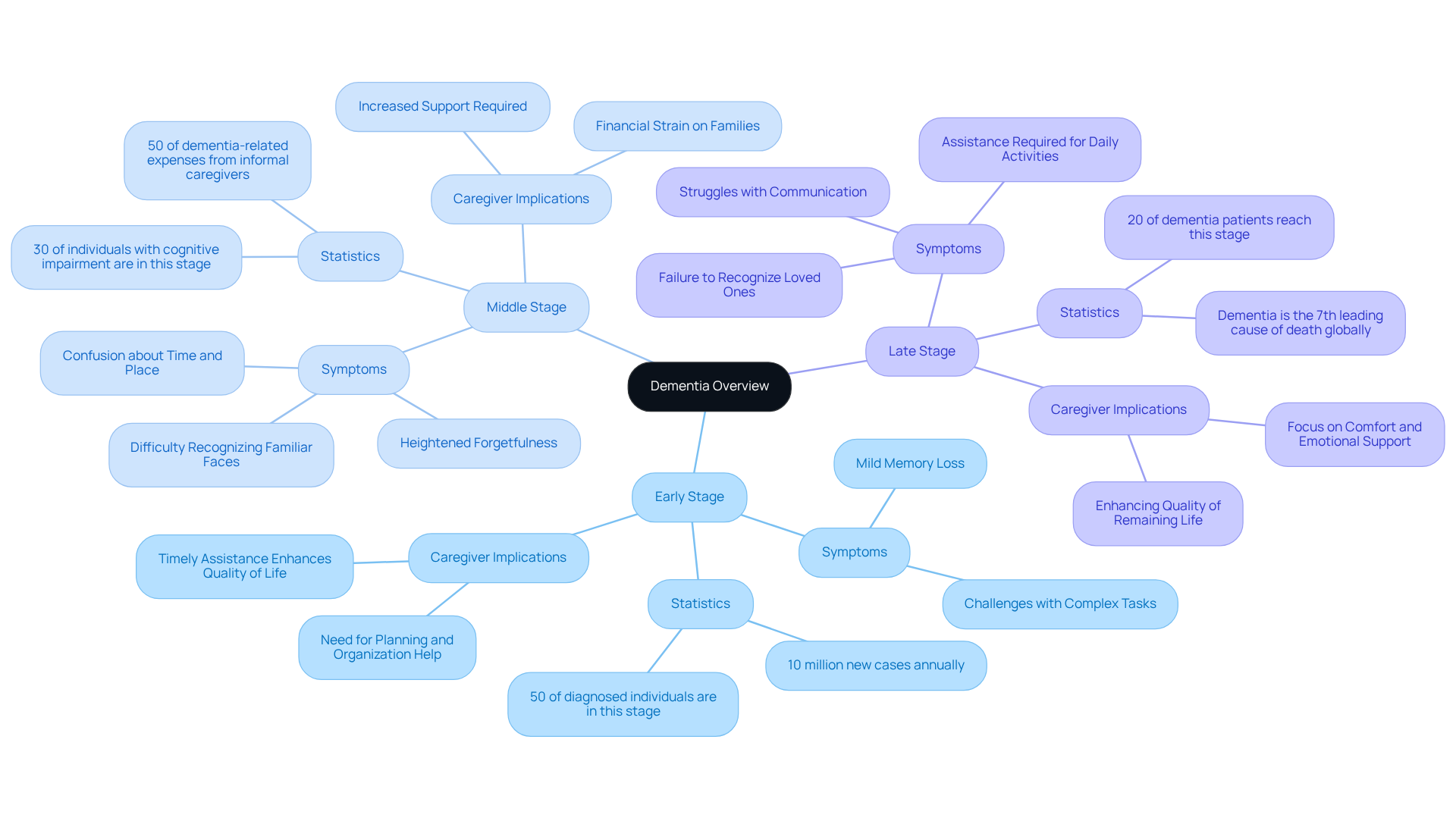
Dementia encompasses a range of brain disorders that lead to cognitive decline, impacting memory, thinking, and social abilities. Understanding this journey is crucial for caregivers, as it can be emotionally challenging.
Early Stage: In this initial phase, individuals may experience mild memory loss and challenges with complex tasks. They often maintain their independence but might need help with planning and organization. About 50% of those diagnosed with cognitive decline are in this early stage, where timely assistance can significantly enhance their quality of life. With over 10 million new cases of cognitive decline each year globally, the prevalence of this condition is staggering.
Middle Stage: As dementia progresses, symptoms become more pronounced. Confusion regarding time and place, heightened forgetfulness, and difficulty recognizing familiar faces can emerge. This stage often requires increased support from caregivers, as daily activities become more challenging. Approximately 30% of individuals with cognitive impairment find themselves in this middle phase, highlighting the need for tailored support approaches. Moreover, around 50% of expenses related to cognitive decline stem from the support provided by informal caregivers, which can place a financial strain on families.
Late Stage: In the late stage, individuals may struggle to communicate effectively and require assistance with daily activities, often failing to recognize loved ones. Care strategies should prioritize comfort and emotional support, as about 20% of dementia patients reach this stage. Here, the focus shifts to enhancing the quality of remaining life. Dementia is the seventh leading cause of death worldwide, underscoring the severity of this condition and the need for effective management strategies.
Recognizing these stages allows caregivers to anticipate changes and adjust their support methods, creating a nurturing environment for those affected. Neurologists emphasize that understanding the progression of cognitive decline is vital for effective caregiving. Timely interventions can alleviate some of the emotional and physical burdens associated with this condition. Dr. Arthur Kleinman poignantly states, "There is a moral task of caregiving, and that involves just being there, being with that person and being committed." By being aware of the phases of cognitive decline, caregivers can navigate the challenges of care more effectively, ensuring that individuals receive the support they need throughout their journey.
Identifying the Wandering Stage of Dementia
Wandering is a common behavior among individuals with dementia, especially during the dementia wandering stage of the disease. Recognizing the signs of this behavior is vital for caregivers to ensure safety and provide the right support. Here are some key indicators that someone may be entering this wandering stage:
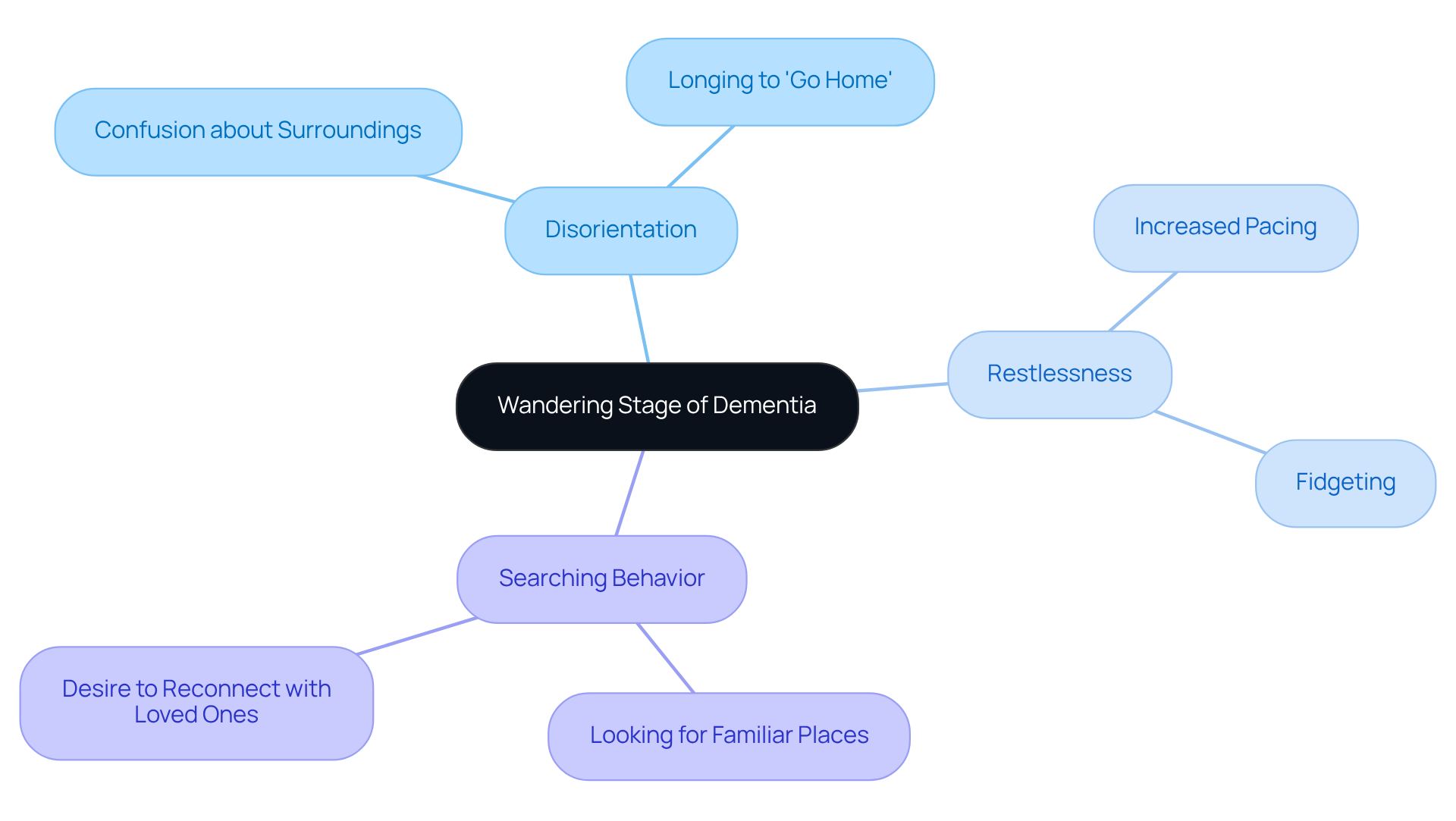
- Disorientation: Individuals might show confusion about their surroundings or express a longing to 'go home,' even when they are in familiar places. This disorientation often stems from cognitive decline, making it essential for caregivers to stay attentive and responsive.
- Restlessness: Increased pacing or fidgeting can signal discomfort or anxiety, which may lead to wandering. Caregivers should keep a close eye on these behaviors, as they might indicate a need for reassurance or engagement.
- Searching Behavior: Individuals may wander in search of familiar places or people, often driven by feelings of loneliness or boredom. This searching can reflect a desire to reconnect with cherished memories or loved ones.
Experts in cognitive impairment emphasize the importance of recognizing these signs early to prevent dangerous situations during the dementia wandering stage. Rosalyn Carter once said, 'There are only four kinds of people in the world: Those who have been providers of care, those who are currently providing care, those who will be providing care, and those who will need someone to provide care.' This quote beautifully captures the shared journey of caregiving and the significance of community support.
Statistics show that cognitive decline is on the rise, highlighting the urgent need for better care solutions. Establishing structured routines and engaging activities can help ease feelings of restlessness and reduce the chances of wandering. For example, a case study from BelleVie’s Dementia Home Care Services demonstrates how caregivers who create a nurturing environment filled with familiar objects and regular social interactions can significantly lower wandering incidents. By staying alert and proactive, caregivers can enhance the safety and well-being of those with memory loss, fostering a more secure and comforting home atmosphere.
Strategies for Managing Wandering Behavior
Managing behavior during the dementia wandering stage in individuals with dementia can be a daunting challenge for caregivers. It’s essential to approach this with compassion and understanding. Here are some key strategies that can help create a safer environment:
-
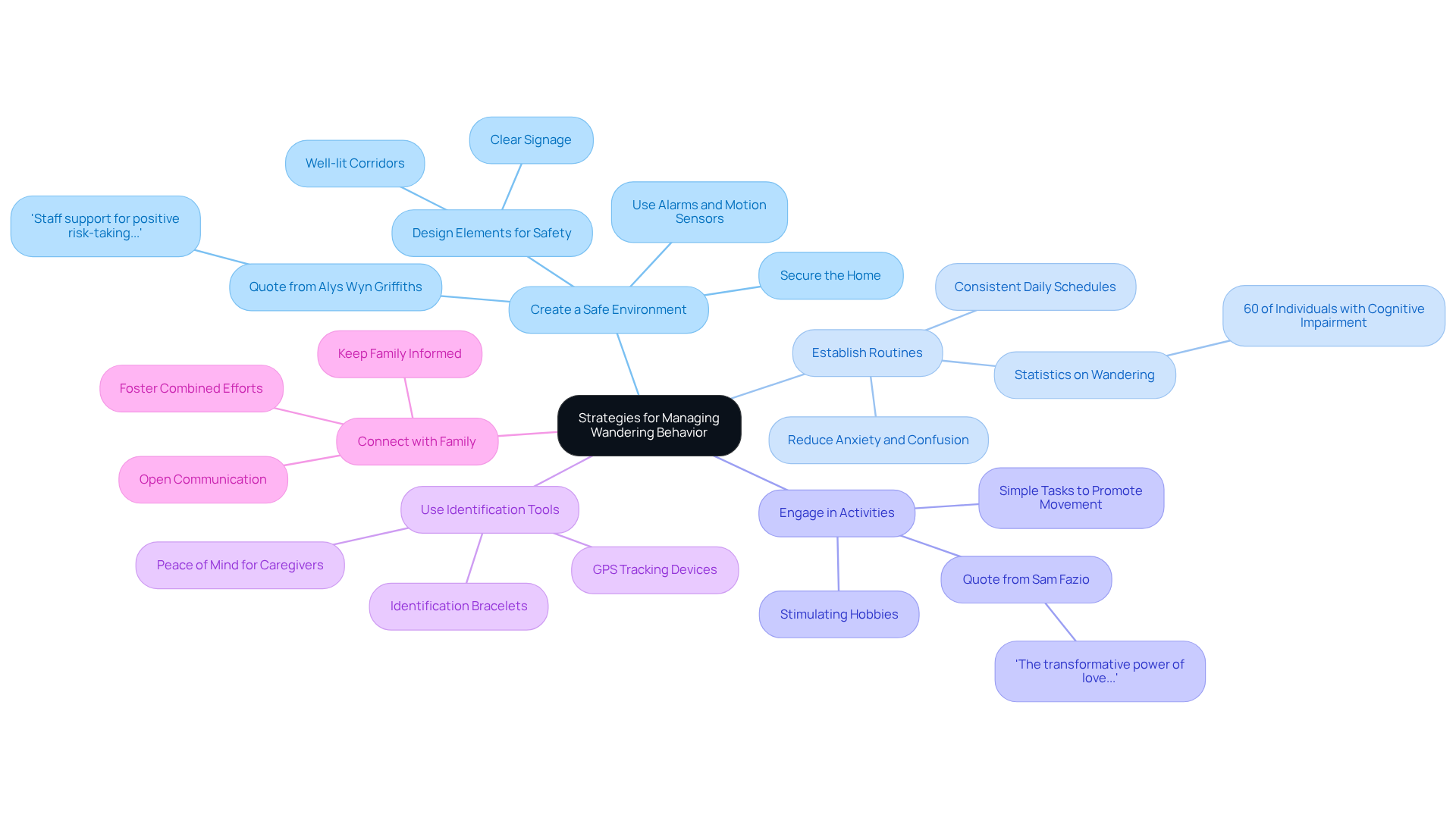
Create a Safe Environment: Start by securing the home. Lock doors and consider using alarms or motion sensors to alert caregivers when someone tries to leave. Thoughtful design elements, like well-lit corridors and clear signage, can enhance safety and navigation. As Alys Wyn Griffiths from the University of Sheffield noted, 'Staff support for positive risk-taking within the residential facility was essential to encourage person-centred assistance.' This underscores the importance of balancing safety with the freedom to move.
-
Establish Routines: Consistent daily schedules can significantly reduce anxiety and confusion. They foster a sense of security that may lessen the urge to wander. Routines provide structure, helping individuals feel more anchored in their surroundings. Statistics show that up to 60% of individuals with cognitive impairment in care homes will enter the dementia wandering stage at some point, highlighting the need for effective routines to mitigate this behavior.
-
Engage in Activities: Offering stimulating activities can alleviate boredom and restlessness, common triggers for wandering. Encourage hobbies that the person enjoys or involve simple tasks that promote movement, keeping them engaged and occupied. Caregiving expert Sam Fazio emphasizes, 'The transformative power of love in the caregiving experience can significantly influence the emotional well-being of people with dementia.'
-
Use Identification Tools: Providing identification bracelets or GPS tracking devices can ensure individuals can be located quickly if they wander away. These tools offer peace of mind for caregivers and families, knowing that help is readily available.
-
Connect with Family: Keeping family members informed about the person's behavior and support strategies fosters a combined effort in managing wandering. Open communication ensures that everyone involved is aligned, enhancing the overall care experience.
By implementing these strategies, caregivers can create a safer and more supportive environment for individuals during the dementia wandering stage. This not only mitigates the risks associated with wandering but also nurtures a sense of community and care.
Taking the Next Steps
Understanding the wandering stage of dementia is crucial for caregivers who want to provide the best support for individuals facing cognitive decline. It’s important to recognize the signs of wandering behavior and implement effective strategies. This way, caregivers can create a safer, more nurturing environment that truly enhances the quality of life for those affected by dementia.
This article outlines the various stages of dementia, highlighting the significance of understanding each phase to anticipate changes in behavior. Key indicators of the wandering stage include:
- Disorientation
- Restlessness
- Searching behavior
These signs call for proactive measures from caregivers. Strategies like:
- Creating a safe environment
- Establishing routines
- Engaging in activities
- Utilizing identification tools
- Fostering family communication
are essential in managing wandering behavior effectively.
Navigating the complexities of dementia requires compassion, patience, and a commitment to understanding the needs of individuals at each stage. By implementing the strategies discussed, caregivers can significantly reduce the risks associated with wandering, promoting a sense of security and well-being. Embracing this journey together not only benefits those living with dementia but also strengthens the bonds of care and community among everyone involved.
https://iframe.tely.ai/cta/eyJhcnRpY2xlX2lkIjogIjY5MTdjMjg0YmE4YzYwY2YzMzY2OGE1MCIsICJjb21wYW55X2lkIjogIjY4ZWU1ZGNhNzMxNzYyNTU3ZjNjOTVjMSIsICJpbmRleCI6IG51bGwsICJ0eXBlIjogImFydGljbGUifQ==Frequently Asked Questions
What is dementia, and how does it affect individuals?
Dementia encompasses a range of brain disorders that lead to cognitive decline, impacting memory, thinking, and social abilities. It affects individuals by causing challenges in these areas, making daily life more difficult.
What are the stages of dementia?
Dementia is typically divided into three stages: Early Stage, Middle Stage, and Late Stage, each characterized by different levels of cognitive decline and support needs.
What happens in the early stage of dementia?
In the early stage, individuals may experience mild memory loss and challenges with complex tasks but often maintain their independence. They may need help with planning and organization, and around 50% of those diagnosed with cognitive decline are in this stage.
How prevalent is cognitive decline globally?
There are over 10 million new cases of cognitive decline each year worldwide, highlighting the staggering prevalence of this condition.
What are the symptoms of the middle stage of dementia?
In the middle stage, symptoms become more pronounced, including confusion about time and place, heightened forgetfulness, and difficulty recognizing familiar faces. This stage often requires increased support from caregivers.
What financial impact does caregiving have during the middle stage of dementia?
Approximately 50% of expenses related to cognitive decline stem from the support provided by informal caregivers, which can place a financial strain on families.
What challenges are faced in the late stage of dementia?
In the late stage, individuals may struggle to communicate effectively and require assistance with daily activities, often failing to recognize loved ones. Care strategies should focus on comfort and emotional support.
What percentage of dementia patients reach the late stage?
About 20% of dementia patients reach the late stage.
Why is understanding the stages of dementia important for caregivers?
Recognizing these stages allows caregivers to anticipate changes and adjust their support methods, creating a nurturing environment for those affected. It is vital for effective caregiving and can alleviate emotional and physical burdens.
What does Dr. Arthur Kleinman emphasize about caregiving for dementia patients?
Dr. Arthur Kleinman emphasizes that caregiving involves a moral task of being present and committed to the individual, highlighting the importance of emotional support throughout their journey.