Understanding the Importance of Caregivers for Family Support

For families in our service areas
For families in our service areas, this guide explains caregiver support and how non-medical in-home caregiving can support care planning in East Idaho, Treasure Valley & Magic Valley, Northern Wasatch, North Central West Virginia, and Northeast Ohio.
What You Need to Know About The Importance of Caregivers for Family
Understanding the role of caregivers is essential in today's complex family dynamics. Caregivers face significant challenges that can weigh heavily on them, leading to emotional, physical, and financial strains. These unsung heroes provide vital support, enhancing the quality of life for their loved ones, but often at the cost of their own well-being.
The implications of caregiving can be profound. Many caregivers experience burnout, which not only affects their health but also the quality of care they provide. Families must recognize these challenges and take steps to support caregivers effectively.
So, how can families better support these caregivers? Here are some actionable solutions:
- Acknowledge their efforts: Regularly express gratitude and recognize the hard work caregivers put in.
- Encourage self-care: Remind caregivers to take time for themselves, whether through hobbies, exercise, or relaxation.
- Provide resources: Share information about support groups, respite care, and counseling services.
By implementing these strategies, families can help caregivers thrive in their crucial roles while maintaining their own well-being.
Define Caregiving and Its Role in Health
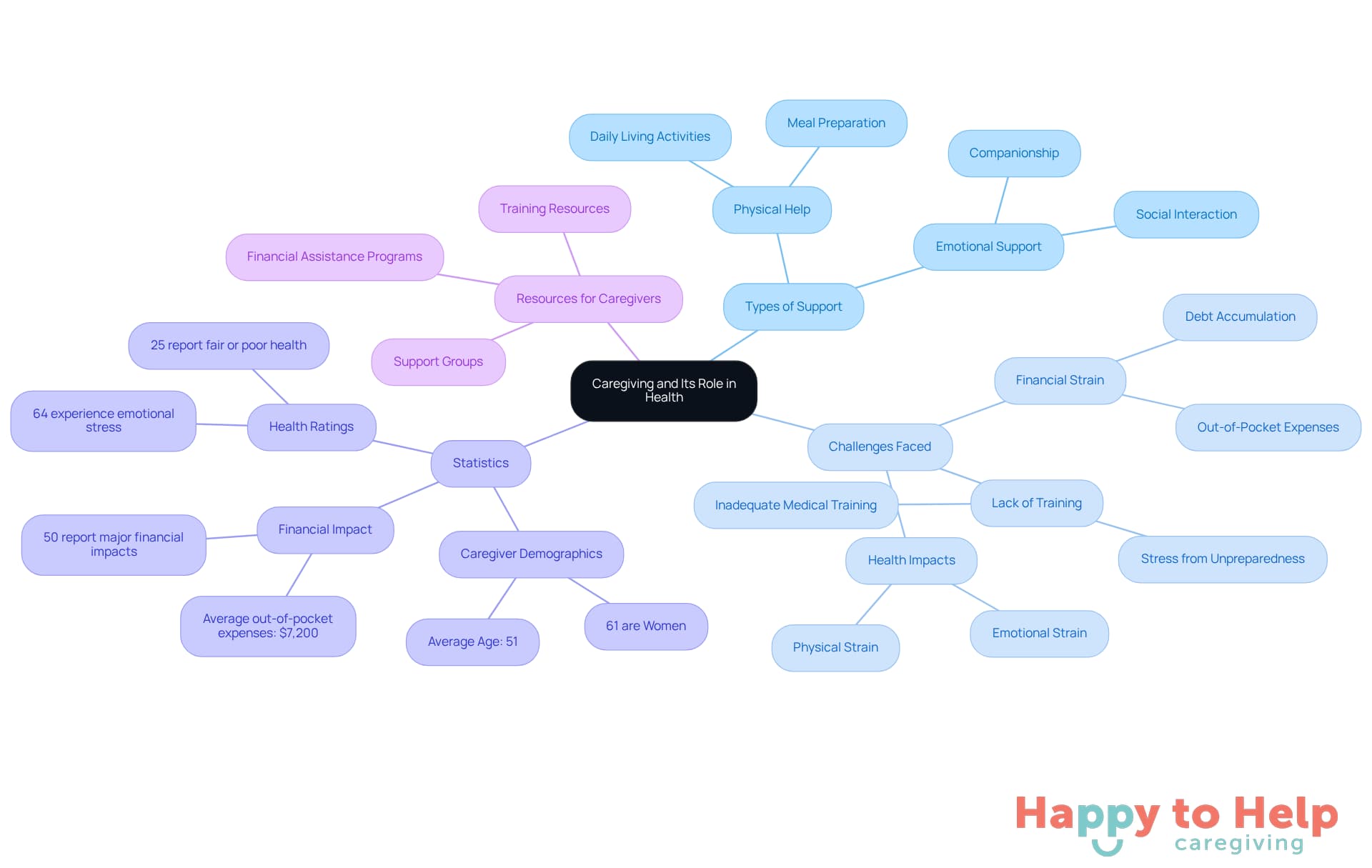
Caregiving presents a significant challenge for many individuals, as it encompasses a wide range of activities aimed at assisting those who cannot fully care for themselves due to age, illness, or disability. This includes not only physical help with daily tasks like bathing, dressing, and meal preparation but also emotional support through companionship and social interaction.
The implications of caregiving are profound. Supporters play a crucial role in enhancing the quality of life for their loved ones, helping them maintain dignity and autonomy while receiving necessary assistance. Studies show that 65% of caregivers assist with daily living activities, which directly impacts the well-being of those they support. However, the demands of caregiving can lead to emotional and physical strain. Nearly one in four caregivers report their health as fair or poor, highlighting the need for support.
Moreover, many caregivers face unique challenges, particularly those in the 'sandwich generation' who balance the responsibilities of caring for both children and elderly parents. Almost one in three individuals in this group also raises children under 18 while looking after an adult relative. This situation underscores the necessity for tailored assistance and resources.
Experts emphasize the importance of caregivers, highlighting that they are not just helpers but essential components of the healthcare system. Many handle complex medical tasks without formal training-only 11% have received medical training for daily living activities. This lack of training can increase stress and the risk of inadequate care, making it crucial to recognize and support caregivers. Additionally, nearly half of caregivers report significant financial impacts from their responsibilities, complicating their ability to provide assistance.
To address these challenges, caregivers can seek out local support groups, access training resources, and explore financial assistance programs. By acknowledging the importance of caregivers and their vital contributions to the health outcomes of their loved ones and the broader healthcare landscape, we can better support those who provide care.
Identify Challenges Faced by Family Caregivers
Family supporters often face a multitude of challenges that can lead to significant stress and burnout. These challenges include:
-
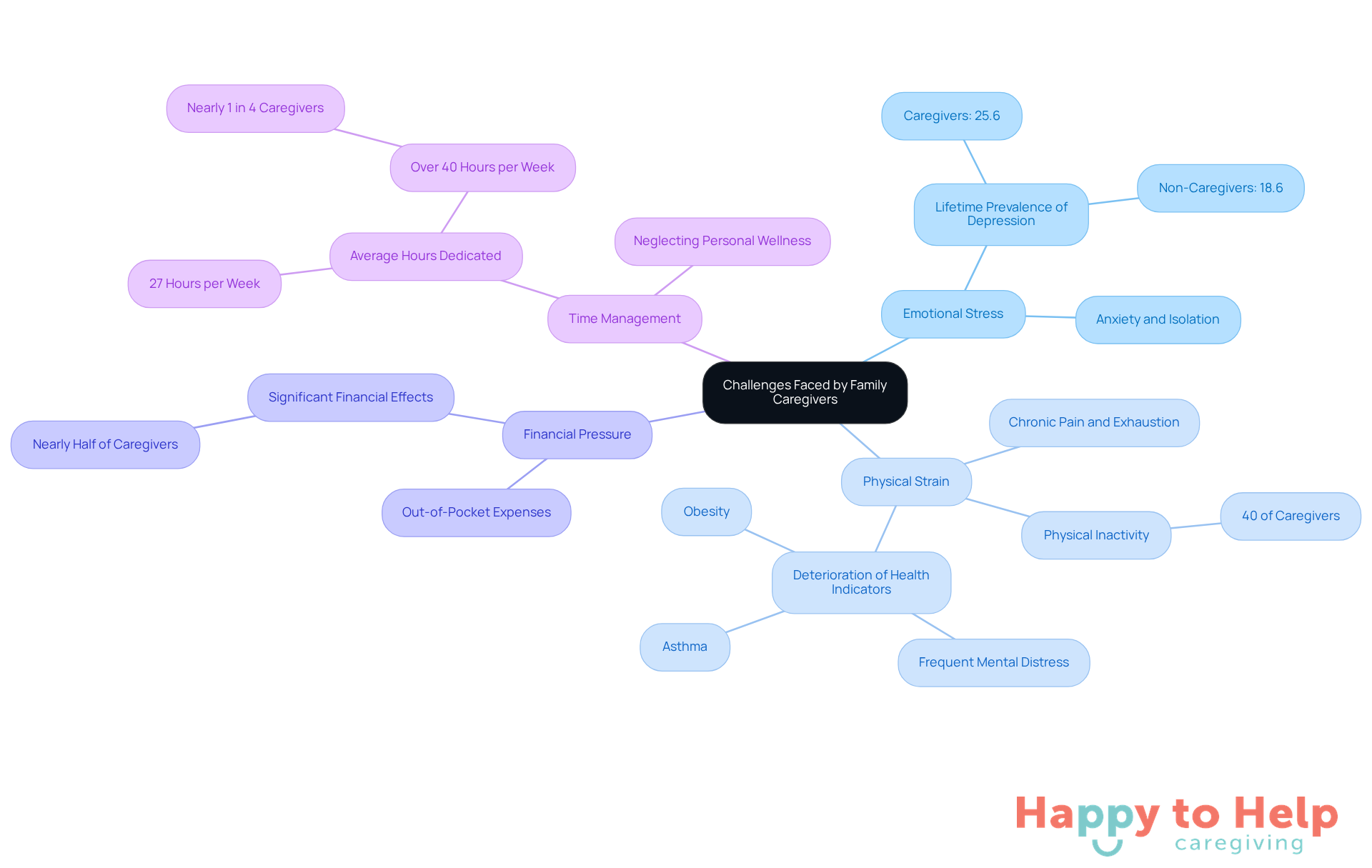
Emotional Stress: Caregivers frequently grapple with anxiety, depression, and feelings of isolation due to the demanding nature of their responsibilities. Research indicates that the lifetime prevalence of depression among caregivers is notably high at 25.6%, compared to 18.6% among non-providers. Additionally, lifetime diagnosed depression has risen for both caregivers (2.3 percentage points) and non-providers (3.8 percentage points), highlighting a concerning trend over time.
-
Physical Strain: The physical demands of caregiving can result in chronic pain and exhaustion. Many caregivers report negative well-being outcomes, with about 40% experiencing physical inactivity, which can exacerbate existing medical issues. Furthermore, six health indicators have deteriorated among caregivers, including frequent mental distress, depression, asthma, obesity, and chronic physical conditions.
-
Financial Pressure: Many caregivers face out-of-pocket expenses for medical supplies, transportation, and other related costs, leading to financial strain. Almost half of caregivers report significant adverse financial effects due to their responsibilities, underscoring the economic burden they endure.
-
Time Management: Balancing caregiving with work and personal life can be overwhelming, often causing individuals to neglect their own wellness. On average, caregivers dedicate 27 hours per week to supporting others, with nearly one in four providing over 40 hours weekly. This extensive time commitment significantly impacts their personal health.
Acknowledging these challenges underscores the importance of caregivers in pursuing suitable assistance and resources. Caregivers can benefit from support groups, respite care, and financial planning services, which can greatly reduce caregiver burden and improve overall well-being.
Explore In-Home Care Services and Their Benefits
The demanding role of caregiving emphasizes the importance of caregivers, as it can often lead to stress and burnout for family members. Many caregivers struggle to balance their responsibilities while understanding the importance of caregivers in providing the necessary support for their loved ones. This situation can lead to feelings of isolation and overwhelm, making it crucial to find effective solutions.
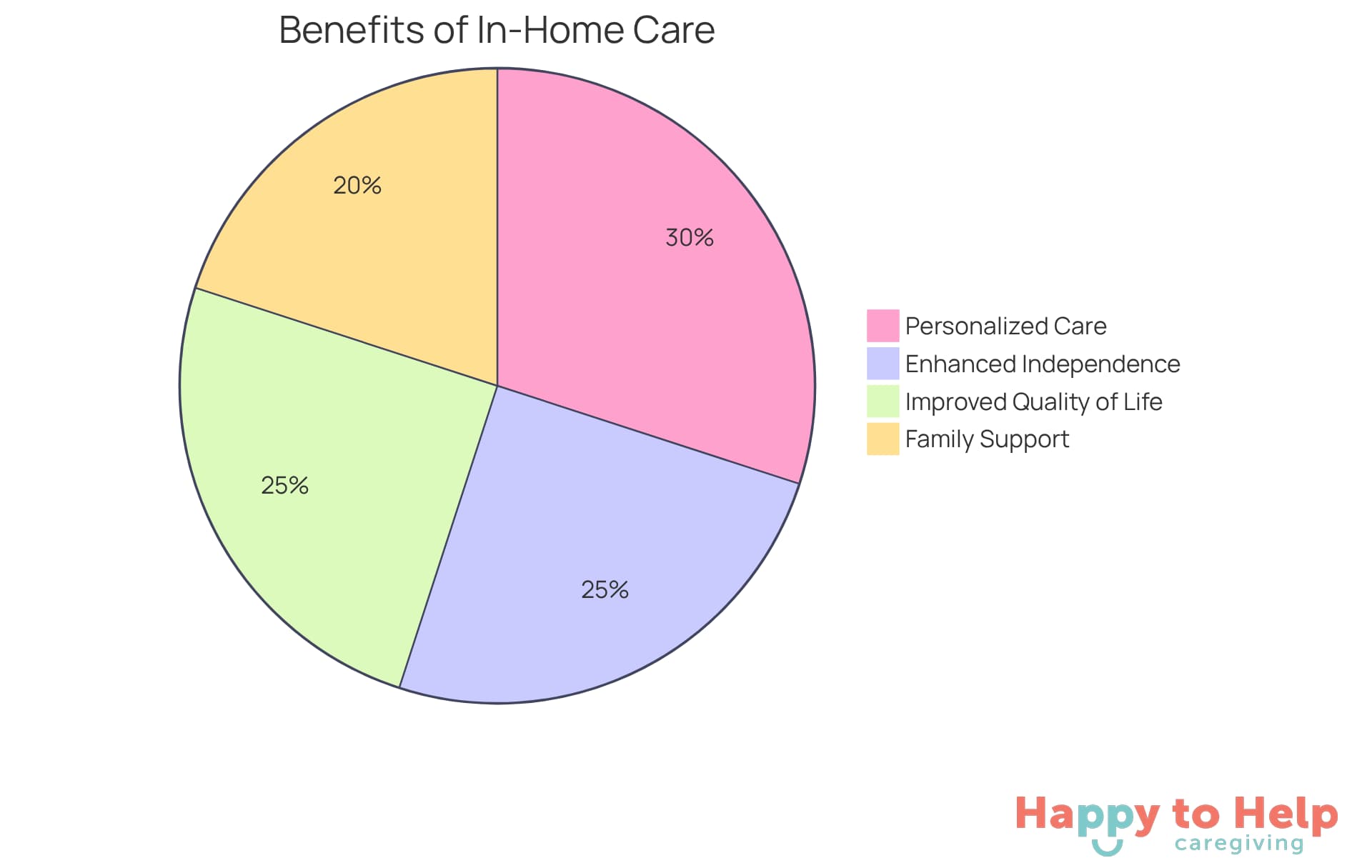
In-home assistance services present a viable solution to these challenges. They offer a variety of options that enable individuals to receive help in the comfort of their own residences. Here are some key benefits:
- Personalized Care: Services can be tailored to meet the specific needs of the individual, ensuring they receive the appropriate level of support.
- Enhanced Independence: In-home support promotes independence by allowing individuals to remain in familiar surroundings while receiving assistance.
- Improved Quality of Life: With professional support personnel offering assistance, individuals can participate in activities they enjoy, diminishing feelings of loneliness and isolation.
- Family Support: In-home assistance reduces some of the pressures on family caregivers, enabling them to concentrate on their own well-being while ensuring their loved ones are looked after.
Overall, in-home support services can significantly enhance the importance of caregivers in the caregiving experience for families. They provide peace of mind and improve the quality of life for recipients, making them a valuable resource for caregivers.
Understand the Value of Personalized Care Plans
Personalized treatment plans are essential for providing effective and compassionate support that addresses the unique needs of each individual. However, approximately 90% of the home support industry still adheres to methods from 30 years ago, which poses a significant challenge that underscores the importance of caregivers seeking to provide optimal assistance.
This outdated approach not only limits the effectiveness of care but also undermines the independence and well-being of those receiving support. Families often find themselves navigating a system that fails to adapt to the evolving needs of their loved ones, leading to frustration and suboptimal health outcomes.
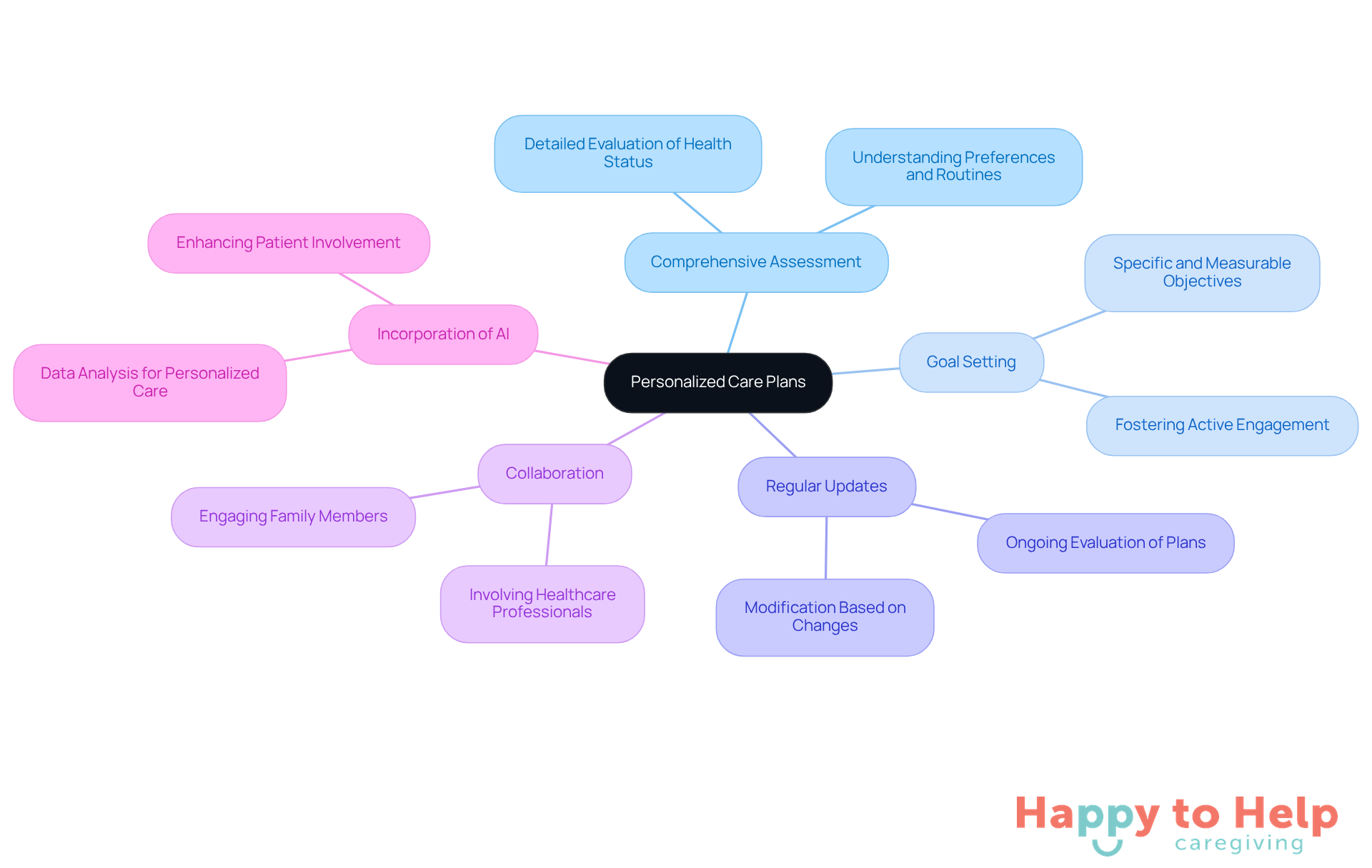
To address these challenges, caregivers can implement several key components in personalized treatment plans:
- Comprehensive Assessment: A detailed evaluation of the individual's health status, preferences, and daily routines is essential for crafting a customized care plan that truly reflects their needs.
- Goal Setting: Plans should incorporate specific, measurable objectives that align with the individual's desires, fostering active engagement in their own journey.
- Regular Updates: Ongoing evaluation and modification of support plans are crucial to accommodate any changes in well-being or individual preferences, ensuring that the assistance remains pertinent and efficient.
- Collaboration: Engaging family members and healthcare professionals in the planning process improves communication and assistance, forming a unified team approach to treatment.
Moreover, the incorporation of AI in healthcare is revolutionizing planning by facilitating data analysis that improves patient involvement and results. As Sara Wilson, CEO of Home Assist Health, emphasizes, understanding clients' motivations and aspirations is crucial for effective care planning. By prioritizing tailored support plans, families can ensure their loved ones receive optimal assistance, leading to enhanced health outcomes and a higher quality of life. This tailored approach not only addresses immediate needs but also empowers individuals, promoting their independence and well-being.
Making the Right Choice
The vital role of caregivers in providing family support cannot be overstated. They serve as the backbone of the healthcare system, offering essential assistance that enhances the quality of life for their loved ones. However, caregivers face significant challenges, including emotional, physical, and financial strains, which often go unrecognized.
These burdens can lead to stress, burnout, and a sense of isolation. The implications are profound, affecting not only the caregivers themselves but also the well-being of those they care for. Caregivers need more recognition and support in their indispensable roles.
To address these challenges, tailored resources and support systems are crucial.
- In-home care services
- Personalized care plans
These solutions not only enhance the caregiving experience but also promote better health outcomes for both caregivers and their loved ones.
Ultimately, recognizing the importance of caregivers and advocating for their needs is essential. By fostering a culture of support and understanding, society can ensure that caregivers receive the assistance they require. This empowerment allows them to continue their vital work while maintaining their own well-being. The significance of caregivers in family dynamics and healthcare is profound, and it is essential to take action to support and uplift these unsung heroes.
https://iframe.tely.ai/cta/eyJhcnRpY2xlX2lkIjogIjY5MjI0ZjZmNGZjYWRhOTUwOGRlNDQwZiIsICJjb21wYW55X2lkIjogIjY4ZWU1ZGNhNzMxNzYyNTU3ZjNjOTVjMSIsICJpbmRleCI6IG51bGwsICJ0eXBlIjogImFydGljbGUifQ==Frequently Asked Questions
What is caregiving?
Caregiving is a range of activities aimed at assisting individuals who cannot fully care for themselves due to age, illness, or disability. This includes physical help with daily tasks and emotional support through companionship and social interaction.
What role do caregivers play in the lives of those they assist?
Caregivers enhance the quality of life for their loved ones by helping them maintain dignity and autonomy while receiving necessary assistance. They play a crucial role in the well-being of those they support.
What percentage of caregivers assist with daily living activities?
Studies show that 65% of caregivers assist with daily living activities.
What challenges do caregivers face?
Caregivers often experience emotional and physical strain, with nearly one in four reporting their health as fair or poor. They may also face unique challenges, especially those in the 'sandwich generation' who care for both children and elderly parents.
What is the 'sandwich generation'?
The 'sandwich generation' refers to individuals who balance the responsibilities of caring for both children and elderly parents. Almost one in three individuals in this group also raises children under 18 while looking after an adult relative.
How trained are caregivers for their responsibilities?
Many caregivers handle complex medical tasks without formal training; only 11% have received medical training for daily living activities.
What financial impacts do caregivers experience?
Nearly half of caregivers report significant financial impacts from their responsibilities, which complicates their ability to provide assistance.
What resources are available for caregivers?
Caregivers can seek local support groups, access training resources, and explore financial assistance programs to help address their challenges.
List of Sources
- Define Caregiving and Its Role in Health
- HHS Backs AI Innovation for America’s Caregivers | HHS.gov (https://hhs.gov/press-room/hhs-backs-ai-innovation-for-americas-caregivers.html)
- As Family Caregiving Grows, So Does the Need for Reform - Medicare Rights Center (https://medicarerights.org/medicare-watch/2025/08/14/as-family-caregiving-grows-so-does-the-need-for-reform)
- New Report Reveals Crisis Point for America’s 63 million Family Caregivers (https://press.aarp.org/2025-07-24-New-Report-Reveals-Crisis-Point-for-Americas-63-million-Family-Caregivers)
- Caregivers Face Mental, Physical Health Risks (https://usnews.com/news/health-news/articles/2025-01-07/caregivers-face-mental-physical-health-risks)
- What to expect when you become a caregiver– and how to cope with the challenges (https://heart.org/en/news/2025/11/20/what-to-expect-when-you-become-a-caregiver-and-how-to-cope-with-the-challenges)
- Identify Challenges Faced by Family Caregivers
- New Report Reveals Crisis Point for America’s 63 million Family Caregivers (https://press.aarp.org/2025-07-24-New-Report-Reveals-Crisis-Point-for-Americas-63-million-Family-Caregivers)
- As Family Caregiving Grows, So Does the Need for Reform - Medicare Rights Center (https://medicarerights.org/medicare-watch/2025/08/14/as-family-caregiving-grows-so-does-the-need-for-reform)
- Changes in Health Indicators Among Caregivers... (https://cdc.gov/mmwr/volumes/73/wr/mm7334a2.htm)
- Caregiving in the US 2025: Caring Across States (https://aarp.org/pri/topics/ltss/family-caregiving/caregiving-in-the-us-2025-caring-across-states)
- Family Caregivers Struggling In Some States More Than Others (https://disabilityscoop.com/2025/10/31/family-caregivers-struggling-in-some-states-more-than-others/31710)
- Explore In-Home Care Services and Their Benefits
- 52 Eye-Opening Home Health Statistics: Insights for 2025 (https://boosthomehealth.com/home-health-statistics)
- 5 Benefits of Senior In-Home Care in 2025 | Valley Home Care (https://valleyhca.com/the-top-5-benefits-of-in-home-senior-care-for-aging-loved-ones-in-2025)
- The Future of Aging: Is In-Home Care the New Standard? - WorldHealth.net (https://worldhealth.net/news/future-of-aging-is-in-home-care-new-standard)
- Home Care Industry Trends to Watch in 2025 (https://firstlighthomecare.com/blog/home-care-industry-trends)
- 2025 Home Care Statistics: Trends & Insights To Know (https://premierhcinc.com/blog/home-care-statistics)
- Understand the Value of Personalized Care Plans
- How Personalized Health Care Is Changing The Role Of Home Care Providers (https://homehealthcarenews.com/2024/03/how-personalized-health-care-is-changing-the-role-of-home-care-providers)
- 2025: AI enhances personalized care; caregiver experience in the spotlight (https://healthcareitnews.com/news/2025-ai-enhances-personalized-care-caregiver-experience-spotlight)
- Meeting the Demand for Personalized Care (https://bstquarterly.com/article/meeting-the-demand-for-personalized-care)