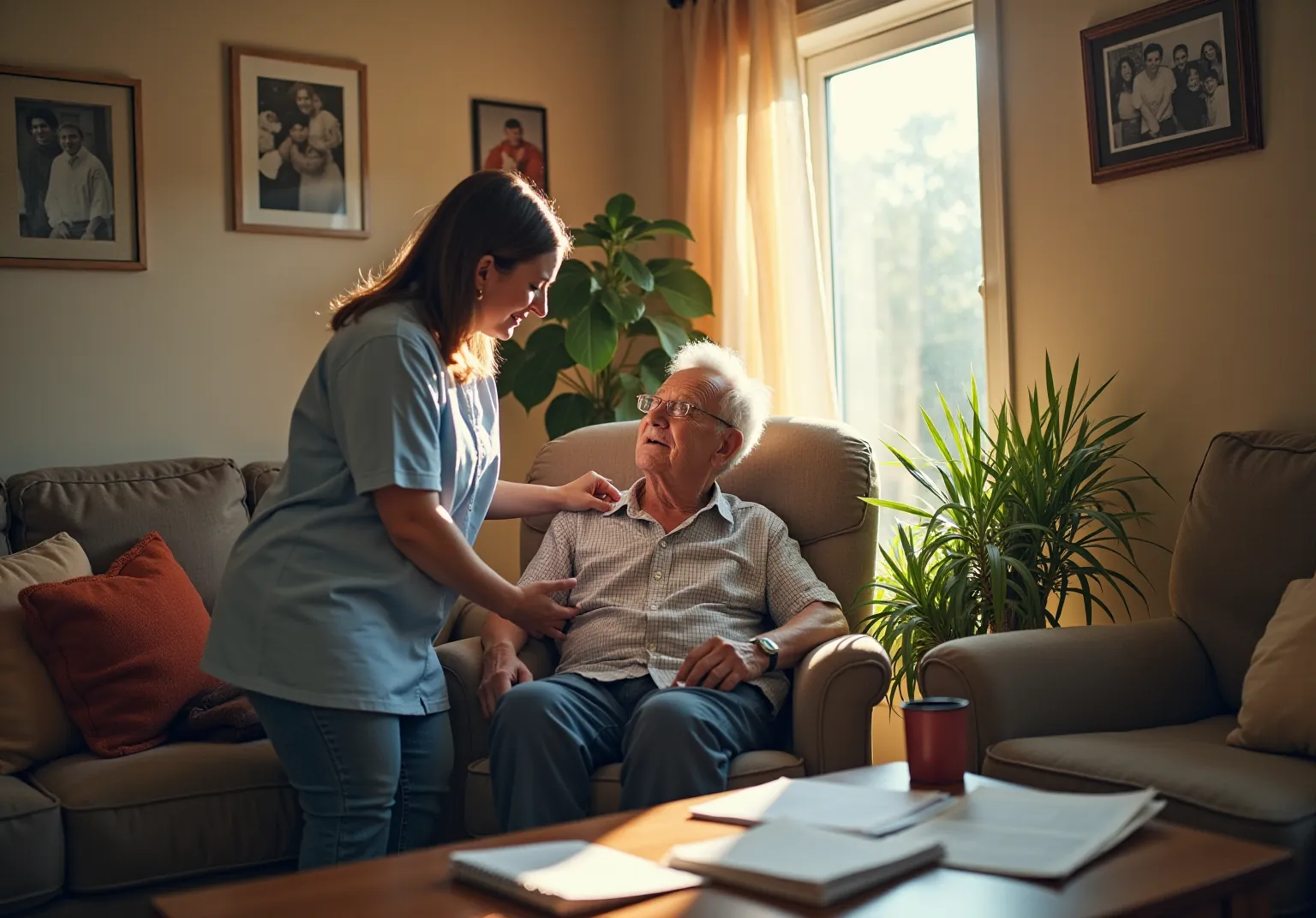
Understanding the Key Characteristics of a Good Caregiver

For families in our service areas
For families in our service areas, this guide explains caregiver support and how non-medical in-home caregiving can support care planning in East Idaho, Treasure Valley & Magic Valley, Northern Wasatch, North Central West Virginia, and Northeast Ohio.
What You Need to Know About The Key Characteristics of a Good
Understanding the essential characteristics of a good caregiver reveals a profound truth: these individuals are not just providers of care, but vital pillars of support for those who cannot fully care for themselves.
As the demand for caregiving continues to rise, the challenges faced by caregivers become increasingly urgent. Caregivers often experience emotional and physical strains that can impact their well-being and the quality of care they provide. Recognizing these challenges is the first step toward addressing them effectively.
So, what qualities define an exceptional caregiver? They must possess empathy, resilience, and strong communication skills. These traits enable them to navigate the complexities of their role while ensuring the well-being of those they serve.
To support caregivers, it’s essential to implement practical solutions. Here are some actionable tips:
- Establish a support network: Connect with other caregivers to share experiences and advice.
- Prioritize self-care: Make time for personal well-being to recharge and maintain effectiveness.
- Seek professional help: Don’t hesitate to reach out for counseling or support services when needed.
By recognizing the unique challenges caregivers face and implementing these strategies, we can foster a healthier environment for both caregivers and those they care for.
Defining a Good Caregiver
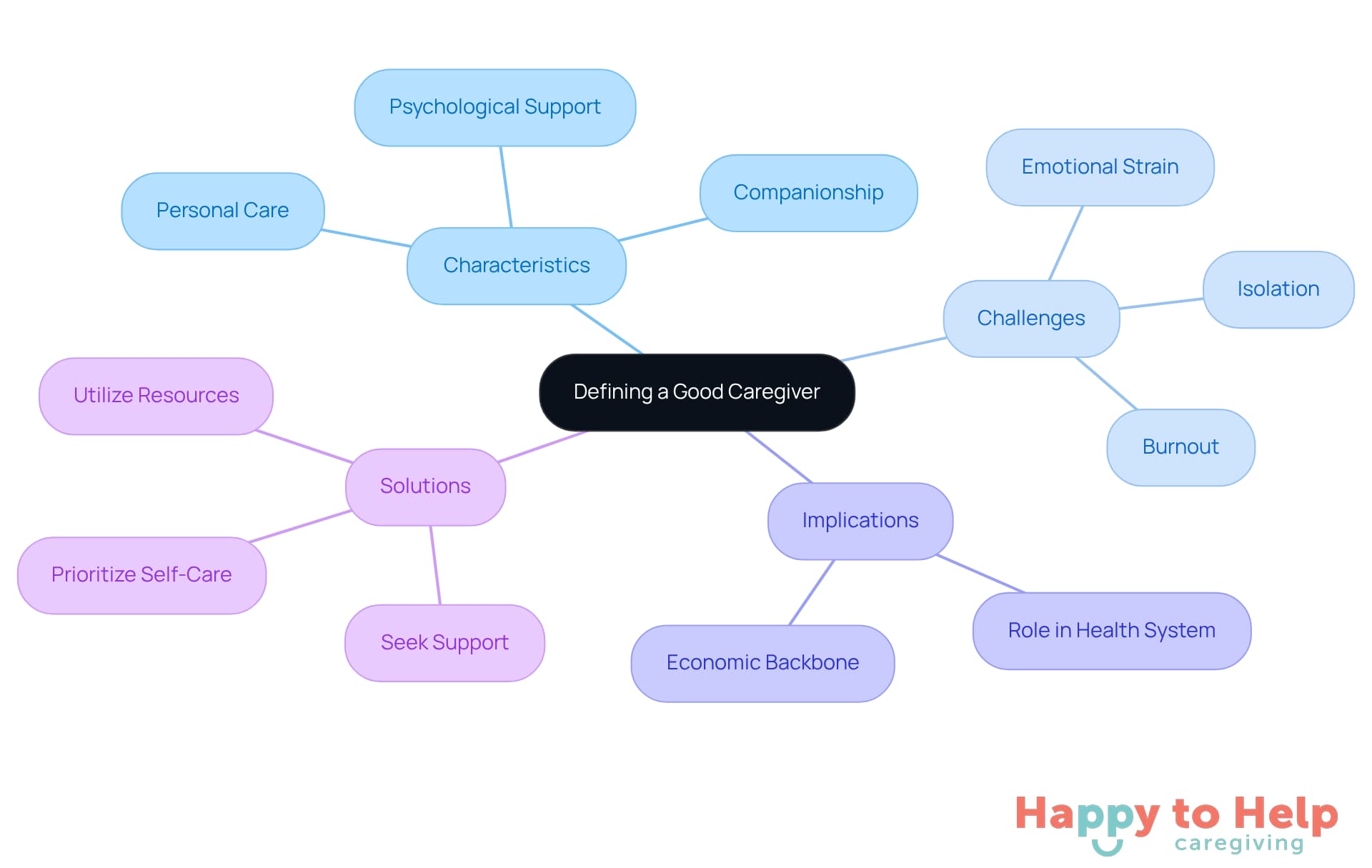
A competent provider demonstrates the characteristics of a good caregiver by offering essential help to individuals unable to fully care for themselves due to age, illness, or disability. This role encompasses a wide range of responsibilities that demonstrate the characteristics of a good caregiver, including personal care, companionship, and psychological support. However, caregivers often face significant challenges that can impact their well-being and effectiveness.
The Problem: Caregivers frequently experience emotional and physical strain. They are often the primary source of support, which can lead to feelings of isolation and burnout. Statistics reveal that nearly half of caregivers report declining mental health, underscoring the urgent need for support systems that prioritize their well-being.
The Implications: The emotional bond between providers and recipients is crucial for fostering trust and safety. As Nancy LeaMond, Executive Vice President of AARP, states, "Caregivers are the invisible backbone of our health system and economy." This highlights the essential role caregivers play, not just for their clients, but for the broader community as well.
The Solution: To combat these challenges, caregivers can implement several practical strategies:
- Seek Support: Engage with local caregiver support groups or online communities to share experiences and gain insights.
- Prioritize Self-Care: Make time for personal health and well-being, whether through exercise, hobbies, or relaxation techniques.
- Utilize Resources: Explore available resources, such as respite care services, to alleviate some of the caregiving burden.
Moreover, the characteristics of a good caregiver include playing a pivotal role in supporting individuals with disabilities, ensuring they receive the necessary assistance to maintain independence and engage in meaningful activities. This support not only benefits clients but also provides peace of mind to families, knowing their loved ones are in capable hands. With 1 in 4 Americans acting as providers for older adults and individuals with disabilities, the importance of recognizing and appreciating caregivers' efforts cannot be overstated. As the demand for caregiving continues to rise, especially with the oldest baby boomers reaching 80 next year, it is crucial to acknowledge the challenges caregivers face, including financial pressures and the psychological burden of their duties.
The Importance of Caregivers in Enhancing Quality of Life
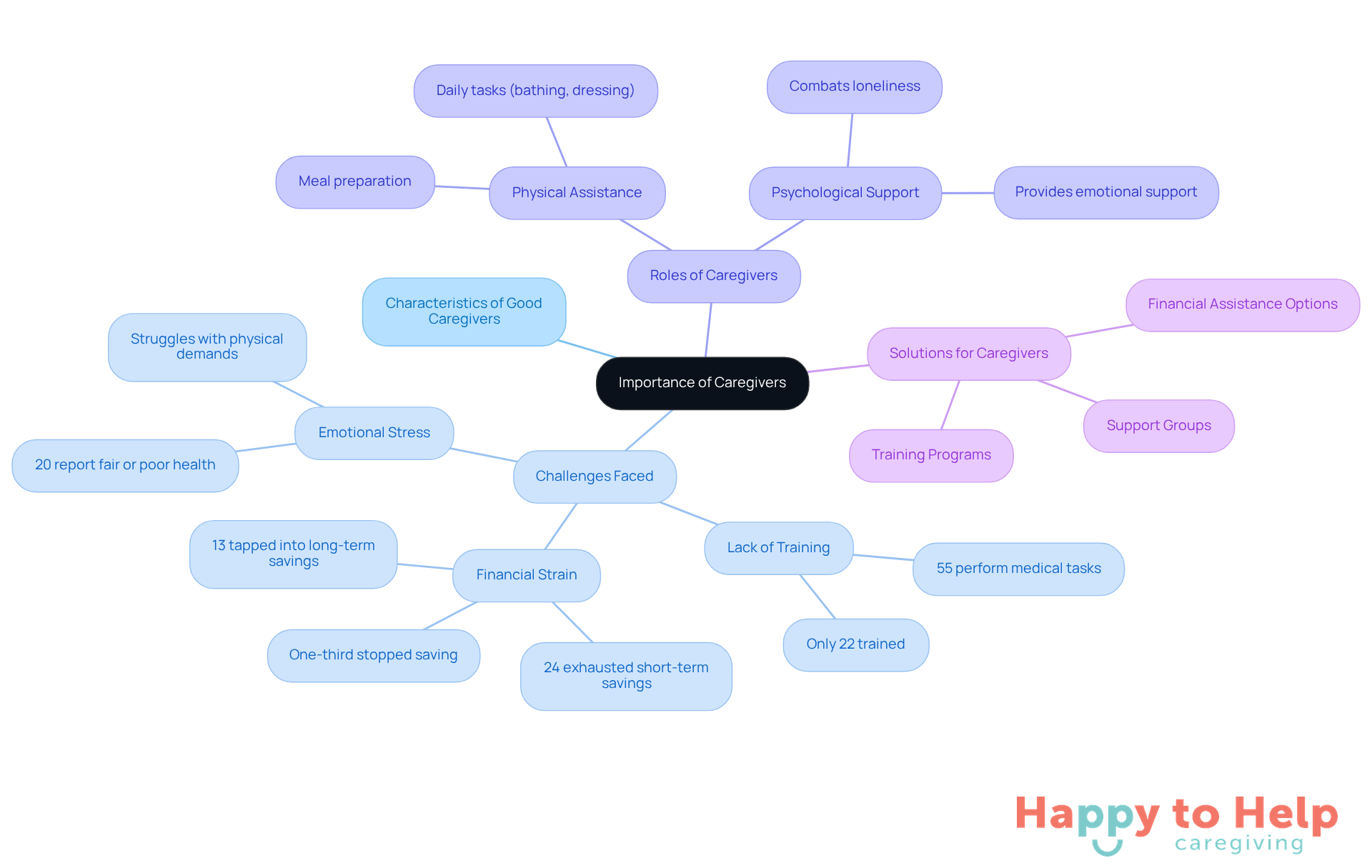
Caregivers, who possess the characteristics of a good caregiver, play a vital role in improving the quality of life for individuals, especially seniors and those with disabilities. However, they face significant challenges that can impact their ability to provide care effectively.
One major issue is the lack of formal training; while 55% of family caregivers perform medical or nursing tasks, only 22% have received proper training. This gap can lead to stress and uncertainty in their caregiving roles. Additionally, over one-third of caregivers report financial strain, with many having to stop saving due to their responsibilities.
The implications of these challenges are profound. Caregivers not only provide physical assistance with daily tasks like bathing, dressing, and meal preparation, but they also offer essential psychological support that combats loneliness and isolation. Research shows that the characteristics of a good caregiver contribute to better health outcomes, fewer hospital readmissions, and a greater sense of independence for clients.
To address these issues, caregivers can:
- Seek out training programs to enhance their skills and knowledge.
- Connect with local support groups to provide emotional support and practical advice.
- Explore financial assistance options to alleviate some of the economic burdens they face.
As the number of family caregivers is projected to reach 63 million by 2025, the need for comprehensive support is more critical than ever. Almost one-third of caregivers are responsible for both an adult with disabilities and a child, highlighting the complexities of their roles. By recognizing these challenges and implementing practical solutions, caregivers can continue to provide essential support while also taking care of their own well-being.
Essential Characteristics of a Good Caregiver
Challenges in Caregiving
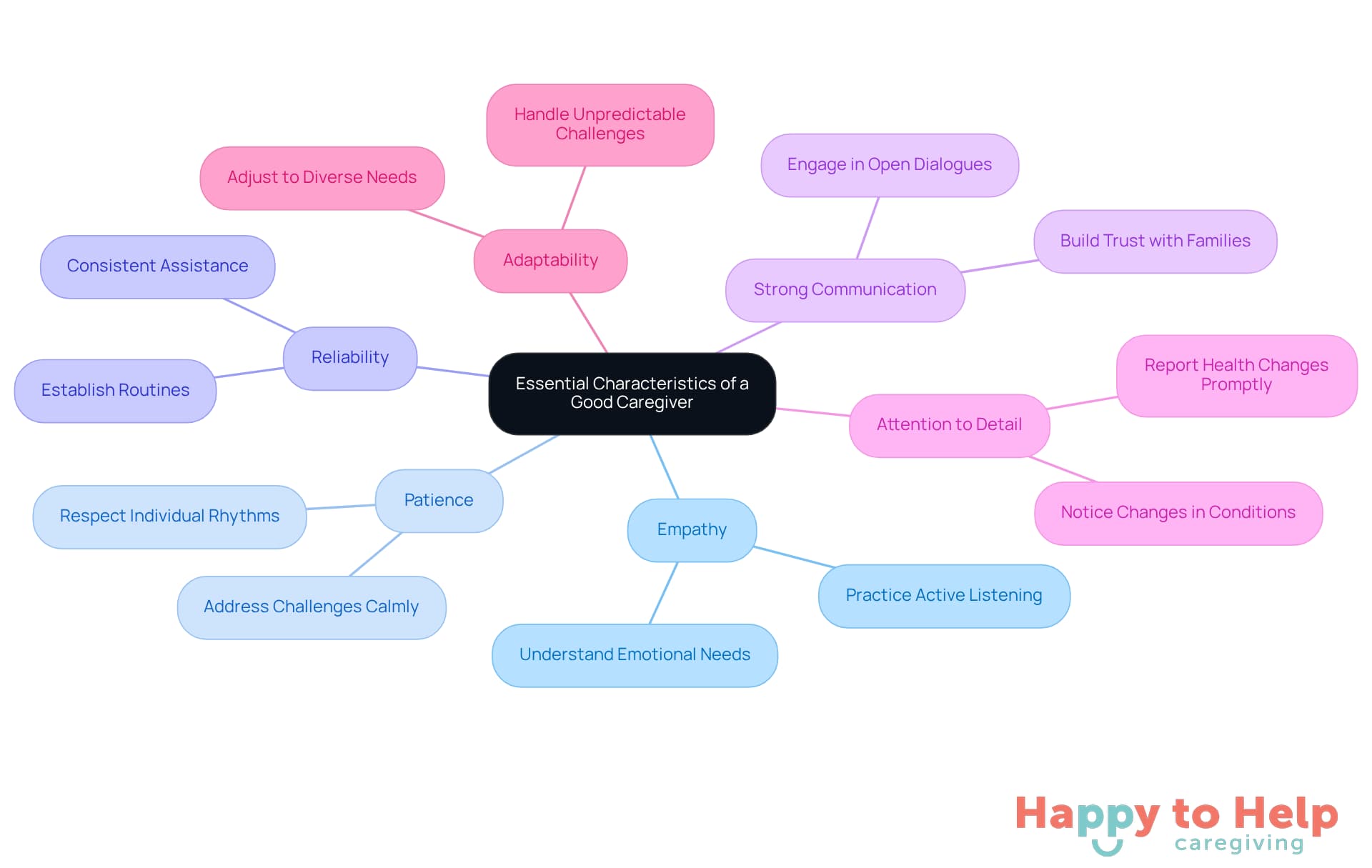
Caregivers often face significant challenges in their roles. Empathy, patience, reliability, and strong communication skills are essential traits that reflect the characteristics of a good caregiver for effective support. Without these qualities, caregivers may struggle to meet the emotional and practical needs of those they assist.
The Importance of Key Traits
Empathy allows providers to understand and respond to the emotional requirements of their charges. Patience is vital for navigating the complexities that arise in caregiving situations. When caregivers are dependable, they ensure that those they support can rely on consistent assistance. Furthermore, strong communication fosters trust among providers, recipients, and their families.
Actionable Solutions for Caregivers
To enhance their effectiveness, caregivers should focus on developing these essential traits:
- Empathy: Practice active listening to better understand the feelings of those you support.
- Patience: A key characteristic of a good caregiver is to take time to address challenges calmly and thoughtfully.
- Reliability: Establish routines that reflect the characteristics of a good caregiver, allowing those you assist to depend on them.
Engaging in open dialogues with recipients and their families is one of the important characteristics of a good caregiver that helps to build trust.
Effective providers are also detail-oriented, able to notice changes in their charges' conditions, and adaptable to the diverse needs of those they support. By honing these skills, caregivers can significantly improve the quality of care they provide.
Key Qualities That Define Exceptional Caregivers
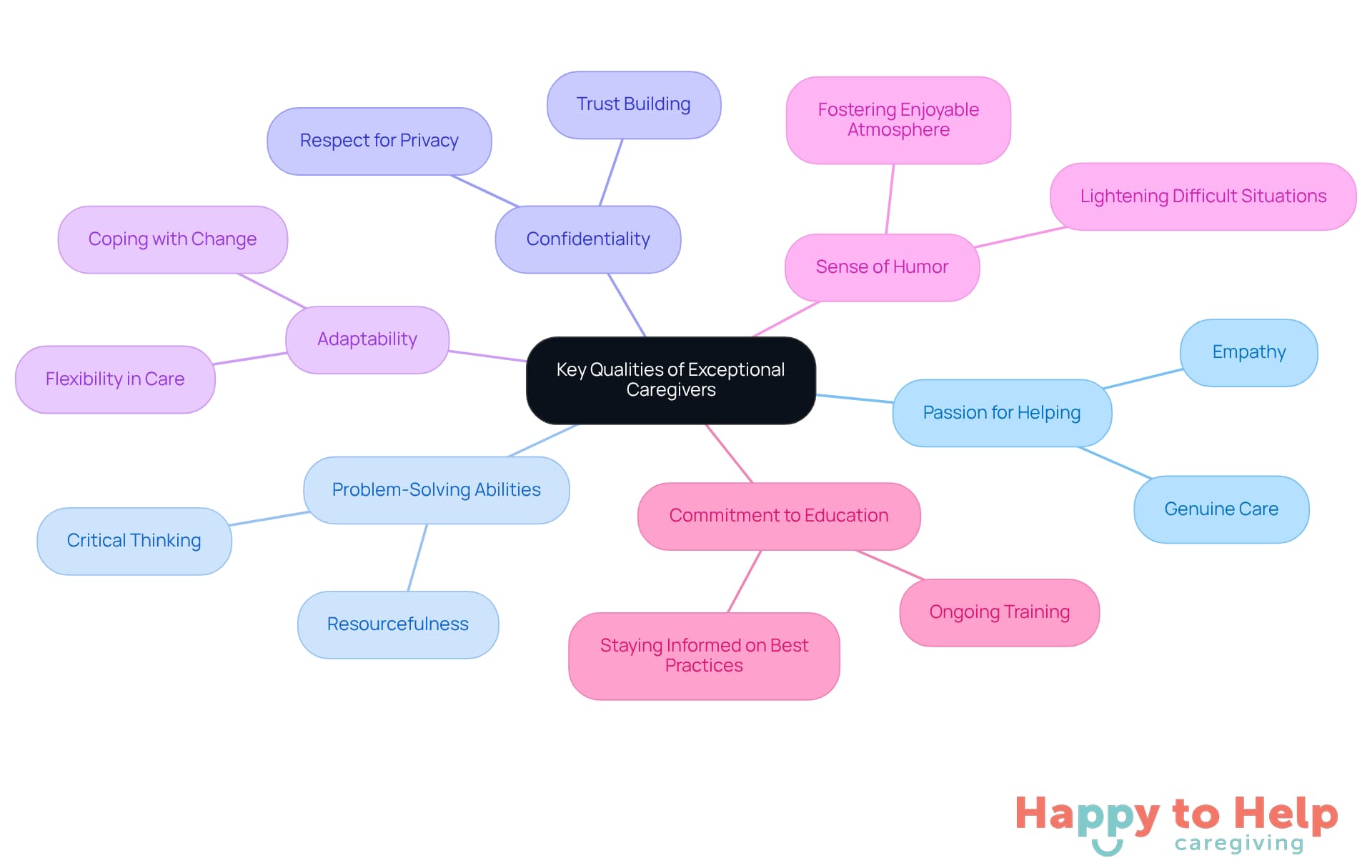
Caregivers often face significant challenges in their roles, especially concerning the characteristics of a good caregiver required to provide exceptional care. Without a genuine passion for helping others, strong problem-solving abilities, and the ability to maintain confidentiality, caregivers may struggle to meet the needs of their clients effectively.
These challenges can lead to increased stress and burnout, impacting both the caregiver and the client. Adaptability is crucial; caregivers must navigate the complexities of caregiving with grace and efficiency. Moreover, a sense of humor can be a valuable asset, lightening difficult situations and fostering a more enjoyable atmosphere for clients.
To address these challenges, caregivers should focus on developing the characteristics of a good caregiver that enhance their effectiveness. Commitment to ongoing education and professional development is essential. By staying informed about best practices and innovations in caregiving, they can significantly improve the care they provide.
In summary, the characteristics of a good caregiver include a unique blend of qualities that not only help them succeed in their roles but also enrich the lives of those they serve.
Taking the Next Steps
Caregivers face significant challenges that can impact their ability to provide quality support. Emotional strain, lack of training, and financial burdens are just a few of the hurdles they encounter daily. These issues not only affect caregivers personally but also diminish the quality of care they can offer to those in need.
To address these challenges, it’s essential to recognize the importance of key traits such as:
- Empathy
- Patience
- Reliability
- Strong communication skills
These qualities are vital for effective caregiving and can help mitigate the emotional and physical toll on caregivers. By prioritizing self-care and seeking support, caregivers can enhance their resilience and improve their caregiving capabilities.
Moreover, the role of caregivers extends beyond individual support; it significantly influences the overall health system and society. As the demand for caregiving continues to grow, it is crucial to appreciate their contributions. Encouraging ongoing education, emotional support, and financial assistance will empower caregivers, ensuring they remain capable of delivering the high-quality care that is essential for enhancing the lives of those they serve.
https://iframe.tely.ai/cta/eyJhcnRpY2xlX2lkIjogIjY5MjI2NTFjZTUyZmU2NjM2Njg4NjZiYyIsICJjb21wYW55X2lkIjogIjY4ZWU1ZGNhNzMxNzYyNTU3ZjNjOTVjMSIsICJpbmRleCI6IG51bGwsICJ0eXBlIjogImFydGljbGUifQ==Frequently Asked Questions
What defines a good caregiver?
A good caregiver is characterized by their ability to provide essential help to individuals unable to care for themselves due to age, illness, or disability. This includes responsibilities like personal care, companionship, and psychological support.
What challenges do caregivers commonly face?
Caregivers often experience emotional and physical strain, leading to feelings of isolation and burnout. Nearly half of caregivers report declining mental health, highlighting the need for support systems focused on their well-being.
Why is the emotional bond between caregivers and recipients important?
The emotional bond fosters trust and safety, which is crucial for effective caregiving. It underscores the significant role caregivers play in the health system and the economy, as noted by Nancy LeaMond of AARP.
What strategies can caregivers implement to manage their challenges?
Caregivers can seek support through local groups or online communities, prioritize self-care by making time for personal health, and utilize resources like respite care services to alleviate their burden.
How do good caregivers support individuals with disabilities?
Good caregivers ensure that individuals with disabilities receive the necessary assistance to maintain their independence and engage in meaningful activities, benefiting both clients and their families.
What is the current state of caregiving in America?
Approximately 1 in 4 Americans act as caregivers for older adults and individuals with disabilities. The demand for caregiving is increasing, especially as the oldest baby boomers reach 80 years of age, necessitating recognition of caregivers' efforts and challenges.
What are some of the financial and psychological pressures caregivers face?
Caregivers often deal with financial pressures related to caregiving responsibilities and the psychological burden of their duties, which can further impact their mental health and overall well-being.
List of Sources
- Defining a Good Caregiver
- Caregivers are in crisis. How bad it is depends on where you live, new data shows. (https://usatoday.com/story/life/health-wellness/2025/10/28/caregiver-crisis-state-by-state/86855003007)
- HHS Backs AI Innovation for America’s Caregivers | HHS.gov (https://hhs.gov/press-room/hhs-backs-ai-innovation-for-americas-caregivers.html)
- The senior population is booming. Caregiving is struggling to keep up (https://cnbc.com/2025/11/21/senior-caregiving-labor.html)
- Building a lifeline for family caregivers across the US (https://news.mit.edu/2025/ianacare-builds-lifeline-for-family-caregivers-across-us-0811)
- Caregiving Crisis: 45% Increase in Americans Providing Care (https://aarp.org/caregiving/basics/caregiving-in-us-survey-2025)
- The Importance of Caregivers in Enhancing Quality of Life
- Caregiving Crisis: 45% Increase in Americans Providing Care (https://aarp.org/caregiving/basics/caregiving-in-us-survey-2025)
- Building a lifeline for family caregivers across the US (https://news.mit.edu/2025/ianacare-builds-lifeline-for-family-caregivers-across-us-0811)
- Family Caregivers Deserve Recognition — Medicare Is Starting to Listen (https://commonwealthfund.org/blog/2025/family-caregivers-deserve-recognition-medicare-starting-to-listen)
- Only 32% of America’s 63 Million Family Caregivers Use Paid Help (https://homehealthcarenews.com/2025/07/only-32-of-americas-63-million-caregivers-use-paid-help)
- Caregiver Statistics: Demographics (https://caregiver.org/resource/caregiver-statistics-demographics)
- Essential Characteristics of a Good Caregiver
- Why In-Home Caregivers Need More Than Just Empathy Today? | Medical News Bulletin (https://medicalnewsbulletin.com/why-in-home-caregivers-need-more-than-just-empathy-today)
- Best Qualities of a Good Caregiver (https://vnshealth.org/patient-family-support/health-library/best-qualities-of-a-good-caregiver)
- 8 Essential Caregiver Skills You Need To Succeed - NCCDP (https://nccdp.org/8-essential-caregiver-skills-you-need-to-succeed)
- Qualities of a Good Caregiver: Traits That Matter (https://agingarkansas.org/qualities-of-a-good-caregiver-key-traits-that-matter-most)
- The Importance of Empathy and Patience in Caregiving Roles (https://linkedin.com/pulse/importance-empathy-patience-caregiving-roles-langdale-care-homes-moswf)
- Key Qualities That Define Exceptional Caregivers
- Caregiving Crisis: 45% Increase in Americans Providing Care (https://aarp.org/caregiving/basics/caregiving-in-us-survey-2025)
- Discover the Value of Continuous Caregiver Education (https://affordablemedical.com/the-importance-of-ongoing-caregiver-education-and-support)
- Caregiver Statistics: Health, Technology, and Caregiving Resources (https://caregiver.org/resource/caregiver-statistics-health-technology-and-caregiving-resources)
- 25+ Inspirational Quotes for Caregivers (https://caringseniorservice.com/blog/quotes-for-caregiver-inspiration)
- 20 Caregiver Quotes That Will Inspire You - MD Home Health (https://mdhomehealth.com/2018/06/10/20-caregiver-quotes-that-will-inspire-you)