Understanding the Life of a Caregiver: Roles, Challenges,

For families in our service areas
For families in our service areas, this guide explains caregiver support and how non-medical in-home caregiving can support care planning in East Idaho, Treasure Valley & Magic Valley, Northern Wasatch, North Central West Virginia, and Northeast Ohio.
Understanding The Life of a Caregiver: Roles,
The role of a caregiver holds profound significance. Caregivers provide essential support to individuals facing challenges due to age, illness, or disability. With nearly one in four adults stepping into this vital role, it’s crucial to understand the responsibilities and daily routines of caregivers. This understanding benefits both the caregivers themselves and those they assist.
Yet, the journey isn’t without its hurdles. Emotional stress, physical strain, and financial pressures often accompany these responsibilities. How can caregivers navigate these challenges while ensuring their own well-being and maintaining the quality of care for their clients?
This article delves into the multifaceted life of caregivers. We’ll explore their roles, the obstacles they face, and effective strategies for maintaining balance and support. Together, we can find ways to lighten the load and foster a nurturing environment for both caregivers and those they care for.
Define the Caregiver Role and Responsibilities
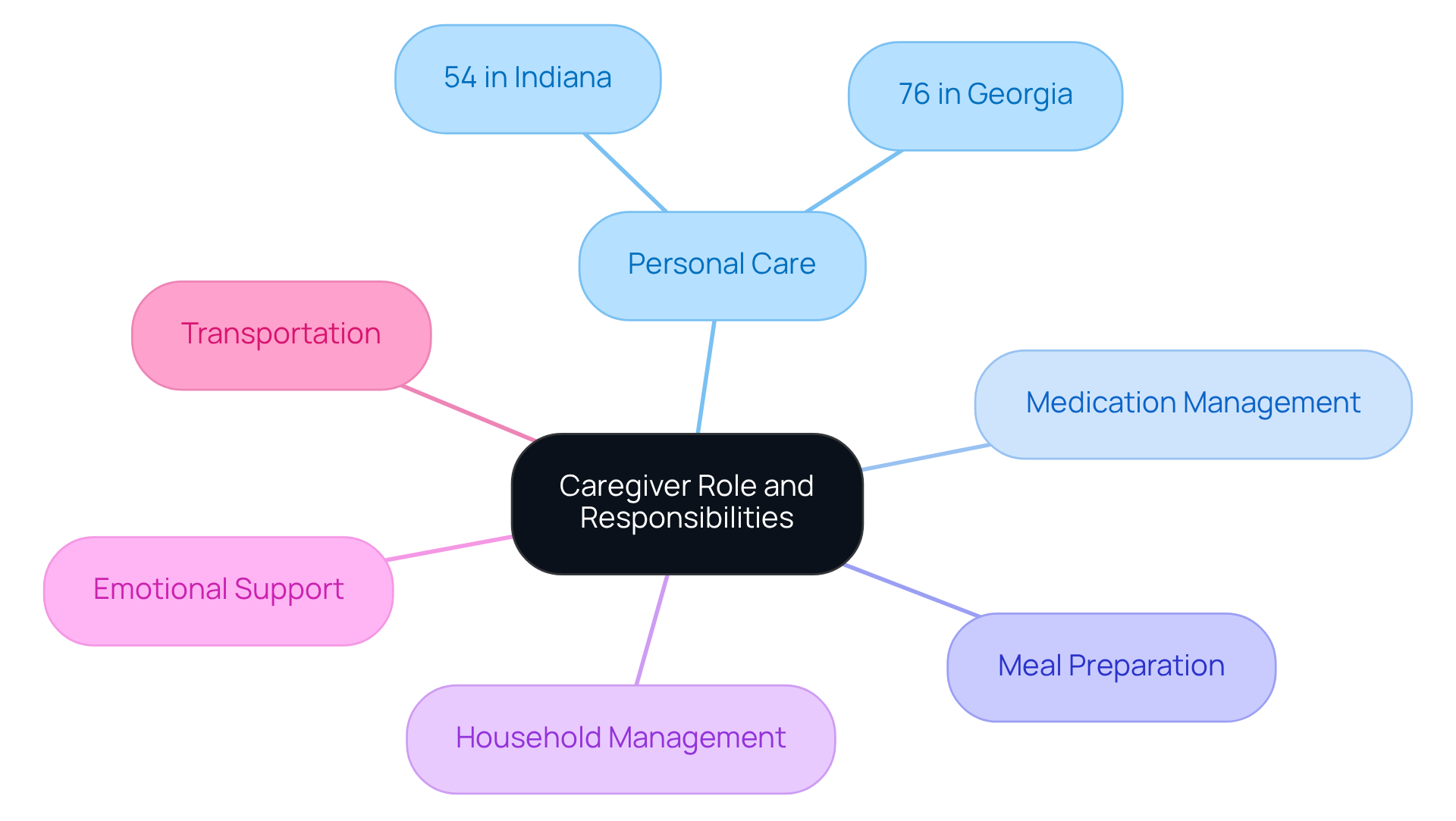
The life of a caregiver is truly vital in supporting individuals who require assistance with daily activities due to age, illness, or disability. Their responsibilities often include:
- Personal Care: Helping with bathing, dressing, grooming, and toileting. It’s important to note that the percentage of individuals providing personal assistance in the U.S. varies significantly, from 54% in Indiana to 76% in Georgia.
- Medication Management: Ensuring medications are taken as prescribed, which includes organizing pillboxes and keeping an eye on side effects.
- Meal Preparation: Planning and preparing nutritious meals that cater to specific dietary needs.
- Household Management: Taking care of light housekeeping tasks, laundry, and grocery shopping.
- Emotional Support: Offering companionship and engaging clients in social activities to help combat loneliness.
- Transportation: Assisting with travel to medical appointments or social events.
Understanding these roles can help individuals prioritize tasks and manage their time more effectively. It’s significant to recognize that almost 1 in 4 adults take on the role of caregivers, highlighting the prevalence and importance of the life of a caregiver in our society today. Moreover, about half of those providing care face at least one negative financial impact, which highlights the challenges they encounter.
As we look ahead to 2025, the landscape of caregiving is evolving, yet the focus on personal care remains crucial. This reflects a growing acknowledgment of the life of a caregiver as essential for individuals with diverse needs. Remember, you’re not alone in this journey; support is available, and your efforts are deeply valued.
Explore a Day in the Life of a Caregiver
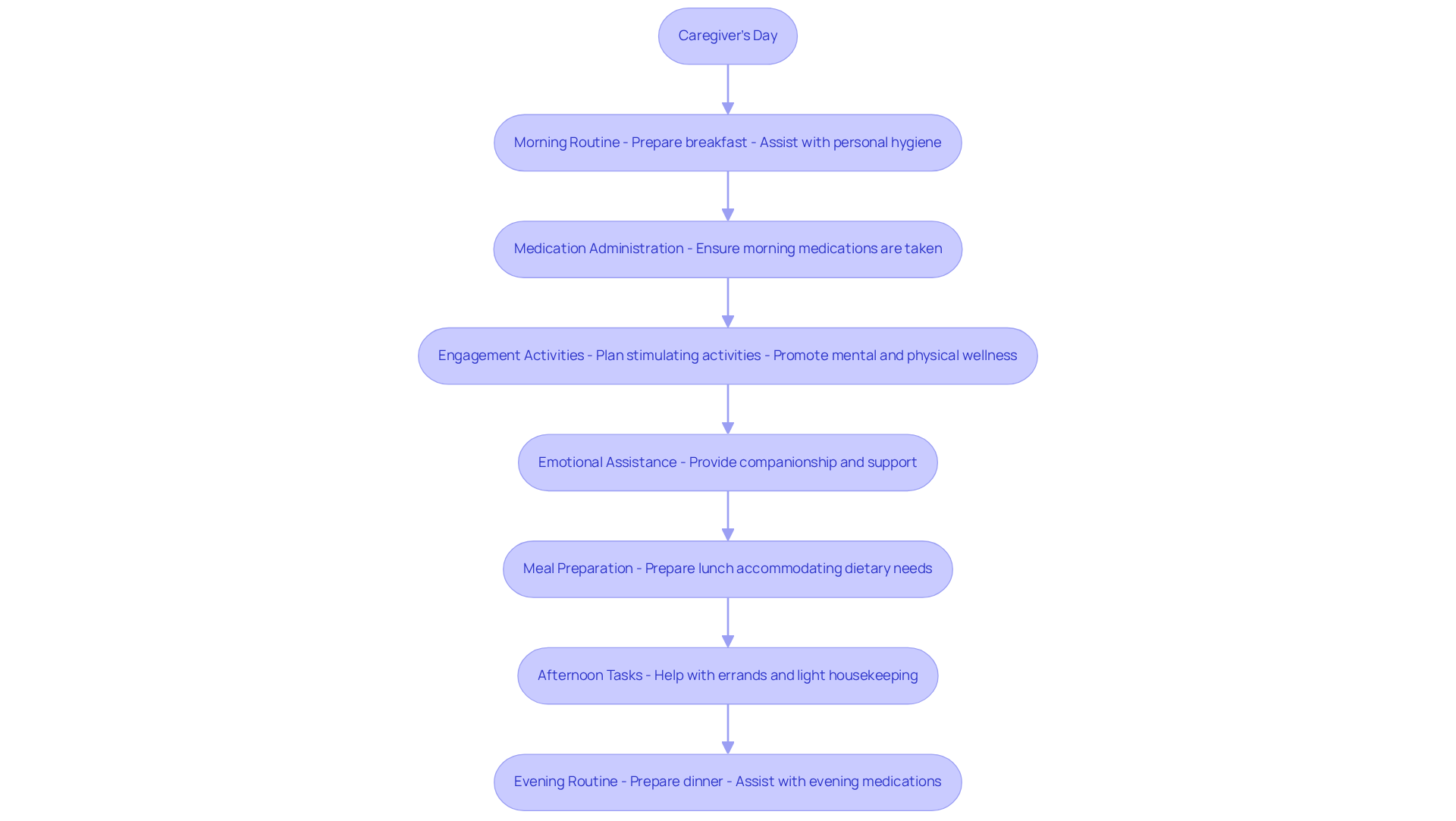
A caregiver's day is dynamic and tailored to meet the unique needs of each individual, often encompassing a variety of essential tasks.
-
Morning Routine: Caregivers typically rise early, preparing nutritious breakfasts and assisting with personal hygiene tasks like bathing and dressing. This initial support sets a positive tone for the day ahead.
-
Medication Administration: Ensuring individuals take their morning medications is a crucial responsibility. Proper medication management is vital for maintaining health and well-being.
-
Engagement Activities: Caregivers plan stimulating activities, such as reading, puzzles, or gentle walks, to promote mental and physical wellness. These interactions help combat feelings of loneliness and enhance emotional health.
-
Emotional Assistance: Throughout the day, caregivers provide emotional support, nurturing companionship and connection, which are essential for the overall well-being of those they care for.
-
Meal Preparation: Preparing lunch that accommodates dietary restrictions is another key duty, ensuring individuals receive balanced nutrition throughout the day.
-
Afternoon Tasks: The afternoon may involve helping individuals with errands, light housekeeping, or accompanying them to medical appointments. This encourages independence and supports their daily routines.
-
Evening Routine: As the day winds down, caregivers prepare dinner, assist with evening medications, and engage individuals in calming activities, like watching a favorite show or reminiscing about cherished memories.
This organized yet flexible schedule highlights the caregiver's commitment to enhancing their recipient's quality of life. It illustrates the profound impact of their assistance on overall well-being. It's important to recognize that 92% of those providing 21 or more hours per week experience high levels of burden, underscoring the challenges they face. Caregivers must remain adaptable, adjusting their routines to meet the evolving needs of those they assist.
Identify Challenges and Strategies for Caregiver Well-Being
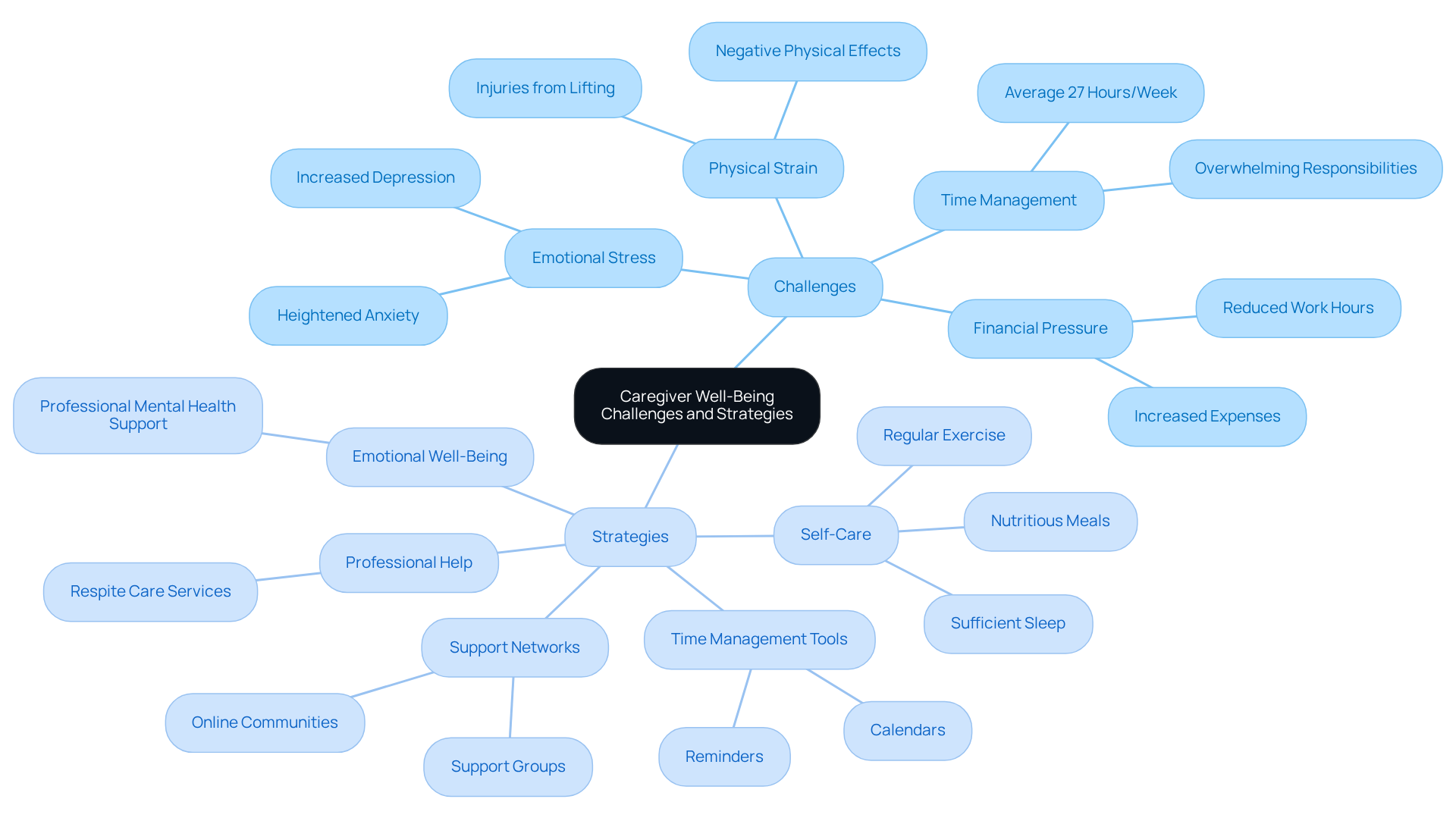
The life of a caregiver often presents a multitude of challenges that can deeply affect their well-being. Let's take a moment to understand some of these emotional hurdles:
-
Emotional Stress: The weight of caregiving can lead to significant emotional strain, often resulting in heightened anxiety and depression. Research shows that caregivers experience these conditions at higher rates than those who don’t provide care, as highlighted by the CDC and Family Caregiver Alliance. This reality underscores the importance of finding effective coping strategies for the life of a caregiver.
-
Physical Strain: The physical demands of caregiving-like lifting or assisting clients-can lead to injuries. Nearly half of caregivers report experiencing negative physical effects from their responsibilities. This emphasizes the need for proper body mechanics and training to protect their health.
-
Time Management: Juggling caregiving duties alongside personal responsibilities can feel overwhelming. On average, the life of a caregiver sees individuals dedicating about 27 hours a week to their roles, with 24% spending 40 hours or more. This makes effective time management not just important, but essential.
-
Financial Pressure: Many caregivers face financial challenges due to reduced work hours or increased expenses related to caregiving. Almost half report experiencing at least one negative financial impact, which can add to their stress levels in the life of a caregiver.
Strategies for Well-Being:
-
Self-Care: It’s vital to prioritize personal health. In the life of a caregiver, regular exercise, nutritious meals, and sufficient sleep can help alleviate stress and enhance overall well-being.
-
Support Networks: Connecting with support groups or online communities can offer caregivers shared experiences and valuable advice that enhance the life of a caregiver, fostering a sense of belonging and understanding.
-
Professional Help: Utilizing respite care services allows caregivers to take necessary breaks, recharge, and maintain their mental health.
-
Time Management Tools: Tools like calendars and reminders can help caregivers organize tasks and appointments, reducing feelings of being overwhelmed.
-
Emotional Well-Being: Seeking professional mental health support can be incredibly beneficial for caregivers dealing with emotional strain, providing them with coping strategies and a safe space to express their feelings.
Develop Personalized Care Plans and Communication Strategies
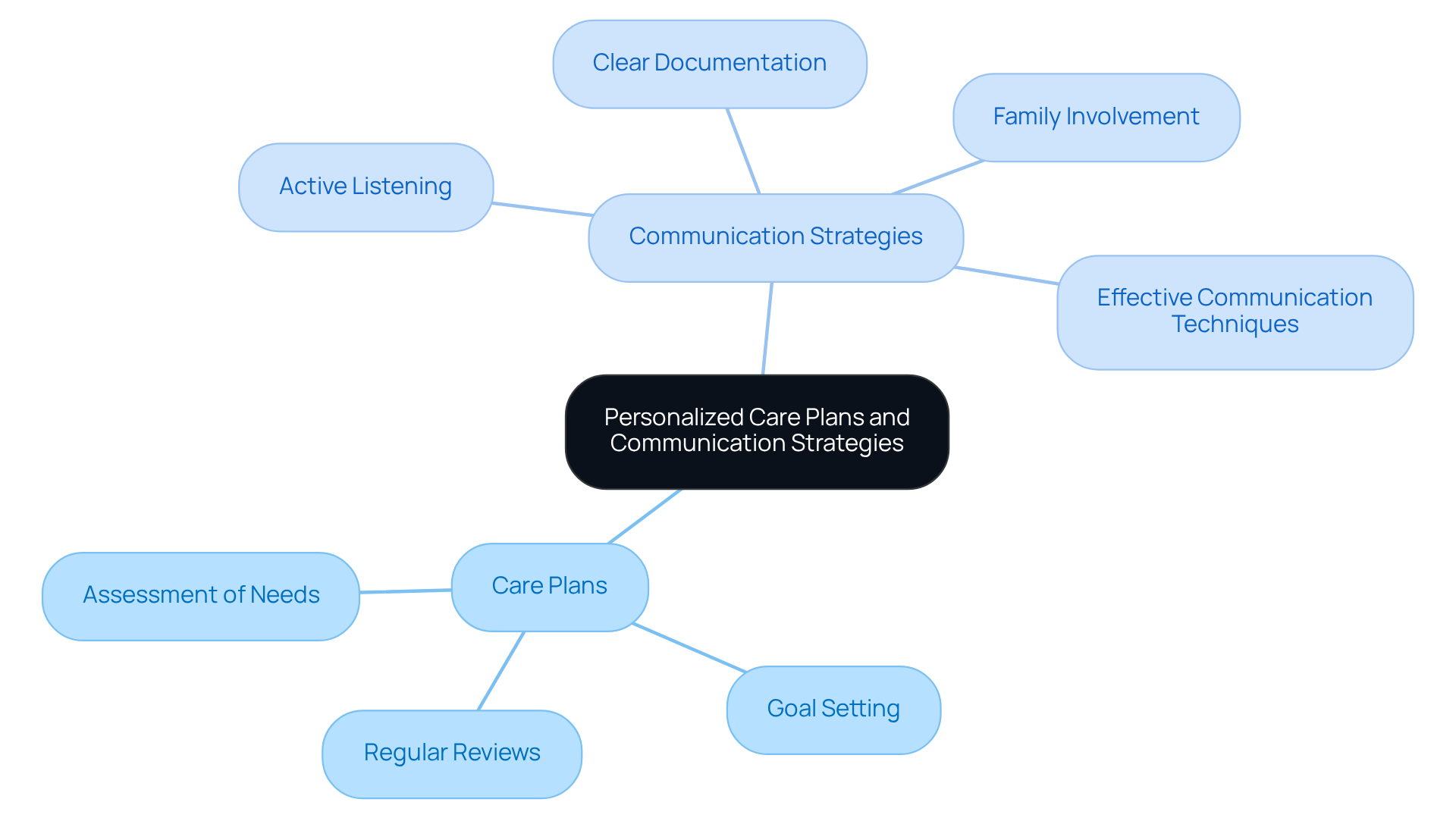
Creating customized support plans is a collaborative journey that involves the individual, their family, and healthcare professionals. It’s essential to recognize the emotional challenges that are part of the life of a caregiver, such as stress and burnout, and to address these with compassion and understanding. Key components of these plans include:
- Assessment of Needs: It’s vital to evaluate the client’s physical, emotional, and social needs. This helps in crafting a tailored plan that truly reflects their unique circumstances.
- Goal Setting: Establishing clear and attainable objectives is crucial. These goals should align with the individual’s preferences and lifestyle, ensuring they remain actively involved in their own well-being.
- Regular Reviews: Scheduling periodic evaluations allows for modifications to the plan as needs evolve, promoting adaptability and responsiveness.
Communication Strategies:
- Active Listening: Clients must feel heard and understood. This fosters trust and cooperation, which are essential for a positive caregiving experience. Remember, effective communication can significantly enhance the quality of care.
- Clear Documentation: Keeping detailed records of support activities and changes in the client’s condition is important. This practice not only aids caregivers but also keeps family members informed. Research shows that clear documentation can lead to better treatment outcomes.
- Family Involvement: Encouraging family members to participate in care discussions can improve understanding and assistance. Statistics reveal that family engagement in the life of a caregiver results in better outcomes and satisfaction for both clients and caregivers. For instance, 63% of caregivers express a need for more resources and support, highlighting the importance of family involvement.
- Effective Communication Techniques: Using strategies like open-ended questions and reflective responses can facilitate meaningful conversations. Healthcare professionals emphasize that effective communication is a fundamental right, significantly impacting the quality of care. As Lisa M. Gables beautifully states, "Being able to communicate effectively is a human right."
In conclusion, developing personalized care plans and communication strategies is not just about addressing needs; it’s about fostering a nurturing environment where everyone feels valued and understood.
Your Path Forward
The life of a caregiver is filled with essential responsibilities that are vital for the well-being of those who need assistance. It’s important to recognize the multifaceted roles caregivers play - from personal care and medication management to emotional support and household tasks. By understanding these roles, we can truly appreciate the dedication and impact of these remarkable individuals.
Caregivers often face significant challenges, including emotional stress, physical strain, and financial pressures. These realities highlight the urgent need for effective strategies to support their well-being. It’s crucial to acknowledge these emotional challenges and amplify the feelings of stress and burnout that many caregivers experience.
Key insights from this exploration reveal the importance of personalized care plans and open communication. By assessing individual needs and encouraging family involvement, caregivers can create a nurturing environment that enhances the quality of care. Implementing self-care practices and tapping into support networks can significantly lighten the burdens they carry, promoting both mental and physical health.
Ultimately, we cannot overstate the significance of caregivers in our society. As the landscape of caregiving evolves, it becomes imperative to recognize and support these dedicated individuals. Embracing strategies for caregiver well-being and advocating for their needs not only benefits the caregivers themselves but also enriches the lives of those they care for.
It’s a collective responsibility to ensure that caregivers feel valued, supported, and empowered in their vital roles. Together, we can foster a community that uplifts these compassionate individuals, allowing them to continue their important work with the care and dedication they deserve.
https://iframe.tely.ai/cta/eyJhcnRpY2xlX2lkIjogIjY5MWU3NDdkM2EzMWZlNTUxYjJmNDg1NiIsICJjb21wYW55X2lkIjogIjY4ZWU1ZGNhNzMxNzYyNTU3ZjNjOTVjMSIsICJpbmRleCI6IG51bGwsICJ0eXBlIjogImFydGljbGUifQ==Frequently Asked Questions
What is the primary role of a caregiver?
The primary role of a caregiver is to support individuals who require assistance with daily activities due to age, illness, or disability.
What are the key responsibilities of caregivers?
Caregivers have several key responsibilities, including personal care (bathing, dressing, grooming, toileting), medication management, meal preparation, household management, emotional support, and transportation.
How does the percentage of individuals providing personal assistance vary in the U.S.?
The percentage of individuals providing personal assistance in the U.S. varies significantly, ranging from 54% in Indiana to 76% in Georgia.
What is involved in medication management for caregivers?
Medication management involves ensuring that medications are taken as prescribed, which includes organizing pillboxes and monitoring for side effects.
Why is emotional support an important aspect of caregiving?
Emotional support is important as it helps combat loneliness by offering companionship and engaging clients in social activities.
How prevalent is caregiving in society?
Almost 1 in 4 adults take on the role of caregivers, highlighting the prevalence and importance of caregiving in society today.
What challenges do caregivers often face?
About half of those providing care experience at least one negative financial impact, indicating the challenges caregivers encounter.
How is the landscape of caregiving expected to evolve by 2025?
The landscape of caregiving is evolving, but the focus on personal care remains crucial, reflecting the growing acknowledgment of caregivers' essential role for individuals with diverse needs.