Why The Medical Companion: Role, History, Matters
As we become more aware of emotional well-being in healthcare, the vital role of medical companions comes into focus. These compassionate aides offer essential non-medical support, especially to seniors and individuals with special needs. They don’t just help with daily activities; they also nurture meaningful connections that significantly enhance their clients' quality of life.
Yet, in a world where loneliness and isolation among the elderly are on the rise, we must consider: how can medical companions effectively bridge this emotional gap? How can they transform caregiving into a holistic support system that truly addresses the heart of the matter?
The emotional challenges faced by caregivers can be overwhelming. Stress and burnout are common, but there is hope. Medical companions provide not only practical assistance but also emotional support, creating a nurturing environment where clients feel valued and understood. Their presence can make a world of difference, turning moments of solitude into opportunities for connection and joy.
Imagine a caregiver sharing, "Just having someone to talk to makes all the difference. It’s not just about the tasks; it’s about feeling seen and heard." This sentiment captures the essence of what medical companions offer—companionship that goes beyond the surface.
In this journey, we can find reassurance and encouragement. By fostering these connections, medical companions play a crucial role in combating loneliness and enhancing emotional well-being. Together, we can create a support system that embraces the whole person, ensuring that no one has to face their challenges alone.
Defining a Medical Companion
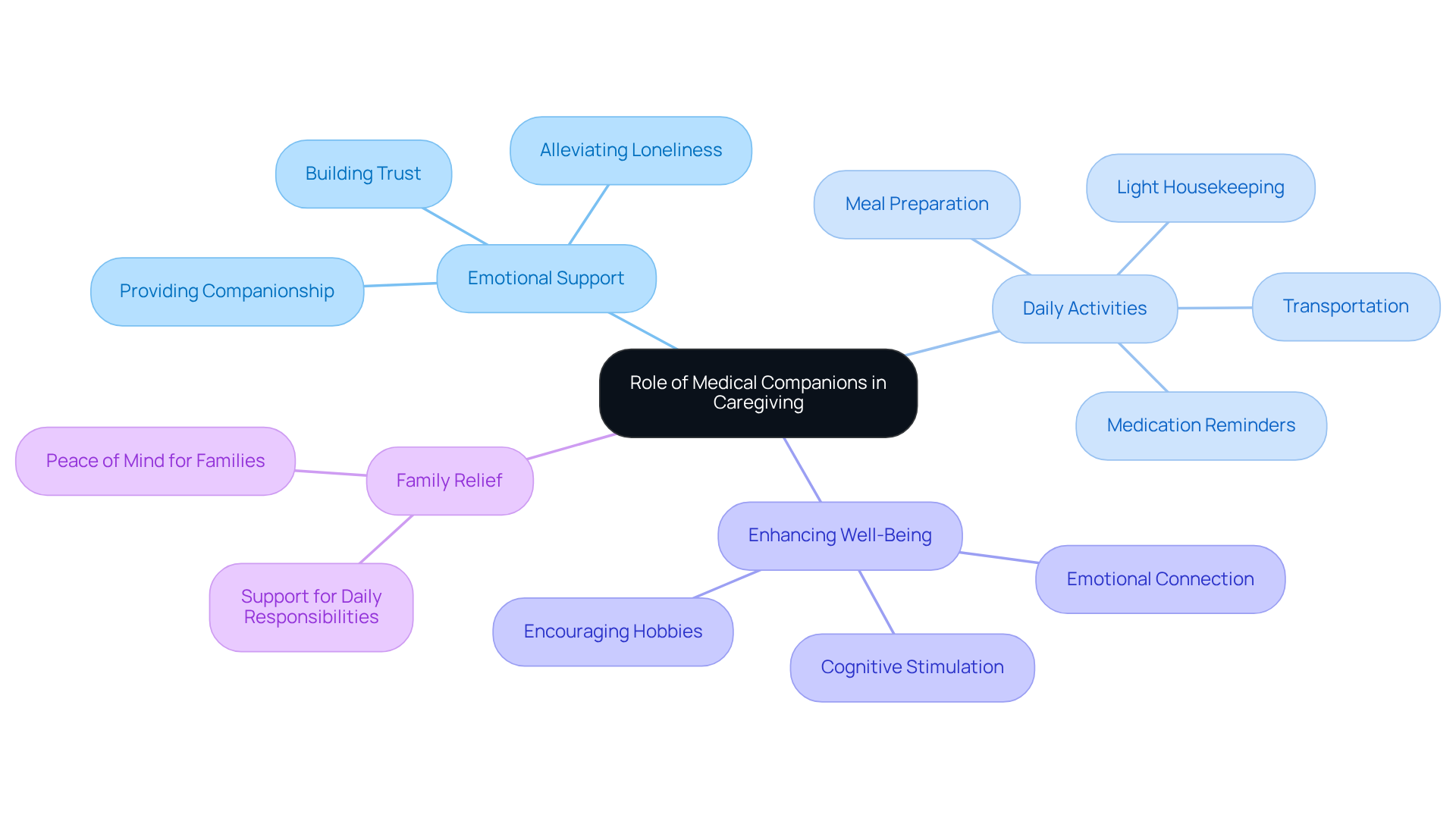
A medical aide plays a crucial role in offering non-medical support to individuals, particularly seniors or those with special needs, in various settings like homes and healthcare facilities. Unlike caregivers who may perform medical tasks, medical aides focus on providing emotional support, companionship, and assistance with daily activities.
Their presence is vital in enhancing the quality of life for those they assist. By ensuring individuals feel valued and engaged, medical aides address both physical and emotional needs. This nurturing approach not only helps alleviate feelings of loneliness but also fosters a sense of belonging and connection.
Imagine the comfort of having someone by your side, ready to listen and lend a helping hand. Medical aides bring that warmth into the lives of many, making a significant difference in their day-to-day experiences. They are there to uplift spirits and provide the emotional encouragement that is so often needed.
In a world where stress and burnout can weigh heavily on caregivers, the support of a medical aide can be a beacon of hope. They offer not just assistance, but a compassionate presence that reassures individuals they are not alone.
Ultimately, the role of a medical companion goes beyond just tasks; it’s about creating meaningful connections and ensuring that every individual feels cared for and understood.
The Role of Medical Companions in Caregiving
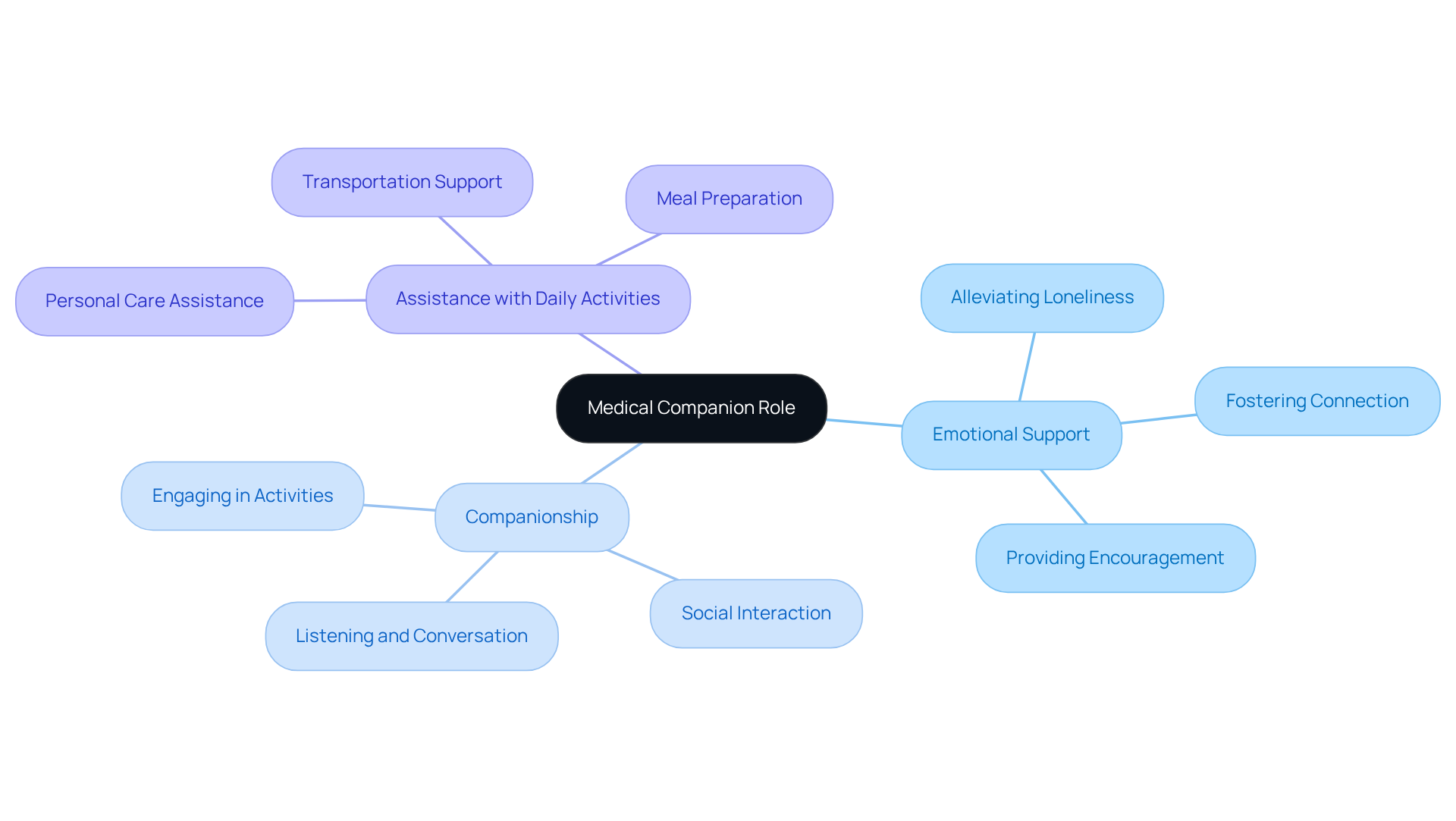
Medical companions are essential support figures in caregiving. They offer a medical companion who provides companionship, emotional assistance, and help with daily activities like meal preparation, transportation, and light housekeeping.
These dedicated individuals act as a medical companion, playing a crucial role in alleviating feelings of loneliness and isolation, particularly among seniors who may have limited social interactions. By creating a sense of security and comfort, a medical companion significantly enhances their clients' overall well-being.
This allows families to focus on their other responsibilities, knowing their loved ones are in caring hands. It’s a relief to understand that a medical companion is there to provide not just physical support, but also emotional connection.
Imagine the peace of mind that comes from knowing your loved one has a medical companion to talk to, someone who truly cares. Medical companions foster relationships that can brighten the day and alleviate life's burdens.
In this way, they don’t just assist with tasks; as a medical companion, they enrich lives, making a profound difference in the emotional landscape of those they serve.
Historical Development of Medical Companions
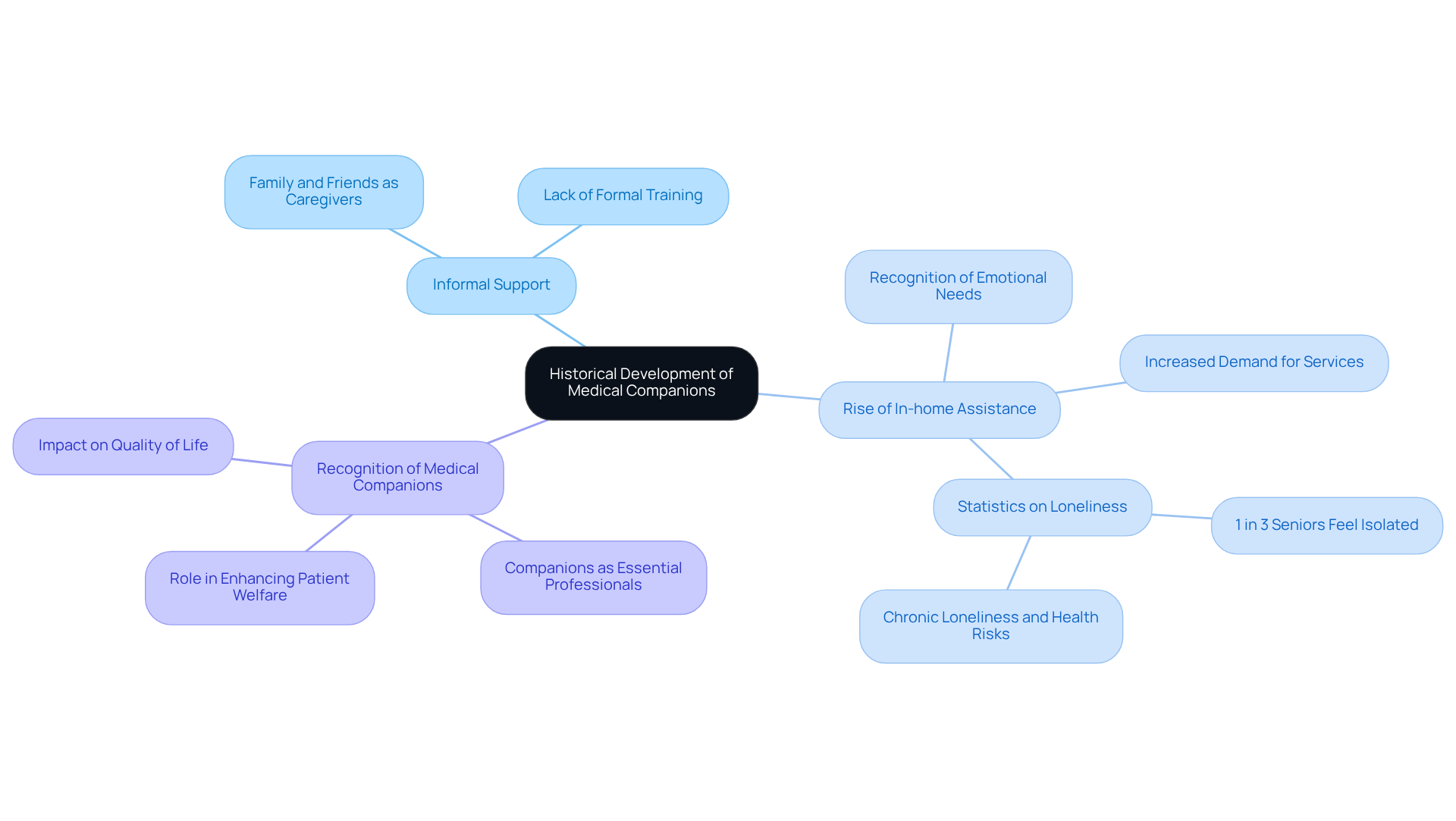
Companionship in caregiving has a rich history, evolving from informal support among family and friends to more structured roles in today’s healthcare system. In the past, caregivers were often relatives or friends who stepped in to help without any formal training. But as society changed and healthcare transformed, the need for trained professionals became clear.
In the late 20th century, we saw a significant rise in in-home assistance services. This marked a pivotal moment, leading to the recognition of medical companions as an essential profession. These compassionate experts act as medical companions, focusing on providing non-medical support to enhance patient welfare by addressing emotional and social needs—elements that are crucial for overall well-being.
Consider this: studies show that one in three seniors feels isolated and lonely. This statistic highlights just how important companionship is in caregiving. Experts agree that tackling the social drivers of health, like loneliness, can significantly improve health outcomes and enhance quality of life.
This evolution in caregiving reflects a broader understanding of health, one that goes beyond just physical care. It recognizes that companionship plays a key role in enriching lives and improving overall well-being. By fostering connections and addressing emotional needs, we can create a nurturing environment that truly supports those in our care.
Key Responsibilities and Skills of Medical Companions
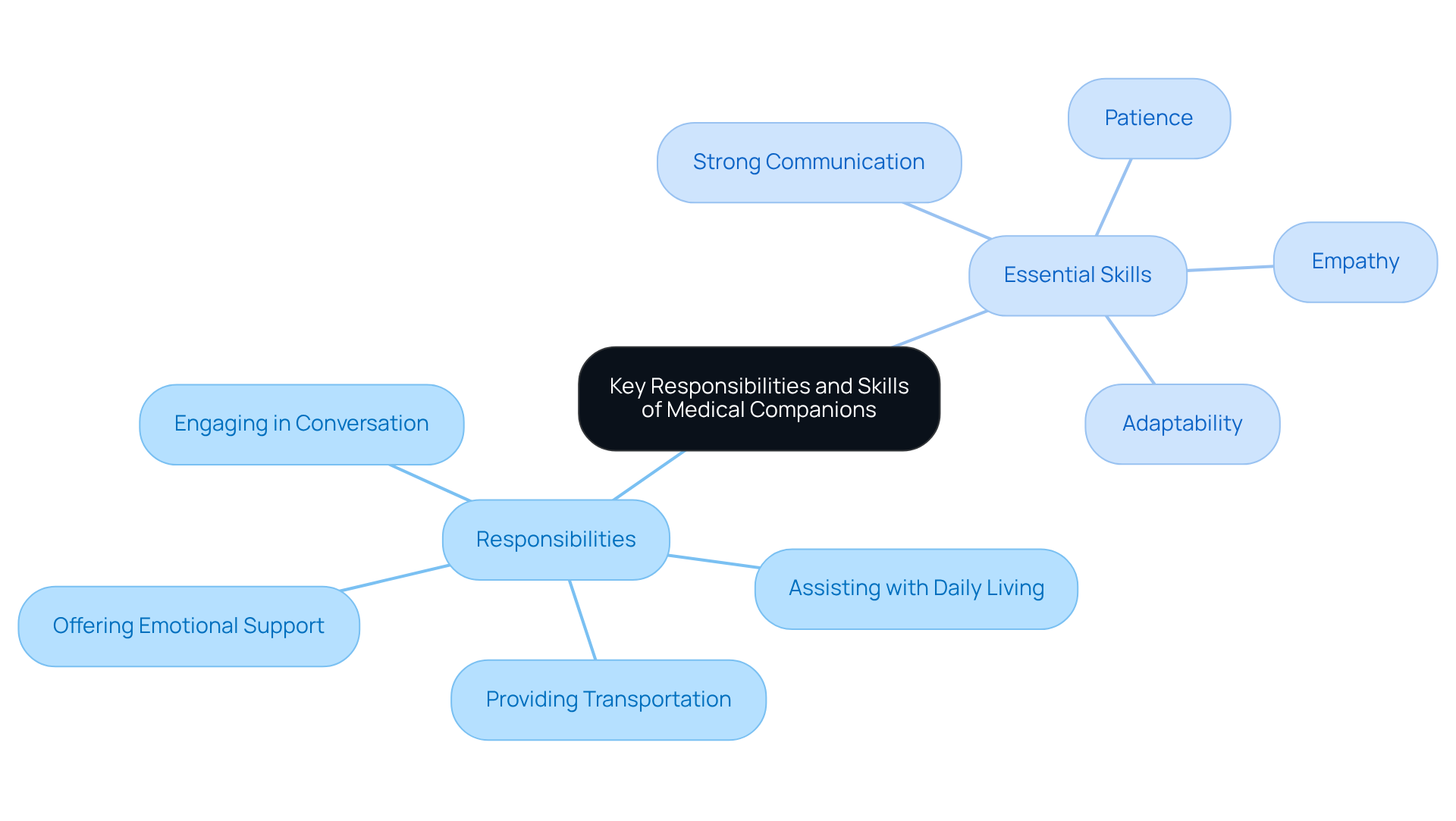
Healthcare aides act as a medical companion, playing a crucial role in providing compassionate support and bringing a variety of skills and duties to the table. Their key responsibilities include:
- Engaging individuals in meaningful conversation
- Assisting with daily living activities
- Providing transportation to appointments
- Offering emotional support
Essential skills for medical aides encompass:
- Strong communication
- Empathy
- Patience
- The ability to adapt to the unique needs of each person they care for
Training in basic first aid and an understanding of the aging process can further enhance their effectiveness, enabling them to respond appropriately to various situations that may arise during caregiving.
Training programs for medical aides often emphasize the importance of these skills. Many programs report that thorough training leads to enhanced patient satisfaction and positive outcomes. For instance, statistics reveal that programs focusing on communication and emotional support result in a significant increase in participant engagement and satisfaction. As Amy Goyer, AARP’s family and caregiving specialist, beautifully states, "A caregiver is an individual who pays attention to your loved one consistently." This highlights the vital importance of companionship in overseeing and assisting individuals.
Adaptability is another essential quality in caregiving. It allows caregivers to adjust to last-minute changes and evolving support plans, ensuring that clients receive the assistance they need when they need it. Families should also consider the potential costs associated with companionship services; the national median hourly fee for such assistance is around $26, though this can vary based on location and individual needs. This comprehensive understanding of the responsibilities and skills of medical aides emphasizes their crucial role as a medical companion in enhancing the quality of life for those they care for.
Taking the Next Steps
The role of a medical companion is truly vital in enhancing the quality of life for individuals, especially seniors and those with special needs. By providing emotional support, companionship, and assistance with daily activities, these dedicated aides foster a nurturing environment that meets both physical and emotional needs. This ensures that every person feels valued and connected.
Throughout this article, we’ve highlighted key insights into the responsibilities and skills of medical companions. From engaging in meaningful conversations to offering essential transportation and emotional support, these aides play a multifaceted role that significantly eases feelings of loneliness and isolation. Their historical evolution reflects a growing recognition of companionship as a crucial aspect of healthcare, transitioning from informal support to a structured profession that prioritizes the emotional well-being of those they serve.
Ultimately, we cannot overstate the importance of medical companions in caregiving. As society increasingly acknowledges the profound impact of companionship on health outcomes, it becomes essential to advocate for the integration of medical companions in care plans. By nurturing connections and addressing emotional needs, medical companions enrich lives and contribute significantly to the overall well-being of individuals, making a lasting difference in the caregiving landscape.
https://iframe.tely.ai/cta/eyJhcnRpY2xlX2lkIjogIjY5MTNlYTQ2N2M0NjgzZDk0ZDM2NmY2MCIsICJjb21wYW55X2lkIjogIjY4ZWU1ZGNhNzMxNzYyNTU3ZjNjOTVjMSIsICJpbmRleCI6IG51bGwsICJ0eXBlIjogImFydGljbGUifQ==Frequently Asked Questions
What is the role of a medical companion?
A medical companion, or medical aide, provides non-medical support to individuals, particularly seniors or those with special needs, by offering emotional support, companionship, and assistance with daily activities.
How do medical aides differ from caregivers?
Unlike caregivers who may perform medical tasks, medical aides focus on providing emotional support and companionship, enhancing the quality of life for those they assist.
Why is the presence of a medical aide important?
The presence of a medical aide is vital as it helps alleviate feelings of loneliness, fosters a sense of belonging, and addresses both physical and emotional needs of individuals.
What kind of support do medical aides provide?
Medical aides provide emotional encouragement, companionship, and assistance with daily activities, ensuring individuals feel valued and engaged.
How do medical aides impact the emotional well-being of individuals?
They uplift spirits, provide a compassionate presence, and reassure individuals that they are not alone, which can significantly improve emotional well-being.
What is the ultimate goal of a medical companion?
The ultimate goal of a medical companion is to create meaningful connections and ensure that every individual feels cared for and understood.