

For families in our service areas
For families in our service areas, this guide explains caregiving and how non-medical in-home caregiving can support care planning in East Idaho, Treasure Valley & Magic Valley, Northern Wasatch, North Central West Virginia, and Northeast Ohio.
What You Need to Know About The Recommended Dose of D3
Understanding the nuances of vitamin D3 is crucial for promoting the health of seniors, particularly as they face unique challenges related to aging. Many older adults are at risk of vitamin D3 deficiency due to limited sun exposure and dietary intake. This deficiency can lead to serious health issues, including weakened bones, reduced muscle function, and compromised immune response.
Caregivers must be aware of these risks and take proactive steps to ensure their clients receive adequate vitamin D3. One effective approach is to monitor sun exposure and dietary sources of vitamin D3. For instance, incorporating foods rich in this nutrient, such as:
- Fatty fish
- Fortified dairy products
- Egg yolks
can help. Additionally, caregivers should consider discussing supplementation options with healthcare providers to determine the appropriate dosage for their clients.
By understanding the importance of vitamin D3 and implementing these strategies, caregivers can significantly enhance the well-being of seniors in their care.
Define Vitamin D3 and Its Importance for Seniors
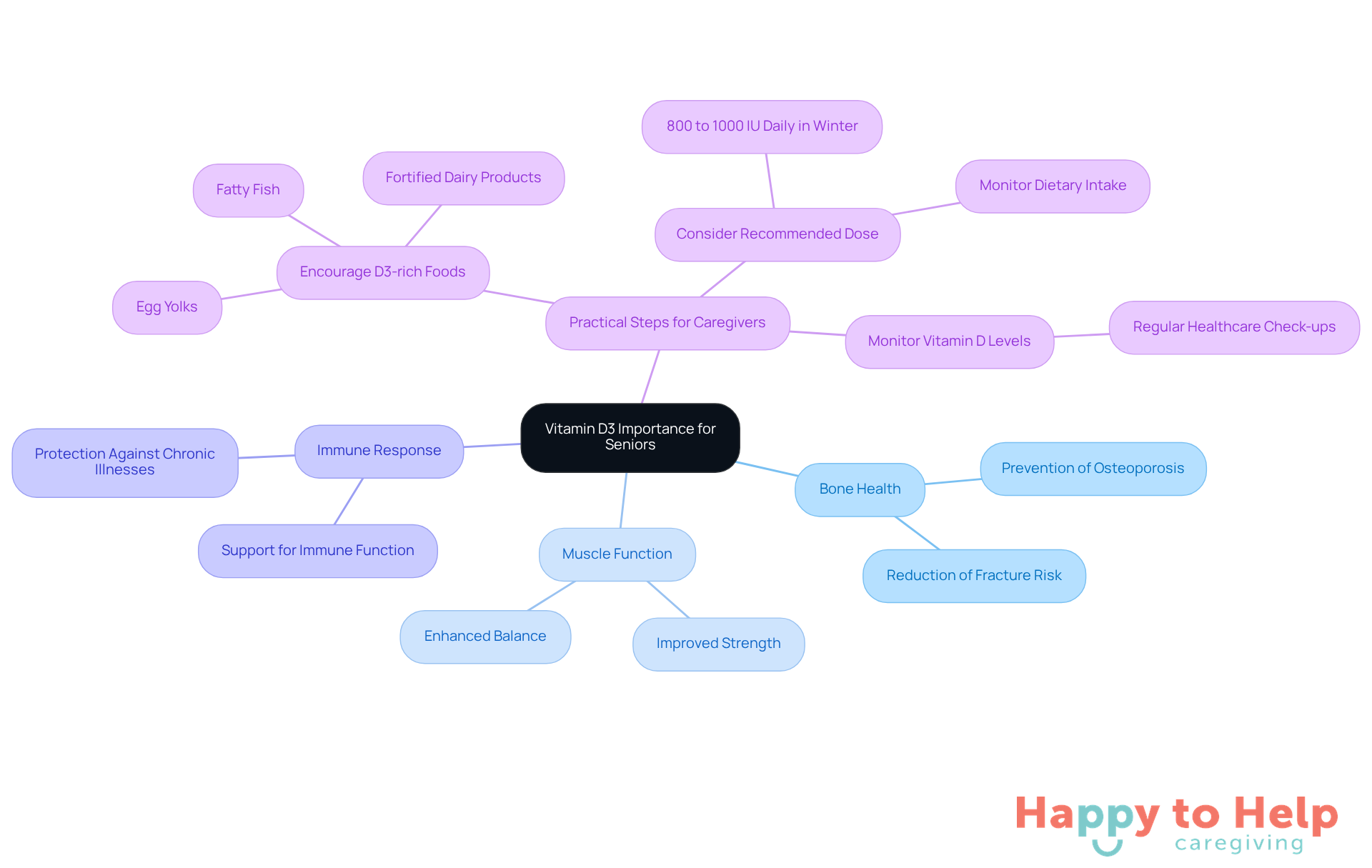
Vitamin D3, or cholecalciferol, is a fat-soluble nutrient essential for bone health. Seniors face a significant problem: as they age, they often experience reduced sun exposure and dietary intake of D3, which highlights the importance of the recommended dose of D3 for seniors to reduce their risk of osteoporosis and fractures. This decline in bone density can have serious implications for their overall health and quality of life.
Moreover, D3 is crucial not just for bones; it also supports muscle function and immune response, and may even help protect against chronic illnesses. Caregivers must recognize the importance of ensuring that seniors receive the recommended dose of D3 for seniors to maintain adequate levels of this vital nutrient.
To address this issue, caregivers can take practical steps:
- Encourage seniors to consume foods rich in D3, such as fatty fish, egg yolks, and fortified dairy products.
- It is important to consider the recommended dose of D3 for seniors, especially during months with limited sunlight.
- Regularly monitor their vitamin D levels through healthcare check-ups.
By understanding the significance of D3 and implementing these solutions, caregivers can enhance the health and well-being of seniors, ultimately improving their quality of life.
Outline Recommended Dosage Guidelines for Seniors
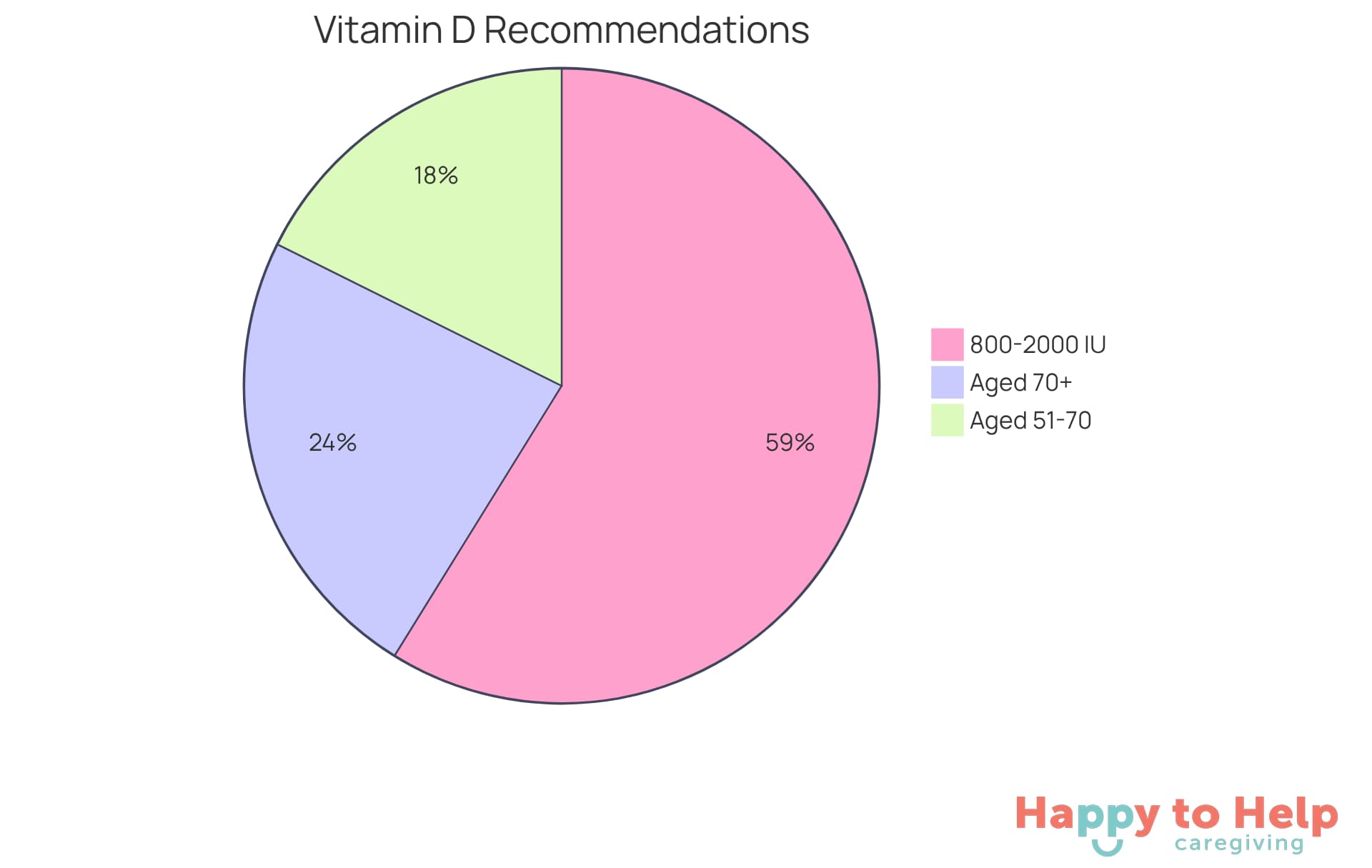
Vitamin D deficiency is a significant concern for seniors, particularly those aged 70 and older. The recommended dose of D3 for seniors aged 70 and older is 800 IU per day, while those aged 51 to 70 should aim for at least 600 IU daily.
However, many health organizations suggest that the recommended dose of D3 for seniors may range from 800 to 2000 IU, especially if they have low blood levels of vitamin D.
To address this problem, caregivers should consult healthcare professionals to determine the appropriate dosage based on individual health conditions and lifestyle factors. By taking proactive steps, caregivers can help ensure that seniors receive the necessary nutrients to maintain their health.
Examine Factors Affecting Vitamin D3 Dosage for Seniors
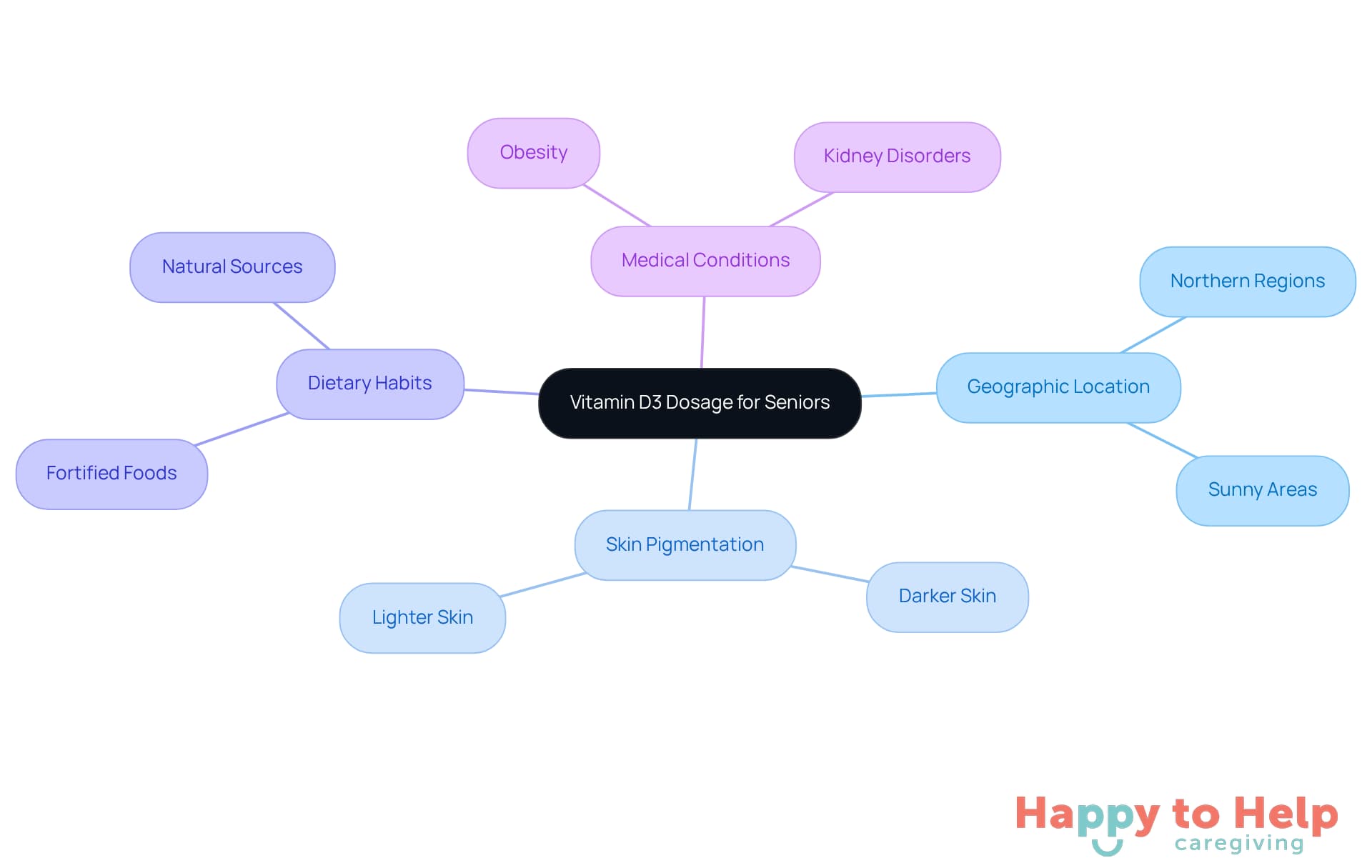
Multiple factors significantly influence the necessary dosage of D3 for older adults, with geographic location being a primary concern. Seniors living in northern regions, where sunlight exposure is limited, often require higher amounts of D3 to maintain adequate levels. The Endocrine Society recommends that seniors, particularly those aged 70 and above, aim for the recommended dose of D3 for seniors, which is 800 International Units (IU) daily to support their health. Alarmingly, research shows that nearly two-thirds of Americans are deficient in this vital nutrient, a situation that is especially troubling for seniors who may already struggle with nutrient absorption due to age-related changes.
Skin pigmentation plays a crucial role as well; individuals with darker skin have a diminished capacity to produce D3 from sunlight, complicating their needs further. Additionally, dietary habits and medical conditions such as obesity and kidney disorders can impede nutrient processing, necessitating personalized supplementation strategies. Evidence suggests that excessive amounts of D3 do not confer additional health benefits, underscoring the importance of achieving the right balance in supplementation.
Real-world examples illustrate these geographic disparities:
- Seniors in sunny areas may meet their D3 needs through sun exposure and diet,
- While those in less sunny regions might rely more heavily on supplements.
Experts emphasize the importance of considering these factors when evaluating the recommended dose of D3 for seniors, as tailored care can significantly enhance their health and well-being. Understanding these dynamics is essential for caregivers aiming to improve D3 intake for their clients, ensuring they receive the necessary support to maintain their health.
Discuss Risks and Side Effects of Vitamin D3 Supplementation
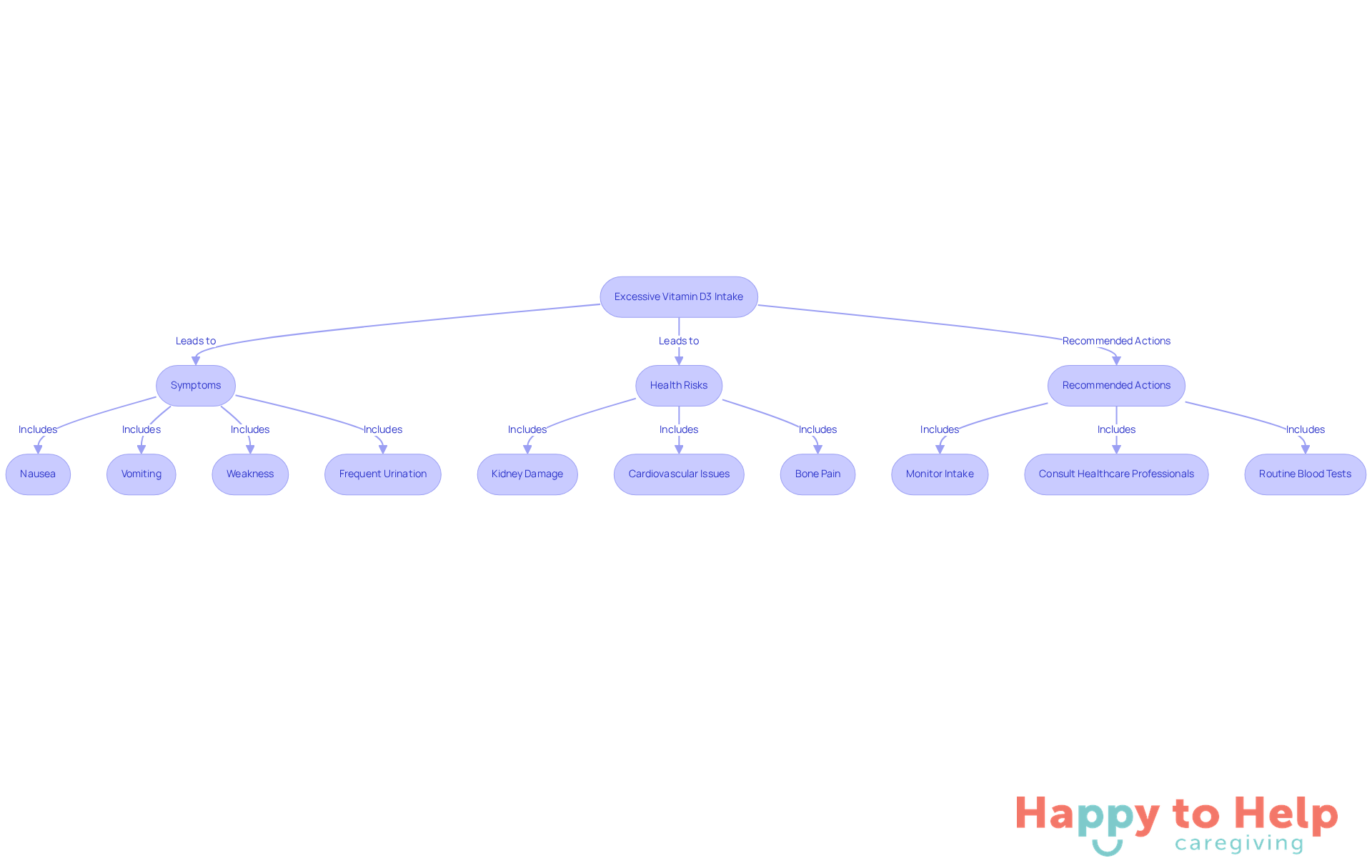
Vitamin D3 is essential for maintaining health, but excessive supplementation can lead to toxicity, primarily causing hypercalcemia, which is characterized by elevated calcium levels in the blood. Symptoms of vitamin D toxicity include:
- Nausea
- Vomiting
- Weakness
- Frequent urination
Prolonged high doses may also lead to kidney damage, cardiovascular issues, and bone pain.
Given that nearly 40% of older adults may have inadequate levels of vitamin D, it is crucial to consider the recommended dose of D3 for seniors as a significant concern. Caregivers must closely monitor their intake and consult healthcare professionals before making any changes to supplementation regimens. Routine blood tests are recommended to ensure seniors achieve the recommended dose of D3 for seniors while minimizing the risk of adverse effects.
Experts emphasize that vitamin D toxicity is rare and typically results from excessive supplement consumption rather than food or sun exposure, as the body regulates the amount of vitamin D produced in response to sunlight. Therefore, caregivers should be vigilant about the recommended dose of D3 for seniors, ensuring it does not exceed 4,000 IU unless advised by a healthcare provider. The National Academy of Medicine recommends that adults receive between 600 to 800 IU of vitamin D daily, depending on age.
By staying informed and proactive, caregivers can help protect the health of seniors against the potential risks associated with vitamin D3 supplementation.
Key Takeaways for Caregivers
Understanding the recommended dose of Vitamin D3 is crucial for ensuring the health and well-being of seniors. Many older adults face challenges due to reduced sun exposure and dietary intake, which can lead to deficiencies in this vital nutrient. This deficiency can significantly impact their bone density, muscle function, and immune response, ultimately affecting their quality of life.
To address this issue, caregivers should prioritize adequate Vitamin D3 intake among older adults. The article emphasizes key recommendations:
- Seniors aged 70 and above should aim for a daily intake of 800 IU.
- Those aged 51 to 70 should target at least 600 IU.
Factors such as geographic location, skin pigmentation, and individual health conditions can greatly influence the required dosage.
Caregivers are encouraged to consult healthcare professionals and monitor vitamin D levels to tailor supplementation strategies effectively. Additionally, awareness of the risks associated with excessive supplementation, including potential toxicity, is vital for safe management. By taking proactive steps and staying informed about the benefits and guidelines surrounding D3, caregivers can play a pivotal role in supporting the health of older adults.
Ultimately, prioritizing the appropriate intake of Vitamin D3 not only helps mitigate health risks but also enhances overall well-being. Ensuring that seniors receive the right amount of this essential nutrient is a significant step toward improving their health outcomes and quality of life.
https://iframe.tely.ai/cta/eyJhcnRpY2xlX2lkIjogIjY5NDFmMzNlMjI1ZjA3N2M1ZmMwYzAyMyIsICJjb21wYW55X2lkIjogIjY4ZWU1ZGNhNzMxNzYyNTU3ZjNjOTVjMSIsICJpbmRleCI6IG51bGwsICJ0eXBlIjogImFydGljbGUifQ==Frequently Asked Questions
What is Vitamin D3 and why is it important for seniors?
Vitamin D3, or cholecalciferol, is a fat-soluble nutrient essential for bone health. It is particularly important for seniors as they often experience reduced sun exposure and dietary intake of D3, increasing their risk of osteoporosis and fractures.
How does a decline in Vitamin D3 levels affect seniors?
A decline in Vitamin D3 levels can lead to reduced bone density, which can have serious implications for seniors' overall health and quality of life, making them more susceptible to osteoporosis and fractures.
Besides bone health, what other functions does Vitamin D3 serve?
Vitamin D3 supports muscle function, immune response, and may help protect against chronic illnesses.
What practical steps can caregivers take to ensure seniors receive adequate Vitamin D3?
Caregivers can encourage seniors to consume foods rich in D3, such as fatty fish, egg yolks, and fortified dairy products, consider the recommended dose of D3, especially during months with limited sunlight, and regularly monitor their vitamin D levels through healthcare check-ups.
Why is it important for caregivers to monitor Vitamin D3 levels in seniors?
Monitoring Vitamin D3 levels is crucial to ensure that seniors maintain adequate levels of this vital nutrient, which can enhance their health and well-being and ultimately improve their quality of life.
List of Sources
- Define Vitamin D3 and Its Importance for Seniors
- Taking vitamin D is unlikely to prevent falls or fractures. Here's what it does (https://npr.org/sections/shots-health-news/2024/12/17/nx-s1-5230334/vitamin-d-fractures-falls-bone-health)
- Roundup: Caution Urged on Use of Vitamin D, Calcium Supplements for Older Adults; and More News (https://baptisthealth.net/baptist-health-news/caution-urged-on-use-of-vitamin-d-and-calcium-supplements-for-older-adults)
- Vitamin D supplements may lower blood pressure in older people with obesity (https://endocrine.org/news-and-advocacy/news-room/2024/vitamin-d-supplements-may-lower-blood-pressure-in-older-people-with-obesity)
- Do Older Adults Need to Take Vitamin D and Calcium Supplements? | Newswise (https://newswise.com/articles/do-older-adults-need-to-take-vitamin-d-and-calcium-supplements)
- Popular vitamin won’t prevent a fall or fracture in older adults, health panel says. But here’s what can help | CNN (https://cnn.com/2024/12/17/health/vitamin-d-calcium-falls-uspstf-wellness)
- Outline Recommended Dosage Guidelines for Seniors
- Older adults at risk of vitamin D deficiency (https://uclahealth.org/news/article/older-adults-risk-vitamin-d-deficiency)
- What to Know About Vitamin D Dosage for Older Adults (https://webmd.com/healthy-aging/what-to-know-about-vitamin-d-dosage-for-older-adults)
- Essential Recommended D3 Dosage for Seniors: A Caregiver's Guide - Happy To Help (https://happytohelpcaregiving.com/essential-recommended-d-3-dosage-for-seniors-a-caregivers-guide)
- Mayo Clinic Q and A: How much vitamin D do I need? - Mayo Clinic News Network (https://newsnetwork.mayoclinic.org/discussion/mayo-clinic-q-and-a-how-much-vitamin-d-do-i-need)
- Endocrine Society Guideline recommends healthy adults under the age of 75 take the recommended daily allowance of vitamin D (https://endocrine.org/news-and-advocacy/news-room/2024/endocrine-society-recommends-healthy-adults-take-the-recommended-daily-allowance-of-vitamin-d)
- Examine Factors Affecting Vitamin D3 Dosage for Seniors
- High-Dose Vitamin D Supplements Won't Prevent Diabetes in Healthy Seniors (https://usnews.com/news/health-news/articles/2024-12-04/high-dose-vitamin-d-supplements-wont-prevent-diabetes-in-healthy-seniors)
- Roundup: Caution Urged on Use of Vitamin D, Calcium Supplements for Older Adults; and More News (https://baptisthealth.net/baptist-health-news/caution-urged-on-use-of-vitamin-d-and-calcium-supplements-for-older-adults)
- Vitamin D supplements may lower blood pressure in older people with obesity (https://endocrine.org/news-and-advocacy/news-room/2024/vitamin-d-supplements-may-lower-blood-pressure-in-older-people-with-obesity)
- Older adults at risk of vitamin D deficiency (https://uclahealth.org/news/article/older-adults-risk-vitamin-d-deficiency)
- Why are so many Americans deficient in vitamin D? (https://news.miami.edu/stories/2025/10/why-are-so-many-americans-deficient-in-vitamin-d.html)
- Discuss Risks and Side Effects of Vitamin D3 Supplementation
- Taking vitamin D is unlikely to prevent falls or fractures. Here's what it does (https://npr.org/sections/shots-health-news/2024/12/17/nx-s1-5230334/vitamin-d-fractures-falls-bone-health)
- Vitamin D toxicity: What if you get too much? (https://mayoclinic.org/healthy-lifestyle/nutrition-and-healthy-eating/expert-answers/vitamin-d-toxicity/faq-20058108)
- Roundup: Caution Urged on Use of Vitamin D, Calcium Supplements for Older Adults; and More News (https://baptisthealth.net/baptist-health-news/caution-urged-on-use-of-vitamin-d-and-calcium-supplements-for-older-adults)
- Heart attack risk halved in adults with heart disease taking tailored vitamin D doses (https://newsroom.heart.org/news/heart-attack-risk-halved-in-adults-with-heart-disease-taking-tailored-vitamin-d-doses)