Understanding the Role of a Nanny for Elderly Care Needs
For families in our service areas
For families in our service areas, this guide explains caregiving and how non-medical in-home caregiving can support care planning in East Idaho, Treasure Valley & Magic Valley, Northern Wasatch, North Central West Virginia, and Northeast Ohio.
Why The Role of a Nanny for Elderly Care Matters
Elderly individuals often grapple with feelings of isolation and emotional distress, significantly diminishing their quality of life. Traditional caregivers frequently prioritize physical assistance, leaving emotional needs unmet. This gap in care can lead to increased loneliness and anxiety among seniors, impacting their overall well-being.
To address this pressing issue, families can consider the role of a nanny for elderly care. Nannies provide personalized companionship and essential daily support, bridging the emotional gap that traditional caregivers may overlook. By enhancing the well-being of seniors, nannies also alleviate the burdens faced by family caregivers, allowing them to focus on other responsibilities.
However, how can families ensure they choose the right support system? It's crucial to evaluate both emotional and physical needs in today's rapidly changing caregiving landscape. By understanding the importance of emotional support, families can make informed decisions that enhance the quality of life for their loved ones.
Define the Role of a Nanny in Elderly Care
Elderly individuals often face significant challenges when it comes to receiving adequate emotional support. Traditional caregivers may focus primarily on medical or physical assistance, leaving a gap in companionship and emotional well-being. This lack of support can lead to feelings of isolation and decreased quality of life for seniors.
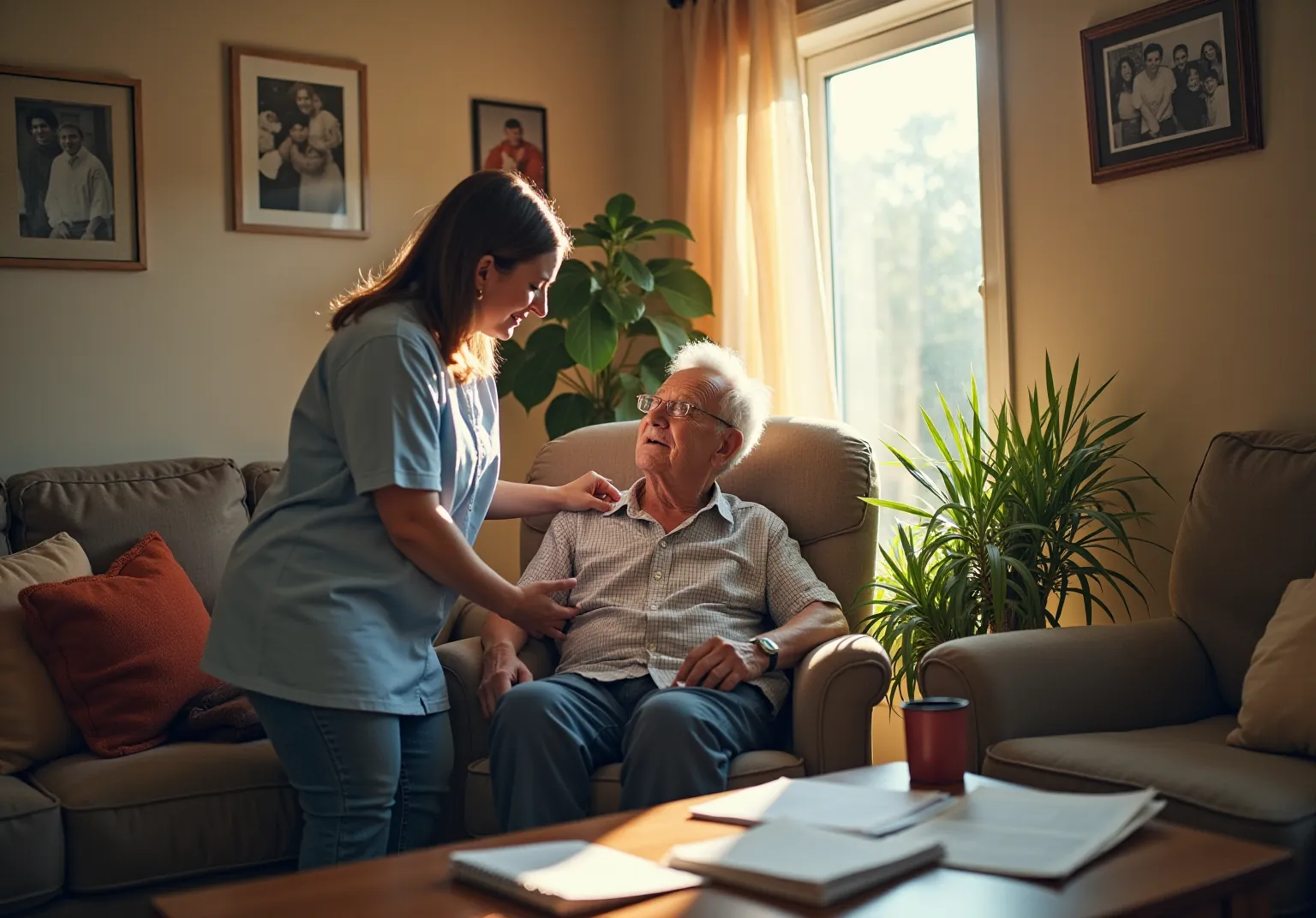
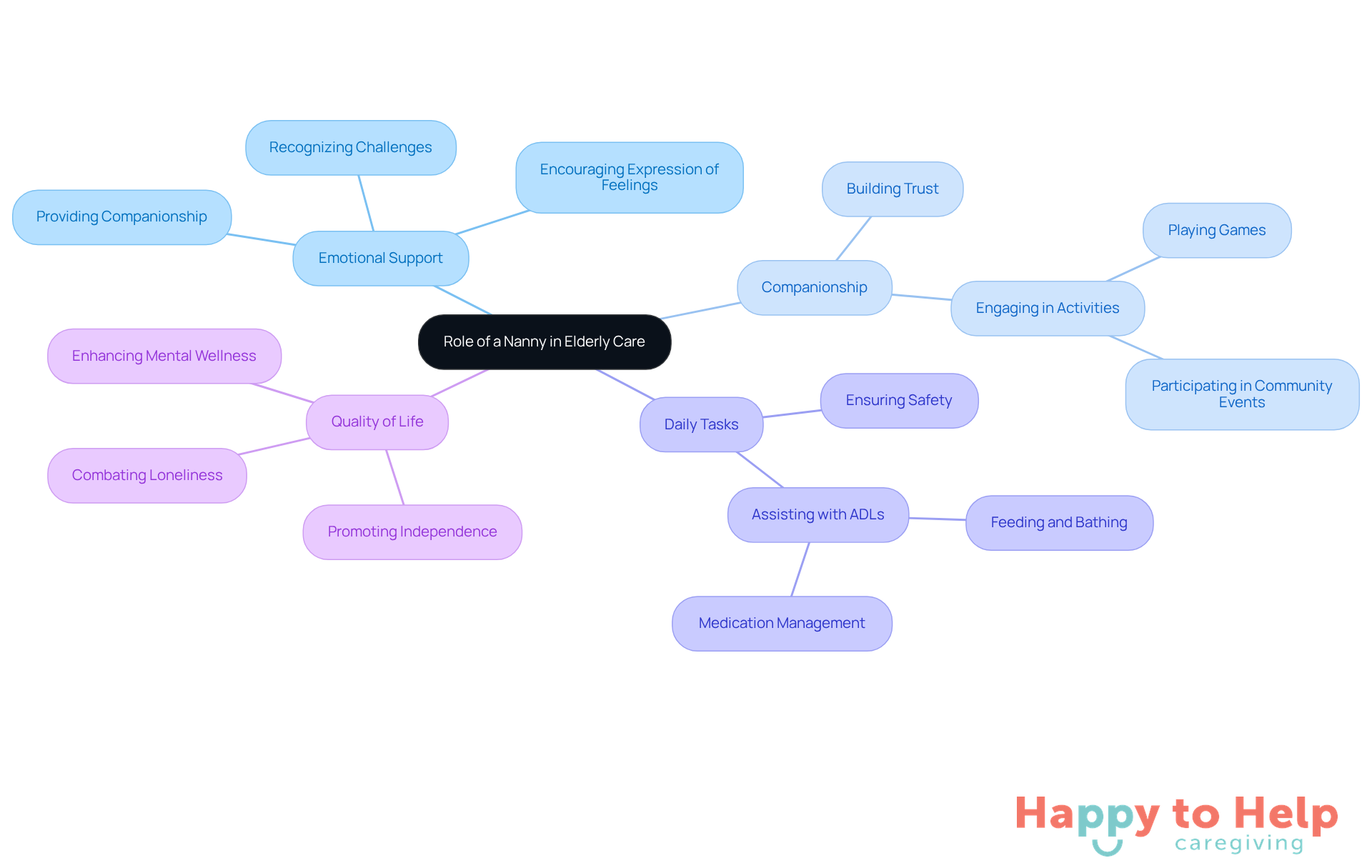
A nanny for elderly, also known as an elder attendant, provides a solution by offering individualized aid tailored to the unique needs of older adults. Their role goes beyond just physical assistance; they emphasize emotional support and companionship, fostering a nurturing environment. By assisting with daily tasks and ensuring safety, a nanny for elderly individuals helps them feel valued and engaged in their routines.
This holistic approach not only addresses physical needs but also significantly enhances the overall quality of life for seniors. A nanny for elderly individuals is trained to recognize the unique challenges they face, allowing them to provide compassionate care that promotes independence and dignity. By prioritizing emotional well-being, nannies play a crucial role in improving the lives of those they care for.
Outline Key Responsibilities of Nannies for Seniors
Nannies for elderly individuals play a crucial role in enhancing their quality of life, but caregivers face significant challenges. Many caregivers encounter extraordinary demands, which can lead to feelings of overwhelm and stress. Financial pressure is also a significant issue, with many individuals relying on their earnings from one period to the next. This highlights the necessity of assistance services to support both caregivers and seniors.
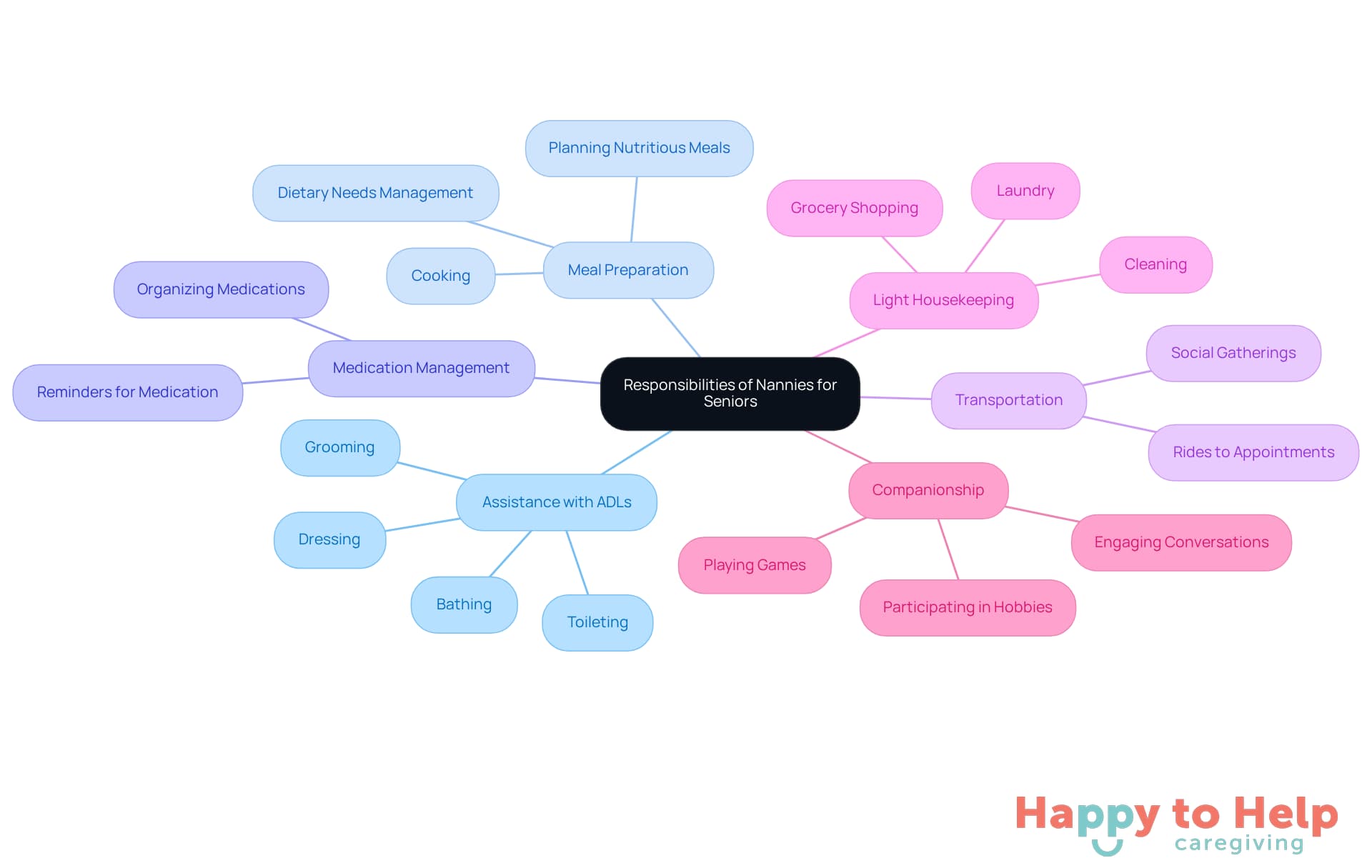
Nannies take on a variety of responsibilities that directly address these challenges:
- Assistance with Activities of Daily Living (ADLs): Nannies help seniors with essential tasks such as bathing, dressing, grooming, and toileting, which are vital for maintaining personal hygiene and dignity.
- Meal Preparation: They plan and prepare nutritious meals tailored to the dietary needs of older adults, ensuring that nutritional requirements are met to support overall health.
- Medication Management: Nannies remind elderly individuals to take their medications on time and assist in organizing them, which is critical for managing chronic conditions and preventing health complications.
- Transportation: Offering rides to appointments or social gatherings helps older adults remain active and involved in their communities, diminishing feelings of isolation.
- Light Housekeeping: Nannies perform household tasks such as laundry, cleaning, and grocery shopping, contributing to a safe and comfortable living environment.
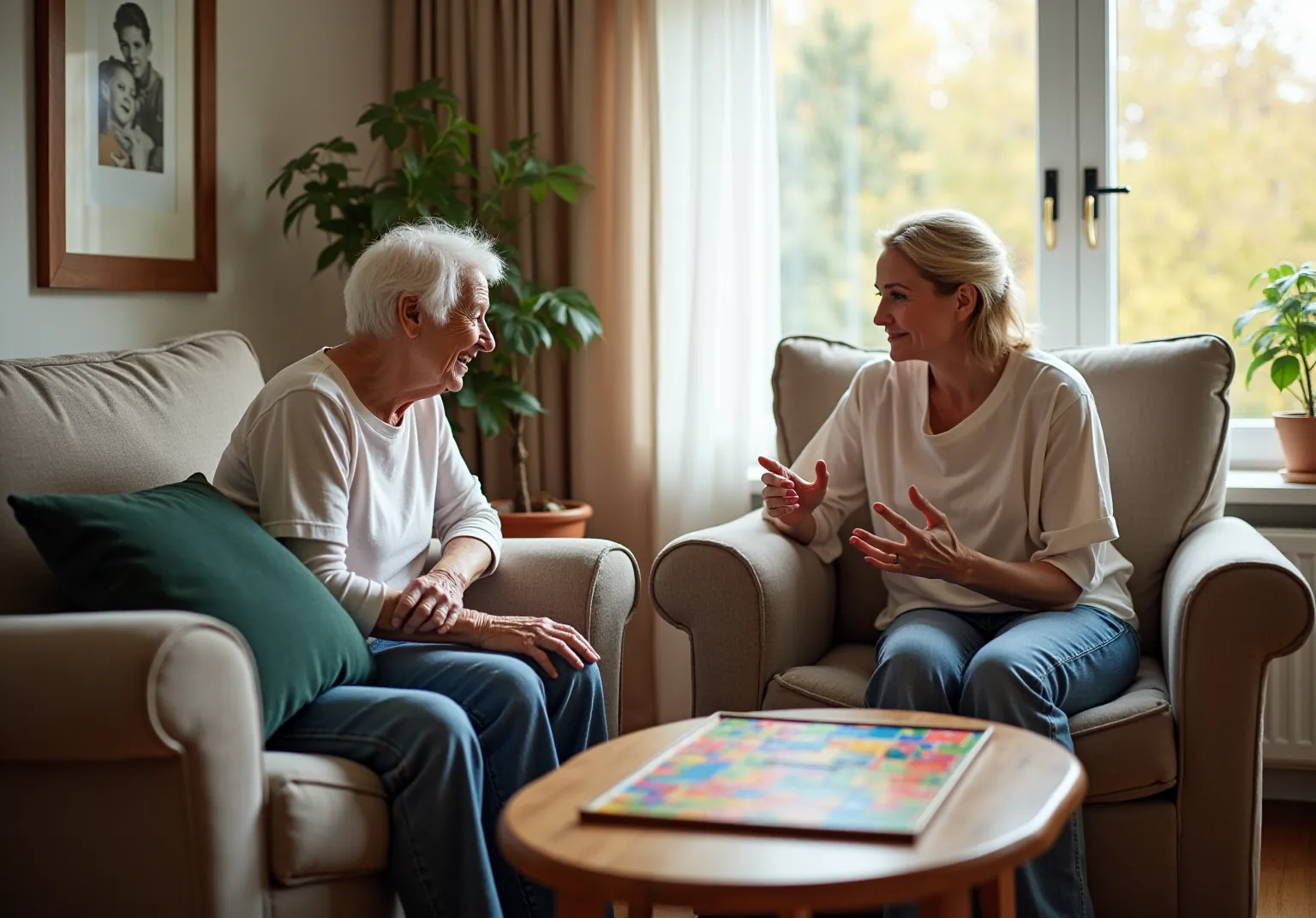
- Companionship: Engaging in conversations, playing games, or participating in hobbies helps alleviate loneliness and fosters emotional well-being.
These responsibilities are often managed by a nanny for elderly individuals, helping them preserve their independence while ensuring their safety and well-being. Experts emphasize that hiring a nanny for elderly individuals to provide effective assistance with ADLs is essential for enhancing their quality of life, allowing them to live comfortably in their own homes while receiving the care they need. Family support providers usually dedicate an average of 27 hours each week to caregiving tasks, underscoring the considerable time investment required. As observed by Jennifer L. Wolff, "Many caregivers encounter extraordinary demands and should be the emphasis of assistance services." This underscores the necessity for comprehensive care solutions that tackle both the practical and psychological aspects of caregiving.
Highlight the Importance of Companionship and Emotional Support
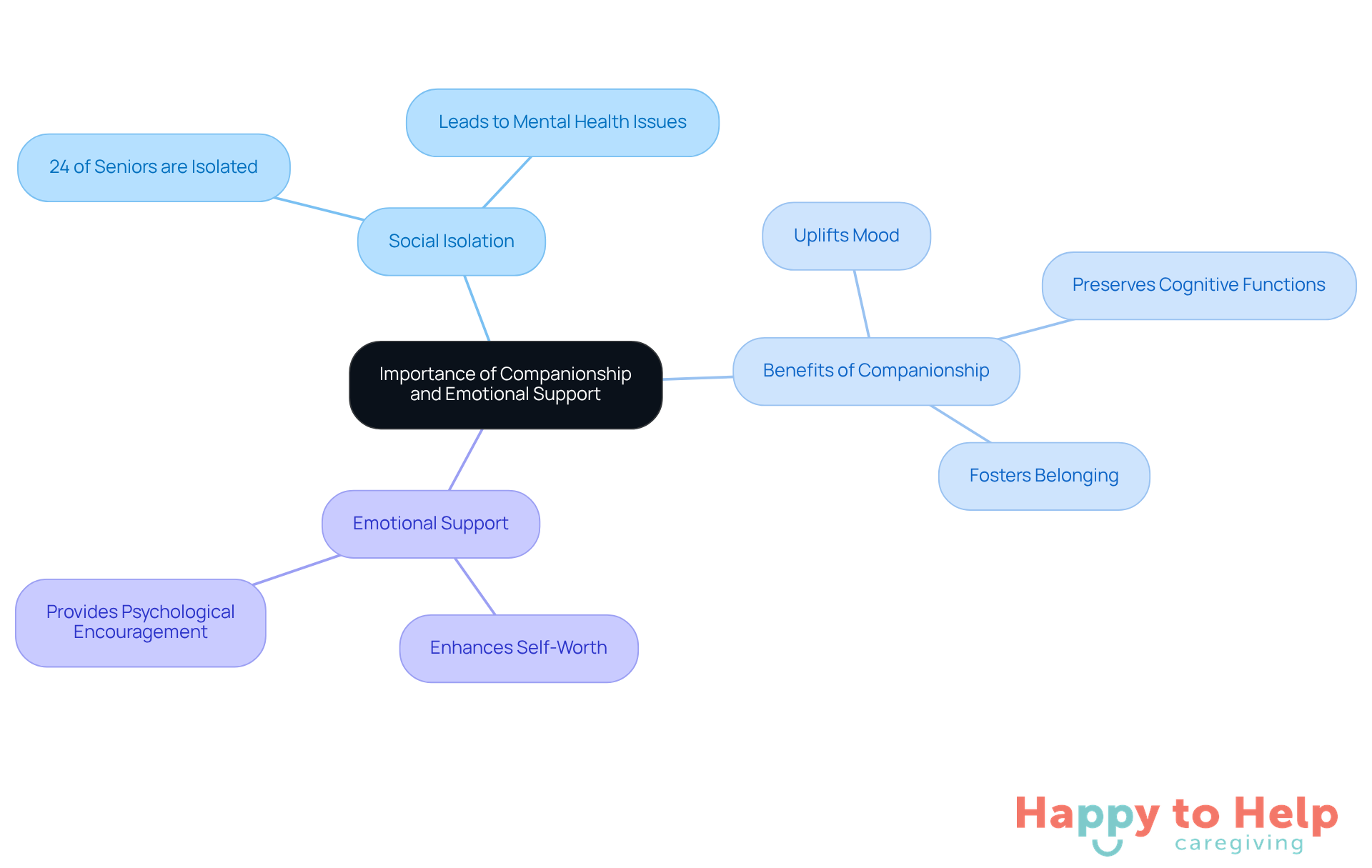
Companionship and psychological support provided by a nanny for elderly are crucial in elderly care, addressing the pervasive feelings of isolation and loneliness that many older adults face. Research shows that about 24 percent of community-dwelling Americans aged 65 and older are socially isolated. This isolation can lead to serious mental health issues, such as depression and a decline in overall health.
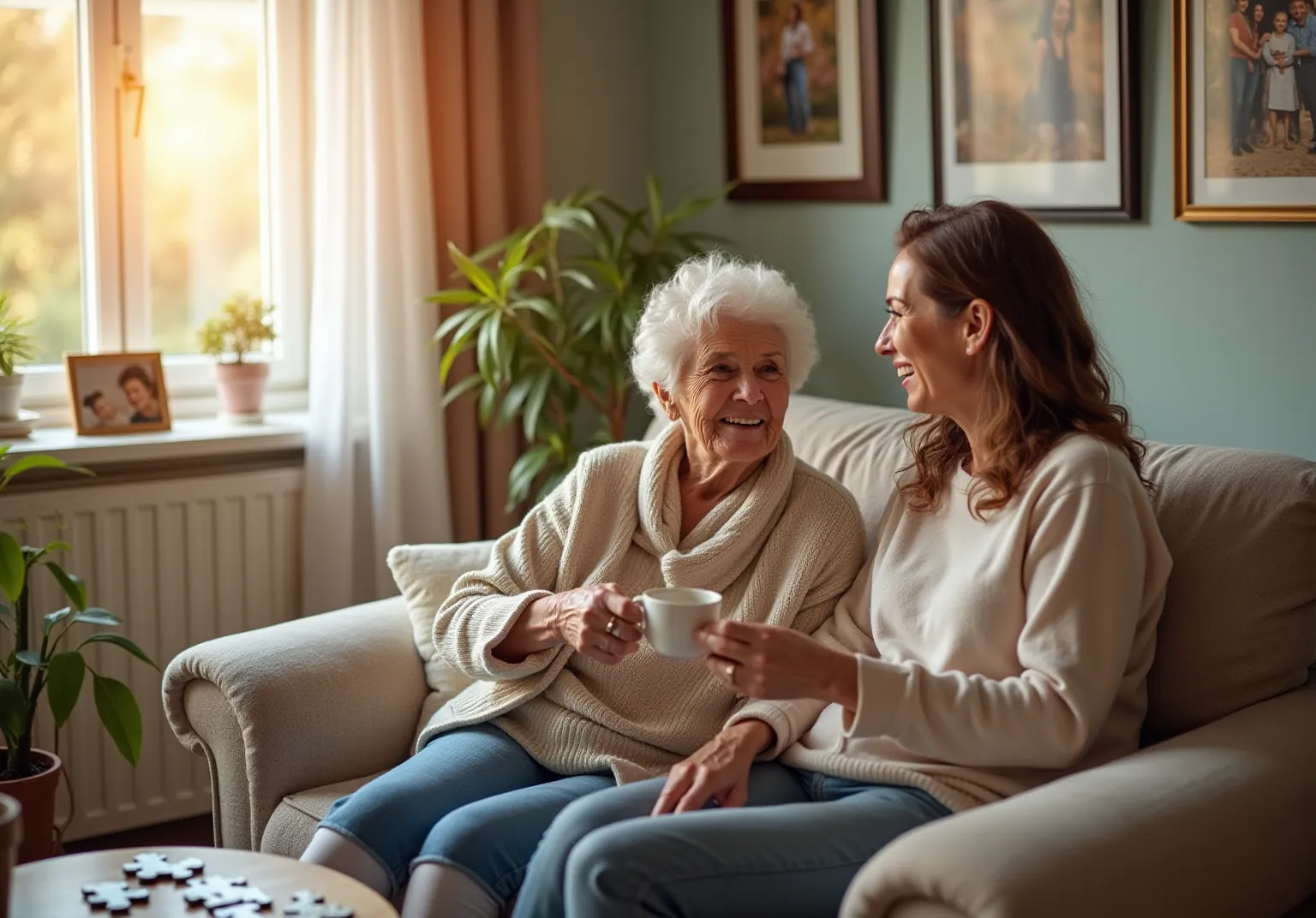
A nanny for elderly individuals plays a vital role in combating these challenges by providing consistent social interaction and emotional reassurance. Engaging older adults in meaningful conversations, sharing stories, and participating in enjoyable activities can significantly uplift their mood and foster a sense of belonging. Studies indicate that seniors who enjoy regular companionship are more likely to preserve their cognitive functions and overall health.
Emotional support is essential for mental well-being, offering validation, reassurance, and a sense of belonging. The presence of a supporter who provides psychological encouragement can enhance self-worth and instill a stronger sense of control over their lives. Therefore, the psychological support that a nanny for elderly can provide is as important as the physical assistance they offer, underscoring the comprehensive approach needed in senior care.
Address Challenges Faced by Family Caregivers and Solutions Offered by Nannies
Family supporters often face numerous challenges, including emotional stress, time limitations, and physical exhaustion. These issues can lead to significant exhaustion among caregivers, negatively impacting the well-being of both the provider and the elderly individual. In fact, recent statistics reveal that 41% of caregivers report low overall well-being, highlighting the severity of this situation.
-
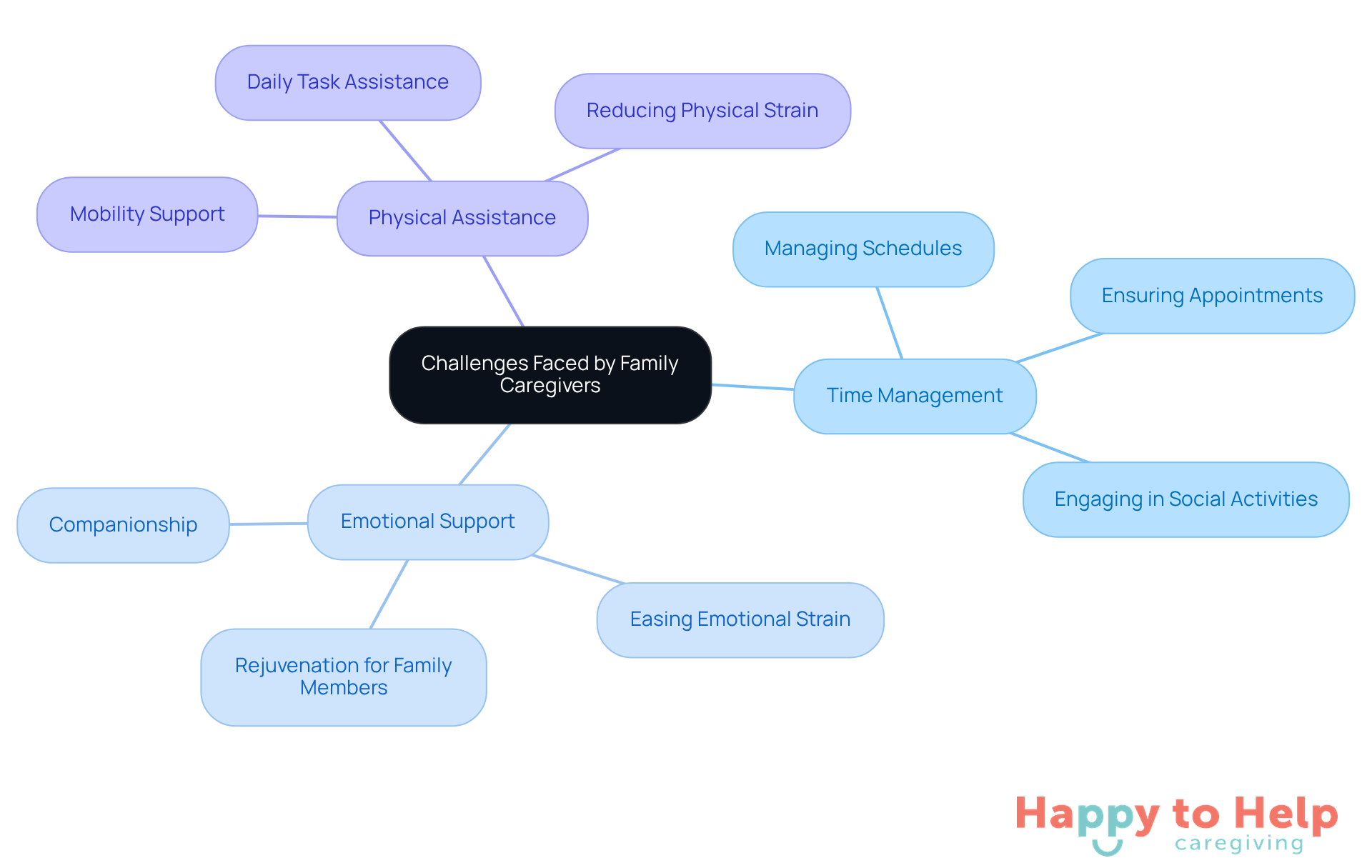
Time Management: A nanny for elderly individuals can assist in managing schedules, ensuring that seniors attend appointments and engage in social activities, which are vital for maintaining their overall well-being.
-
Emotional Support: By offering companionship, nannies can ease the emotional strain on family members, allowing them to rejuvenate. As specialists note, 'The U.S. has transformed into a nation of providers,' emphasizing the growing demand for assistance in this field.
-
Physical Assistance: A nanny for elderly individuals can provide physical assistance by helping with mobility and daily tasks, thereby reducing the physical strain on family members, especially those managing their own health issues.
Additionally, 90% of family supporters provide some form of financial assistance, which adds to their stress. By integrating a nanny into the caregiving equation, families can create a more balanced and supportive environment for their loved ones, ultimately enhancing the quality of life for both caregivers and seniors.
Taking the Next Steps
Caring for elderly individuals presents significant challenges for families, often leading to feelings of isolation and stress. Family caregivers frequently struggle with balancing their own lives while providing the necessary support for their loved ones. This situation can result in burnout and a decline in the mental health of both caregivers and seniors.
The implications of these challenges are profound. Seniors may experience loneliness and a diminished quality of life, while family members may feel overwhelmed and unable to provide the level of care their loved ones deserve. This is where the role of a nanny for elderly individuals becomes crucial. By integrating a nanny into the caregiving dynamic, families can alleviate some of these burdens.
Nannies not only assist with daily living activities, meal preparation, and medication management, but they also offer companionship and emotional support. This dual approach fosters meaningful connections that enhance the overall well-being of seniors. By embracing this holistic model of care, families can ensure that their loved ones maintain independence and dignity.
Incorporating a nanny into the caregiving team is a practical solution that benefits everyone involved. It allows family caregivers to take necessary breaks, reducing stress and preventing burnout. Moreover, it enriches the lives of seniors, promoting emotional well-being and a sense of belonging. Ultimately, this partnership leads to healthier, happier lives for both seniors and their caregivers.
https://iframe.tely.ai/cta/eyJhcnRpY2xlX2lkIjogIjY5MjBmZDYxY2E3OGI5ZDliYTJkYTRmMCIsICJjb21wYW55X2lkIjogIjY4ZWU1ZGNhNzMxNzYyNTU3ZjNjOTVjMSIsICJpbmRleCI6IG51bGwsICJ0eXBlIjogImFydGljbGUifQ==Frequently Asked Questions
What is the primary role of a nanny in elderly care?
The primary role of a nanny in elderly care is to provide individualized aid that emphasizes emotional support and companionship, in addition to assisting with daily tasks and ensuring safety.
How do nannies for the elderly differ from traditional caregivers?
Nannies for the elderly focus not only on medical or physical assistance but also prioritize emotional well-being and companionship, addressing the emotional challenges that seniors face.
What are the benefits of having a nanny for elderly individuals?
Having a nanny enhances the overall quality of life for seniors by providing emotional support, fostering a nurturing environment, and promoting independence and dignity.
How does the role of a nanny contribute to the emotional well-being of seniors?
A nanny helps alleviate feelings of isolation and enhances emotional well-being by offering companionship and engaging seniors in their daily routines.
What training do nannies for the elderly typically receive?
Nannies for the elderly are trained to recognize the unique challenges faced by older adults, which enables them to provide compassionate care tailored to individual needs.
List of Sources
- Define the Role of a Nanny in Elderly Care
- The Emotional Benefits of Companion Care for Seniors (https://comfortkeepers.com/offices/texas/round-rock/resources/news/the-emotional-benefits-of-companion-care-for-seniors)
- The Essential Role of Mental Health in Senior Care (https://providermagazine.com/Articles/Pages/The-Essential-Role-of-Mental-Health-in-Senior-Care.aspx)
- The declining population will make it even harder to care for elders (https://npr.org/2025/11/02/nx-s1-5535648/population-elderly-caregivers)
- Caregiver Statistics: Demographics (https://caregiver.org/resource/caregiver-statistics-demographics)
- Outline Key Responsibilities of Nannies for Seniors
- National Alliance for Caregiving: Caregiving in the US 2025 Report (https://johnahartford.org/resources/view/national-alliance-for-caregiving-caregiving-in-the-us-2025-report)
- The Caregiving Landscape: Data & Insights on the Caregiver Experience in the U.S. (https://caregiveraction.org/caregiver-statistics)
- The declining population will make it even harder to care for elders (https://npr.org/2025/11/02/nx-s1-5535648/population-elderly-caregivers)
- Fact Sheet: Trends in Family Care for Older Americans (https://prb.org/resources/fact-sheet-trends-in-family-care-for-older-americans)
- Caregiving Crisis: 45% Increase in Americans Providing Care (https://aarp.org/caregiving/basics/caregiving-in-us-survey-2025)
- Highlight the Importance of Companionship and Emotional Support
- Why Emotional Support Matters When Helping Seniors Stay Independent - WorldHealth.net (https://worldhealth.net/news/emotional-support-matters-seniors-independent)
- Friendships Are Especially Powerful Late in Life, Poll Says (https://usnews.com/news/health-news/articles/2024-12-16/friendships-are-especially-powerful-late-in-life-poll-says)
- The Impact of Emotional Support on Senior Mental Health (https://humancareny.com/blog/the-impact-of-emotional-support-on-senior-mental-health)
- Summary - Social Isolation and Loneliness in Older Adults - NCBI Bookshelf (https://ncbi.nlm.nih.gov/books/NBK557972)
- Older adults find support through health care companions (https://news-medical.net/news/20250924/Older-adults-find-support-through-health-care-companions.aspx)
- Address Challenges Faced by Family Caregivers and Solutions Offered by Nannies
- National Alliance for Caregiving: Caregiving in the US 2025 Report (https://johnahartford.org/resources/view/national-alliance-for-caregiving-caregiving-in-the-us-2025-report)
- Number of Family Caregivers Supporting Older Adults Increased Nearly One-Third Between 2011 and 2022 | Johns Hopkins Bloomberg School of Public Health (https://publichealth.jhu.edu/2025/number-of-family-caregivers-supporting-older-adults-increased-nearly-one-third-between-2011-and-2022)
- The Caregiving Landscape: Data & Insights on the Caregiver Experience in the U.S. (https://caregiveraction.org/caregiver-statistics)
- 2023 Study — Caregiving in America, Statistics on Family Caregivers and Beyond | Guardian (https://guardianlife.com/reports/caregiving-in-america)
- New Report Reveals Crisis Point for America’s 63 million Family Caregivers (https://press.aarp.org/2025-07-24-New-Report-Reveals-Crisis-Point-for-Americas-63-million-Family-Caregivers)