What You Need to Know About The Role of an Elder Companion in
Social isolation among seniors has reached alarming levels, with nearly a quarter of older adults experiencing loneliness that can lead to serious health consequences. This issue is not just a matter of feeling lonely; it can result in significant health risks, including depression, cognitive decline, and even increased mortality rates.
In this context, elder companions emerge as vital allies. They provide not only companionship but also essential support that enhances the quality of life for the elderly. As the demand for these services increases, families may wonder: what does it mean to be an elder companion? How can they navigate the complexities of this role to ensure their loved ones receive the best care possible?
Understanding the role of elder companions is crucial. They can help alleviate feelings of loneliness and provide necessary assistance with daily activities. Families can take actionable steps to find the right companion for their loved ones, ensuring that they receive the support they need.
Define Elder Companion: Role and Responsibilities
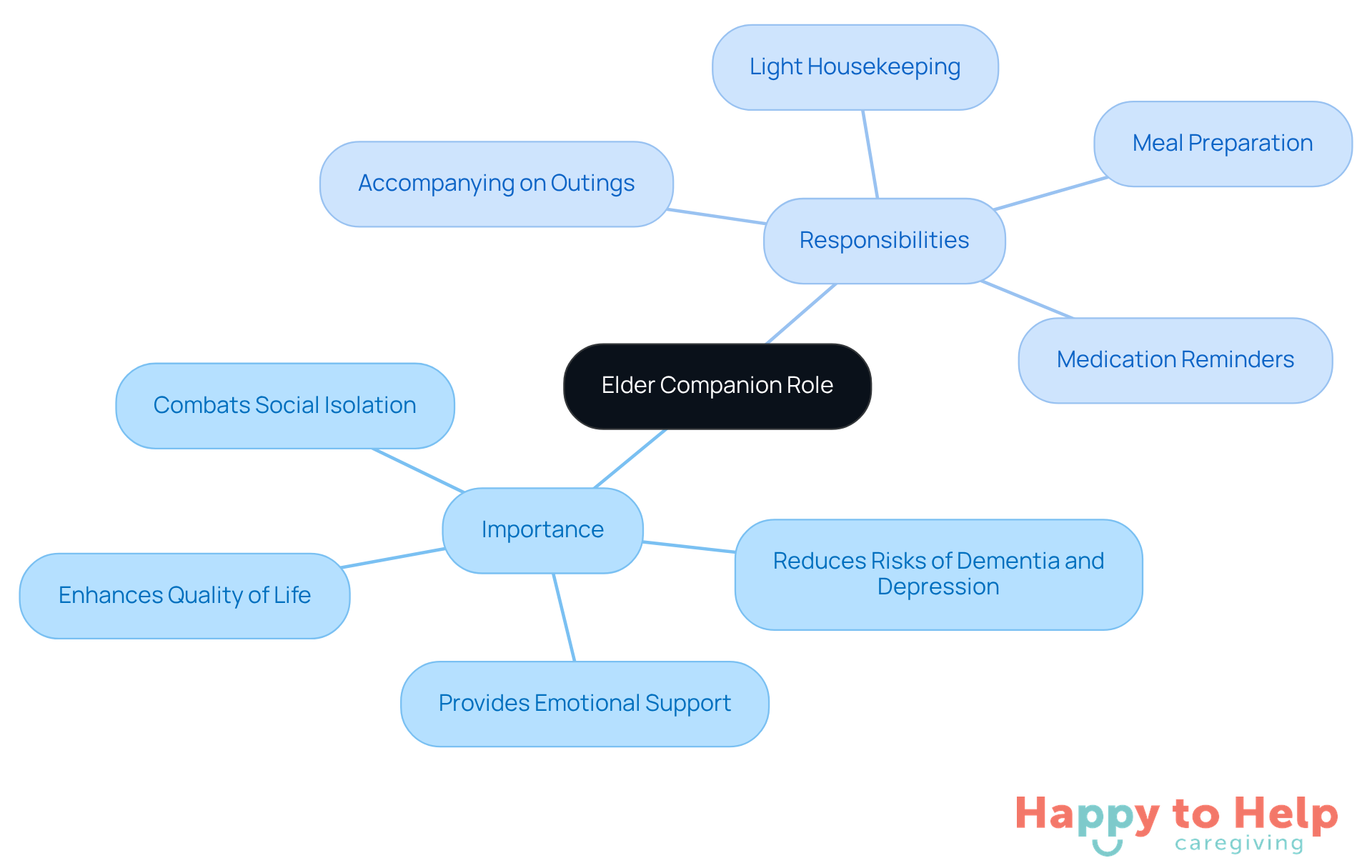
Social isolation poses a significant problem for elderly individuals, leading to increased risks of dementia, depression, and even early death. This loneliness can severely impact their quality of life, making it essential to address these challenges effectively.
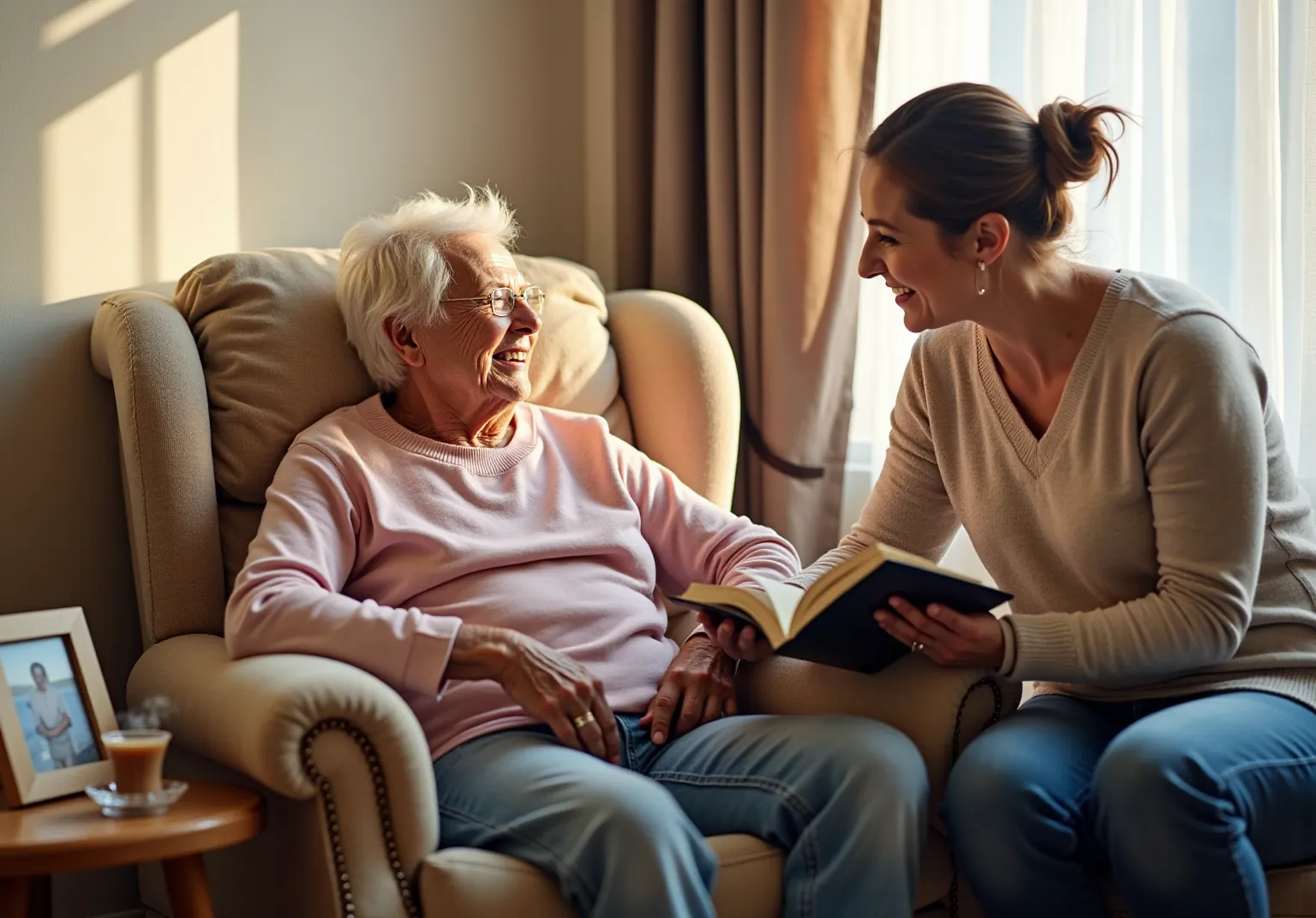
Elder companions are essential in addressing this issue. They provide emotional support, friendship, and assistance with daily tasks, helping to enhance the overall well-being of older adults. By engaging in meaningful conversations and participating in enjoyable activities, these caregivers foster a sense of security and independence.
Responsibilities of elder companions include:
- Accompanying elderly individuals on outings
- Assisting with light housekeeping
- Preparing meals
- Helping with medication reminders
Moreover, elder companions serve as trusted confidants, offering emotional reassurance and creating a supportive environment. As the demand for these services rises, with caregivers averaging 26 hours of assistance per week, understanding their responsibilities becomes increasingly important.
The average monthly expense for companion assistance is $3,813, prompting families to consider the value of these services. By investing in elder companion services, families can significantly improve the quality of life for their loved ones, ensuring they receive both emotional and practical support.
Contextualize Elder Companionship in Senior Care
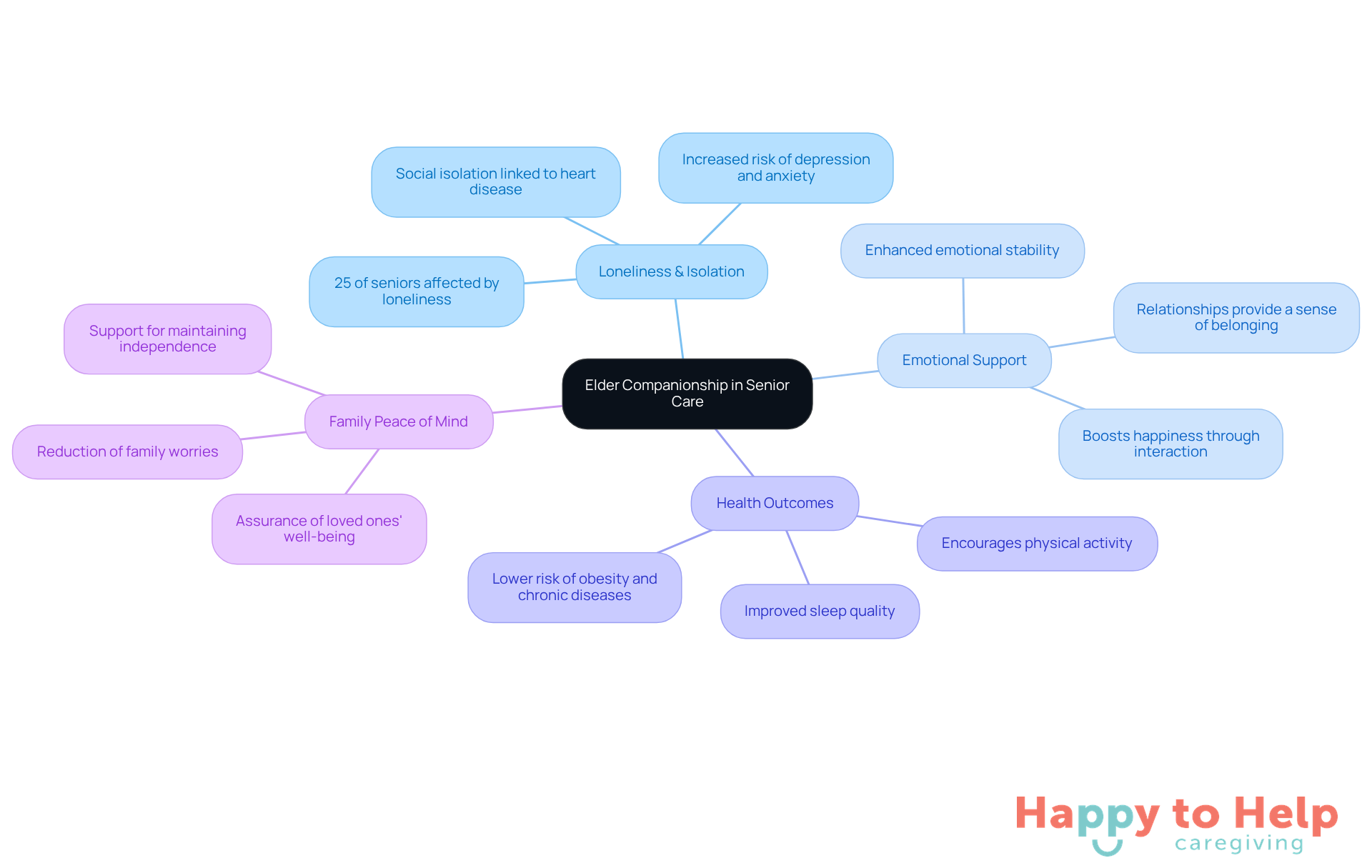
Elder companion services have become a crucial support system for older adults, especially as many choose to age in place. Loneliness and isolation are significant issues, affecting about 25% of Americans aged 65 and older. These conditions can lead to serious mental health challenges, including depression.
Elder companion assistance effectively addresses these problems by providing essential social interaction and emotional support. Research indicates that regular interaction with caregivers enhances emotional stability and boosts happiness. Organizations like Happy to Help Caregiving recognize the vital role of social connections, tailoring their services to foster meaningful relationships that enhance seniors' quality of life.
This approach not only uplifts the elderly but also eases families' worries, offering peace of mind regarding their loved ones' well-being. By promoting social connections, elder companion care significantly improves health outcomes, such as better sleep quality-which in turn lowers the risk of obesity and enhances metabolism-and encourages increased physical activity. These factors are essential for maintaining independence and dignity in later years.
Trace the Evolution of Elder Companionship
The concept of elder friendship has undergone significant changes in recent decades.
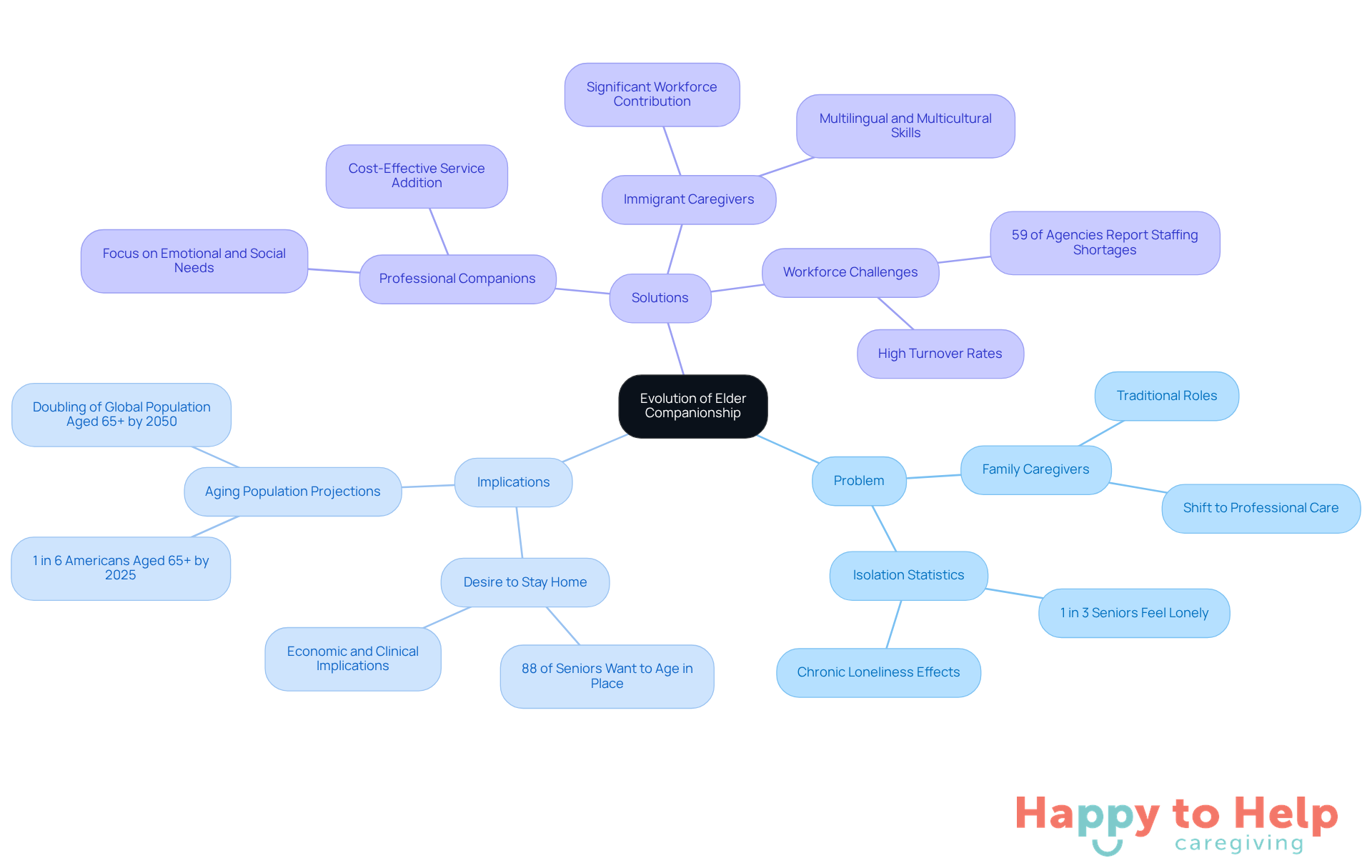
Problem: Traditionally, family members served as caregivers, offering support to elderly relatives. However, with the rise of dual-income households, the demand for services like elder companion has surged.
Agitate: This shift highlights a critical issue: many seniors face isolation and loneliness, with one in three reporting feelings of being alone. The implications are profound, as a survey by AARP reveals that 88% of adults aged 50 and older wish to remain at home for as long as possible, underscoring the need for social support services. Furthermore, projections indicate that by 2025, one in six Americans will be aged 65 and older, intensifying the demand for companionship services.
Solution: To address these challenges, caregivers can explore various options, such as engaging professional companions who focus on emotional and social needs rather than just physical assistance. The role of immigrant caregivers is also vital, as they constitute a significant portion of the home assistance workforce. However, the sector faces hurdles, including workforce shortages, with 59% of home support agencies reporting inadequate personnel by 2025. This context emphasizes the evolving landscape of elder companion services and the essential support that helps older adults maintain their independence and quality of life.
Identify Essential Skills and Qualities of Elder Companions
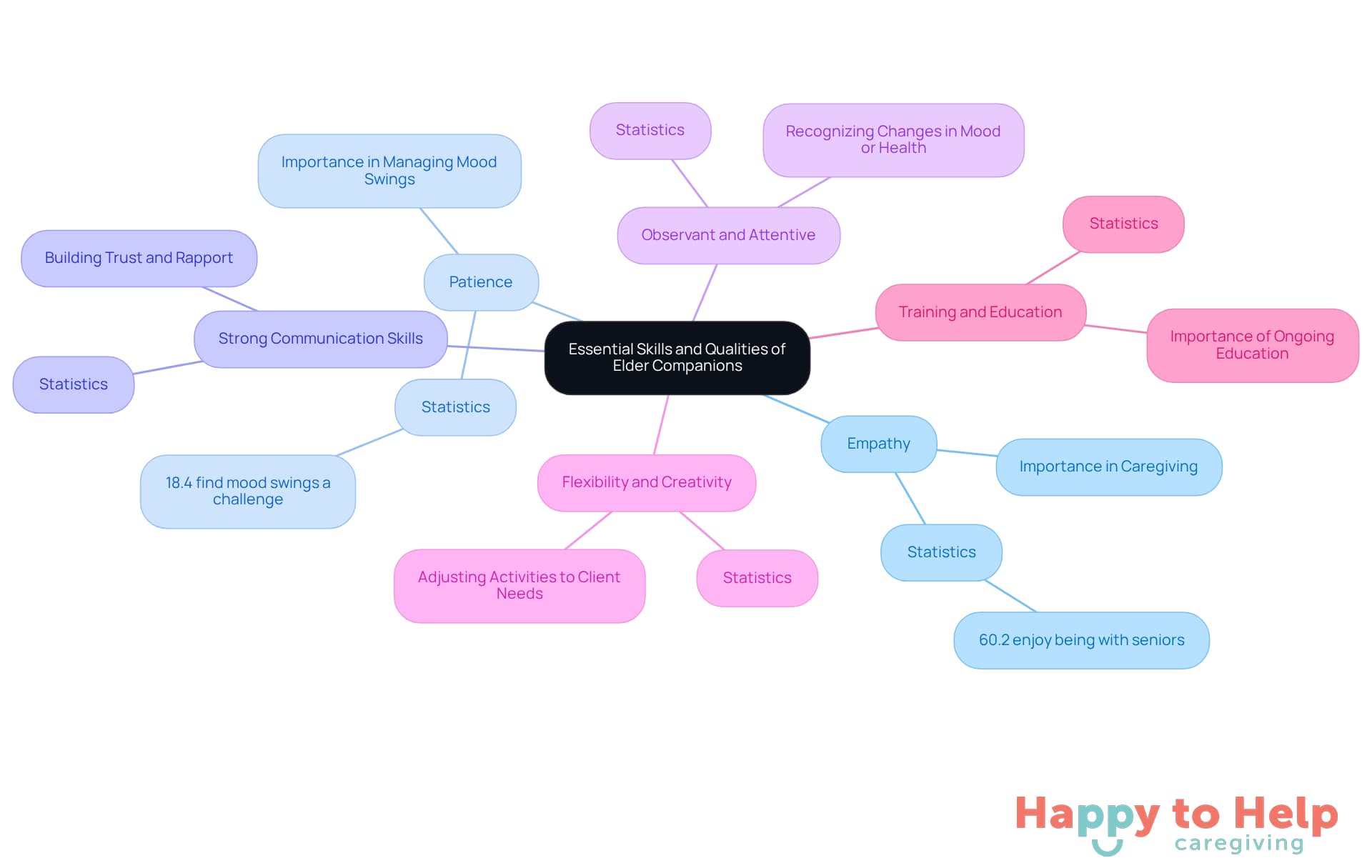
Effective elder companions encounter significant challenges in delivering high-quality care, especially in managing the mood swings of elderly individuals. In fact, 18.4% of caregivers report that these mood fluctuations can be a considerable challenge, highlighting the need for patience and understanding in these situations.
To address this issue, caregivers must develop key attributes such as:
- Empathy
- Patience
- Strong communication skills
These qualities are essential for building trust and rapport with older individuals. Additionally, being observant and attentive allows companions to recognize changes in an elderly person's mood or health that may require attention.
Flexibility and creativity are also crucial. Caregivers often need to adjust activities to align with the interests and abilities of their clients. Training in basic first aid, CPR certification, and a solid understanding of elder health issues can further enhance their ability to provide safe and effective support. Ongoing education is vital for caregivers to stay current with best practices in caregiving.
Statistics reveal that:
- 60.2% of caregivers are motivated by their enjoyment of being with seniors
- 65.3% find gratification to be the best part of their role
This underscores the significance of genuine compassion in caregiving. Ultimately, the best elder companions genuinely care about their clients' well-being and are dedicated to enriching their lives through meaningful interactions and support, while also respecting their privacy and confidentiality.
Your Path Forward
Elder companions address a significant problem: the loneliness and isolation that many seniors experience. These issues can severely impact their mental and physical health, leading to a diminished quality of life.
By providing emotional support, companionship, and assistance with daily activities, elder companions create an environment of security and independence. This support is crucial for seniors who wish to maintain their well-being as they age.
The responsibilities of elder companions extend beyond practical tasks like meal preparation and medication reminders. They engage in meaningful interactions that promote emotional well-being, highlighting their importance in a society where many seniors desire to age in place.
As the demand for elder companionship services grows, families are encouraged to view these services as essential to senior care. Investing in such services enriches lives, ensuring that seniors feel valued and connected.
Recognizing the skills and qualities that make effective elder companions will be vital as the population of older adults continues to rise. By fostering a supportive social network, we can promote healthier, happier, and more fulfilling lives for our loved ones.
https://iframe.tely.ai/cta/eyJhcnRpY2xlX2lkIjogIjY5MjNhMDliMjcyNDliYTNkMmMzZTVmMCIsICJjb21wYW55X2lkIjogIjY4ZWU1ZGNhNzMxNzYyNTU3ZjNjOTVjMSIsICJpbmRleCI6IG51bGwsICJ0eXBlIjogImFydGljbGUifQ==Frequently Asked Questions
What is the role of an elder companion?
An elder companion provides emotional support, friendship, and assistance with daily tasks to enhance the overall well-being of elderly individuals, addressing issues related to social isolation.
Why is the role of elder companions important?
Elder companions help combat social isolation, which can lead to increased risks of dementia, depression, and early death among older adults, thereby improving their quality of life.
What are the main responsibilities of elder companions?
The main responsibilities of elder companions include accompanying elderly individuals on outings, assisting with light housekeeping, preparing meals, and helping with medication reminders.
How do elder companions contribute to the emotional well-being of older adults?
Elder companions serve as trusted confidants, offering emotional reassurance and creating a supportive environment, which helps foster a sense of security and independence.
What is the average amount of assistance provided by elder companions per week?
Caregivers typically provide an average of 26 hours of assistance per week.
What is the average monthly expense for elder companion services?
The average monthly expense for companion assistance is $3,813.
How can investing in elder companion services benefit families?
By investing in elder companion services, families can significantly improve the quality of life for their loved ones, ensuring they receive both emotional and practical support.
List of Sources
- Define Elder Companion: Role and Responsibilities
- Care for Seniors: Elevating Quality of Life (https://safewayhhc.com/the-significance-of-companion-care-for-seniors-elevating-quality-of-life)
- 2023 Study — Caregiving in America, Statistics on Family Caregivers and Beyond | Guardian (https://guardianlife.com/reports/caregiving-in-america)
- Combat Loneliness: The Benefits of Companion Care for Seniors (https://allheartcare.com/more-than-just-company-the-vital-role-of-companion-care-for-seniors)
- What is Companion Care for Seniors? Services and Benefits (https://aplaceathome.com/palmetto-fl/what-is-companion-care-for-seniors-services-and-benefits)
- Caregiver Statistics: Demographics (https://caregiver.org/resource/caregiver-statistics-demographics)
- Contextualize Elder Companionship in Senior Care
- How Companionship in Home Care Boosts Seniors' Mental Health - Care With Love (https://carewithlove.com/how-companionship-in-home-care-boosts-seniors-mental-health)
- Creating Safe Living Environment for Seniors: Tips & Practices (https://peacevillage.org/news/why-companionship-is-key-to-happy-aging-elderly-well-being)
- 1 in 3 older adults still experience loneliness and isolation (https://michiganmedicine.org/health-lab/1-3-older-adults-still-experience-loneliness-and-isolation)
- | Catholic Charities Serving Central Washington (https://catholiccharitiescw.org/news/companionship-can-counter-the-impacts-of-loneliness-and-isolation)
- Lonely Seniors Are Turning To AI Bots For Companionship (https://forbes.com/sites/rashishrivastava/2025/10/18/lonely-seniors-are-turning-to-ai-bots-for-companionship)
- Trace the Evolution of Elder Companionship
- Aging Population Linked to Increased Need for Select Health Care and Social Assistance Services (https://census.gov/library/stories/2022/08/revenues-for-home-care-elderly-services-increase.html)
- Why Home Care Providers Are Increasingly Offering Companion Care Services for Seniors | Aaniie, formerly Smartcare Software (https://aaniie.com/news/why-home-care-providers-are-increasingly-offering-companion-care-services-for-seniors)
- 10 Must-Know U.S. Home Care Industry Stats for 2025 - North American Community Hub (https://nchstats.com/us-home-care-industry-stats)
- 2025 Home Care Statistics: Trends & Insights To Know (https://premierhcinc.com/blog/home-care-statistics)
- Elderly Care Market Size, Share & Trends | Growth Report [2032] (https://fortunebusinessinsights.com/elderly-care-market-111477)
- Identify Essential Skills and Qualities of Elder Companions
- Aging Population Linked to Increased Need for Select Health Care and Social Assistance Services (https://census.gov/library/stories/2022/08/revenues-for-home-care-elderly-services-increase.html)
- Paid Caregiver Motivation, Work Conditions, and Falls among Senior Clients - PMC (https://pmc.ncbi.nlm.nih.gov/articles/PMC3753010)
- Becoming a Companion for the Elderly: Essential Tips and Requirements (https://homecarepgh.com/blog-posts/being-a-companion-to-the-elderly)
- 10 Essential Skills Every Elderly Caregiver Needs to Succeed (https://crosscountry.com/blog/10-essential-skills-every-elderly-caregiver-needs-to-succeed)
- The Heart of Healing: 5 Key Qualities of a Good Caregiver - At Peace Health (https://atpeacehealth.com/5-key-qualities-of-a-good-caregiver)