What You Need to Know About The Role of Caregiver: Importance and
In a world where the aging population and chronic health issues are becoming more prevalent, the role of caregivers has never been more crucial. Nearly 63 million Americans are stepping into caregiving roles, providing not just essential physical support but also nurturing emotional connections that greatly enhance the well-being of those they care for.
Yet, the journey of a caregiver is often fraught with challenges. From financial strain to feelings of emotional isolation, these unsung heroes face significant hurdles that can lead to stress and burnout. It’s important to recognize these struggles and ask ourselves: what can we do to better support and honor the invaluable contributions of caregivers to families and communities?
By fostering a deeper understanding of their experiences, we can begin to explore the emotional and practical support available to them. Caregivers deserve recognition and assistance, not just for the work they do, but for the love and compassion they bring into the lives of others. Together, we can create a more supportive environment that acknowledges their sacrifices and uplifts their spirits.
Define Caregiver: Roles and Responsibilities
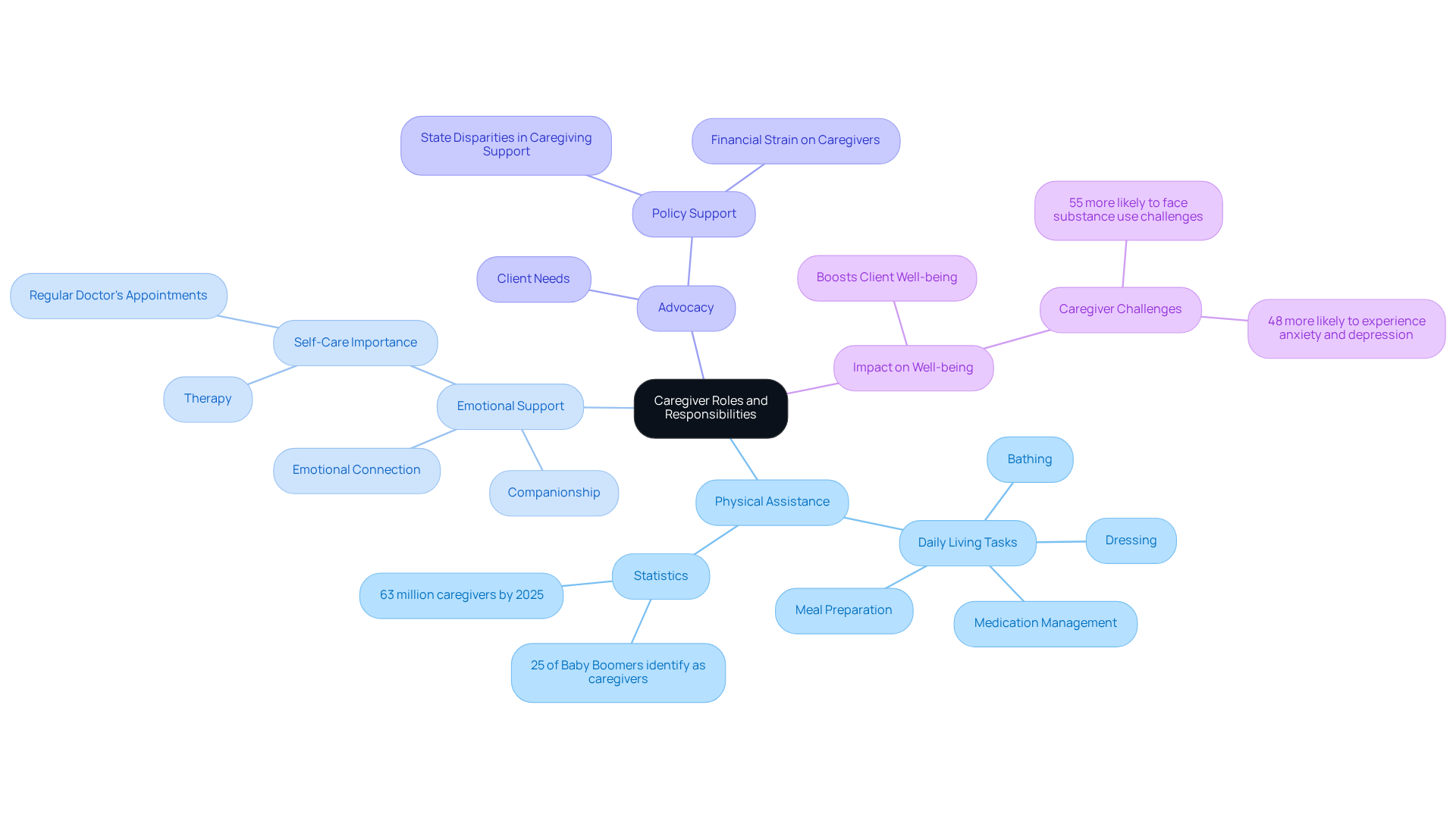
A helper is someone who provides essential support to individuals who may struggle to care for themselves due to age, illness, or disability. Their responsibilities cover a wide range of daily activities, from bathing and dressing to meal preparation, medication management, and companionship. Support can come from family, friends, or professional caregivers, and the role of caregiver often extends beyond just physical assistance to include emotional support and advocacy for the needs of those they care for. This emotional connection is vital; studies show that emotional support significantly boosts the well-being of clients, creating a sense of security and comfort in their homes.
The importance of support providers in home care services is immense. By 2025, nearly 63 million Americans are expected to be involved in caregiving roles, highlighting the growing recognition of their invaluable contributions. Nancy LeaMond, Executive Vice President and Chief Advocacy and Engagement Officer for AARP, beautifully stated, "Caregivers are the invisible backbone of our health system and economy." This underscores the crucial role of caregiver in the larger healthcare landscape. For instance, reports indicate that caregivers are 55% more likely to face substance use challenges compared to non-providers, shedding light on the psychological toll these responsibilities can take. Furthermore, case studies reveal that addressing both physical and emotional needs can lead to better health outcomes for clients, showcasing the profound impact of compassionate care. The story of Jennifer Cortes illustrates the financial, physical, and emotional strain caregivers endure, emphasizing the challenges they face in juggling multiple responsibilities.
Organizations like Happy to Help Caregiving embody a commitment to personalized and compassionate support, ensuring caregivers are equipped to meet the diverse needs of their clients. Additionally, groups such as the Binti Circle provide crucial assistance for caregivers, emphasizing the importance of emotional well-being and shared experiences. By recognizing and supporting the role of caregiver, families can truly appreciate their invaluable contributions to the health and happiness of their loved ones.
Contextualize Caregiving: Importance in Family and Community
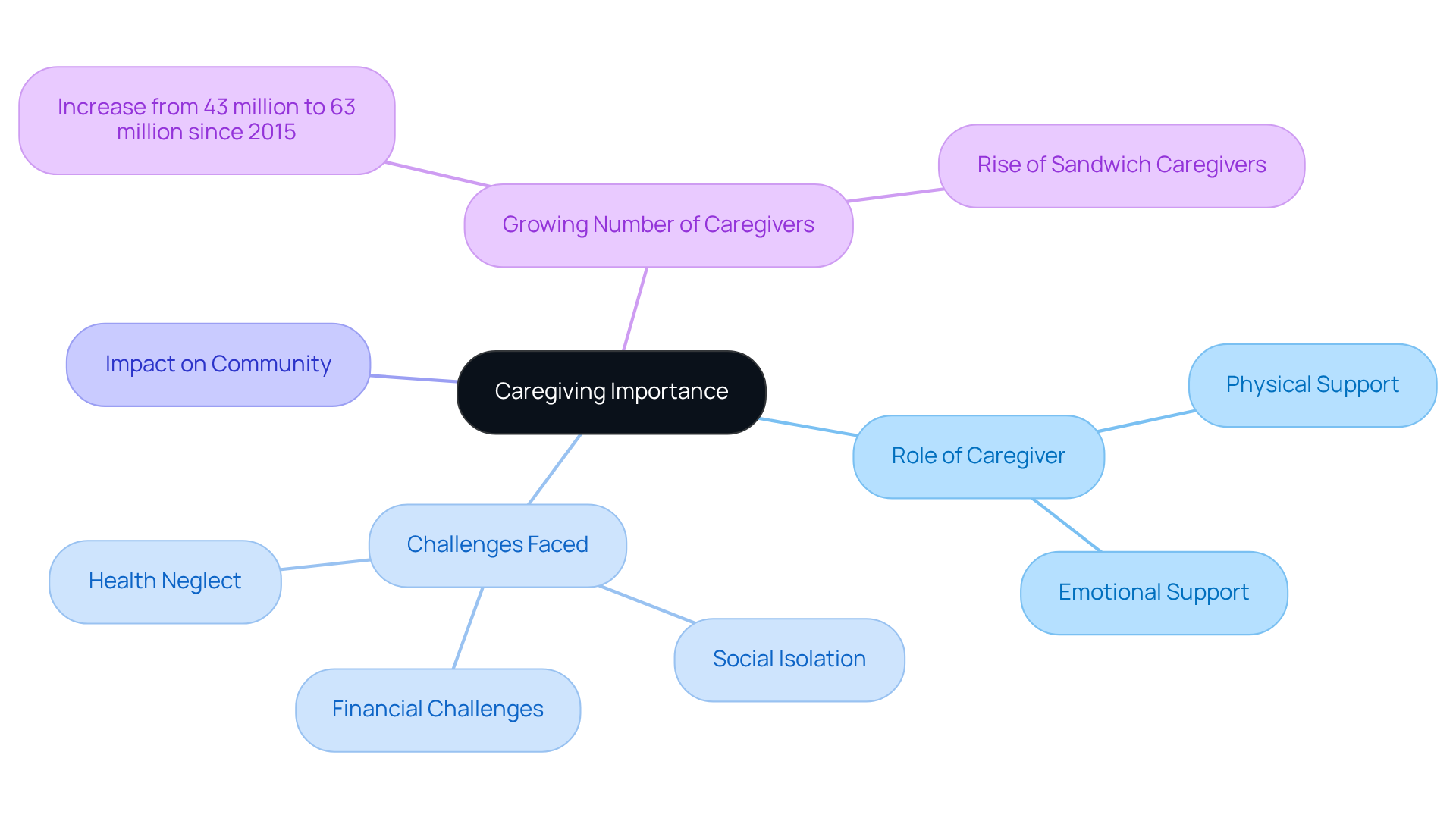
The role of caregiver is essential in ensuring the health and well-being of those who need assistance, particularly seniors and individuals with disabilities. In the U.S., around 63 million Americans fulfill the role of caregiver, showcasing a significant segment of the population dedicated to this essential responsibility. The role of caregiver often sees individuals becoming the primary support for their loved ones, bridging the gap between medical care and everyday needs. This is especially true in family settings, where the role of caregiver involves providing not just physical help but also emotional support, creating a sense of security and connection.
The role of caregiver has a significant impact on the community, as caregivers help individuals remain in their homes and neighborhoods, easing the burden on healthcare systems. Yet, nearly half of caregivers report facing serious financial challenges due to their role of caregiver, often neglecting their own health in the process. Furthermore, about 1 in 4 individuals in the role of caregiver feel socially isolated, underscoring the emotional toll this role can take. The rising number of caregivers - up by 20 million since 2015 - highlights the increasing need for support services and recognition of their invaluable contributions.
As the caregiving landscape evolves, it’s clear that the role of caregiver extends beyond providing care; they are essential pillars of community health and well-being. Myechia Minter-Jordan, CEO of AARP, poignantly states, "Family supporters are a backbone of our health and long-term care systems - often providing complex assistance with little or no training, sacrificing their financial future and their own well-being, and too often doing it alone." This calls for greater support and acknowledgment of the diverse challenges that the role of caregiver entails, including the growing number of sandwich caregivers who juggle caring for both children and aging family members.
Trace the Evolution of Caregiving: Historical Perspectives
The role of caregiver in caring for loved ones has undergone a profound transformation over the years. In the past, it was primarily a family affair, with relatives stepping in to support elderly or disabled members at home. Yet, as society has evolved - especially with the rise of dual-income households and urban living - the demand for professional support services has surged. By the late 20th century, formal support agencies began to emerge, responding to this growing need and paving the way for specialized training and certification programs for caregivers.
Today, the spectrum of support available is vast, ranging from companionship to essential medical assistance, all tailored to meet the diverse needs of our aging population. This shift underscores a crucial realization: high-quality in-home assistance is vital as families seek reliable support in the role of caregiver to enhance the well-being of their loved ones.
Statistics reveal a significant change in the dynamics of caregiving, with family support providers increasing by 45% from 2011 to 2022. This shift reflects the emotional and practical challenges caregivers face. In fact, 44% of caregivers report delivering high-intensity assistance, which can lead to feelings of stress and burnout. The emergence of professional support agencies has been instrumental in navigating these complexities, especially regarding the role of caregiver as urbanization continues to reshape family structures and living arrangements.
Legislative changes, like the 1981 HCBS waiver program, have also been pivotal in expanding access to non-medical home and community-based services through Medicaid. These developments not only influence the evolution of caregiving but also provide a lifeline for families seeking compassionate care for their loved ones. Remember, you’re not alone in this journey; support is available to help lighten the load.

Outline Key Characteristics: Duties and Skills of Caregivers
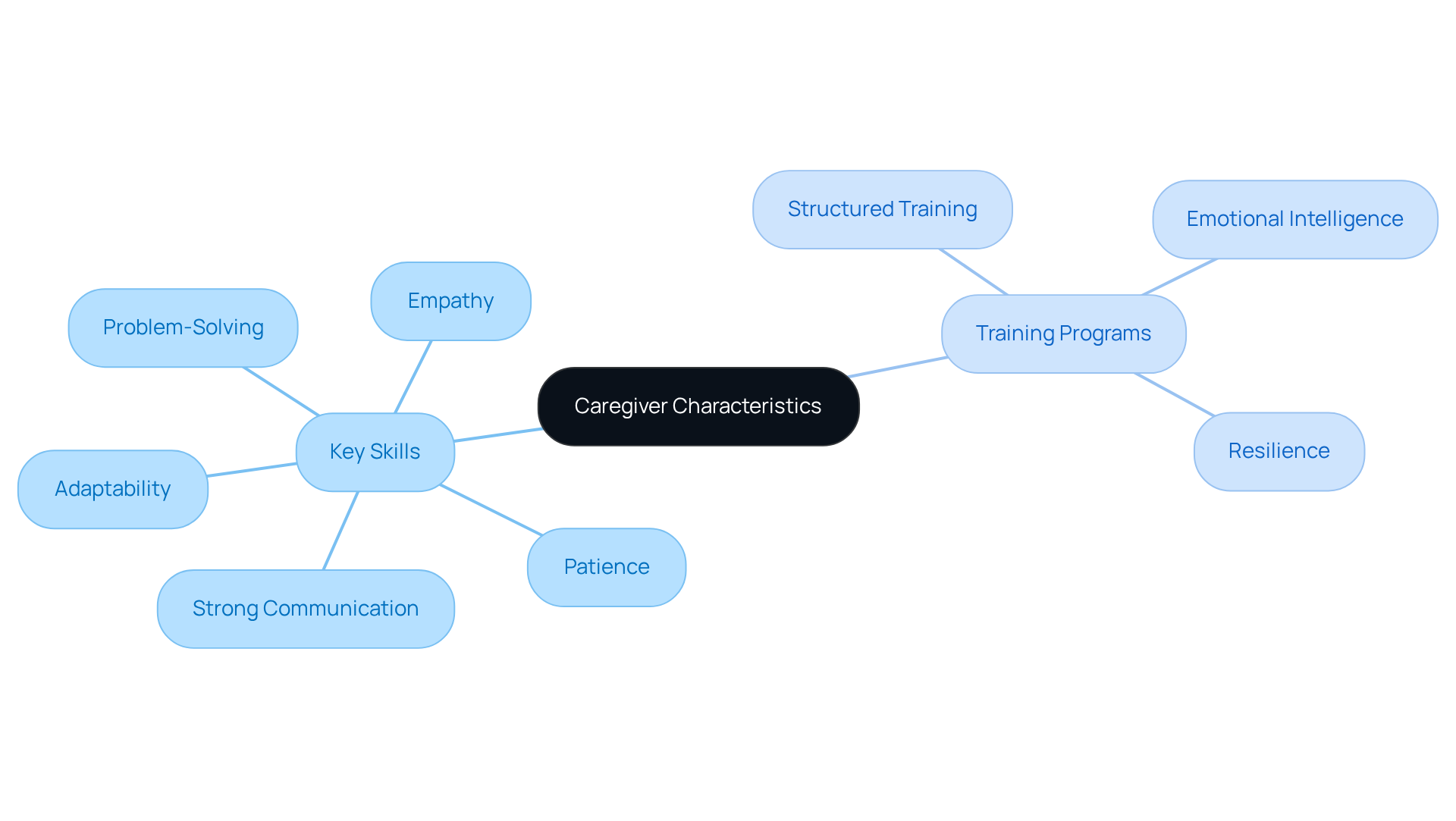
Effective providers possess a unique blend of skills and traits that are vital for delivering high-quality care. They fulfill the role of caregiver by assisting with daily living activities, managing medications, and offering emotional support. Key skills include:
- Strong communication
- Empathy
- Patience
- Problem-solving abilities
Adaptability is also essential, as providers often encounter diverse needs and preferences from their clients.
Training programs, like those offered by Happy to Help Caregiving, are instrumental in nurturing these essential skills. These programs focus on equipping caregivers with the knowledge and tools they need to navigate the complexities of in-home care. Research shows that caregivers who participate in structured training report feeling more confident and effective in the role of caregiver. In fact, 74% note a reduction in stress levels and an increase in feelings of competence.
Moreover, effective training programs highlight the importance of emotional intelligence and resilience. This focus enables providers to create a supportive and nurturing environment for their clients. By investing in comprehensive training, organizations can ensure that support staff are well-prepared for the role of caregiver, ready to meet practical demands and provide compassionate assistance that truly enhances the quality of life for those they serve.
Highlight Impact: Benefits of Caregiving on Clients and Families
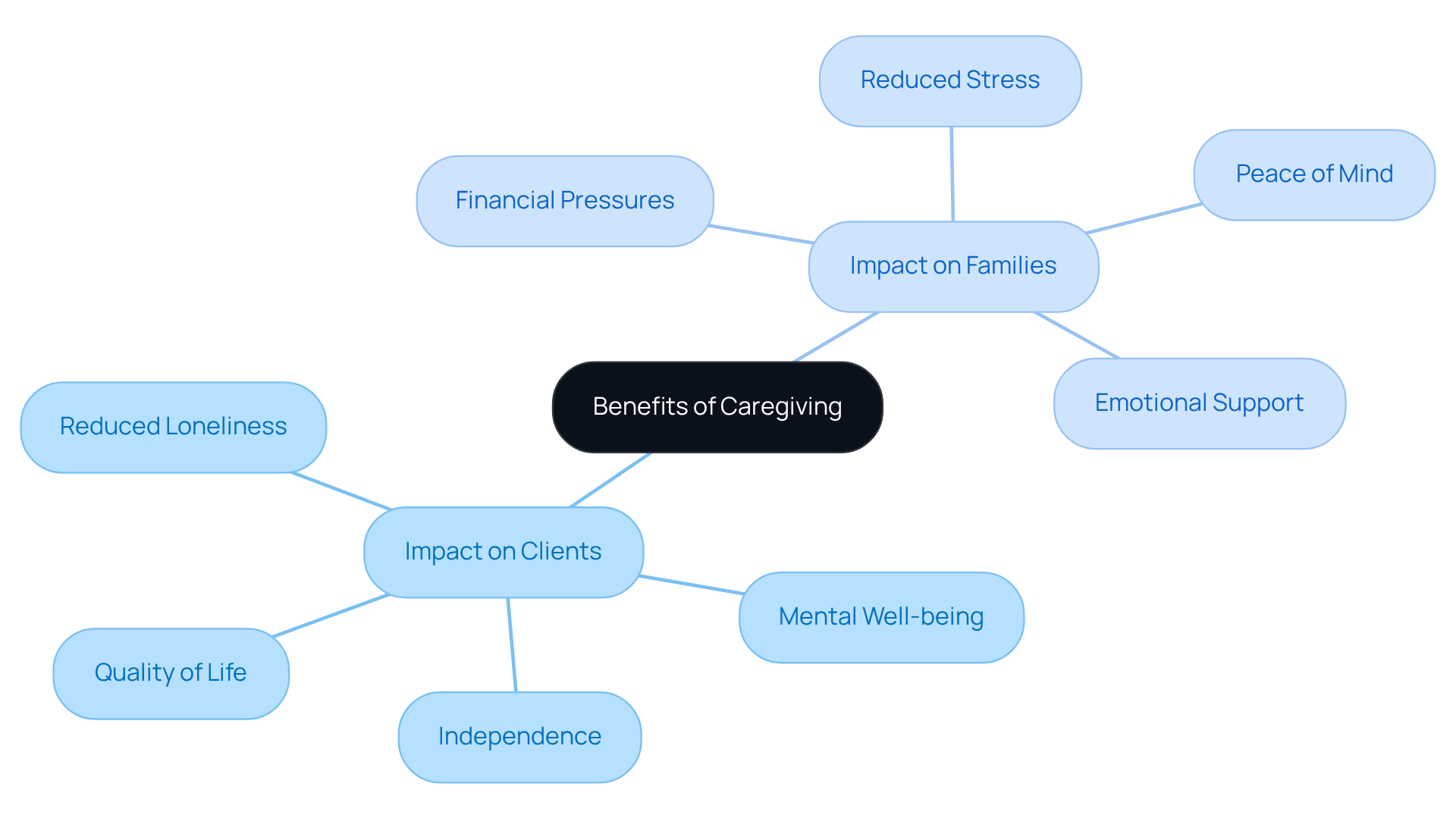
The impact of caregiving goes far beyond just providing immediate assistance. For those receiving care, a dedicated caregiver can truly enhance their quality of life, promoting both independence and mental well-being. The role of caregiver is vital in easing feelings of loneliness and isolation, which are often felt by seniors and individuals with disabilities. This emotional support is crucial; studies show that seniors who experience fewer negative feelings tend to have lower rates of chronic illnesses, like heart disease or high blood pressure.
Families also benefit greatly from caregiving services. They experience reduced stress and a sense of peace knowing their loved ones are in capable hands. A compassionate individual fulfills the role of caregiver by not only meeting physical needs but also nurturing personal connections that enrich the lives of clients and their families. For example, testimonials from families served by Happy to Help Caregiving reveal transformative effects, illustrating how personalized care can create a more harmonious home environment.
However, the emotional toll on families providing care can be significant. Nearly 20% of caregivers report fair or poor health due to their responsibilities, underscoring the need for support systems that can alleviate this burden. Additionally, 23% of caregivers find themselves in debt because of their caregiving duties, highlighting the financial pressures that often accompany this role. By offering professional assistance, caregivers fulfill the role of caregiver, helping families navigate the complexities of care and allowing them to focus on quality time with their loved ones instead of the stresses of daily caregiving tasks. This holistic approach not only enhances the well-being of clients but also fosters a supportive atmosphere for families, ultimately leading to improved overall health and happiness.
Your Path Forward
Caregivers play a crucial role in the well-being of those who need assistance, acting as a vital link between individuals and the support systems that enhance their quality of life. By recognizing the multifaceted responsibilities and emotional connections that caregivers nurture, we can better appreciate and support these essential contributors to health and community.
Throughout our discussion, we've highlighted the diverse responsibilities of caregivers, the emotional and financial challenges they encounter, and the profound impact their support has on clients and families alike. The evolving landscape of caregiving underscores the urgent need for recognition and resources, as the number of caregivers continues to rise dramatically, reflecting the growing demand for their invaluable services. Historically, caregiving has shifted from familial roles to professional support, emphasizing the necessity for structured training and emotional resilience.
Acknowledging the significance of caregivers goes beyond recognizing their hard work; it calls for action from communities and policymakers to enhance support systems that address the challenges caregivers face. By fostering a culture that values and supports caregivers, we can ensure that both caregivers and those they care for thrive, ultimately leading to healthier families and communities. The importance of caregiving extends beyond individual households, shaping the fabric of society and reinforcing the essential bonds of care and compassion that connect us all.
https://iframe.tely.ai/cta/eyJhcnRpY2xlX2lkIjogIjY5MWZhYzZhYzQ4NjU1NjRkNDliYzY1YSIsICJjb21wYW55X2lkIjogIjY4ZWU1ZGNhNzMxNzYyNTU3ZjNjOTVjMSIsICJpbmRleCI6IG51bGwsICJ0eXBlIjogImFydGljbGUifQ==Frequently Asked Questions
What is the definition of a caregiver?
A caregiver is someone who provides essential support to individuals who may struggle to care for themselves due to age, illness, or disability. Their responsibilities include daily activities such as bathing, dressing, meal preparation, medication management, and companionship, along with emotional support and advocacy for the needs of those they care for.
Why is emotional support important in caregiving?
Emotional support is vital as it significantly boosts the well-being of clients, creating a sense of security and comfort in their homes. Studies have shown that addressing both physical and emotional needs can lead to better health outcomes for clients.
How many Americans are expected to be caregivers by 2025?
By 2025, nearly 63 million Americans are expected to be involved in caregiving roles, highlighting the growing recognition of their invaluable contributions.
What challenges do caregivers face?
Caregivers often face financial challenges, neglect their own health, and experience social isolation. Reports indicate that caregivers are 55% more likely to encounter substance use challenges compared to non-providers due to the psychological toll of their responsibilities.
What role do organizations like Happy to Help Caregiving and Binti Circle play?
Organizations like Happy to Help Caregiving provide personalized and compassionate support to caregivers, ensuring they are equipped to meet the diverse needs of their clients. Binti Circle emphasizes the importance of emotional well-being and shared experiences for caregivers.
How does caregiving impact the community?
Caregivers help individuals remain in their homes and neighborhoods, which eases the burden on healthcare systems. They serve as essential pillars of community health and well-being.
What is a "sandwich caregiver"?
A sandwich caregiver is someone who is responsible for caring for both their children and aging family members, highlighting the complex challenges faced by caregivers today.
What is the significance of recognizing the role of caregivers?
Recognizing the role of caregivers is crucial for appreciating their contributions to the health and happiness of their loved ones, as well as for providing the necessary support and resources they need to manage their responsibilities effectively.