Understanding the Stages of Lewy Body Dementia for Caregivers

For families in our service areas
For families in our service areas, this guide explains dementia care and how non-medical in-home caregiving can support care planning in East Idaho, Treasure Valley & Magic Valley, Northern Wasatch, North Central West Virginia, and Northeast Ohio.
What You Need to Know About The Stages of Lewy Body Dementia
Lewy Body Dementia (LBD) presents a significant challenge for caregivers, intertwining complex symptoms with emotional and physical demands. As the second most prevalent form of dementia, understanding its stages is crucial for providing effective support and enhancing the quality of life for those affected.
Caregivers often face overwhelming responsibilities, which can lead to stress and burnout. The emotional toll of witnessing a loved one struggle with LBD can be profound, making it essential for caregivers to find effective strategies to navigate this difficult journey.
So, what can caregivers do? Here are some actionable strategies:
- Educate Yourself: Understanding LBD and its symptoms can empower caregivers to provide better support.
- Seek Support: Connecting with support groups can offer emotional relief and practical advice.
- Establish Routines: Consistent daily routines can help reduce confusion and anxiety for those with LBD.
By implementing these strategies, caregivers can ensure that their loved ones receive the compassionate care they deserve throughout this challenging experience.
Overview of Lewy Body Dementia
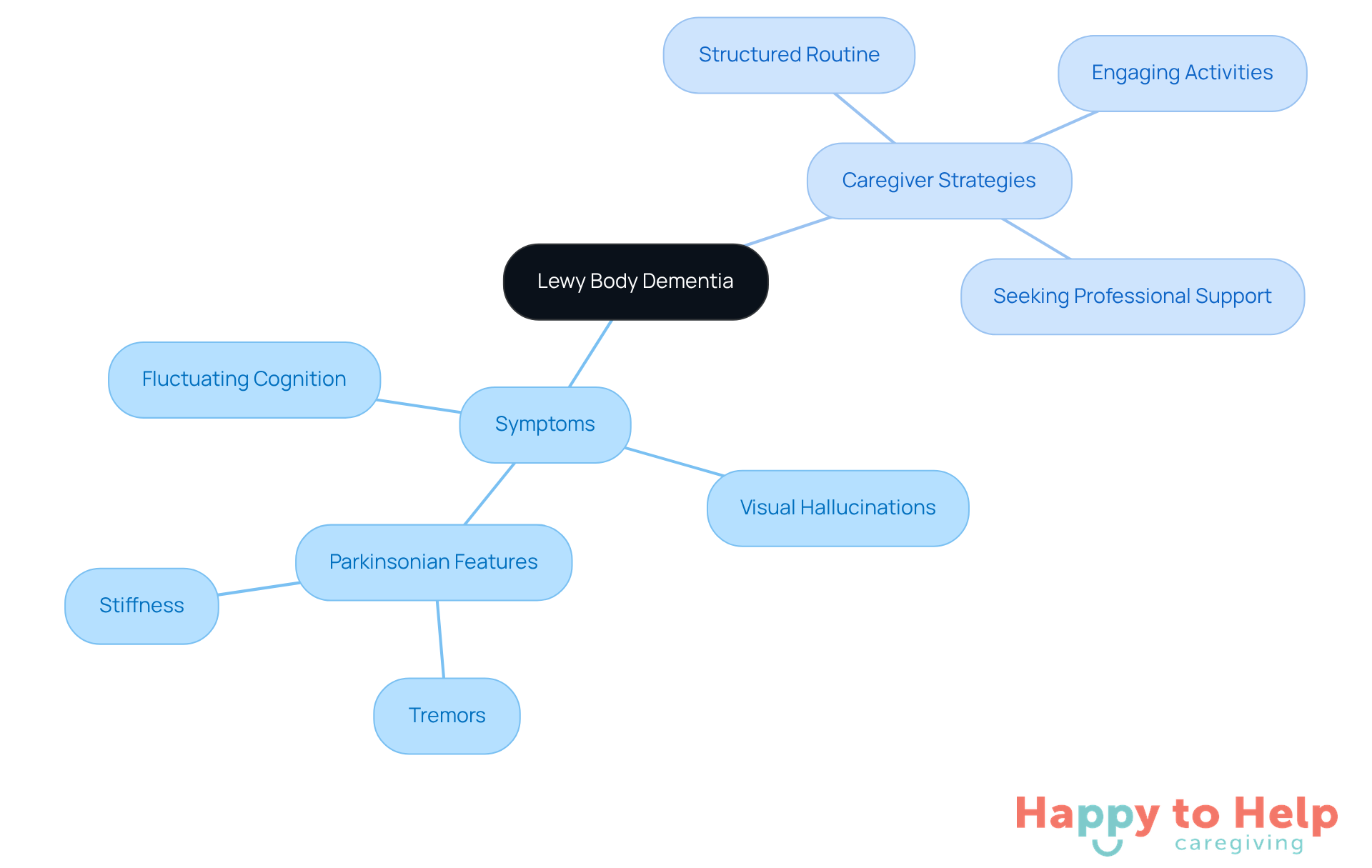
Lewy Body Dementia (LBD) presents a significant challenge for caregivers. This progressive neurodegenerative disorder is marked by the accumulation of abnormal protein deposits in the brain, known as Lewy bodies, and is the second most common type of dementia after Alzheimer's disease. Caregivers often struggle with the complexities of LBD, which affects various cognitive functions such as memory, attention, and visual perception, leading to notable changes in behavior and mood.
The implications of LBD are profound. Common symptoms include:
- fluctuating cognition
- visual hallucinations
- parkinsonian features like tremors and stiffness
These symptoms can create confusion and distress, not only for those affected but also for their caregivers. Recognizing these signs is crucial for providing appropriate care and support.
To effectively manage LBD, caregivers can implement several practical strategies:
- Maintaining a structured routine can help reduce confusion.
- Engaging the individual in familiar activities may enhance their cognitive function and mood.
- Caregivers should seek support from healthcare professionals to better understand the condition and explore treatment options.
By staying informed and proactive, caregivers can significantly improve the quality of life for those living with LBD.
Stages of Lewy Body Dementia: Progression and Symptoms
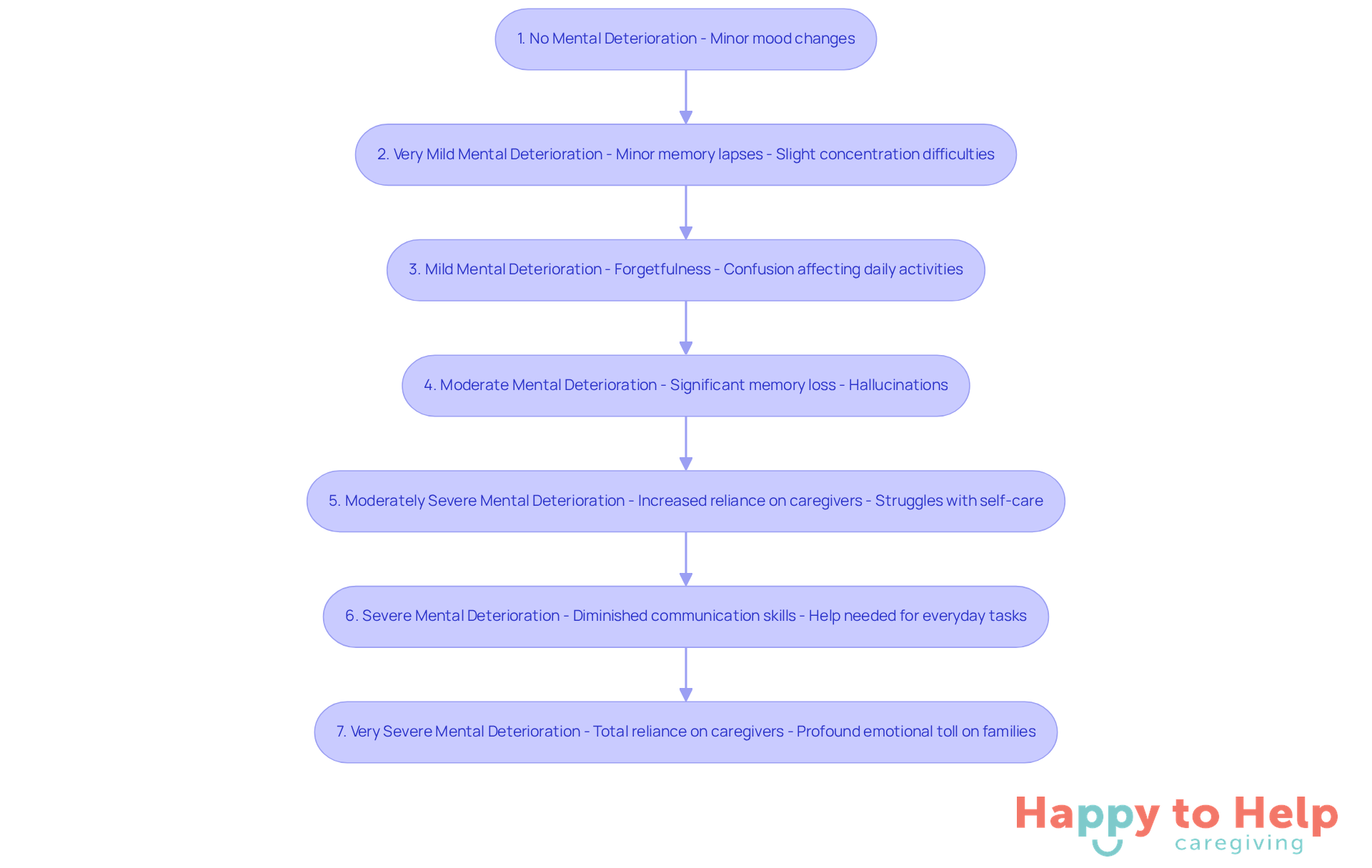
Lewy Body Dementia (LBD) presents a significant challenge for caregivers, as it typically progresses through the stages of Lewy body, each marked by distinct symptoms and varying degrees of cognitive decline. Understanding the stages of Lewy body is crucial for providing appropriate support.
- No Mental Deterioration: Individuals may not show obvious signs, though minor mood or behavior changes can be noticeable.
- Very Mild Mental Deterioration: Minor memory lapses and slight concentration difficulties may occur, often overlooked by family members. This stage can last several years, with individuals remaining largely independent.
- Mild Mental Deterioration: Signs become more apparent, including forgetfulness and confusion that can affect daily activities. Families often begin to notice these changes, prompting discussions about care needs.
- Moderate Mental Deterioration: Significant memory loss, problem-solving difficulties, and behavioral changes, including hallucinations, may arise. The average annual decline in cognitive function is about 2.1 points on the Mini-Mental State Examination (MMSE).
- Moderately Severe Mental Deterioration: Increased reliance on caregivers for daily activities becomes evident, with significant mental and physical challenges. Individuals may struggle with basic self-care and require more structured support.
- Severe Mental Deterioration: Communication skills may diminish considerably, necessitating help with all everyday tasks. Families often report feelings of helplessness as their loved ones become less responsive.
- Very Severe Mental Deterioration: In this final stage, individuals may become entirely reliant on caregivers for all aspects of care, including mobility and personal hygiene. The emotional toll on families can be profound, as they navigate the complexities of caregiving during this challenging time.
To effectively manage these challenges, caregivers should engage with healthcare professionals for regular assessments of the stages of Lewy body. This proactive approach can help manage symptoms and adjust care plans as necessary. It's also important to note that the average lifespan after an LBD diagnosis is 5 to 7 years, with some individuals living up to 20 years. Most LBD patients experience dementia symptoms before motor symptoms, aiding in early recognition of the disease. Caregivers should remain vigilant about potential complications, such as falls and medication side effects, which can significantly impact the overall outlook of the condition.
Caregiving Strategies for Each Stage of Lewy Body Dementia
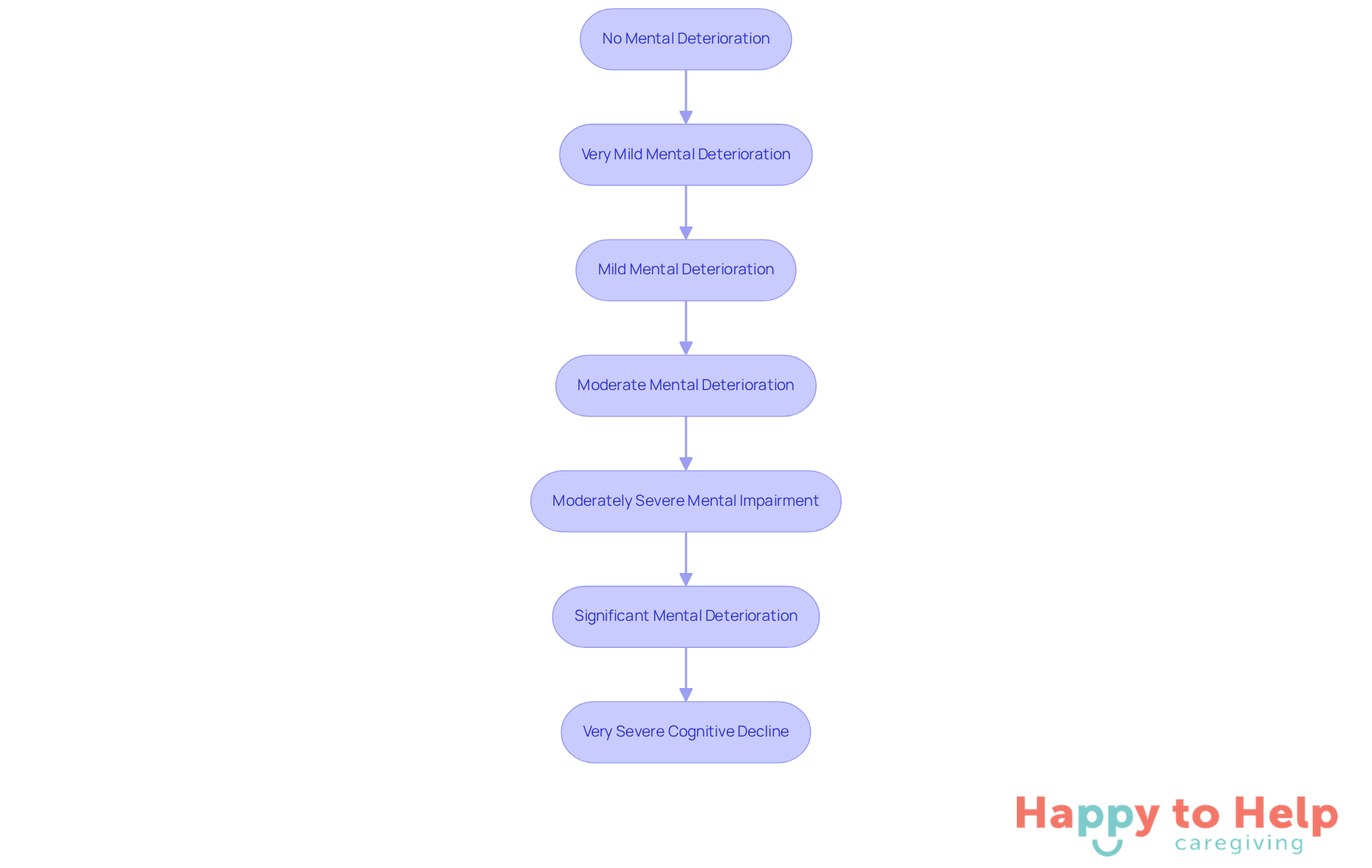
As the stages of Lewy Body Dementia (LBD) progress, caregiving strategies must adapt to meet the unique challenges presented for caregivers. As the disease advances, caregivers need to ensure they can effectively support their loved ones through the stages of Lewy body. Here’s a breakdown of the stages and actionable solutions:
-
No Mental Deterioration: Caregivers should maintain regular social interactions and be vigilant for subtle changes in behavior or mood. Early detection can lead to timely interventions. As Tia Walker notes, "Caregiving often calls us to lean into love we didn’t know was possible."
-
Very Mild Mental Deterioration: Promote mental engagement through puzzles or memory games. Establishing a consistent routine can assist memory retention and provide a sense of stability. This is crucial, especially considering that the stages of Lewy body dementias impact approximately 1.4 million people in the United States.
-
Mild Mental Deterioration: Use reminders and visual signals to aid daily activities. Keeping open channels of communication can help manage any confusion that might arise.
-
Moderate Mental Deterioration: Establish organized routines and simplify tasks to minimize frustration. Offering reassurance during episodes of confusion or hallucinations helps create a sense of security.
-
Moderately Severe Mental Impairment: Focus on safety by removing potential hazards. Provide physical assistance as needed and engage in comforting activities that promote familiarity and connection.
-
Significant Mental Deterioration: Ensure a calm and soothing environment. Utilize non-verbal communication methods and provide physical support for mobility to enhance comfort.
-
Very Severe Cognitive Decline: Prioritize the comfort and dignity of the individual. Consider involving hospice or palliative care services to ensure comprehensive support.
These strategies not only help caregivers navigate the complexities of LBD but also promote the overall well-being of their loved ones. Incorporating real-world examples, such as the case study on "Challenging Misconceptions," can further illustrate the effectiveness of these strategies in practice.
Taking the Next Steps
Understanding Lewy Body Dementia (LBD) presents a significant challenge for caregivers. The complexities of this condition can lead to feelings of overwhelm and uncertainty. Caregivers must navigate various stages of LBD and its associated symptoms, which can complicate daily care and impact the quality of life for those affected.
Recognizing the progressive nature of LBD is crucial. Each stage brings unique symptoms that require tailored approaches. Caregivers should be aware of these changes and adapt their strategies accordingly. For instance, maintaining a structured routine and engaging loved ones in familiar activities can help address the challenges that arise as the disease progresses.
To effectively support individuals with LBD, caregivers are encouraged to remain vigilant and proactive. Seeking guidance from healthcare professionals can aid in adapting care plans to meet evolving needs. By staying informed and implementing practical strategies, caregivers can navigate the complexities of LBD with confidence.
Ultimately, the caregiving journey, while overwhelming, offers an opportunity to foster deep connections and provide meaningful support. Every small effort contributes to the well-being of those living with this condition. Engaging with support resources and connecting with others facing similar challenges can empower caregivers to approach their responsibilities with resilience and compassion.
https://iframe.tely.ai/cta/eyJhcnRpY2xlX2lkIjogIjY5MjNhMGIyYzVlZWQyYmRiNTU3YmYxYyIsICJjb21wYW55X2lkIjogIjY4ZWU1ZGNhNzMxNzYyNTU3ZjNjOTVjMSIsICJpbmRleCI6IG51bGwsICJ0eXBlIjogImFydGljbGUifQ==Frequently Asked Questions
What is Lewy Body Dementia (LBD)?
Lewy Body Dementia is a progressive neurodegenerative disorder characterized by the accumulation of abnormal protein deposits in the brain known as Lewy bodies. It is the second most common type of dementia after Alzheimer's disease.
What are the common symptoms of Lewy Body Dementia?
Common symptoms of LBD include fluctuating cognition, visual hallucinations, and parkinsonian features such as tremors and stiffness.
How does Lewy Body Dementia affect cognitive functions?
LBD affects various cognitive functions including memory, attention, and visual perception, which can lead to significant changes in behavior and mood.
Why is it important for caregivers to recognize the signs of Lewy Body Dementia?
Recognizing the signs of LBD is crucial for caregivers to provide appropriate care and support, as the symptoms can create confusion and distress for both the affected individuals and their caregivers.
What practical strategies can caregivers implement to manage Lewy Body Dementia?
Caregivers can maintain a structured routine to reduce confusion, engage individuals in familiar activities to enhance cognitive function and mood, and seek support from healthcare professionals to better understand the condition and explore treatment options.
How can caregivers improve the quality of life for those living with Lewy Body Dementia?
By staying informed and proactive, caregivers can significantly enhance the quality of life for individuals living with LBD through effective management and support strategies.
List of Sources
- Overview of Lewy Body Dementia
- Geriatrics Update Session Examines Lewy Body Dementia, Parkinson's Disease, Alzheimer's - UAMS News (https://news.uams.edu/2025/10/27/geriatrics-update-session-examines-lewy-body-dementia-parkinsons-disease-alzheimers)
- Case Studies (https://physio-pedia.com/Category:Case\_Studies)
- (https://news.azpm.org/s/101801-people-living-with-lewy-body-dementia-may-get-access-to-new-drug-after-sun-city-trial)
- Lewy Body Dementia Quotes (1 quote) (https://goodreads.com/quotes/tag/lewy-body-dementia)
- Stages of Lewy Body Dementia: Progression and Symptoms
- Geriatrics Update Session Examines Lewy Body Dementia, Parkinson's Disease, Alzheimer's - UAMS News (https://news.uams.edu/2025/10/27/geriatrics-update-session-examines-lewy-body-dementia-parkinsons-disease-alzheimers)
- Progression rates of Lewy body dementia (https://medicalnewstoday.com/articles/lewy-body-dementia-fast-decline)
- Data from Full Extension Phase of RewinD-LB Trial Continue to Appear Promising - Lewy Body Dementia Association (https://lbda.org/data-from-full-extension-phase-of-rewind-lb-trial-continue-to-appear-promising)
- Caregiving Strategies for Each Stage of Lewy Body Dementia
- (https://belleviecare.co.uk/support-advice/dementia-quotes-to-lift-your-spirits)
- CaringBridge (https://caringbridge.org/resources/inspirational-quotes-on-caregiving)
- Top List of Inspirational Dementia Quotes for Caregivers (https://rochesterlawcenter.com/dementia-resources/dementia-quotes)
- NADRC Webinar on Lewy Body Dementia Diagnosis, Care, and Support | ACL Administration for Community Living (https://acl.gov/news-and-events/announcements/nadrc-webinar-lewy-body-dementia-diagnosis-care-and-support)