
The Importance of Types of Care
Navigating the complexities of senior care can be a daunting challenge for families. Many older adults express a strong desire to remain in their homes, which complicates the caregiving landscape. This situation creates a pressing need for tailored care solutions that can effectively support both seniors and their caregivers.
Understanding the various types of care available is essential. Personalized support not only enhances the quality of life for seniors but also addresses the myriad challenges caregivers face daily. Families must consider several factors when selecting the right type of care, ensuring their loved ones receive the dignified support they deserve.
By exploring these options, families can make informed decisions that cater to the unique needs of their loved ones, ultimately fostering a more supportive and nurturing environment.
Define Senior Care: Key Concepts and Importance
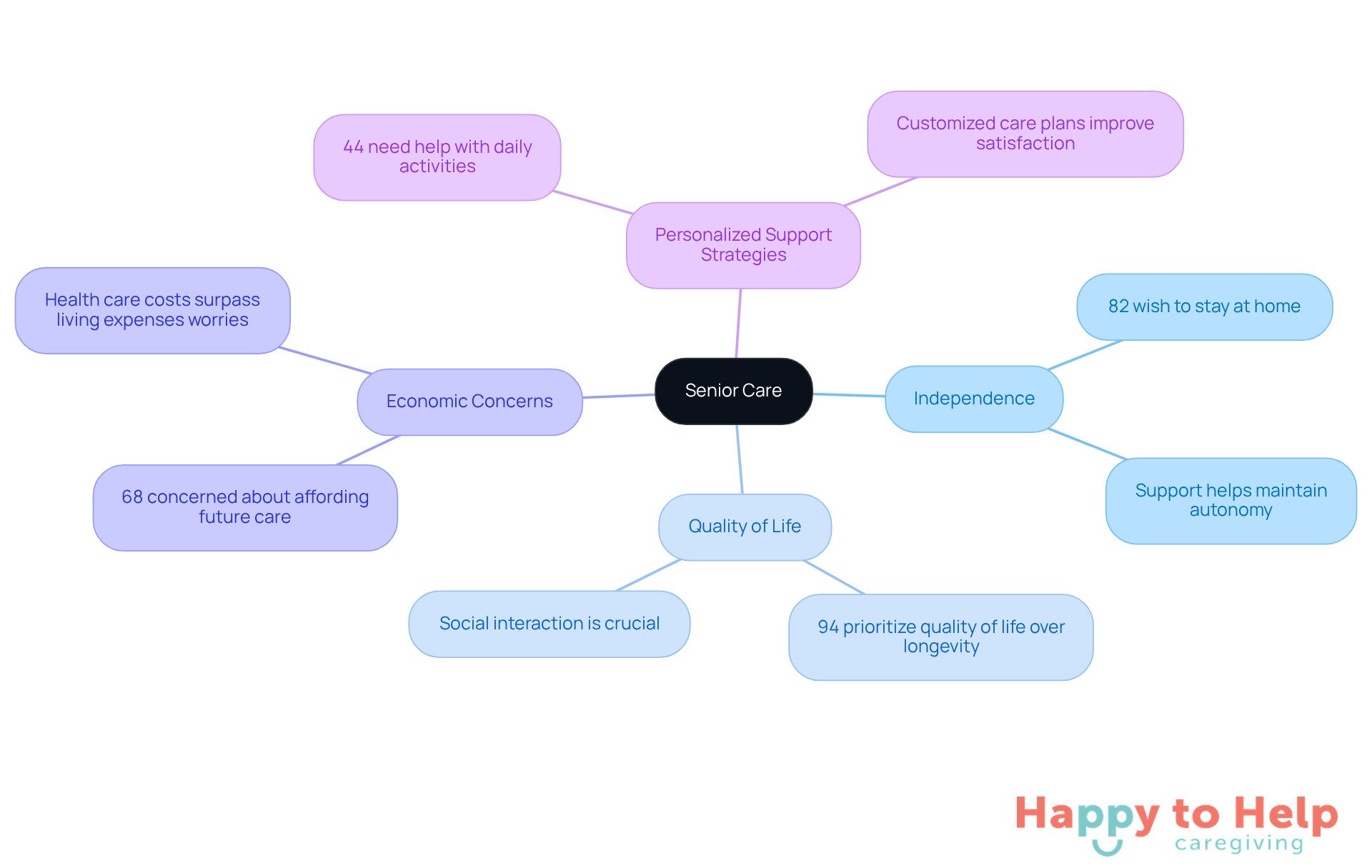
Senior support presents a significant challenge for caregivers who strive to help older adults maintain their independence and enhance their quality of life. Many seniors face difficulties with everyday tasks, medical needs, and emotional support, which can hinder their ability to live autonomously. Research indicates that 82% of older adults wish to remain in their homes for as long as possible, underscoring the urgent need for quality home support services.
The implications of this challenge are profound. Enhancing physical, emotional, and social well-being is paramount, as studies show that nearly 94% of older individuals prioritize quality of life over mere longevity. Additionally, 68% express concerns about affording future health and long-term support, highlighting the economic factors tied to sustaining a good quality of life.
To address these issues, caregivers can implement customized support plans as part of the different types of care for seniors, tailored to the unique needs and preferences of each senior. For instance, domestic support providers often create personalized strategies that consider the specific circumstances of their clients. This approach not only improves mental health but also boosts overall satisfaction. Notably, 44% of home support recipients require assistance with at least one daily activity, emphasizing the practical necessity for personalized support strategies.
Understanding these concepts is crucial for families, as they illuminate the importance of types of care for seniors in promoting dignity and well-being among older adults. By focusing on independence and quality of life, caregivers can ensure their loved ones receive the compassionate support they need to thrive.
Explore Different Types of Senior Care Services
Navigating senior care services can be overwhelming for families, especially when trying to find the right fit for their loved ones. With various options available, understanding the different types of care for seniors is crucial to effective caregiving.
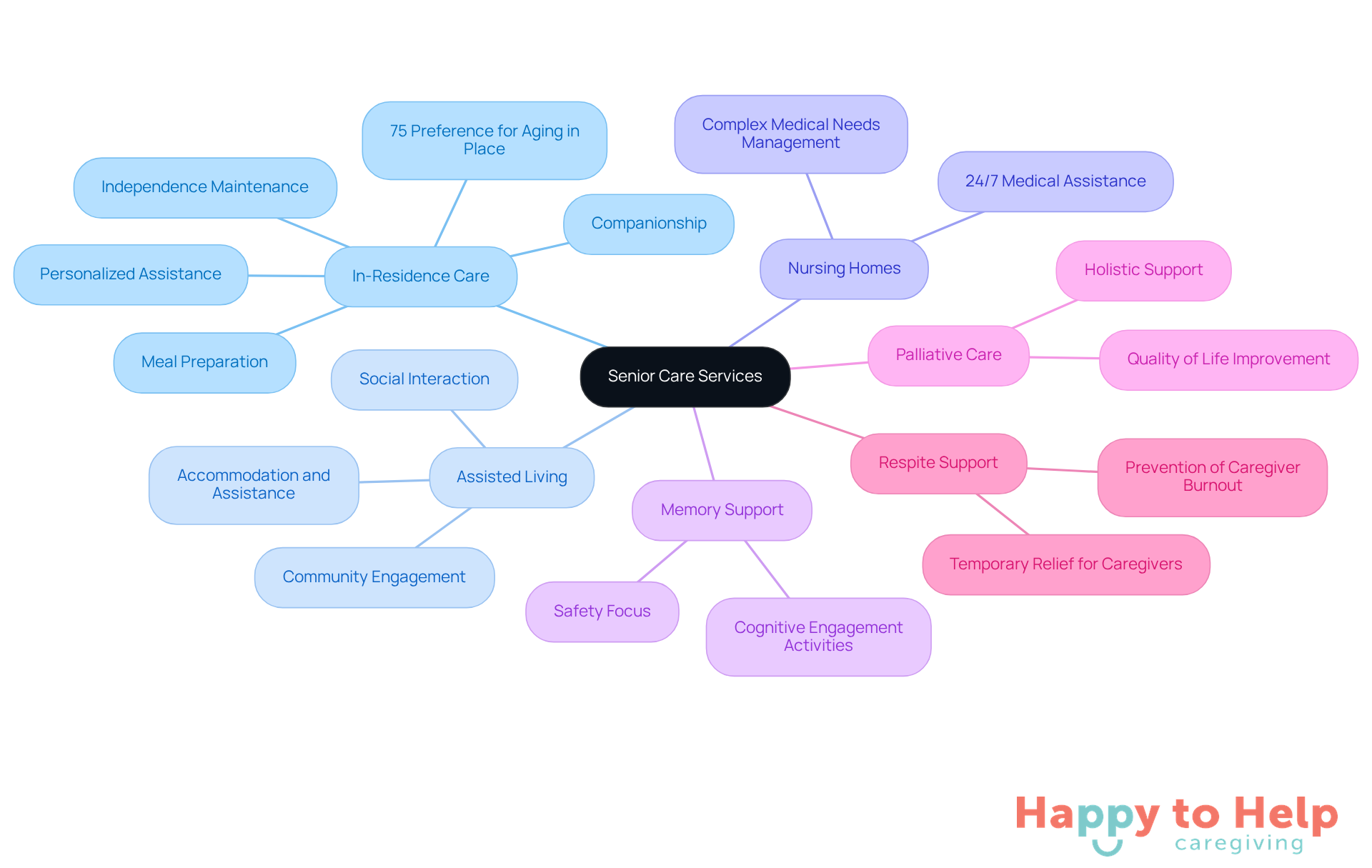
In-Residence Care offers tailored support in the comfort of the elder's home, including companionship, meal preparation, and personal care. This option allows older adults to maintain their independence while receiving personalized assistance. Notably, about 75% of older adults prefer to age in place rather than move to assisted living facilities, highlighting their desire for familiarity and comfort.
Assisted Living facilities provide accommodation and assistance for older adults who need help with daily tasks but wish to retain some autonomy. These environments often encourage social interaction and community engagement, enhancing residents' quality of life.
Nursing Homes are skilled nursing facilities that offer 24/7 medical assistance for seniors with significant health issues. They are equipped to manage complex medical needs, ensuring comprehensive support.
Memory Support services cater to individuals with Alzheimer’s or other types of dementia, focusing on safety and cognitive engagement through structured activities in a secure environment.
Palliative Care aims to improve the quality of life for those with serious illnesses, addressing physical, emotional, and spiritual needs. This support is vital for individuals facing significant health challenges.
Respite Support provides temporary relief for primary caregivers, allowing them to take a break while ensuring their loved ones receive necessary assistance. This service is essential for preventing caregiver burnout and maintaining family dynamics.
It is vital for families to understand the types of care for seniors. The home support industry is expected to grow significantly, with forecasts suggesting a 22% rise in demand for home assistance services by 2034. Families should explore all available options to find the best fit for their loved ones, especially considering the complexities of hiring caregivers directly versus using agencies due to intricate employment laws. Additionally, families often face challenges when seeking in-home assistance, including financial considerations and the emotional burden of adjusting to new support arrangements.
Determine the Right Care: Factors to Consider
Selecting the appropriate types of care for seniors can be a daunting task, as it involves evaluating several critical factors that directly impact the well-being of elderly individuals.
-
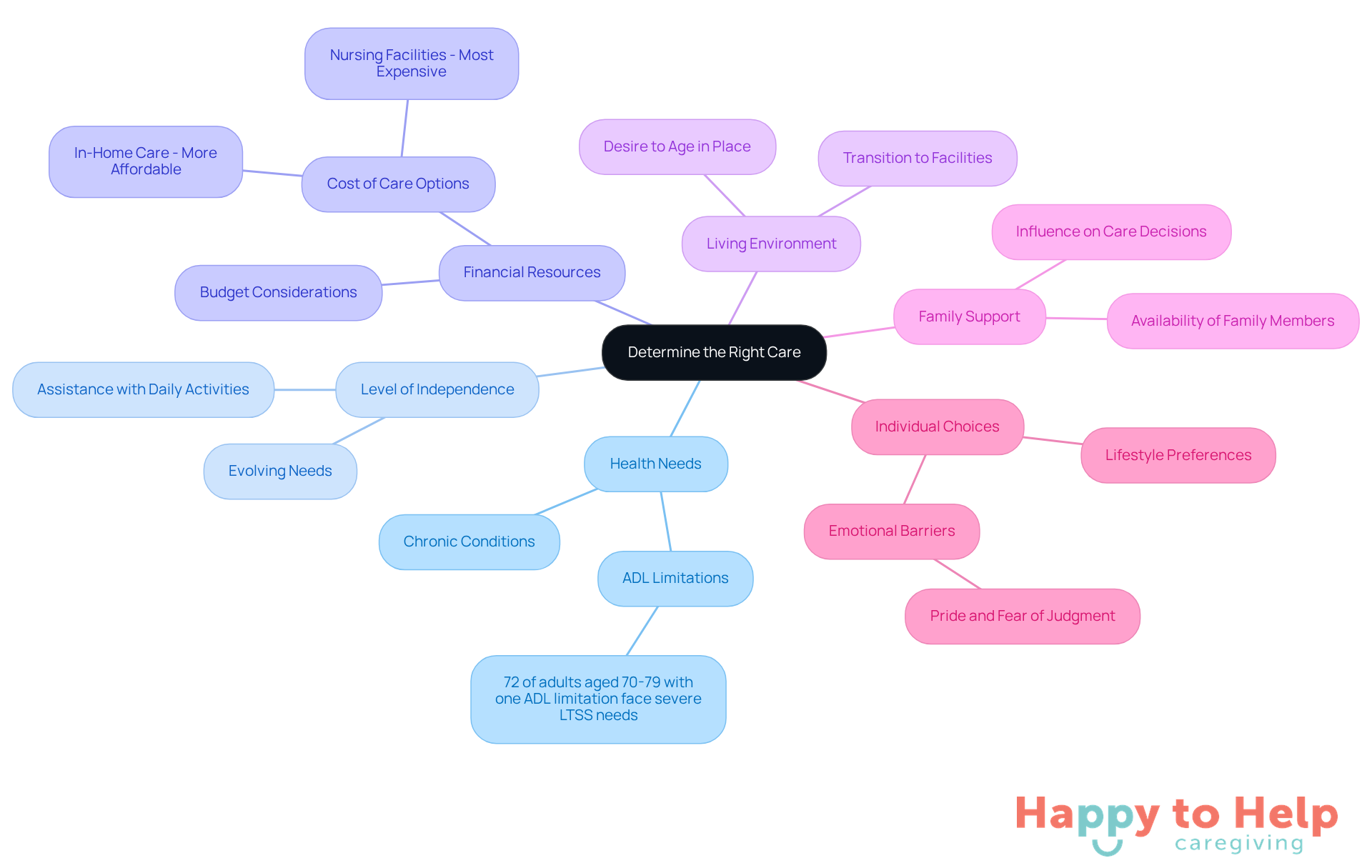
Health Needs: One of the first steps is to assess the elderly individual's medical and physical needs. This includes considering any chronic conditions or disabilities that may require specialized care. For instance, statistics show that 72% of adults aged 70-79 with no more than one ADL limitation face severe long-term services and supports (LTSS) requirements before they pass away. This highlights the importance of a thorough health assessment.
-
Level of Independence: Next, it's essential to evaluate how much assistance the individual requires with daily activities and decision-making. While many seniors prefer to age in place, their needs may evolve over time. Understanding their level of independence is crucial for determining the right types of care for seniors.
-
Financial Resources: Financial considerations also play a significant role. Caregivers should consider the budget available for support, including insurance coverage and potential out-of-pocket expenses. For example, assisted living facilities can be considerably pricier than in-home alternatives, which are often more adaptable and economical. It's important to note that nursing facilities typically represent the most costly option for elderly support.
-
Living Environment: Reflecting on the senior's living environment is another key factor. Do they wish to remain at home, or would they prefer to transition to a facility? In-home assistance can provide customized support while allowing seniors to stay in familiar surroundings, enhancing their comfort and security.
-
Family Support: The availability of family members who can offer help is also vital. Family participation can significantly influence the type of assistance required and the feasibility of in-home support.
-
Individual Choices: Finally, consider the elder's lifestyle, preferences, and social needs. Ensuring that care aligns with their values and interests is essential for their emotional well-being. Open discussions about the necessity for daily living assistance are crucial, as many seniors face emotional barriers such as pride and fear of judgment when accepting help.
By carefully evaluating these factors, families can make informed decisions regarding the types of care for seniors that effectively support their loved ones' needs and preferences, ultimately fostering a sense of independence and dignity.
Moving Forward with Types of Care
Understanding the various types of care available for seniors is essential for families striving to provide the best support for their loved ones. The challenge lies in ensuring that the right care not only enhances the quality of life for older adults but also empowers them to maintain their independence and dignity. Without proper guidance, families may struggle to navigate the complexities of senior care options, leading to decisions that may not align with their loved ones' needs.
To address this issue, families should prioritize personalized care strategies. Evaluating health needs, financial resources, living environments, and individual preferences is crucial when selecting senior care options. From in-home care that fosters independence to assisted living and nursing facilities that offer comprehensive support, each type of care serves a unique purpose. Understanding these options allows families to make informed decisions that truly reflect their elderly relatives' desires.
Ultimately, finding the right care for seniors is not just about meeting physical needs; it’s also about nurturing emotional well-being and fostering a sense of belonging. Families are encouraged to engage in open conversations with their elderly relatives to better understand their wishes and preferences. By doing so, they can create a supportive environment that enhances the lives of seniors, ensuring they thrive in their golden years.
https://iframe.tely.ai/cta/eyJhcnRpY2xlX2lkIjogIjY5MjRmMWJjZWM0Y2FiOGU3NGVjMDA5YyIsICJjb21wYW55X2lkIjogIjY4ZWU1ZGNhNzMxNzYyNTU3ZjNjOTVjMSIsICJpbmRleCI6IG51bGwsICJ0eXBlIjogImFydGljbGUifQ==Frequently Asked Questions
What is senior care and why is it important?
Senior care refers to the support provided to older adults to help them maintain their independence and enhance their quality of life. It is important because many seniors face challenges with daily tasks, medical needs, and emotional support, which can affect their ability to live autonomously.
What do most older adults prefer regarding their living situation?
Research indicates that 82% of older adults wish to remain in their homes for as long as possible, highlighting the need for quality home support services.
What factors do older adults prioritize in their lives?
Nearly 94% of older individuals prioritize quality of life over mere longevity, and 68% express concerns about affording future health and long-term support, indicating the economic aspects tied to maintaining a good quality of life.
How can caregivers address the challenges faced by seniors?
Caregivers can implement customized support plans tailored to the unique needs and preferences of each senior. This personalized approach can improve mental health and overall satisfaction.
What percentage of home support recipients require assistance with daily activities?
Notably, 44% of home support recipients require assistance with at least one daily activity, emphasizing the need for personalized support strategies.
Why is it important for families to understand senior care concepts?
Understanding senior care concepts is crucial for families as it highlights the importance of various types of care in promoting dignity and well-being among older adults, ensuring they receive the compassionate support they need to thrive.
List of Sources
- Define Senior Care: Key Concepts and Importance
- Warning From Older Adults: Care for Aging in America Needs Urgent Rethinking (https://johnahartford.org/newsroom/view/warning-from-older-adults-care-for-aging-in-america-needs-urgent-rethinking)
- 2025 Home Care Statistics: Trends & Insights To Know (https://premierhcinc.com/blog/home-care-statistics)
- Elderly Care Statistics (https://rosewood-nursing.com/post/elderly-care-statistics)
- 28 Senior Care Statistics: In-Home & Assisted Living | Shortlister (https://myshortlister.com/insights/senior-care-statistics)
- Why Senior Home Care is More Important Than Ever (https://homeinstead.com/home-care/usa/la/carencro/347/news-and-media/senior-home-care-is-more-important-than-ever)
- Explore Different Types of Senior Care Services
- In-Home Care for Seniors - Caregiving News and Tips (https://aarp.org/caregiving/home-care)
- Assisted Living vs. Home Care: What's the Difference? (https://health.usnews.com/best-assisted-living/articles/assisted-living-versus-senior-home-care)
- The Future of Aging: Is In-Home Care the New Standard? - WorldHealth.net (https://worldhealth.net/news/future-of-aging-is-in-home-care-new-standard)
- Home Care Industry Trends to Watch in 2025 (https://firstlighthomecare.com/blog/home-care-industry-trends)
- Most Americans expect to need long-term care in the future, and they don’t want that care in assisted living (https://mcknightsseniorliving.com/news/most-americans-expect-to-need-long-term-care-in-the-future-and-they-dont-want-that-care-in-assisted-living)
- Determine the Right Care: Factors to Consider
- Warning From Older Adults: Care for Aging in America Needs Urgent Rethinking (https://johnahartford.org/newsroom/view/warning-from-older-adults-care-for-aging-in-america-needs-urgent-rethinking)
- FastStats (https://cdc.gov/nchs/fastats/nursing-home-care.htm)
- What Is the Lifetime Risk of Needing and Receiving Long-Term Services and Supports? (https://aspe.hhs.gov/reports/what-lifetime-risk-needing-receiving-long-term-services-supports-0)
- Factors to Consider When Choosing Senior Care - Senior1Care (https://senior1care.com/senior-care-advice/factors-to-consider-when-choosing-senior-care)
- WHO calls for urgent transformation of care and support systems for older people (https://who.int/news/item/01-10-2024-who-calls-for-urgent-transformation-of-care-and-support-systems-for-older-people)