Understanding VA Services for Seniors: A Caregiver's Guide
For families in our service areas
For families in our service areas, this guide explains caregiver support and how non-medical in-home caregiving can support care planning in East Idaho, Treasure Valley & Magic Valley, Northern Wasatch, North Central West Virginia, and Northeast Ohio.
The Importance of VA Services
The landscape of support services for elderly veterans presents significant challenges for caregivers. Many struggle to navigate the complexities of available resources, which can lead to frustration and inadequate care for their loved ones. This overwhelming situation not only affects the veterans but also places a heavy burden on their caregivers, who often feel lost in the system.
To address these issues, the Department of Veterans Affairs (VA) offers a range of tailored services designed to empower seniors and their caregivers. From healthcare benefits to financial assistance, these programs aim to bridge the gap in support. However, accessing and utilizing these vital resources effectively is crucial for ensuring that veterans receive the care they deserve.
Here are some actionable tips for caregivers:
- Familiarize yourself with VA services: Understanding the various programs available can help you identify the right support for your loved one.
- Reach out for assistance: Don’t hesitate to contact VA representatives who can guide you through the process.
- Utilize community resources: Local organizations often provide additional support and information that can complement VA services.
By taking these steps, caregivers can better navigate the system and ensure their loved ones receive the comprehensive care they need.
Overview of VA Services for Seniors
The challenges faced by seniors, particularly veterans, in accessing essential support services can be significant. Many elderly individuals struggle with health care needs, financial constraints, and the desire to maintain their independence. This situation can lead to increased stress for both seniors and their caregivers, highlighting the need for comprehensive assistance.
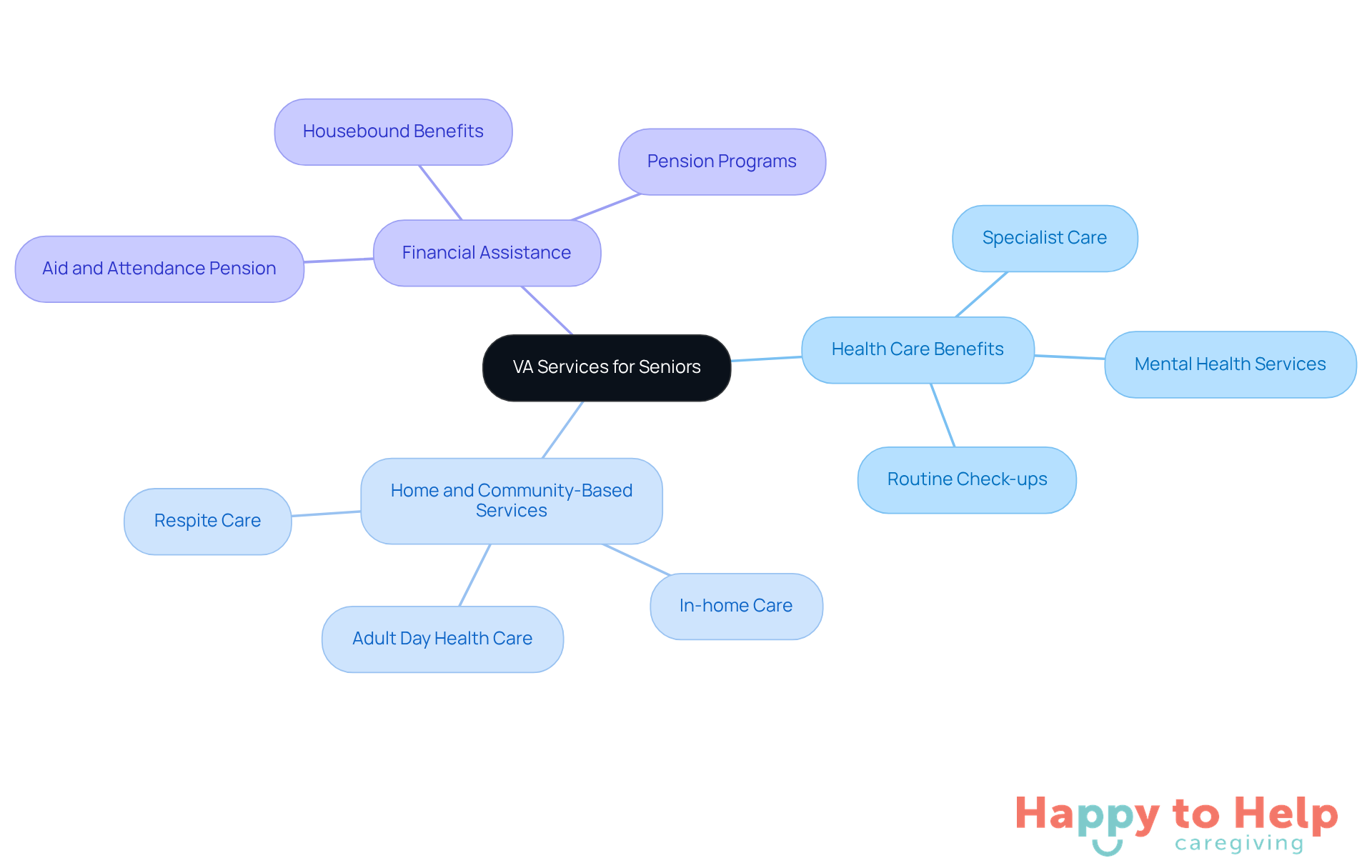
The Department of Veterans Affairs (VA) addresses these challenges by providing VA services for seniors that are tailored to their specific needs. Their offerings include:
-
Health Care Benefits: Veterans can access routine check-ups, specialist care, and mental health services designed to meet their unique needs. According to the 2015-2019 American Community Survey, over 18.2 million individuals aged 65 and above qualify for these crucial healthcare options, ensuring they receive the necessary assistance as they age.
-
Home and Community-Based Services: These programs assist former military personnel in their own homes, offering in-home care, adult day health care, and respite care. Such VA services for seniors are vital for preserving independence and enhancing the quality of life for older individuals, allowing them to remain in familiar environments while receiving the care they need.
-
Financial Assistance: The VA provides various pension programs, including the Aid and Attendance benefit, which offers additional financial support for those needing help with daily living activities. For example, the Aid and Attendance Pension Rates for an individual veteran can reach up to $28,300 annually, significantly aiding those who are bedridden or require assistance with basic functions. Furthermore, the 2025 Cost-of-Living Adjustment (COLA) has increased the Maximum Annual Pension Rates (MAPRs) by 2.5%, further enhancing financial support for former service members.
These services collectively aim to promote independence and improve the overall well-being of elderly service members, effectively addressing their specific health and financial needs. The successful implementation of these programs is crucial, as they not only enhance the quality of life for veterans but also provide reassurance for their families.
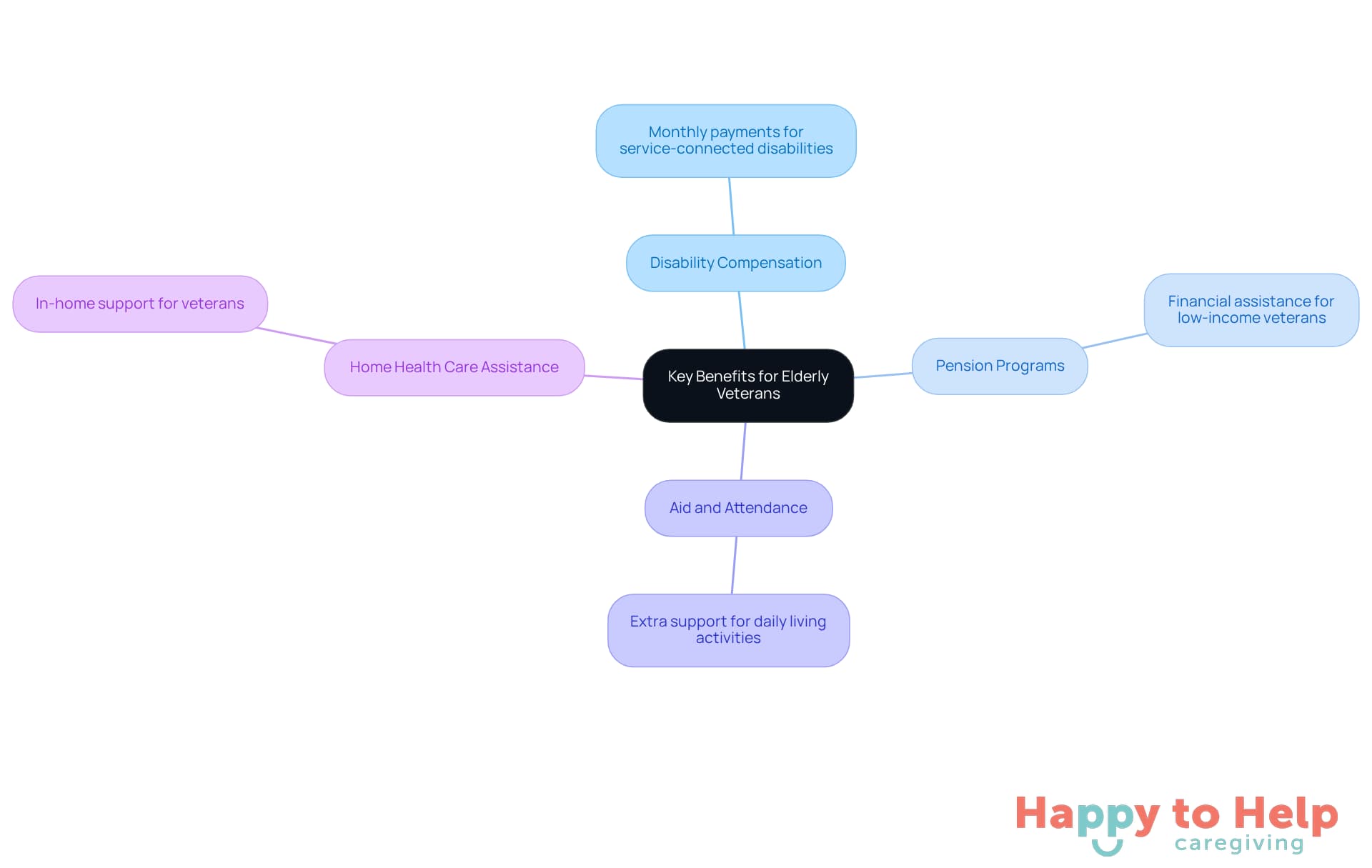
Key Benefits for Elderly Veterans
Elderly veterans often face challenges in accessing VA services for seniors that are designed to meet their unique needs. This can lead to financial strain and a lack of essential support, which is crucial for maintaining their independence.
Fortunately, there are several benefits available that can significantly aid these veterans:
- Disability Compensation: Monthly payments for veterans with service-connected disabilities.
- Pension Programs: Financial assistance for low-income former service members, helping cover living expenses.
- Aid and Attendance: Extra financial support for veterans who require assistance with daily tasks, such as bathing, dressing, or eating.
- Home Health Care Assistance: Coverage for in-home support, allowing veterans to receive care in the comfort of their own homes.
These advantages not only provide financial assistance but also ensure that former service members have access to VA services for seniors, receiving the essential support they need to uphold their independence.
Navigating the Application Process for VA Services
Navigating the application process for VA services for seniors can be challenging for caregivers, often leading to confusion and delays in securing essential benefits for former service members. Understanding the eligibility criteria and documentation requirements is crucial, as these factors can significantly impact the application experience for VA services for seniors.
-
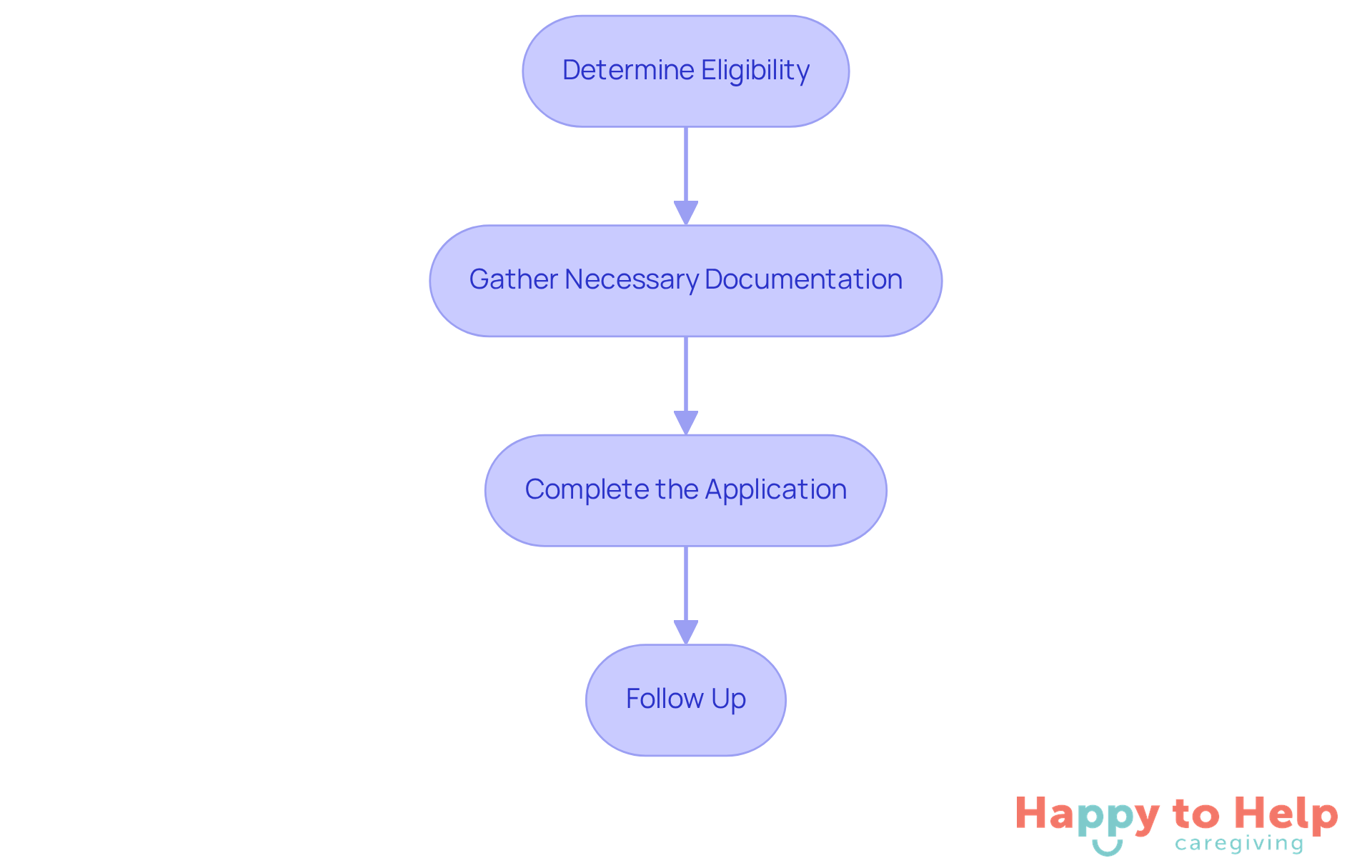
Determine Eligibility: Confirm that the individual qualifies for the desired benefits, which generally involve factors such as duration of duty and discharge status. The VA has expanded eligibility for the Program of Comprehensive Assistance for Family Assistants until September 30, 2028, as part of a broader initiative to aid 'legacy' Service Members and their aides. This expansion enables more individuals and their aides to access essential VA services for seniors.
-
Gather Necessary Documentation: Collect all required documents, including discharge papers, medical records, and financial information. This preparation is crucial for a smooth application process, as missing documents can lead to delays.
-
Complete the Application: Applications can be submitted online via the VA website, by mail, or in person at a VA regional office. Ensure that all sections are filled out accurately to avoid delays. On average, applicants can expect a response within 15 to 30 days after the job announcement closes, though individual experiences may vary.
-
Follow Up: After submission, monitor the application status through the VA's online portal or by reaching out to their assistance line. If you haven't received any updates after about a month, it's advisable to contact the hiring office listed in the announcement.
By grasping these steps, caregivers can effectively aid former service members in obtaining the benefits they deserve, ensuring they receive prompt and empathetic assistance.
Support for Family Caregivers of Seniors
Family caregivers of elderly veterans often face significant challenges in managing their caregiving responsibilities. The emotional and physical demands can be overwhelming, leading to stress and burnout. It's crucial for these caregivers to know that support is available to help them navigate their roles more effectively.
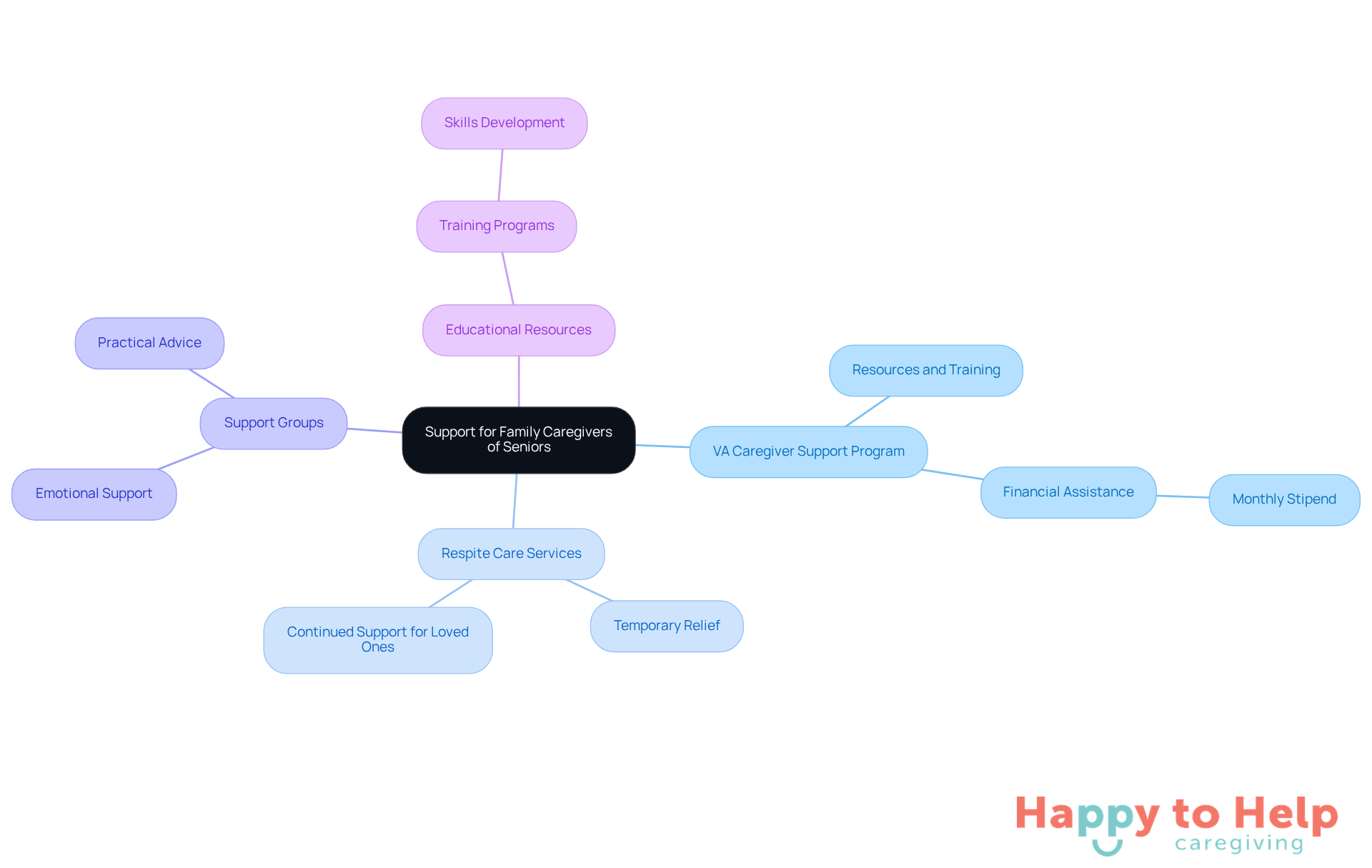
To address these challenges, several resources are at their disposal:
- VA Caregiver Support Program: This program offers essential resources, training, and financial assistance, including a monthly stipend for eligible caregivers.
- Respite Care Services: These services provide temporary relief, allowing caregivers to take necessary breaks while ensuring their loved ones continue to receive support.
- Support Groups: Connecting with others in similar situations can offer invaluable emotional support and practical advice.
- Educational Resources: The VA provides training programs that equip caregivers with the skills needed to deliver effective care.
By utilizing VA services for seniors, family caregivers can enhance their caregiving experience and ensure they are well-supported.
Your Path Forward
Understanding the comprehensive range of VA services for seniors is essential for ensuring that elderly veterans receive the support they need. Caregivers often face the daunting task of navigating these services, which are specifically designed to address the unique challenges faced by aging veterans, including health care, financial assistance, and home-based care. This complexity can lead to confusion and stress, making it crucial for caregivers to be well-informed.
The article highlights several key aspects of VA services:
- Health care benefits provide necessary medical support.
- Home and community-based services promote independence.
- Financial assistance programs alleviate economic burdens, but understanding the application process can be overwhelming.
By following the outlined steps and utilizing available resources, caregivers can effectively advocate for the benefits their loved ones deserve.
Ultimately, the significance of VA services for seniors cannot be overstated. They enhance the quality of life for elderly veterans and provide crucial support for their caregivers. It is vital for caregivers to take advantage of these programs, seek out assistance, and connect with support networks. Empowering both veterans and their caregivers through knowledge and resources is a crucial step toward fostering a more supportive environment for our aging heroes.
https://iframe.tely.ai/cta/eyJhcnRpY2xlX2lkIjogIjY5MjdhNWM5MWZiNDA3NDMzMmRlOGJhZiIsICJjb21wYW55X2lkIjogIjY4ZWU1ZGNhNzMxNzYyNTU3ZjNjOTVjMSIsICJpbmRleCI6IG51bGwsICJ0eXBlIjogImFydGljbGUifQ==Frequently Asked Questions
What challenges do seniors, particularly veterans, face in accessing support services?
Seniors often struggle with health care needs, financial constraints, and the desire to maintain their independence, which can lead to increased stress for both seniors and their caregivers.
How does the Department of Veterans Affairs (VA) assist seniors?
The VA provides services tailored to seniors' needs, including health care benefits, home and community-based services, and financial assistance.
What health care benefits are available to veterans?
Veterans can access routine check-ups, specialist care, and mental health services specifically designed for their unique needs.
How many seniors qualify for VA health care benefits?
According to the 2015-2019 American Community Survey, over 18.2 million individuals aged 65 and above qualify for these healthcare options.
What types of home and community-based services does the VA offer?
The VA offers in-home care, adult day health care, and respite care to help veterans maintain their independence while receiving necessary support.
What financial assistance programs does the VA provide for seniors?
The VA offers various pension programs, including the Aid and Attendance benefit, which provides additional financial support for veterans needing help with daily living activities.
What is the Aid and Attendance benefit?
The Aid and Attendance benefit can provide up to $28,300 annually for an individual veteran, assisting those who are bedridden or require help with basic functions.
How has the Cost-of-Living Adjustment (COLA) affected financial assistance from the VA?
The 2025 COLA has increased the Maximum Annual Pension Rates (MAPRs) by 2.5%, enhancing financial support for former service members.
What is the overall goal of VA services for seniors?
The services aim to promote independence and improve the overall well-being of elderly service members, addressing their specific health and financial needs.
List of Sources
- Overview of VA Services for Seniors
- VA.gov | Veterans Affairs (https://benefits.va.gov/persona/veteran-elderly.asp)
- Serving older Veterans every step of the way - VA News (https://news.va.gov/142743/serving-older-veterans-every-step-of-the-way)
- VA.gov | Veterans Affairs (https://benefits.va.gov/persona)
- VA.gov | Veterans Affairs (https://va.gov/geriatrics/pages/Home\_and\_Community\_Based\_Services.asp)
- New 2025 Updates to Veterans Benefits for Assisted Living (https://floridaseniorconsulting.com/updated-veterans-aid-and-attendance-benefits-for-assisted-living)
- Key Benefits for Elderly Veterans
- Older Veterans: Learn Why It’s Never Too Late to Apply for VA Benefits (https://triwest.com/en/news/news-archive/2025/older-veterans-learn-why-its-never-too-late-to-apply-for-va-benefits)
- VA eliminates Veteran family health care backlog (https://news.va.gov/press-room/va-eliminates-veteran-family-health-care-backlog)
- Spread the word: The 2025 Veterans Benefits Guide is now available - VA News (https://news.va.gov/137659/spread-the-word-the-2025-veterans-benefits-guide-is-now-available)
- New 2025 Updates to Veterans Benefits for Assisted Living (https://floridaseniorconsulting.com/updated-veterans-aid-and-attendance-benefits-for-assisted-living)
- VA Benefits 2025: What Every Veteran Family Should Know | Operation Family Fund (https://operationfamilyfund.org/va-benefits-2025-update-what-every-veteran-family-should-know)
- Navigating the Application Process for VA Services
- VA ends backlog in veteran family health care system (https://komu.com/news/midmissourinews/va-ends-backlog-in-veteran-family-health-care-system/article\_245fd155-469b-4181-9fd7-18384836cb6b.html)
- VA processes one million disability claims faster than ever before - VA News (https://news.va.gov/press-room/va-processes-one-million-disability-claims-faster-than-ever-before)
- VA eliminates Veteran family health care backlog (https://news.va.gov/press-room/va-eliminates-veteran-family-health-care-backlog)
- What you need to know about the VA application timeline - VA News (https://news.va.gov/135508/what-to-know-about-application-timeline)
- VA reduces backlog of Veterans waiting for VA benefits by 57% (https://news.va.gov/press-room/va-reduces-backlog-of-veterans-waiting-for-va-benefits-by-57)
- Support for Family Caregivers of Seniors
- VA extends caregiver support program eligibility for “legacy” Veterans, caregivers (https://news.va.gov/press-room/va-extends-caregiver-support-program-eligibility-for-legacy-veterans-caregivers)
- News - Quality of Life Foundation (https://woundedveteranfamilycare.org/inthenews)