Understanding What Causes Agitation in Dementia Patients

For families in our service areas
For families in our service areas, this guide explains dementia care and how non-medical in-home caregiving can support care planning in East Idaho, Treasure Valley & Magic Valley, Northern Wasatch, North Central West Virginia, and Northeast Ohio.
Understanding What Causes Agitation in Dementia
Understanding agitation in dementia patients presents a significant challenge that impacts not only those experiencing cognitive decline but also their caregivers. This agitation often manifests as emotional distress, restlessness, and even aggressive behavior, making it essential to recognize its underlying causes for effective management.
The implications of this issue are profound. Caregivers may feel overwhelmed and helpless, leading to increased stress and burnout. Therefore, it’s crucial to explore strategies that can alleviate this distressing condition. What can caregivers do to foster a supportive environment that addresses both the emotional and physical needs of these individuals?
This article delves into the multifaceted nature of agitation in dementia, offering insights and practical techniques. By implementing these strategies, caregivers can enhance the quality of life for both patients and themselves. Here are some actionable tips to consider:
- Establish a Routine: Consistency can help reduce anxiety and confusion.
- Create a Calm Environment: Minimize noise and distractions to promote tranquility.
- Engage in Meaningful Activities: Tailor activities to the individual’s interests to foster engagement.
By understanding the complexities of agitation and employing these strategies, caregivers can significantly improve the well-being of dementia patients.
Define Agitation in Dementia: Key Characteristics and Symptoms
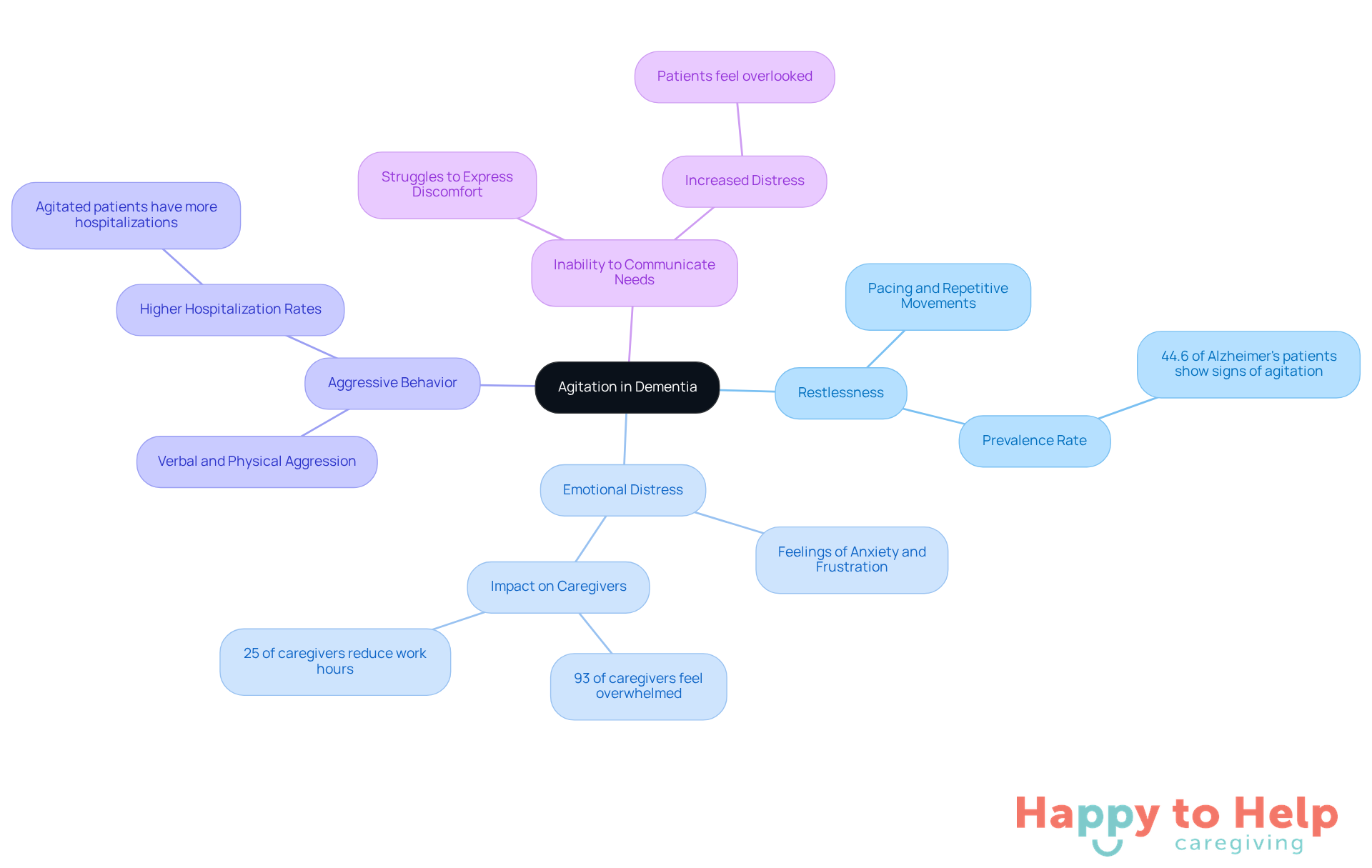
Understanding what causes agitation in dementia patients presents a significant challenge, marked by increased emotional turmoil and restlessness. This condition not only affects individuals experiencing dementia but also places a heavy burden on their caregivers. Common symptoms include:
- Restlessness: Patients may pace or engage in repetitive movements, signaling discomfort or anxiety.
- Emotional Distress: Feelings of anxiety, frustration, or anger are prevalent, contributing to overall unrest.
- Aggressive Behavior: Some individuals may exhibit verbal or physical aggression, causing distress for both themselves and their caregivers.
- Inability to Communicate Needs: Many individuals struggle to express their discomfort or requirements, leading to heightened distress as they feel overlooked or misinterpreted.
The prevalence of what causes agitation in dementia patients is significant. Studies indicate that approximately 44.6% of individuals with Alzheimer’s dementia show signs of agitation. This condition is not merely a symptom of cognitive decline; it requires careful management to address what causes agitation in dementia patients. For instance, a retrospective analysis revealed that agitated individuals had higher hospitalization rates and increased healthcare resource utilization compared to their non-agitated counterparts.
For caregivers, it is crucial to identify what causes agitation in dementia patients early. Prompt intervention can prevent escalation and foster a more supportive environment. Healthcare experts emphasize the importance of understanding what causes agitation in dementia patients as a crucial aspect of dementia care. Effective management approaches can alleviate individual discomfort and reduce caregiver stress. Notably, 25% of caregivers report having to leave their jobs or reduce their hours to manage caregiving responsibilities, highlighting the substantial impact of distress on caregivers.
The economic burden related to agitation is also significant, with additional costs of $4,287 per patient annually for those experiencing unrest compared to non-agitated patients. The International Psychogeriatric Association defines agitation as a state of emotional distress and excessive motor activity, underscoring its complexity. Alarmingly, 49% of caregivers find managing restlessness symptoms more challenging than memory loss alone, a sentiment echoed by many in the caregiving community.
Identify Causes of Agitation: Medical, Environmental, and Emotional Triggers
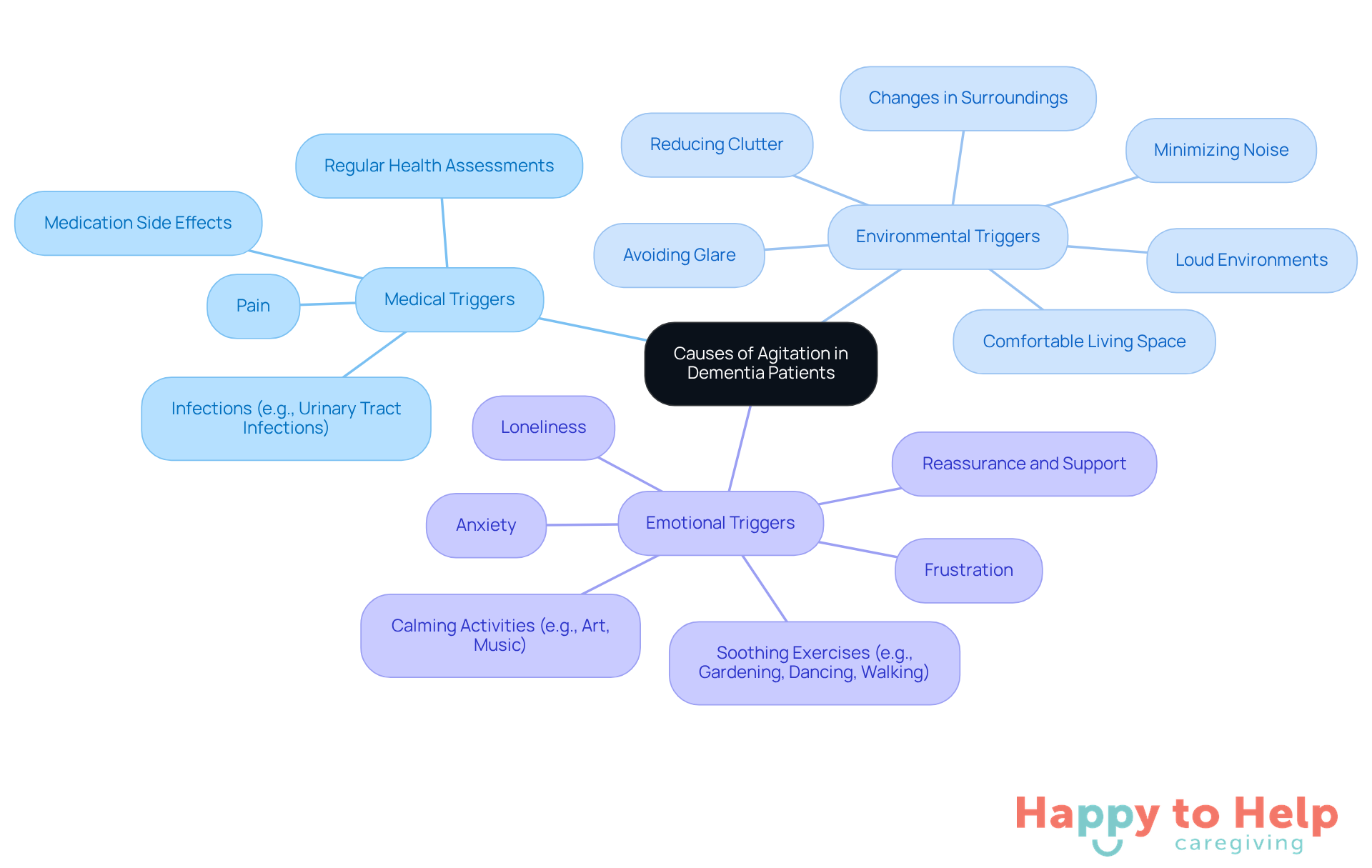
Agitation in dementia patients presents a significant challenge for caregivers, arising from various triggers that can be categorized into three main types:
-
Medical Triggers: Conditions such as pain, infections (like urinary tract infections), and side effects from medications can significantly increase agitation levels. Regular health assessments are essential for identifying and addressing these medical issues promptly, ensuring that underlying health concerns are managed effectively.
-
Environmental Triggers: Changes in surroundings, such as moving to a new residence or exposure to loud environments, can provoke distress. Caregivers should prioritize maintaining a familiar and calm environment, as stability can help mitigate feelings of distress. Strategies include minimizing noise, reducing clutter, and ensuring that the living space is comfortable and secure. Additionally, caregivers should avoid environmental triggers like glare, which can worsen restlessness.
-
Emotional Triggers: Feelings of anxiety, loneliness, or frustration can exacerbate agitation. Caregivers must stay aware of the emotional condition of the individual, offering reassurance and support. Involving individuals in calming activities, such as art or music, can help reduce these feelings and promote a sense of connection. Incorporating soothing exercises like gardening, dancing, or walking into the daily routine can also be beneficial.
Studies suggest that restlessness occurs in roughly 30% to 76% of individuals with cognitive decline related to Alzheimer's disease, emphasizing the importance of addressing this issue. Furthermore, meeting fundamental needs like hunger, thirst, and fatigue is essential for reducing restlessness. By identifying and understanding what causes agitation in dementia patients, support providers can implement proactive strategies to decrease the chances of distress episodes, ultimately improving the quality of life for individuals impacted by cognitive decline. Moreover, the financial strain of unrest is considerable, with healthcare expenses averaging $32,322 per individual annually for those experiencing unrest compared to $30,121 for those not experiencing it, highlighting the necessity of efficient management.
Implement Management Techniques: Strategies for Caregivers to Alleviate Agitation
Managing what causes agitation in dementia patients can be a significant challenge for caregivers. Agitation behaviors are observed in 30 to 80 percent of individuals with dementia, raising concerns about what causes agitation in dementia patients and highlighting the need for effective strategies to address this issue. Understanding what causes agitation in dementia patients is crucial, as unaddressed agitation can lead to increased distress for both patients and caregivers, making it important to implement solutions that foster a calm environment.
-
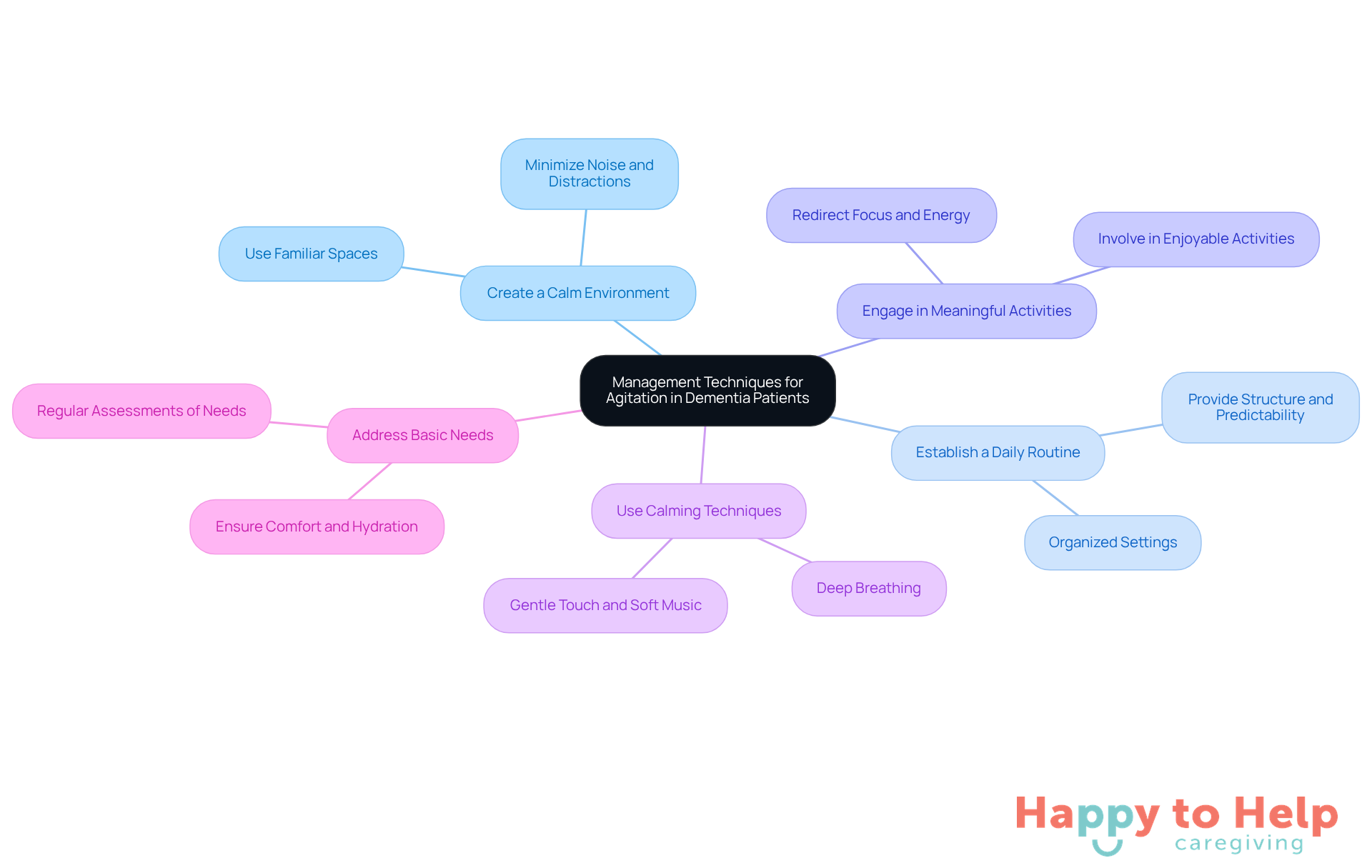
Create a Calm Environment: Minimize noise and distractions. A quiet, familiar space can help soothe an agitated individual, as it is important to understand what causes agitation in dementia patients to create a peaceful setting that reduces anxiety.
-
Establishing a daily routine and structure can help address what causes agitation in dementia patients by providing a sense of security and predictability, significantly lowering anxiety levels. Studies suggest that organized settings can improve the well-being of individuals with cognitive decline, helping them feel more comfortable.
-
Engage in Meaningful Activities: Involve individuals in activities they enjoy, such as music, art, or simple exercises. Engaging in these activities can redirect their focus and energy, fostering a sense of accomplishment and joy.
-
Use Calming Techniques: Techniques such as deep breathing, gentle touch, or soft music can effectively calm an agitated individual. These methods not only minimize unrest but also encourage emotional bonding and solace.
-
Address Basic Needs: Ensure that the individual is comfortable, hydrated, and has used the restroom. Unaddressed physical requirements can heighten distress, so regular assessments of these factors are crucial.
Applying these techniques can greatly lessen what causes agitation in dementia patients, thereby reducing the occurrence and severity of agitation episodes and fostering a more tranquil environment for both patients and support providers. As one provider observed, "Establishing a peaceful environment and adhering to a schedule has significantly improved my loved one's mood." This emphasizes the significant effect that considerate caregiving approaches can have on the quality of life for individuals with cognitive impairments. Caregivers should remember that understanding what causes agitation in dementia patients as a sign of distress rather than merely a behavior to manage is crucial in providing compassionate care.
Enhance Communication: Approaches to Connect with Agitated Patients
Problem: Caregivers often face significant challenges when communicating with agitated dementia patients. Miscommunication can lead to increased frustration and agitation for both the caregiver and the patient.
Agitate: This situation not only affects the emotional well-being of the patient but also places a heavy burden on caregivers, who may feel helpless or overwhelmed. Effective communication is crucial, yet many caregivers struggle to connect with individuals, especially regarding what causes agitation in dementia patients.
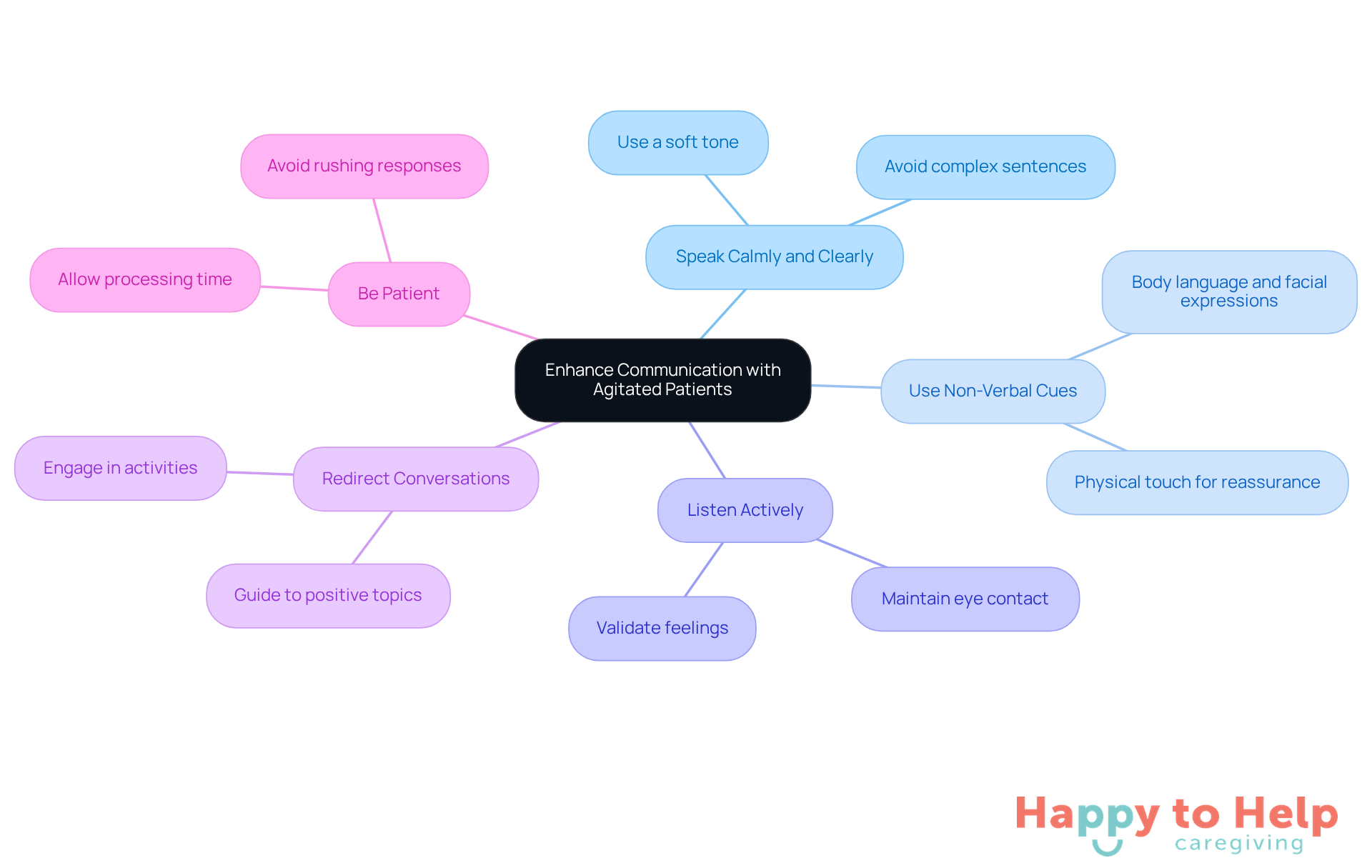
Solution: Here are several key strategies to enhance communication:
- Speak Calmly and Clearly: Use a soft tone and straightforward language. Avoid complex sentences that may confuse the individual, as clarity is essential for effective communication.
- Use Non-Verbal Cues: Body language, facial expressions, and gestures are vital in conveying empathy and understanding. These non-verbal signals can significantly aid in calming the individual and fostering a sense of safety. Physical touch, such as holding hands, can also provide reassurance.
- Listen Actively: Show engagement by maintaining eye contact and nodding. Validating their feelings, even when their concerns seem irrational, can enhance their emotional state and help address what causes agitation in dementia patients. Dr. Suzanne Salamon emphasizes that the manner of speaking affects the feelings of these individuals, highlighting the importance of effective communication.
- Redirect Conversations: If an individual fixates on a distressing topic, gently guide the conversation towards a more positive subject or activity. This redirection can help alleviate anxiety and restore a sense of calm.
- Be Patient: Allow the patient ample time to process information and respond. Rushing them can lead to heightened frustration and unrest, so patience is essential in fostering a supportive atmosphere.
Statistics indicate that 90% of caregivers believe communication is essential in supporting individuals with Alzheimer's disease. By employing these techniques, caregivers can foster more positive interactions, ultimately reducing what causes agitation in dementia patients and enhancing the overall caregiving experience.
Your Path Forward
Understanding the agitation experienced by dementia patients is crucial for creating a compassionate caregiving environment. This agitation not only affects those living with dementia but also places significant stress on caregivers. Recognizing the symptoms and triggers - whether medical, environmental, or emotional - is essential for implementing effective strategies that can alleviate distress and improve the quality of life for both patients and caregivers.
Agitation manifests in various ways, including:
- Restlessness
- Emotional distress
- Communication challenges
Identifying specific triggers and employing management techniques, such as fostering a calm environment and engaging in meaningful activities, can make a significant difference. Effective communication strategies are vital for connecting with agitated patients, promoting understanding, and reducing frustration for everyone involved.
Addressing agitation in dementia patients requires a multifaceted approach that combines awareness, empathy, and proactive management. By prioritizing the emotional and physical well-being of individuals with dementia, caregivers can greatly enhance their quality of life. Implementing these insights and strategies not only benefits those in their care but also alleviates the burdens faced by caregivers, leading to a more harmonious caregiving experience.
https://iframe.tely.ai/cta/eyJhcnRpY2xlX2lkIjogIjY5MjEwYTk3N2ZjNmVmMjJiNThhZjZiNCIsICJjb21wYW55X2lkIjogIjY4ZWU1ZGNhNzMxNzYyNTU3ZjNjOTVjMSIsICJpbmRleCI6IG51bGwsICJ0eXBlIjogImFydGljbGUifQ==Frequently Asked Questions
What is agitation in dementia?
Agitation in dementia is defined as a state of emotional distress and excessive motor activity, characterized by increased emotional turmoil and restlessness.
What are the key characteristics and symptoms of agitation in dementia patients?
Common symptoms include restlessness (such as pacing or repetitive movements), emotional distress (feelings of anxiety, frustration, or anger), aggressive behavior (verbal or physical aggression), and an inability to communicate needs, leading to heightened distress.
How prevalent is agitation among individuals with dementia?
Approximately 44.6% of individuals with Alzheimer’s dementia show signs of agitation.
Why is it important to manage agitation in dementia patients?
Managing agitation is crucial as it not only alleviates individual discomfort but also reduces caregiver stress. Agitated individuals have higher hospitalization rates and increased healthcare resource utilization compared to non-agitated patients.
How does agitation affect caregivers?
Caregivers often face significant challenges, with 25% reporting having to leave their jobs or reduce their hours to manage caregiving responsibilities due to the distress caused by agitation.
What is the economic impact of agitation in dementia patients?
The economic burden related to agitation is significant, with additional costs of $4,287 per patient annually for those experiencing agitation compared to non-agitated patients.
How do caregivers perceive the challenges of managing agitation symptoms?
Alarmingly, 49% of caregivers find managing restlessness symptoms more challenging than memory loss alone, highlighting the complexities involved in caregiving for agitated dementia patients.
List of Sources
- Define Agitation in Dementia: Key Characteristics and Symptoms
- Study: Synthetic THC May Reduce Agitation in Patients with Alzheimer’s Dementia (https://tuftsmedicine.org/about-us/news/study-synthetic-thc-may-reduce-agitation-patients-alzheimers-dementia)
- Healthcare Resource Utilization Among Patients With Agitation in Alzheimer Dementia | Published in Journal of Health Economics and Outcomes Research (https://jheor.org/article/124455-healthcare-resource-utilization-among-patients-with-agitation-in-alzheimer-dementia)
- Making the case for treatments for agitation in people with Alzheimer’s disease - Alzheimer's Research UK (https://alzheimersresearchuk.org/news/making-the-case-for-treatments-for-agitation-in-people-with-alzheimers-disease)
- New Survey Reveals Critical Gaps in Awareness and Understanding of Agitation in Alzheimer’s Dementia - Alliance for Aging Research (https://agingresearch.org/news/new-survey-reveals-critical-gaps-in-awareness-and-understanding-of-agitation-in-alzheimers-dementia)
- Agitation in Dementia: Real-World Impact and Burden on Patients and the Healthcare System - PMC (https://pmc.ncbi.nlm.nih.gov/articles/PMC8461728)
- Identify Causes of Agitation: Medical, Environmental, and Emotional Triggers
- Innovative drug discovery consortium to address unmet therapeutic needs of people living with mental health conditions | Psychiatry Consortium (https://psychiatryconsortium.org/case\_studies/innovative-drug-discovery-consortium-to-address-unmet-therapeutic-needs-of-people-living-with-mental-health-conditions)
- Healthcare Resource Utilization Among Patients With Agitation in Alzheimer Dementia | Published in Journal of Health Economics and Outcomes Research (https://jheor.org/article/124455-healthcare-resource-utilization-among-patients-with-agitation-in-alzheimer-dementia)
- Agitation and Aggression Associated with Alzheimer’s Dementia: Coping Strategies for Caregivers - Alzheimer's Orange County (https://alzoc.org/agitation-and-aggression-associated-with-alzheimers-dementia-coping-strategies-for-caregivers)
- (PDF) Effects of Tracking Technology on Daily Life of Persons With Dementia: Three Experimental Single-Case Studies (https://researchgate.net/publication/261923008\_Effects\_of\_Tracking\_Technology\_on\_Daily\_Life\_of\_Persons\_With\_Dementia\_Three\_Experimental\_Single-Case\_Studies)
- Frontiers | Agitation and Dementia: Prevention and Treatment Strategies in Acute and Chronic Conditions (https://frontiersin.org/journals/neurology/articles/10.3389/fneur.2021.644317/full)
- Implement Management Techniques: Strategies for Caregivers to Alleviate Agitation
- (https://belleviecare.co.uk/support-advice/dementia-quotes-to-lift-your-spirits)
- The Power of Routine: How Daily Structure Supports Memory Care | Inspir (https://inspirseniorliving.com/senior-living-resources/the-power-of-routine-in-memory-care)
- 27 Inspirational Quotes for Caregivers (https://ultimatecareny.com/resources/27-quotes-for-caregivers)
- Non-drug therapies show real promise in calming agitation in Alzheimer’s (https://news-medical.net/news/20250528/Non-drug-therapies-show-real-promise-in-calming-agitation-in-Alzheimere28099s.aspx)
- Publication Highlights Person-Centered Approach to Managing Agitation in Alzheimer’s Disease (https://geron.org/News-Events/GSA-News/Press-Room/Press-Releases/publication-highlights-person-centered-approach-to-managing-agitation-in-alzheimers-disease)
- Enhance Communication: Approaches to Connect with Agitated Patients
- Bridging the gap: Dementia communication strategies - Harvard Health (https://health.harvard.edu/mind-and-mood/bridging-the-gap-dementia-communication-strategies)
- Coping With Agitation, Aggression, and Sundowning in Alzheimer's Disease (https://nia.nih.gov/health/alzheimers-changes-behavior-and-communication/coping-agitation-aggression-and-sundowning)
- Improv training: A new approach to dementia care | Emory University | Atlanta GA (https://news.emory.edu/stories/2025/01/hs\_improving\_dementia\_care\_through\_improv\_15-01-2025/story.html)
- Most effective way to communicate with Alzheimer's patients identified (https://medicalxpress.com/news/2024-11-effective-communicate-alzheimer-patients.html)