

For families in our service areas
For families in our service areas, this guide explains dementia care and how non-medical in-home caregiving can support care planning in East Idaho, Treasure Valley & Magic Valley, Northern Wasatch, North Central West Virginia, and Northeast Ohio.
The Importance of Wandering in Dementia: Essential
Wandering is a common yet complex behavior seen in individuals with dementia, leading to significant safety concerns for caregivers. This behavior not only poses risks to those affected but also creates a heavy burden for caregivers. With nearly 60% of individuals experiencing wandering at some point, it’s essential to understand the underlying causes and risks associated with this behavior.
The implications of wandering are serious. Caregivers often face anxiety and stress, worrying about the safety of their loved ones. This concern can be overwhelming, making it crucial to develop effective strategies that protect individuals with dementia while easing the burden on caregivers.
So, how can caregivers effectively manage this challenging aspect of dementia care? By implementing practical solutions, they can ensure the well-being of their loved ones. Strategies may include:
- Creating safe environments
- Using tracking devices
- Establishing routines that minimize the likelihood of wandering
- Engaging with healthcare professionals for tailored advice
These strategies can provide valuable support.
Define Wandering and Its Significance in Dementia Care
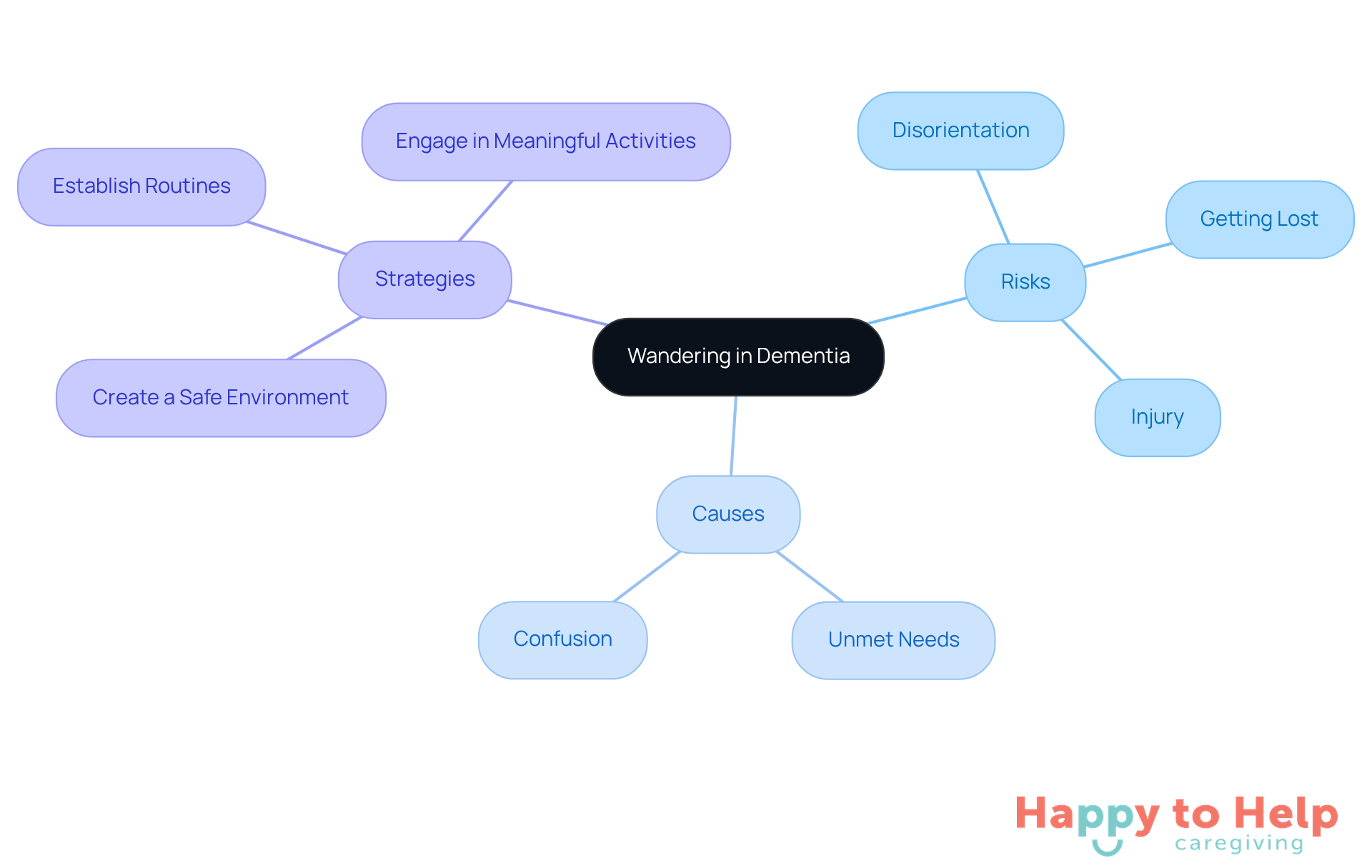
Wandering in dementia presents a significant challenge for caregivers. Individuals with mental impairments often roam without a clear purpose, leading to disorientation and the risk of getting lost or injured. This behavior can manifest at any stage of wandering in dementia, making it crucial for caregivers to understand its implications.
The risks associated with wandering are serious. Caregivers must be aware that this behavior can result in exposure to the elements or even severe injury. It is vital to recognize that wandering in dementia often stems from unmet needs or confusion. This understanding allows caregivers to approach the situation with empathy rather than frustration.
To address this issue effectively, caregivers can implement proactive strategies. Here are some actionable tips:
- Create a safe environment: Ensure that living spaces are secure and free from hazards.
- Establish routines: Consistent daily schedules can help reduce confusion and anxiety.
- Engage in meaningful activities: Providing stimulating activities can fulfill unmet needs and reduce the urge to wander.
By understanding the reasons behind wandering and employing these strategies, caregivers can enhance the safety and well-being of those affected by cognitive decline.
Explore Causes and Risk Factors of Wandering in Dementia
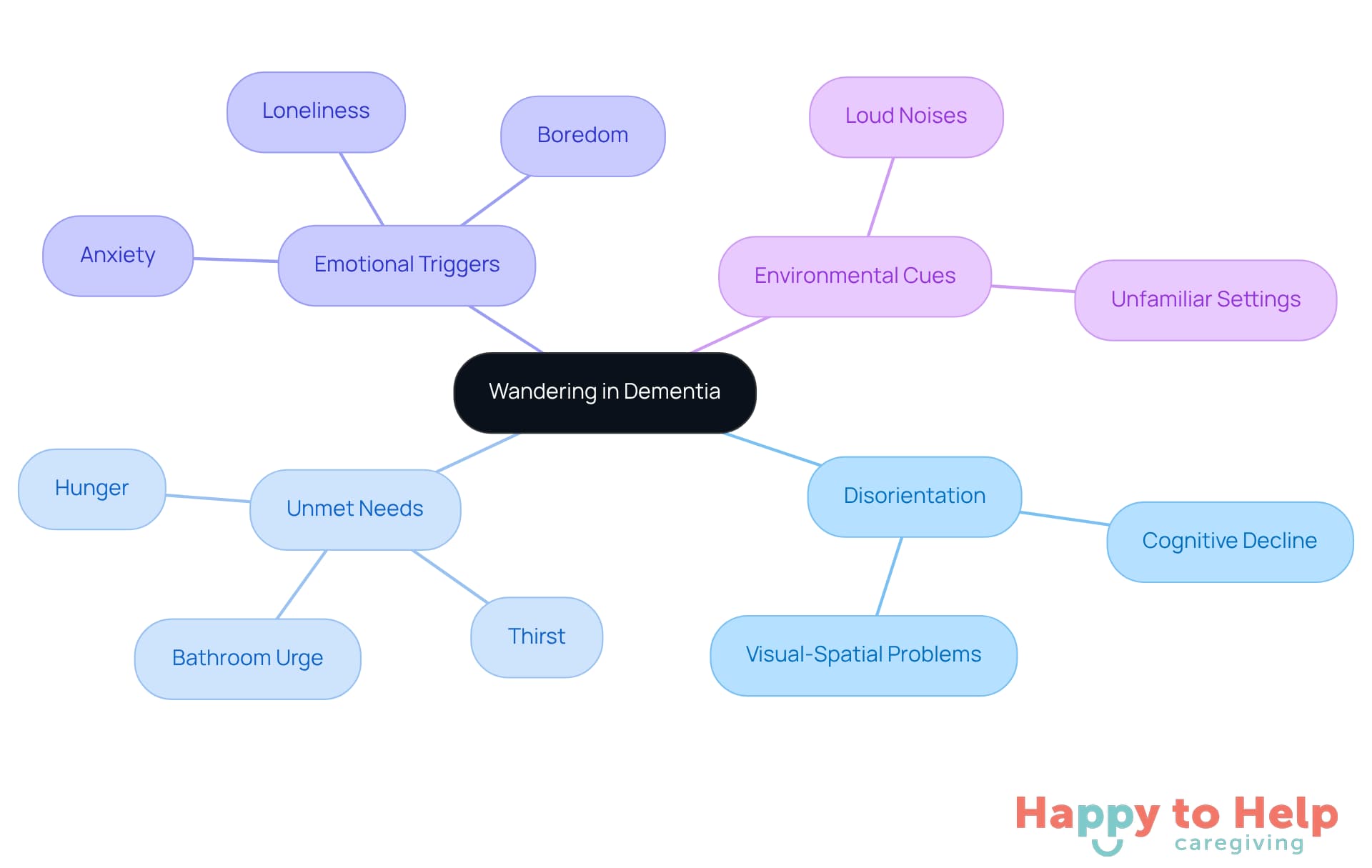
Wandering in dementia poses a significant challenge for caregivers. This behavior can be triggered by various factors, including:
- Disorientation: Cognitive decline often leads to a lack of recognition of familiar surroundings, making individuals feel lost even in their own homes.
- Unmet Needs: Basic physiological requirements, such as hunger, thirst, or the urge to use the bathroom, can drive people to seek out solutions, resulting in wandering behavior.
- Emotional Triggers: Feelings of anxiety, loneliness, or boredom can create restlessness, prompting people to wander as a means of coping with these emotions.
- Environmental Cues: Changes in the environment, such as unfamiliar settings or loud noises, can disorient people, leading them to wander in search of comfort or familiarity.
Identifying these causes is essential for caregivers. Understanding these triggers allows them to create a supportive atmosphere that reduces the likelihood of wandering in dementia. It's important to note that approximately 6 out of 10 individuals with cognitive impairment will experience wandering in dementia at some point, highlighting the prevalence of this behavior.
To mitigate risks, caregivers should act promptly. If a relative with cognitive decline is not located within 15 minutes of straying, reaching out to authorities is crucial. Additionally, joining the MedicAlert and Alzheimer's Association safe-return program can provide vital assistance in case of missing person situations. By comprehending these factors and implementing preventive measures, caregivers can significantly enhance the safety and well-being of those with cognitive impairment.
Implement Strategies to Prevent Wandering in Dementia Patients
Wandering in dementia presents a significant challenge for caregivers, often leading to safety concerns and increased anxiety. This behavior can stem from confusion, restlessness, or a desire for exploration, making it crucial for caregivers to implement effective strategies to mitigate these risks.
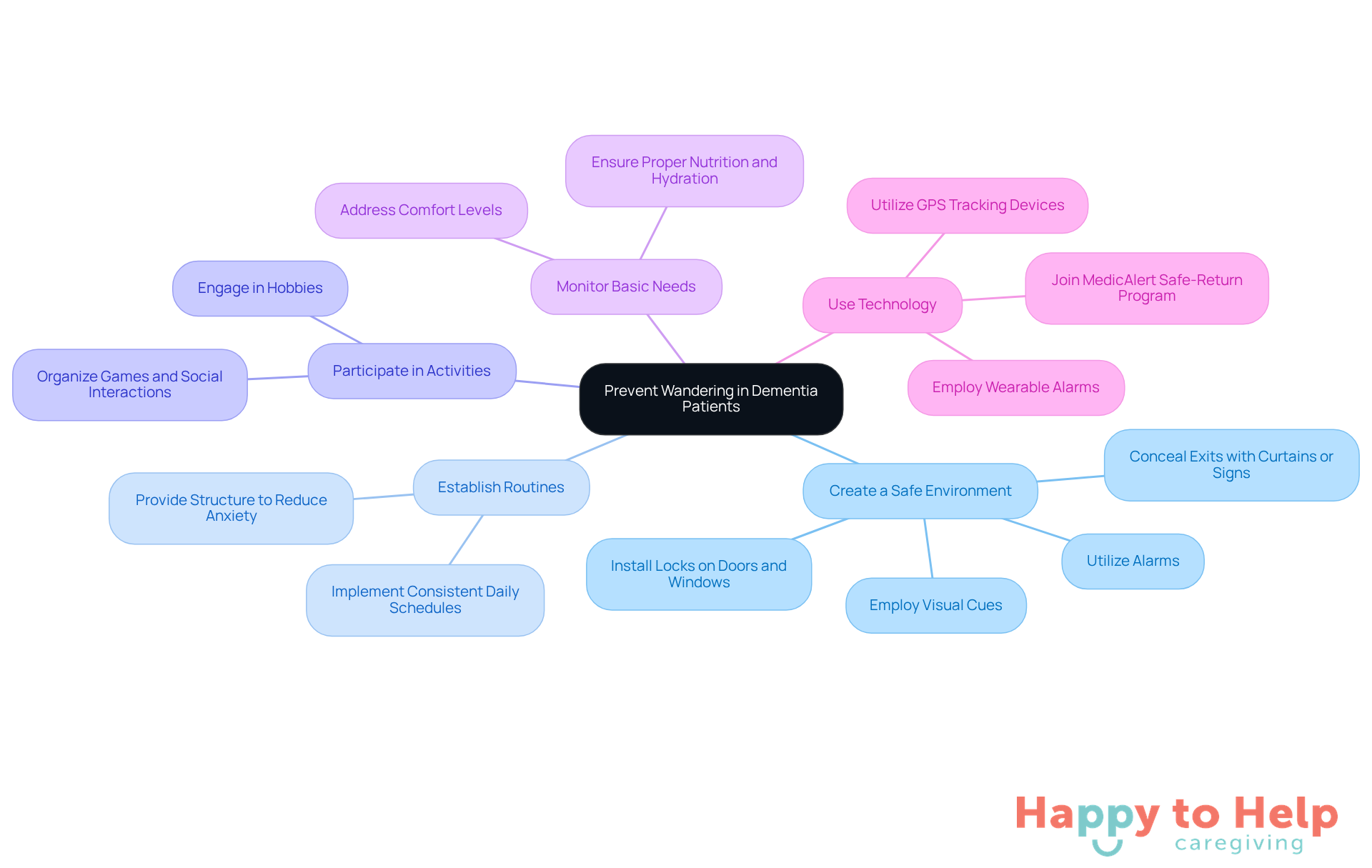
To address this issue, caregivers can adopt several key strategies:
- Create a Safe Environment: Secure the home by installing locks on doors and windows, utilizing alarms, and employing visual cues to help guide individuals. Concealing exits with curtains or signs can also prevent straying. As Dr. Linda Pao suggests, "There are ways to prevent drifting," emphasizing the importance of environmental modifications.
- Establish Routines: Implementing consistent daily schedules provides structure and reduces anxiety, significantly decreasing the likelihood of aimless behavior. Familiar routines assist people in feeling more secure in their surroundings.
- Participate in Activities: Keeping individuals occupied with stimulating tasks can redirect their focus from drifting. Engaging in hobbies, games, or social interactions fulfills their need for mental and emotional stimulation.
- Monitor Basic Needs: Regularly ensure that the individual is well-fed, hydrated, and comfortable. Addressing basic needs minimizes triggers that lead to restlessness and roaming. Common signs that may suggest a risk of wandering in dementia include forgetting how to reach familiar locations or returning from walks later than normal.
- Use Technology: Consider utilizing GPS tracking devices or wearable alarms to enhance safety. These tools not only offer reassurance for caregivers but also enable swift identification in case of roaming incidents. Moreover, joining the MedicAlert and Alzheimer's Association safe-return program can provide additional assistance in handling roaming incidents.
By applying these strategies, caregivers can foster a supportive atmosphere that greatly diminishes the likelihood of roaming, ensuring the welfare and health of those with dementia. With over 7 million Americans living with Alzheimer's disease, the urgency of these strategies cannot be overstated.
Manage Wandering Incidents: Response and Long-Term Care Strategies
Incidents of wandering in dementia pose a significant challenge for caregivers of individuals with this condition. Statistics reveal that approximately 60% of these individuals will experience wandering in dementia at least once, underscoring the importance of preparedness and effective response strategies. Caregivers must remain vigilant and proactive, as early intervention can mitigate risks associated with wandering in dementia.
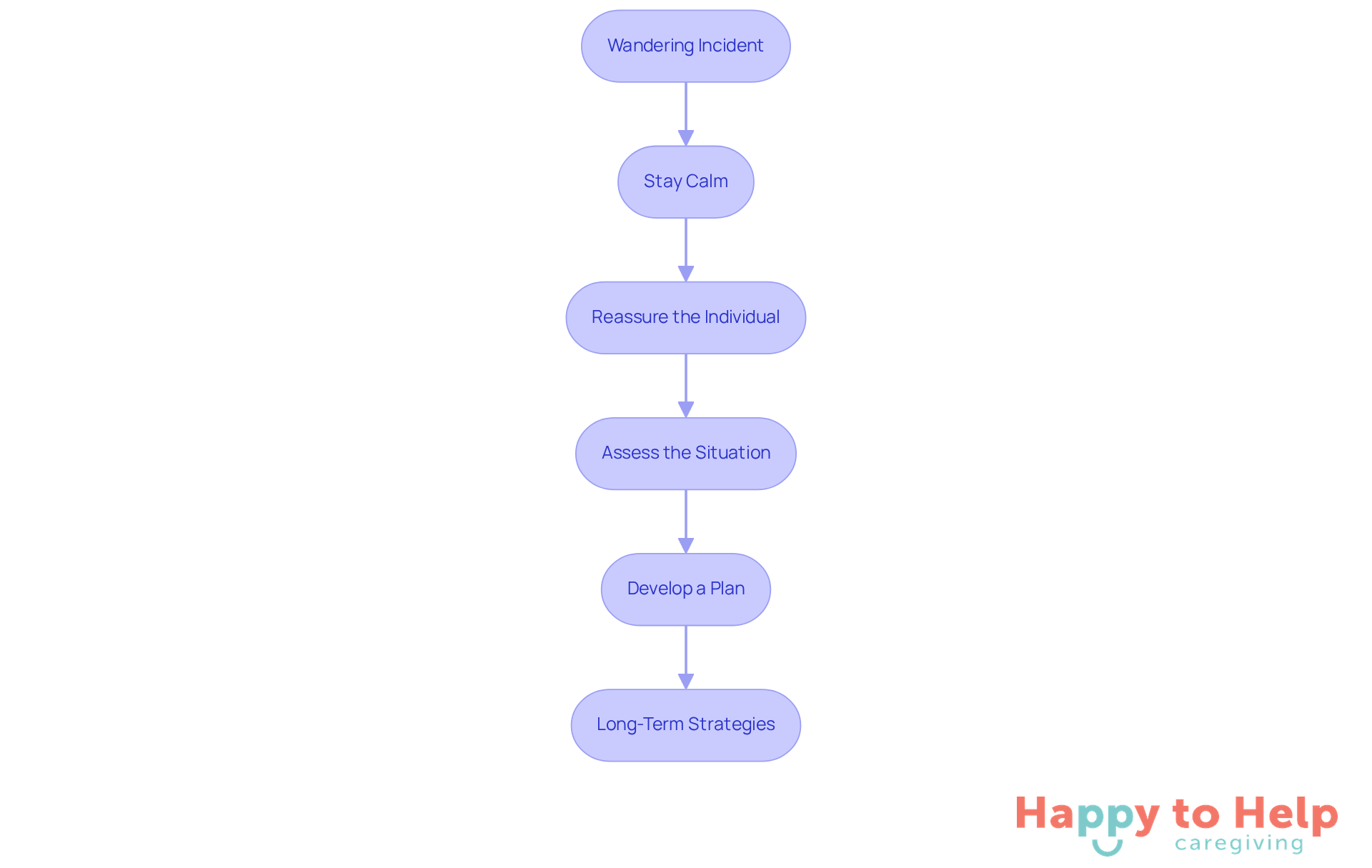
To ensure the safety and comfort of the individual during a wandering incident, caregivers should follow these steps:
- Stay Calm: Approach the individual with a calm demeanor to prevent escalating the situation. Remaining composed can help de-escalate any anxiety the person may be experiencing.
- Reassure the Individual: Use a soothing voice to provide comfort, helping them feel secure and understood. This reassurance is crucial in alleviating feelings of confusion or distress.
- Assess the Situation: Quickly evaluate whether the individual is in a safe environment. Determine if immediate assistance is required, ensuring their safety is the top priority.
- Develop a Plan: After the incident, reflect on what may have triggered the roaming behavior. Adjust care strategies accordingly to prevent future occurrences. For instance, if wandering in dementia is connected to specific times of day or activities, consider modifying routines to minimize risks.
- Long-Term Strategies: Regularly update care plans to incorporate new insights about triggers and effective interventions. Involving family members in conversations about protective measures is crucial, ensuring everyone involved is informed and aligned on the care approach. This joint initiative can greatly improve the overall safety and welfare of the person with cognitive decline.
Additionally, utilizing technology such as AiRISTA's Wander Management RTLS can enhance caregiver response and improve patient safety, providing a modern solution to this prevalent issue.
Taking the Next Steps
Wandering in dementia presents a significant challenge for caregivers, requiring careful understanding and management. This behavior not only jeopardizes the safety of individuals with cognitive decline but also heightens the anxiety caregivers often face. Recognizing the underlying causes of wandering is essential for implementing effective strategies that foster a supportive environment.
Establishing secure living spaces, maintaining consistent routines, and engaging individuals in meaningful activities are crucial steps to address this issue. These strategies help meet the emotional and physical needs of those affected. Additionally, caregivers must be prepared for wandering incidents by staying calm, reassuring the individual, and developing adaptable long-term care strategies. Such approaches not only protect individuals with dementia but also create a more harmonious caregiving experience.
Ultimately, effectively managing wandering in dementia is vital for improving the quality of life for both individuals and caregivers. By employing the strategies discussed and remaining vigilant, caregivers can cultivate a safer environment that mitigates the risks associated with wandering. This proactive approach not only enhances safety but also nurtures dignity and comfort for those navigating the challenges of dementia, highlighting the essential role caregivers play in this journey.
https://iframe.tely.ai/cta/eyJhcnRpY2xlX2lkIjogIjY5MjY0MzVkMDBmNGUzMjBmNzc3ZTdjNCIsICJjb21wYW55X2lkIjogIjY4ZWU1ZGNhNzMxNzYyNTU3ZjNjOTVjMSIsICJpbmRleCI6IG51bGwsICJ0eXBlIjogImFydGljbGUifQ==Frequently Asked Questions
What is wandering in dementia care?
Wandering in dementia refers to the behavior of individuals with mental impairments who roam without a clear purpose, leading to disorientation and the risk of getting lost or injured.
Why is wandering significant in dementia care?
Wandering presents a significant challenge for caregivers as it can lead to serious risks, including exposure to the elements and severe injury. Understanding wandering is crucial for providing appropriate care.
What are the risks associated with wandering in individuals with dementia?
The risks include getting lost, exposure to harmful environmental conditions, and potential injuries, making it essential for caregivers to be vigilant and proactive.
What causes wandering behavior in dementia patients?
Wandering often stems from unmet needs or confusion, which highlights the importance of empathy in addressing this behavior.
What proactive strategies can caregivers implement to manage wandering?
Caregivers can create a safe environment, establish consistent daily routines, and engage individuals in meaningful activities to help reduce the urge to wander.
How can a safe environment help with wandering?
A secure living space minimizes hazards and reduces the risk of injury, making it safer for individuals prone to wandering.
Why are routines important for individuals with dementia?
Consistent daily schedules can help reduce confusion and anxiety, which may decrease the likelihood of wandering behavior.
How do meaningful activities impact wandering in dementia patients?
Providing stimulating activities can fulfill unmet needs and reduce the urge to wander, promoting engagement and well-being.
List of Sources
- Define Wandering and Its Significance in Dementia Care
- Alzheimer's and dementia: Understand wandering and how to address it - Mayo Clinic News Network (https://newsnetwork.mayoclinic.org/discussion/alzheimers-and-dementia-understand-wandering-and-how-to-address-it)
- Approach to Management of Wandering in Dementia: Ethical and Legal Issue - PMC (https://pmc.ncbi.nlm.nih.gov/articles/PMC8543604)
- ‘Wandering’ is a danger for those with Alzheimer’s. There are ways to reduce the risk (https://wusf.org/health-news-florida/2024-11-02/wandering-a-danger-those-with-alzheimers-ways-to-reduce-risk)
- Pan‐Canadian estimates of the prevalence and risks associated with critical wandering among home care clients (https://alz-journals.onlinelibrary.wiley.com/doi/10.1002/alz.14195)
- Explore Causes and Risk Factors of Wandering in Dementia
- Dementia Patient Wandering: Risks, Causes, and How to Prevent It (https://airistaflow.com/resources/dementia-patient-wandering)
- Dementia-related wandering claims four lives around metro Atlanta | How to combat it (https://fox5atlanta.com/news/dementia-alzheimers-missing-dead-wandering)
- Alzheimer's and dementia: Understand wandering and how to address it - Mayo Clinic News Network (https://newsnetwork.mayoclinic.org/discussion/alzheimers-and-dementia-understand-wandering-and-how-to-address-it)
- AOL is part of the Yahoo family of brands. (https://aol.com/dementia-related-wandering-caregivers-know-175700039.html)
- Implement Strategies to Prevent Wandering in Dementia Patients
- Alzheimer's and dementia: Understand wandering and how to address it - Mayo Clinic News Network (https://newsnetwork.mayoclinic.org/discussion/alzheimers-and-dementia-understand-wandering-and-how-to-address-it)
- Wandering Tendencies in Patients with Alzheimer's Disease and Dementia (https://upmc.com/services/seniors/resources-for-caregivers/wandering-tendencies-patients-alzheimers-dementia)
- Wandering | Alzheimer's Association (https://alz.org/help-support/caregiving/stages-behaviors/wandering)
- Expert advice on preventing wandering in Alzheimer's patients with innovative solutions (https://cbs12.com/news/local/expert-advice-on-preventing-wandering-in-alzheimers-patients-with-innovative-solutions-south-florida-health-news-june-18-2025)
- Data, Assessment, and Analysis | Alzheimer's Association (https://alz.org/professionals/public-health/public-health-topics/data-assessment-analysis)
- Manage Wandering Incidents: Response and Long-Term Care Strategies
- Dementia Patient Wandering: Risks, Causes, and How to Prevent It (https://airistaflow.com/resources/dementia-patient-wandering)
- Dementia missing incidents research could boost safety measures (https://ualberta.ca/en/folio/2025/01/dementia-missing-incidents-research-could-boost-safety-measures.html)
- Wandering | Alzheimer's Association (https://alz.org/help-support/caregiving/stages-behaviors/wandering)
- Traveling & Dementia: Tips to know before you go - Alzheimer's San Diego (https://alzsd.org/traveling-dementia-tips-to-know-before-you-go)
- Staff and residents are ‘scared to death’ of violent patients at dementia care homes (https://npr.org/sections/shots-health-news/2024/08/08/nx-s1-5066969/dementia-violence-violent-patient-nursing-homes)