What a Caregiver Does: Key Roles and Responsibilities Explained

For families in our service areas
For families in our service areas, this guide explains caregiver support and how non-medical in-home caregiving can support care planning in East Idaho, Treasure Valley & Magic Valley, Northern Wasatch, North Central West Virginia, and Northeast Ohio.
Why What a Caregiver Does: Key Roles and Matters
The role of a caregiver has changed dramatically, reflecting the increasing demands of an aging population and the complexities of modern healthcare. As millions of Americans embrace this vital role, it’s crucial to understand the many responsibilities caregivers juggle. This article explores the diverse roles caregivers fulfill, the challenges they encounter, and the profound impact they have on the lives of those they support.
But what happens when those who provide care find themselves overwhelmed by the emotional and physical toll of their responsibilities? This question highlights not only the importance of caregiver support but also the urgent need for tailored strategies that enhance their well-being and effectiveness.
Caregiving can be a rewarding yet demanding journey, and it’s essential to recognize the emotional weight that comes with it. By acknowledging these challenges, we can foster a deeper understanding of the support available to caregivers, ensuring they feel valued and equipped to continue their important work.
Defining a Caregiver: Roles and Context
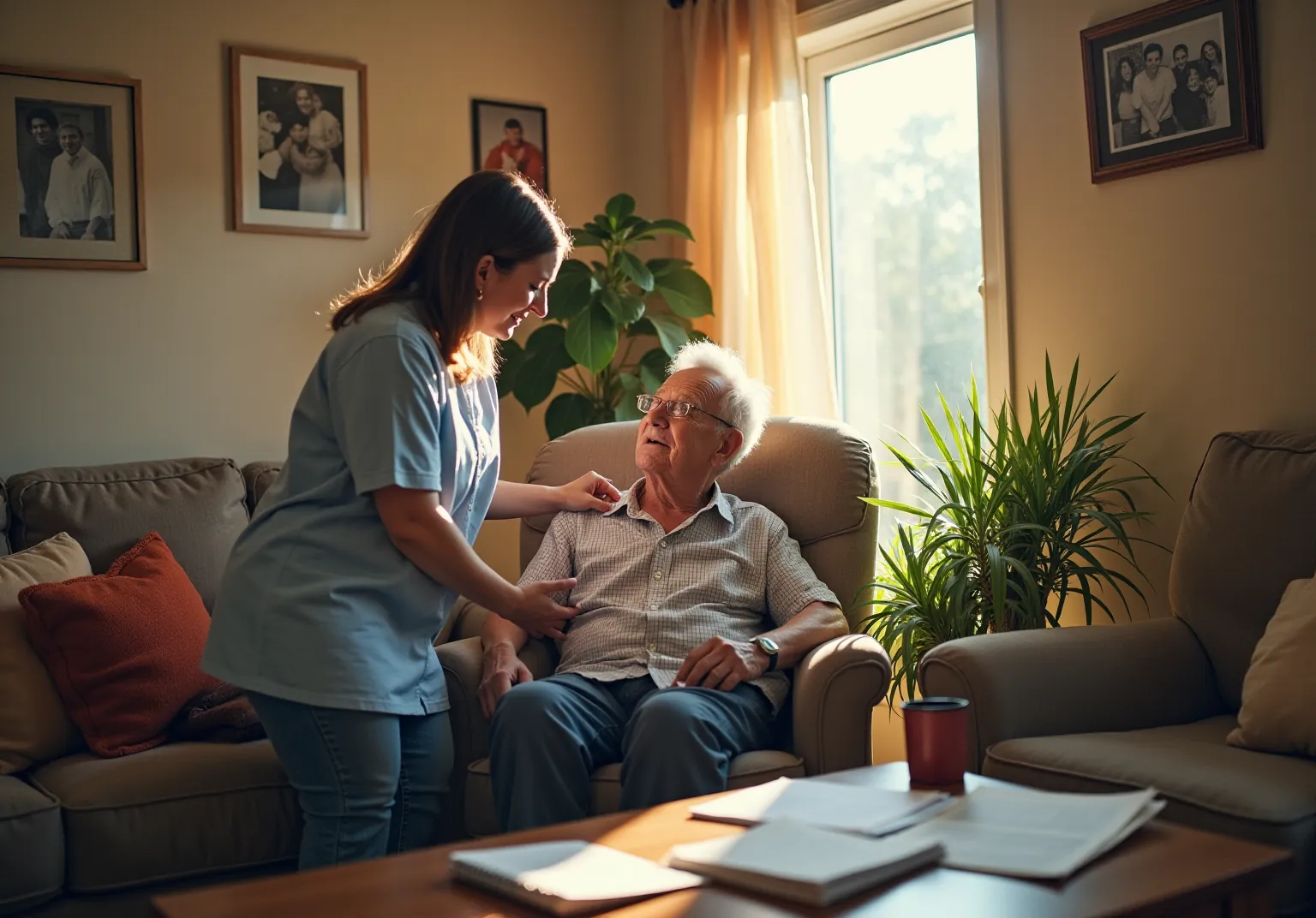
A supporter is someone who provides essential help to those who can’t fully care for themselves due to age, illness, or disability. This role encompasses a wide range of responsibilities, from assisting with personal tasks like bathing, dressing, and meal preparation to offering emotional support and companionship. Caregivers can be family members, friends, or professional aides, and they work in various settings, including homes, hospitals, and assisted living facilities.
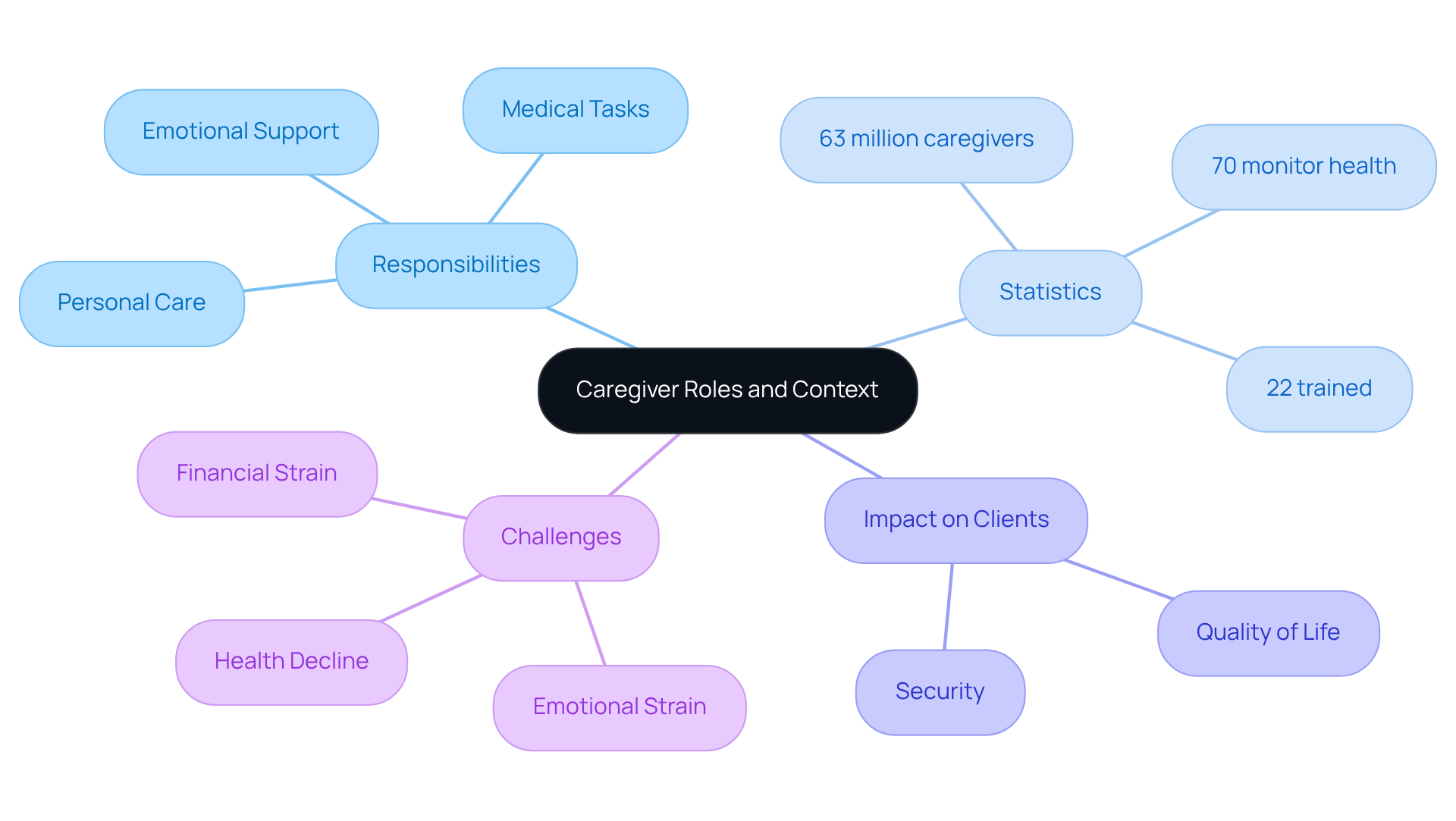
In 2025, the significance of those who support the elderly is clearer than ever. Approximately 63 million Americans are stepping up as family caregivers, marking a 45 percent increase over the last decade. Notably, 70 percent of these caregivers monitor the health conditions of their loved ones, while 55 percent perform medical tasks, even though only 22 percent have received formal training. This underscores the urgent need for support and resources to empower caregivers in their vital roles.
The impact of professional support providers on the well-being of their clients is profound. They not only assist with daily living activities but also play a crucial role in enhancing their clients' quality of life. Families often share heartfelt testimonials about how support providers create a sense of security and comfort, allowing clients to flourish in familiar environments. As Rita Choula from AARP points out, equipping caregivers with the necessary tools for medical and daily care tasks is essential for delivering comprehensive, family-centered support.
Despite their invaluable contributions, caregivers face significant challenges, including emotional and financial strain. Reports indicate that nearly one-third of caregivers have halted their savings due to their responsibilities, and many experience declining health as a result of their demanding roles. Additionally, 23 percent of caregivers report being in debt because of their caregiving duties. Recognizing and supporting caregivers is crucial, as they are the backbone of our long-term support system, often at great personal cost.
Core Responsibilities of Caregivers
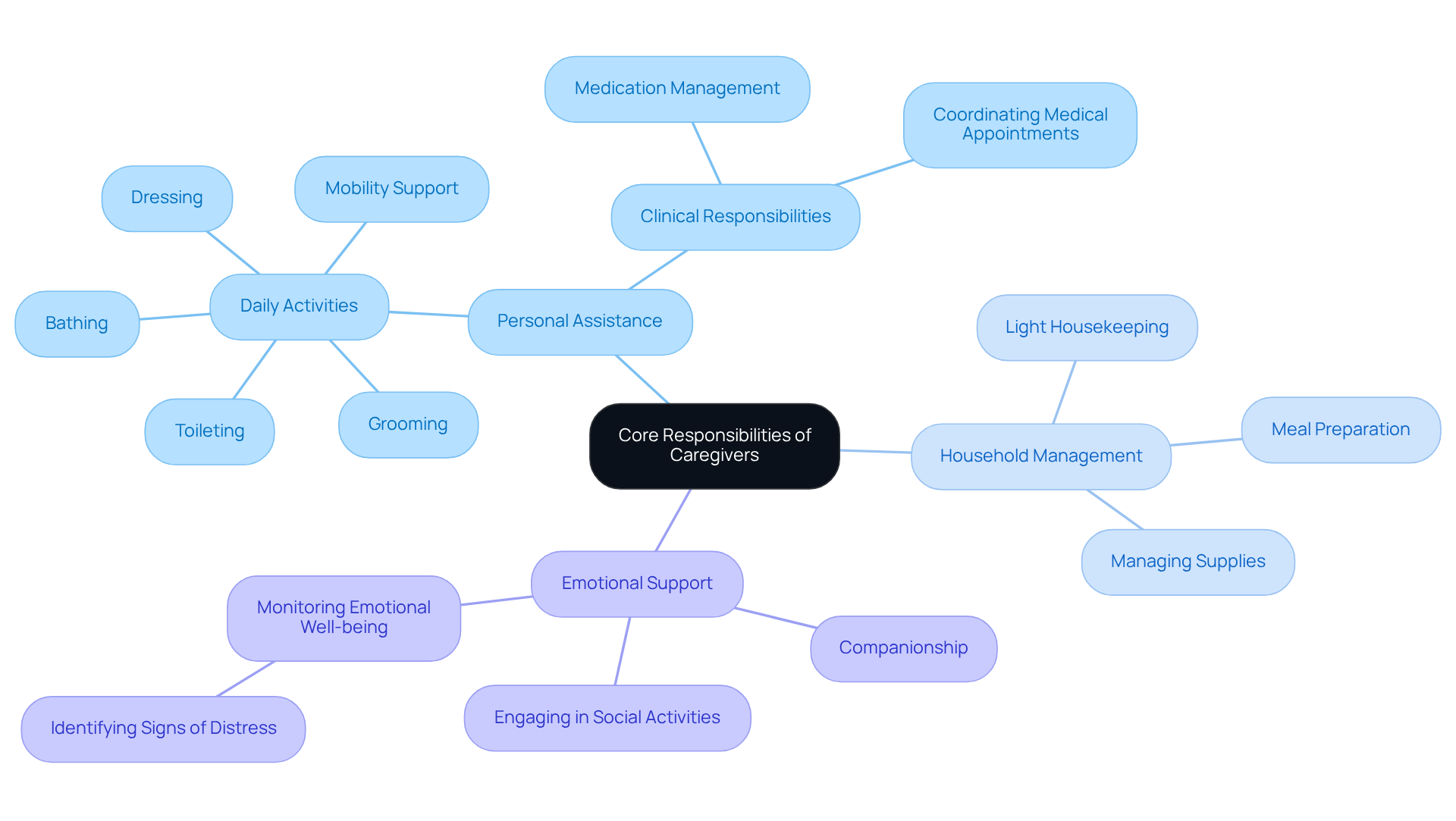
What a caregiver does includes taking on a range of responsibilities that can be grouped into three main areas: personal assistance, household management, and emotional support. Personal support involves helping clients with daily activities, like bathing, grooming, dressing, and toileting. On average, caregivers dedicate a significant amount of time to these tasks, spending about 13 days each month on various responsibilities related to assistance, which includes personal care and household management.
Household management tasks are equally important. They encompass meal preparation, light housekeeping, and medication management, all of which are crucial for maintaining a safe and organized living environment. Caregivers also manage essential supplies, ensuring that homes are equipped with necessary items, which greatly contributes to the independence of individuals with disabilities.
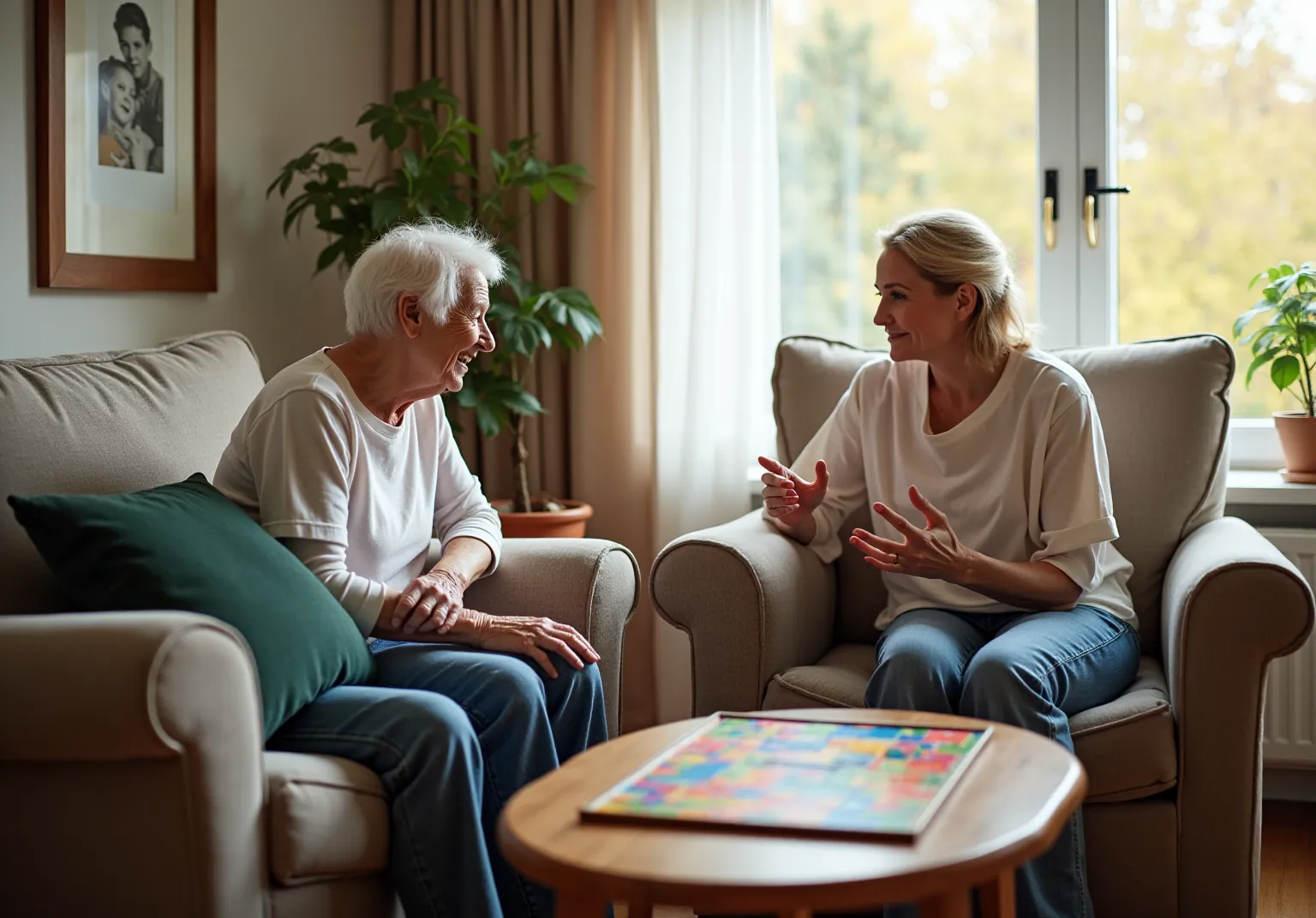
Equally vital is the emotional support that caregivers provide. They engage clients in social activities, offer companionship, and help ease feelings of loneliness and anxiety. For example, caregivers might accompany seniors on walks or involve them in hobbies, fostering a sense of connection and purpose. This heartfelt involvement is essential, as it not only enhances the well-being of those receiving care but also helps caregivers identify signs of distress, such as withdrawal or changes in sleep patterns. Notably, 47% of long-distance caregivers report experiencing emotional distress, highlighting the challenges faced by those who are not living with their recipients.
Healthcare professionals emphasize the significance of personal care tasks, noting that caregivers often take on clinical responsibilities, including medication management and coordinating medical appointments. With 70% of working-age individuals providing care while also being part of the workforce, many struggle to balance their work and caregiving duties. This multifaceted role underscores what a caregiver does and the vital contribution they make to the health and quality of life of those they assist, reflecting the increasing complexity of caregiving in our society today.
The Emotional and Physical Dimensions of Caregiving
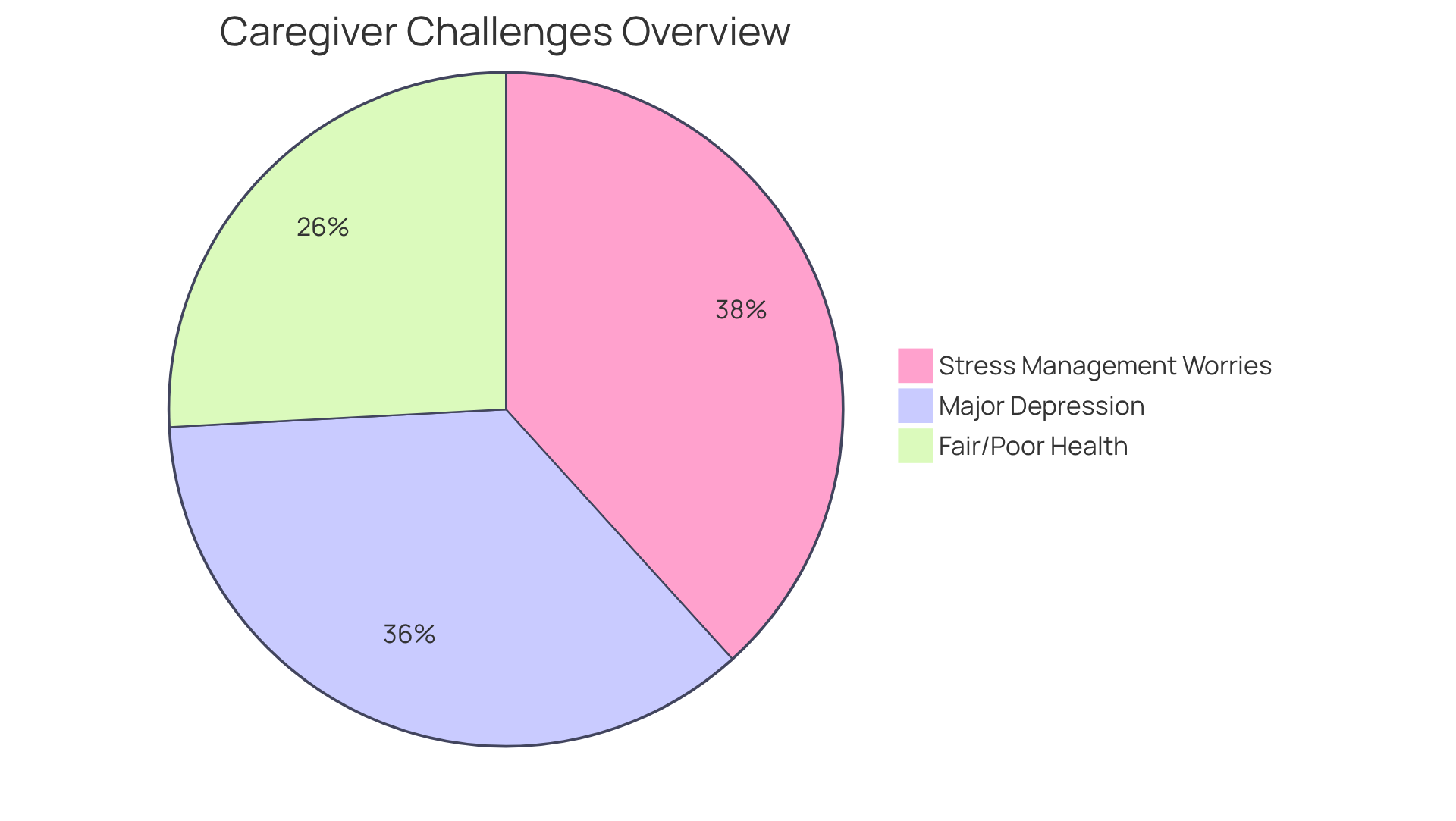
What a caregiver does can be incredibly demanding, both physically and emotionally. It’s no surprise that many caregivers experience stress, anxiety, and even burnout. The physical tasks, like lifting or transferring clients, can take a toll, especially if done without proper technique, leading to potential injuries. Statistics reveal that caregivers often face these risks; for instance, 27% of those caring for a spouse report their health as fair or poor, compared to just 15% for those caring for others.
Emotionally, caregivers may grapple with feelings of guilt, sadness, or frustration, particularly when they see a loved one decline. Research indicates that between 25% and 50% of family support providers meet the criteria for major depression, underscoring the mental strain that caregiving can impose. Additionally, 40% of caregivers worry about managing their own stress, which highlights the critical need for self-care.
To navigate these challenges, it’s vital for caregivers to prioritize what a caregiver does for their own well-being. Seeking support from professional resources or community groups can make a significant difference. Engaging in regular self-nurturing activities not only helps preserve their health but also enables them to provide better support to their loved ones. Remember, taking care of yourself is not just important; it’s essential for being the best at what a caregiver does.
Personalized Care Plans: Tailoring Support to Individual Needs
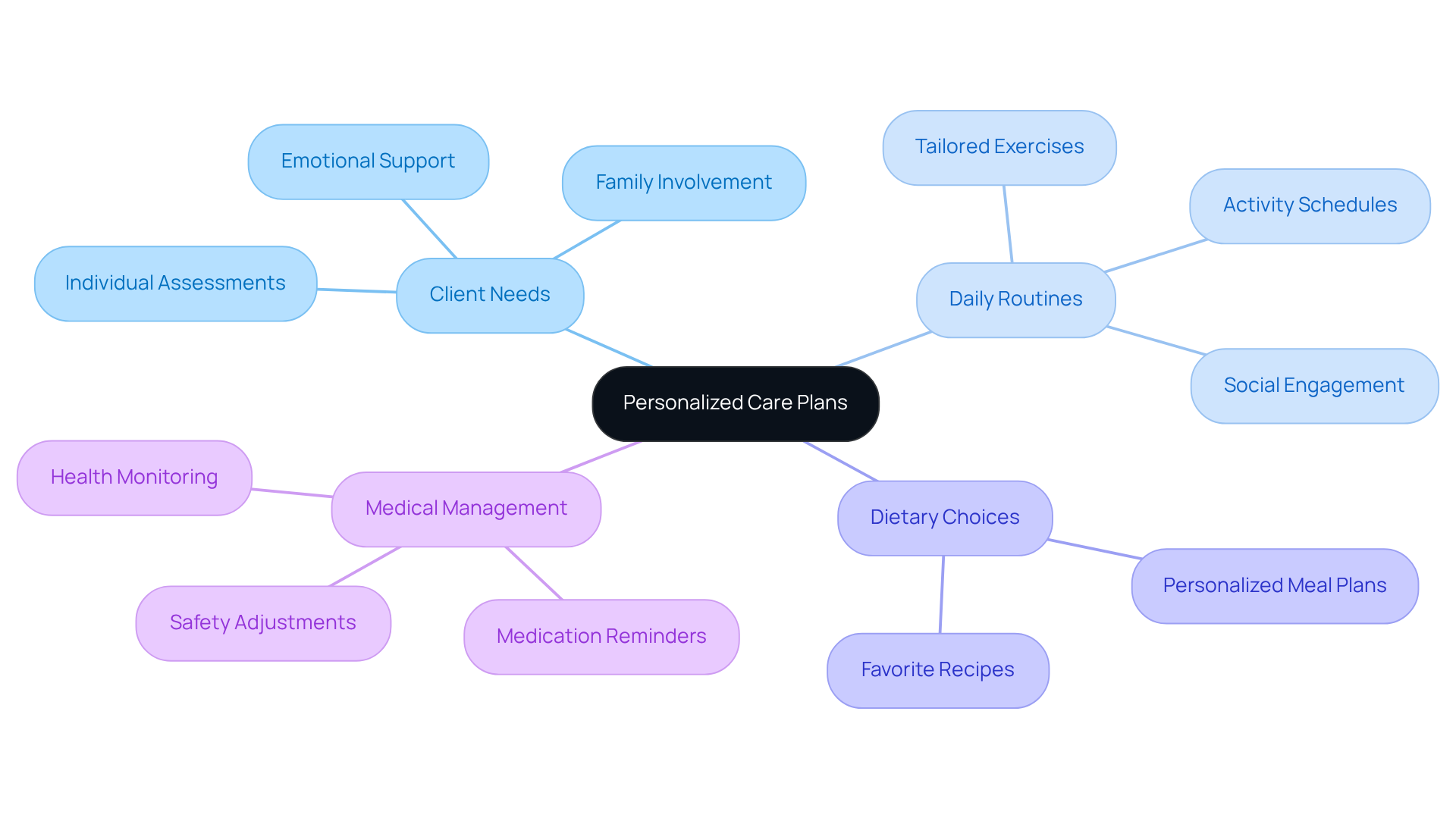
Customized support plans are vital for offering effective assistance. They’re crafted through careful evaluations of each client’s unique needs, preferences, and goals. These plans include specific routines for daily activities, dietary choices, and strategies for managing medical conditions.
For instance, a customized support plan for a senior facing mobility challenges might feature tailored exercises aimed at boosting strength and balance, along with necessary adjustments to their living space to enhance safety. Research indicates that personalized support greatly improves client satisfaction. Many families report a noticeable uplift in emotional well-being and a reduction in anxiety for their loved ones.
What a caregiver does is concentrate on individual needs to foster greater independence and uplift the overall quality of life for their clients. This ensures that care is both compassionate and effective. It’s essential to recognize that effective individualized plans prioritize each person’s unique circumstances, ultimately nurturing a supportive environment.
Key Takeaways for Caregivers
The role of a caregiver is truly multifaceted, filled with essential responsibilities that deeply impact the lives of those they assist. These dedicated individuals offer not just physical support but also emotional companionship, ensuring that clients maintain their dignity and independence. As the number of caregivers continues to grow, it highlights the increasing demand for this vital service, reminding us of the importance of recognizing and supporting their invaluable contributions.
Throughout this article, we’ve explored the diverse responsibilities caregivers undertake, from personal assistance to household management and emotional support. Yet, the challenges they face - like financial strain and emotional distress - underscore the urgent need for resources and community support. Customized care plans emerge as a crucial element in delivering effective, individualized assistance, enhancing the experiences of both caregivers and clients.
Ultimately, acknowledging the significance of caregivers is essential for fostering a supportive environment for everyone involved. As our society evolves, we must advocate for better resources, training, and support systems that empower caregivers. By doing so, we honor their contributions and enhance the quality of care for those in need, creating a more compassionate and understanding community for all. Together, let’s ensure that caregivers feel valued and supported, knowing they are making a profound difference in the lives of others.
https://iframe.tely.ai/cta/eyJhcnRpY2xlX2lkIjogIjY5MWU1YWI4YzBkNDJlMTUwMDY1YWNiNCIsICJjb21wYW55X2lkIjogIjY4ZWU1ZGNhNzMxNzYyNTU3ZjNjOTVjMSIsICJpbmRleCI6IG51bGwsICJ0eXBlIjogImFydGljbGUifQ==Frequently Asked Questions
What is the definition of a caregiver?
A caregiver is someone who provides essential help to individuals who cannot fully care for themselves due to age, illness, or disability. This role includes assisting with personal tasks, offering emotional support, and companionship.
Who can be a caregiver?
Caregivers can be family members, friends, or professional aides, and they work in various settings such as homes, hospitals, and assisted living facilities.
How many Americans are family caregivers as of 2025?
Approximately 63 million Americans are stepping up as family caregivers, representing a 45 percent increase over the last decade.
What percentage of caregivers monitor the health conditions of their loved ones?
About 70 percent of caregivers monitor the health conditions of those they care for.
Do most caregivers receive formal training?
No, only 22 percent of caregivers have received formal training, despite many performing medical tasks.
What impact do professional support providers have on their clients?
Professional support providers significantly enhance their clients' quality of life by assisting with daily living activities and creating a sense of security and comfort.
What challenges do caregivers face?
Caregivers face emotional and financial strain, with nearly one-third having halted their savings and many experiencing declining health. Additionally, 23 percent report being in debt due to their caregiving responsibilities.
Why is it important to recognize and support caregivers?
Recognizing and supporting caregivers is crucial because they are the backbone of the long-term support system, often at great personal cost.