The Importance of What Are Important Skills for a
The role of a caregiver extends far beyond basic assistance; it encompasses a delicate balance of emotional support, effective communication, and keen observation. With nearly 63 million Americans stepping into this vital role, the demand for essential caregiver skills has never been more critical.
However, caregivers face significant challenges that can impact their well-being and that of those they care for. These challenges include:
- Emotional strain
- Communication barriers
- The need for constant vigilance
As caregivers navigate these complexities, the question arises: What skills truly define an effective caregiver, and how can mastering these abilities enhance the quality of life for clients?
This article delves into the essential skills every caregiver should possess to foster meaningful connections and provide exceptional care. By focusing on practical solutions, caregivers can improve their effectiveness and ensure a higher standard of care for those they serve.
Defining Essential Caregiver Skills
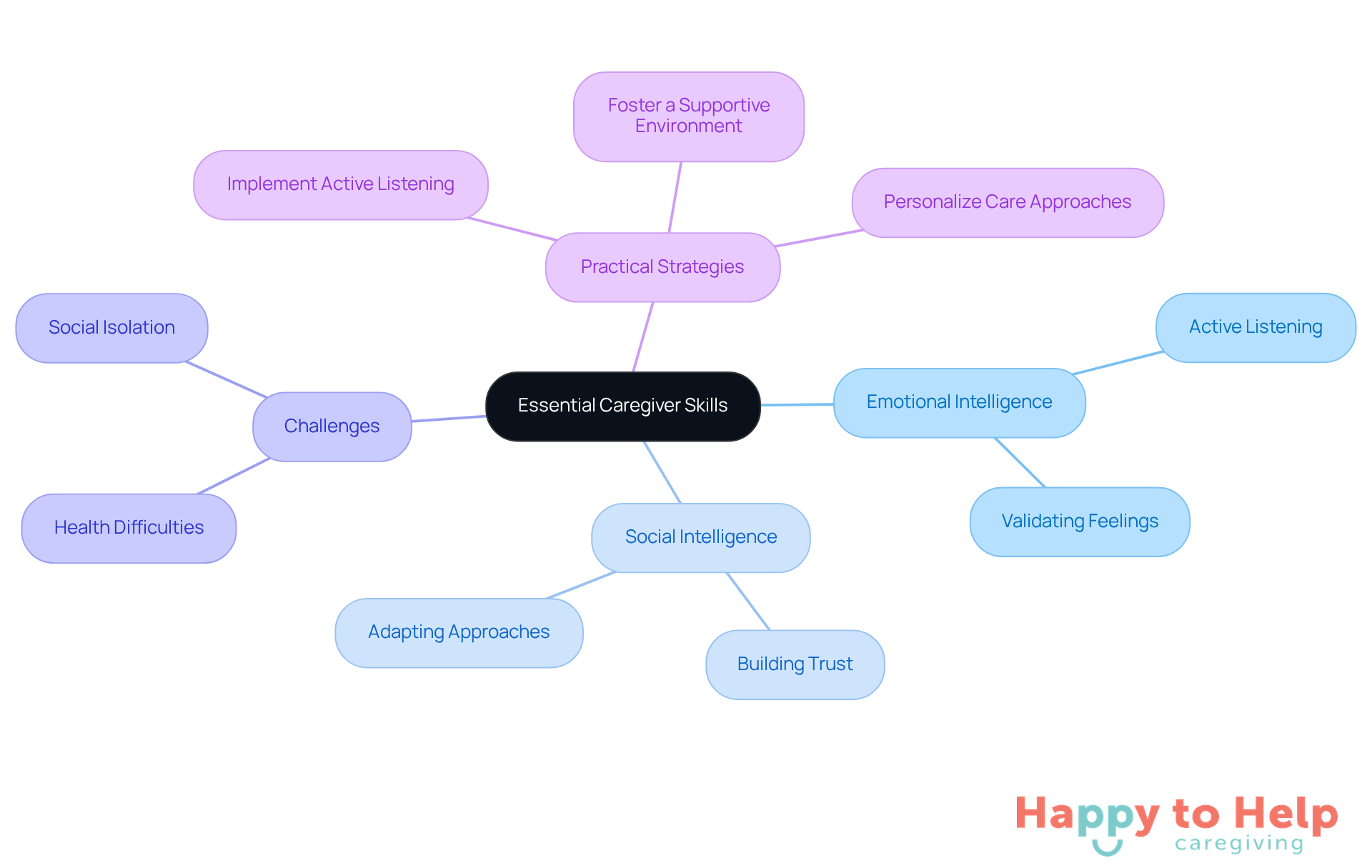
Essential support skills encompass a diverse set of abilities that empower helpers to deliver high-quality assistance to their clients. However, caregivers often face significant challenges, particularly regarding their emotional and physical well-being. In fact, nearly 63 million Americans are family supporters, representing 1 in 4 adults, many of whom encounter considerable health and financial difficulties.
The implications of these challenges are profound. Individuals who are emotionally attuned can alleviate feelings of isolation and stress, which are prevalent among the 1 in 4 who report feeling socially isolated. Furthermore, 20% of those providing care assess their health as 'fair' or 'poor', underscoring the mental and physical burden of caregiving. This highlights what are important skills for a caregiver to have, especially personal intelligence, which enables them to identify and comprehend the mental and physical requirements of those they support.
Real-world examples of social intelligence in caregiving include caregivers who actively listen to their clients, validate their feelings, and adapt their approaches based on the cues they observe. This not only enhances the quality of care but also builds trust and rapport, which highlights what are important skills for a caregiver to have in any caregiving relationship.
To navigate these complexities, caregivers can implement practical strategies:
- Practice active listening to understand clients' needs better.
- Validate feelings to foster a supportive environment.
- Adapt approaches based on observed cues to ensure personalized care.
Quotes from notable figures further highlight this theme: "Empathy is seeing with the eyes of another, listening with the ears of another, and feeling with the heart of another." This viewpoint strengthens the notion that social intelligence is not just a skill but a fundamental element of effective caregiving. Complementing this, the quote "Taking care of yourself is part of taking care of others" emphasizes the importance of self-care alongside emotional intelligence. As providers navigate the complexities of their roles, the ability to connect emotionally with those they serve can lead to more meaningful and impactful care experiences.
The Importance of Caregiver Skills in Enhancing Quality of Life
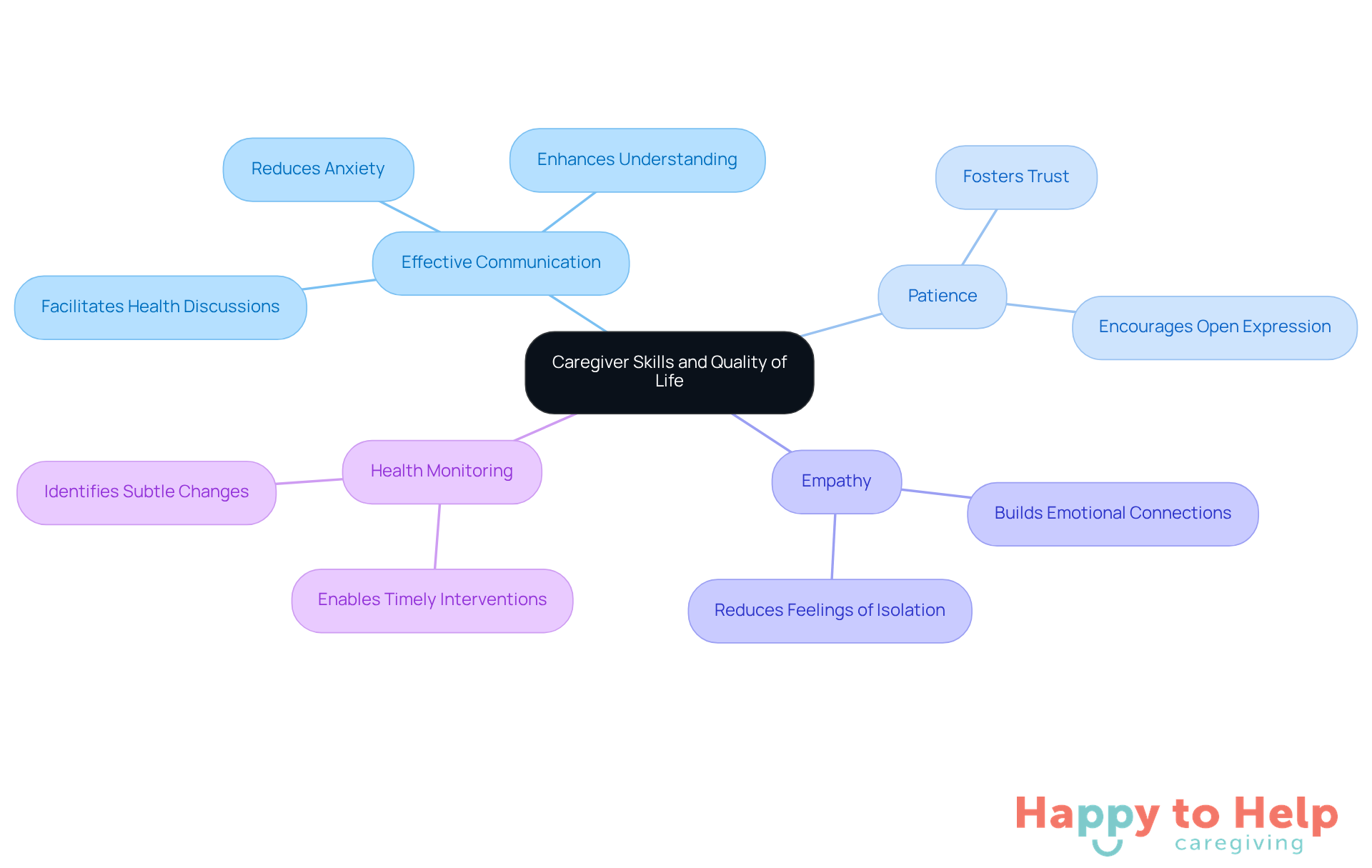
It is essential to know what are important skills for a caregiver to have in order to improve the quality of life for individuals, especially those facing challenges like dementia. The problem arises when caregivers lack what are important skills for a caregiver to have, resulting in inadequate support. This can result in increased anxiety and a decline in overall well-being for clients. For instance, caregivers trained in effective communication can better interpret and respond to the needs of clients with dementia, which has been shown to reduce anxiety and elevate mood.
Studies indicate that seniors experiencing fewer negative feelings are less likely to suffer from chronic illnesses, underscoring the importance of mental well-being in this demographic. Furthermore, seniors with strong social ties tend to live longer and exhibit more vitality, highlighting the significance of personal connections. Caregivers who demonstrate patience and empathy foster trust, making individuals feel appreciated and respected-essential elements for mental stability.
Experienced providers excel at identifying subtle changes in a senior's health, allowing for timely interventions that can prevent further complications. This consistent presence not only enhances the caregiving experience but also contributes to a more predictable routine, which is vital for seniors, particularly those with cognitive challenges. Ultimately, what are important skills for a caregiver to have, including strong communication skills and emotional support, plays a pivotal role in enhancing the overall well-being of individuals, leading to a more fulfilling and dignified life at home.
Key Characteristics of Effective Caregivers
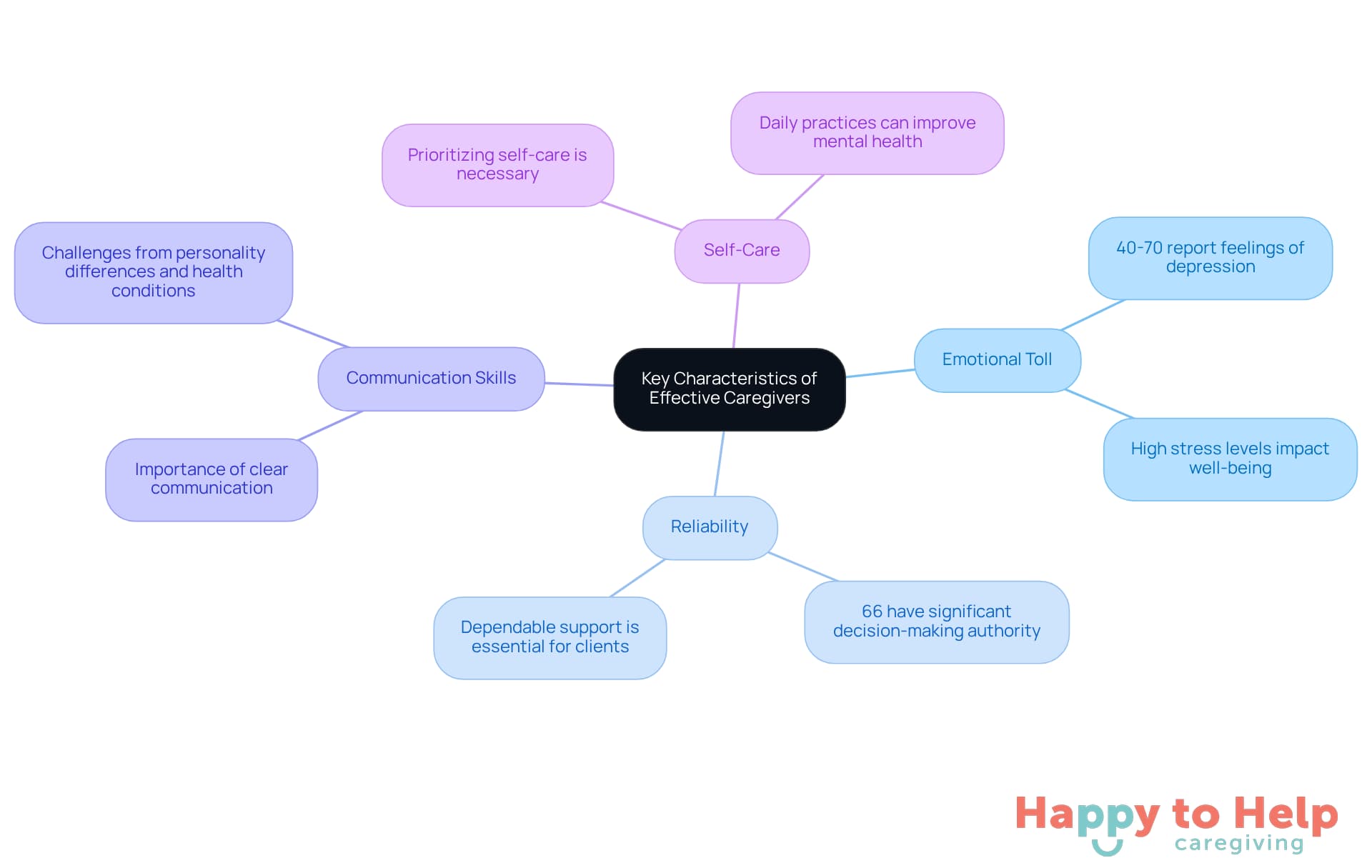
Effective caregiving faces significant challenges that can impact both providers and clients. One major issue is the emotional toll on caregivers; nearly 40-70% report feelings of depression. This highlights what are important skills for a caregiver to have, such as compassion, which fosters meaningful connections and a supportive environment.
Reliability is another key concern. Clients depend on their caregivers for consistent support, which is essential for maintaining daily routines and a sense of security. Notably, 66% of caregivers have significant decision-making authority regarding their clients' conditions, underscoring the importance of dependable providers who can navigate complex situations confidently.
Strong communication skills are part of what are important skills for a caregiver to have for effective caregiving. Clear communication is one of the things that reflect what are important skills for a caregiver to have in order to understand client needs and provide tailored care. However, challenges such as personality differences and health conditions like dementia can complicate interactions, making effective communication even more crucial.
To address these challenges, caregivers should prioritize compassion and reliability in their practice. This not only improves service quality but also supports the well-being of both providers and clients. As caregiving expert Tena Scallan wisely states, "You can do anything, but you can't do everything. Prioritizing yourself isn't selfish-it's necessary." This perspective emphasizes the importance of self-care for caregivers to continue delivering exceptional support.
Essential Skills Every Caregiver Should Master
Every caregiver faces significant challenges that can impact the quality of care they provide. These challenges include feelings of isolation, communication barriers, and the struggle to manage multiple responsibilities. Without the right skills, caregivers may find it difficult to meet the needs of those they care for, leading to frustration and burnout.
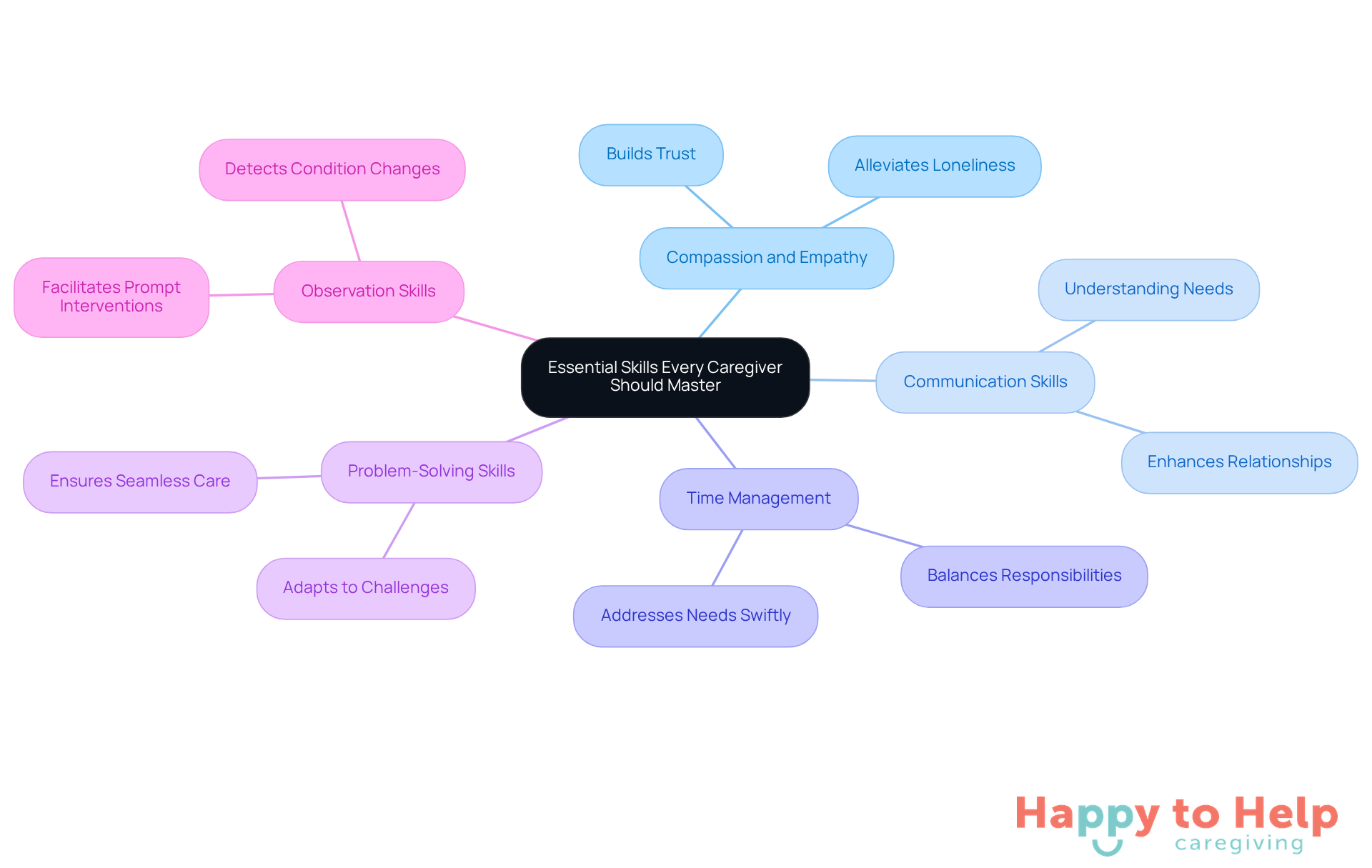
To address these issues, caregivers should focus on mastering what are important skills for a caregiver to have to enhance their effectiveness. Here are some key skills:
-
Compassion and Empathy: Understanding and sharing the feelings of clients is fundamental to building trust. Caregivers who show compassion can significantly alleviate feelings of loneliness and isolation, fostering a supportive environment that enhances the individual's emotional well-being.
-
Communication Skills: Clear communication is essential for understanding customer needs and conveying important information. Effective communication not only assists in addressing immediate concerns but also enhances the caregiver-patient relationship, ensuring that individuals feel heard and valued.
-
Time Management: Caregivers frequently manage numerous responsibilities; efficient time management guarantees that all service user needs are addressed swiftly. With 67% of employed individuals providing care reporting challenges in balancing their jobs and caregiving responsibilities, mastering time management is crucial for maintaining a high standard of care while handling personal obligations.
-
Problem-Solving Skills: Caregivers must be able to think on their feet and address unexpected challenges as they arise. This adaptability is crucial in delivering seamless care, particularly in dynamic situations where individual needs may change swiftly.
-
Observation Skills: Sharp observation enables providers to detect alterations in an individual's condition, which is essential for prompt interventions. By being vigilant, those who provide care can identify potential health issues early, ensuring that clients receive the necessary support without delay.
Mastering these skills helps to clarify what are important skills for a caregiver to have, enhancing the quality of care provided and contributing to the caregiver's professional development. By equipping themselves with these transferable skills, caregivers can navigate their responsibilities more effectively, ultimately leading to better outcomes for both themselves and those they serve.
Moving Forward with What Are Important Skills for a
Effective caregiving faces significant challenges that can hinder the quality of support provided. Caregivers often grapple with emotional and physical demands, which can lead to feelings of isolation and burnout. Recognizing the importance of essential skills - such as compassion, communication, and problem-solving - is crucial for enhancing the well-being of both caregivers and those they serve.
To address these challenges, caregivers must master skills that foster meaningful connections. By actively listening, validating emotions, and adapting their approaches based on client needs, caregivers can create a supportive environment that enhances the overall quality of care. Moreover, prioritizing self-care is essential for sustaining their ability to provide exceptional support.
Investing in caregiver skills is not just beneficial; it is imperative for the well-being of individuals receiving care. As the demand for skilled caregivers continues to grow, focusing on the development of these essential skills will lead to improved outcomes for clients and a more rewarding experience for caregivers.
Here are some actionable tips for caregivers:
- Practice active listening to understand client needs better.
- Validate emotions to create a supportive atmosphere.
- Engage in self-care to maintain personal well-being.
Embracing this commitment to skill mastery can significantly impact the quality of life for all involved, reinforcing the critical role caregivers play in our communities.
https://iframe.tely.ai/cta/eyJhcnRpY2xlX2lkIjogIjY5MjY0Mzg0MDFkMWUzYmY0NmRiMjJkNSIsICJjb21wYW55X2lkIjogIjY4ZWU1ZGNhNzMxNzYyNTU3ZjNjOTVjMSIsICJpbmRleCI6IG51bGwsICJ0eXBlIjogImFydGljbGUifQ==Frequently Asked Questions
What are essential caregiver skills?
Essential caregiver skills encompass a diverse set of abilities that empower caregivers to deliver high-quality assistance to their clients, including emotional intelligence and social intelligence.
What challenges do caregivers face?
Caregivers often encounter significant emotional and physical challenges, with many experiencing health and financial difficulties. Approximately 20% of caregivers assess their health as 'fair' or 'poor'.
How does emotional intelligence benefit caregivers?
Emotional intelligence helps caregivers alleviate feelings of isolation and stress among clients, which is crucial as many caregivers report feeling socially isolated.
What is personal intelligence in caregiving?
Personal intelligence enables caregivers to identify and comprehend the mental and physical requirements of those they support, facilitating more effective care.
Can you provide examples of social intelligence in caregiving?
Examples include caregivers who actively listen to their clients, validate their feelings, and adapt their approaches based on observed cues, enhancing the quality of care and building trust.
What practical strategies can caregivers implement?
Caregivers can practice active listening, validate feelings to create a supportive environment, and adapt their approaches based on observed cues for personalized care.
Why is self-care important for caregivers?
Self-care is essential for caregivers as it helps them maintain their own well-being, which is crucial for effectively caring for others. The quote 'Taking care of yourself is part of taking care of others' emphasizes this importance.
How does social intelligence relate to effective caregiving?
Social intelligence is a fundamental element of effective caregiving, as it involves the ability to connect emotionally with clients, leading to more meaningful and impactful care experiences.
List of Sources
- Defining Essential Caregiver Skills
- Family Caregiver Annual Report and Statistics | SeniorLiving.org (https://seniorliving.org/research/family-caregiver-report-statistics)
- Caregiving Statistics US 2025: Insights for Family Caregivers (https://zencaregiving.org/caregiving-statistics-us-2025)
- 39 Caregiver Statistics, Facts & Trends (https://humancareny.com/blog/39-caregiver-statistics-facts-trends)
- Caregiver Statistics: Demographics (https://caregiver.org/resource/caregiver-statistics-demographics)
- Caregiver Quotes: 50+ Inspiring Encouragement Quotes for Strength (https://h2hhc.com/blog/inspiring-caregiver-quotes)
- The Importance of Caregiver Skills in Enhancing Quality of Life
- The Importance of Caregiver-Client Relationships in Senior Well-Being (https://homeinstead.com/home-care/usa/in/goshen/588/news-and-media/the-importance-of-caregiver-client-relationships-in-senior-well-being)
- Caregiver Statistics: Demographics (https://caregiver.org/resource/caregiver-statistics-demographics)
- Home-Based Care Companies Improve Outcomes By Training Family Caregivers (https://homehealthcarenews.com/2025/10/home-based-care-companies-improve-outcomes-by-training-family-caregivers)
- Shift to online for program that hones caregiver skills paves way for national rollout (https://mcknightsseniorliving.com/news/shift-to-online-for-program-that-hones-caregiver-skills-paves-way-for-national-rollout)
- 39 Caregiver Statistics, Facts & Trends (https://humancareny.com/blog/39-caregiver-statistics-facts-trends)
- Key Characteristics of Effective Caregivers
- World Health Day 2025: Caregiver Support & Wellness Tips (https://learn2care.us/blog/world-health-day-2025-caregiver-wellness-tips)
- Caregiver Statistics: Demographics (https://caregiver.org/resource/caregiver-statistics-demographics)
- The Caregiving Landscape: Data & Insights on the Caregiver Experience in the U.S. (https://caregiveraction.org/caregiver-statistics)
- Effective Communication as a Caregiver | Always Caring of CT (https://alwayscaringct.com/news/effective-communication-as-a-caregiver)
- CaringBridge (https://caringbridge.org/resources/inspirational-quotes-on-caregiving)
- Essential Skills Every Caregiver Should Master
- New U.S. Workforce Report: Nearly 70% of Family Caregivers Report Difficulty Balancing Career and Caregiving Responsibilities, Spurring Long-Term Impacts to U.S. Economy (https://press.aarp.org/2024-5-16-US-Workforce-Report-70-Caregivers-Difficulty-Balancing-Career-Caregiving-Responsibilities)
- Your Working Caregiver Experience Matters: What Every Working Caregiver Should Know (https://lifework.arizona.edu/news/2025/your-working-caregiver-experience-matters-what-every-working-caregiver-should-know)
- National Family Caregivers Month 2025 (https://johnahartford.org/resources/view/national-family-caregivers-month-2025)
- What to expect when you become a caregiver– and how to cope with the challenges (https://heart.org/en/news/2025/11/20/what-to-expect-when-you-become-a-caregiver-and-how-to-cope-with-the-challenges)
- Improving Practice: New Training to Support Diverse Family Caregivers (https://caregiver.org/news/improving-practice-new-training-to-support-diverse-family-caregivers)