What to Expect
Falls among the elderly can be deeply concerning, often stemming from:
- Physical weakness
- Chronic health conditions
- Medication side effects
- Environmental hazards
- Vision impairments
It’s important to recognize how these factors can impact not just the individuals but also their loved ones, who may feel the weight of worry and stress.
Understanding these challenges is the first step toward creating a safer environment. By implementing preventive measures—like making thoughtful home modifications and encouraging regular exercise—we can significantly reduce the risk of falls. These actions not only enhance safety but also improve the overall quality of life for our seniors, allowing them to maintain their independence and dignity.
As caregivers, it’s vital to remember that you’re not alone in this journey. Many have walked this path and found comfort in community support and shared experiences. Together, we can foster a nurturing environment that prioritizes the well-being of our elderly loved ones. Let’s take these steps together, ensuring they feel safe, valued, and cared for.
What You Need to Know About What Are the Main Causes of Falls in
Falls among the elderly aren’t just common; they represent a serious public health crisis that can lead to injuries drastically altering lives. For families and caregivers, understanding the main causes of these falls is crucial. It’s about protecting loved ones from accidents that are often preventable.
With alarming statistics showing a rise in fall-related deaths, it’s natural to wonder: what proactive steps can we take to reduce these risks and improve the quality of life for our seniors? This article explores the key factors contributing to falls in older adults and offers effective strategies for prevention. Together, we can create a safer environment for those who matter most.
Defining Falls in the Elderly: Importance and Impact
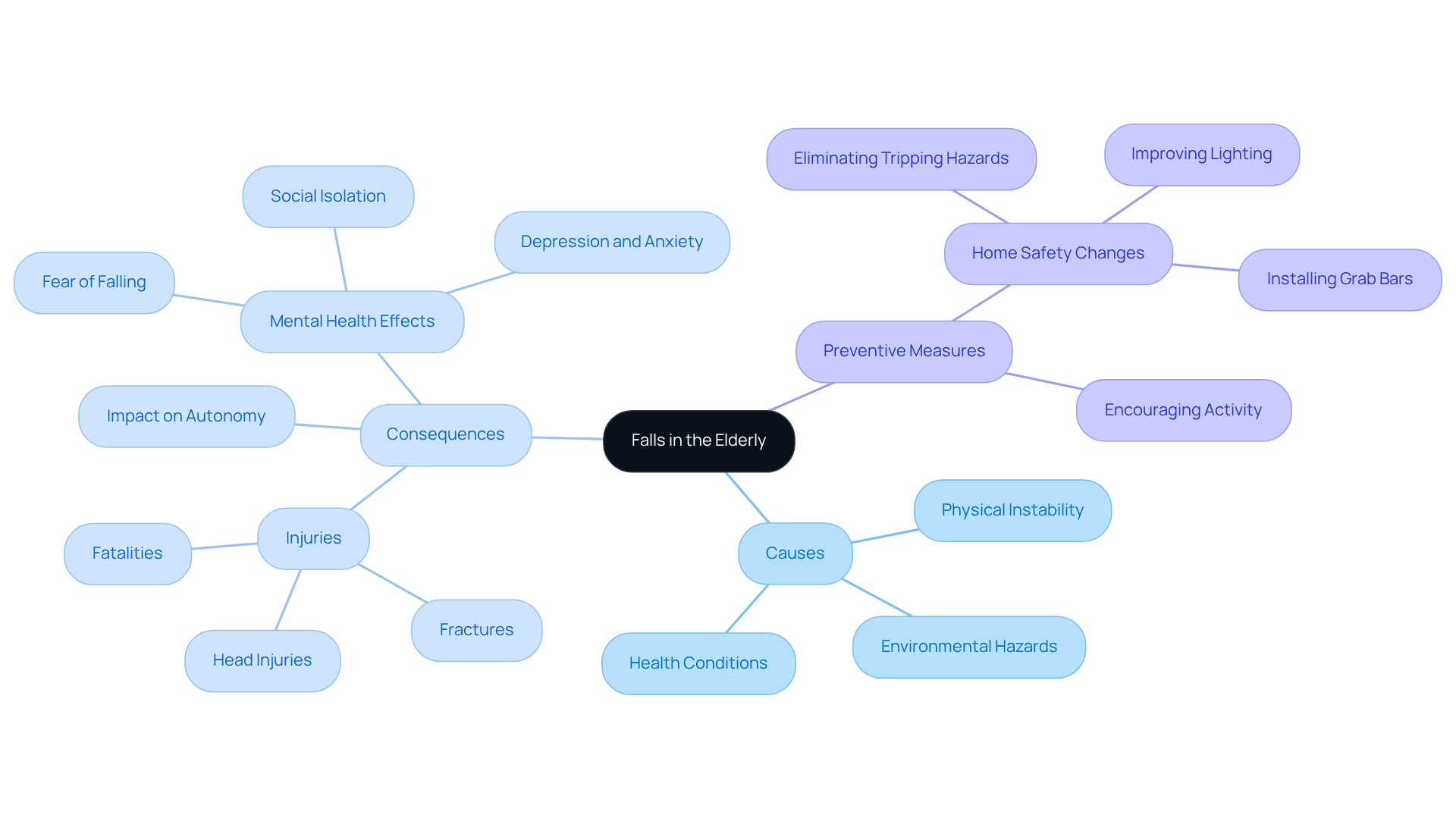
Falls among the elderly can be deeply concerning. These unintentional descents often occur due to physical instability, environmental hazards, or underlying health conditions, prompting an inquiry into what are the main causes of falls in the elderly. Sadly, they pose a serious risk, being a leading cause of injury in older adults. Many times, these incidents lead to fractures, head injuries, and even fatalities. In fact, around 3 million emergency department visits each year among seniors are due to falls, with medical expenses related to these injuries estimated to reach a staggering $50 billion annually. This highlights just how urgent it is to address this issue.
The consequences of tumbles go beyond immediate injuries. They can significantly impact a person's autonomy, mental well-being, and overall quality of life. Recent data shows that fall-related deaths among older adults have risen to 78.2 per 100,000 in 2023, compared to 64.4 per 100,000 in 2018. This troubling trend underscores the need for effective intervention strategies.
Moreover, falls can lead to a decrease in confidence and an increased fear of falling again. This fear often results in reduced activity levels and social isolation, creating a cycle that can worsen mental health issues like depression and anxiety. It’s crucial for caregivers and families to understand what are the main causes of falls in the elderly and the profound effects of these accidents. By introducing preventive measures—like making home safety changes to eliminate tripping hazards and improve lighting, as well as encouraging physical activity—families can help reduce these dangers. This way, they can ensure their loved ones maintain their independence and quality of life.
Identifying Key Causes of Falls in Older Adults
As caregivers, we often worry about the safety and well-being of our loved ones, especially when we consider what are the main causes of falls in the elderly. Understanding what are the main causes of falls in the elderly can help us provide better support, as several key factors contribute to this risk.
-
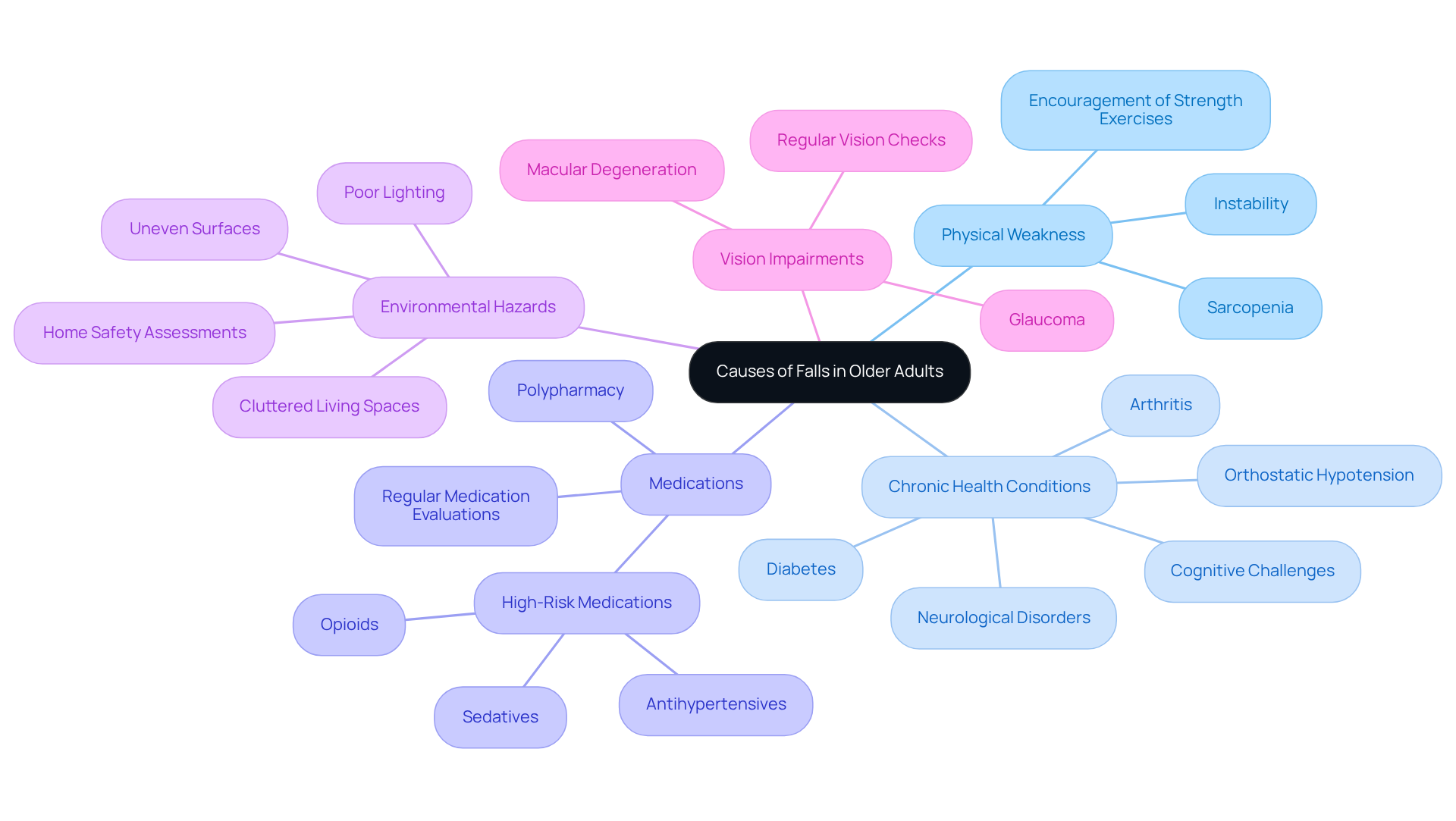
Physical Weakness is a significant concern. Age-related muscle deterioration, known as sarcopenia, can greatly increase the risk of losing balance. Did you know that roughly one-third of seniors experience one or more falls each year? Even more alarming, about 10% face multiple incidents annually. Muscle weakness is a major indicator of falls, and this decline in strength can lead to instability. It’s crucial for us to encourage regular strength and balance exercises to help reduce this threat.
-
Chronic Health Conditions also play a role. Conditions like arthritis, diabetes, and neurological disorders can impair mobility and stability. For example, arthritis can limit joint movement, while diabetes may lead to neuropathy, affecting balance. Additionally, issues like orthostatic hypotension and cognitive challenges can contribute to falls. Tailored interventions that address these specific mobility challenges are essential for our seniors.
-
Then there’s Medications. Many older adults face polypharmacy, which means they’re taking four or more medications. This can lead to dizziness or drowsiness, increasing the likelihood of accidents. High-risk medications, such as antihypertensives, sedatives, and opioids, can impair alertness and coordination. Regular medication evaluations are vital to help reduce these dangers.
-
We must also consider Environmental Hazards. Cluttered living spaces, poor lighting, and uneven surfaces can create dangerous conditions for seniors. Conducting home safety assessments can help us identify and address these hazards, ensuring sufficient lighting and eliminating tripping risks, which can significantly decrease incident rates.
-
Lastly, Vision Impairments can hinder an elderly person’s ability to navigate their environment safely. Conditions like glaucoma and macular degeneration can diminish eyesight. Regular vision checks and appropriate corrective measures are crucial for maintaining safety and independence.
As caregivers, it is vital for us to recognize what are the main causes of falls in the elderly. By creating a safer living environment and encouraging proactive health management, we can tackle bodily frailty and chronic health issues. Together, we can greatly lower the chance of falls and improve the overall wellness of our seniors. Remember, we’re not alone in this journey; support is available, and every step we take makes a difference.
Implementing Effective Fall Prevention Strategies
Implementing effective fall prevention strategies requires a thoughtful approach that considers various risk factors.
-
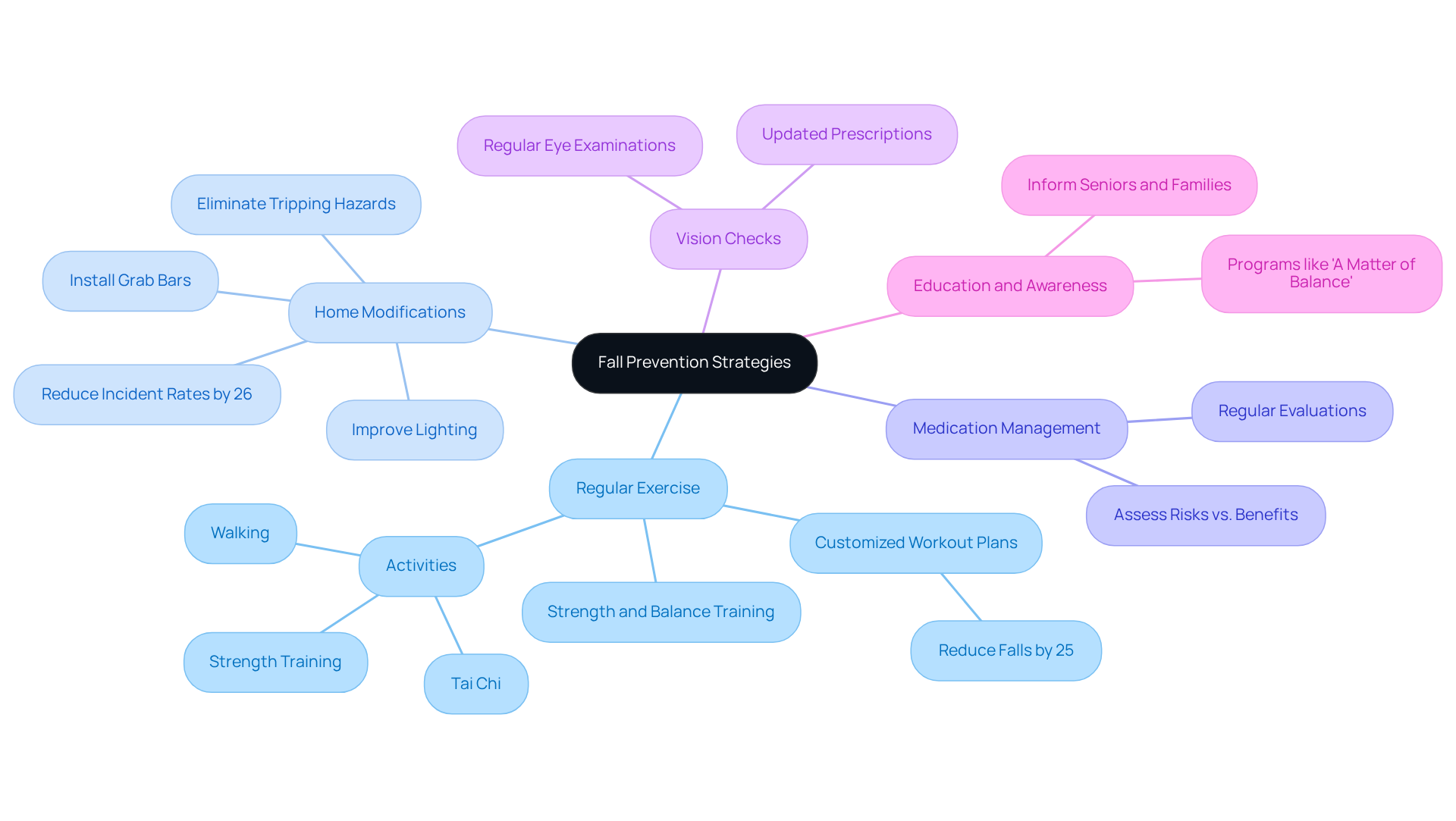
Regular Exercise: Engaging in strength and balance training is vital for enhancing physical stability among seniors. It’s heartening to know that customized workout plans can lower the chance of tumbles by about 25%. With one in four individuals over 65 experiencing a fall each year, and their likelihood of another occurrence doubling after an incident, activities like walking, strength training, and Tai Chi become essential elements of a prevention strategy.
-
Home Modifications: Simple adjustments in the home can make a world of difference. By eliminating tripping hazards, installing grab bars in restrooms, and improving lighting, we can significantly reduce the risk of accidents. Research shows that recognizing and removing hazards can decrease incident rates by as much as 26%. Practical improvements, such as grab bars and emergency response systems, enhance safety for older adults, providing peace of mind for families.
-
Medication Management: Regular evaluations of medications with healthcare professionals are crucial. Certain medications can increase the risk of accidents, and by assessing the dangers versus benefits of prescribed drugs, families can help reduce potential hazards. This proactive approach is essential for ensuring medication safety and fostering a sense of security.
-
Vision Checks: Regular eye examinations are key to addressing vision impairments that can lead to accidents. Health issues like impaired vision and cognitive decline are linked to a higher risk of falls. Ensuring seniors have updated prescriptions can greatly enhance their ability to navigate their surroundings safely, promoting confidence and independence.
-
Education and Awareness: Informing seniors and their families about hazards and prevention strategies nurtures a proactive mindset. Programs like "A Matter of Balance" are designed to help older adults reduce their fear of falling and encourage physical activity. By promoting awareness, individuals can take control of their safety and well-being, fostering a supportive community.
By integrating these strategies into daily routines, families can create a safer environment that promotes independence and significantly reduces the likelihood of falls. Together, we can ensure that our loved ones feel secure and empowered in their daily lives.
Your Path Forward
Falls among the elderly are a serious health concern that truly deserves our immediate attention. It’s heartbreaking to think about the struggles our loved ones face—whether it’s due to physical weakness, chronic health issues, environmental dangers, or even the side effects of medications. By understanding these challenges, we can lay the groundwork for effective prevention strategies that really make a difference. When families and caregivers address these factors, they can significantly enhance the safety and well-being of their loved ones, helping them maintain both independence and a good quality of life.
Key insights from this discussion highlight the importance of:
- Regular exercise
- Home modifications
- Medication management
- Vision checks
- Education
Each of these strategies plays a crucial role in reducing the risk of falls. It’s clear that a multifaceted approach is essential in safeguarding our seniors. With about one in four older adults experiencing a fall each year, implementing these preventive measures can lead to substantial improvements in their overall health and confidence.
The importance of fall prevention cannot be overstated. By creating a supportive environment and raising awareness, families can empower older adults to take charge of their safety. This collective effort not only reduces the risks associated with falls but also enriches the lives of seniors, allowing them to thrive in their daily activities. Taking these steps today can lead to a safer, healthier tomorrow for our aging population.
https://iframe.tely.ai/cta/eyJhcnRpY2xlX2lkIjogIjY5MGQzNmFkMjhlMjExYTRhNzdjMTI2YiIsICJjb21wYW55X2lkIjogIjY4ZWU1ZGNhNzMxNzYyNTU3ZjNjOTVjMSIsICJpbmRleCI6IG51bGwsICJ0eXBlIjogImFydGljbGUifQ==Frequently Asked Questions
What are the main causes of falls in the elderly?
Falls in the elderly often occur due to physical instability, environmental hazards, or underlying health conditions.
Why are falls among the elderly a significant concern?
Falls are a leading cause of injury in older adults, leading to fractures, head injuries, and fatalities. They account for around 3 million emergency department visits each year among seniors.
What are the financial implications of falls in the elderly?
Medical expenses related to fall injuries among elderly individuals are estimated to reach about $50 billion annually.
How have fall-related deaths among older adults changed recently?
Fall-related deaths among older adults have increased to 78.2 per 100,000 in 2023, up from 64.4 per 100,000 in 2018.
What are the psychological effects of falls on elderly individuals?
Falls can lead to a decrease in confidence and an increased fear of falling again, resulting in reduced activity levels and social isolation, which can worsen mental health issues like depression and anxiety.
What preventive measures can families take to reduce the risk of falls?
Families can introduce preventive measures such as making home safety changes to eliminate tripping hazards, improving lighting, and encouraging physical activity to help reduce the dangers of falls.