What Causes Dementia Patients to Die? Understanding Key Factors

For families in our service areas
For families in our service areas, this guide explains dementia care and how non-medical in-home caregiving can support care planning in East Idaho, Treasure Valley & Magic Valley, Northern Wasatch, North Central West Virginia, and Northeast Ohio.
Understanding What Causes Dementia Patients to Die?
Dementia is a complex condition that significantly affects not only those diagnosed but also their families and caregivers. As cognitive decline progresses, caregivers face numerous challenges that can impact their well-being and the quality of care provided. Understanding the key factors contributing to mortality in dementia patients is crucial for improving outcomes.
Caregivers often navigate a difficult terrain filled with emotional and physical demands. The stress of managing daily care, coupled with the emotional toll of watching a loved one decline, can lead to burnout and decreased quality of life. This situation highlights the pressing need for effective strategies and support systems.
To mitigate these risks, caregivers can implement several practical solutions:
- Educate themselves about dementia and its progression to better understand what to expect.
- Establish a support network of family, friends, and professionals to share experiences and resources.
- Prioritize self-care to maintain their own health and well-being, ensuring they can provide the best care possible.
By addressing these challenges head-on and utilizing available resources, caregivers can enhance the quality of life for both themselves and those they care for.
Define Dementia: Understanding the Condition and Its Impact
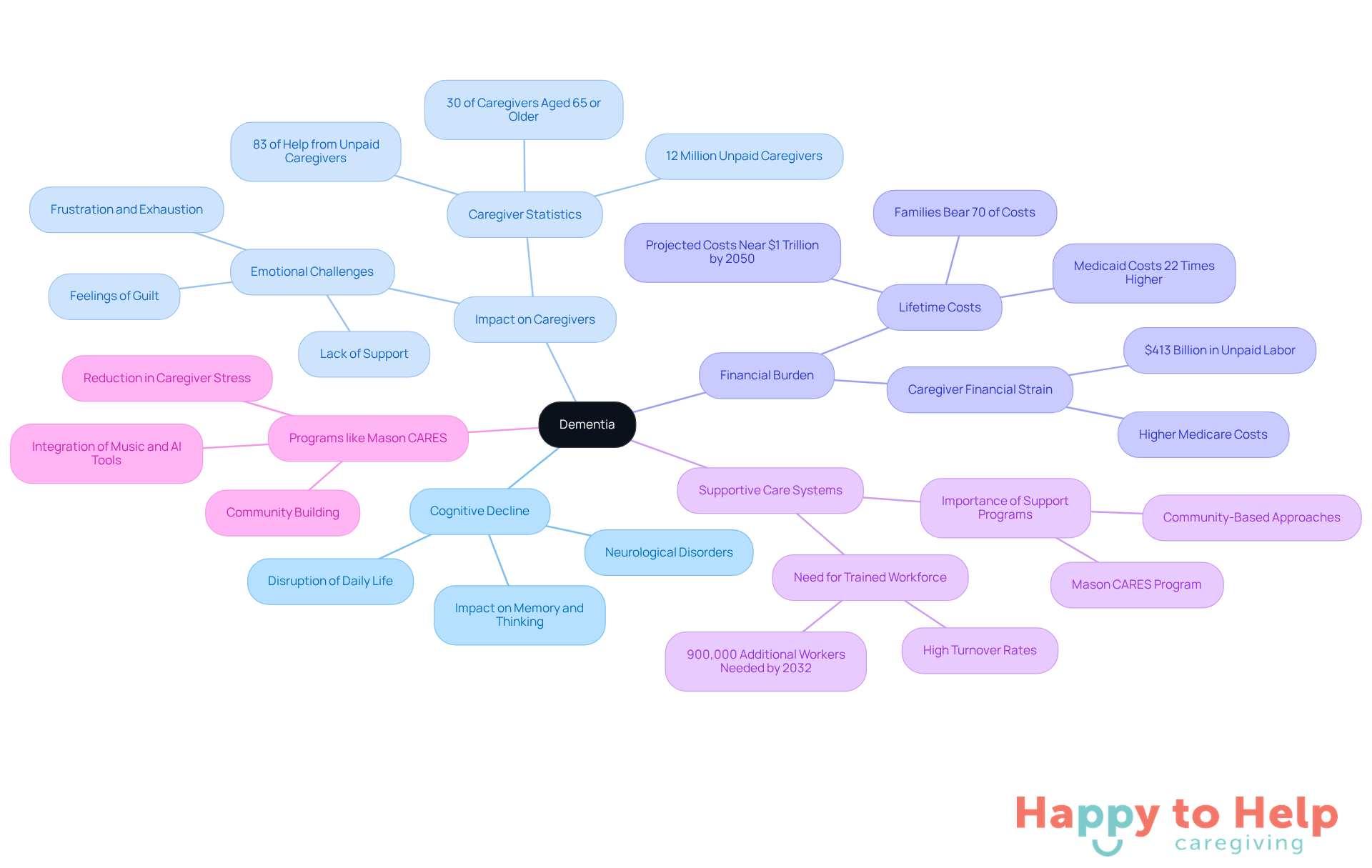
Dementia represents a significant challenge, encompassing a range of neurological disorders that lead to a decline in cognitive function severe enough to disrupt daily life. This decline affects memory, thinking, and behavior, creating hurdles in communication and problem-solving. The emotional and financial toll on families and caregivers is profound, as they navigate the complexities of care.
Caregivers often face feelings of guilt, frustration, and exhaustion. They juggle their responsibilities while feeling unsupported by the healthcare system. As Bastholm-Rahmner P. noted, caregivers frequently worry about making the right choices. The financial burden is staggering: families shoulder roughly 70% of the lifetime costs associated with caring for someone with cognitive decline. Moreover, Medicaid expenses for these individuals are 22 times higher than for older adults without cognitive issues.
Understanding dementia is crucial for recognizing the challenges faced by those affected and the importance of supportive care systems. Recent studies reveal that nearly 12 million Americans provide unpaid assistance to individuals with cognitive decline, underscoring the urgent need for comprehensive support.
Programs like Mason CARES offer promising solutions. They have demonstrated a 15% reduction in caregiver stress levels, showcasing the potential benefits of supportive care systems. By implementing such programs, caregivers can find relief and improve their overall well-being, ultimately benefiting both themselves and their families.
Explore Causes of Dementia: Types and Underlying Factors
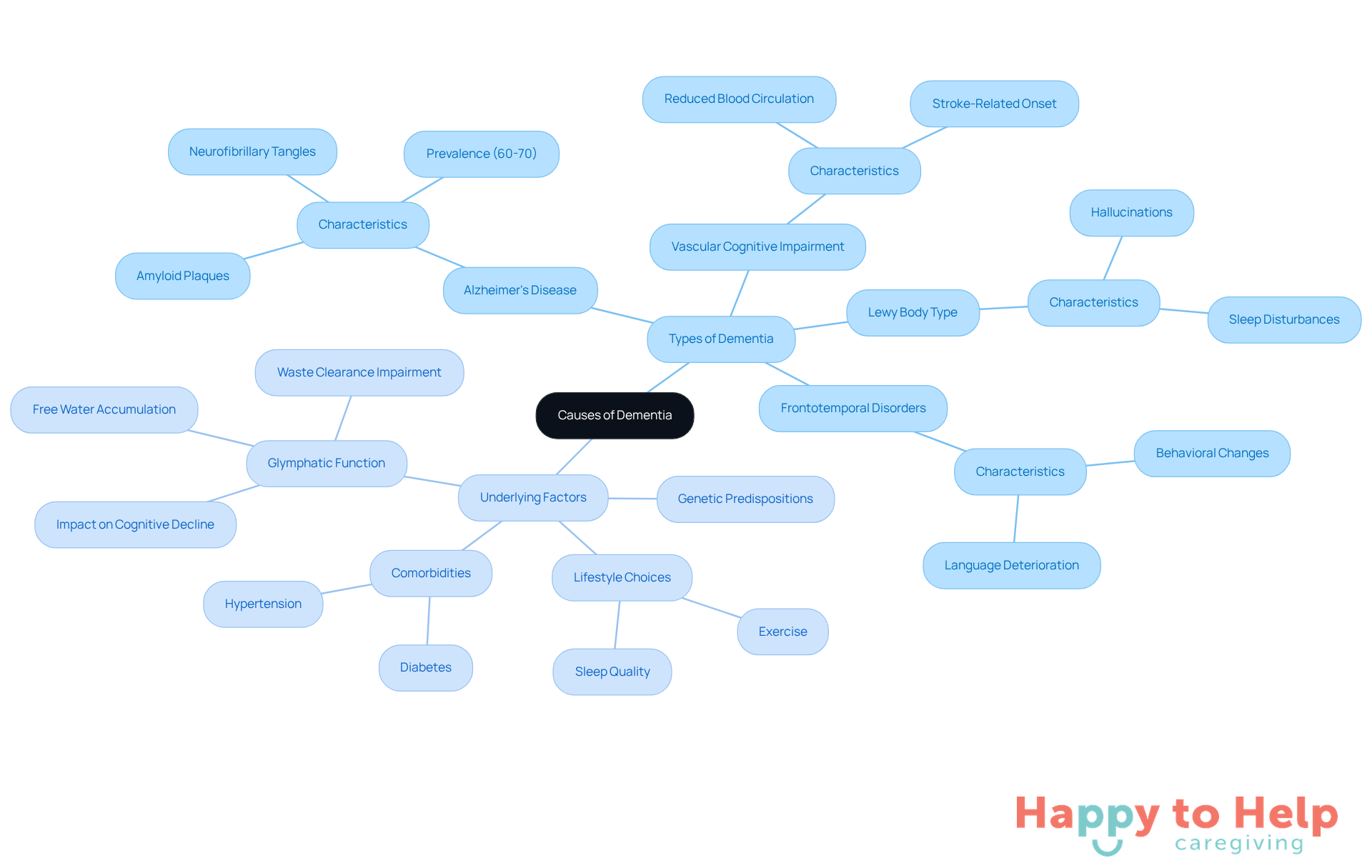
Cognitive decline presents a significant challenge, encompassing various diseases and conditions like Alzheimer's disease, vascular cognitive impairment, Lewy body type, and frontotemporal disorders. Alzheimer's disease, the most prevalent form, accounts for 60-70% of memory impairment cases and is characterized by the buildup of amyloid plaques and neurofibrillary tangles in the brain, leading to progressive mental decline. In contrast, vascular cognitive impairment arises from reduced blood circulation to the brain, often due to strokes or chronic vascular issues, resulting in considerable mental impairment and sometimes abrupt onset.
Several critical factors contribute to dementia, including:
- Genetic predispositions
- Lifestyle choices
- Comorbidities such as diabetes and hypertension
Recent studies highlight the importance of glymphatic function in mental well-being, indicating that compromised waste removal in the brain can lead to tissue damage and cognitive decline. For example, research has linked excess water accumulation in the brain's white matter to declines in executive function. Dr. Xiaodan Liu emphasizes that "impaired waste clearance causes accumulation of free water in the brain’s white matter, leading to tissue damage and eventually to cognitive impairment."
Understanding these causes is vital for developing effective prevention strategies and tailoring care to individual needs. With the global population aging, projections suggest that the number of individuals living with cognitive decline could reach 139 million by 2050. This underscores the urgency of addressing these underlying factors to improve the quality of life for those affected. Alarmingly, a person develops cognitive decline every 3 seconds worldwide, highlighting the need for immediate action.
Moreover, exploring what causes dementia patients to die reveals that non-Alzheimer's cognitive impairments are associated with a higher mortality risk compared to Alzheimer's disease, emphasizing the necessity for comprehensive care strategies. The Lancet has identified 12 adjustable risk factors that could prevent or delay up to 40% of cognitive decline cases, providing practical strategies for family caregivers. It's also important to note that approximately 7.5% of cognitive decline cases are classified as young onset cognitive impairment, affecting younger individuals and their families.
Identify Complications: How Dementia Affects Health and Longevity
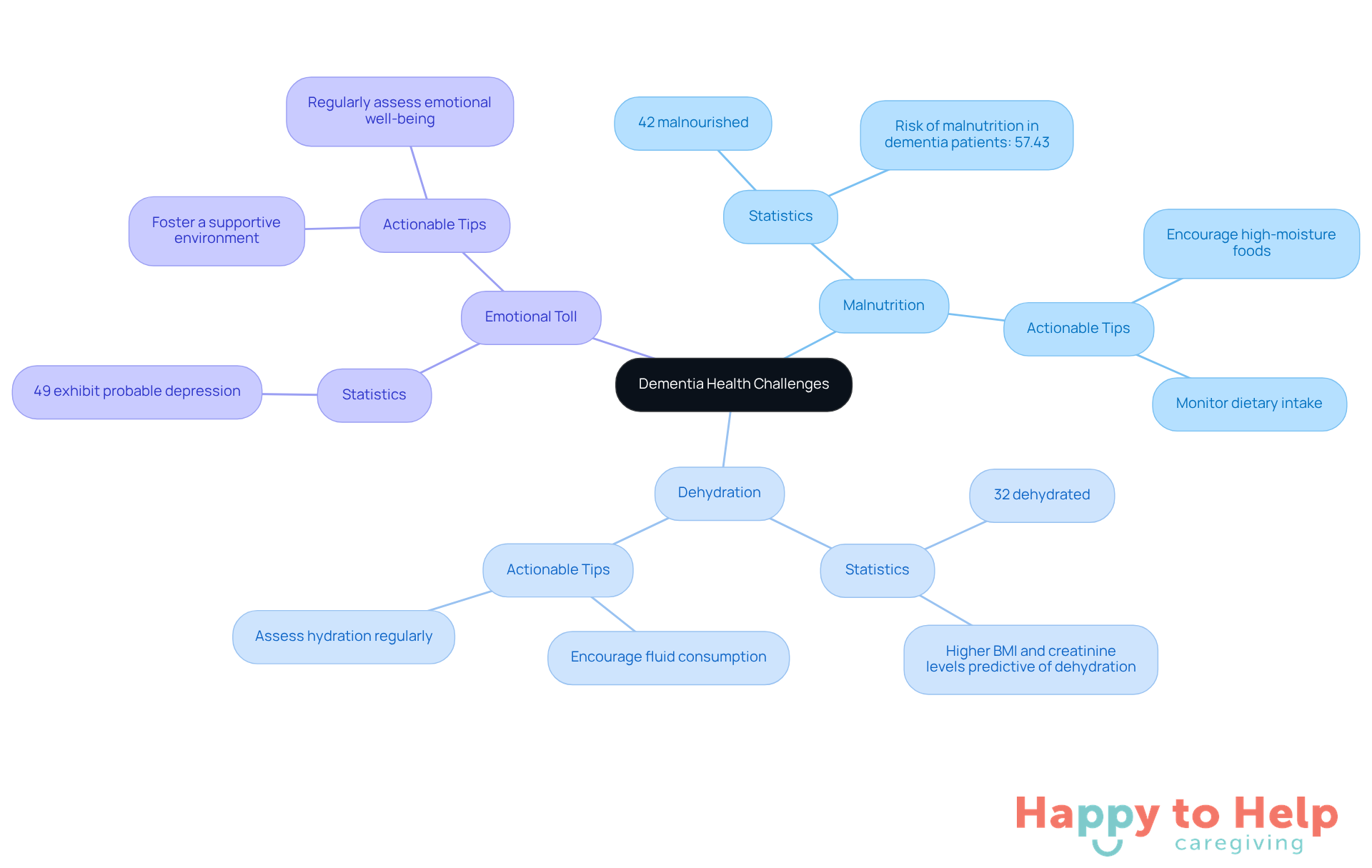
Dementia presents significant health challenges that can severely impact what causes dementia patients to die. Key issues include malnutrition, dehydration, and understanding what causes dementia patients to die, such as an increased risk of infections like pneumonia and urinary tract infections. As cognitive abilities decline, individuals often struggle with self-care, which is related to what causes dementia patients to die, leading to a deterioration in their overall physical health.
The emotional toll of cognitive decline can manifest as depression and anxiety, complicating care even further. Current statistics reveal that about 42% of individuals with cognitive decline are classified as malnourished, while 32% face dehydration upon hospital admission. Notably, these conditions are distinct, with only 13% of patients experiencing both malnutrition and dehydration simultaneously.
Understanding these challenges is crucial for caregivers. By addressing nutritional needs and hydration, caregivers can significantly reduce the risks associated with these common issues. Proactive measures can greatly improve health outcomes and enhance the quality of life for those affected by cognitive decline.
Here are some actionable tips for caregivers:
- Monitor dietary intake to ensure adequate nutrition.
- Encourage fluid consumption to prevent dehydration.
- Regularly assess the emotional well-being of individuals to address any signs of depression or anxiety.
By fostering a supportive environment and focusing on these essential aspects, caregivers can make a meaningful difference in the lives of individuals living with cognitive decline.
Examine End-of-Life Factors: Common Causes of Death in Dementia Patients
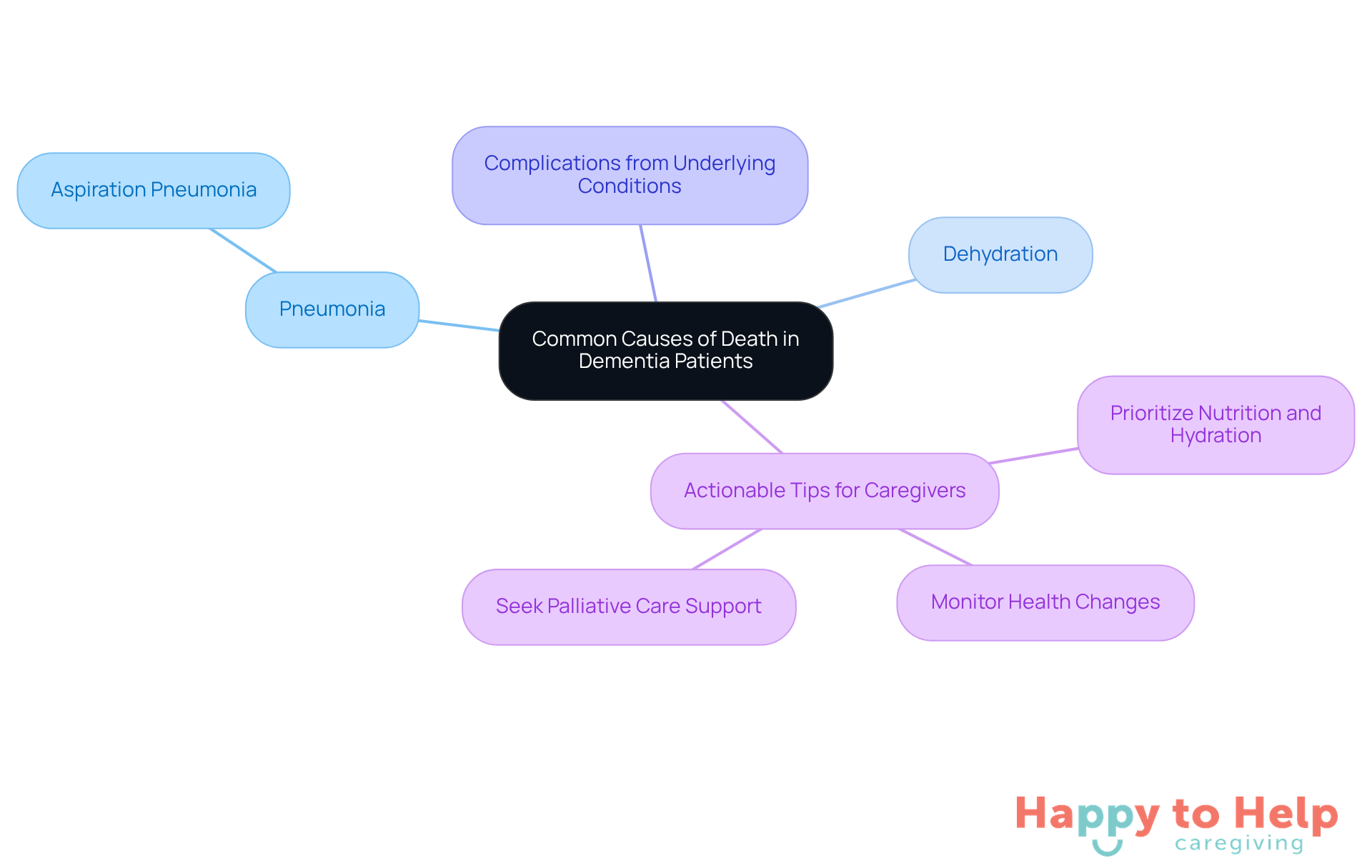
The end-of-life phase for dementia patients presents a significant challenge, often marked by a sharp decline in health. Understanding what causes dementia patients to die includes recognizing common causes of death such as pneumonia, dehydration, and complications from other underlying conditions. Among these, aspiration pneumonia stands out as a leading cause, primarily due to cognitive decline that impairs swallowing reflexes. This condition can result in food or liquid entering the lungs, leading to severe respiratory complications.
Moreover, the inability to maintain adequate nutrition and hydration exacerbates health decline. Many individuals may overlook eating or drinking because of memory impairments. Current data shows that pneumonia is what causes dementia patients to die, especially with significantly lower survival rates in advanced stages of the disease.
To address these challenges, palliative care specialists stress the importance of ensuring comfort and dignity during this critical time. As Dame Cicely Saunders poignantly stated, "You matter because you are you, and you matter to the end of your life. We will do all we can not only to help you die peacefully, but also to live until you die."
By understanding what causes dementia patients to die, families and caregivers can better navigate the complexities of end-of-life care. Here are some actionable tips:
- Prioritize Nutrition and Hydration: Regularly encourage meals and fluids, even if the patient seems uninterested.
- Monitor Health Changes: Stay vigilant for signs of aspiration pneumonia or other complications.
- Seek Palliative Care Support: Engage with specialists who can provide guidance and resources.
Focusing on these strategies allows caregivers to provide compassionate support that prioritizes the well-being of their loved ones.
Making the Right Choice
Understanding the complexities surrounding dementia is essential for those affected, as well as for families and caregivers navigating this challenging journey. The problem lies in the fact that dementia is not just a cognitive decline; it’s a multifaceted condition that profoundly impacts emotional, physical, and financial well-being. This reality can leave caregivers feeling overwhelmed and underprepared.
The implications are significant. Caregivers often face emotional strain and financial burdens, especially as they recognize the factors contributing to dementia and the common causes of death in patients. Conditions like pneumonia and dehydration frequently lead to mortality in dementia patients, highlighting the urgent need for proactive care strategies. The emotional and financial toll on caregivers is staggering, underscoring the necessity for supportive systems that can alleviate these burdens.
So, what can caregivers do? It’s crucial to adopt strategies that prioritize comfort, nutrition, and emotional support. Caregivers should seek out resources and programs designed to reduce stress and enhance well-being. By fostering a holistic approach to care, families can ensure that their loved ones live with dignity and compassion, even in the face of this challenging condition.
In summary, understanding dementia and its implications is vital for improving the quality of life for those affected. Caregivers are encouraged to implement these strategies and utilize available resources to navigate this journey with greater ease.
https://iframe.tely.ai/cta/eyJhcnRpY2xlX2lkIjogIjY5NDBhMjE2NmYzZjk5NzYxYTM2ZTNjMiIsICJjb21wYW55X2lkIjogIjY4ZWU1ZGNhNzMxNzYyNTU3ZjNjOTVjMSIsICJpbmRleCI6IG51bGwsICJ0eXBlIjogImFydGljbGUifQ==Frequently Asked Questions
What is dementia?
Dementia is a range of neurological disorders that lead to a significant decline in cognitive function, affecting memory, thinking, and behavior, which disrupts daily life.
How does dementia impact daily life?
The decline in cognitive function due to dementia creates hurdles in communication and problem-solving, making it difficult for individuals to manage daily tasks.
What are the emotional effects on caregivers of individuals with dementia?
Caregivers often experience feelings of guilt, frustration, and exhaustion as they navigate the complexities of caring for someone with dementia, often feeling unsupported by the healthcare system.
What is the financial burden of dementia care on families?
Families bear approximately 70% of the lifetime costs associated with caring for someone with cognitive decline, and Medicaid expenses for these individuals are 22 times higher than for older adults without cognitive issues.
How many Americans provide unpaid assistance to individuals with cognitive decline?
Nearly 12 million Americans provide unpaid assistance to individuals with cognitive decline, highlighting the urgent need for comprehensive support systems.
What is the significance of programs like Mason CARES?
Programs like Mason CARES offer promising solutions by demonstrating a 15% reduction in caregiver stress levels, indicating the potential benefits of supportive care systems for caregivers and their families.
List of Sources
- Define Dementia: Understanding the Condition and Its Impact
- Everything is changing in dementia diagnosis and treatment (https://statnews.com/2025/12/13/dementia-revolution-diagnosis-treatment-interview)
- Inside the Hidden Strain of Dementia Caregiving | Docwire News (https://docwirenews.com/post/inside-the-hidden-strain-of-dementia-caregiving)
- Alzheimer's Disease Facts and Figures (https://alz.org/alzheimers-dementia/facts-figures)
- Caregivers: the invisible backbone of dementia care (https://publichealth.gmu.edu/news/2025-11/caregivers-invisible-backbone-dementia-care)
- Explore Causes of Dementia: Types and Underlying Factors
- ADI - Dementia statistics (https://alzint.org/about/dementia-facts-figures/dementia-statistics)
- USC study finds new evidence linking dementia to problems with the brain’s waste clearance system (https://keck.usc.edu/news/usc-study-finds-new-evidence-linking-dementia-to-problems-with-the-brains-waste-clearance-system)
- ADI - Lancet Commission identifies two new risk factors for dementia and suggests 45% of cases could be delayed or reduced (https://alzint.org/news-events/news/lancet-commission-identifies-two-new-risk-factors-for-dementia-and-suggests-45-of-cases-could-be-delayed-or-reduced)
- Dementia Comes in Many Forms. Alzheimer’s Is Just One. (https://nytimes.com/2025/12/01/well/mind/dementia-types-symptoms.html)
- Subtypes of dementia - Dementia Statistics Hub (https://dementiastatistics.org/about-dementia/subtypes)
- Identify Complications: How Dementia Affects Health and Longevity
- Dehydration and Malnutrition—Similar Yet Different: Data from a Prospective Observational Study in Older Hospitalized Patients (https://mdpi.com/2072-6643/17/6/1004)
- Eating and drinking difficulties in dementia (https://bda.uk.com/resource/eating-and-drinking-difficulties-in-dementia.html)
- Top List of Inspirational Dementia Quotes for Caregivers (https://rochesterlawcenter.com/dementia-resources/dementia-quotes)
- Prevalence of Malnutrition in People with Dementia in Long-Term Care: A Systematic Review and Meta-Analysis - PMC (https://pmc.ncbi.nlm.nih.gov/articles/PMC10343750)
- Examine End-of-Life Factors: Common Causes of Death in Dementia Patients
- How does dementia cause death? - Alzheimer's Research UK (https://alzheimersresearchuk.org/news/how-does-dementia-cause-death)
- Here are 11 Inspiring Quotes to Help You Rethink End of Life Care (https://easylivingfl.com/assisted-living/11-inspiring-quotes-to-help-you-rethink-end-of-life-care)
- End of Life Care: Ensuring Needs are Met | RN.com (https://rn.com/blog/headlines-in-healthcare/end-of-life-care)
- Dementia Pneumonia End Of Life (Symptoms, Care, Breathing Issues) (https://optoceutics.com/dementia-pneumonia-end-of-life-aspiration-elderly-patients?srsltid=AfmBOopSdnkcXaw75JGKrmZ8aT2qViknlTps49Hgb7hi40tDABq03fDA)
- Alzheimer's Disease Facts and Figures (https://alz.org/alzheimers-dementia/facts-figures)