
For families in our service areas
For families in our service areas, this guide explains caregiving and how non-medical in-home caregiving can support care planning in East Idaho, Treasure Valley & Magic Valley, Northern Wasatch, North Central West Virginia, and Northeast Ohio.
Why What Causes Extreme Tiredness in the Matters
Extreme tiredness in the elderly is more than just a fleeting inconvenience; it signifies a deeper issue that can drastically affect their quality of life. Studies reveal that over 42% of older adults experience this debilitating exhaustion. Understanding its causes is crucial for caregivers and families alike.
What lies behind this pervasive fatigue? It can stem from various factors, including medical conditions, medications, and lifestyle choices. This fatigue not only impacts physical health but also emotional well-being, leading to isolation and depression.
So, how can caregivers effectively manage this issue? Here are some actionable strategies:
- Regular Check-ups: Ensure seniors have routine medical evaluations to identify underlying health issues.
- Medication Review: Work with healthcare providers to assess medications that may contribute to fatigue.
- Encourage Activity: Promote light physical activity tailored to the individual's ability, which can boost energy levels.
Exploring these questions can unlock vital strategies for enhancing the health and vitality of the elderly.
Defining Extreme Tiredness in the Elderly
Extreme tiredness, often referred to as exhaustion, raises important questions about what causes extreme tiredness in the elderly. It manifests as a continual feeling of weariness, lack of energy, and diminished motivation that doesn’t improve with rest. This condition differs greatly from typical tiredness, which is usually a short-term response to physical exertion or emotional strain. Severe exhaustion can indicate serious underlying medical concerns, making it crucial for caregivers and families to recognize its symptoms.
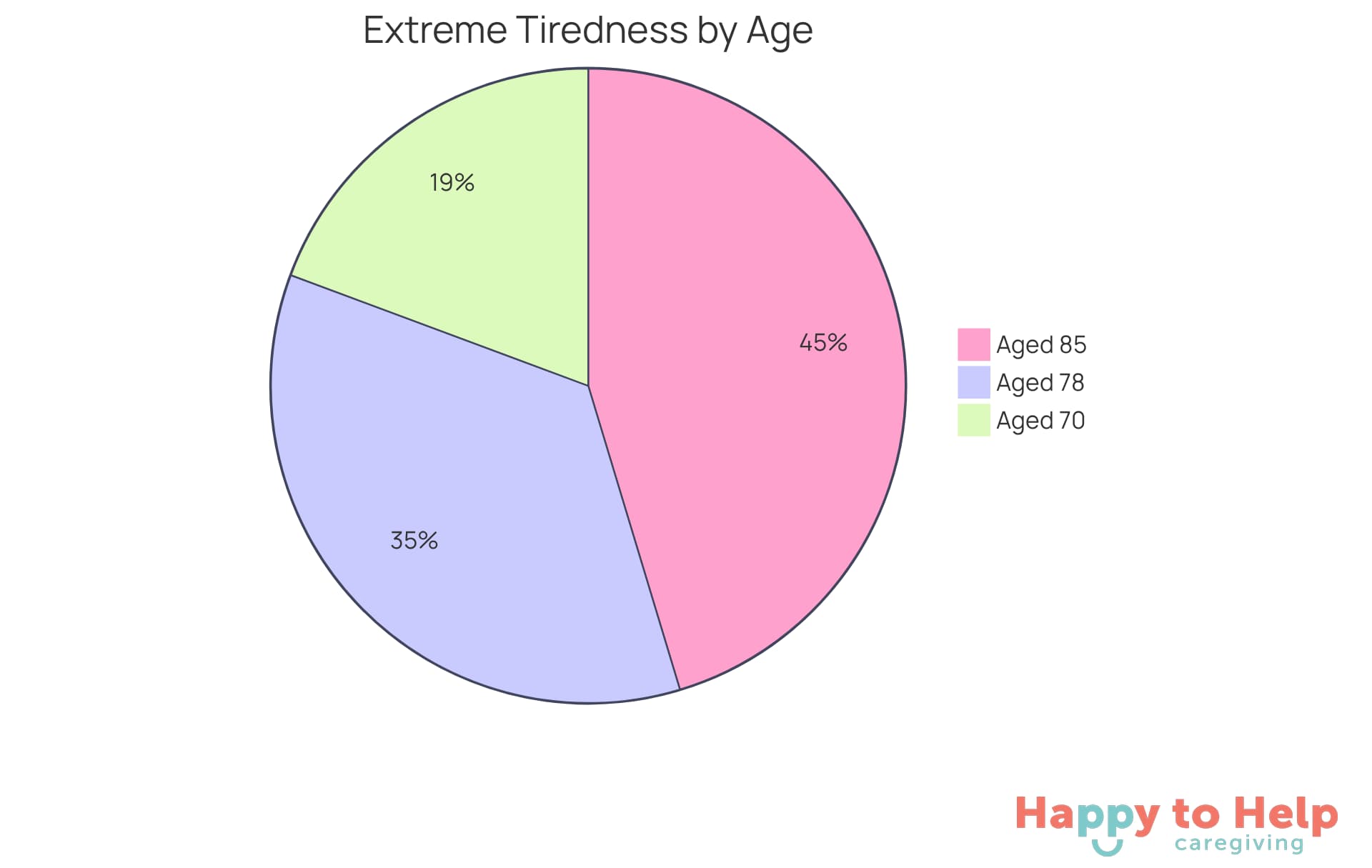
Research indicates that tiredness is prevalent among older individuals. Studies reveal that about 42.6% of older adults experience this issue, with the occurrence increasing with age:
- 29% of those aged 70
- 53% of those aged 78
- 68% of those aged 85
Understanding what causes extreme tiredness in the elderly is vital for timely medical intervention, as sudden extreme tiredness can signal serious health problems such as cardiovascular issues, infections, or severe anemia.
Geriatric experts emphasize the importance of addressing severe tiredness promptly. It can significantly impact the quality of life and daily activities of older adults. Caregivers should be vigilant in identifying these symptoms and seeking appropriate care. By doing so, they can help preserve wellness and mobility, ultimately enhancing the well-being of elderly individuals.
Exploring Causes of Extreme Tiredness
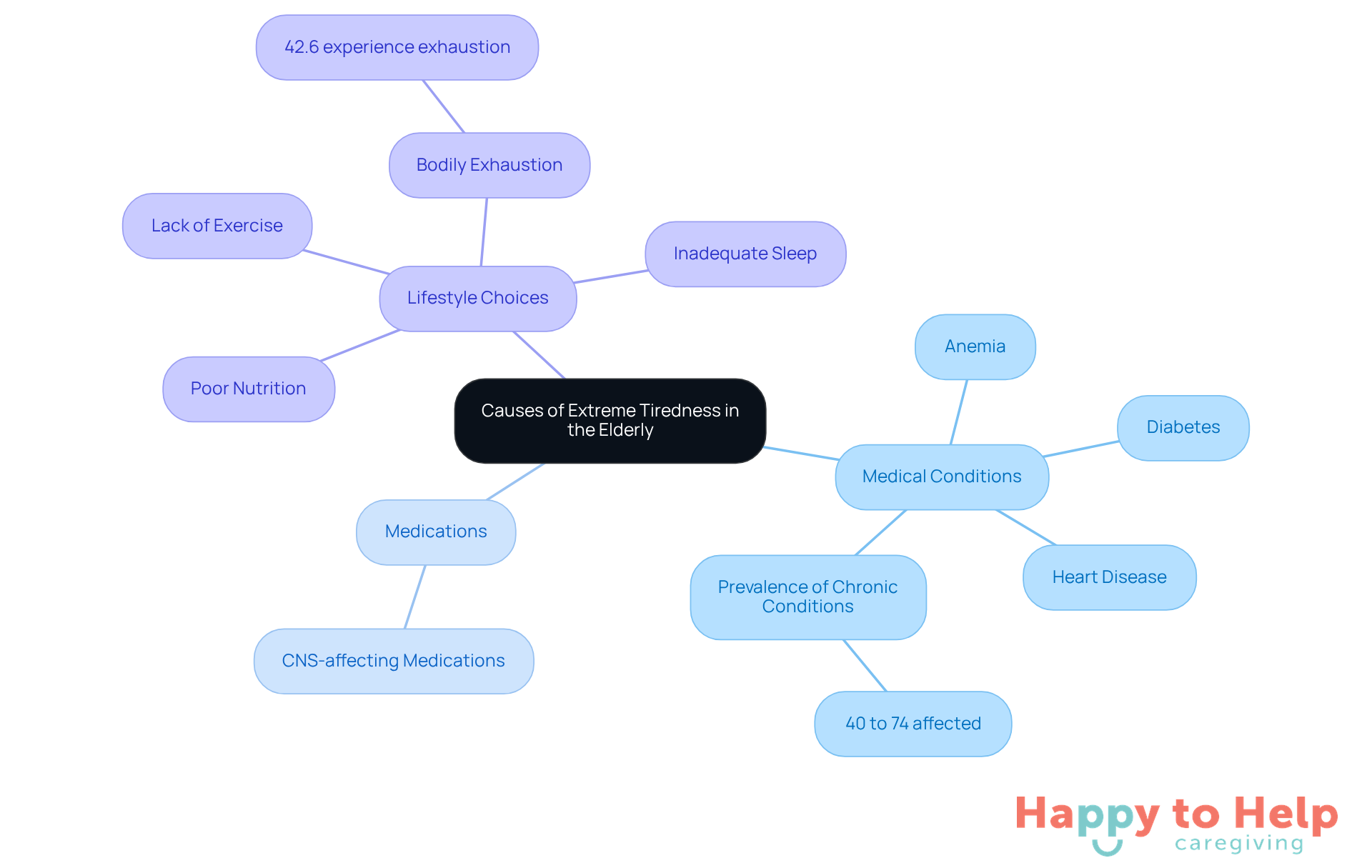
What causes extreme tiredness in the elderly is a significant issue that can stem from various factors, primarily medical conditions, medications, and lifestyle choices. Chronic ailments such as heart disease, diabetes, and anemia are often linked to what causes extreme tiredness in the elderly, affecting approximately 40% to 74% of elderly individuals with these conditions. Additionally, mental health issues like depression and anxiety contribute to what causes extreme tiredness in the elderly, with studies showing that around 14% of adults over 60 live with a mental health condition that can worsen feelings of fatigue.
Medications, particularly those affecting the central nervous system, often contribute to what causes extreme tiredness in the elderly as a side effect. Poor nutrition, lack of exercise, and inadequate sleep are lifestyle factors that contribute to what causes extreme tiredness in the elderly, further exacerbating the situation. Research indicates that about 42.6% of seniors experience bodily exhaustion, highlighting the importance of understanding what causes extreme tiredness in the elderly to develop effective management strategies.
To improve the quality of life and overall well-being of seniors, caregivers must address these factors. It is crucial to discuss what causes extreme tiredness in the elderly with a doctor, as tiredness can signal underlying health issues that need attention. Implementing strategies such as regular exercise and maintaining a balanced diet can significantly help manage tiredness.
In summary, recognizing the multifaceted nature of tiredness in the elderly allows caregivers to take proactive steps in enhancing their loved ones' health and vitality.
Impact of Extreme Tiredness on Quality of Life
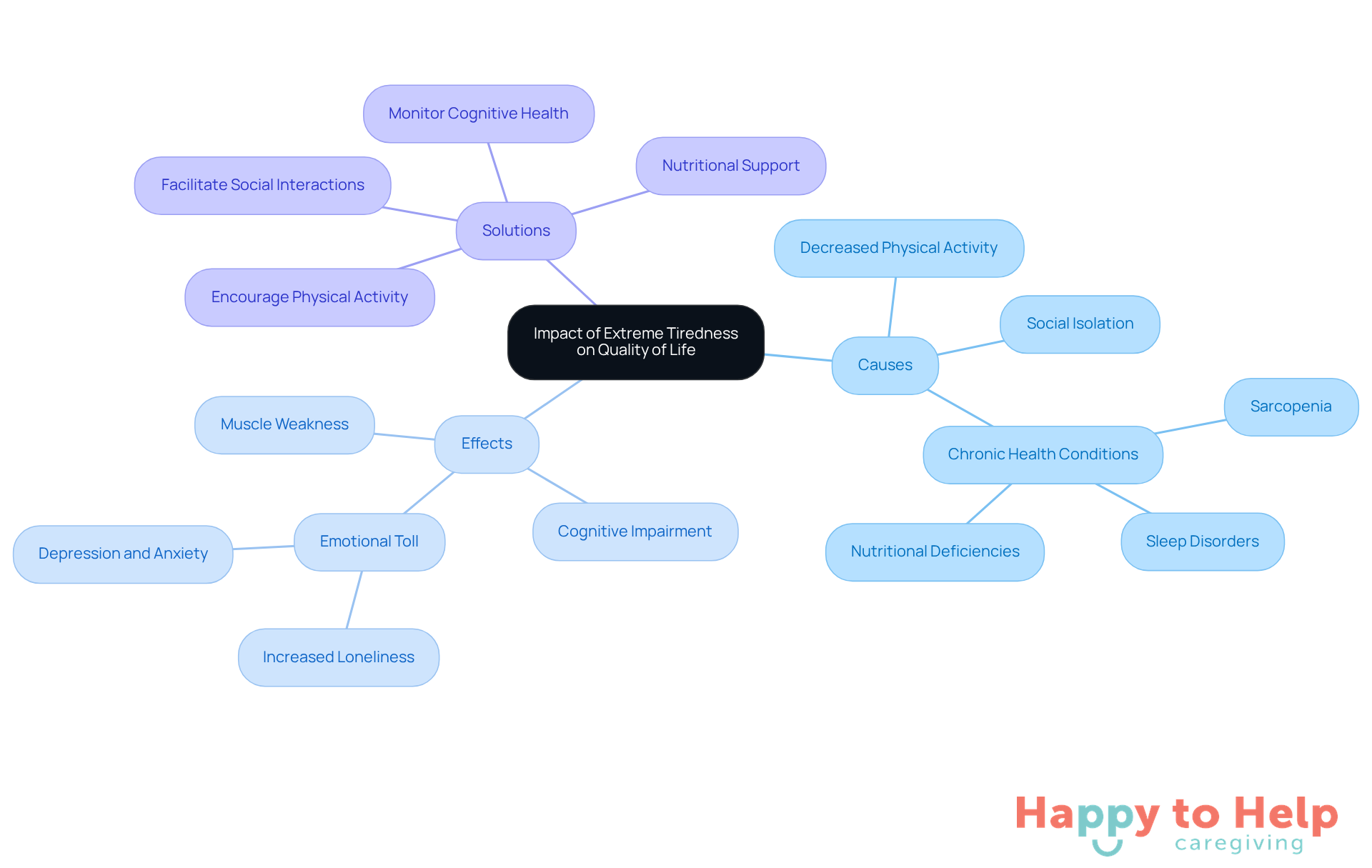
Understanding what causes extreme tiredness in the elderly is essential, as it is a significant problem that severely diminishes their quality of life. This condition often leads to a decrease in physical activity, which contributes to what causes extreme tiredness in the elderly, resulting in muscle weakness and exacerbating feelings of fatigue. Consequently, a harmful cycle emerges, where exhaustion prompts seniors to withdraw from activities they once enjoyed, increasing their risk of social isolation.
Social isolation can further intensify feelings of loneliness and depression, as emotional health heavily relies on social engagement. Moreover, tiredness can impair cognitive functions, affecting memory and decision-making skills, which are vital for maintaining independence. The emotional toll of what causes extreme tiredness in the elderly is profound, often resulting in increased frustration, sadness, or anxiety.
For caregivers, recognizing these interconnected effects is essential. Here are some actionable solutions to consider:
- Encourage regular physical activity tailored to the individual's abilities to combat muscle weakness and fatigue.
- Facilitate social interactions by organizing group activities or encouraging participation in community events.
- Monitor cognitive health and provide mental stimulation through games or discussions to enhance memory and decision-making skills.
By addressing both the physical and emotional needs of older adults, caregivers can offer comprehensive support that improves their clients' overall well-being.
Managing Extreme Tiredness: Caregiver Strategies
Managing what causes extreme tiredness in the elderly presents a significant challenge for caregivers. Addressing what causes extreme tiredness in the elderly is essential, as this fatigue can lead to decreased quality of life and increased dependency on others.
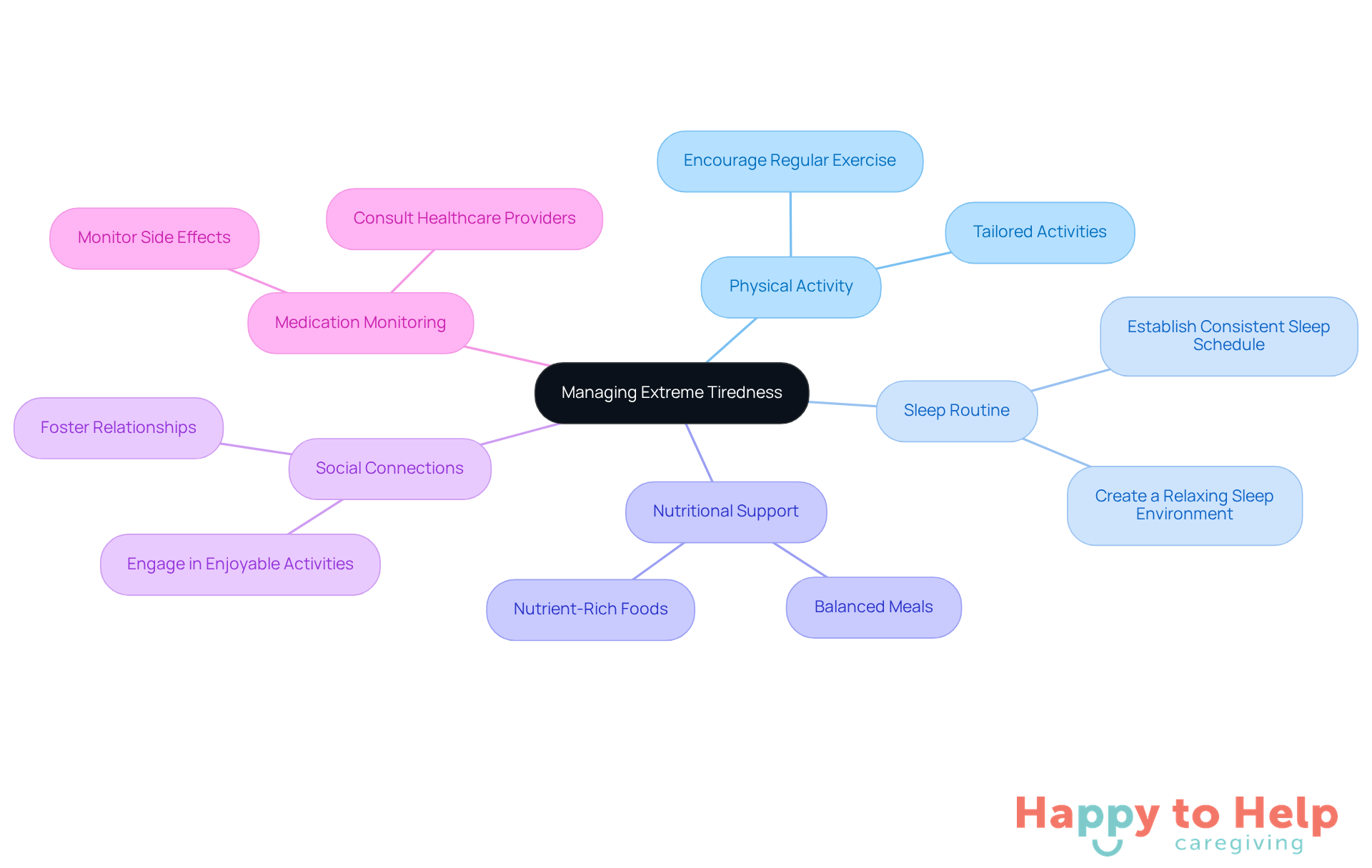
To combat this problem, caregivers can implement several strategies:
- Encouraging regular physical activity, tailored to the individual's abilities, can improve energy levels and overall health.
- Establishing a consistent sleep routine is crucial, as quality sleep can significantly reduce feelings of tiredness.
- Nutritional support is also vital; caregivers should ensure that seniors receive balanced meals rich in essential nutrients.
- Fostering social connections and engaging in enjoyable activities can combat feelings of isolation and enhance emotional well-being.
- Caregivers should monitor medication side effects and consult healthcare providers to adjust treatments as necessary.
By taking these steps, caregivers can help alleviate fatigue and improve the overall well-being of the elderly.
Making the Right Choice
Extreme tiredness in the elderly presents a significant problem that requires careful attention from caregivers and family members. This condition, which extends beyond typical fatigue, can severely impact the health and quality of life of older adults. Recognizing the signs of severe exhaustion is crucial, as it often indicates underlying medical conditions that need prompt intervention.
Several key factors contribute to extreme tiredness in seniors, including chronic health issues, medication side effects, and lifestyle choices. With a substantial percentage of older adults experiencing fatigue, it is imperative for caregivers to understand these causes and take proactive steps to address them.
Solutions for Caregivers:
- Foster physical activity.
- Ensure proper nutrition.
- Encourage social engagement.
By implementing these strategies, caregivers can mitigate the adverse effects of tiredness and enhance the overall well-being of the elderly.
The impact of extreme tiredness extends beyond physical health; it also affects emotional and cognitive functions. Addressing this multifaceted challenge is vital for maintaining the independence and quality of life of older adults. Caregivers are encouraged to remain vigilant in monitoring their loved ones' health, ensuring they receive the necessary support to thrive in their later years.
https://iframe.tely.ai/cta/eyJhcnRpY2xlX2lkIjogIjY5MjY0MzY0YmE1MjYxOTlhNjlhODMwYiIsICJjb21wYW55X2lkIjogIjY4ZWU1ZGNhNzMxNzYyNTU3ZjNjOTVjMSIsICJpbmRleCI6IG51bGwsICJ0eXBlIjogImFydGljbGUifQ==Frequently Asked Questions
What is extreme tiredness in the elderly?
Extreme tiredness, often referred to as exhaustion, is a continual feeling of weariness, lack of energy, and diminished motivation that does not improve with rest, differing from typical tiredness which is usually short-term.
How common is extreme tiredness among older adults?
Research indicates that extreme tiredness is prevalent among older individuals, with about 42.6% experiencing this issue. The occurrence increases with age: 29% of those aged 70, 53% of those aged 78, and 68% of those aged 85.
What are the potential causes of extreme tiredness in the elderly?
Extreme tiredness can signal serious underlying medical concerns such as cardiovascular issues, infections, or severe anemia.
Why is it important to address extreme tiredness in the elderly?
Addressing severe tiredness promptly is crucial because it can significantly impact the quality of life and daily activities of older adults, and can indicate serious health problems that require timely medical intervention.
What should caregivers do if they notice extreme tiredness in elderly individuals?
Caregivers should be vigilant in identifying symptoms of extreme tiredness and seek appropriate medical care to help preserve the wellness and mobility of elderly individuals, ultimately enhancing their well-being.
List of Sources
- Defining Extreme Tiredness in the Elderly
- Fatigue is common among older adults, and it has many possible causes (https://news-medical.net/news/20230404/Fatigue-is-common-among-older-adults-and-it-has-many-possible-causes.aspx)
- Fatigue is common among older adults, and it has many possible causes • Oregon Capital Chronicle (https://oregoncapitalchronicle.com/2023/04/17/fatigue-is-common-among-older-adults-and-it-has-many-possible-causes)
- What Causes Sudden Extreme Fatigue In Older Adults? | Home Instead (https://homeinstead.co.uk/care/specialist/sudden-extreme-fatigue)
- Prevalence of fatigue and perceived fatigability in older adults: a systematic review and meta-analysis - Scientific Reports (https://nature.com/articles/s41598-025-88961-x)
- Exploring Causes of Extreme Tiredness
- Fatigue is common among older adults, and it has many possible causes (https://news-medical.net/news/20230404/Fatigue-is-common-among-older-adults-and-it-has-many-possible-causes.aspx)
- Fatigue is common among older adults, and it has many possible causes • Oregon Capital Chronicle (https://oregoncapitalchronicle.com/2023/04/17/fatigue-is-common-among-older-adults-and-it-has-many-possible-causes)
- Fatigue in Older Adults (https://nia.nih.gov/health/fatigue/fatigue-older-adults)
- Feeling tired in older age (https://medicalnewstoday.com/articles/what-causes-sudden-extreme-fatigue-in-elderly)
- Prevalence of fatigue and perceived fatigability in older adults: a systematic review and meta-analysis - Scientific Reports (https://nature.com/articles/s41598-025-88961-x)
- Impact of Extreme Tiredness on Quality of Life
- Chronic Illness Quotes: From Inner Strength to Laughter - Mission:Cure (https://mission-cure.org/chronic-illness-quotes-from-inner-strength-to-laughter)
- Sudden Fatigue in Seniors: Common Causes and Warning Signs (https://aplaceathome.com/palmetto-fl/extreme-sudden-fatigue-in-seniors)
- Famous Quotes on Sleep and Well-Being - Center for the Advancement of Well-Being (https://wellbeing.gmu.edu/famous-quotes-on-sleep-and-well-being)
- Treating Fatigue is Key to Maximizing Health as You Age (https://kansashealthsystem.com/news-room/blog/2023/09/treating-fatigue-is-key-to-maximizing-health-as-you-age)
- Prevalence of fatigue and perceived fatigability in older adults: a systematic review and meta-analysis - Scientific Reports (https://nature.com/articles/s41598-025-88961-x)
- Managing Extreme Tiredness: Caregiver Strategies
- 27 Inspirational Quotes for Caregivers (https://ultimatecareny.com/resources/27-quotes-for-caregivers)
- Exercise helps retired adults combat mental fatigue (https://news-medical.net/news/20250403/Exercise-helps-retired-adults-combat-mental-fatigue.aspx)
- Prevalence of fatigue and perceived fatigability in older adults: a systematic review and meta-analysis - Scientific Reports (https://nature.com/articles/s41598-025-88961-x)
- (https://belleviecare.co.uk/support-advice/60-elderly-care-quotes-to-lift-your-spirits)