What Causes Hallucinations in the Elderly? Understanding Key
For families in our service areas
For families in our service areas, this guide explains caregiving and how non-medical in-home caregiving can support care planning in East Idaho, Treasure Valley & Magic Valley, Northern Wasatch, North Central West Virginia, and Northeast Ohio.
What You Need to Know About What Causes Hallucinations in the
Understanding the complexities of hallucinations in the elderly presents a significant challenge for caregivers. These sensory perceptions can lead to confusion and anxiety, severely impacting the quality of life for older adults and their families.
What factors contribute to these unsettling episodes? Hallucinations can stem from various causes, including medication side effects, underlying health conditions, or even dehydration. The implications are profound, as they can lead to increased distress for both the elderly and their caregivers.
To effectively manage these experiences, caregivers need practical strategies. Here are some actionable tips:
- Stay Calm: Your demeanor can influence the elderly person's response to hallucinations.
- Validate Feelings: Acknowledge their experiences without reinforcing the hallucination.
- Create a Safe Environment: Ensure the surroundings are familiar and comforting.
By exploring the causes and implications of hallucinations, caregivers can gain critical insights that empower them to provide better support. This understanding not only improves the well-being of seniors facing this issue but also enhances the overall caregiving experience.
Define Hallucinations in the Elderly
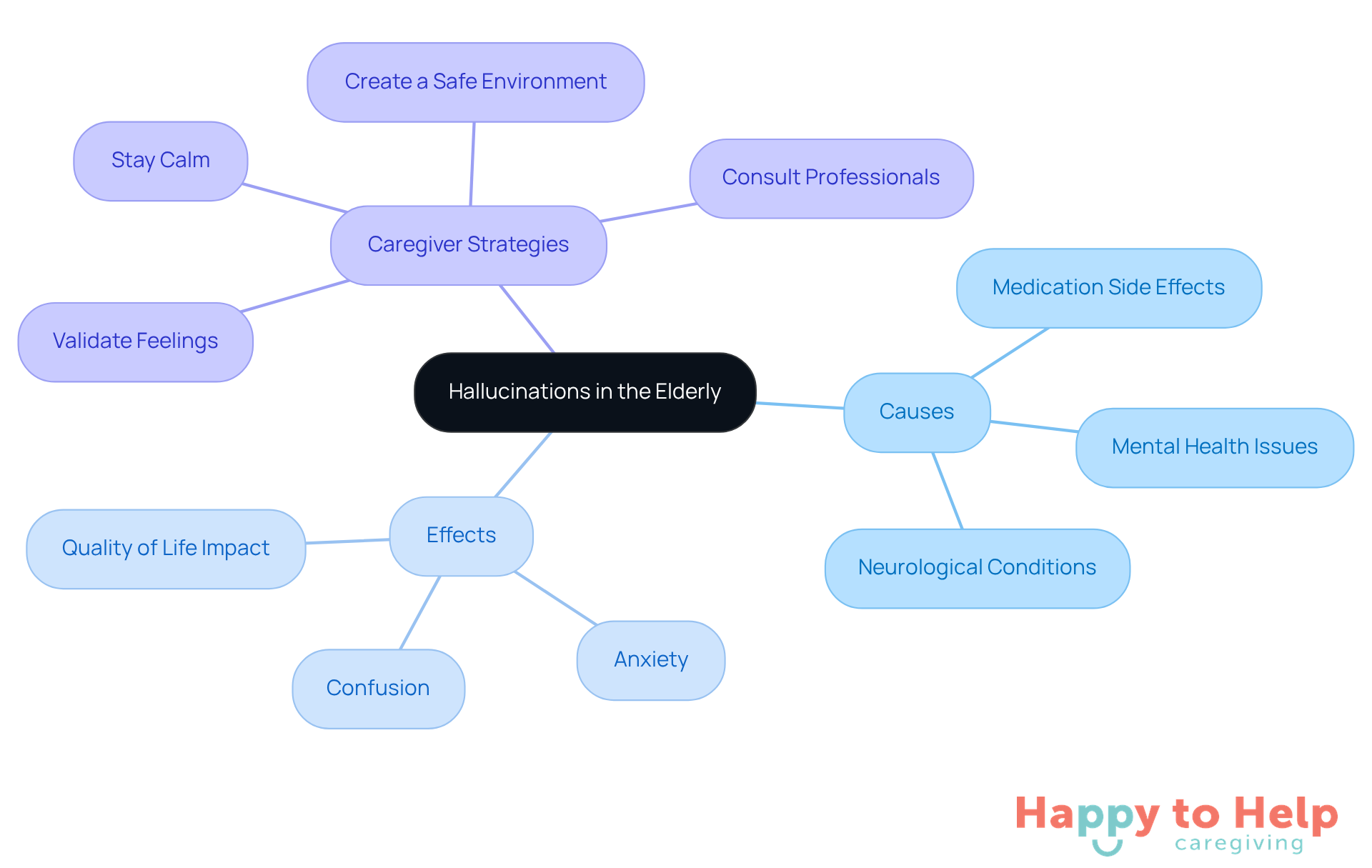
Understanding what causes hallucinations in the elderly presents a significant challenge for caregivers. These sensory experiences, which can involve sight, sound, smell, taste, or touch, often lead to confusion and anxiety. For example, an elderly person might see people or objects that aren't there, hear voices, or feel sensations without any physical source. This can be particularly distressing, impacting their quality of life and complicating the caregiving process.
Understanding hallucinations is crucial for caregivers. They can create a sense of fear and uncertainty for older adults, making it essential to address these symptoms effectively. Caregivers should be aware of what causes hallucinations in the elderly, since these experiences are not uncommon and can arise from various factors such as medication side effects, mental health issues, or neurological conditions.
To support seniors experiencing hallucinations, caregivers can implement several practical strategies:
- Stay Calm: Responding with patience and understanding can help alleviate anxiety.
- Validate Feelings: Acknowledge the person's experiences without dismissing them, which can foster trust.
- Create a Safe Environment: Ensure the surroundings are familiar and comforting to reduce confusion.
- Consult Professionals: Engage healthcare providers for tailored advice and potential treatment options.
By recognizing the signs and understanding the implications of hallucinations, caregivers can significantly improve the well-being of elderly individuals facing these challenges.
Explore Causes of Hallucinations in Older Adults
Caregivers face a significant challenge in understanding what causes hallucinations in the elderly. These experiences can stem from various causes, each requiring careful attention and understanding.
-
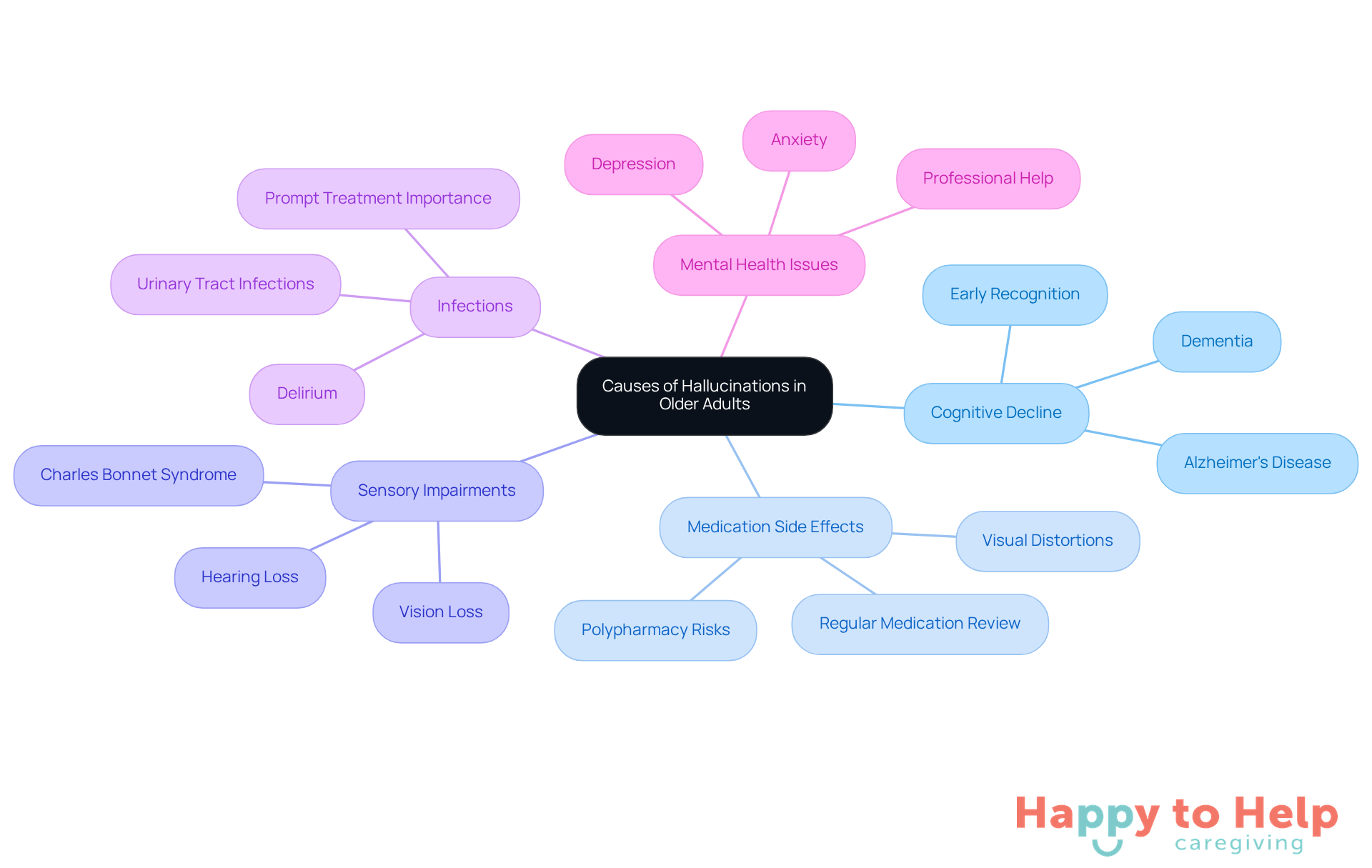
Cognitive Decline: Conditions like dementia and Alzheimer's disease often lead to confusion and altered perceptions, making it crucial for caregivers to recognize these signs early.
-
Medication Side Effects: Many elderly individuals take multiple medications, which can interact and cause visual distortions. Caregivers should regularly review medication regimens with healthcare providers to mitigate these risks.
-
Sensory Impairments: Vision or hearing loss can lead to conditions such as Charles Bonnet syndrome, where individuals experience visual distortions due to impaired sensory input. Ensuring regular check-ups for sensory health can help address these issues.
-
Infections: Urinary tract infections and other ailments can result in delirium, which may involve visual or auditory disturbances. Prompt treatment of infections is essential to prevent further complications.
-
Mental Health Issues: Depression, anxiety, and other mental health conditions can also manifest as hallucinations. Caregivers should be vigilant and seek professional help when necessary.
It is vital to understand what causes hallucinations in the elderly to provide suitable support and interventions. By recognizing the signs and seeking appropriate solutions, caregivers can significantly improve the quality of life for older adults experiencing hallucinations.
Discuss Implications of Hallucinations for Caregivers and Families
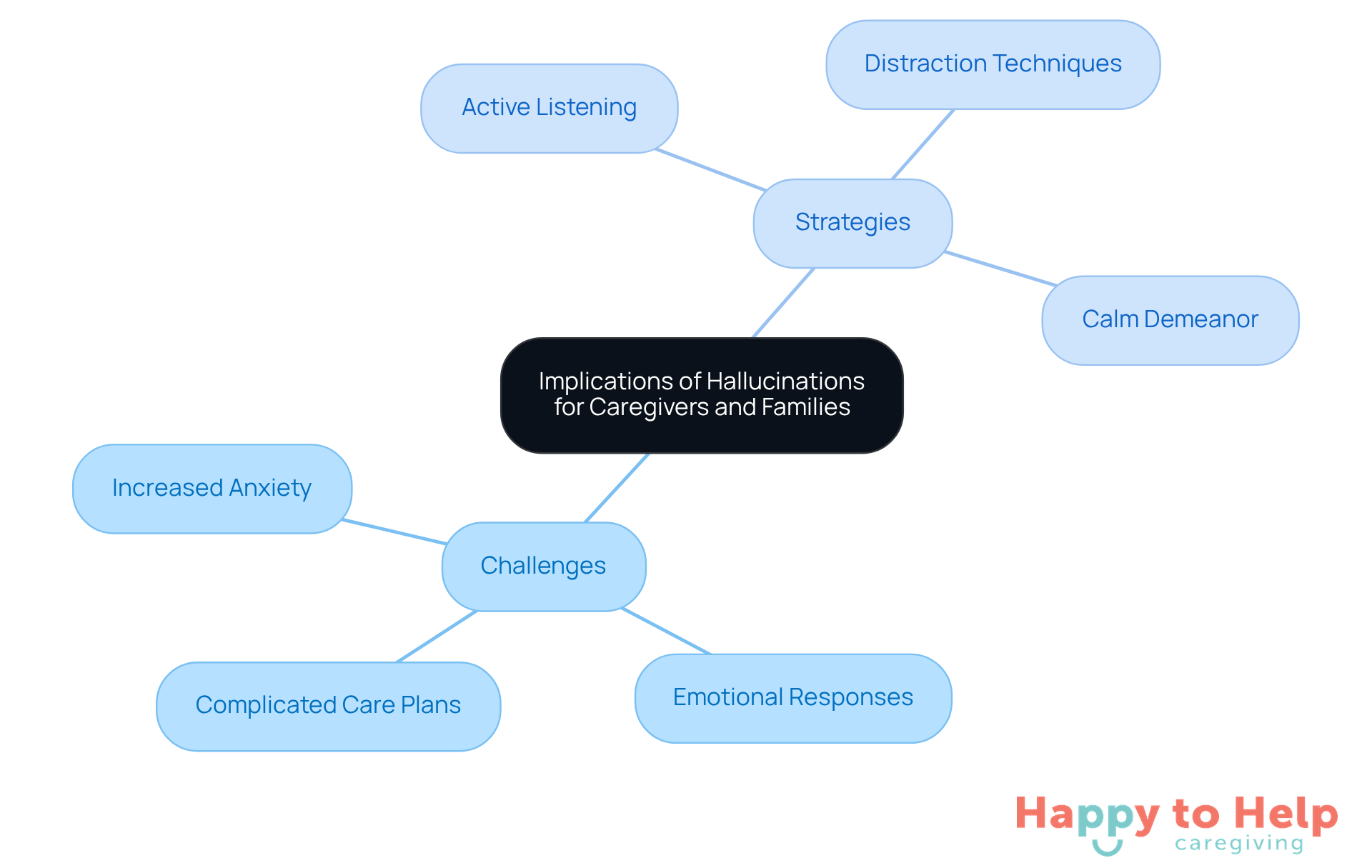
Hallucinations present a significant challenge for caregivers and families. They can lead to increased anxiety and stress for both the individual experiencing these episodes and their loved ones. Caregivers often find themselves in tough situations, needing to provide reassurance and comfort while managing their own emotional responses.
This situation can complicate care plans, as delusions may require adjustments to ensure the safety and comfort of the individual. Effective communication becomes essential; caregivers must recognize the feelings of the person while gently redirecting their focus away from the hallucination. This approach not only acknowledges their experience but also fosters a supportive environment, which can help alleviate some of the distress associated with these episodes.
To navigate these challenges, caregivers can implement several strategies:
- Practice active listening to validate feelings.
- Use distraction techniques to shift focus from the hallucination.
- Maintain a calm demeanor to provide a sense of security.
By employing these methods, caregivers can create a more manageable and supportive atmosphere for both themselves and the individuals they care for.
Outline Management Strategies for Hallucinations in the Elderly
Understanding what causes hallucinations in the elderly presents a significant challenge for caregivers. The confusion, anxiety, and emotional distress experienced by individuals can be linked to what causes hallucinations in the elderly, affecting both them and their supporters. To effectively address this issue, caregivers can implement several key strategies that foster a calm and supportive environment.
-
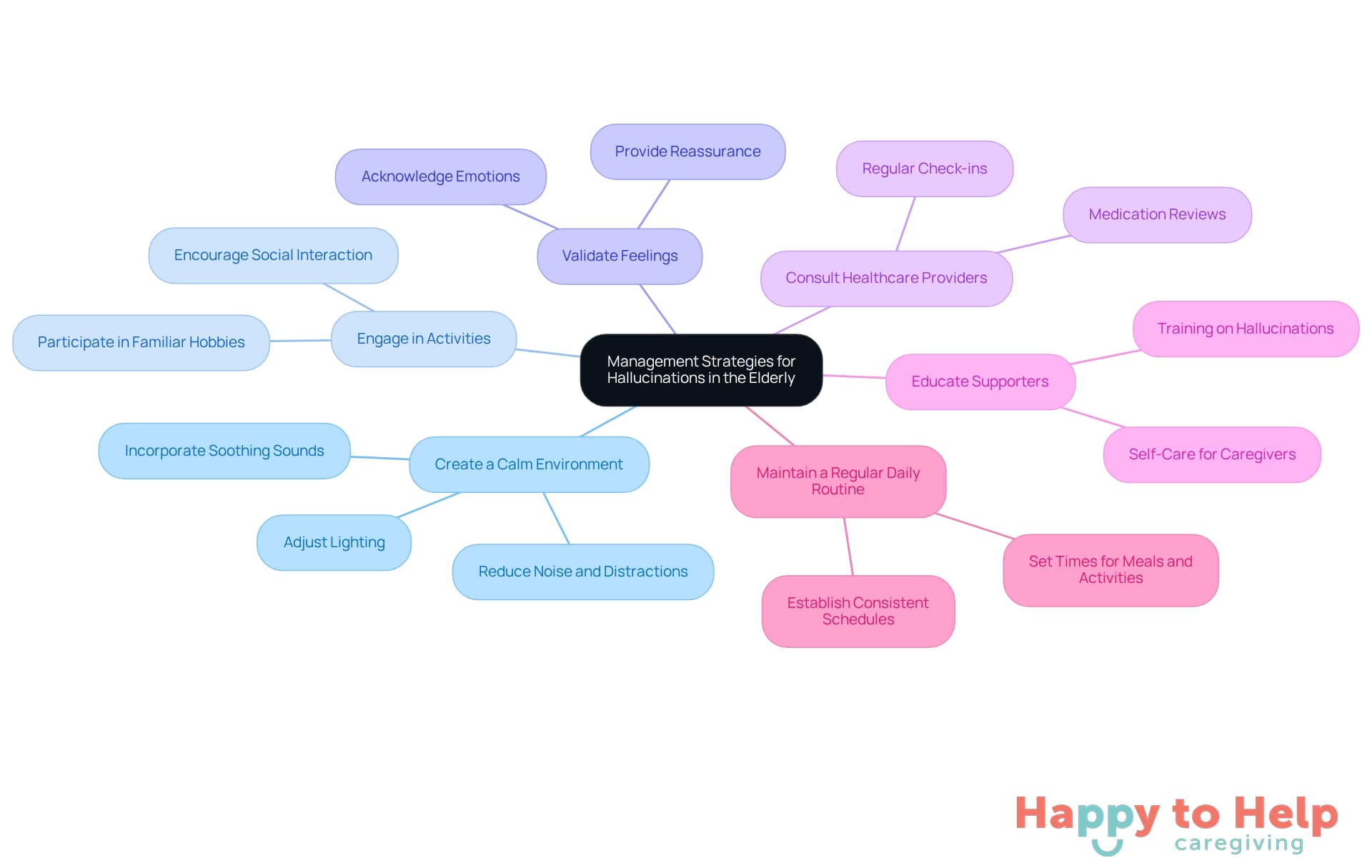
Create a Calm Environment: Reducing noise and distractions is essential to minimize confusion and anxiety. A serene environment can greatly improve emotional health, as research shows that a calm setting aids in alleviating stress and encourages relaxation for older adults, helping to address what causes hallucinations in the elderly. Incorporating soft, soothing music or nature sounds can further enhance this calming environment, providing comfort and reducing agitation.
-
Engage in Activities: Encouraging participation in enjoyable activities can redirect focus and alleviate the severity of distorted perceptions. Engaging seniors in familiar tasks or hobbies not only distracts them but also helps to explore what causes hallucinations in the elderly, fostering a sense of accomplishment and joy.
-
Validate Feelings: Recognizing a person's emotions without supporting the delusion is essential. For instance, saying, 'I understand that you feel scared; I'm here with you,' can provide comfort and reassurance, helping to alleviate distress.
-
Consult Healthcare Providers: Regular check-ins with healthcare professionals are vital for monitoring the individual's condition. These consultations can aid in modifying medications or exploring alternative treatments if symptoms continue, ensuring that care remains effective and responsive.
-
Educate Supporters: Offering training and resources for supporters enables them to react effectively to sensory experiences. Understanding what causes hallucinations in the elderly and their characteristics allows supporters to create a supportive environment that enhances the quality of life for both the elderly person and themselves. Additionally, caregivers should prioritize their own well-being to prevent burnout, ensuring they can provide the best support possible.
-
Maintain a Regular Daily Routine: Establishing a consistent daily routine can provide stability and predictability for seniors experiencing altered perceptions, further reducing anxiety and confusion.
Implementing these strategies can significantly improve the overall caregiving experience, fostering a supportive environment that promotes emotional stability and well-being for seniors while addressing what causes hallucinations in the elderly.
Key Takeaways for Caregivers
Understanding the causes of hallucinations in the elderly presents a significant challenge for caregivers. These sensory experiences can lead to confusion, anxiety, and emotional distress, profoundly affecting the quality of life for older adults. Recognizing these underlying factors is crucial for caregivers to provide effective support.
Hallucinations in seniors can arise from various sources, including:
- Cognitive decline
- Medication side effects
- Sensory impairments
- Infections
- Mental health issues
Caregivers must identify these causes and respond with patience and understanding. Strategies such as creating a calming environment, validating feelings, engaging in enjoyable activities, and consulting healthcare professionals can significantly enhance the well-being of elderly individuals facing these challenges.
Addressing hallucinations is not merely about managing symptoms; it’s about improving the overall caregiving experience for both the individual and their supporters. By fostering a supportive atmosphere and prioritizing education and communication, caregivers can navigate the complexities of hallucinations. This proactive approach ensures that seniors feel safe, understood, and cared for, ultimately empowering caregivers to thrive in their vital roles.
https://iframe.tely.ai/cta/eyJhcnRpY2xlX2lkIjogIjY5M2Y1MGEzNjk1NDdlMzRlNWE0ZWU3MiIsICJjb21wYW55X2lkIjogIjY4ZWU1ZGNhNzMxNzYyNTU3ZjNjOTVjMSIsICJpbmRleCI6IG51bGwsICJ0eXBlIjogImFydGljbGUifQ==Frequently Asked Questions
What are hallucinations in the elderly?
Hallucinations in the elderly are sensory experiences that can involve sight, sound, smell, taste, or touch, leading to confusion and anxiety. For instance, an elderly person might see non-existent people or objects, hear voices, or feel sensations without any physical source.
Why is it important for caregivers to understand hallucinations in the elderly?
Understanding hallucinations is crucial for caregivers because these experiences can create fear and uncertainty for older adults. Addressing these symptoms effectively is essential to improve the quality of life for those affected and to facilitate the caregiving process.
What causes hallucinations in the elderly?
Hallucinations in the elderly can arise from various factors, including medication side effects, mental health issues, or neurological conditions.
How can caregivers support seniors experiencing hallucinations?
Caregivers can support seniors by staying calm, validating their feelings, creating a safe and familiar environment, and consulting healthcare professionals for tailored advice and potential treatment options.
What practical strategies can caregivers implement when dealing with hallucinations?
Practical strategies include responding with patience and understanding, acknowledging the person's experiences without dismissing them, ensuring the environment is comforting, and engaging healthcare providers for specialized guidance.
List of Sources
- Define Hallucinations in the Elderly
- Hallucinations and dementia: Recognizing them and support tips (https://medicalnewstoday.com/articles/hallucinations-and-dementia)
- What Causes Hallucinations in Seniors? | Juniper Senior Living (https://junipercommunities.com/what-causes-hallucinations-in-seniors)
- Coping with hallucinations in a person with dementia (https://dementiauk.org/news/coping-with-hallucinations-in-a-person-with-dementia)
- Dementia-Related Hallucinations Appear To Be Worsened By Visual Impairment (https://ophthalmologyadvisor.com/news/dementia-related-hallucinations-psychosis-worsened-by-visual-impairment)
- hallucinations (https://healthcare.utah.edu/moran/news/tags/hallucinations)
- Discuss Implications of Hallucinations for Caregivers and Families
- People with Dementia and Caregivers Share the Significant Burden of Visual Hallucinations and Paranoid Delusions, New Survey Highlights (https://acadia.com/en-us/media/news-releases/people-dementia-and-caregivers-share-significant-burden-visual)
- Drug curbs delusions, eases anger in Alzheimer's patients, researchers find (https://nbcnews.com/health/aging/drug-curbs-delusions-eases-anger-alzheimer-s-patients-researchers-find-n1096281)
- How to reduce the stress when caring for someone with dementia (https://utsouthwestern.edu/newsroom/articles/year-2024/april-reduce-the-stress-dementia.html)
- People with Dementia and Caregivers Share the Significant Burden of Visual Hallucinations and Paranoid Delusions, New Survey Highlights | Acadia Pharmaceuticals Inc. (https://acadiapharm.gcs-web.com/news-releases/news-release-details/people-dementia-and-caregivers-share-significant-burden-visual)
- Outline Management Strategies for Hallucinations in the Elderly
- Calm Environment for Dementia Patients (Enhancing Emotional Support) - Loving Homecare Inc. (https://lovinghomecareinc.com/calm-environment-for-emotional-support)
- Coping with hallucinations in a person with dementia (https://dementiauk.org/news/coping-with-hallucinations-in-a-person-with-dementia)
- The Impact of a Calm Environment on Persons with Dementia (https://heartsfordementia.com/news/the-impact-of-a-calm-environment-on-persons-with-dementia)
- Katy, TX Assisted Living, Memory Care | The Legacy at Falcon Point (https://pegasusseniorliving.com/the-legacy-at-falcon-point-in-katy/blog/2024/05/29/how-to-deal-with-hallucinations-in-seniors)
- How to Support an Elderly Person Hallucinating: Key Steps for Caregivers - Happy To Help (https://happytohelpcaregiving.com/how-to-support-an-elderly-person-hallucinating-key-steps-for-caregivers)