

For families in our service areas
For families in our service areas, this guide explains dementia care and how non-medical in-home caregiving can support care planning in East Idaho, Treasure Valley & Magic Valley, Northern Wasatch, North Central West Virginia, and Northeast Ohio.
The Importance of What Do Dementia Patients Die Of?
Understanding dementia is crucial. It not only affects cognitive function but also significantly influences the overall health and well-being of those diagnosed. As the prevalence of dementia rises, caregivers face the daunting task of navigating the complexities associated with this condition, particularly regarding the causes of death in dementia patients.
The challenges are significant. Caregivers often struggle to comprehend the various health complications that can arise from dementia. These complications can lead to increased mortality rates, leaving caregivers feeling overwhelmed and uncertain about how to manage these risks effectively.
So, what can caregivers do? First, it’s essential to recognize the underlying factors contributing to mortality in dementia patients. By understanding these risks, caregivers can proactively address them. Here are some actionable strategies:
- Stay informed: Regularly update your knowledge about dementia and its complications.
- Communicate effectively: Engage with healthcare professionals to discuss concerns and treatment options.
- Implement care plans: Develop personalized care plans that address the specific needs of the patient.
By taking these steps, caregivers can enhance the quality of life for those affected by dementia, ensuring they receive the best possible support.
Define Dementia: Understanding the Condition
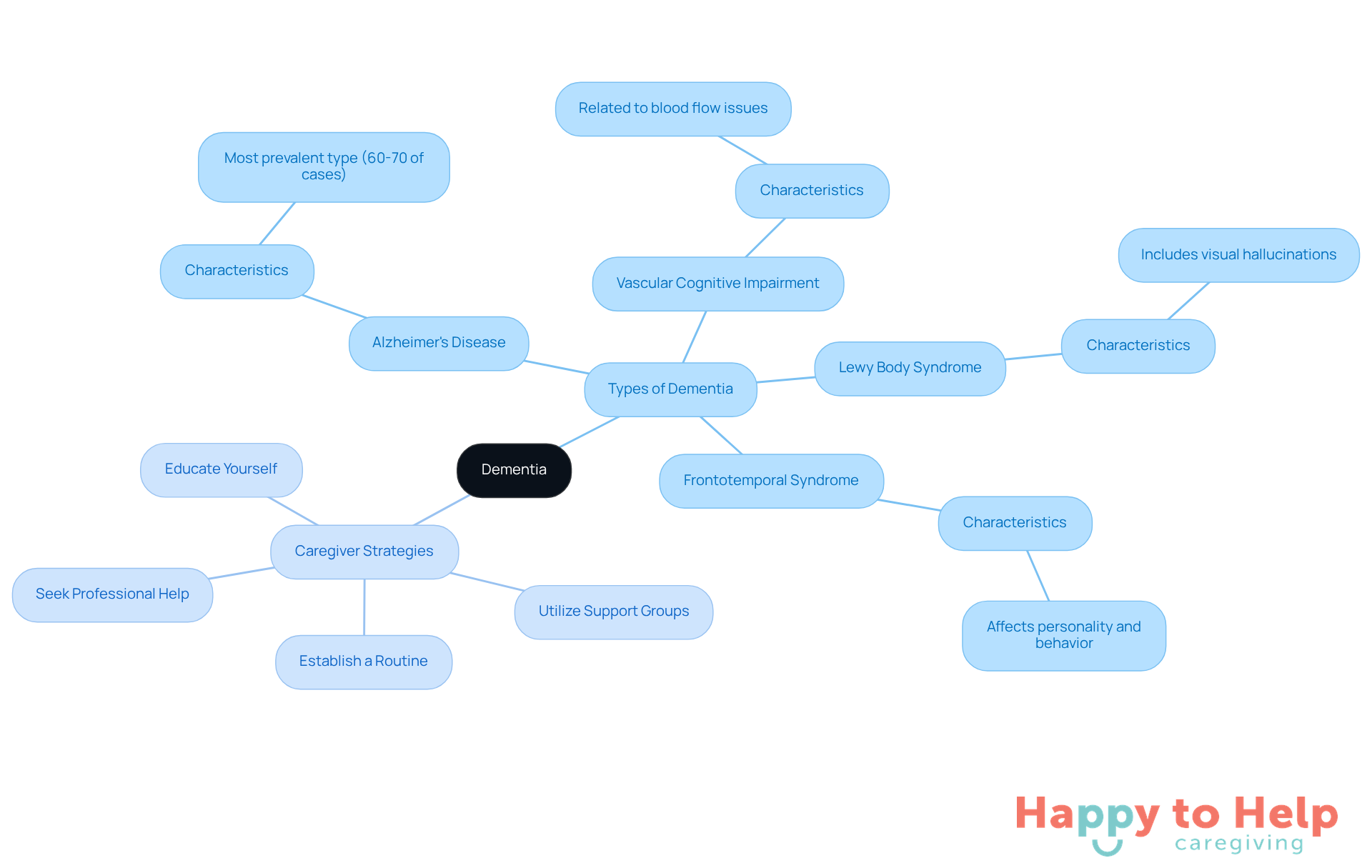
Dementia presents a significant problem, encompassing various neurological conditions that lead to a marked decline in cognitive function. This decline severely impacts daily life, affecting memory, thinking, and social abilities, making it increasingly difficult for individuals to perform everyday tasks.
Alzheimer's disease, accounting for 60-70% of cognitive decline cases, is the most prevalent type. Other forms include vascular cognitive impairment, Lewy body syndrome, and frontotemporal syndrome, each with unique characteristics and care implications. Understanding these variations is essential, as cognitive decline not only affects those diagnosed but also profoundly impacts their families and caregivers.
To address these challenges, caregivers can implement a comprehensive approach to care and support. Here are some actionable solutions:
- Educate yourself about the specific type of dementia affecting your loved one.
- Establish a routine to provide structure and familiarity, which can ease anxiety for both the caregiver and the individual.
- Utilize support groups to connect with others facing similar challenges, sharing experiences and strategies.
- Seek professional help when needed, whether through counseling or respite care, to ensure you maintain your own well-being.
By grasping the complexities of dementia and employing these strategies, caregivers can better manage the associated challenges, fostering a supportive environment for both themselves and their loved ones.
Identify Causes of Death in Dementia Patients
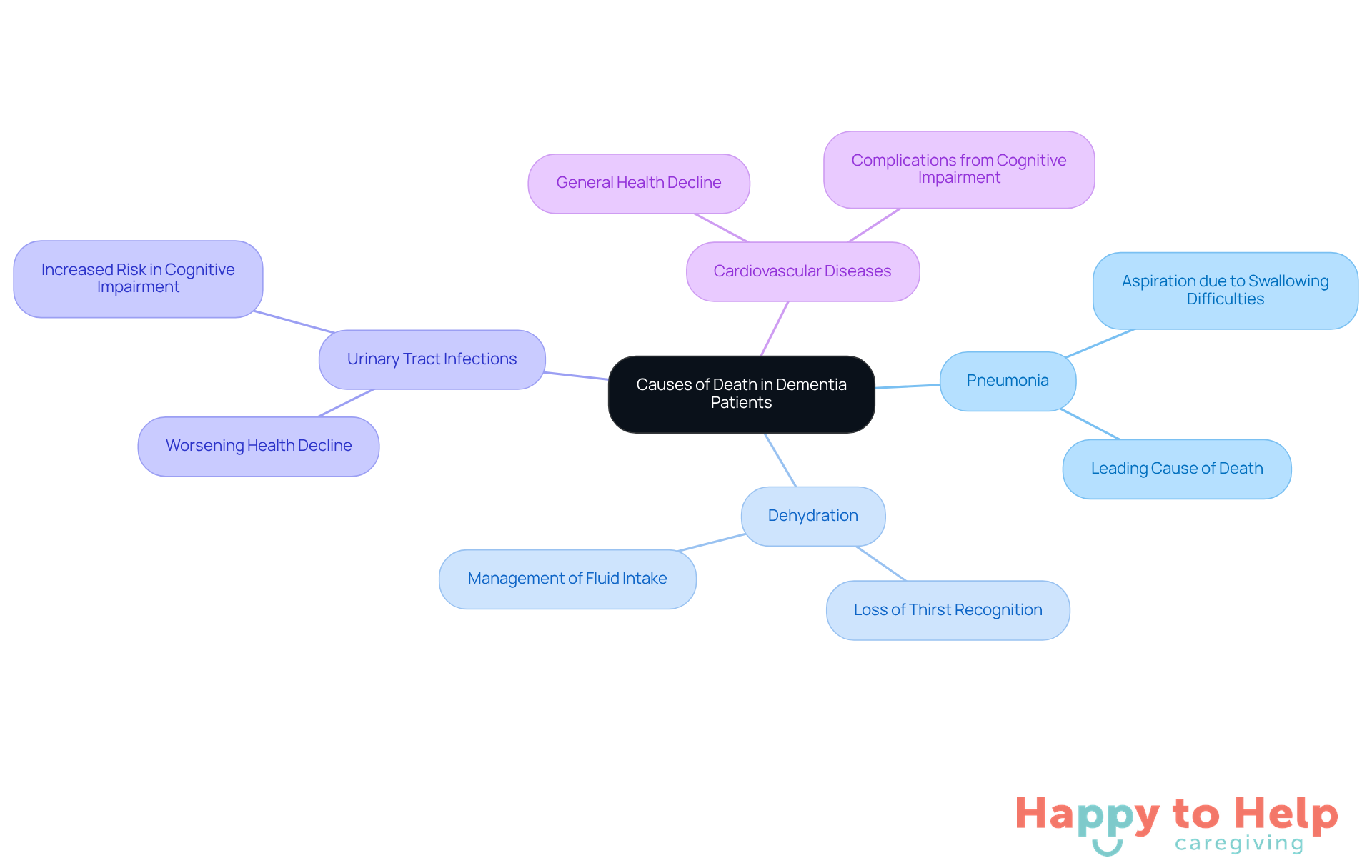
Dementia is not a direct cause of death; instead, it leads us to consider what do dementia patients die of, as it results in various complications that can be fatal. This presents a significant problem for caregivers, as understanding these complications is crucial for effective management. The most common causes of death among individuals with cognitive impairment include:
- Pneumonia: Often resulting from aspiration due to swallowing difficulties, pneumonia is frequently cited as the leading cause of death.
- Dehydration: Patients may lose the ability to recognize thirst or manage their fluid intake, leading to dehydration.
- Urinary tract infections and cardiovascular diseases: These conditions can worsen due to the general decline in health associated with cognitive impairment.
Recognizing these risks allows caregivers and families to anticipate and manage potential health crises effectively. By being aware of these complications, caregivers can take proactive steps to monitor their loved ones' health and seek timely medical intervention when necessary.
Examine Health Complications Associated with Dementia
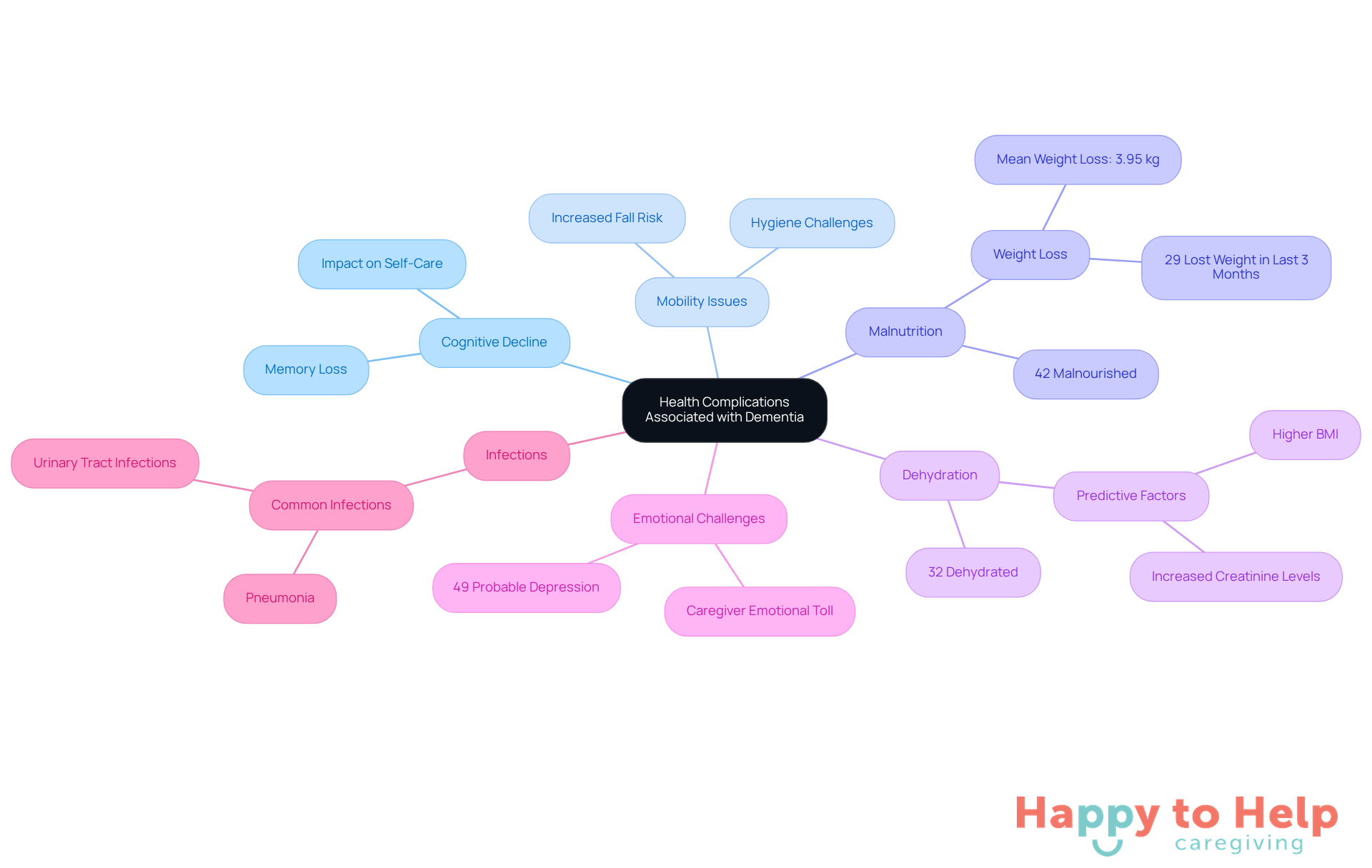
Cognitive decline presents significant challenges for individuals, often leading to various health issues that make one wonder what do dementia patients die of and adversely affect their quality of life. Mobility issues are particularly concerning, as they heighten the risk of falls, which can result in serious injuries. Alarmingly, research shows that about 32% of older hospitalized individuals with dementia are dehydrated, while 42% are malnourished. This underscores the urgent need for vigilant monitoring of these conditions. Notably, 13% of individuals exhibit both malnutrition and dehydration upon hospital admission, highlighting the interconnected nature of these issues.
The decline in cognitive function often hampers self-care abilities, making malnutrition and dehydration prevalent among this population. Caregivers frequently encounter emotional challenges as they witness changes in their loved ones' personalities and memory, complicating the management of these health concerns. Behavioral changes, such as agitation and depression, further complicate caregiving efforts, with 49% of patients showing probable depression according to the DiA-S assessment.
Due to decreased mobility and hygiene challenges, infections, particularly pneumonia and urinary tract infections, are common, leading to concerns about what do dementia patients die of. Understanding these complexities is essential for caregivers, enabling them to provide effective assistance and develop comprehensive care plans that address both the physical and emotional needs of their loved ones. As one supporter poignantly stated, "The disease might conceal the individual beneath, but there’s still a person inside who requires your love and attention." This emphasizes the importance of empathy and proactive care in navigating the challenges associated with cognitive decline.
To better identify and address malnutrition and dehydration, implementing separate screening assessments is recommended. By taking these steps, caregivers can enhance their approach to care, ensuring that they meet the diverse needs of those they support.
The Importance of Comprehensive Care Planning
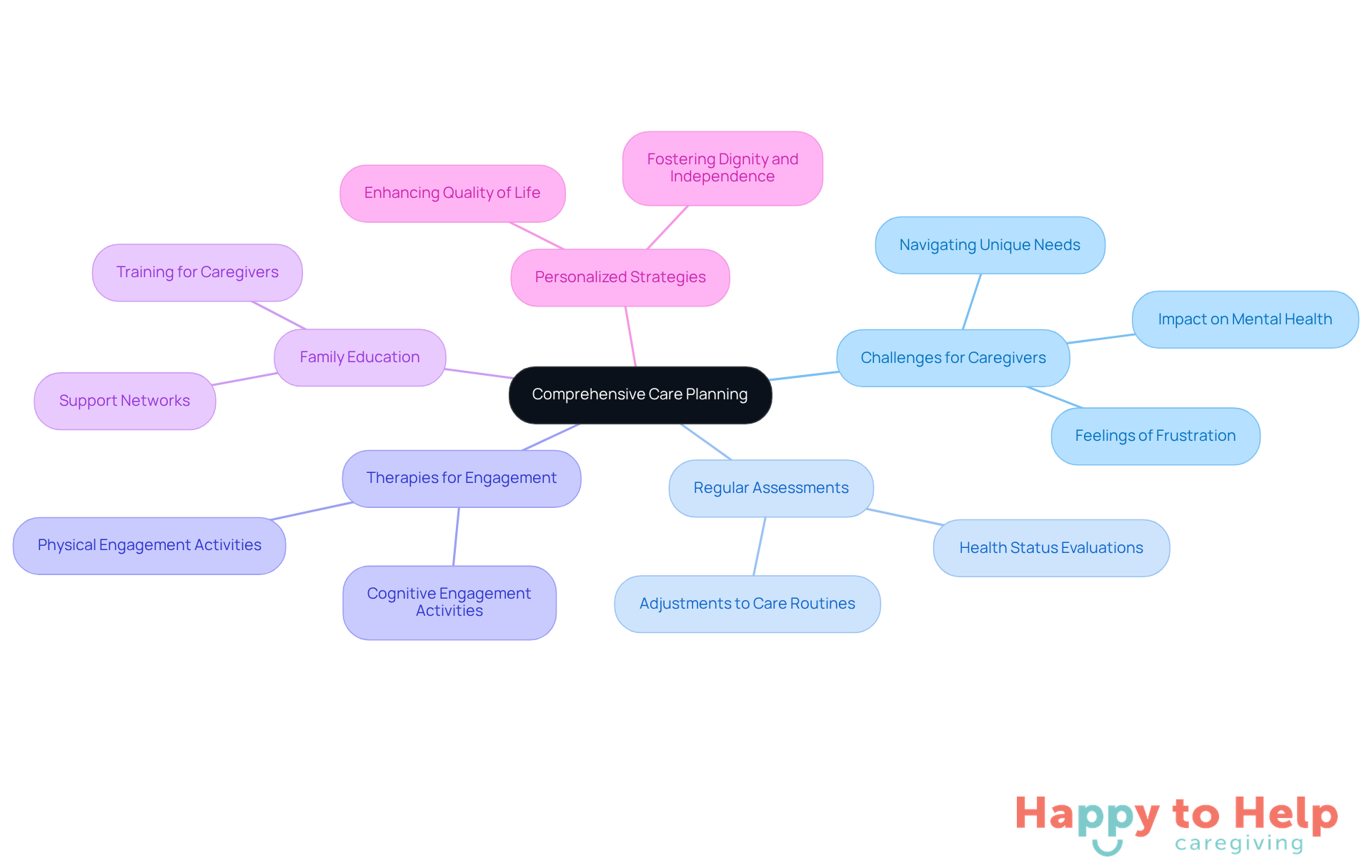
Caring for individuals with cognitive decline presents significant challenges for caregivers. The unique needs and preferences of each patient can be difficult to navigate, leading to feelings of frustration and helplessness. Without a structured approach, caregivers may struggle to provide the necessary support, which can affect both the patient’s well-being and the caregiver’s mental health.
To address these challenges, thorough care planning is essential. Regular assessments of health status and adjustments to care routines are crucial. Incorporating therapies that promote cognitive and physical engagement can also make a significant difference. Moreover, effective care plans should include family education and support, ensuring that caregivers are equipped to handle the complexities of dementia care.
By focusing on personalized care strategies, families can enhance the quality of life for their loved ones. This approach fosters a sense of dignity and independence, even in the face of cognitive decline. Implementing these solutions not only benefits the patient but also alleviates some of the burdens faced by caregivers.
Moving Forward with What Do Dementia Patients Die Of?
Understanding the complexities of dementia poses significant challenges for caregivers and families. While dementia itself is not a direct cause of death, it leads to complications that can severely affect the health and well-being of patients. Recognizing the interconnected nature of cognitive decline and health issues is essential for caregivers to effectively manage the myriad challenges that arise.
Among the prevalent causes of death in dementia patients are pneumonia, dehydration, and infections, which often result from the decline in cognitive and physical abilities. This highlights the urgent need for comprehensive care planning to address these complications. Regular health assessments and tailored strategies can enhance the quality of life for individuals with dementia. Additionally, fostering a supportive environment through education and community resources is vital for both patients and caregivers.
To improve outcomes, understanding the risks associated with dementia and implementing proactive care strategies is crucial. As the caregiving journey unfolds, it’s important to remember that empathy, awareness, and a structured approach to care can profoundly impact the experience of navigating dementia. By prioritizing comprehensive care, caregivers not only support their loved ones but also cultivate a sense of dignity and respect throughout the progression of the disease.
https://iframe.tely.ai/cta/eyJhcnRpY2xlX2lkIjogIjY5Mjc5NGRkYmE1MjYxOTlhNjlhODZhNiIsICJjb21wYW55X2lkIjogIjY4ZWU1ZGNhNzMxNzYyNTU3ZjNjOTVjMSIsICJpbmRleCI6IG51bGwsICJ0eXBlIjogImFydGljbGUifQ==Frequently Asked Questions
What is dementia?
Dementia is a group of neurological conditions that cause a significant decline in cognitive function, affecting memory, thinking, and social abilities, which makes it difficult for individuals to perform everyday tasks.
What is the most common type of dementia?
The most common type of dementia is Alzheimer's disease, which accounts for 60-70% of cognitive decline cases.
What are some other types of dementia?
Other types of dementia include vascular cognitive impairment, Lewy body syndrome, and frontotemporal syndrome, each with unique characteristics and care implications.
How does dementia impact families and caregivers?
Cognitive decline not only affects those diagnosed with dementia but also has a profound impact on their families and caregivers, creating additional challenges in daily life.
What are some strategies caregivers can use to support individuals with dementia?
Caregivers can educate themselves about the specific type of dementia, establish a routine for structure, utilize support groups, and seek professional help when needed.
Why is it important for caregivers to understand the specific type of dementia?
Understanding the specific type of dementia is essential as it helps caregivers tailor their approach to care and support, addressing the unique challenges associated with that type.
How can establishing a routine help individuals with dementia?
Establishing a routine can provide structure and familiarity, which can help ease anxiety for both the caregiver and the individual with dementia.
What role do support groups play for caregivers?
Support groups allow caregivers to connect with others facing similar challenges, enabling them to share experiences and strategies for coping with the demands of caregiving.
When should caregivers seek professional help?
Caregivers should seek professional help when needed, whether through counseling or respite care, to ensure they maintain their own well-being while caring for someone with dementia.
List of Sources
- Define Dementia: Understanding the Condition
- Mayo Clinic's AI tool identifies 9 dementia types, including Alzheimer's, with one scan - Mayo Clinic News Network (https://newsnetwork.mayoclinic.org/discussion/mayo-clinics-ai-tool-identifies-9-dementia-types-including-alzheimers-with-one-scan)
- ADI - Dementia statistics (https://alzint.org/about/dementia-facts-figures/dementia-statistics)
- ADI - Lancet Commission identifies two new risk factors for dementia and suggests 45% of cases could be delayed or reduced (https://alzint.org/news-events/news/lancet-commission-identifies-two-new-risk-factors-for-dementia-and-suggests-45-of-cases-could-be-delayed-or-reduced)
- Dementia (https://who.int/news-room/fact-sheets/detail/dementia)
- News (https://med.stanford.edu/adrc/news.html)
- Examine Health Complications Associated with Dementia
- Dehydration and Malnutrition—Similar Yet Different: Data from a Prospective Observational Study in Older Hospitalized Patients (https://mdpi.com/2072-6643/17/6/1004)
- Key factors for the assessment of mobility in advanced dementia: A consensus approach - PMC (https://pmc.ncbi.nlm.nih.gov/articles/PMC6726753)
- Top List of Inspirational Dementia Quotes for Caregivers (https://rochesterlawcenter.com/dementia-resources/dementia-quotes)
- (https://belleviecare.co.uk/support-advice/dementia-quotes-to-lift-your-spirits)
- 4 Inspiring Quotes for Caring for a Loved One With Alzheimer’s | myALZteam (https://myalzteam.com/resources/inspiring-quotes-for-caring-for-a-loved-one-with-alzheimers)