
The Importance of What Does a Geriatric Care Manager Do
Caring for elderly family members often presents a labyrinth of emotional, medical, and logistical challenges. These can overwhelm even the most dedicated caregivers, leading to stress and uncertainty.
Geriatric care managers (GCMs) emerge as essential allies in this journey. They offer tailored support that enhances the quality of life for seniors while alleviating the burden on their families. However, many caregivers remain unaware of the full spectrum of services GCMs provide, which raises crucial questions about their roles and the value they bring.
What exactly does a geriatric care manager do? How can they transform the caregiving experience for families facing the complexities of aging? Understanding these aspects is vital for caregivers seeking effective solutions.
Define Geriatric Care Manager: Role and Responsibilities
Caring for elderly loved ones can be a daunting challenge for families. Many caregivers find themselves overwhelmed by the complexities of managing medical needs, emotional support, and logistical arrangements. This burden can lead to stress and uncertainty, impacting both the caregiver and the senior's quality of life.
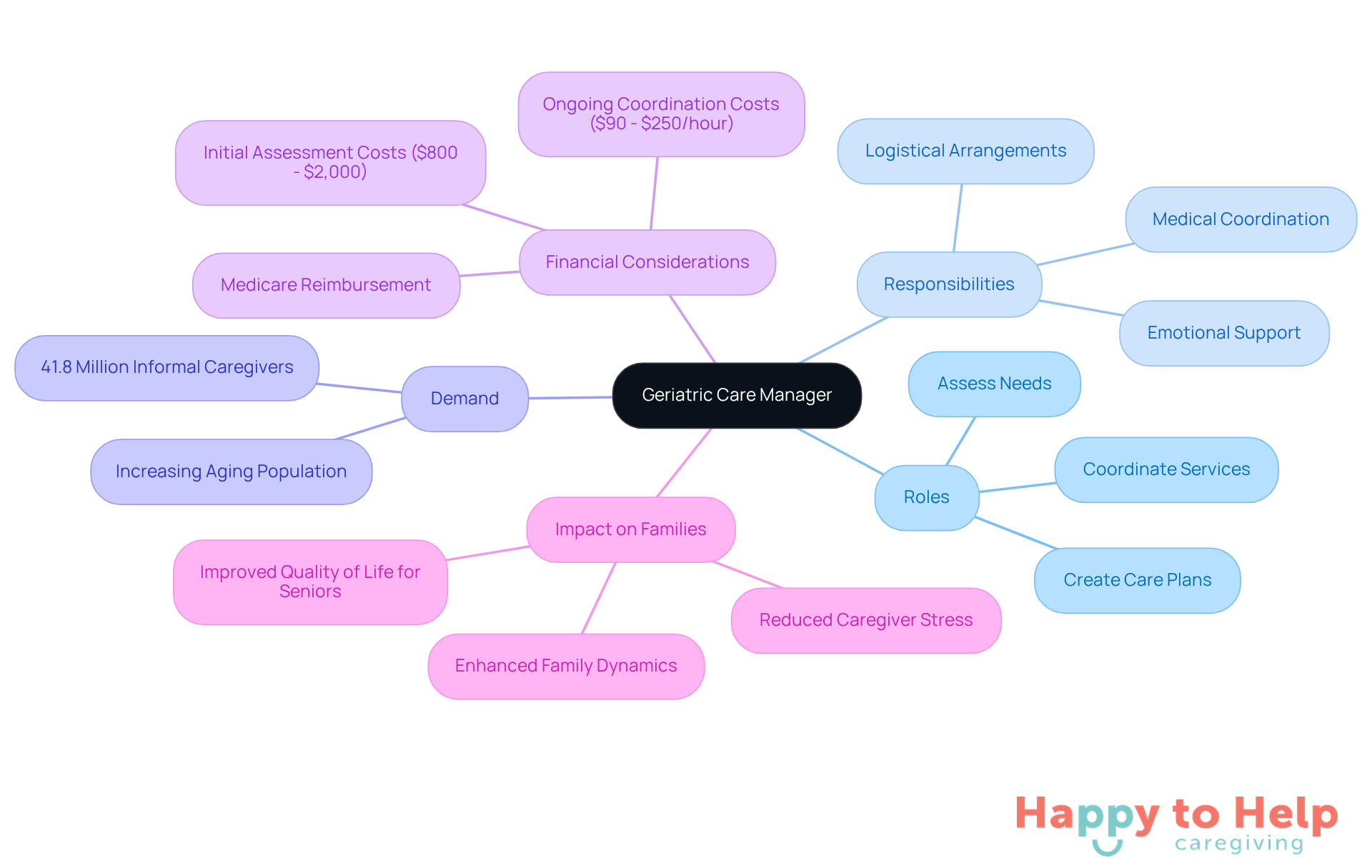
Enter the geriatric care manager, and let's explore what does a geriatric care manager do to ease these challenges. GCMs assess the unique needs of older adults and create personalized care plans that encompass a range of services. They coordinate medical appointments, organize home health aides, and provide emotional support to both seniors and their families. This advocacy is crucial, especially during times of crisis or transition, as GCMs help families navigate the healthcare system and connect with community resources.
The demand for GCMs is on the rise, with nearly 41.8 million Americans serving as informal caregivers for adults over 50. This statistic underscores the essential role GCMs play in enhancing household dynamics and overall well-being. Moreover, the Medicare Chronic Care Management program offers reimbursement for management services, providing financial relief for families seeking assistance.
Expert insights, such as those from Julie Wagner, CEO of the Aging Life Care Association, reveal that initial evaluations by GCMs can range from $800 to $2,000. This highlights the financial considerations families must navigate when seeking professional help. By understanding what a geriatric care manager does and the value and support they provide, caregivers can make informed decisions that significantly improve their loved ones' quality of life.
Explore Services Provided by Geriatric Care Managers
Caring for older adults can be a complex and challenging task for families. Caregivers often face numerous difficulties, including managing medical needs, coordinating care, and navigating available resources. This can lead to increased stress and feelings of overwhelm.
To address these challenges, geriatric management professionals offer a range of tailored services designed to support both seniors and their families, highlighting what does a geriatric care manager do. Here are some key offerings:
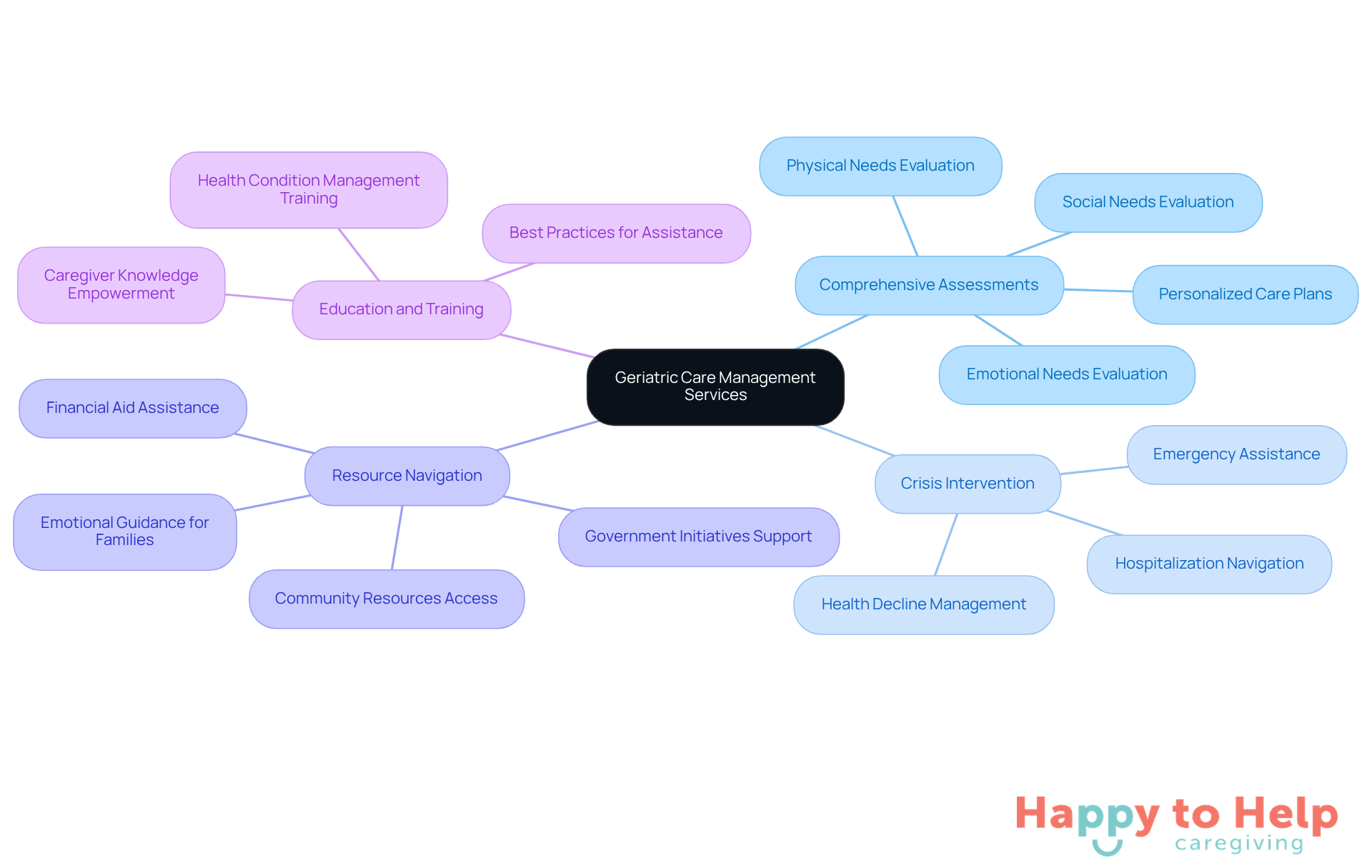
- Comprehensive Assessments: These evaluations consider the physical, emotional, and social needs of seniors, forming the basis for personalized care plans that enhance quality of life. What does a geriatric care manager do? They facilitate communication among healthcare providers, including home health aides, therapists, and medical professionals, ensuring cohesive care delivery.
- Crisis Intervention: In emergencies, such as hospitalizations or sudden health declines, these professionals provide prompt assistance, helping individuals navigate urgent situations effectively.
- Resource Navigation: They assist families in accessing essential community resources, financial aid, and government initiatives, alleviating the burden of finding suitable support. Geriatric management professionals offer emotional guidance to relatives, helping them understand what does a geriatric care manager do while coping with the challenges of caregiving and promoting resilience.
- Education and Training: They equip caregivers with essential knowledge about managing specific health conditions and best practices for assistance, empowering them to provide effective support.
These services are crucial in empowering families, reducing stress, and ensuring that seniors receive high-quality support in the comfort of their own homes. While the cost of geriatric management services can vary, families can expect to invest in a holistic approach that significantly enhances the caregiving experience.
Recent advancements in the field highlight the integration of technology and personalized support strategies, reflecting a growing recognition of the importance of autonomy and dignity in aging. Expert insights emphasize that thorough evaluations not only improve outcomes but also foster a sense of security and well-being for seniors and their families.
Understand the Importance of Hiring a Geriatric Care Manager
Caregivers often face significant stress when supporting elderly loved ones, primarily due to the complexities of aging. These complexities can lead to overwhelming medical, legal, and financial challenges that burden households.
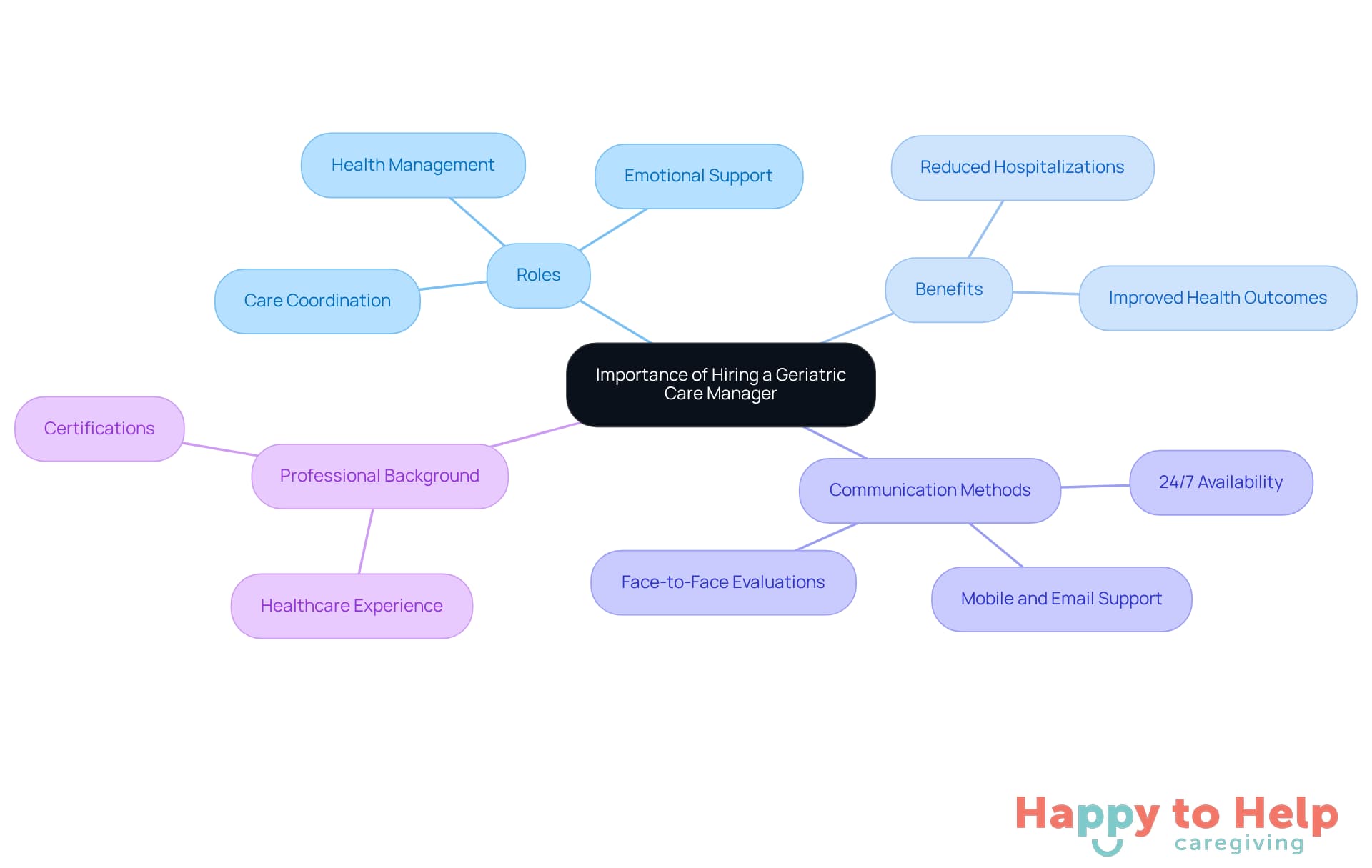
Involving a geriatric management professional (GCM) can help alleviate this stress while enhancing the quality of care for seniors, prompting the inquiry: what does a geriatric care manager do? Care coordinators provide tailored support, enabling families to make informed decisions about their loved ones' care. By proactively managing health conditions and coordinating services, care managers can significantly reduce hospitalizations and improve health outcomes. For example, effective discharge planning and communication can lower readmission rates by as much as 56%.
Moreover, GCMs offer crucial emotional support, which helps families understand what does a geriatric care manager do to navigate the stress and anxiety that often accompany caregiving responsibilities. They serve as a vital link between families and healthcare professionals, promoting effective communication and ensuring that seniors receive comprehensive, personalized care that meets their specific needs.
Importantly, global communication methods are typically available 24/7 through mobile phones, email, or answering services, ensuring families have access to support whenever they need it. Many GCMs come from healthcare backgrounds such as nursing or social work, which enhances their credibility and informs clients about what does a geriatric care manager do. Additionally, face-to-face evaluations conducted by GCMs are preferred over virtual assessments, as they can reveal important insights about the recipient's living conditions.
This holistic approach not only improves the well-being of seniors but also creates a more manageable caregiving experience for families.
Guide to Finding and Choosing a Geriatric Care Manager
Finding the right geriatric care manager is a daunting task for families, making it crucial to understand what does a geriatric care manager do. The complexities of elder care often leave caregivers feeling overwhelmed and unsure of where to start. However, by following a structured approach, you can simplify this process and ensure your loved ones receive the best support possible.
-
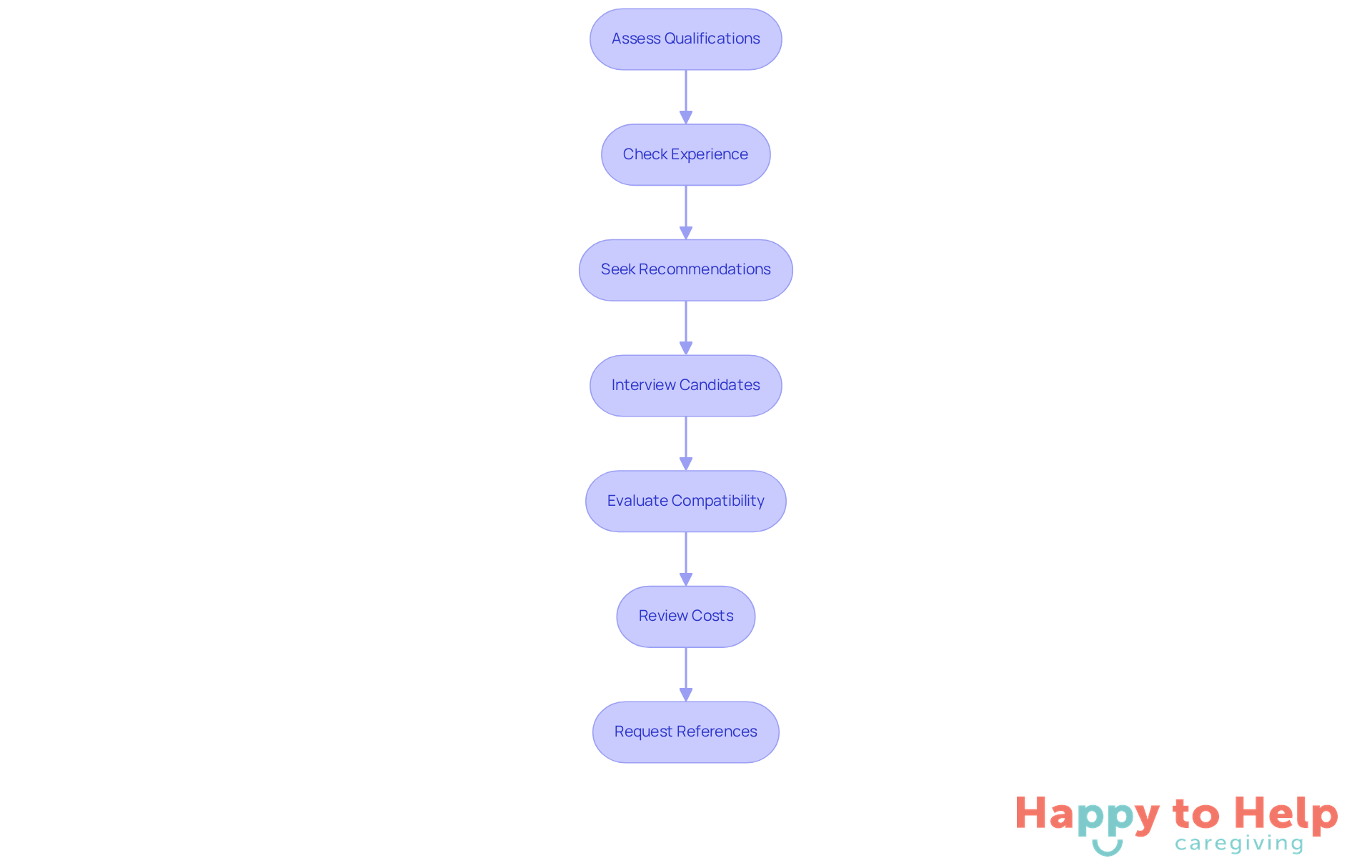
Assess Qualifications: Look for GCMs who are licensed professionals, such as nurses or social workers, with specialized training in geriatrics. Their credentials should demonstrate a commitment to ongoing education and certifications in elder support.
-
Check Experience: Inquire about their experience in managing support for seniors with similar needs, including any specific health conditions. A GCM's background can significantly affect the quality of assistance provided.
-
Seek Recommendations: Request referrals from healthcare providers, friends, or relatives who have utilized GCM services. Personal recommendations can provide valuable insights into the effectiveness and reliability of potential candidates.
-
Interview Candidates: Meet with potential GCMs to discuss their approach to care management, communication style, and how they would handle specific situations. This interaction is essential for evaluating their compatibility with your household's needs.
-
Evaluate Compatibility: Ensure that the GCM's philosophy aligns with your household's values and that they demonstrate empathy and understanding. A strong connection can improve the support experience for both the family and the recipient.
-
Review Costs: Discuss fees and payment options upfront to avoid any surprises later. Initial evaluations usually cost between $800 and $2,000, while continuous assistance varies from $90 to $250 per hour. Understanding the cost structure is essential for budgeting and planning.
-
Request References: Ask for references from former clients to gain insight into the manager's services and effectiveness.
By following these steps, families can discover what does a geriatric care manager do, as they provide the support and expertise needed to navigate the complexities of elder care.
Making the Right Choice
Caring for elderly loved ones can be overwhelming for families. The stress and complexities of elder care often lead to caregiver burnout, impacting both the caregiver and the senior. This is where the role of a geriatric care manager (GCM) becomes crucial.
GCMs assess individual needs and coordinate comprehensive care plans, alleviating the burden on families. Their expertise not only enhances the quality of life for seniors but also provides essential support to caregivers navigating the challenges of elder care. By acting as a vital link between families and healthcare providers, GCMs ensure that seniors receive tailored, compassionate care.
While the financial aspects of hiring a GCM can be significant, the benefits often outweigh the costs. Improved health outcomes and reduced caregiver stress are just a few of the advantages families can expect. Engaging a GCM can transform the caregiving experience, making it more manageable and fulfilling.
Families are encouraged to consider this invaluable resource. By understanding the role of a geriatric care manager and actively seeking one, caregivers can foster a supportive environment for themselves and their elderly loved ones. This proactive approach not only enhances the caregiving experience but also promotes better health and well-being for all involved.
https://iframe.tely.ai/cta/eyJhcnRpY2xlX2lkIjogIjY5NDBhMjI1M2RiOWY3ZmNiNDY0N2VjNSIsICJjb21wYW55X2lkIjogIjY4ZWU1ZGNhNzMxNzYyNTU3ZjNjOTVjMSIsICJpbmRleCI6IG51bGwsICJ0eXBlIjogImFydGljbGUifQ==Frequently Asked Questions
What is the role of a geriatric care manager (GCM)?
A geriatric care manager assesses the unique needs of older adults and creates personalized care plans that include coordinating medical appointments, organizing home health aides, and providing emotional support to seniors and their families.
Why might families need a geriatric care manager?
Families may need a GCM to help manage the complexities of caring for elderly loved ones, including medical needs, emotional support, and logistical arrangements, which can lead to caregiver stress and uncertainty.
How do geriatric care managers assist during times of crisis or transition?
GCMs assist families during crises or transitions by advocating for seniors, helping them navigate the healthcare system, and connecting them with community resources.
What is the current demand for geriatric care managers?
The demand for GCMs is increasing, with nearly 41.8 million Americans serving as informal caregivers for adults over 50, highlighting the essential role GCMs play in enhancing household dynamics and well-being.
Are there financial considerations when hiring a geriatric care manager?
Yes, initial evaluations by GCMs can range from $800 to $2,000, which families need to consider when seeking professional help.
Does Medicare provide any support for geriatric care management services?
Yes, the Medicare Chronic Care Management program offers reimbursement for management services, providing financial relief for families seeking assistance.
How can understanding the role of a geriatric care manager benefit caregivers?
By understanding what a GCM does and the support they provide, caregivers can make informed decisions that significantly improve their loved ones' quality of life.
List of Sources
- Define Geriatric Care Manager: Role and Responsibilities
- How Geriatric Care Managers Can Help Family Caregivers (https://aarp.org/caregiving/basics/geriatric-care-manager)
- These pros help keep ailing, aging loved ones safe — but it's a costly service (https://npr.org/sections/health-shots/2023/12/11/1218635777/nurses-and-social-workers-increasingly-hired-by-solo-agers)
- Geriatric Care Managers: Who They Are, What They Do and How to Find One (https://czepigalaw.com/blog/geriatric-care-managers-who-they-are-what-they-do-and-how-to-find-one)
- The Demographics of Care Management - ASA Generations (https://generations.asaging.org/demographics-care-management)
- Number of Family Caregivers Supporting Older Adults Increased Nearly One-Third Between 2011 and 2022 | Johns Hopkins Bloomberg School of Public Health (https://publichealth.jhu.edu/2025/number-of-family-caregivers-supporting-older-adults-increased-nearly-one-third-between-2011-and-2022)
- Explore Services Provided by Geriatric Care Managers
- Average Senior In-Home Care Costs in 2025 (https://seniorliving.org/home-care/costs)
- The Future of Senior Care: What to Expect in 2025 and Beyond (https://arhomecare.com/the-future-of-senior-care-what-to-expect-in-2025-and-beyond)
- ‘Change in air’ for senior living and care industry in 2025 (https://mcknightsseniorliving.com/news/change-in-air-for-senior-living-and-care-industry-in-2025)
- Trends in Senior Care: What to Expect in 2025 (https://agingconnections.org/blog/trends-in-senior-care-what-to-expect-in-2025)
- Understand the Importance of Hiring a Geriatric Care Manager
- These pros help keep ailing, aging loved ones safe — but it's a costly service (https://npr.org/sections/health-shots/2023/12/11/1218635777/nurses-and-social-workers-increasingly-hired-by-solo-agers)
- Considering a Geriatric Care Manager? What You Need to Know. | Arosa (https://arosacare.com/hiring-a-geriatric-care-manager)
- How Geriatric Care Managers Can Help Family Caregivers (https://aarp.org/caregiving/basics/geriatric-care-manager)
- Readmission rates and predictors of avoidable readmissions in older adults in a tertiary care centre - PMC (https://pmc.ncbi.nlm.nih.gov/articles/PMC9730993)
- Guide to Finding and Choosing a Geriatric Care Manager
- How Geriatric Care Managers Can Help Family Caregivers (https://aarp.org/caregiving/basics/geriatric-care-manager)
- Geriatric Care Managers: Who They Are, What They Do and How to Find One (https://czepigalaw.com/blog/geriatric-care-managers-who-they-are-what-they-do-and-how-to-find-one)
- The Demographics of Care Management - ASA Generations (https://generations.asaging.org/demographics-care-management)
- What Is a Geriatric Care Manager? | IntelyCare (https://intelycare.com/career-advice/what-is-a-geriatric-care-manager)
- Tips for finding a geriatric care manager | Sunbound Blog (https://sunboundhomes.com/blog/tips-for-finding-a-geriatric-care-manager)