Introduction
The landscape of healthcare is shifting, with a growing emphasis on personalized care that extends beyond hospital walls. This change presents a significant problem: visiting nurses, while vital in this evolving paradigm, face numerous challenges in delivering essential medical services directly within the comfort of patients' homes.
As the demand for home healthcare rises, these dedicated professionals encounter obstacles that can hinder their ability to provide optimal care. The emotional and psychological needs of individuals and their families are often overlooked, complicating recovery and overall health outcomes. Addressing these challenges is crucial for ensuring that every patient receives the tailored support they require.
To navigate this complex environment, visiting nurses can implement several practical solutions:
- By fostering open communication with patients and their families, they can better understand individual needs and preferences.
- Additionally, utilizing technology for remote monitoring can enhance care delivery, allowing for timely interventions when necessary.
In summary, while the role of visiting nurses is more important than ever, recognizing and addressing the challenges they face is essential for improving patient care in the home healthcare setting.
Defining the Role of a Visiting Nurse in Home Healthcare
The Challenge of Recovery
Recovering from surgery or managing chronic conditions can be daunting for individuals and their families. Traditional hospital care often lacks the personalized touch that many patients need, leading to feelings of discomfort and isolation.
The Impact of Home Healthcare
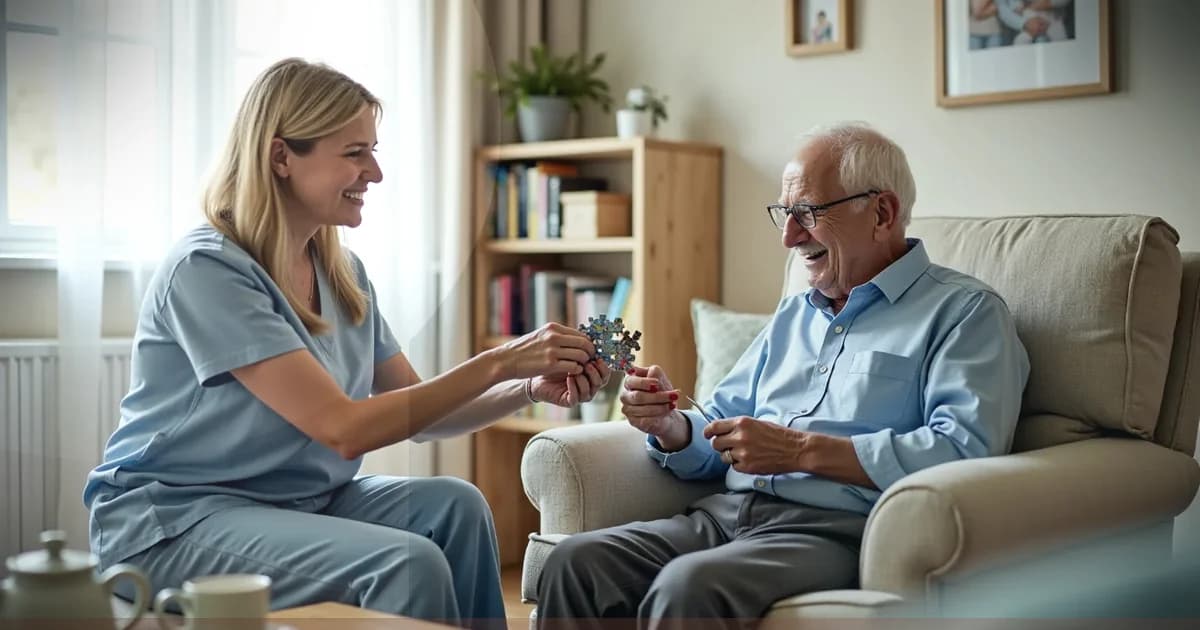
Visiting healthcare providers, often referred to as home health professionals, play a crucial role in addressing these challenges. These licensed medical experts deliver a range of services directly in patients' homes, including:
- administering medications
- monitoring vital signs
- providing wound care
This personalized approach not only aids recovery in a familiar setting but also significantly enhances the overall quality of life for both individuals and their families.
The Benefits of Personalized Care
Research indicates that individuals receiving home healthcare services experience improved recovery outcomes. Being in a comfortable environment fosters a sense of security, which is vital for healing. A prominent healthcare expert noted, "The presence of a caring caregiver can transform an individual's recovery experience," underscoring the emotional and psychological support these professionals provide.
Statistics Speak Volumes
Statistics reveal that a significant number of patients utilizing at-home healthcare services benefit from the expertise of visiting professionals. This highlights their essential role in modern healthcare, ensuring that patients receive the specialized support they need during recovery.
Conclusion
In summary, visiting nurses are indispensable in the recovery process. They offer tailored support that not only fosters healing but also promotes well-being in the comfort of one's home.

Context and Environment of Home Healthcare Services
The landscape of healthcare is rapidly evolving, presenting a significant challenge for caregivers. With a notable shift towards residential healthcare services, caregivers must adapt to new demands influenced by an aging population, advancements in medical technology, and a growing preference for receiving assistance at home.
This shift can lead to feelings of overwhelm for caregivers, who must navigate various household situations while ensuring that care is both efficient and respectful of the individual's personal space and choices. The unique atmosphere of home healthcare requires caregivers to be flexible and responsive, which can be daunting without proper support.
To address these challenges, caregivers can implement several practical solutions:
- Establishing clear communication with healthcare professionals can help bridge the gap between hospital treatment and home-based assistance.
- Caregivers should prioritize their own well-being by seeking support networks and resources that provide guidance and respite.
By embracing these strategies, caregivers can enhance their effectiveness and ensure that individuals receive the compassionate care they deserve in the comfort of their homes.

Key Responsibilities of Visiting Nurses During Home Visits
Visiting nurses play a crucial role in healthcare, and understanding what does a visiting nurse do is important as they face significant challenges that impact their ability to enhance health and well-being. One major issue is the complexity of individual health conditions, which requires comprehensive evaluations to create effective treatment plans. Without these personalized approaches, patients may not receive the tailored care they need, leading to suboptimal health outcomes.
To address this, visiting healthcare providers must perform thorough initial assessments. These evaluations form the basis for developing flexible treatment plans that adapt as patients' conditions change. By ensuring these plans are both detailed and adaptable, caregivers can better meet the unique needs of each individual.
What does a visiting nurse do? In addition to crafting treatment plans, they:
- Administer medications
- Manage wounds
- Educate patients and their families on various health issues
- Assist with rehabilitation exercises
They work alongside other healthcare professionals to provide a seamless continuum of care. This collaborative approach is vital; studies indicate that patients receiving support from visiting caregivers often achieve better health outcomes than those relying solely on traditional care methods.
Moreover, the emotional support and companionship provided by visiting caregivers cannot be overlooked. By fostering meaningful relationships, they help alleviate feelings of loneliness, particularly for those in residential settings. This holistic approach not only addresses physical health but also enhances the overall quality of life for patients, highlighting the essential role of visiting caregivers in the healthcare team.

Benefits of Engaging a Visiting Nurse for Home Care
Hiring a visiting nurse for in-house assistance addresses a significant problem faced by caregivers: the lack of individualized support for patients. This gap can lead to slower recovery times and increased hospital readmissions, which can be distressing for both patients and their families. In fact, recent studies show that individuals receiving home care have a 15% lower readmission rate compared to those who do not, highlighting the importance of personalized care in managing health conditions.
The implications of inadequate support are profound. Caregivers often feel overwhelmed and underprepared to manage chronic conditions, which can negatively impact the health outcomes of their loved ones. Educating families is crucial, as it equips them with the knowledge needed to provide effective support. Visiting healthcare professionals play a vital role in this education, leading to better health management and outcomes.
A practical solution is to engage visiting nurses, considering what does a visiting nurse do, as they provide not only medical care but also emotional support and companionship. This can significantly enhance mental well-being and overall quality of life, reducing feelings of isolation and loneliness. By assisting individuals in a comfortable setting, visiting nurses help preserve their independence and dignity, making the transition from hospital to home smoother.
For instance, individuals receiving in-home assistance report a 30% improvement in condition management over six months, demonstrating the positive impact of tailored support on recovery. Additionally, at-home assistance can be more economical than facility care, with the national median cost for in-home support being $33 per hour.
In summary, knowing what does a visiting nurse do in home care not only improves physical health outcomes but also enriches the emotional and psychological well-being of patients, providing a comprehensive solution for caregivers.

Conclusion
Visiting nurses play a crucial role in home healthcare, addressing significant challenges faced by caregivers. The problem is clear: caregivers often struggle with managing complex medical needs while providing emotional support. This dual burden can lead to caregiver burnout and negatively impact patient recovery.
The implications of these challenges are profound. Caregivers may feel overwhelmed, leading to decreased quality of care and increased feelings of isolation for patients. However, visiting nurses offer a solution by providing personalized medical support that not only aids in physical recovery but also fosters emotional well-being in a familiar environment.
Key insights reveal the extensive responsibilities of visiting nurses, including:
- administering medications
- managing wounds
- educating both patients and caregivers
Statistics show that patients receiving home care support experience better health outcomes and lower readmission rates. The emotional connections formed during these visits further alleviate feelings of isolation, highlighting the holistic impact of visiting nurses on patient care.
In light of the growing demand for home healthcare services, engaging visiting nurses is essential. They bridge the gap between hospital treatment and home care, empowering families to manage health conditions more effectively. Embracing the role of visiting nurses in home care is vital for ensuring individuals receive the compassionate, comprehensive support they deserve, ultimately paving the way for better health outcomes and improved quality of life.
Frequently Asked Questions
What is the role of a visiting nurse in home healthcare?
A visiting nurse, or home health professional, provides personalized medical care directly in patients' homes, including administering medications, monitoring vital signs, and providing wound care.
Why is home healthcare important for recovery?
Home healthcare is important because it offers a personalized approach that aids recovery in a familiar setting, significantly enhancing the overall quality of life for individuals and their families.
What are the benefits of receiving personalized care at home?
Research indicates that individuals receiving home healthcare services experience improved recovery outcomes and a sense of security, which is vital for healing. The emotional and psychological support from caregivers also transforms the recovery experience.
What do statistics say about the effectiveness of home healthcare services?
Statistics show that a significant number of patients utilizing at-home healthcare services benefit from the expertise of visiting professionals, highlighting their essential role in modern healthcare.
How do visiting nurses contribute to a patient's emotional well-being?
Visiting nurses provide emotional and psychological support, which is crucial for healing and enhances the overall recovery experience for patients.
List of Sources
- Defining the Role of a Visiting Nurse in Home Healthcare
- 20+ Thank You Quotes for Healthcare Workers & Nurses (https://careerstaff.com/clinician-life-blog/thank-you-quotes-nurses-healthcare-workers)
- 172 Nursing Quotes for You and Your Favorite Nurse | Aspen University (https://aspen.edu/altitude/nursing-quotes)
- Home health a hot area for expansion in nursing care delivery (https://mcknightsseniorliving.com/news/home-health-a-hot-area-for-expansion-in-nursing-care-delivery)
- The Future of Home Health Nursing: Innovations and Opportunities (https://nurse.com/blog/future-home-health-nursing-nsp)
- Context and Environment of Home Healthcare Services
- U.S. Home Healthcare Services Market Size | Growth [2032] (https://fortunebusinessinsights.com/u-s-home-healthcare-services-market-105568)
- Home Care Business Growth Statistics | Aaniie Formerly Smartcare Software (https://aaniie.com/resources/home-care-business-growth-statistics)
- Home Health Care Trends for 2025 (https://carevoyant.com/home-health-blog/home-health-care-trends-2025)
- Home Care Industry Statistics: Key Facts and Trends (https://regencyhcs.com/blog/home-care-industry-statistics-key-facts-and-trends)
- Health Care Industry Trends to Watch in 2025 - Cornell Brooks Public Policy (https://publicpolicy.cornell.edu/masters-blog/health-care-industry-trends-to-watch-in-2025)
- Key Responsibilities of Visiting Nurses During Home Visits
- 10 Inspiring Patient Experience Quotes | Relias (https://relias.com/blog/patient-experience-quotes)
- Home Care Industry Overview and Statistics (https://ankota.com/home-care-industry-overview-and-statistics)
- 172 Nursing Quotes for You and Your Favorite Nurse | Aspen University (https://aspen.edu/altitude/nursing-quotes)
- 20+ Thank You Quotes for Healthcare Workers & Nurses (https://careerstaff.com/clinician-life-blog/thank-you-quotes-nurses-healthcare-workers)
- 85 Nursing Quotes: Words of Wisdom for Nurses | USAHS (https://usa.edu/blog/nursing-quotes)
- Benefits of Engaging a Visiting Nurse for Home Care
- Home Health Care: Nurse–Physician Communication, Patient Severity, and Hospital Readmission - PMC (https://pmc.ncbi.nlm.nih.gov/articles/PMC5867182)
- Home Care Impact on Recovery of Patient (A Statistics Report) (https://lovinghomecareinc.com/home-care-recovery-statistics)
- 6 Benefits of Home Care and Home Health Care (https://aplaceformom.com/caregiver-resources/articles/benefits-of-home-care)
- 9 Benefits of Receiving Home Care Services | Westminster at Home (https://westminsterathome.com/blog/9-benefits-of-receiving-home-care-services)
- 10 Benefits of Hiring an At Home Nurse for Elderly Care - Happy To Help (https://happytohelpcaregiving.com/10-benefits-of-hiring-an-at-home-nurse-for-elderly-care)