
The Importance of Do If You Think Your Parent Has
Dementia is a complex and often misunderstood condition that affects millions of families, weaving a web of emotional and practical challenges. As cognitive decline becomes evident, recognizing the signs can feel overwhelming, leaving caregivers and loved ones feeling lost and burdened.
This article explores essential steps for addressing concerns about a parent's potential dementia. It offers guidance on seeking support, understanding the condition, and building a strong network of resources. How can families navigate this difficult journey while ensuring that both their loved ones and themselves receive the care and compassion they need?
It's important to remember that you're not alone in this. Many families face similar challenges, and there are compassionate resources available to help you through this journey.
Defining Dementia: Understanding the Condition
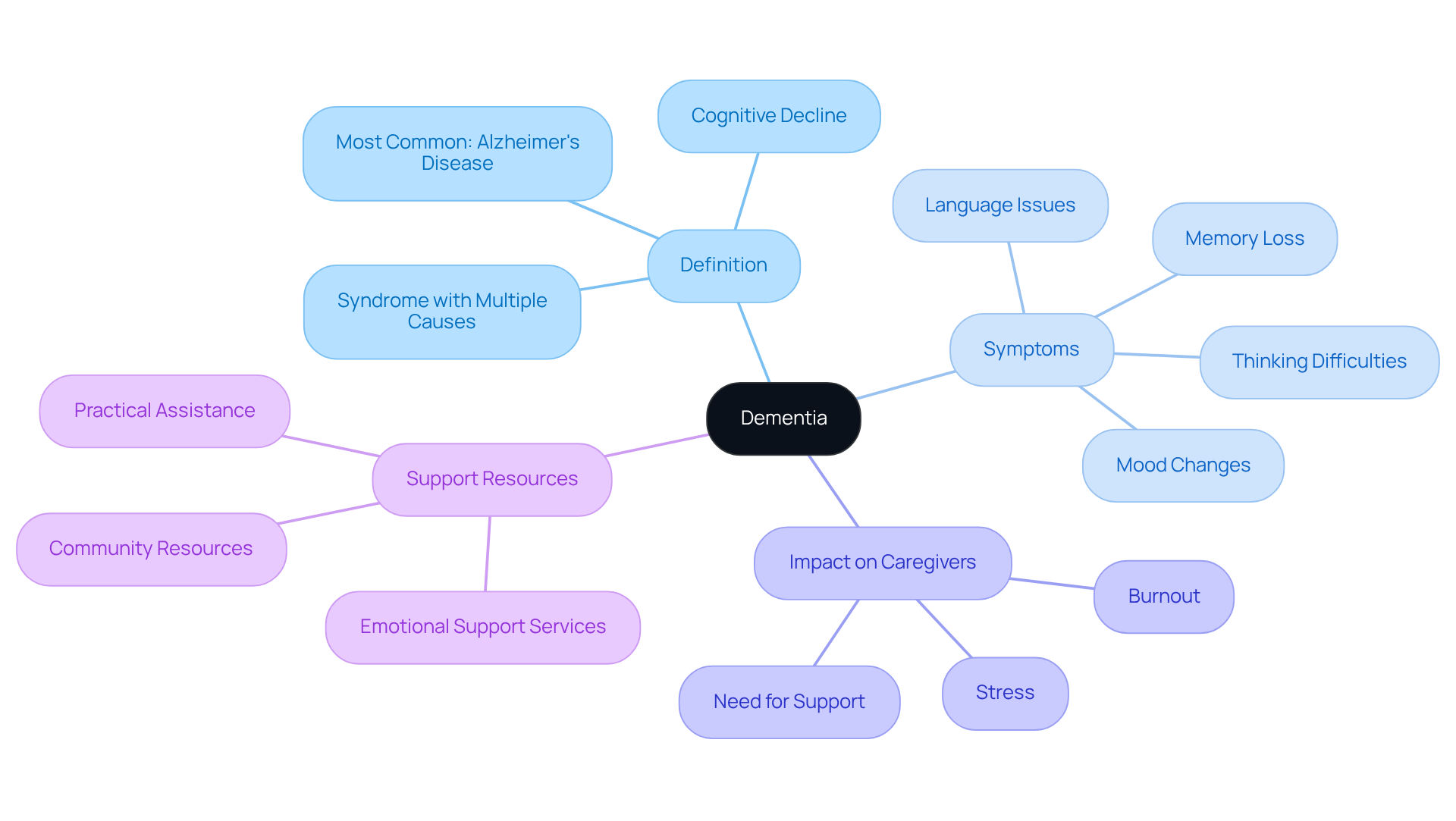
Dementia is a term that many people find daunting. It describes a decline in cognitive function that can significantly interfere with daily life. This condition brings various symptoms, such as memory loss, difficulties with thinking, problem-solving, and language, along with changes in mood and behavior.
It’s important to understand that dementia isn’t just one disease; it’s a syndrome linked to several underlying conditions, with Alzheimer's disease being the most common. This knowledge is crucial, as dementia affects not only the individual diagnosed but also their families and caregivers.
Caring for someone with dementia can be overwhelming. Caregivers often experience stress and burnout, feeling the weight of their loved one’s struggles. But remember, you’re not alone in this journey. There are compassionate services available that can provide the emotional and practical support you need.
Finding the right care can make a world of difference. It’s about creating a nurturing environment where both the person with dementia and their caregivers feel supported. You deserve that peace of mind.
As you navigate this path, take a moment to breathe and reflect. There are resources and communities ready to help you through the challenges. Together, we can foster understanding and compassion, ensuring that no one faces this journey alone.
Recognizing the Signs: Emotional and Practical Considerations
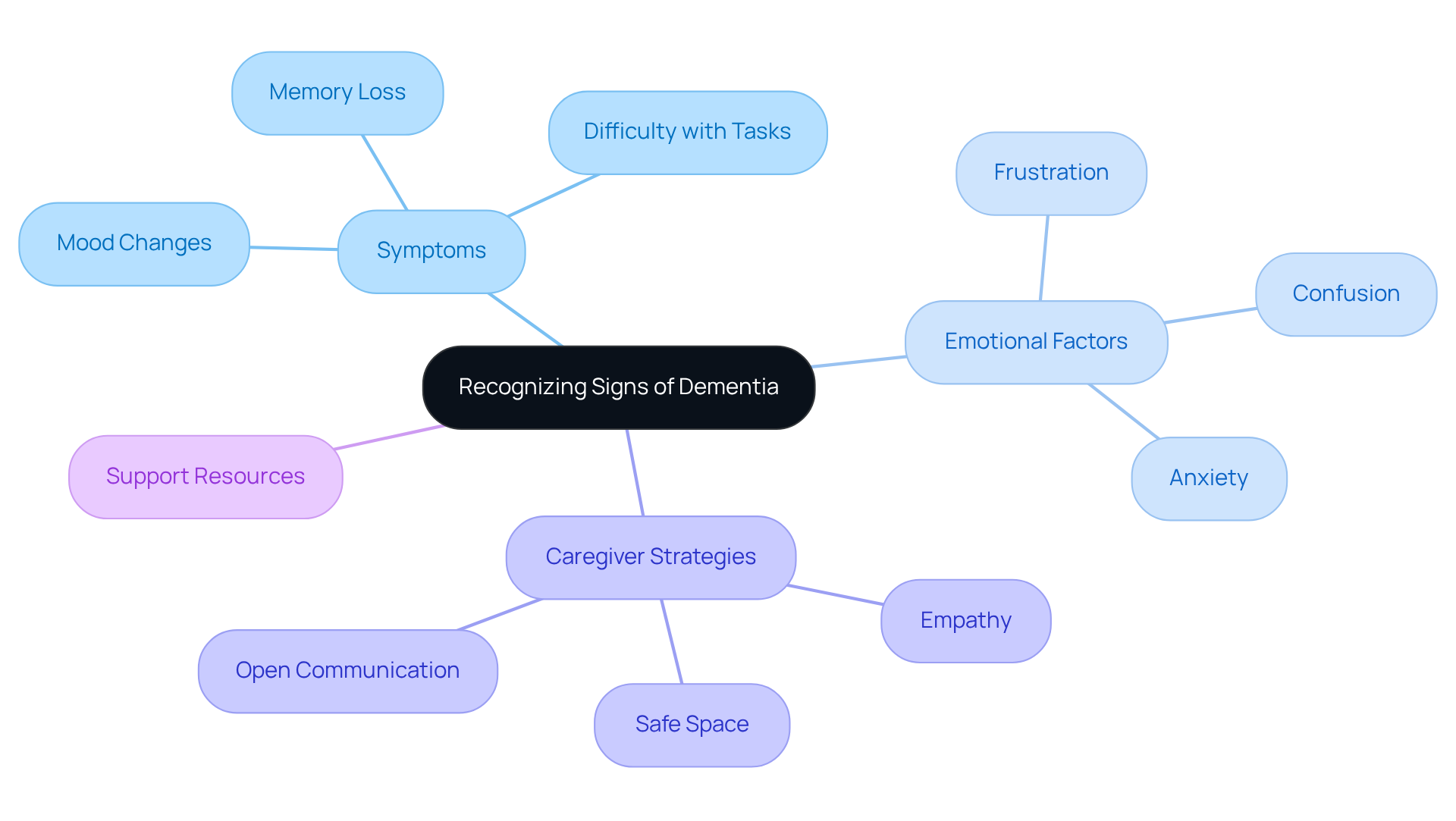
Recognizing the signs of dementia can be quite challenging. Symptoms often develop gradually, making it hard to pinpoint changes. Common indicators include memory loss, especially forgetting recent events or conversations. You might also notice difficulty in completing familiar tasks and shifts in mood or personality.
Emotional factors play a significant role too. It’s not uncommon for individuals to feel frustration, confusion, or anxiety as they navigate their cognitive decline. These feelings can be overwhelming, both for them and for caregivers.
As a caregiver, it’s essential to be aware of these signs. Approach conversations with empathy and understanding. Create a safe space where the person feels comfortable expressing their feelings. This nurturing environment can make a world of difference.
Remember, you’re not alone in this journey. There are resources and support systems available to help you manage the emotional and practical challenges that arise. By fostering open communication and showing compassion, you can help ease the burden of stress and burnout.
Take a moment to reflect on the importance of your role. Your care and understanding can provide comfort and reassurance, making a profound impact on the lives of those you support.
Next Steps: Seeking Support and Resources for Caregivers
For families, noticing potential signs of dementia can be overwhelming, particularly when they are unsure of what to do if you think your parent has dementia. It’s essential for relatives to know what to do if you think your parent has dementia, as seeking a professional evaluation and discussing concerns with healthcare providers is a crucial step toward obtaining an accurate diagnosis. With nearly 12 million caregivers supporting individuals with Alzheimer's, resources like local Alzheimer's associations and caregiver assistance groups are invaluable. They offer not just information but also emotional support during this challenging time.
For instance, the Alzheimer's Association provides free webinars and assistance programs that can significantly help families navigate this journey. Imagine having access to a community that understands your struggles and offers guidance. Furthermore, exploring in-home caregiving services, such as those provided by Happy to Help Caregiving, can alleviate daily care responsibilities. This ensures that your loved ones receive compassionate, individualized assistance tailored to their unique needs.
This multifaceted approach addresses immediate care requirements while fostering a supportive environment for both caregivers and their loved ones. Remember, you’re not alone in this; there are resources and people ready to help you every step of the way.
Building a Support Network: Engaging Family and Professionals
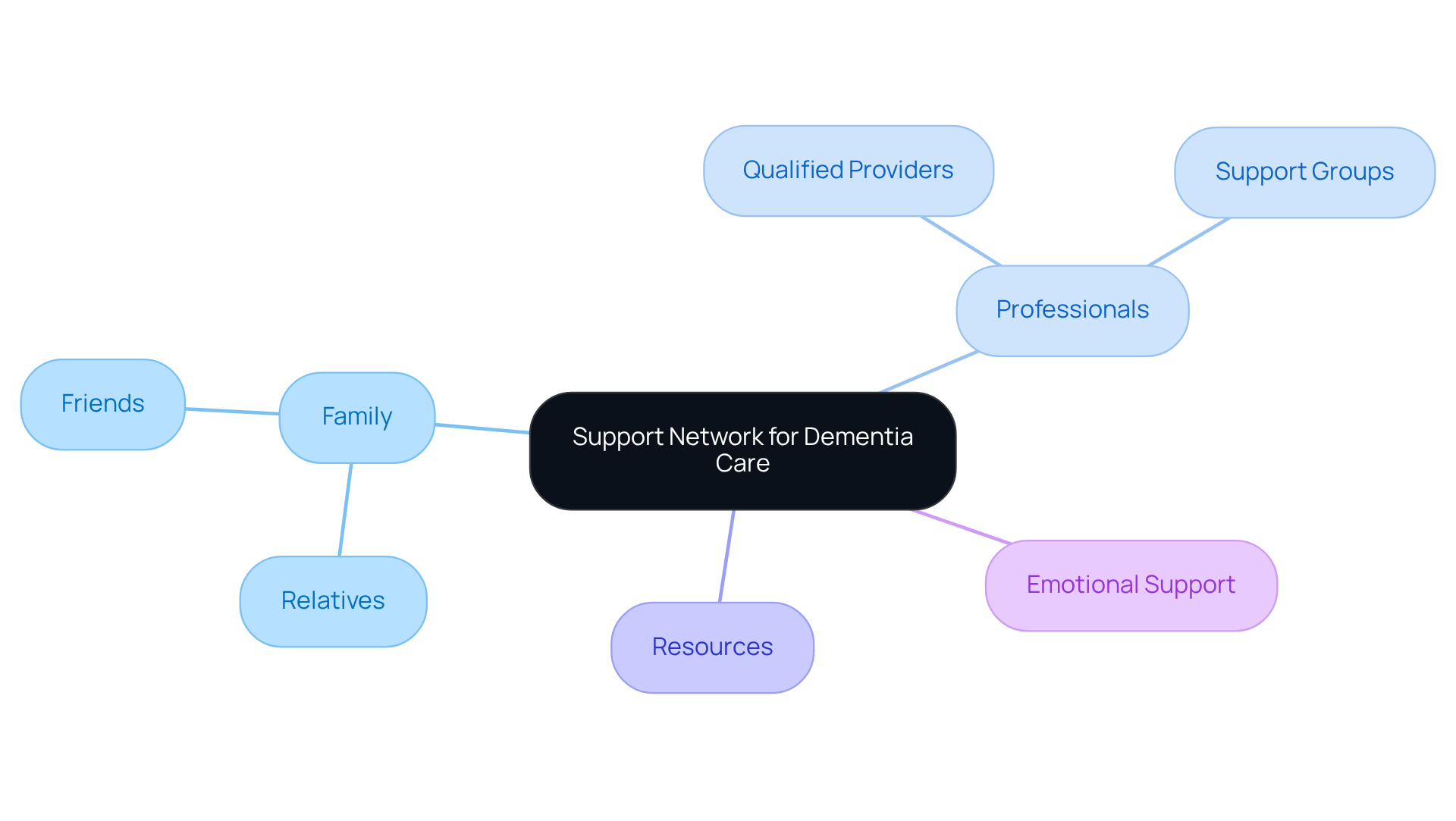
It is essential to create a network of assistance, especially when you need to know what to do if you think your parent has dementia. It involves not just professionals but also relatives and friends who can lend a hand in caring for someone, especially when considering what to do if you think your parent has dementia. Understanding what to do if you think your parent has dementia is key. Families should feel comfortable discussing what to do if you think your parent has dementia, as this promotes collaboration and understanding.
Qualified providers can offer specialized help, and family members can provide emotional support and practical assistance, which is essential when considering what to do if you think your parent has dementia. It’s about working together. Utilizing resources like support groups and community services can be crucial when considering what to do if you think your parent has dementia. This way, caregivers won’t feel overwhelmed, and the individual with dementia will receive the comprehensive care they deserve.
Remember, you’re not alone in this journey. There are people and resources ready to support you.
Moving Forward with Do If You Think Your Parent Has
Understanding and addressing the complexities of dementia is vital for families navigating this challenging journey. It’s not just about recognizing the signs and symptoms, like memory loss and emotional shifts; it’s about taking that first step toward ensuring your loved ones receive the care and support they truly need. Engaging with healthcare professionals and seeking a diagnosis can provide clarity and direction, allowing for informed decisions about care.
Key insights from this article highlight the importance of:
- Empathy
- Communication
- Building a robust support network
Resources such as local Alzheimer's associations, in-home caregiving services, and support groups play a critical role in alleviating the burdens faced by caregivers. By fostering an environment of understanding and collaboration, families can create a nurturing atmosphere that benefits both individuals with dementia and their caregivers.
Ultimately, the journey through dementia care is not one that needs to be faced alone. By actively seeking support and utilizing available resources, caregivers can find solace in knowing they have a community to lean on. Encouraging open conversations about dementia within families and among friends can pave the way for a more compassionate approach, ensuring that everyone involved feels supported and understood. Taking these steps can make a profound difference in the lives of those affected by dementia, reinforcing the message that help is always within reach.
https://iframe.tely.ai/cta/eyJhcnRpY2xlX2lkIjogIjY5MWZkYzVkYmFmNTkyY2I3OTgzYzJiYSIsICJjb21wYW55X2lkIjogIjY4ZWU1ZGNhNzMxNzYyNTU3ZjNjOTVjMSIsICJpbmRleCI6IG51bGwsICJ0eXBlIjogImFydGljbGUifQ==Frequently Asked Questions
What is dementia?
Dementia is a term that describes a decline in cognitive function that significantly interferes with daily life, resulting in symptoms such as memory loss, difficulties with thinking, problem-solving, language, and changes in mood and behavior.
Is dementia a single disease?
No, dementia is not just one disease; it is a syndrome linked to several underlying conditions, with Alzheimer's disease being the most common.
How does dementia affect families and caregivers?
Dementia affects not only the individual diagnosed but also their families and caregivers, often leading to stress and burnout for those providing care.
What support is available for caregivers of individuals with dementia?
There are compassionate services available that provide emotional and practical support to caregivers, helping them cope with the challenges of caring for someone with dementia.
Why is finding the right care important for those with dementia?
Finding the right care is crucial as it creates a nurturing environment where both the person with dementia and their caregivers feel supported, leading to improved well-being for everyone involved.
What should caregivers do to manage their own well-being?
Caregivers are encouraged to take moments to breathe and reflect, and to seek out resources and communities that can offer help and support throughout their journey.