
For families in our service areas
For families in our service areas, this guide explains caregiver support and how non-medical in-home caregiving can support care planning in East Idaho, Treasure Valley & Magic Valley, Northern Wasatch, North Central West Virginia, and Northeast Ohio.
What You Need to Know About Do When an Elderly Person Stops Eating:
The struggle of appetite loss among the elderly is a pressing concern that affects nearly 20% of seniors. This issue can lead to severe consequences, such as malnutrition and a diminished quality of life. Caregivers play a pivotal role in addressing this challenge, and understanding the multifaceted reasons behind decreased appetite - ranging from medical conditions to emotional factors - is essential for effective intervention.
What strategies can caregivers employ to encourage eating and enhance the overall dining experience for seniors? This guide delves into practical solutions and insights to empower caregivers in their mission to foster better nutrition and well-being for the elderly. By implementing these strategies, caregivers can make a significant difference in the lives of those they support.
Identify Reasons for Appetite Loss
To effectively address the loss of desire to eat in elderly individuals, caregivers must first identify the underlying reasons. This issue is significant, as nearly 20% of seniors experience appetite loss, which can lead to weight loss, malnutrition, and a decreased quality of life.
-
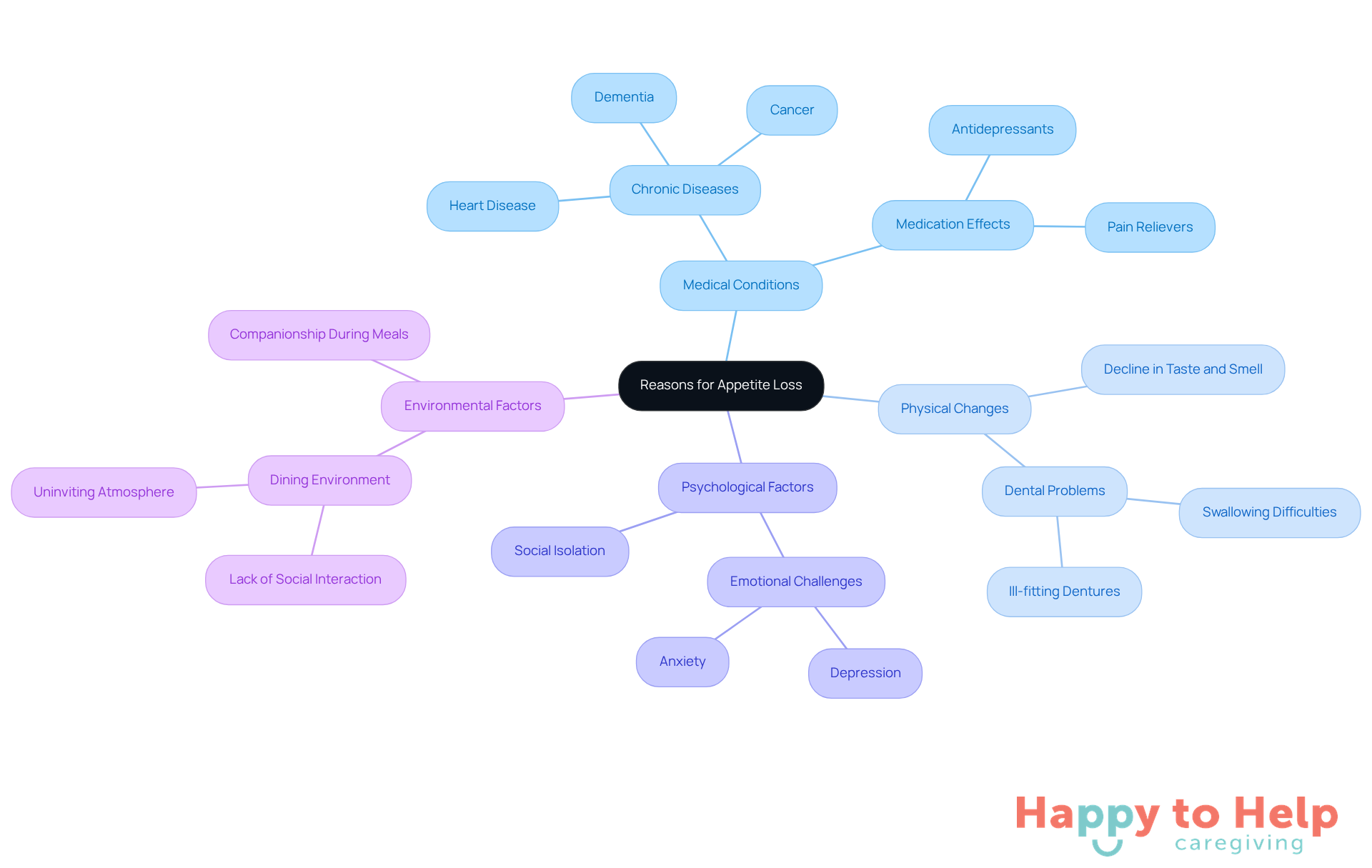
Medical Conditions: Chronic diseases such as heart disease, cancer, and dementia can significantly impact appetite. Additionally, medications like antidepressants and pain relievers may suppress hunger signals or cause nausea, further complicating the situation.
-
Physical Changes: Aging often brings declines in taste and smell, diminishing the appeal of food. Dental problems, poorly fitting dentures, and swallowing challenges can make dining uncomfortable, discouraging seniors from eating. Addressing these practical barriers is crucial for improving their eating experiences.
-
Psychological Factors: Emotional challenges such as depression, anxiety, and loneliness are prevalent among older adults, leading to decreased interest in food. Social isolation can eliminate the communal aspect of dining, which many seniors find enjoyable, worsening feelings of loneliness and affecting their appetite.
-
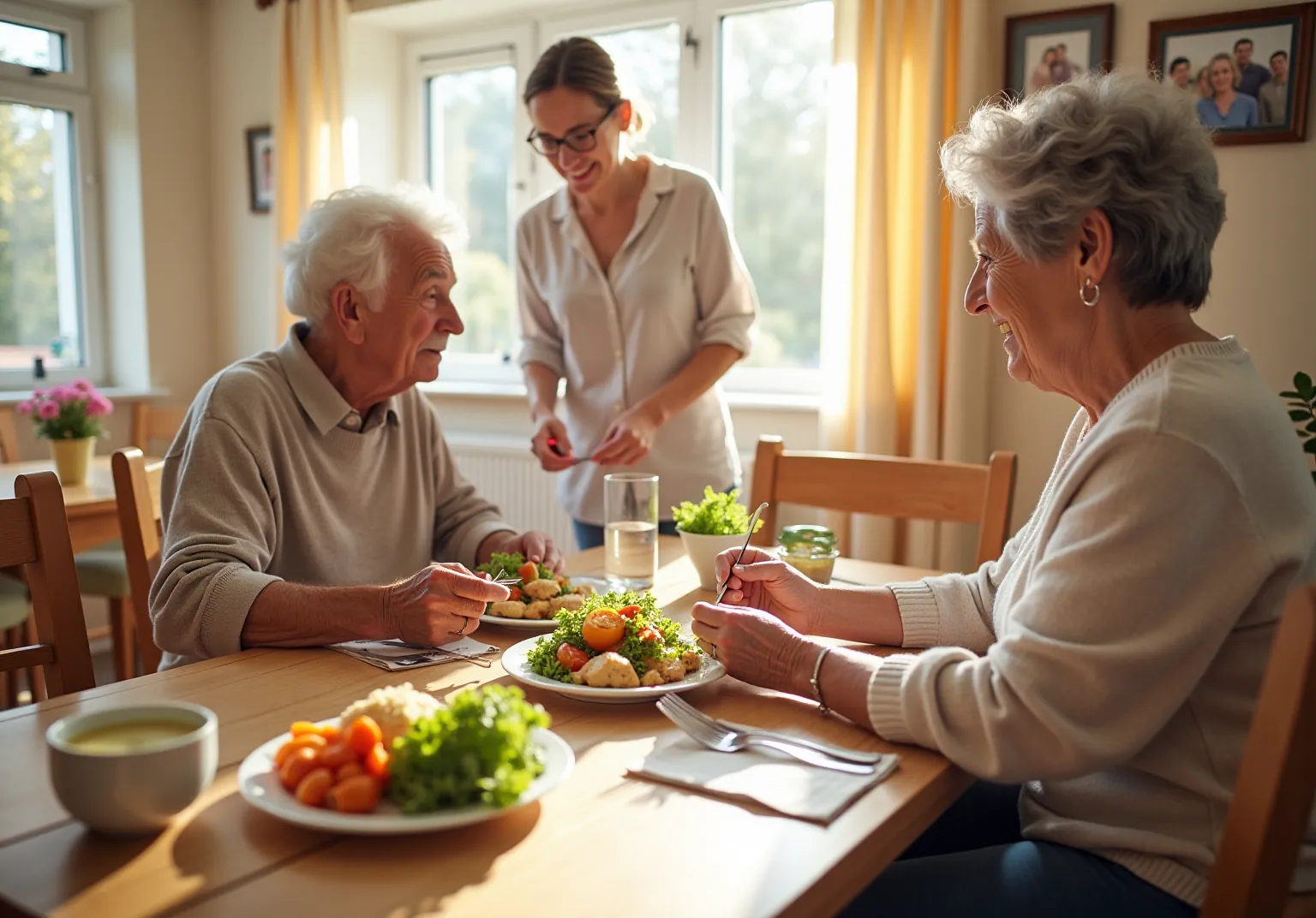
Environmental Factors: A lack of social interaction during meals or an uninviting eating environment can contribute to a reduced desire to eat. Establishing a more captivating and nurturing dining atmosphere, such as offering companionship during meals, can motivate seniors to eat healthier and enjoy their food.
By acknowledging these factors, caregivers can better understand the challenges their clients face and develop suitable responses. Practical solutions include enhancing food appeal with herbs and spices, providing smaller, more frequent servings, and promoting social dining experiences.
Implement Strategies to Encourage Eating
When an elderly person stops eating, caregivers often face the challenge of appetite loss in elderly individuals, which can significantly impact their nutritional intake and overall well-being. This issue not only affects physical health but can also lead to feelings of isolation and decreased quality of life, especially when an elderly person stops eating. For caregivers, understanding how to encourage eating is crucial, particularly when an elderly person stops eating.
To tackle this problem, caregivers can implement several effective strategies:
-
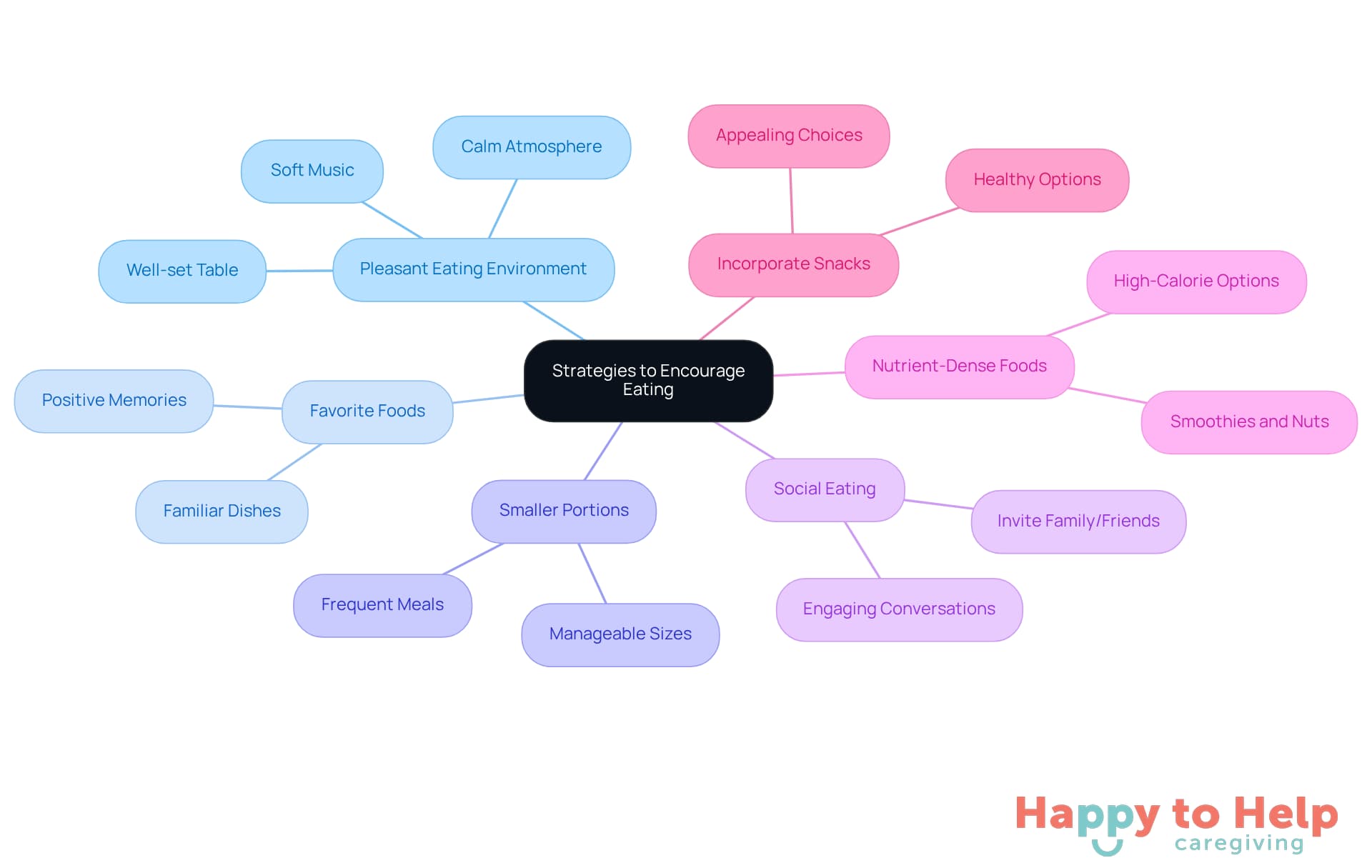
Create a Pleasant Eating Environment: A well-set table with colorful plates and good lighting can significantly enhance the appeal of meals. A calm and inviting atmosphere, perhaps with soft music, can make dining more enjoyable and encourage seniors to focus on their food. As nutritionist Daphne Dujali states, "A tranquil mealtime atmosphere can assist them in relaxing and concentrating on their food, making mindful consumption a more enjoyable practice."
-
Incorporate Favorite Foods: Offering familiar and enjoyable foods can stimulate appetite. Caregivers should prioritize dishes that the elderly person enjoys and that are simple to make, as these can evoke positive memories and enhance the dining experience. This aligns with the concept of mindful consumption, which encourages focusing on food’s colors, smells, textures, and flavors.
-
Serve Smaller Portions: Large meals can be intimidating. Instead, serving smaller portions more frequently throughout the day can make meals feel less overwhelming and more manageable for seniors. This approach helps them appreciate the sensory aspects of eating without feeling pressured.
-
Encourage Social Eating: Inviting family members or friends to join for dining can transform the experience into a social event. Participating in discussions while dining not only improves the experience but also motivates seniors to consume more. Sharing a mindful dining experience with friends or family fosters a sense of connection and belonging.
-
Use Nutrient-Dense Foods: Focusing on high-calorie, nutrient-rich foods such as avocados, nuts, and smoothies ensures that seniors receive adequate nutrition even with smaller portions. This is crucial for maintaining health and vitality, especially when appetite is low.
-
Incorporate Snacks: Encouraging healthy snacks between meals can help increase overall food intake without the pressure of a full meal. Options like yogurt, fruits, and trail mix can be both appealing and nutritious.
These strategies can help create a more enjoyable and less stressful dining experience for elderly individuals, particularly when an elderly person stops eating, ultimately supporting their nutritional needs and overall well-being. Additionally, caregivers should consider case studies that illustrate successful strategies for encouraging eating among elderly individuals, as these can provide practical insights and reinforce the effectiveness of the suggested approaches.
Address Emotional and Psychological Factors
Emotional and psychological factors significantly impact food intake among the elderly, presenting a challenge for caregivers. When an elderly person stops eating, it can result in reduced appetite, leading to malnutrition and further health complications. Recognizing and addressing these factors is crucial for promoting better eating habits.
-
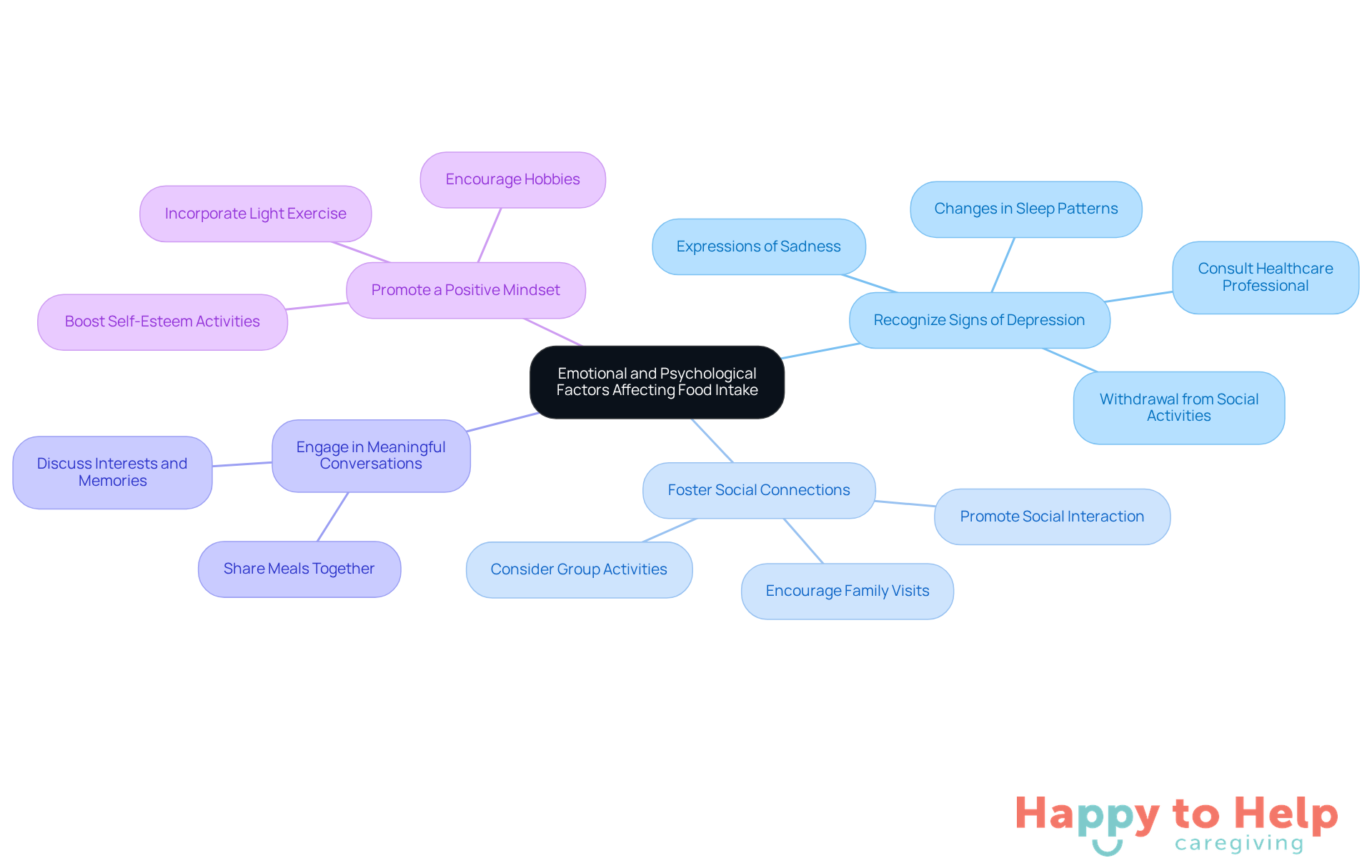
Recognize Signs of Depression: Caregivers should be vigilant for symptoms such as withdrawal from social activities, changes in sleep patterns, or expressions of sadness. If these signs are present, consulting a healthcare professional may be beneficial.
-
Foster Social Connections: Encouraging regular visits from family and friends or considering group activities can promote social interaction. This support helps alleviate feelings of loneliness and can improve mood, which is essential for encouraging food intake.
-
Engage in Meaningful Conversations: Spending time talking with elderly individuals about their interests and memories fosters a sense of connection. This engagement can encourage them to eat more during shared meals, enhancing their overall experience.
-
Promote a Positive Mindset: Activities that boost self-esteem and happiness, such as hobbies or light exercise, are vital. A positive outlook can significantly improve one's desire to eat.
By addressing these emotional and psychological factors, caregivers can create a supportive environment that encourages better eating habits.
Know When to Seek Professional Assistance
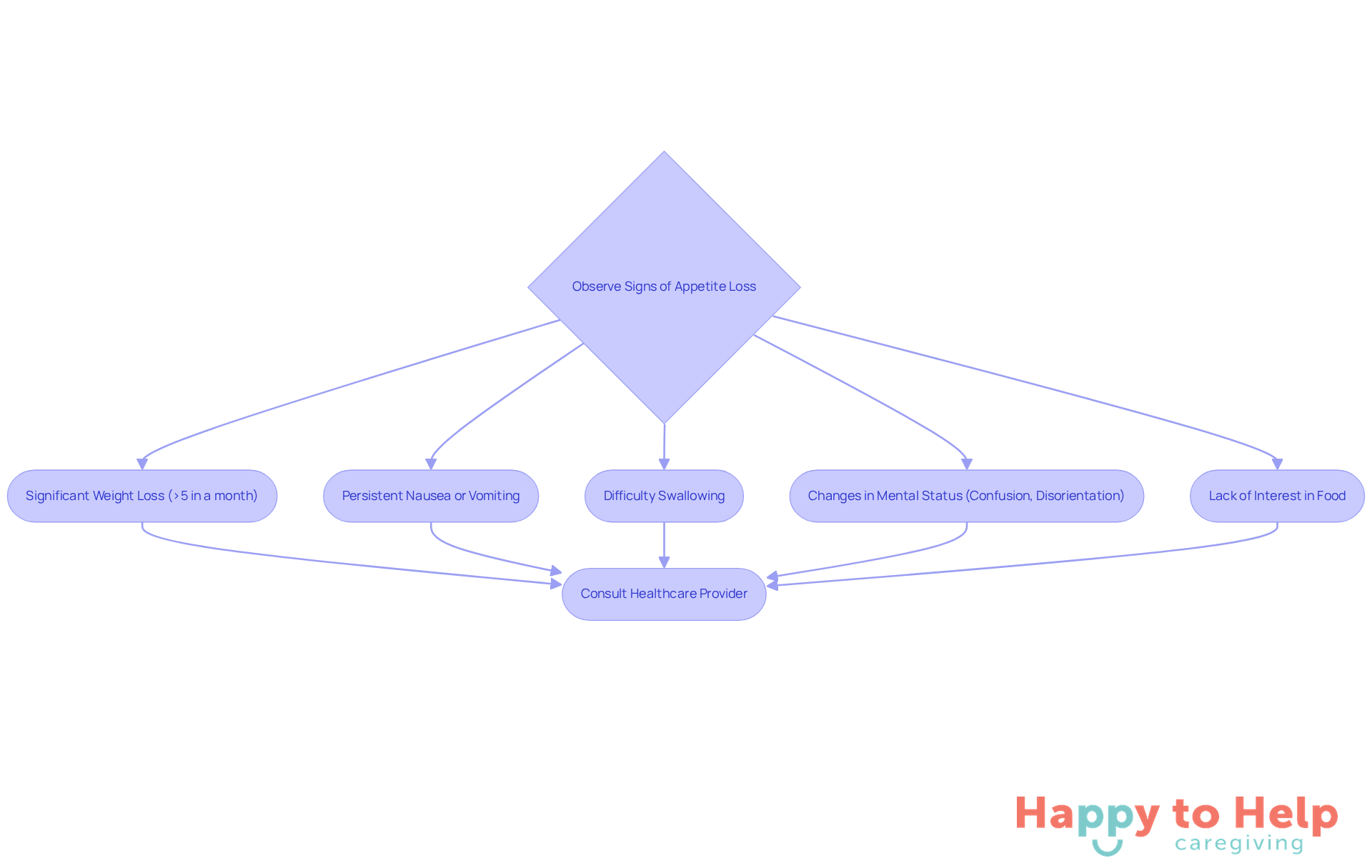
Caregivers face a significant challenge when an elderly person stops eating and experiences appetite loss. Recognizing when to seek professional assistance is crucial. Here are some signs that indicate the need for medical evaluation:
- Significant Weight Loss: If the elderly individual experiences unexplained weight loss of more than 5% of their body weight within a month, it is essential to consult a healthcare provider.
- Persistent Nausea or Vomiting: Ongoing gastrointestinal issues can lead to further complications and should be addressed by a medical professional.
- Difficulty Swallowing: If the individual has trouble swallowing or experiences pain while eating, this could indicate a serious underlying condition that requires medical attention.
- Changes in Mental Status: Sudden changes in cognition, such as confusion or disorientation, may signal a need for immediate medical evaluation.
- Lack of Interest in Food: It may be time to seek professional help when an elderly person stops eating and shows a complete disinterest in food over an extended period.
By recognizing these warning signs, caregivers can ensure that their clients receive the necessary medical support to address appetite loss effectively.
Moving Forward with Do When an Elderly Person Stops Eating:
Addressing appetite loss in elderly individuals is a significant concern that impacts their overall health and well-being. Caregivers face the challenge of understanding the multifaceted reasons behind this issue, which can range from medical conditions and physical changes to emotional and social factors. Recognizing these underlying causes is essential for caregivers to implement tailored strategies that create a more positive eating experience, ultimately enhancing seniors' quality of life.
Key strategies include:
- Creating inviting meal environments.
- Serving favorite foods in manageable portions.
- Encouraging social interactions during meals.
Additionally, caregivers should remain vigilant for signs that may indicate the need for professional assistance, such as significant weight loss or persistent gastrointestinal issues. These proactive measures not only address the immediate concerns of appetite loss but also contribute to a more fulfilling and connected life for elderly individuals.
In light of these challenges, caregivers are encouraged to adopt a compassionate and informed approach. By prioritizing the emotional and psychological aspects of eating, they can help seniors rediscover the joy of food and connection. Ultimately, fostering a supportive environment and recognizing when to seek professional help can significantly impact the health and happiness of the elderly, ensuring they receive the care and nourishment they deserve.
https://iframe.tely.ai/cta/eyJhcnRpY2xlX2lkIjogIjY5NDFmMzRjMDNjMTJkY2ZiNTk2MGFlMCIsICJjb21wYW55X2lkIjogIjY4ZWU1ZGNhNzMxNzYyNTU3ZjNjOTVjMSIsICJpbmRleCI6IG51bGwsICJ0eXBlIjogImFydGljbGUifQ==Frequently Asked Questions
What is the significance of appetite loss in elderly individuals?
Appetite loss affects nearly 20% of seniors and can lead to weight loss, malnutrition, and a decreased quality of life.
What medical conditions can impact appetite in seniors?
Chronic diseases such as heart disease, cancer, and dementia can significantly impact appetite. Additionally, certain medications like antidepressants and pain relievers may suppress hunger signals or cause nausea.
How do physical changes associated with aging affect appetite?
Aging often leads to declines in taste and smell, which diminishes the appeal of food. Dental problems, poorly fitting dentures, and swallowing difficulties can also make dining uncomfortable, discouraging seniors from eating.
What psychological factors contribute to appetite loss in older adults?
Emotional challenges such as depression, anxiety, and loneliness are common among older adults and can lead to decreased interest in food. Social isolation can further diminish the enjoyment of communal dining.
How can environmental factors influence a senior's desire to eat?
A lack of social interaction during meals or an uninviting eating environment can contribute to a reduced desire to eat. Creating a more inviting dining atmosphere and providing companionship can help motivate seniors to eat.
What practical solutions can caregivers implement to address appetite loss?
Caregivers can enhance food appeal with herbs and spices, provide smaller, more frequent servings, and promote social dining experiences to encourage better eating habits in seniors.
List of Sources
- Identify Reasons for Appetite Loss
- Senior Home Care: Why Seniors Lose Their Appetite (https://houston-homecare.com/why-seniors-lose-their-appetite-and-how-to-get-them-eating-again)
- Study: Appetite loss strikes 1 in 4 older adults before malnutrition develops (https://mcknights.com/news/study-appetite-loss-strikes-1-in-4-older-adults-before-malnutrition-develops)
- Poorer Nutritional Outcomes Seen for Older Adults Who Eat Alone (https://endocrinologyadvisor.com/news/poorer-nutritional-outcomes-seen-for-older-adults-who-eat-alone)
- Implement Strategies to Encourage Eating
- How to eat more in older age (https://medicalnewstoday.com/articles/treatment-for-loss-of-appetite-in-elderly)
- Dining Alone Could Mean Worse Nutrition for Seniors (https://usnews.com/news/health-news/articles/2025-11-26/dining-alone-could-mean-worse-nutrition-for-seniors)
- Nourishing the Golden Years: Mindful Eating For Seniors | Eden Senior Care (https://edenseniorhc.com/nourishing-the-golden-years-mindful-eating-for-seniors)
- 8 Tips to Help Older Adults Boost Their Nutrition (https://ncoa.org/article/8-ways-to-help-older-adults-boost-their-nutrition)
- Proper Nutrition Crucial for Seniors in Assisted Living Facilities, Says Dietitian (https://ltcnews.com/articles/proper-nutrition-seniors-assisted-living-facilities-dietitian)
- Address Emotional and Psychological Factors
- Is it normal to lose your appetite as you get older? (https://uclahealth.org/news/article/it-normal-lose-your-appetite-you-get-older)
- Depression and Older Adults (https://nia.nih.gov/health/mental-and-emotional-health/depression-and-older-adults)
- Strong social connections could boost healthy aging, experts say | Harvard T.H. Chan School of Public Health (https://hsph.harvard.edu/news/strong-social-connections-could-boost-healthy-aging-experts-say)
- Study: Appetite loss strikes 1 in 4 older adults before malnutrition develops (https://mcknights.com/news/study-appetite-loss-strikes-1-in-4-older-adults-before-malnutrition-develops)
- Mental health of older adults (https://who.int/news-room/fact-sheets/detail/mental-health-of-older-adults)
- Know When to Seek Professional Assistance
- Is it normal to lose your appetite as you get older? (https://uclahealth.org/news/article/it-normal-lose-your-appetite-you-get-older)
- Elderly Not Eating: Causes, Risks, and Tips to Boost Appetite (https://aplaceformom.com/caregiver-resources/articles/appetite-loss)
- How to eat more in older age (https://medicalnewstoday.com/articles/treatment-for-loss-of-appetite-in-elderly)
- Elderly Appetite Loss: Warning Signs and Care Tips (https://careindeed.com/blogs/elderly-appetite-loss-warning-signs-and-care-tips)
- When Should I Be Concerned About Elderly Appetite Loss? - Corewood Care (https://corewoodcare.com/news/when-should-i-be-concerned-about-elderly-appetite-loss)