
The Importance of Do with a Dementia Parent:
Dementia presents a complex and growing challenge, impacting millions of families globally and fundamentally changing caregiving dynamics. As the number of individuals diagnosed with cognitive impairments rises, caregivers often face emotional, physical, and financial strains that can feel overwhelming.
What can caregivers do to navigate the challenges of caring for a parent with dementia while also prioritizing their own well-being? This article explores the myriad difficulties caregivers encounter and offers practical solutions to foster resilience and effective support for both caregivers and their loved ones.
Understanding the Challenge
The emotional toll of caregiving can be significant. Caregivers may experience feelings of isolation, stress, and anxiety as they manage the demands of their role. Additionally, the physical strain can lead to health issues, while financial pressures can exacerbate the situation.
Practical Solutions for Caregivers
To address these challenges, caregivers can implement several strategies:
- Seek Support: Connecting with support groups can provide emotional relief and practical advice.
- Prioritize Self-Care: Engaging in regular self-care activities helps maintain physical and mental health.
- Educate Yourself: Understanding dementia can empower caregivers to make informed decisions and manage expectations.
By employing these strategies, caregivers can navigate the intricate landscape of dementia care while safeguarding their own well-being.
Define Dementia: Understanding the Condition
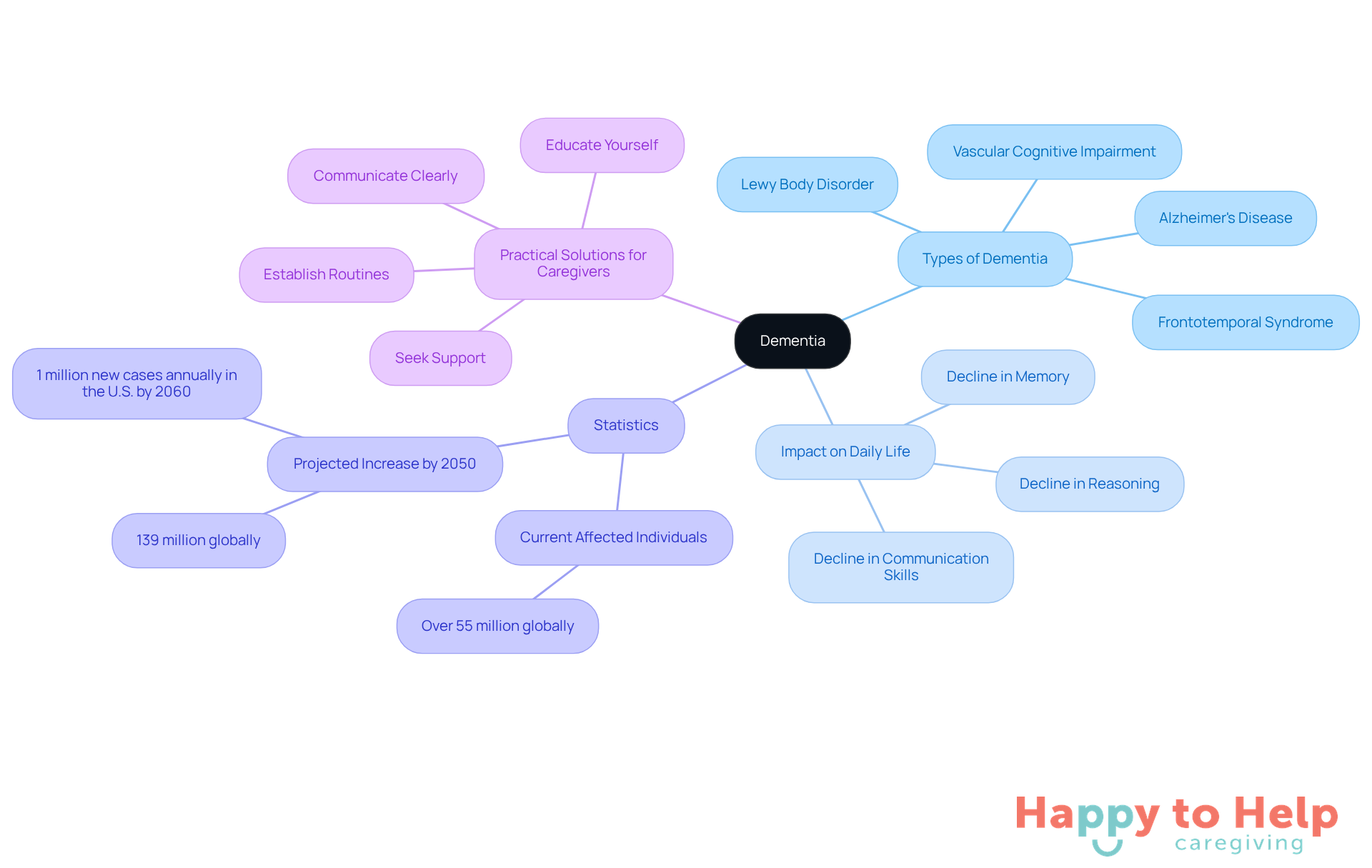
Dementia encompasses a range of cognitive impairments that disrupt daily functioning. The primary issues include a decline in memory, reasoning, and communication skills, which can severely hinder an individual's ability to perform everyday tasks. Alzheimer's disease is the most prevalent form of cognitive decline, but other types include vascular cognitive impairment, Lewy body disorder, and frontotemporal syndrome.
Neurologists emphasize that cognitive decline is not merely a part of aging; it significantly impacts daily life. This decline can lead to challenges in maintaining independence and quality of life. As of 2025, the World Health Organization (WHO) reports that over 55 million individuals globally are affected by cognitive decline, with projections suggesting this number could rise to 139 million by 2050. This alarming trend underscores the urgent need for effective caregiving strategies, particularly regarding what to do with dementia parent.
Moreover, nearly 12 million individuals in the U.S. provide unpaid assistance to relatives or friends suffering from cognitive impairment, highlighting the considerable strain on families. For caregivers, understanding the nuances of cognitive decline is crucial when considering what to do with dementia parent. It equips them to recognize signs and behaviors associated with the condition, ultimately enabling them to offer more effective support and care.
Practical Solutions for Caregivers:
- Educate Yourself: Familiarize yourself with the different types of cognitive decline and their symptoms.
- Communicate Clearly: Use simple language and maintain eye contact to enhance understanding.
- Establish Routines: Consistent daily routines can help individuals feel more secure and reduce confusion.
- Seek Support: Don’t hesitate to reach out to support groups or professional services for assistance.
Explore Challenges: Navigating Caregiver Responsibilities
Caregivers frequently seek advice on what to do with dementia parent, as they face numerous challenges that can lead to significant emotional and physical strain.
-
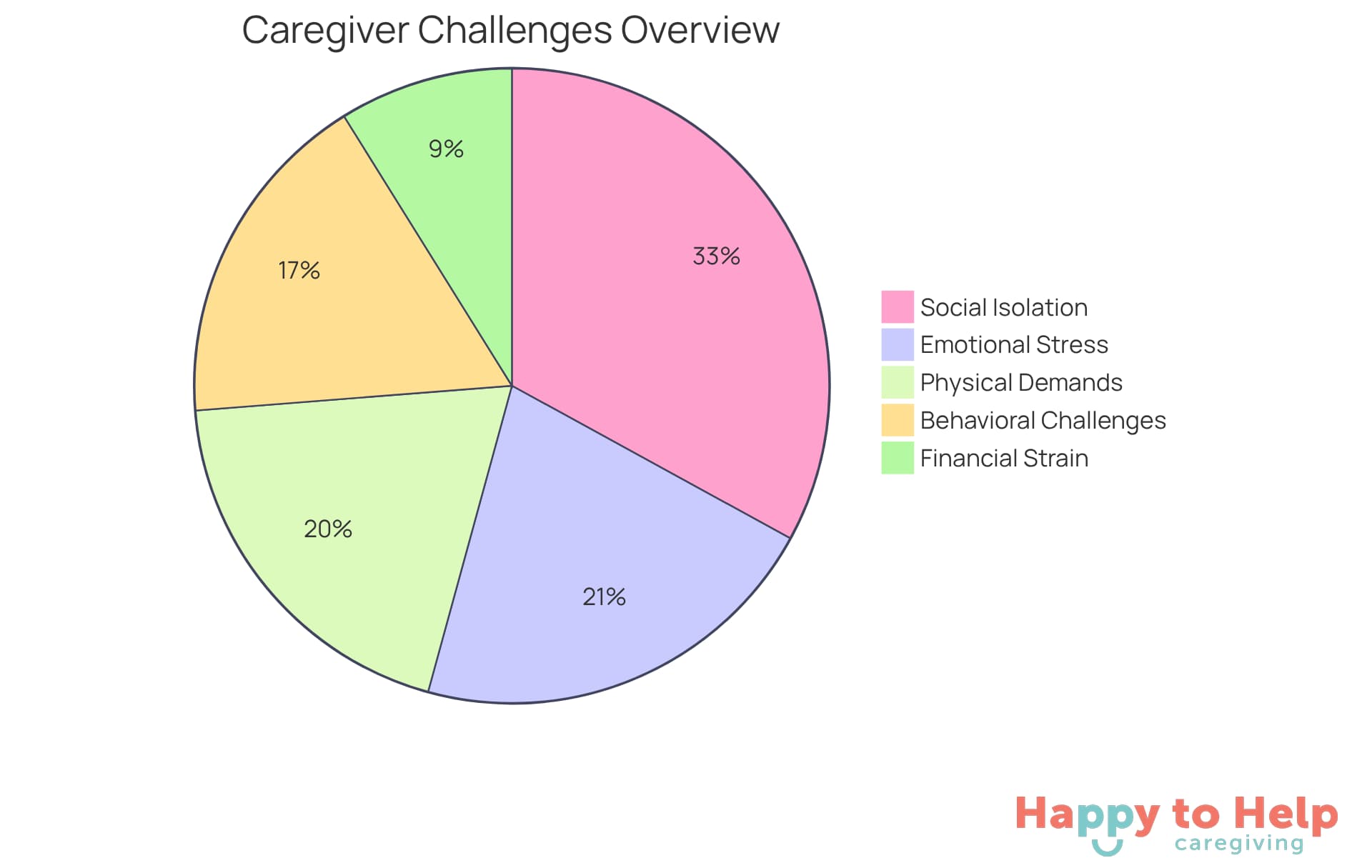
Emotional Stress: Caregivers often experience feelings of sadness, frustration, and helplessness as they witness their loved one's decline. This emotional weight can result in anxiety and depression, making it crucial for caregivers to seek support. Almost 60% report high emotional stress levels, and 32% hesitate to discuss agitation symptoms with healthcare professionals due to guilt or fear.
-
Physical Demands: The physical requirements of caregiving can be taxing, especially as dementia progresses. Caregivers may need to assist with mobility, personal hygiene, and daily activities, leading to fatigue and health issues. Approximately 40% to 70% of family support providers experience symptoms of depression, highlighting the toll caregiving takes on physical health.
-
Social Isolation: Many caregivers report feeling isolated due to the demands placed upon them. The time commitment required for caregiving can limit social interactions, leading to loneliness and a lack of support. This isolation can intensify emotional pressure, with 93% feeling overwhelmed or emotionally exhausted.
-
Financial Strain: The costs associated with dementia care, including medical expenses and potential loss of income, create significant financial stress for families. About 25% of caregivers have had to leave their jobs or reduce their working hours to manage caregiving responsibilities, complicating their financial circumstances.
-
Behavioral Challenges: Dementia can lead to erratic actions, such as wandering, aggression, or confusion, which can be particularly difficult for caregivers to manage. A nationwide survey revealed that 49% find agitation symptoms more challenging than memory loss alone, underscoring the need for education and assistance in addressing these behaviors. Moreover, around 106 million unpaid supporters are present in the U.S., emphasizing the magnitude of caregiving and the importance of tackling these issues.
Navigating these challenges involves knowing what to do with dementia parent, as well as a combination of knowledge, assistance, and self-care strategies. Caregivers should prioritize their well-being while delivering the best possible care for their loved ones.
Support Strategies: Resources for Caregivers
Caregivers often face significant challenges that can impact their well-being and the quality of care they provide. The emotional and physical demands of caregiving can lead to stress, burnout, and feelings of isolation, especially when figuring out what to do with a dementia parent. It's crucial to address these issues to ensure caregivers can continue to provide effective support.
To tackle these challenges, caregivers can implement several effective strategies:
-
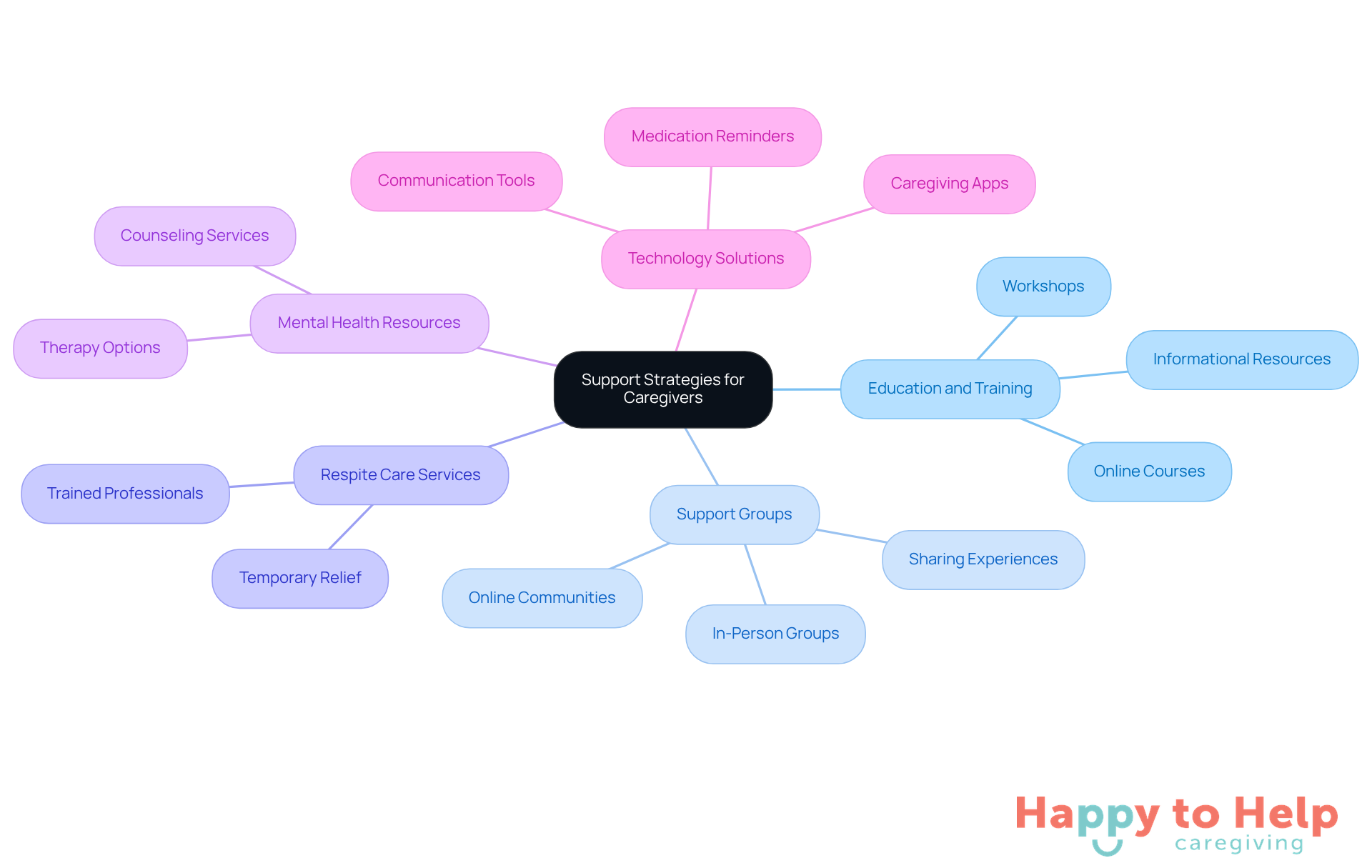
Education and Training: Understanding dementia and its progression empowers caregivers. Many organizations offer workshops, online courses, and informational resources to help caregivers grasp the condition and learn effective caregiving techniques.
-
Support Groups: Connecting with others in similar situations can provide emotional support and practical advice. Support groups, whether in-person or online, allow caregivers to share experiences, challenges, and coping strategies, fostering a sense of community.
-
Respite Care Services: Utilizing respite care services offers caregivers a much-needed break. These services provide temporary relief by allowing trained professionals to take over caregiving responsibilities, enabling caregivers to recharge and maintain their own well-being.
-
Mental Health Resources: Prioritizing mental health is essential. Caregivers should seek counseling or therapy if needed. Many organizations offer mental health resources specifically for caregivers, addressing issues like stress, anxiety, and depression.
-
Technology Solutions: Various apps and tools can assist caregivers in managing schedules, medication reminders, and communication with healthcare providers. Leveraging technology can streamline caregiving tasks and improve overall efficiency.
By utilizing these resources and strategies, caregivers can better understand what to do with a dementia parent when navigating the challenges of caring for a loved one. This proactive approach not only enhances their quality of life but also positively impacts the well-being of their care recipients.
Key Takeaways for Caregivers
Dementia caregiving presents a significant problem, filled with unique challenges that require understanding, patience, and proactive strategies. Caregivers often face emotional stress, physical demands, and social isolation, making it essential to equip themselves with knowledge about dementia and its implications. This understanding is crucial for navigating the hurdles that arise in this demanding role.
The implications of these challenges are profound. Caregivers must recognize the types of dementia and their symptoms while addressing the emotional toll that caregiving can take. Support is essential in this journey. Practical solutions include:
- Education about dementia and its effects.
- Clear communication with patients and family members.
- Establishing routines to provide stability.
- Seeking assistance from support networks.
By implementing these strategies, caregivers can significantly enhance their caregiving experience and improve the quality of life for both themselves and their loved ones. The significance of understanding and addressing these challenges cannot be overstated.
Ultimately, caregivers who actively seek resources, utilize support networks, and prioritize self-care can manage their responsibilities more effectively. This approach fosters a compassionate and supportive environment for those living with dementia. Embracing these strategies ensures that caregivers are not just surviving but thriving, enabling them to provide the best possible care for their loved ones.
https://iframe.tely.ai/cta/eyJhcnRpY2xlX2lkIjogIjY5MmY5MWJjY2E4MDg5MWIwMmZiMDEwZSIsICJjb21wYW55X2lkIjogIjY4ZWU1ZGNhNzMxNzYyNTU3ZjNjOTVjMSIsICJpbmRleCI6IG51bGwsICJ0eXBlIjogImFydGljbGUifQ==Frequently Asked Questions
What is dementia?
Dementia encompasses a range of cognitive impairments that disrupt daily functioning, primarily affecting memory, reasoning, and communication skills.
What are the different types of dementia?
The most prevalent form of dementia is Alzheimer's disease, but other types include vascular cognitive impairment, Lewy body disorder, and frontotemporal syndrome.
Is cognitive decline a normal part of aging?
No, neurologists emphasize that cognitive decline is not merely a part of aging; it significantly impacts daily life and can hinder independence and quality of life.
How many people are affected by cognitive decline globally?
As of 2025, over 55 million individuals globally are affected by cognitive decline, with projections suggesting this number could rise to 139 million by 2050.
What is the impact of dementia on caregivers?
Nearly 12 million individuals in the U.S. provide unpaid assistance to relatives or friends suffering from cognitive impairment, indicating a considerable strain on families.
What should caregivers do to support individuals with dementia?
Caregivers should educate themselves about different types of cognitive decline, communicate clearly, establish routines, and seek support from groups or professional services.
Why is it important for caregivers to understand dementia?
Understanding the nuances of cognitive decline helps caregivers recognize signs and behaviors associated with the condition, enabling them to offer more effective support and care.
List of Sources
- Define Dementia: Understanding the Condition
- Caregivers: the invisible backbone of dementia care (https://publichealth.gmu.edu/news/2025-11/caregivers-invisible-backbone-dementia-care)
- 01/17/2025: Study: Dementia cases to double in U.S. by 2060 | News (https://healthpolicyohio.org/health-policy-news/2025/01/17/study-dementia-cases-to-double-in-us-by-2060)
- One in Five People with Dementia Receive No Care, Global Study Finds (https://ysph.yale.edu/news-article/one-in-five-people-with-dementia-receive-no-care-global-study-finds)
- 2025 NIH Alzheimer’s Disease and Related Dementias Research Progress Report: Advances and Achievements (https://nia.nih.gov/about/2025-nih-dementia-research-progress-report)
- New Study Finds Fewer Americans Are Developing Dementia—But More Are Living with It | Newsroom (https://news.unchealthcare.org/2025/05/new-study-finds-fewer-americans-are-developing-dementia-but-more-are-living-with-it)
- Explore Challenges: Navigating Caregiver Responsibilities
- New program reduces burnout in dementia caregivers, novel research evaluation proves (https://publichealth.gmu.edu/news/2025-10/new-program-reduces-burnout-dementia-caregivers-novel-research-evaluation-proves)
- New Survey Reveals Critical Gaps in Awareness and Understanding of Agitation in Alzheimer’s Dementia - Alliance for Aging Research (https://agingresearch.org/news/new-survey-reveals-critical-gaps-in-awareness-and-understanding-of-agitation-in-alzheimers-dementia)
- Caregiving can be a tough, lonely mission. One daughter found ways to reconnect (https://npr.org/sections/shots-health-news/2024/10/31/nx-s1-5172517/caregiver-caregiving-isolation-burnout-resources)
- Inside the Hidden Strain of Dementia Caregiving | Docwire News (https://docwirenews.com/post/inside-the-hidden-strain-of-dementia-caregiving)
- Alzheimer’s Association Highlights Unique Challenges That Dementia Caregivers Face and Tips for Supporting Them (https://alz.org/news/2023/alzheimers-association-highlights-unique-challenges-that-dementia-caregivers-face-and-tips-for-supp)
- Support Strategies: Resources for Caregivers
- New program reduces burnout in dementia caregivers, novel research evaluation proves (https://publichealth.gmu.edu/news/2025-10/new-program-reduces-burnout-dementia-caregivers-novel-research-evaluation-proves)
- Caregivers: the invisible backbone of dementia care (https://publichealth.gmu.edu/news/2025-11/caregivers-invisible-backbone-dementia-care)
- New NIA grant advances tools for dementia caregiving (https://news-medical.net/news/20251015/New-NIA-grant-advances-tools-for-dementia-caregiving.aspx)
- Alzheimer’s Association Honors the Nearly 12 Million Americans Who Serve as Dementia Caregivers and Shares New Resources to Help Them Thrive (https://alz.org/news/2025/november-national-family-caregivers-alzheimers-disease-awareness-month)
- Alzheimer’s Association honors caregivers, shares resources (https://thestokesnews.com/alzheimer-s-association-honors-caregivers-shares-resources/article\_c78a25b5-8e3f-4cb4-ba4c-ceacd7b8253a.html)