Who Pays for Respite Care? 10 Funding Options for Families

For families in our service areas
For families in our service areas, this guide explains respite care and how non-medical in-home caregiving can support care planning in East Idaho, Treasure Valley & Magic Valley, Northern Wasatch, North Central West Virginia & Southwestern Pennsylvania, and Northeast Ohio.
Why Who Pays for Respite Care? 10 Funding Matters
Navigating the complexities of caregiving can be overwhelming, often leading families to face a crucial question: who pays for respite care? The emotional and physical toll of caregiving can weigh heavily on loved ones, making it essential to understand the funding options available. Knowing these resources can significantly ease the burden, providing much-needed relief.
This article explores ten diverse avenues for financial assistance, from Medicare and Medicaid to private insurance and nonprofit organizations. Each option serves as a potential lifeline, offering families a roadmap to secure the support they need. As the landscape of respite care funding evolves, it’s important to consider how families can effectively leverage these resources. After all, ensuring that loved ones receive the care they deserve is a priority that no family should have to navigate alone.
Happy to Help Caregiving: Comprehensive Respite Care Services
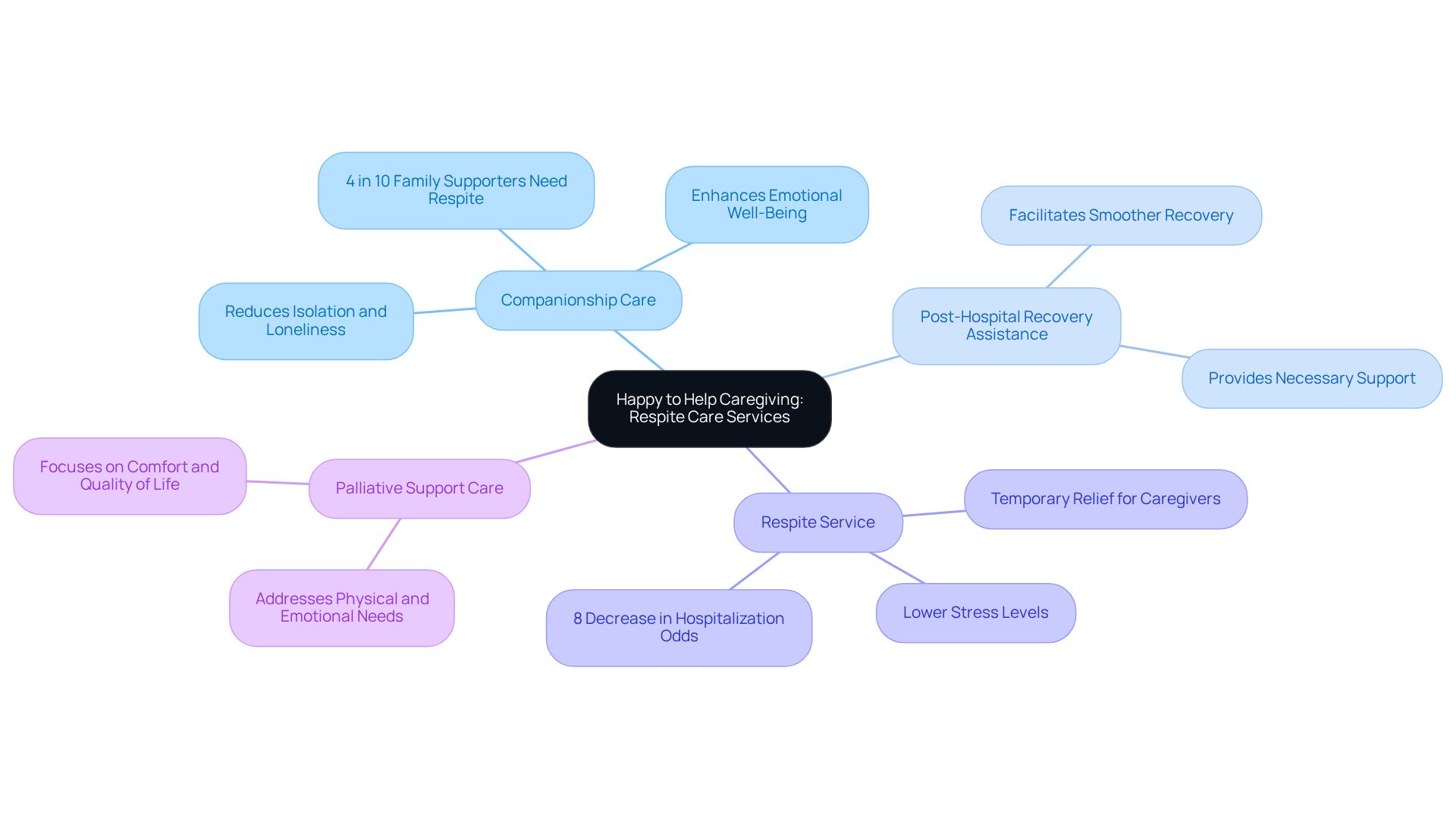
At Happy to Help Caregiving, we understand the emotional challenges that caregivers face. Caring for others can often lead to feelings of stress and burnout, and it’s essential to address these concerns with compassion and support. Our varied selection of relief care services is designed to improve well-being and assist those who care for others.
Companionship Care is one of our core services. It focuses on engaging clients in meaningful activities, significantly reducing feelings of isolation and loneliness. Research shows that companionship can enhance emotional well-being for both supporters and recipients. In fact, nearly 4 in 10 family supporters rank respite care as their greatest service need, raising questions about who pays for respite care and underscoring the importance of this support.
Transitioning from hospital to home can be a daunting experience. That’s why we offer Post-Hospital Recovery Assistance. This service ensures clients receive the necessary care and support during this critical period, facilitating a smoother recovery process.
Our Respite Service is created to offer temporary relief for primary supporters, particularly for those who pay for respite care. It allows them to take necessary breaks while ensuring their loved ones are well looked after by those who pay for respite care. Studies reveal that caregivers who take regular breaks report lower stress levels and improved health outcomes. For every $1,000 spent on relief services, there was an 8 percent decrease in the likelihood of hospitalization, highlighting the vital role these services play.
We also provide Palliative Support Care, a compassionate service that focuses on individuals with serious illnesses. This service prioritizes comfort and quality of life, addressing both physical and emotional needs to ensure clients receive holistic support.
With 24/7 accessibility and adaptable scheduling choices, Happy to Help Caregiving is dedicated to offering prompt assistance that meets the distinct requirements of households. By incorporating companionship support within our temporary services, we not only enhance the quality of care but also foster a sense of community and connection, which is essential for overall well-being. As trends in in-home assistance evolve, more households are choosing in-home support services to preserve their loved ones' independence and happiness.
Medicare Coverage: Understanding Respite Care Benefits
Caring for a loved one can be incredibly challenging, and Medicare recognizes the emotional toll it takes on families. Through its hospice benefit, it offers essential respite care, providing much-needed support for caregivers during these difficult times.
Eligibility: If your loved one is enrolled in hospice care and diagnosed with a terminal illness, they can access respite care. This ensures that caregivers receive the support they need when it matters most.
Duration: Medicare covers temporary relief for up to five consecutive days. This brief respite allows caregivers a crucial opportunity to rest and rejuvenate, helping them to continue providing compassionate care.
Facility Requirements: It's important to note that assistance must be provided in a Medicare-approved facility, such as a skilled nursing facility or a hospice center. This requirement can sometimes limit options for in-home support, which many families prefer.
Recent data indicates that around 90% of hospice patients utilize short-term relief services under Medicare. This statistic underscores the significance of these services in the caregiving landscape. However, families should be aware that Medicare coverage typically does not extend to long-term service facilities or in-home assistance unless specific conditions are met. Many households find themselves in a situation where they are the ones who pays for respite care out of pocket, which can be a significant financial burden.
For comprehensive information on coverage details and potential out-of-pocket expenses, individuals are encouraged to visit Medicare.gov or call 1-800-MEDICARE. Additionally, the GUIDE program offers financial assistance for caregivers, providing further options for families seeking support. Remember, you’re not alone in this journey; there are resources available to help lighten the load.

Medicaid Assistance: How It Supports Respite Care Costs
Medicaid plays a vital role in easing the financial burden on families who pay for respite care and are seeking temporary assistance. However, it’s important to recognize that who pays for respite care can differ significantly from one state to another. Here are some key points to consider:
-
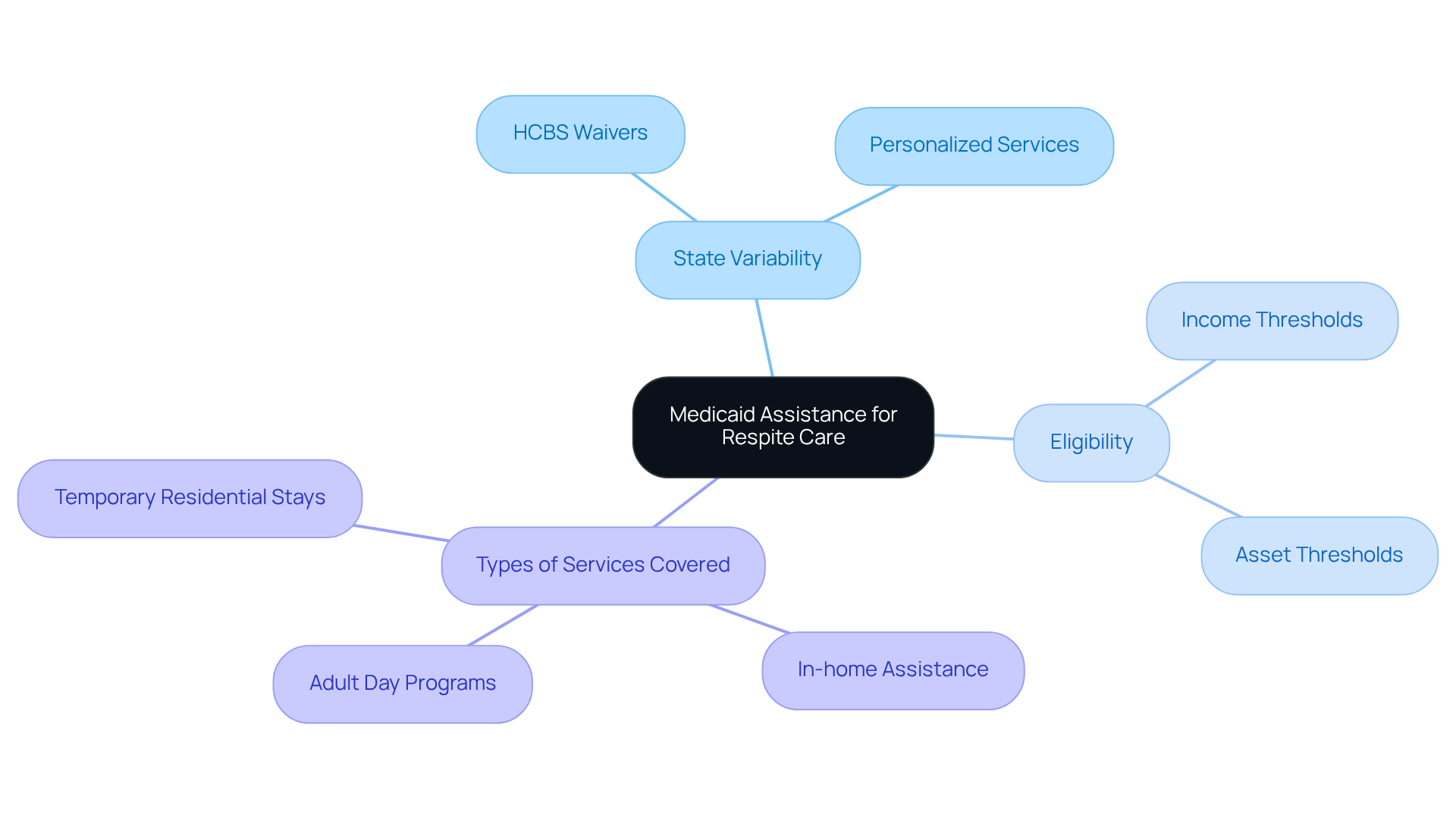
State Variability: Medicaid programs across the U.S. often provide respite care coverage mainly through Home and Community-Based Services (HCBS) waivers. These waivers allow states to offer personalized services that cater to the unique needs of their communities, ensuring that families receive the support they truly need.
-
Eligibility: To qualify for Medicaid assistance, households generally need to meet specific income and asset thresholds. Understanding these criteria is crucial for families looking for help, as it can open doors to much-needed resources.
-
Types of Services Covered: Depending on state policies, Medicaid may cover a variety of respite services, such as in-home assistance, adult day programs, and temporary residential stays for individuals who pay for respite care. This flexibility empowers families to choose the best support options for their loved ones, providing peace of mind during challenging times.
Families are encouraged to reach out to their local Medicaid offices to explore available options and confirm eligibility. Navigating these resources can significantly enhance the quality of care for both caregivers and those they care for, making a world of difference in their lives.
Private Insurance Plans: Exploring Coverage for Respite Care
Navigating private insurance options can feel overwhelming, especially when seeking temporary assistance. It’s crucial for families to understand their specific policies, as this knowledge can significantly ease their burden. Here are some key considerations to keep in mind:
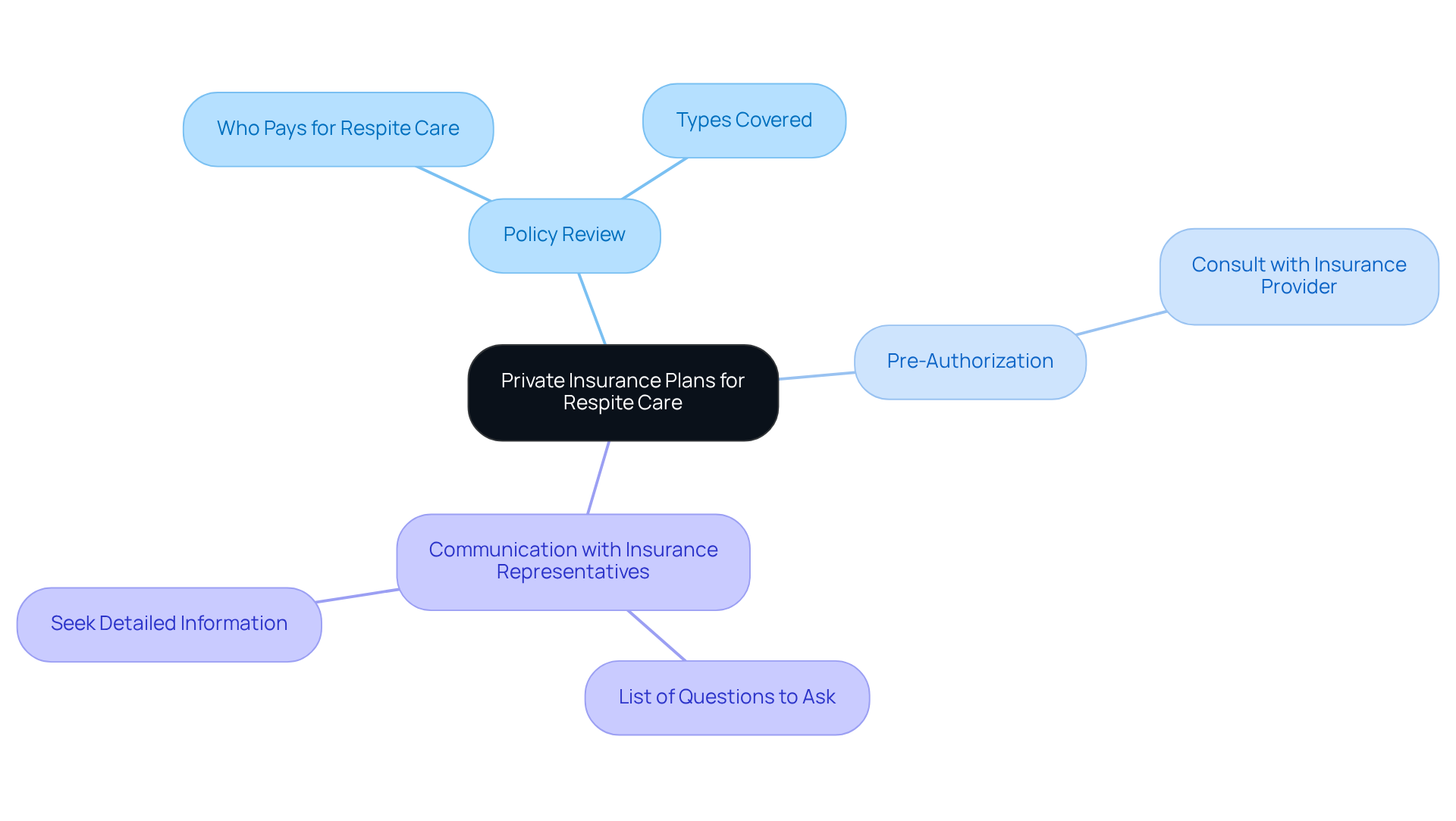
- Policy Review: Take the time to carefully examine your insurance policies. It’s important to identify who pays for respite care services and which types are covered. Understanding who pays for respite care can help avoid surprises down the road, especially regarding any limitations or exclusions. Some long-term care insurance policies include temporary support as a covered service for individuals who pays for respite care. This can be a lifeline for families needing short-term help. However, it’s worth noting that only 11% of adults have a private long-term support insurance policy, highlighting the need to fully grasp these options.
- Pre-Authorization: Many insurers require pre-authorization for relief services. Before arranging any assistance, it’s essential to consult with your insurance provider to ensure you meet their requirements.
Families are encouraged to reach out to their insurance representatives for detailed information on coverage options. This step can greatly influence their ability to access vital relief support services. As Ryan Ramsey, Associate Director of Health Coverage and Benefits at NCOA, wisely points out, "A social worker can provide valuable support in creating a temporary support plan and locating services in your community."
Additionally, making a list of questions to ask your insurance representative about temporary assistance coverage can help families explore their options more effectively. Remember, you’re not alone in this journey; support is available, and understanding your insurance can lead to the relief you need.
Out-of-Pocket Payments: Managing Respite Care Expenses
Many households face the challenge of managing out-of-pocket expenses for temporary assistance, and it can feel overwhelming. Here are some strategies that might help ease that burden:
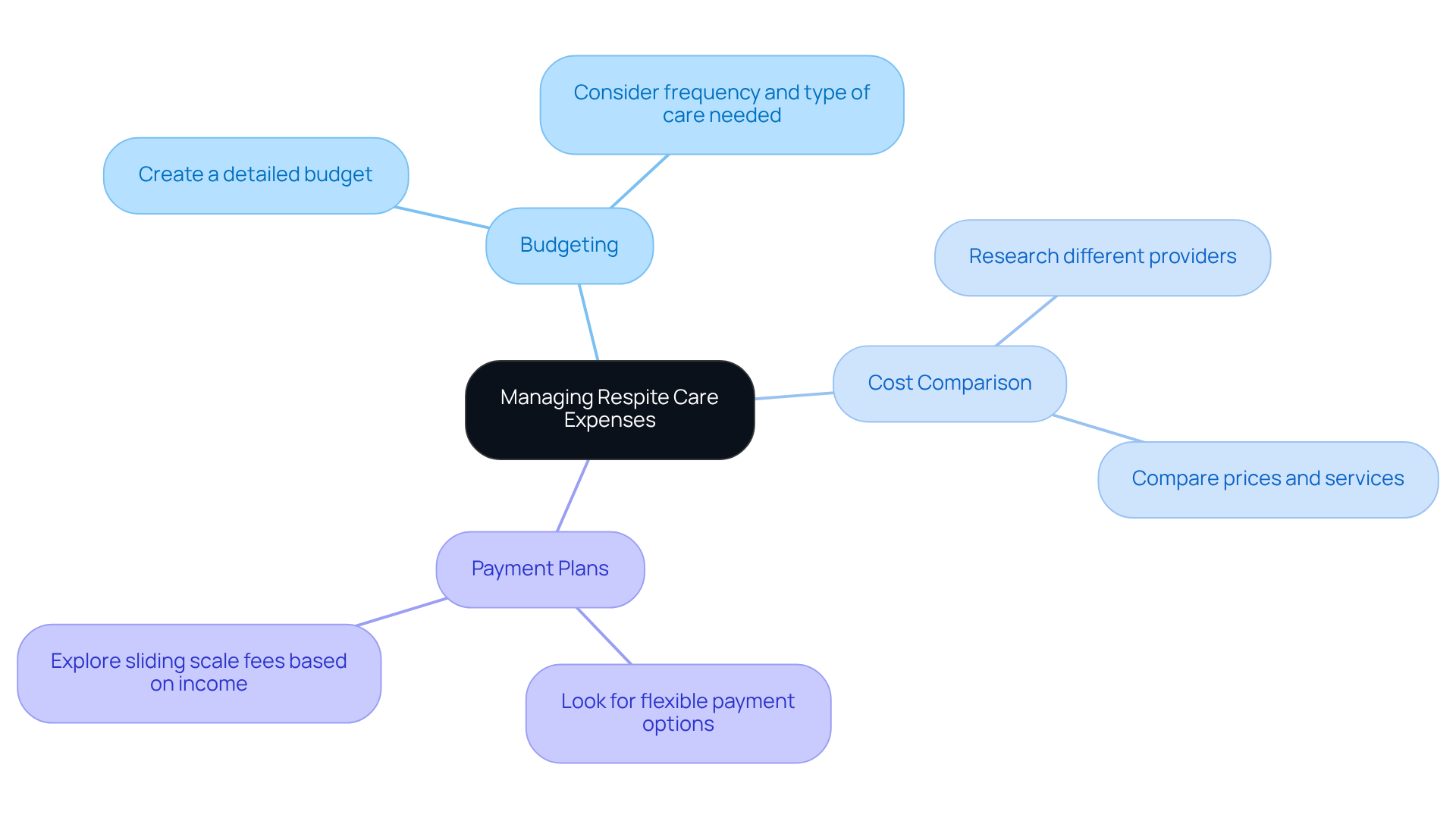
- Budgeting: Start by creating a detailed budget that includes respite care costs. Think about how often you’ll need care and what type will work best for your situation. This proactive step can really help in allocating your resources wisely.
- Cost Comparison: Take the time to research and compare the costs of different relief service providers. You might be surprised by the price differences, which can help you find the most affordable option that fits your needs.
- Payment Plans: Look for providers that offer flexible payment plans or sliding scale fees based on income. These options can significantly lighten the financial load for individuals who pay for respite care, making respite assistance more accessible.
Recent trends show that nearly half of caregivers experience significant financial strain due to their responsibilities. This highlights just how crucial it is to budget strategically. As Matthew Clem, a registered nurse, wisely points out, "When you contemplate the alternatives, including assisted living and nursing home support, in-home services may be a more financially accessible option."
By preparing ahead and using these strategies, households can navigate the financial landscape of relief services with greater ease. Remember, you’re not alone in this journey, and with the right support, it’s possible to find a path that feels manageable.
Nonprofit Organizations: Funding Opportunities for Respite Care
Many nonprofit groups play a crucial role in providing funding options for short-term relief, assisting families who pay for respite care to access the support they truly need. It’s important to recognize the emotional challenges caregivers face, and there are resources available to lighten that burden.
National Organizations: One prominent resource is the National Respite Coalition, which offers both funding and guidance for families seeking respite care solutions. Their initiatives aim to improve access to relief services nationwide. For instance, the Alzheimer's Association has granted $20 million in competitive grants for innovative care projects, showcasing their commitment to enhancing support for families.
Local Charities: Local charities are often dedicated to uplifting their communities by providing grants or vouchers specifically for respite services. Take Walmart Spark Good Local Grants, for example; they offer funding ranging from $250 to $5,000 to support local organizations that address community needs. This ensures that families receive the assistance they require, right in their own neighborhoods.
Specialized Programs: Some nonprofits focus on specific demographics, such as veterans or families with special needs. Organizations like Visiting Angels have formed new grant partnerships to enhance their services, recognizing the unique challenges these groups face and providing tailored funding options.
Families are encouraged to explore both local and national nonprofit resources, particularly those that assist who pays for respite care. By doing so, they can identify potential funding sources that may alleviate the financial strain of temporary support. Remember, you’re not alone in this journey; there are compassionate resources ready to help.

Cost Awareness: Key Considerations for Respite Care Funding
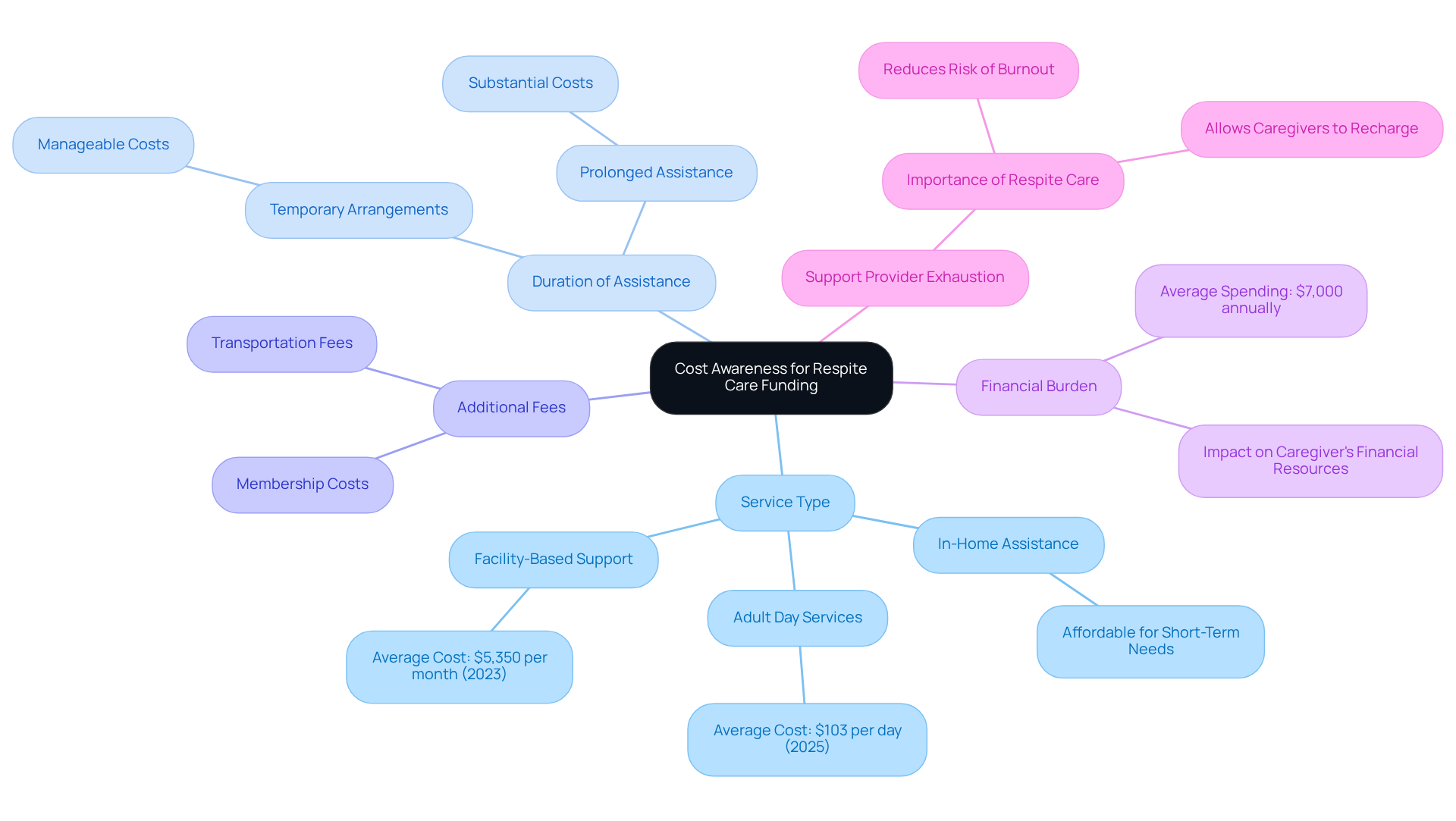
When it comes to who pays for respite care, families often face emotional and financial challenges. It’s essential to consider several critical cost factors that can impact your decision.
-
Service Type: The costs of respite care can vary significantly based on the type of service you choose. For short-term needs, in-home assistance is usually more affordable. However, adult day services average around $103 per day in 2025, and facility-based support can be pricier, with assisted living establishments averaging $5,350 per month in 2023. Understanding these options can help you find the right fit for your family’s needs.
-
Duration of Assistance: The length of time you need respite support plays a crucial role in determining overall expenses. While temporary arrangements may feel manageable, prolonged assistance can lead to substantial costs. It’s important to budget carefully and consider who pays for respite care and how long you might need assistance.
-
Additional Fees: Be aware of potential extra charges that may arise, such as transportation fees for adult daytime services or membership costs for certain facilities. These can add up, so it’s wise to ask about all possible expenses upfront.
If you’re eligible, it’s comforting to know that Medicare may cover temporary support expenses, which raises the question of who pays for respite care. This can provide significant financial relief during a challenging time.
-
Financial Burden: On average, household providers spend more than $7,000 each year on support expenses. This highlights the financial consequences of temporary assistance and the importance of planning ahead.
-
Support Provider Exhaustion: Respite assistance is vital in reducing the risk of support provider exhaustion. It allows caregivers to rejuvenate and maintain their wellness, ensuring they can continue to provide the best care possible.
By understanding these elements, families can make informed financial choices regarding respite assistance. This knowledge empowers you to select options that align with your needs and budget, providing peace of mind during a challenging journey.
Types of Respite Care Services: Finding the Right Fit
Respite services offer a variety of options tailored to meet the unique needs of caregivers, helping them find the right support they deserve.
-
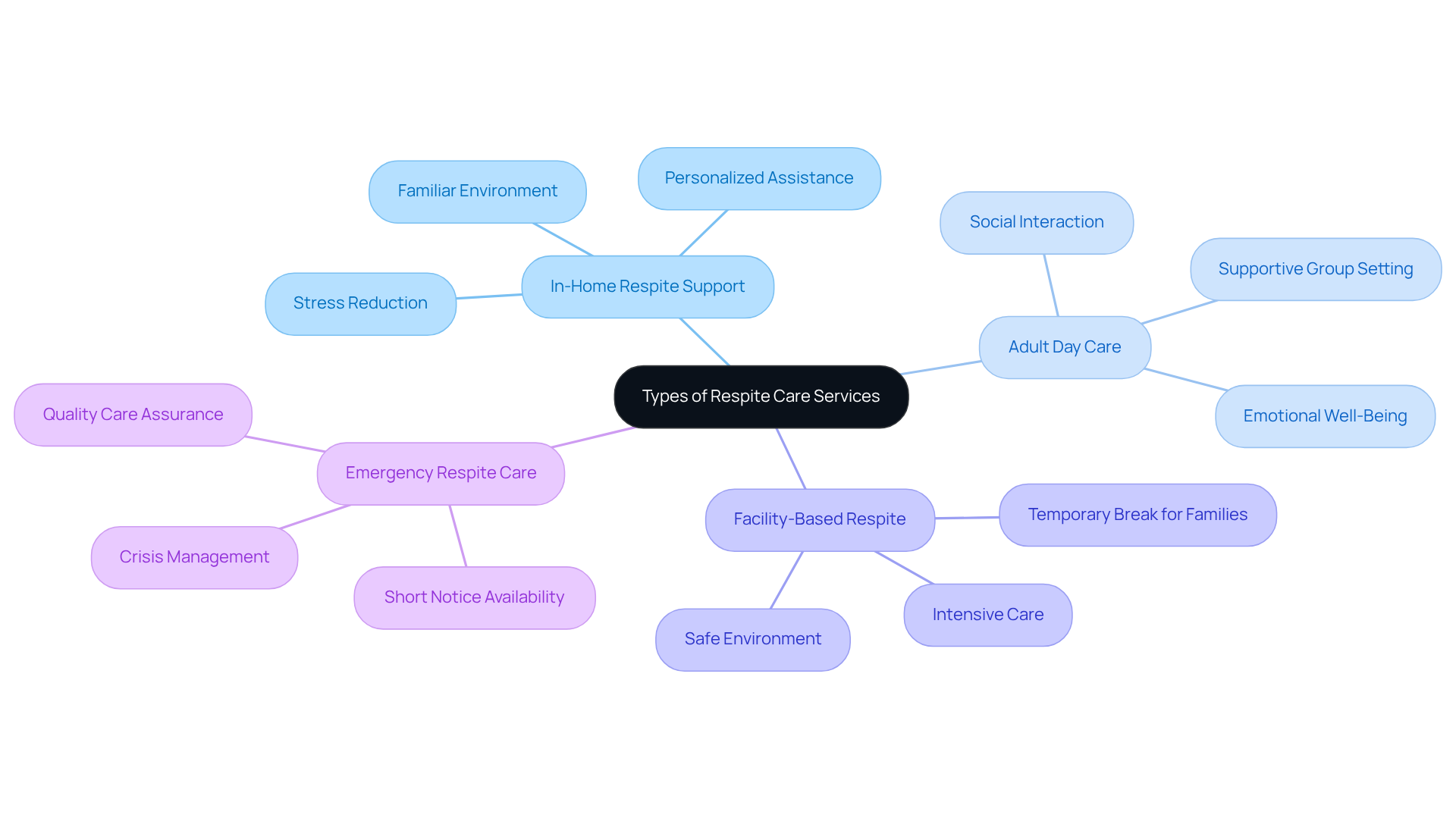
In-Home Respite Support: Imagine having a professional come to your home, providing personalized assistance while you take a much-needed break. This option is particularly beneficial as it keeps you and your loved one in a familiar, comforting environment, significantly reducing stress for both of you. As Samantha Wolfe, a Direct Support Professional, beautifully puts it, "The main goal is to give that needed break to the caregiver."
-
Adult Day Care: These organized programs provide a supportive group setting during the day, fostering social interaction and engagement. Not only do they offer essential care, but they also promote emotional well-being through connection with others. Many caregivers have reported feeling a sense of relief knowing their loved ones are in a nurturing environment. According to the National Library of Medicine, caregivers who provide over 30 hours of assistance weekly often feel a heightened need for respite services, highlighting the importance of these programs.
-
Facility-Based Respite: For those needing more intensive care, short-term stays in assisted living or nursing facilities can be a perfect solution. This option allows families to take a temporary break while ensuring their loved ones receive professional support in a safe and caring environment.
-
Emergency Respite Care: Life can be unpredictable, and this service is available on short notice for caregivers facing unexpected situations. It provides immediate relief, allowing you to manage crises without compromising the quality of care for your loved one.
Families are encouraged to carefully consider their specific needs and preferences to find the type of respite support that best fits their situation. Engaging in conversations with caregiving experts can empower you to make informed decisions, ensuring that the chosen temporary support provider truly understands the unique needs of the person receiving assistance.
Caregiver Support: Preventing Burnout Through Respite Care
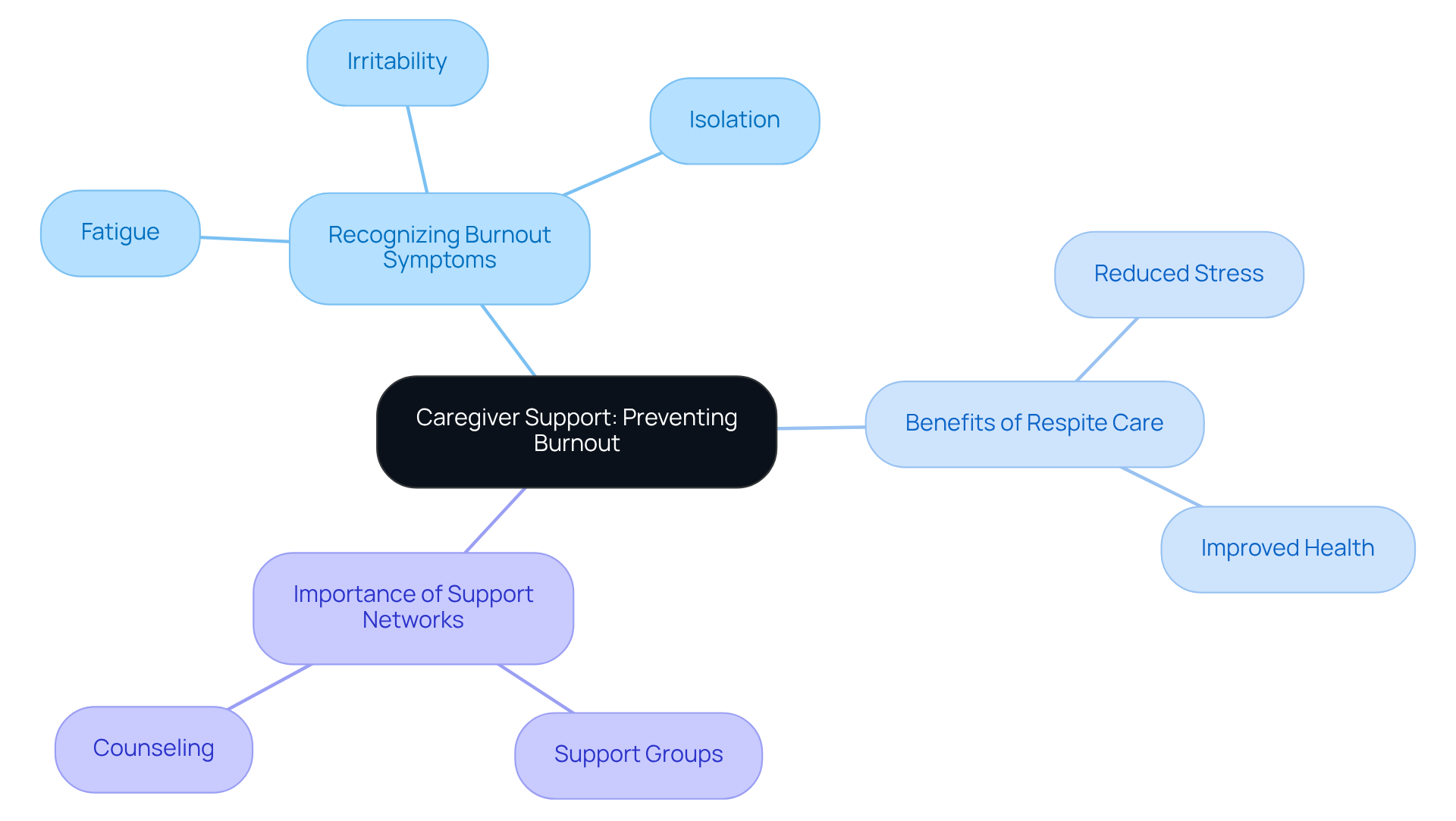
Caregiver exhaustion is a significant concern, and finding relief is crucial for preventing it. Recognizing the signs of burnout is essential; symptoms like fatigue, irritability, and feelings of isolation often indicate that caregivers are feeling overwhelmed. Being aware of these symptoms is the first step toward addressing them effectively.
Respite support offers substantial benefits for caregivers, especially for those who pay for respite care, by allowing them to take necessary breaks, which can lead to reduced stress and improved overall health. Research shows that individuals who utilize relief services often feel more competent and stable, highlighting the positive impact these breaks have on their mental well-being. Christine Bracey, MSW, LSW, points out that caregivers frequently don’t realize how fatigued they are until they reach a breaking point, underscoring the importance of recognizing burnout symptoms early.
Moreover, connecting with support networks, such as support groups or counseling, can amplify the advantages of respite care. These resources provide vital emotional support, helping caregivers manage their challenges more effectively. Studies reveal that nearly a quarter of caregivers feel completely isolated, making these connections even more crucial.
By prioritizing their own well-being through respite services and support systems, caregivers can enhance their ability to provide quality care for their loved ones, particularly those who pay for respite care. Exploring local relief services and reaching out to support networks can be important steps on this journey.
Navigating Respite Care Funding: Essential Insights for Families
Navigating who pays for respite care can feel overwhelming, especially for families facing the emotional toll of caregiving. But with the right insights, you can find the financial support you need to ensure your loved ones receive the care they deserve.
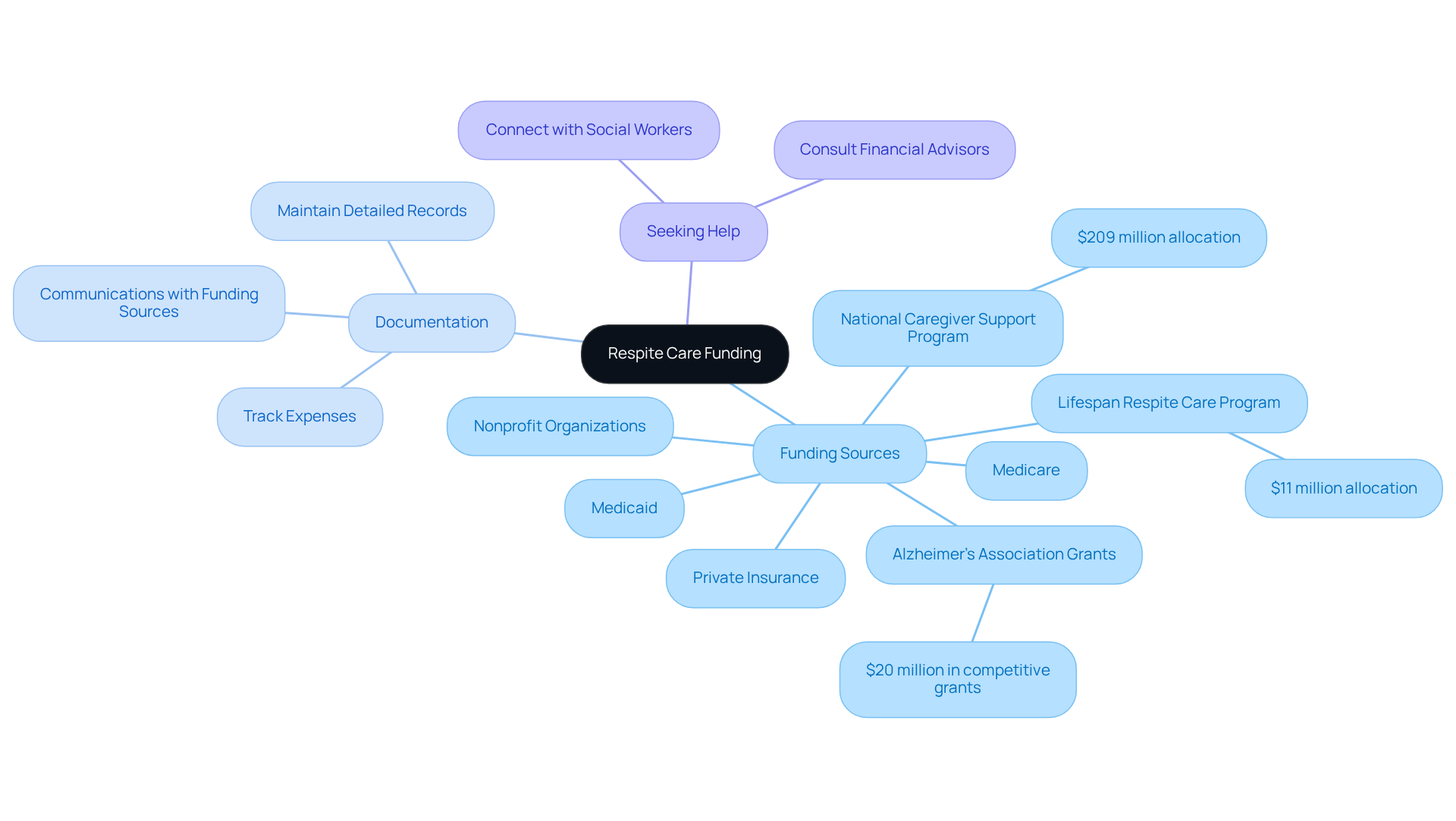
Explore Your Options: Take the time to research various funding sources available to you. Medicare, Medicaid, private insurance, and nonprofit organizations can all play a role in supporting your journey. Recent allocations, like the $11 million for the Lifespan Respite Care Program and $209 million for the National Caregiver Support Program, show a growing commitment to caregivers. Plus, the Alzheimer’s Association Center for Dementia Respite Innovation is offering $20 million in competitive grants over five years, creating even more opportunities for assistance.
Keep Detailed Records: It’s essential to maintain thorough documentation of all your expenses and communications with funding sources. This not only simplifies the funding process but also strengthens your case when applying for help. Financial advisors often stress that detailed records are key to maximizing your funding opportunities. As Sam Fazio, Ph.D., vice president at the Alzheimer’s Association, wisely points out, "Caring for someone living with dementia is often a 24/7 responsibility." This highlights just how crucial it is to have everything documented when seeking the support you need.
Reach Out for Help: Don’t hesitate to connect with social workers or financial advisors who specialize in elderly support. Their expertise can offer personalized guidance tailored to your unique situation, helping you navigate the complexities of funding options with confidence.
By being proactive and informed, families can better manage who pays for respite care, ensuring their loved ones receive the compassionate support they need.
Moving Forward with Who Pays for Respite Care? 10 Funding
Navigating the complexities of respite care funding can feel overwhelming for families during challenging times. It’s essential to understand who pays for respite care and the various funding options available. This knowledge can significantly ease the emotional and financial burdens that caregivers often face. By exploring resources like Medicare, Medicaid, private insurance, and nonprofit organizations, families can find the support they need to ensure their loved ones receive quality care.
Recognizing the importance of detailed documentation when applying for funding is crucial. Reaching out to professionals who can provide personalized guidance can make a world of difference. Each funding source has its own eligibility criteria and benefits, which can vary widely. Staying informed and proactive in the search for assistance is vital for families.
Ultimately, prioritizing respite care not only benefits caregivers by preventing burnout but also enhances the overall well-being of those they care for. By taking the necessary steps to understand funding options and seeking support, families can navigate this journey with confidence. They are not alone in their caregiving responsibilities. The right resources and information can transform the caregiving experience into one that fosters both care and compassion.
https://iframe.tely.ai/cta/eyJhcnRpY2xlX2lkIjogIjY5MWZkYzVkNzQ3YTFkNGZkNjY2ZDNmMCIsICJjb21wYW55X2lkIjogIjY4ZWU1ZGNhNzMxNzYyNTU3ZjNjOTVjMSIsICJpbmRleCI6IG51bGwsICJ0eXBlIjogImFydGljbGUifQ==Frequently Asked Questions
What services does Happy to Help Caregiving offer?
Happy to Help Caregiving offers a variety of services including Companionship Care, Post-Hospital Recovery Assistance, Respite Service, and Palliative Support Care, all aimed at supporting caregivers and enhancing the well-being of their loved ones.
How does Companionship Care benefit clients?
Companionship Care focuses on engaging clients in meaningful activities to reduce feelings of isolation and loneliness, which can enhance emotional well-being for both caregivers and recipients.
What is the purpose of Post-Hospital Recovery Assistance?
Post-Hospital Recovery Assistance is designed to provide necessary care and support for clients transitioning from hospital to home, facilitating a smoother recovery process.
What is the Respite Service, and why is it important?
The Respite Service offers temporary relief for primary caregivers, allowing them to take necessary breaks while ensuring their loved ones are cared for. It has been shown that caregivers who take regular breaks report lower stress levels and improved health outcomes.
What does Palliative Support Care focus on?
Palliative Support Care prioritizes comfort and quality of life for individuals with serious illnesses, addressing both physical and emotional needs for holistic support.
How does Medicare support respite care for caregivers?
Medicare provides respite care through its hospice benefit for caregivers of loved ones enrolled in hospice care with a terminal illness, covering temporary relief for up to five consecutive days.
What are the facility requirements for Medicare respite care?
Respite care under Medicare must be provided in a Medicare-approved facility, such as a skilled nursing facility or a hospice center, which may limit in-home support options.
How can families find financial assistance for respite care?
Families can explore Medicaid assistance, which varies by state and may cover respite care costs through Home and Community-Based Services (HCBS) waivers. They can also visit Medicare.gov or call 1-800-MEDICARE for information on coverage details and potential out-of-pocket expenses.
What are the eligibility criteria for Medicaid assistance?
To qualify for Medicaid assistance, households generally need to meet specific income and asset thresholds, which can vary by state.
What types of respite services may Medicaid cover?
Medicaid may cover a variety of respite services, including in-home assistance, adult day programs, and temporary residential stays, depending on state policies.