
For families in our service areas
For families in our service areas, this guide explains caregiving and how non-medical in-home caregiving can support care planning in East Idaho, Treasure Valley & Magic Valley, Northern Wasatch, North Central West Virginia, and Northeast Ohio.
Why Are Old People Cold? Understanding at a Glance
As we age, many older individuals often find themselves feeling cold. This sensation is not just a minor inconvenience; it stems from physiological changes that come with aging. A decline in metabolic rate, reduced subcutaneous fat, and impaired temperature regulation by the hypothalamus all contribute to this experience.
It's important to understand that these factors can be compounded by certain medical conditions and environmental influences. This reality underscores the necessity for tailored care strategies aimed at maintaining warmth and comfort for our beloved seniors.
Caregivers play a crucial role in this journey. Vigilant monitoring and appropriate interventions can make a world of difference. By addressing these emotional and practical needs, we can foster a nurturing environment that prioritizes the well-being of older adults. Together, we can ensure they feel safe, warm, and cared for.
Understanding Why Are Old People Cold? Understanding
As individuals age, their bodies undergo complex physiological changes that can leave them feeling uncomfortably cold. This raises an important question: why do older adults often struggle with temperature regulation?
This article explores the multifaceted reasons behind this phenomenon, delving into the interplay of metabolic decline, medical conditions, and environmental factors that contribute to heightened cold sensitivity in seniors. Understanding these challenges is crucial for caregivers, as it allows them to implement effective strategies to enhance warmth and comfort. By doing so, they can ensure that older adults thrive in their living environments.
How can caregivers best adapt their approaches to mitigate the cold-related risks faced by the elderly?
Explore Physiological Changes in Aging
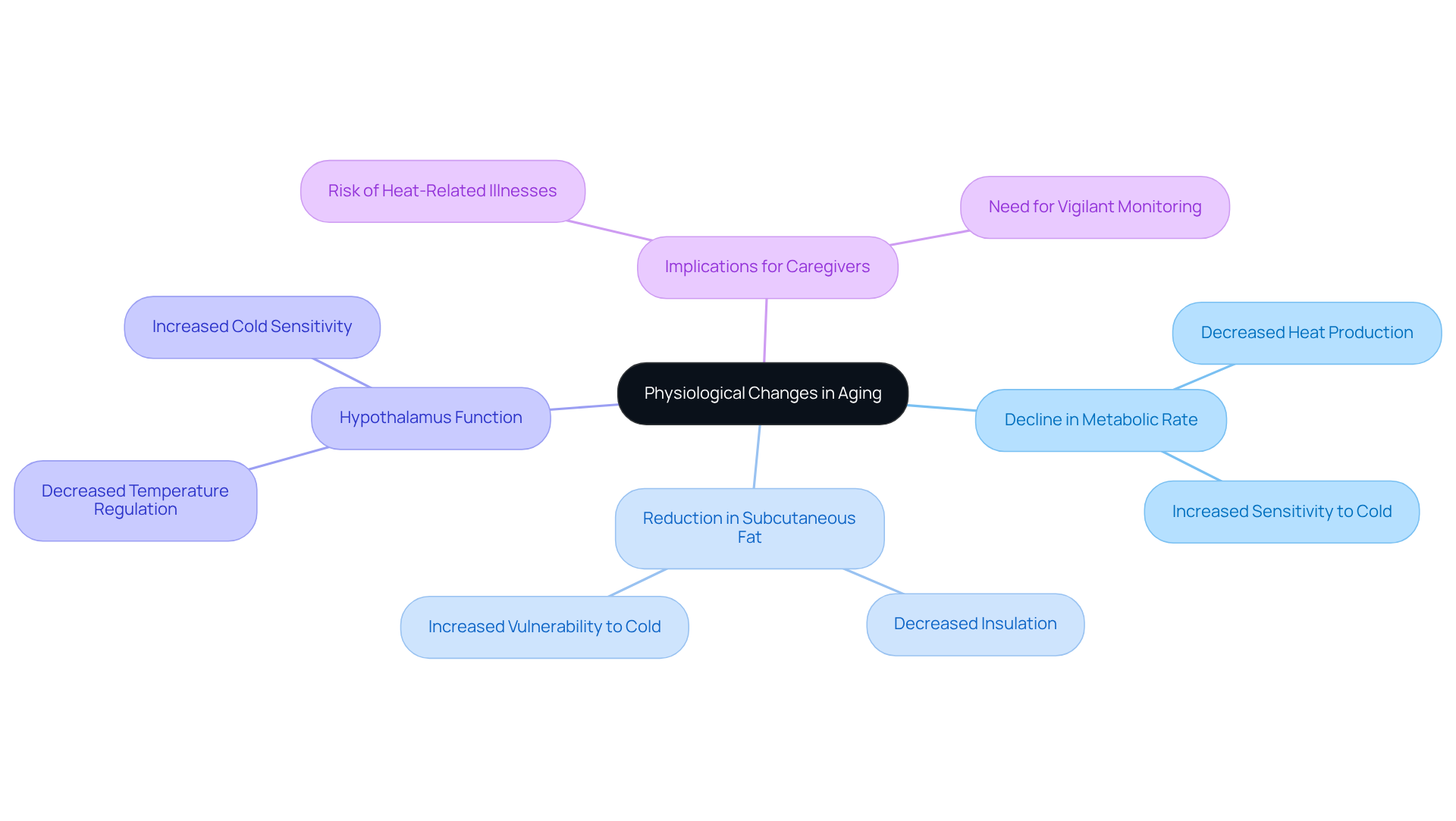
As individuals age, many ask why are old people cold, as their bodies undergo significant physiological changes that profoundly affect heat regulation. One notable transformation is the decline in metabolic rate, which contributes to the question of why are old people cold due to diminished heat production. Gerontologists note, "the metabolic rate declines significantly with age, which can result in an increased sensitivity to low environments." This decrease in metabolic function, combined with a reduction in subcutaneous fat that usually provides insulation, raises the question of why are old people cold and makes seniors more vulnerable to cold conditions.
Additionally, aging impacts the hypothalamus, the brain region responsible for regulating body temperature. This results in a decreased ability to sense and respond to chilly environments. These interconnected factors increase cold sensitivity in older adults, which leads to inquiries about why are old people cold, emphasizing the need to understand their unique requirements in caregiving scenarios.
Caregivers must be aware that these physiological changes can elevate the risk of heat-related illnesses, underscoring the importance of vigilant monitoring and appropriate interventions to ensure the well-being of senior individuals. Gerontologists stress that maintaining a stable core body temperature is vital for optimal metabolic function. By recognizing these changes, caregivers can provide the necessary support and care, fostering a nurturing environment for those they assist.
Identify Medical Conditions Affecting Cold Sensitivity
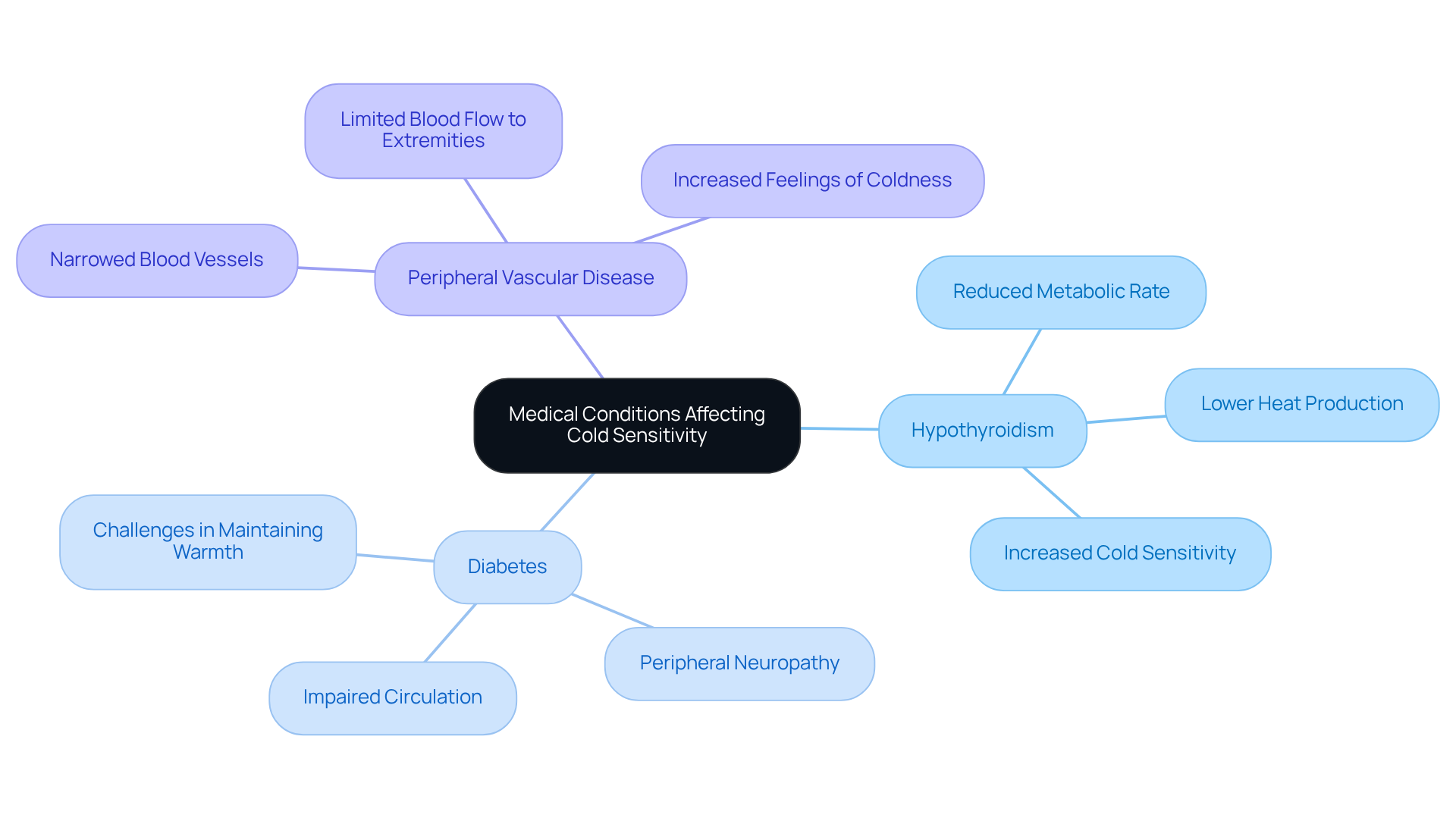
As caregivers, it’s essential to recognize that multiple health issues can heighten sensitivity to low temperatures in older adults. Conditions like hypothyroidism, where the thyroid gland fails to produce enough hormones, can lead to a reduced metabolic rate, making individuals more sensitive to the cold. Similarly, diabetes can impact circulation, causing challenges for the body in maintaining warmth.
Peripheral vascular disease, which narrows blood vessels and limits blood flow to extremities, can also contribute to feelings of coldness. Understanding these conditions is crucial for caregivers. By being aware of these challenges, caregivers can monitor symptoms more effectively and adjust care plans accordingly. This proactive approach helps ensure that clients remain comfortable and safe, fostering a nurturing environment where their needs are met with compassion.
Examine Environmental and Lifestyle Influences
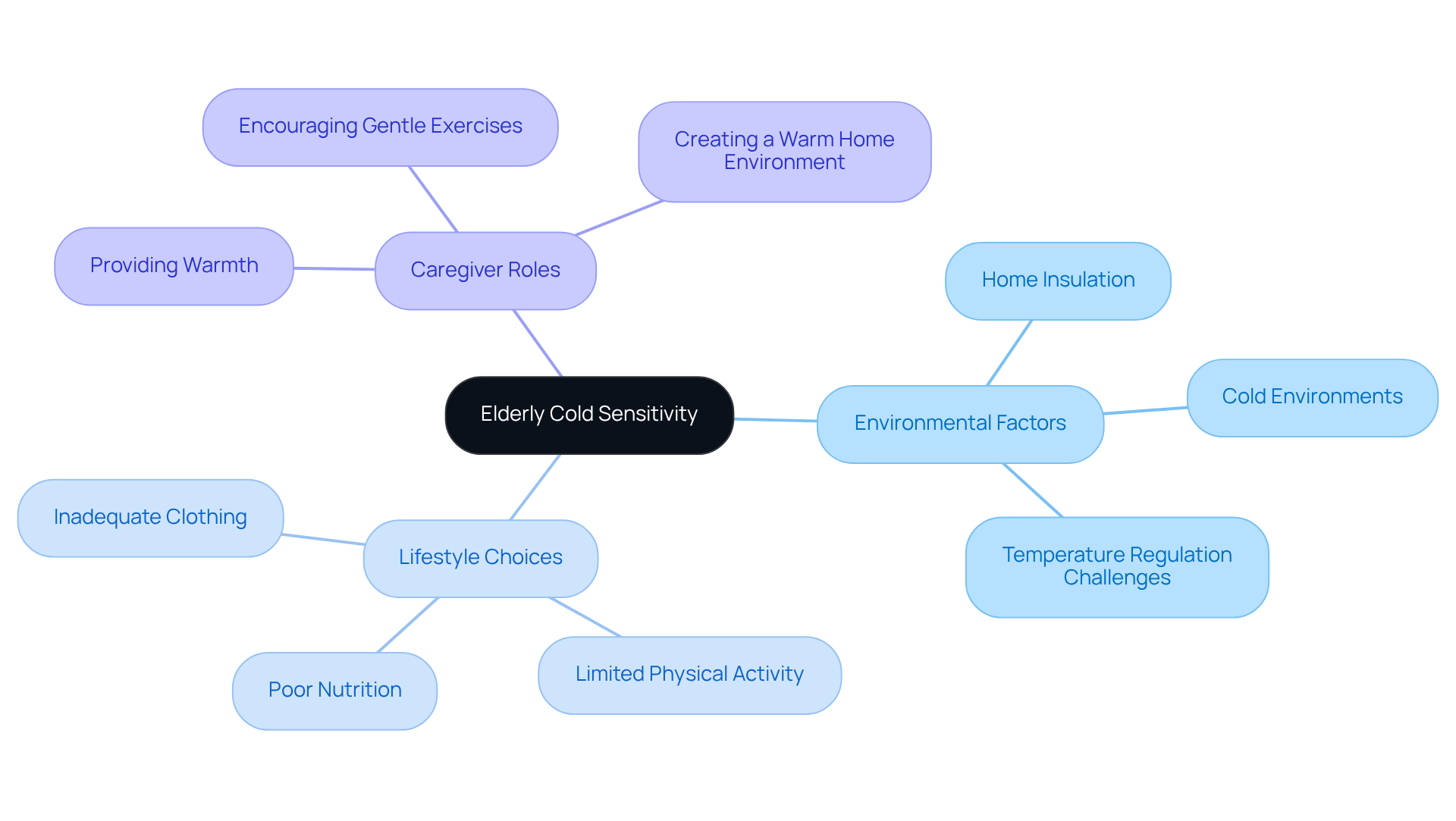
Environmental factors significantly impact why old people are cold and how they perceive low temperatures. Living in poorly insulated homes or spending extended periods in cold environments can heighten feelings of coldness. Research indicates that seniors often experience a general decrease in body temperature, raising the question of why are old people cold, which affects their ability to maintain optimal warmth consistently and makes them more vulnerable to cold-related issues.
Moreover, senior adults tend to have less insulation and padding in the subcutaneous fat layer, which explains why are old people cold and increases the risk of hypothermia. Lifestyle choices, such as inadequate clothing and limited physical activity, raise the question of why are old people cold and further exacerbate their sensitivity to low temperatures. For instance, seniors with cardiovascular issues may find their extremities, like hands and feet, feeling chilly even in mild weather due to decreased blood circulation.
Cold exposure can also increase myocardial oxygen demand, leading to autoregulatory increases in coronary blood flow, especially relevant for seniors with existing cardiovascular concerns. Geriatric care specialists emphasize the importance of appropriate clothing and active engagement in light physical activities to promote circulation.
Caregivers play a crucial role in this context. By ensuring that clients are dressed suitably for the weather, providing warm blankets, and encouraging gentle exercises, they can make a significant difference. Additionally, creating a warm and inviting home environment is essential for enhancing comfort levels. This includes assessing and improving home insulation, which has been shown to greatly impact elderly comfort and reduce cold-related health risks.
By addressing these environmental and lifestyle factors, caregivers can help reduce temperature sensitivity and enhance the overall well-being of seniors. Together, we can foster a supportive environment that prioritizes warmth and comfort for our loved ones.
Implement Strategies to Support Cold Sensitivity Management
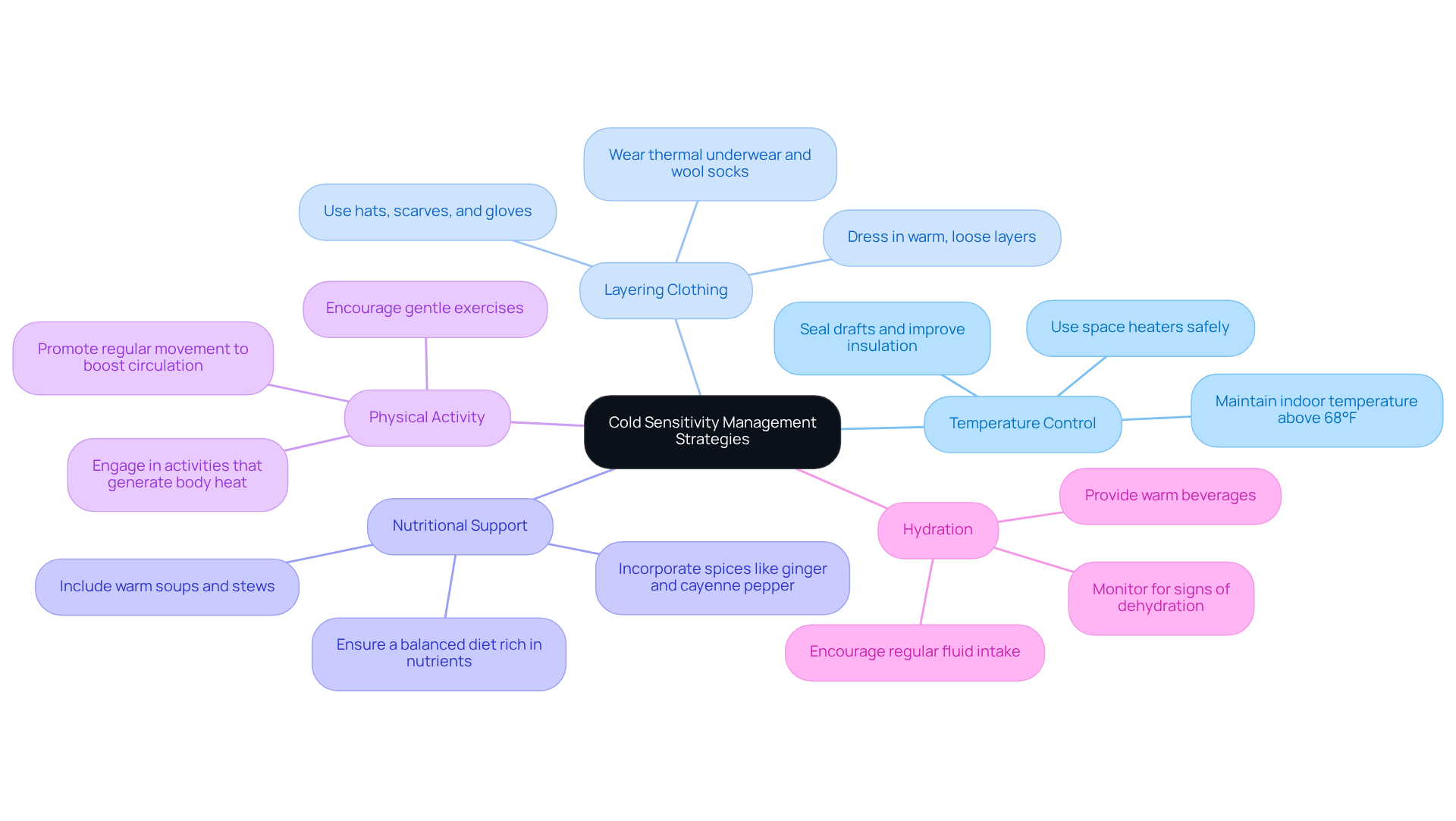
Caring for older adults requires a deep understanding of their unique needs, especially when considering why are old people cold in relation to their temperature sensitivity. Caregivers often face the emotional challenge of ensuring their loved ones are safe and comfortable. One of the most important strategies is to maintain a well-heated and insulated living space. It’s crucial that the indoor temperature does not fall below 68°F, particularly when considering why are old people cold, as temperatures between 60°F and 65°F can pose serious health risks, including hypothermia.
Encouraging clients to dress in layers can help them adjust to their comfort levels. During the winter months, consistent observation of bodily warmth is vital. Hypothermia can develop even at temperatures above 40°F, particularly if the body is exposed to rain or cold water. By being attentive, caregivers can recognize when additional heat is needed.
Nutritional support is another key element in enhancing overall health and circulation. A balanced diet rich in nutrient-dense foods, like warm soups and stews, plays a significant role in regulating body temperature. Adding spices such as ginger and cayenne pepper can also help raise internal warmth. Engaging clients in comforting activities—like sipping hot beverages or participating in gentle exercises—can further aid in preserving body heat. Physical activity not only generates warmth but also promotes circulation, which is essential for thermal comfort.
Moreover, staying well-hydrated is crucial, as dehydration can lead to feeling colder. By implementing these compassionate strategies, caregivers can significantly improve the comfort and quality of life for older adults, helping to address the concern of why are old people cold. This ensures that they remain safe and warm throughout the winter months, fostering a nurturing environment that prioritizes their well-being.
Your Path Forward
Understanding why older adults often feel cold is crucial for ensuring their comfort and well-being. As individuals age, physiological changes, medical conditions, and environmental factors contribute to increased sensitivity to low temperatures. Recognizing these elements allows caregivers to provide tailored support and interventions that enhance the quality of life for seniors.
Key insights from the article highlight:
- The decline in metabolic rate
- Changes in the hypothalamus
- Various health conditions that exacerbate cold sensitivity
Additionally, environmental and lifestyle influences, such as inadequate insulation and limited physical activity, further impact how older adults perceive temperature. By implementing strategies like:
- Maintaining a warm living space
- Encouraging layered clothing
- Promoting proper nutrition
caregivers can effectively manage cold sensitivity in seniors.
Ultimately, fostering a nurturing environment that prioritizes warmth and comfort is essential for the well-being of older adults. A proactive approach not only addresses their immediate needs but also contributes to their overall health and happiness. By staying informed and compassionate, caregivers can make a significant difference in the lives of seniors, ensuring they remain safe and comfortable throughout the colder months.
https://iframe.tely.ai/cta/eyJhcnRpY2xlX2lkIjogIjY5MDJhYWVmY2FhYzMzMjQ0NDhhNDI3YSIsICJjb21wYW55X2lkIjogIjY4ZWU1ZGNhNzMxNzYyNTU3ZjNjOTVjMSIsICJpbmRleCI6IG51bGwsICJ0eXBlIjogImFydGljbGUifQ==Frequently Asked Questions
Why are older people often cold?
Older people are often cold due to significant physiological changes that occur with aging, including a decline in metabolic rate and a reduction in subcutaneous fat, which affects heat production and insulation.
How does aging affect metabolic rate?
Aging leads to a significant decline in metabolic rate, which contributes to decreased heat production and increased sensitivity to cold environments.
What role does the hypothalamus play in temperature regulation for older adults?
The hypothalamus, which regulates body temperature, becomes less effective with age, resulting in a decreased ability to sense and respond to cold environments.
What are the implications of these physiological changes for caregivers?
Caregivers need to be aware of the increased cold sensitivity in older adults and monitor them closely to prevent heat-related illnesses, ensuring their well-being.
Why is maintaining a stable core body temperature important for seniors?
Maintaining a stable core body temperature is vital for optimal metabolic function, which is crucial for the overall health and well-being of older adults.