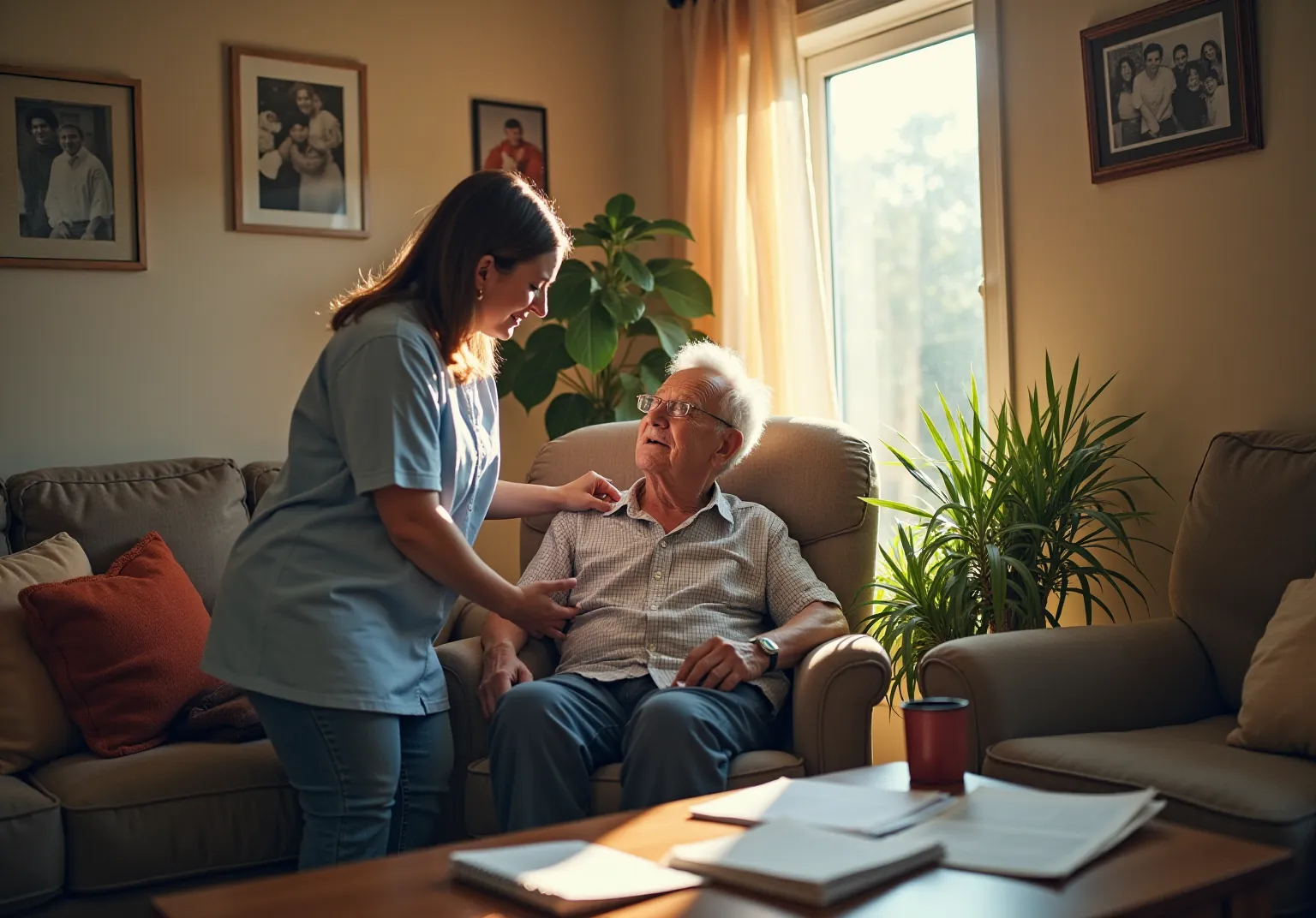
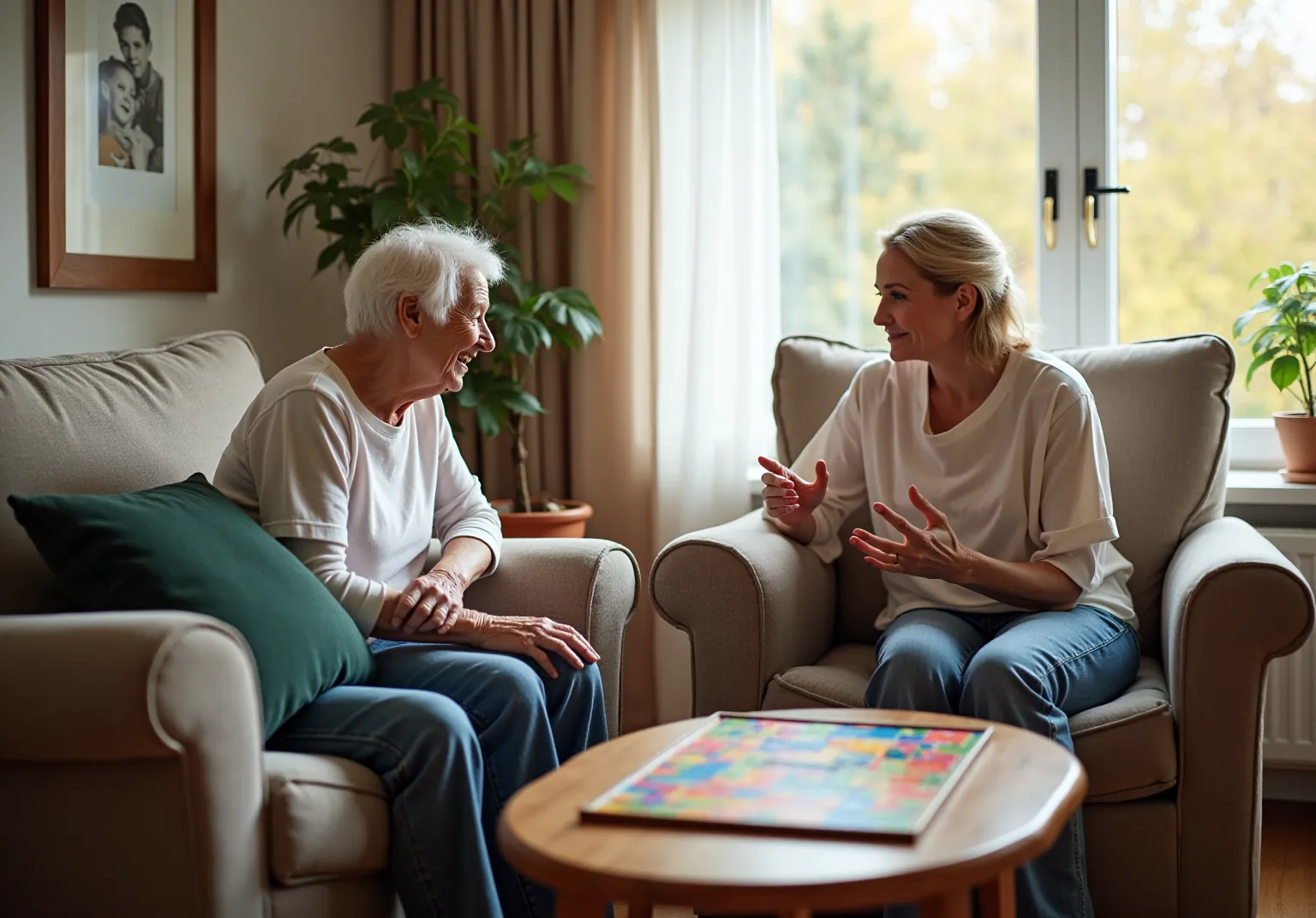
Why Assisted In Home Care is Essential for Family Caregivers
For families in our service areas
For families in our service areas, this guide explains in-home care and how non-medical in-home caregiving can support care planning in East Idaho, Treasure Valley & Magic Valley, Northern Wasatch, North Central West Virginia, and Northeast Ohio.
What You Need to Know About Why Assisted In Home Care is Essential
As the population ages, the need for effective support systems for seniors becomes increasingly urgent. Family caregivers often face the daunting task of managing their loved ones' health and emotional needs, leading to significant stress and burnout. This situation not only affects the caregivers but also impacts the quality of life for seniors.
To address these challenges, assisted in-home care emerges as a vital solution. Personalized support can enhance the well-being of seniors while alleviating the burdens on family caregivers. By implementing innovative care strategies, both caregivers and their elderly relatives can thrive in this demanding environment.
What practical steps can be taken to ensure that everyone involved receives the support they need?
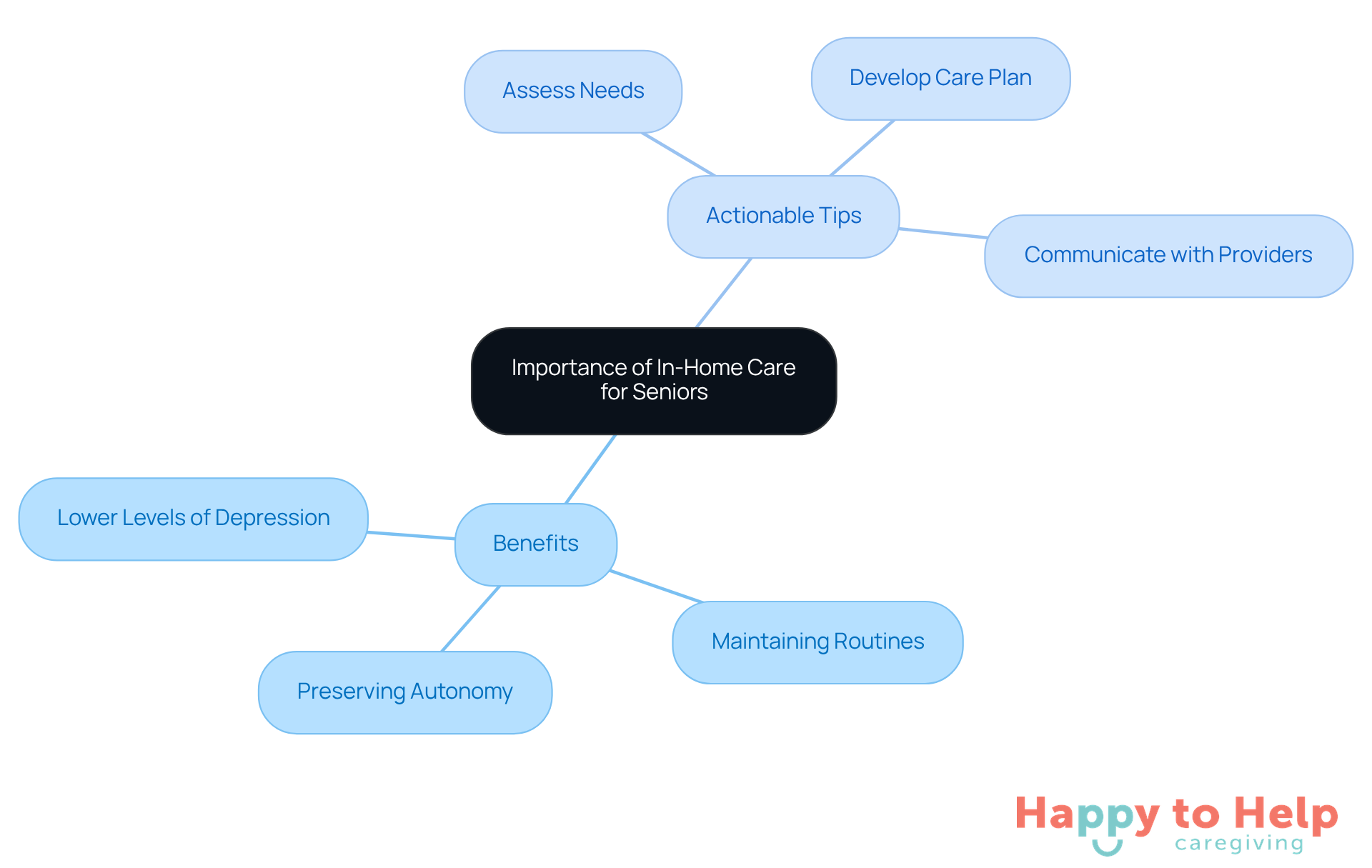
Understanding the Importance of In-Home Care for Seniors
In-home care presents a significant challenge for many older adults who require assistance. Without proper support, these individuals may face increased feelings of isolation and dependency, which can lead to a decline in their emotional well-being.
Research shows that older adults who remain in their homes experience lower levels of depression and anxiety compared to those in care facilities. The familiarity of their environment, combined with personalized care, allows them to maintain their routines and social connections - both crucial for mental health.
In-home care services, which assisted in home care, provide a tailored solution that ensures elderly individuals receive the necessary assistance while preserving their autonomy. By customizing care plans to meet personal needs, caregivers can enhance the quality of life for their loved ones.
To implement effective in-home care, consider the following actionable tips:
- Assess the specific needs of the individual.
- Develop a care plan that includes daily routines and social activities.
- Regularly communicate with healthcare providers to adjust care as needed.
By prioritizing in-home care, we can support older adults in living comfortably and independently in their own homes.
Exploring the Benefits of Personalized Care Services
Caring for seniors can be a daunting task, especially for family members who often feel overwhelmed by the varying health and mobility needs of their loved ones, but they can benefit greatly when assisted in home care. This emotional strain can lead to increased stress and anxiety for caregivers, making it difficult to focus on what truly matters - the well-being of their family members.
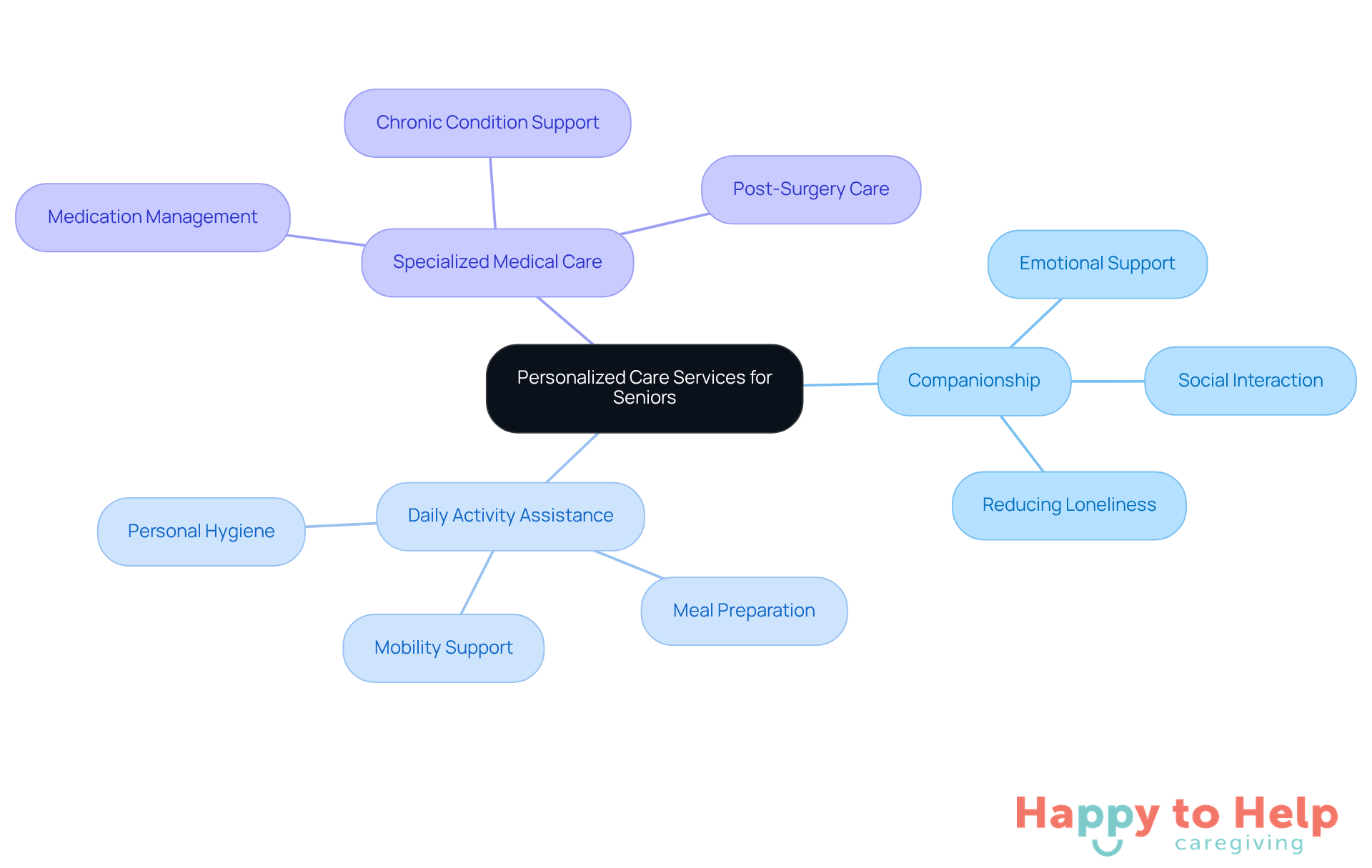
Personalized care services that assisted in home care offer a practical solution to this challenge. By catering to the unique needs of each individual, these services assisted in home care by providing:
- Companionship
- Daily activity assistance
- Specialized medical care tailored to the client's preferences
This approach not only honors the individuality of seniors but also significantly reduces the stress for their relatives, who can rest assured knowing their loved ones are receiving assisted in home care.
Moreover, personalized support that assisted in home care fosters stronger connections between caregivers and clients, enhancing the overall caregiving experience. This method improves the quality of life for seniors and has assisted in home care, easing the emotional burden on family supporters and allowing them to concentrate on their loved ones' well-being.
In summary, embracing personalized care services that assisted in home care can transform the caregiving journey, making it more manageable and fulfilling for everyone involved.
Addressing the Challenges of Aging: The Need for Support
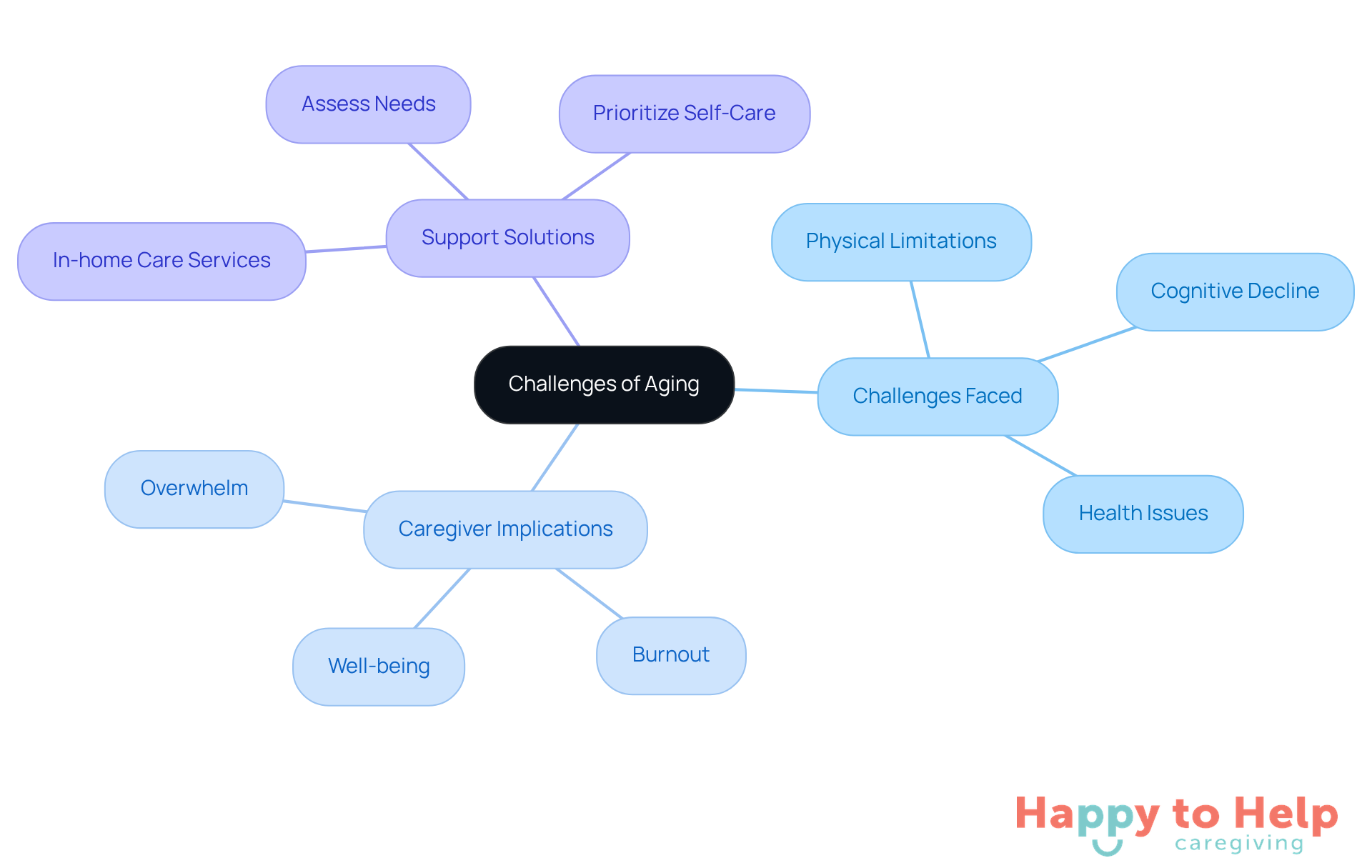
As individuals age, they often face significant challenges that complicate their daily lives. These challenges include physical limitations, cognitive decline, and increased health issues, making independent living difficult. Caregivers, often family members, find themselves managing these complexities, leading to feelings of overwhelm and stress.
The implications of these challenges are profound. Caregivers must balance their responsibilities while ensuring their loved ones receive the necessary attention. This balancing act can lead to burnout, affecting both the caregiver's and the elderly's well-being. The need for assistance becomes increasingly clear as caregivers strive to provide both physical care and emotional support.
In-home care services have assisted in home care by offering a practical solution to alleviate some of this burden. By providing professional assistance, these services allow family members to focus on emotional guidance and companionship rather than solely on physical care tasks. This support not only benefits the elderly but also enhances the overall well-being of caregivers, reducing stress and improving quality of life.
Consider the following actionable tips for caregivers:
- Assess Needs: Regularly evaluate the needs of your loved one to determine the level of care required. Seek professional help by exploring options that assisted in home care and can provide the necessary support.
- Prioritize Self-Care: Ensure you take time for yourself to recharge and maintain your own health.
By implementing these strategies, caregivers can navigate the complexities of aging with greater ease, ensuring both they and their loved ones thrive.
Leveraging Technology to Enhance Caregiving Experiences
Technology is reshaping the caregiving landscape and has assisted in home care, presenting significant challenges for both seniors and their family supporters. With approximately 53 million American adults acting as informal caregivers, nearly 42 million of whom assisted in home care for individuals aged 50 and older, the demand for effective support is critical. Those who assisted in home care often face overwhelming responsibilities, leading to increased stress and cognitive load.
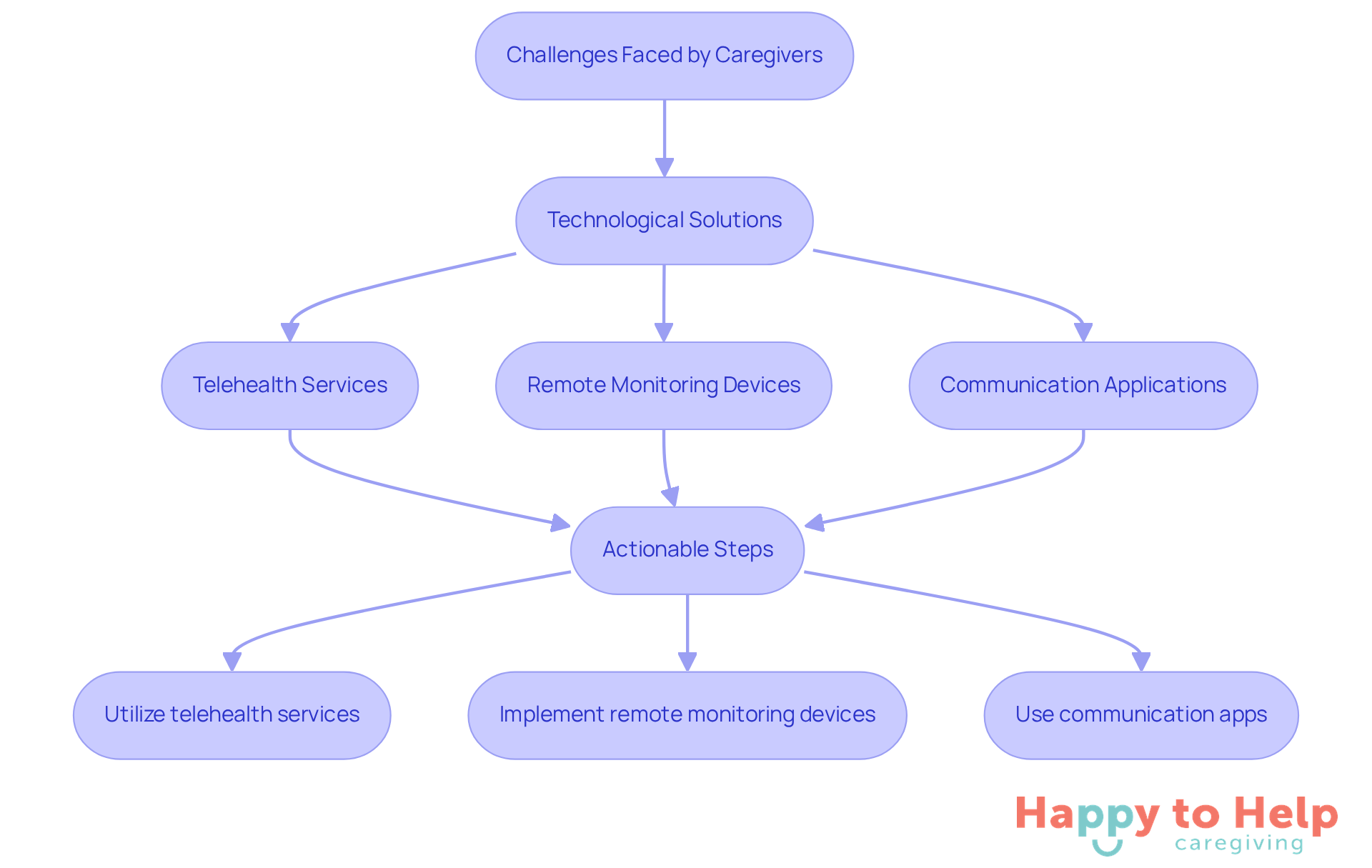
To address these challenges, innovative solutions that assisted in home care are emerging. Telehealth services, remote monitoring devices, and communication applications have assisted in home care, leading the way in this transformation. These tools have assisted in home care by facilitating seamless care coordination and strengthening connections with healthcare providers. Caregivers can monitor vital health metrics, schedule appointments, and set medication reminders, effectively alleviating some of the burdens associated with caregiving.
As Matthew Lee Smith, PhD, points out, "Informal caregivers are called upon to provide substantial care, but more needs to be known about technology use among older adult and caregiver dyads." This highlights the necessity for ongoing education and support in utilizing technology effectively.
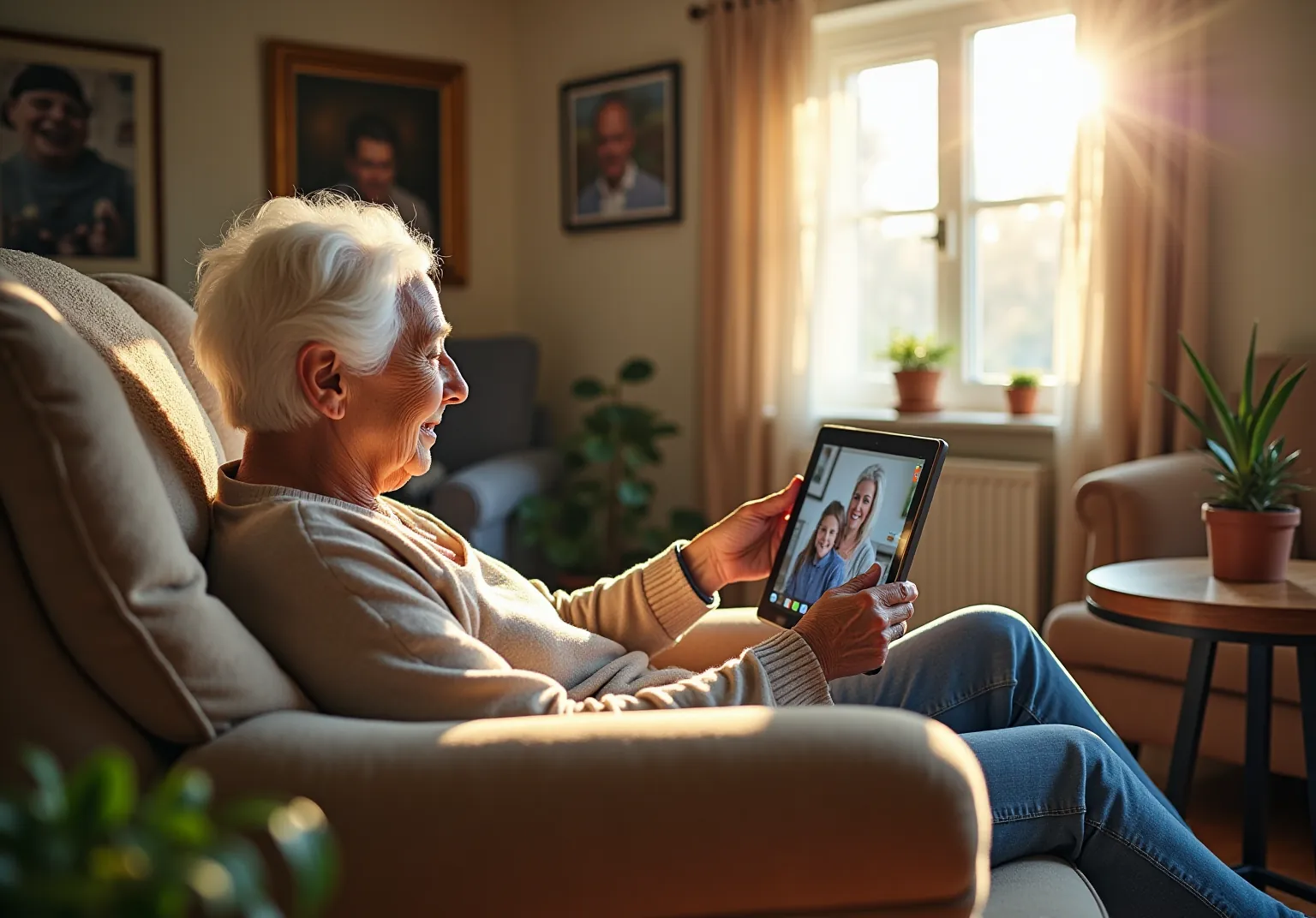
Moreover, technology plays a vital role in combating social isolation among seniors. Video calls and social media platforms foster meaningful connections with loved ones, enhancing emotional well-being.
The Caregiver AI Challenge exemplifies the commitment to supporting caregivers through innovative technology. By integrating these solutions into caregiving practices, families can ensure their loved ones receive timely and effective support assisted in home care. This not only empowers caregivers with essential tools but also has assisted in home care by enriching the overall caregiving experience.
In summary, leveraging technology can significantly improve the quality of care and has assisted in home care by easing the burdens faced by caregivers. Here are some actionable steps:
- Utilize telehealth services for regular check-ins.
- Implement remote monitoring devices to track health metrics.
- Use communication apps to stay connected with healthcare providers and family members.
By embracing these technologies, families can enhance their caregiving efforts, which have assisted in home care and improved the lives of those they support.
Taking the Next Steps
Assisted in-home care presents a significant challenge for family caregivers who strive to support their aging loved ones. The emotional and physical burdens can be overwhelming, often leading to caregiver burnout and impacting the well-being of both caregivers and seniors.
However, by providing personalized assistance in the comfort of home, in-home care services can alleviate these pressures. These services empower seniors to maintain their independence, enhancing their quality of life while allowing caregivers to focus on emotional support rather than solely on physical care tasks.
The emotional well-being of seniors greatly improves when they remain in familiar environments, reducing feelings of isolation and depression. Personalized care services cater to individual needs, offering companionship, daily activity assistance, and specialized medical care. Additionally, technology plays an increasingly important role in facilitating effective caregiving, providing tools that help manage health metrics and enhance communication with healthcare providers.
Recognizing the importance of in-home care is essential for families navigating the complexities of aging. Embracing these services not only enriches the lives of seniors but also empowers caregivers to prioritize their own well-being. By exploring available resources and implementing supportive technologies, families can create a nurturing environment that allows both caregivers and their loved ones to thrive.
The journey of caregiving can be challenging, but with the right support, it can also be fulfilling and rewarding. Here are some actionable tips for caregivers:
- Explore in-home care services that fit your loved one's needs.
- Utilize technology to monitor health and communicate with healthcare providers.
- Prioritize self-care to maintain your own well-being.
With these strategies, caregivers can navigate the complexities of their role while ensuring their loved ones receive the care they deserve.
https://iframe.tely.ai/cta/eyJhcnRpY2xlX2lkIjogIjY5M2Y1MDdmNGM3OGNhYjkzOThjNmY5YiIsICJjb21wYW55X2lkIjogIjY4ZWU1ZGNhNzMxNzYyNTU3ZjNjOTVjMSIsICJpbmRleCI6IG51bGwsICJ0eXBlIjogImFydGljbGUifQ==Frequently Asked Questions
Why is in-home care important for seniors?
In-home care is important for seniors as it helps reduce feelings of isolation and dependency, which can negatively impact their emotional well-being. Staying in familiar surroundings allows them to maintain routines and social connections, leading to lower levels of depression and anxiety.
How does in-home care affect the mental health of older adults?
Research indicates that older adults who receive in-home care experience better mental health outcomes, including lower levels of depression and anxiety, compared to those in care facilities. The familiarity of their environment and personalized care contributes to their emotional stability.
What are the benefits of personalized in-home care plans?
Personalized in-home care plans ensure that elderly individuals receive assistance tailored to their specific needs, which enhances their quality of life while allowing them to maintain their autonomy.
What steps should be taken to implement effective in-home care?
To implement effective in-home care, one should assess the specific needs of the individual, develop a care plan that includes daily routines and social activities, and regularly communicate with healthcare providers to adjust care as necessary.
How does in-home care support seniors’ independence?
In-home care supports seniors' independence by allowing them to live in their own homes while receiving the necessary assistance, which helps them maintain their autonomy and comfort.
List of Sources
- Understanding the Importance of In-Home Care for Seniors
- New Statistics Could Reshape the Meaning of Aging in Place (https://mylifesite.net/blog/post/new-statistics-could-reshape-the-meaning-of-aging-in-place)
- Families Prefer In-Home Care To Senior Living – Yet Struggle To Identify Needed Support (https://homehealthcarenews.com/2025/11/families-prefer-in-home-care-to-senior-living-yet-struggle-to-identify-needed-support)
- 2024 Aging in Place Statistics: A Lucrative Opportunity for the Home Care Industry - People Care (https://peoplecare.com/2024-aging-in-place-statistics-a-lucrative-opportunity-for-the-home-care-industry)
- 5 Benefits of Senior In-Home Care in 2025 | Valley Home Care (https://valleyhca.com/the-top-5-benefits-of-in-home-senior-care-for-aging-loved-ones-in-2025)
- Aging in Place: Statistics + How to Prepare in 2025 (https://choicemutual.com/blog/aging-in-place-statistics)
- Exploring the Benefits of Personalized Care Services
- Novel Care Model May Improve Outcomes for Older Adults With Multiple Chronic Conditions (https://consultqd.clevelandclinic.org/novel-care-model-may-improve-outcomes-for-older-adults-with-multiple-chronic-conditions)
- 5 Ways Personal Care Services Provide Additional Value in Senior Living Communities | Aaniie, formerly Smartcare Software (https://aaniie.com/news/ways-personal-care-services-provide-additional-value-in-senior-living-communities)
- 2025 Home Care Statistics: Trends & Insights To Know (https://premierhcinc.com/blog/home-care-statistics)
- 5 Benefits of Senior In-Home Care in 2025 | Valley Home Care (https://valleyhca.com/the-top-5-benefits-of-in-home-senior-care-for-aging-loved-ones-in-2025)
- The Growing Demand for Home Care Services in Today’s Aging Population (https://ultimatecareny.com/resources/the-growing-demand-for-home-care-services-in-today-s-aging-population)
- Addressing the Challenges of Aging: The Need for Support
- New Report Reveals Crisis Point for America’s 63 million Family Caregivers - Massachusetts Healthy Aging Collaborative (https://mahealthyagingcollaborative.org/new-report-reveals-crisis-point-for-americas-63-million-family-caregivers)
- The senior population is booming. Caregiving is struggling to keep up (https://cnbc.com/2025/11/21/senior-caregiving-labor.html)
- What Is the Caregiver Crisis? | Johns Hopkins Bloomberg School of Public Health (https://publichealth.jhu.edu/2025/what-is-the-caregiver-crisis)
- The Urgent Need (https://mealsonwheelsamerica.org/issues/the-urgent-need)
- Leveraging Technology to Enhance Caregiving Experiences
- Technology Use Among Older Adults and Their Caregivers: Cross-Sectional Survey Study - PMC (https://pmc.ncbi.nlm.nih.gov/articles/PMC11084119)
- Embracing Technology: How Smart Home Devices Enhance Senior Living in 2025 (https://carepatrol.com/lorain-medina-wooster-mansfield/embracing-technology-how-smart-home-devices-enhance-senior-living-in-2025)
- HHS Launches New Caregiving AI Initiative to 'Spark Innovative Support' (https://hospicenews.com/2025/11/18/hhs-launches-new-caregiving-ai-initiative-to-spark-innovative-support)
- HHS Launches $2M AI Initiative To ‘Transform’ Caregiving, Address Staffing Challenges (https://homehealthcarenews.com/2025/11/hhs-launches-2m-ai-initiative-to-transform-caregiving-address-staffing-challenges)
- Technology and interventions are changing care for older adults (https://fastcompany.com/91414509/technology-and-interventions-are-changing-care-for-older-adults)