Why Why City Home Care is Essential Matters
City home care services have emerged as a critical lifeline for families navigating the complexities of caregiving. The challenge is clear: families often struggle to provide the necessary support for elderly loved ones who wish to maintain their independence. This situation can lead to emotional and physical strains on family caregivers, who may feel overwhelmed by the demands of caregiving.
The implications are significant. Caregivers face not only the pressure of ensuring their loved ones receive quality care but also the risk of neglecting their own well-being. This dual burden can lead to burnout, affecting both the caregiver and the care recipient. So, how can families ensure their loved ones receive the compassionate, tailored care they deserve while also safeguarding their own health?
One solution is to seek out personalized home care services that cater to the unique needs of seniors. These services can provide essential support, allowing elderly individuals to retain their autonomy while giving family caregivers much-needed relief. By leveraging these resources, families can create a balanced approach to caregiving that prioritizes both the needs of their loved ones and their own well-being.
Promote Independence Through In-Home Care
City home care services address a significant challenge: the need for individuals, particularly the elderly and those with special needs, to maintain their independence. Many face the risk of transitioning to institutional settings, which can diminish their autonomy and quality of life.
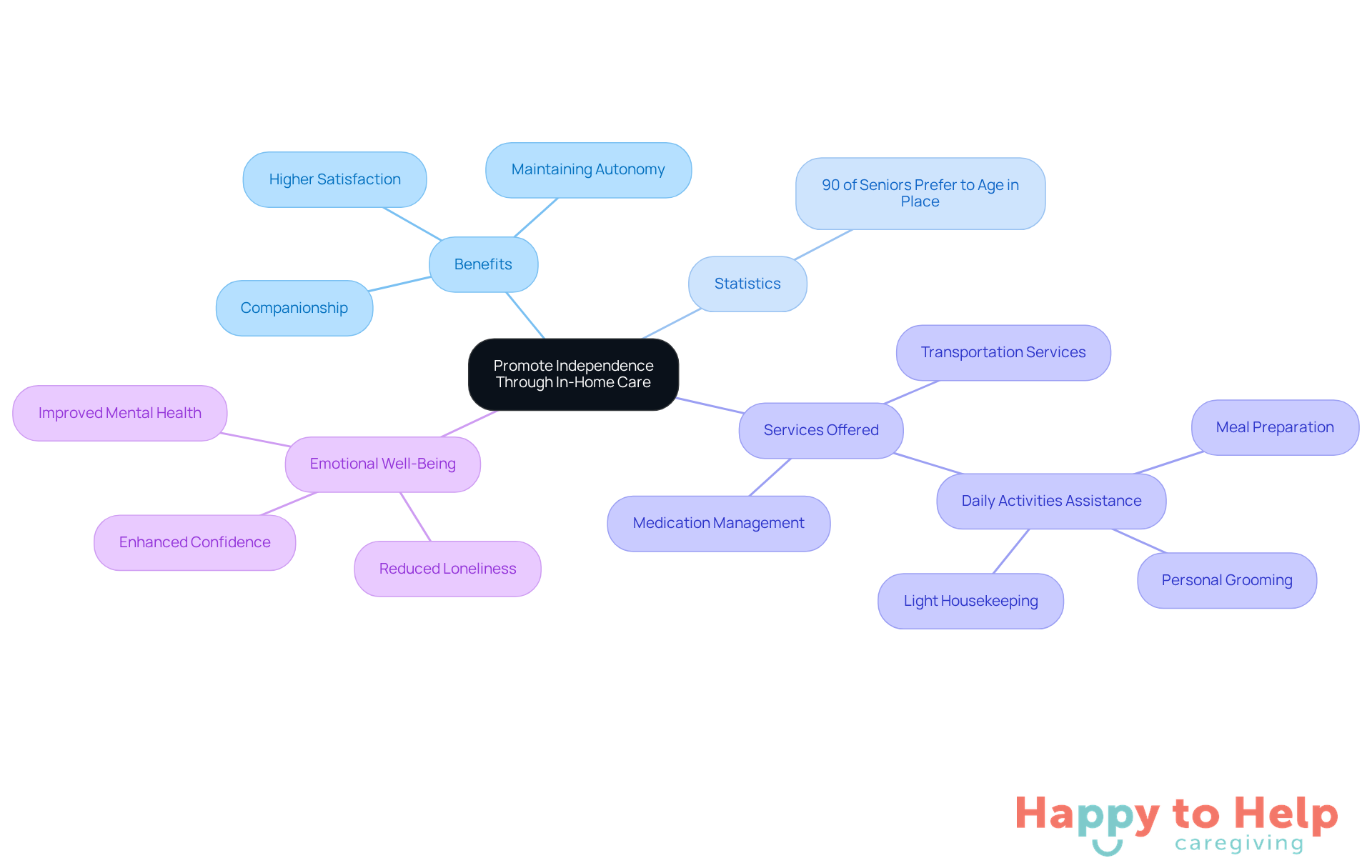
Research shows that older adults who receive in-home assistance report higher satisfaction levels and a greater sense of control over their lives. For instance, a report from AARP indicates that nearly 90% of seniors prefer to age in place. This statistic underscores the importance of services that facilitate this preference.
City home care services offer a practical solution by assisting with essential daily activities such as bathing, dressing, and meal preparation. As Gallagher Home Care states, 'City home care services allow older adults with disabilities to enjoy familiar surroundings and personalized care, ensuring they stay active and engaged without feeling overly dependent.'
By fostering independence and providing companionship, city home care enables clients to thrive in familiar environments, which is essential for their emotional health and overall well-being. This arrangement not only safeguards autonomy but also significantly enhances the quality of life for those receiving care.
Address Family Caregiver Challenges
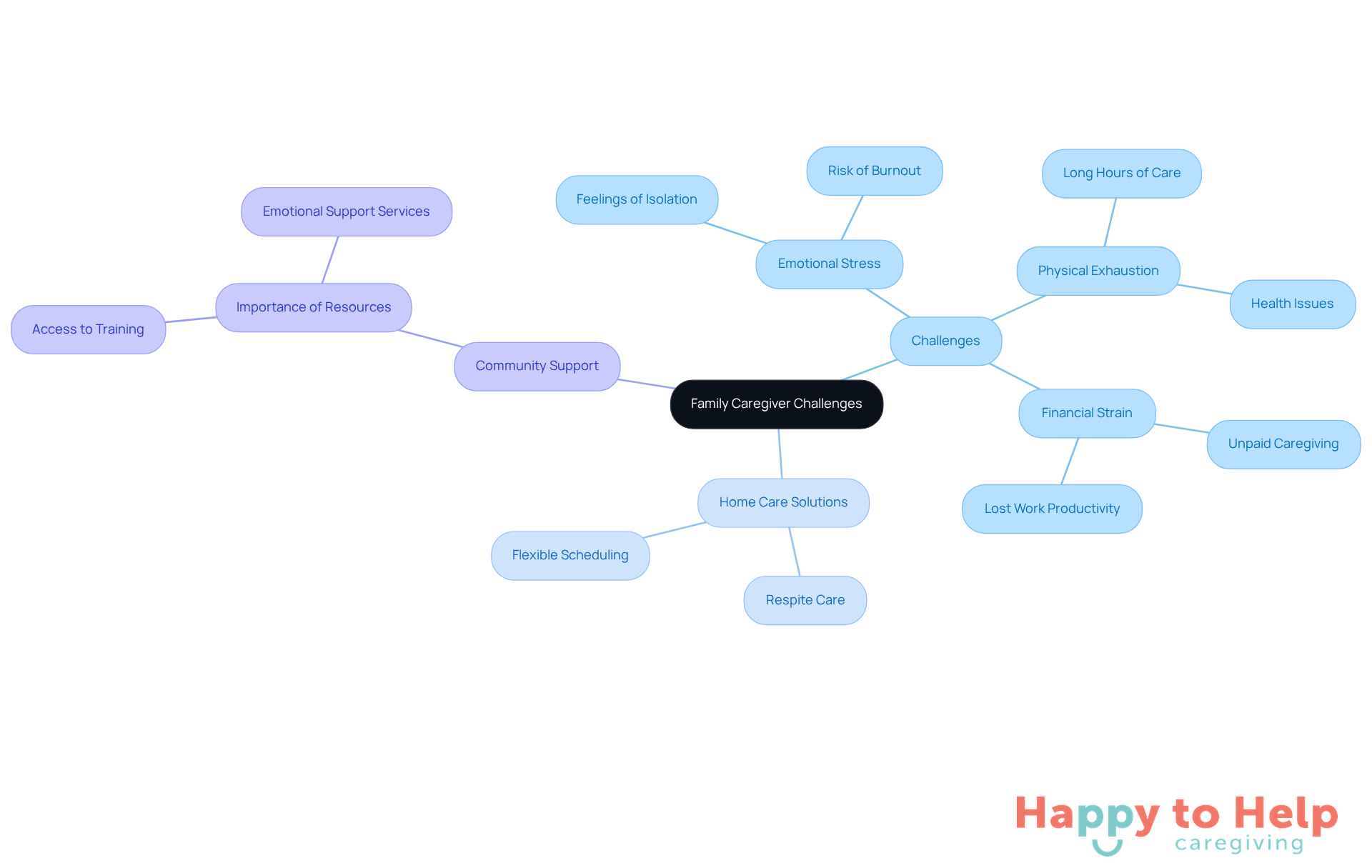
Family members who provide support often face significant challenges, including emotional stress, physical exhaustion, and financial strain. A study from the National Institute on Aging reveals that caregivers frequently experience feelings of isolation and burnout due to the relentless demands of their roles. In fact, more than half of adult providers are at risk of burnout, highlighting an urgent need for support.
City home care services play a crucial role in alleviating these burdens. They offer respite care, allowing family members to take necessary breaks and recharge. For instance, Happy to Help Caregiving provides flexible scheduling options, enabling support providers to manage their time more efficiently and significantly reducing the likelihood of burnout. By delegating specific tasks to skilled support providers, family members can focus on nurturing their relationships with loved ones rather than being overwhelmed by caregiving responsibilities.
As Jason Resendez, CEO of NAC, notes, "With 63 million family supporters offering an average of 27 hours of unpaid assistance weekly, they’re vital to health care delivery." This support not only enhances the well-being of caregivers but also fosters a healthier family dynamic. Additionally, addressing the systemic challenges faced by caregivers and emphasizing the need for community support underscores the importance of resources like those provided by city home care services such as Happy to Help Caregiving.
Enhance Quality of Life with Personalized Care
Personalized care is a critical issue in city home care for in-home caregiving. Without it, caregivers struggle to meet the unique preferences and needs of each client, leading to suboptimal outcomes. This lack of tailored assistance can significantly impact older adults' physical health, emotional well-being, and social engagement.
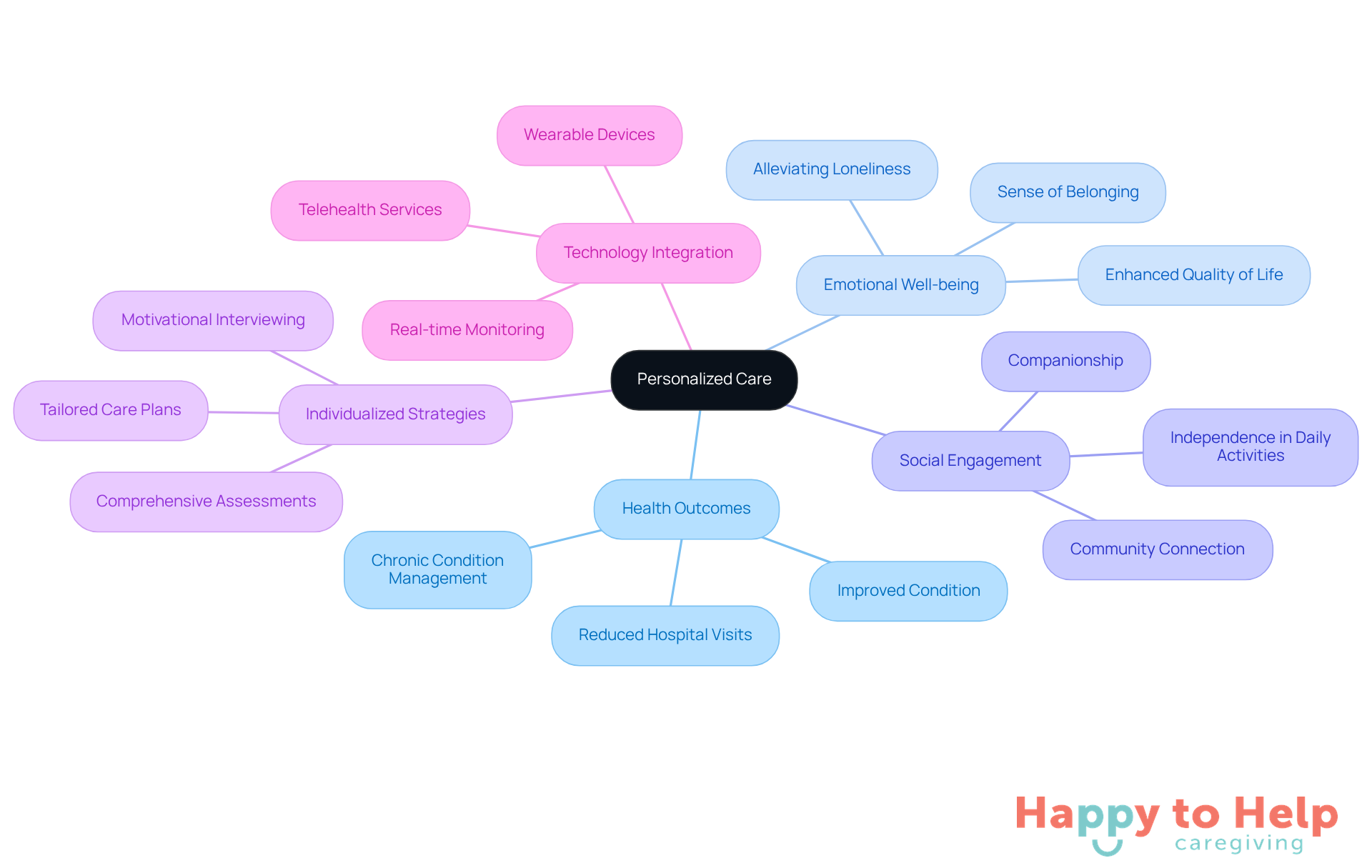
Studies reveal that older adults receiving personalized care experience notable improvements in their overall condition. For example, research from the National Council on Aging indicates that personalized care not only enhances health outcomes but also fosters a stronger sense of community and belonging among older adults. This highlights the importance of addressing individual needs in caregiving.
Happy to Help Caregiving provides an excellent example of a solution for city home care. They conduct comprehensive assessments to create individualized care strategies that prioritize independence and comfort. This approach goes beyond medical needs, integrating essential social and emotional support, ensuring that individuals feel valued and understood.
As Sara Wilson, CEO of Home Assist Health, aptly states, "Once a member identifies their wishes and aspirations, then you have buy-in." By focusing on the whole person, caregivers can significantly enhance the quality of life for older adults, positively impacting their daily experiences.
Moreover, incorporating technology, such as wearable devices, can further improve personalized care. These tools provide real-time information on individuals' well-being, allowing for prompt adjustments to care plans. This proactive approach ensures that care remains aligned with the evolving needs of clients.
Combat Loneliness with Compassionate Care
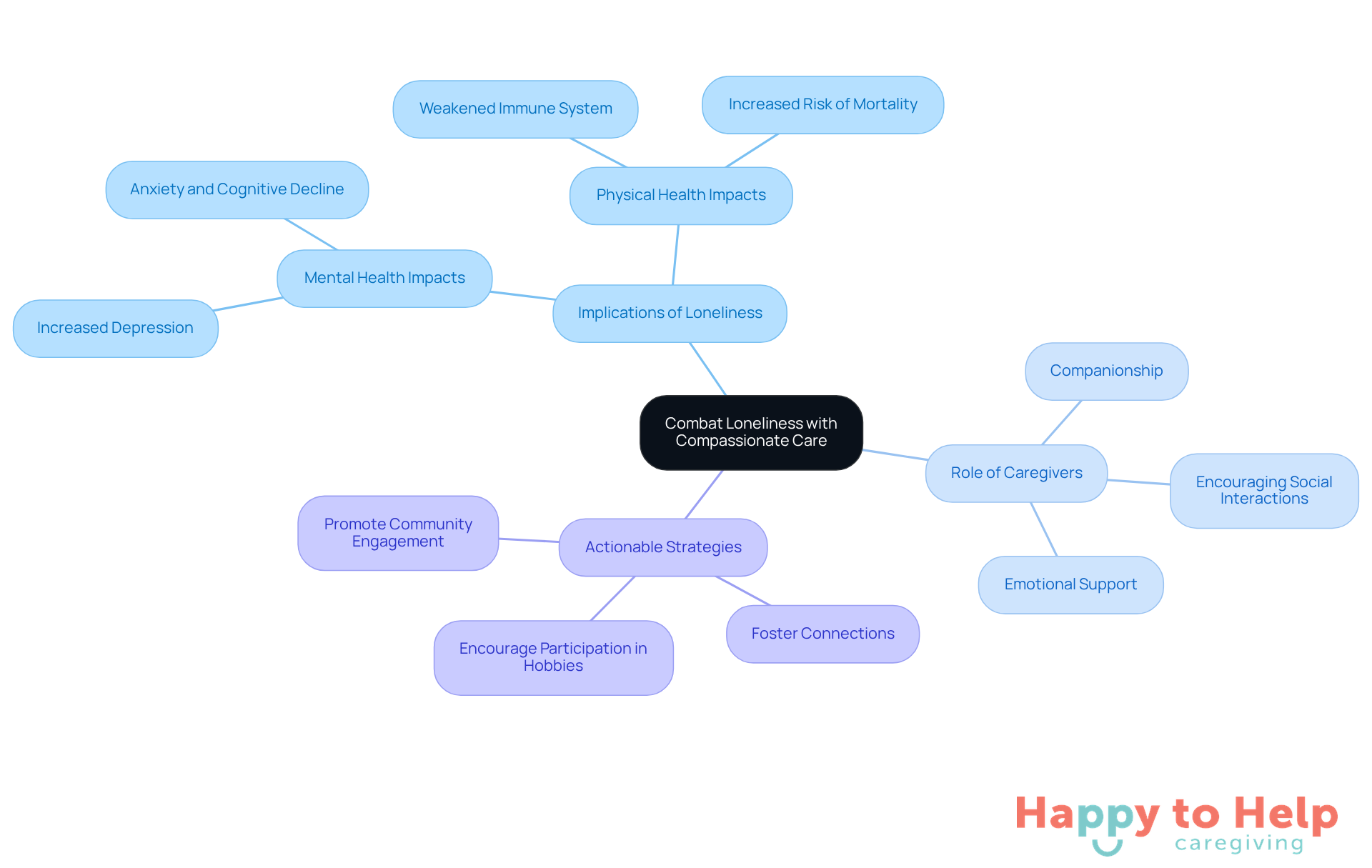
Isolation is a significant issue for many elderly individuals, often leading to depression and a decline in overall well-being. This loneliness can have severe implications, affecting both mental and physical health. In fact, a report from the U.S. Surgeon General describes loneliness as an epidemic, highlighting its impact on the elderly population.
City home care services provide a vital solution to combat this isolation. Caregivers offer companionship and emotional support, engaging clients in meaningful conversations, assisting with hobbies, and encouraging social interactions. Research shows that seniors who receive regular companionship from support providers experience lower levels of loneliness and improved emotional well-being. For instance, the National Institute on Aging emphasizes that social engagement is crucial for maintaining cognitive function among older adults.
To address the growing concern of isolation, caregivers can implement several actionable strategies:
- Foster connections through regular visits and conversations.
- Encourage participation in hobbies and social activities.
- Promote community engagement to enhance social interactions.
In 2023, 34% of adults aged 50-80 reported feeling isolated, underscoring the prevalence of this issue. By providing compassionate city home care and fostering connections, in-home caregivers play a crucial role in helping clients feel less isolated and more connected to the world around them.
Key Takeaways for Caregivers
City home care services address a significant problem: the overwhelming stress and burden faced by family caregivers. These individuals often struggle to balance their responsibilities while ensuring their loved ones receive the care they need. The emotional toll can be immense, leading to burnout and decreased well-being for both caregivers and those they support.
The implications of this issue are profound. Without adequate support, caregivers may feel isolated and overwhelmed, which can negatively impact their mental health. Additionally, seniors may experience loneliness and a decline in their emotional well-being without regular companionship. This is where city home care services come into play, offering a practical solution.
By facilitating independence for the elderly and those with special needs, these services allow individuals to thrive in their own homes. They not only address physical needs but also significantly enhance emotional well-being. Personalized care strategies ensure that the unique needs of each individual are met, fostering a sense of community and belonging.
Investing in city home care services is a vital step toward creating a supportive environment for both caregivers and their loved ones. These services provide respite care, reducing stress and preventing burnout among family caregivers. Furthermore, compassionate caregivers combat loneliness, offering essential companionship that enhances the overall well-being of seniors.
In conclusion, prioritizing city home care services is crucial. Families can ensure their loved ones receive the care they need while safeguarding their own health and emotional resilience. Embracing these services is a commitment to fostering independence, enhancing quality of life, and nurturing the essential bonds of family.
https://iframe.tely.ai/cta/eyJhcnRpY2xlX2lkIjogIjY5MjY0MzlhZGUyNDgxZjQ1MzJkZTdjNCIsICJjb21wYW55X2lkIjogIjY4ZWU1ZGNhNzMxNzYyNTU3ZjNjOTVjMSIsICJpbmRleCI6IG51bGwsICJ0eXBlIjogImFydGljbGUifQ==Frequently Asked Questions
What is the primary purpose of city home care services?
The primary purpose of city home care services is to help individuals, particularly the elderly and those with special needs, maintain their independence and avoid transitioning to institutional settings.
How do older adults feel about receiving in-home assistance?
Research shows that older adults who receive in-home assistance report higher satisfaction levels and a greater sense of control over their lives.
What statistic highlights the preference of seniors regarding aging in place?
A report from AARP indicates that nearly 90% of seniors prefer to age in place, underscoring the importance of services that facilitate this preference.
What types of daily activities do city home care services assist with?
City home care services assist with essential daily activities such as bathing, dressing, and meal preparation.
How do city home care services contribute to the emotional health of clients?
By fostering independence and providing companionship, city home care services enable clients to thrive in familiar environments, which is essential for their emotional health and overall well-being.
What benefits do clients experience from city home care services?
Clients experience enhanced quality of life, increased autonomy, and the ability to stay active and engaged in their familiar surroundings.
List of Sources
- Promote Independence Through In-Home Care
- How Home Care Empowers Seniors to Maintain Independence (https://gallaghercares.com/blog/how-home-care-promotes-independence-for-aging-adults)
- The Benefits of In-Home Care for Seniors - Consumer Directed Choices (https://cdchoices.org/2023/11/27/the-benefits-of-in-home-care-for-seniors)
- How In-Home Care Helps Seniors Maintain Independence and Dignity (https://newlifestyles.com/blog/how-in-home-care-helps-seniors-maintain-independence-and-dignity)
- Promoting Independence through In-Home Care (https://visitingangels.com/npr/news-info/promoting-independence-through-in-home-care/24383)
- In-Home Care for Seniors: Benefits and Quality Support (https://seniorhelpers.com/fl/the-villages/resources/blogs/2025-11-14)
- Address Family Caregiver Challenges
- Caregiving can be a tough, lonely mission. One daughter found ways to reconnect (https://npr.org/sections/shots-health-news/2024/10/31/nx-s1-5172517/caregiver-caregiving-isolation-burnout-resources)
- As Family Caregiving Grows, So Does the Need for Reform - Medicare Rights Center (https://medicarerights.org/medicare-watch/2025/08/14/as-family-caregiving-grows-so-does-the-need-for-reform)
- 'I don't know where to start.' Parents and caregivers are burned out. Who's most at risk? (https://usatoday.com/story/money/2025/04/04/parents-caregivers-burnt-out-help/82695959007)
- Opinion | America’s Caregivers Are in Crisis (https://nytimes.com/2025/11/24/opinion/caregiving-crisis.html)
- Family Caregiver Support, Education Needs Growing (https://hospicenews.com/2025/11/11/family-caregiver-support-education-needs-growing)
- Enhance Quality of Life with Personalized Care
- The Incredible Benefits of Home Care, in 7 Amazing Stats - Companions For Seniors (https://companionsforseniors.com/2019/08/benefits-home-care-amazing-stats-trends-reports)
- How Personalized Health Care Is Changing The Role Of Home Care Providers (https://homehealthcarenews.com/2024/03/how-personalized-health-care-is-changing-the-role-of-home-care-providers)
- How Personalized In-Home Care can Improve Seniors Quality of Life - Freedom Home Care (https://freedomhomecare.net/2024/11/21/how-personalized-in-home-care-can-improve-seniors-quality-of-life)
- 2025 Home Care Statistics: Trends & Insights To Know (https://premierhcinc.com/blog/home-care-statistics)
- How Precision Health Promotes Healthy Aging (https://ncoa.org/article/how-does-precision-health-support-healthy-aging)
- Combat Loneliness with Compassionate Care
- Trends in Loneliness Among Older Adults from 2018-2023 (https://ihpi.umich.edu/national-poll-healthy-aging/reports-and-resources/trends-loneliness-among-older-adults-2018-2023)
- 1 in 3 older adults still experience loneliness and isolation (https://michiganmedicine.org/health-lab/1-3-older-adults-still-experience-loneliness-and-isolation)
- Home health can protect seniors from loneliness, isolation, study finds (https://mcknightshomecare.com/news/home-health-can-protect-seniors-from-loneliness-isolation-study-finds)
- Summary - Social Isolation and Loneliness in Older Adults - NCBI Bookshelf (https://ncbi.nlm.nih.gov/books/NBK557972)
- Elderly Isolation: Combating Loneliness Through Home Healthcare - VNA Health Group (https://vnahg.org/elderly-isolation-combating-loneliness-through-home-healthcare)