
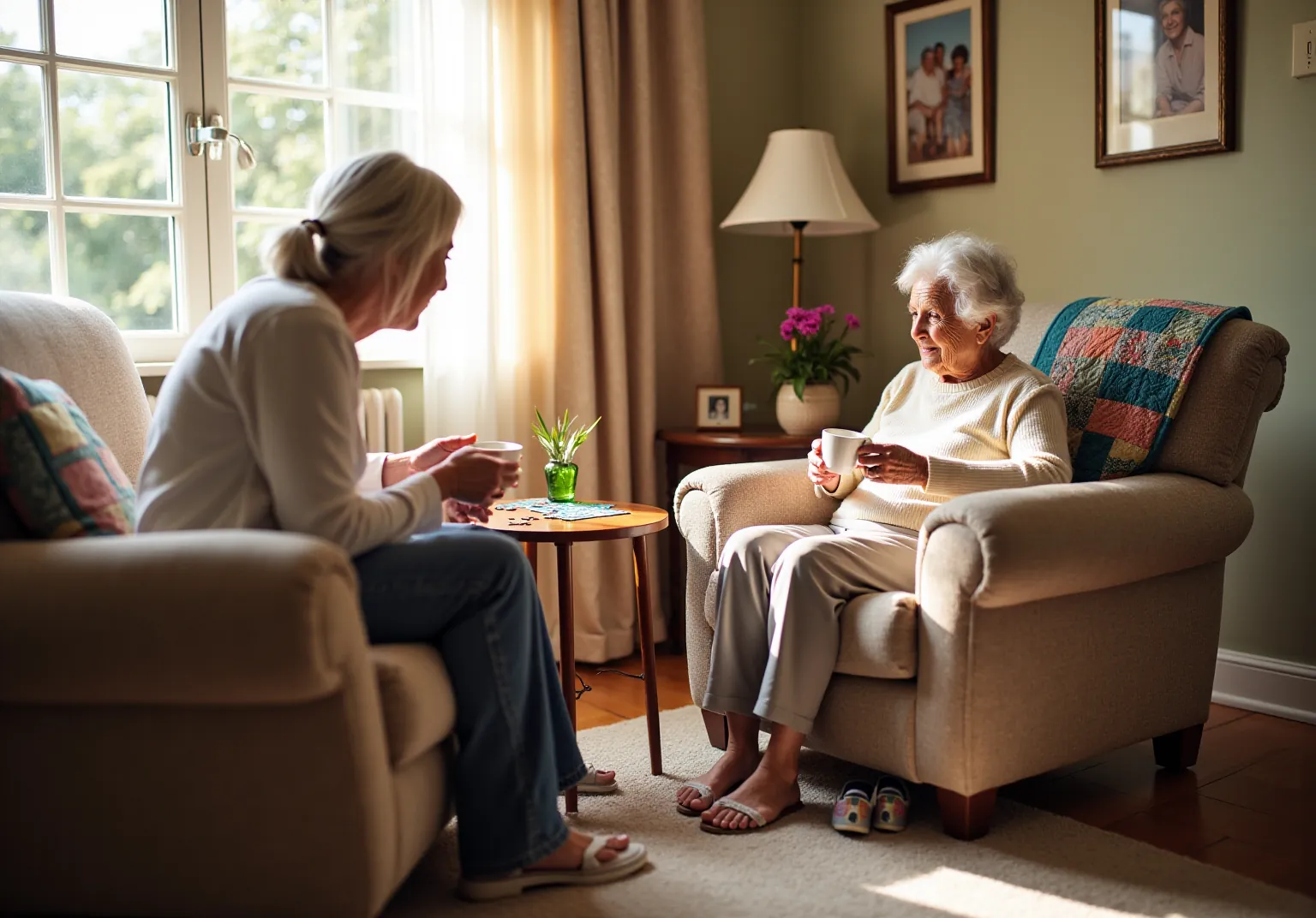
For families in our service areas
For families in our service areas, this guide explains companion care and how non-medical in-home caregiving can support care planning in East Idaho, Treasure Valley & Magic Valley, Northern Wasatch, North Central West Virginia, and Northeast Ohio.
The Importance of Why Companion Home Care Services Are
Companion home care services address a significant problem: the rising loneliness among seniors. This issue can severely affect their emotional and physical well-being, leading to a decline in quality of life.
The implications of loneliness are profound. It not only diminishes the joy in daily activities but can also lead to serious health concerns. Seniors often struggle with feelings of isolation, which can exacerbate mental health issues and hinder their independence.
So, how can caregivers effectively tackle this challenge? By providing tailored companionship that meets the unique needs of each individual, caregivers can foster social interaction and support. This approach not only enhances the quality of life for older adults but also promotes their independence and safety in daily routines.
To implement this, caregivers can consider the following actionable tips:
- Assess individual needs: Understand the specific preferences and interests of each senior.
- Encourage social activities: Facilitate group activities or outings that promote interaction.
- Utilize technology: Introduce video calls or social media to connect with family and friends.
By focusing on these strategies, caregivers can ensure that companionship translates into lasting improvements in mental health and overall happiness.
Establishing the Importance of Companion Care for Seniors
Companion home care services address a significant problem faced by older adults: isolation and loneliness. As individuals age, they often experience heightened feelings of loneliness, which can lead to serious mental health issues. This isolation not only affects their emotional well-being but can also diminish their overall quality of life.
Research shows that older adults who engage frequently with friends report improved mood and greater satisfaction with life. Just a couple of hours of companionship each week can significantly enhance a senior's experience. Moreover, companion home care services provide essential supervision and assistance with daily activities, reducing the risk of accidents and promoting independence.
With approximately 87% of adults aged 65 and above wishing to remain in their homes and communities as they age, companion home care services are crucial in helping them achieve this goal. It not only supports their desire to age in place but also enhances their quality of existence. Chronic loneliness can shorten life expectancy more than being overweight or sedentary, and is comparable to the effects of smoking. This highlights the critical importance of companionship in maintaining health and well-being.
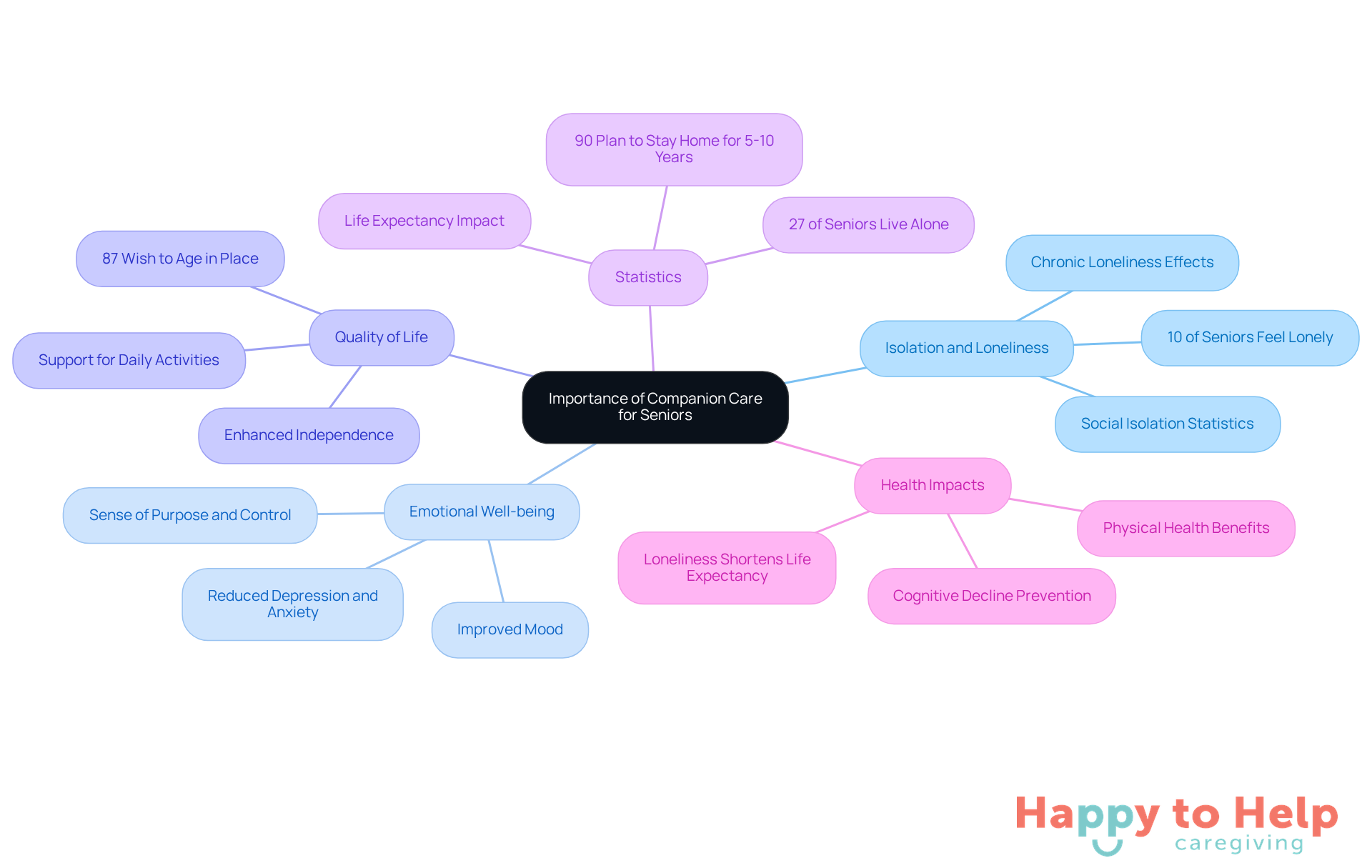
Combating Loneliness and Enhancing Mental Health Through Companionship
Loneliness is a significant issue for older adults, often exacerbated by physical limitations and the loss of loved ones. This isolation can lead to increased levels of depression and anxiety, making it crucial to address these emotional challenges.
Companion home care services offer a vital solution to combat loneliness. By providing regular social interaction and emotional support, companion home care services can uplift the spirits of elders. Research shows that older adults who receive companionship experience lower levels of depression and anxiety. Engaging in meaningful conversations and participating in activities can significantly enhance their quality of life.
Moreover, the presence of a companion fosters a sense of security and stability, which is essential for mental health and emotional resilience. Caregivers can utilize companion home care services to ensure their loved ones feel connected and supported.
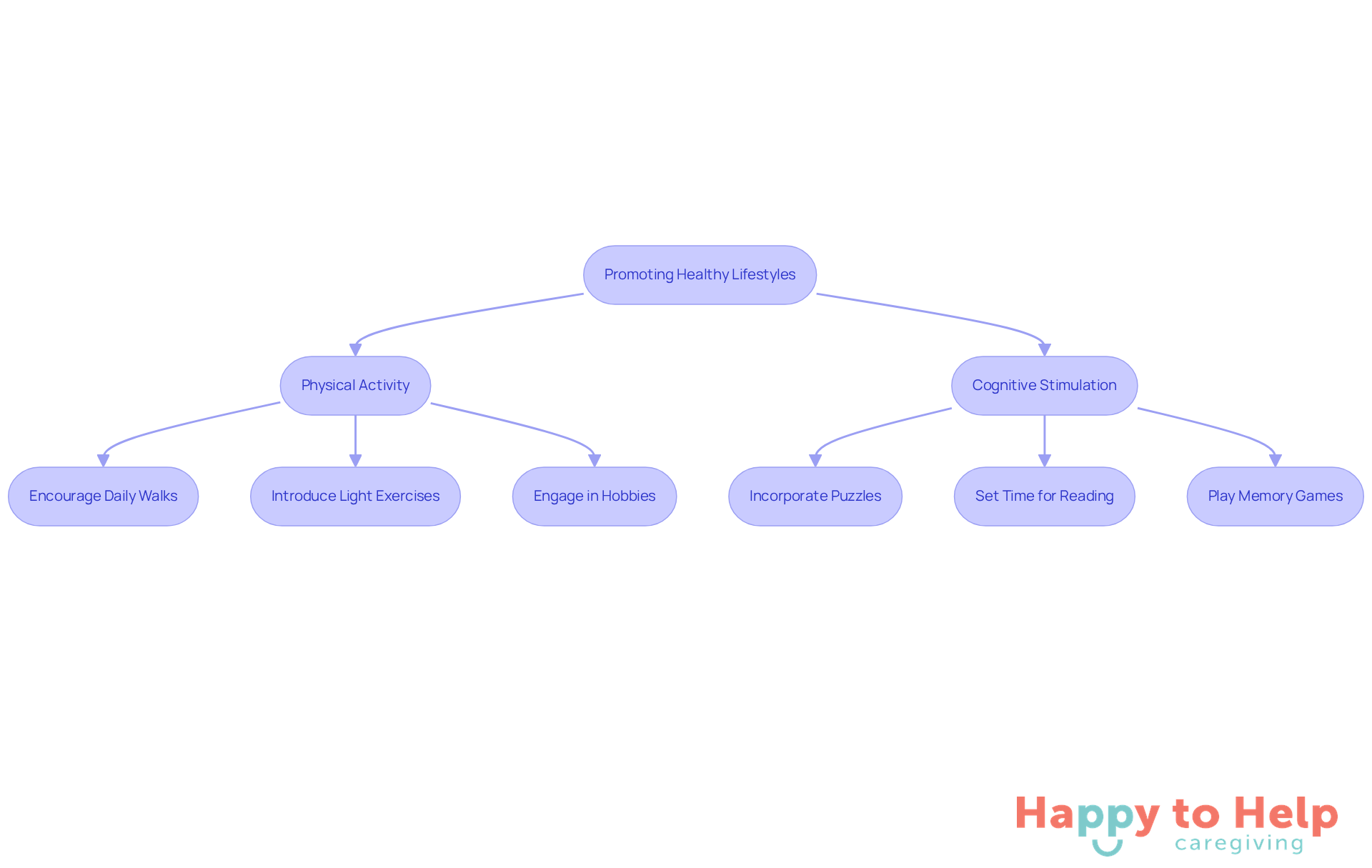
Promoting Healthy Lifestyles: Cognitive Stimulation and Activity Encouragement
Companion home care services face a significant challenge: many older adults struggle with maintaining an active lifestyle and cognitive sharpness. This issue can lead to serious health implications, including cognitive decline and decreased physical fitness. Companion home care services provide caregivers with a crucial role in addressing these challenges.
To combat these problems, caregivers can encourage physical activity through simple yet effective means. Activities like walking, light exercises, or engaging in hobbies that require movement can significantly enhance physical health. Additionally, cognitive stimulation is essential for maintaining mental acuity. Incorporating activities such as puzzles, reading, and memory games can help keep older adults' minds sharp.
By integrating these activities into daily routines, companion home care services can help caregivers make a substantial difference in the overall health and well-being of older adults. Not only does this decrease the risk of cognitive decline, but it also promotes a more active lifestyle. Here are some actionable tips for caregivers:
- Encourage daily walks or light exercises.
- Introduce fun and engaging puzzles or games.
- Set aside time for reading together.
These strategies not only foster companionship but also contribute to healthier, happier lives for older adults.
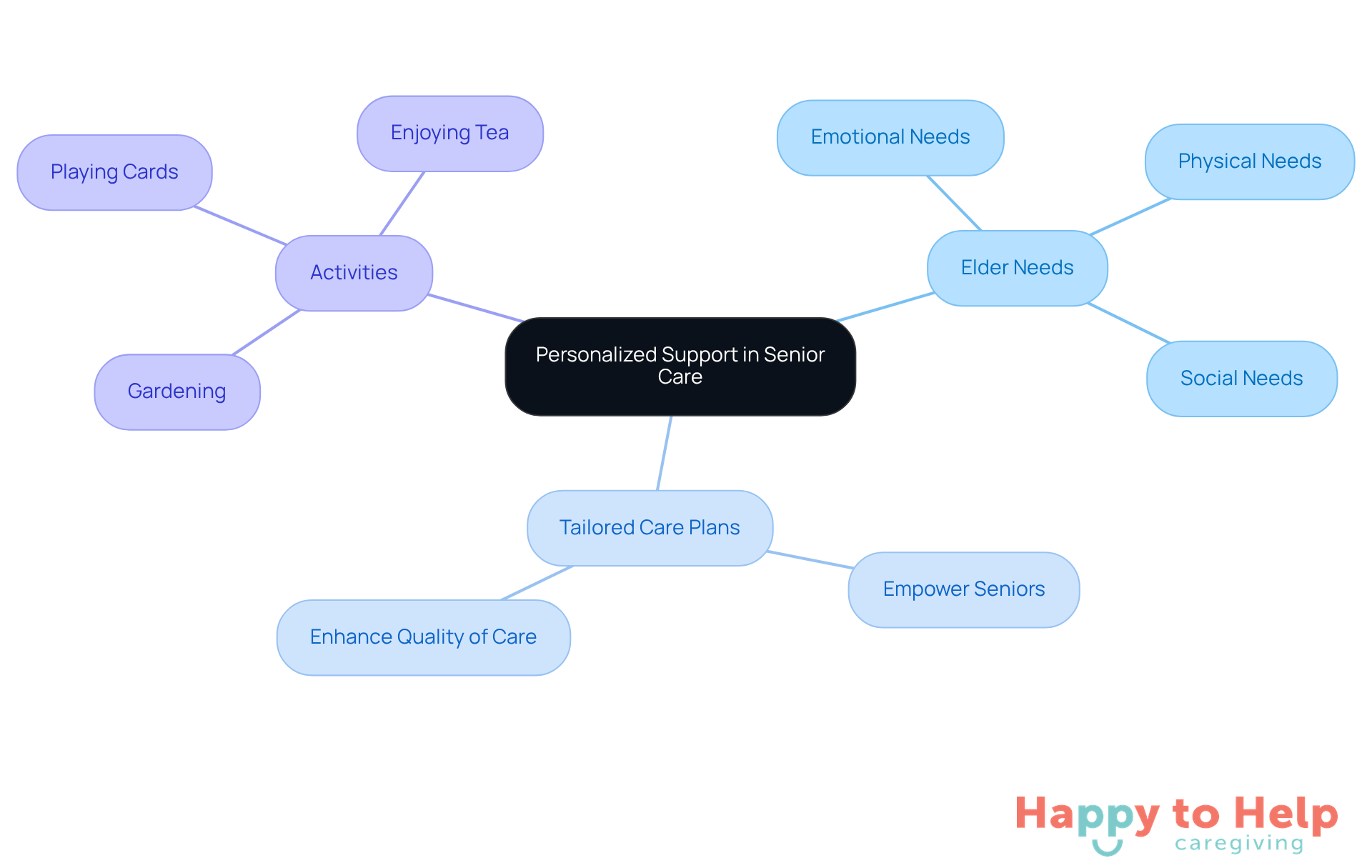
Tailoring Care: The Role of Personalized Support in Senior Well-Being
Personalized support is crucial in addressing the unique challenges faced by companion home care services. Elders have distinct needs, preferences, and experiences that significantly influence their care requirements. When these needs are overlooked, it can lead to feelings of frustration and helplessness among seniors, impacting their overall well-being.
To combat this issue, caregivers can develop tailored care plans that specifically address the emotional, physical, and social needs of their clients. This personalized approach not only enhances the quality of care but also empowers older adults, allowing them to retain a sense of control over their lives. For example, incorporating an elderly person's favorite activities - like gardening, playing cards, or enjoying a cup of tea together - into their daily routine can make a significant difference.
Such tailored interactions foster deeper connections and significantly improve the overall well-being of seniors. By focusing on personalized companion home care services, caregivers can create a supportive environment that meets the unique needs of each elder, ultimately leading to a more fulfilling and dignified life.
Taking the Next Steps
Companion home care services address a significant problem: the loneliness and isolation that many seniors face. These issues can severely impact their quality of life, leading to feelings of depression and decreased mental health. By providing companionship and support, these services not only help older adults maintain their independence but also foster emotional resilience.
The implications of loneliness are profound. Seniors who lack social interaction may experience a decline in both mental and physical health. Engaging them in meaningful activities and ensuring regular social interactions can lead to happier, healthier lives. Personalized care plans tailored to the unique needs of each individual are crucial in promoting physical activity and emotional well-being.
The solution lies in prioritizing companion home care services. As society becomes more aware of the challenges faced by aging populations, advocating for these supportive services is essential. Caregivers can empower seniors to lead fulfilling lives by combating loneliness and enhancing their overall health. Investing in companion care is not merely a choice; it is a vital step toward ensuring that older adults can thrive in their golden years.
https://iframe.tely.ai/cta/eyJhcnRpY2xlX2lkIjogIjY5M2Y3NWE1NDg1MDUzNmE1M2JjNDRjMiIsICJjb21wYW55X2lkIjogIjY4ZWU1ZGNhNzMxNzYyNTU3ZjNjOTVjMSIsICJpbmRleCI6IG51bGwsICJ0eXBlIjogImFydGljbGUifQ==Frequently Asked Questions
What is the primary issue that companion care services address for seniors?
Companion care services primarily address the problem of isolation and loneliness faced by older adults.
How does loneliness affect older adults?
Loneliness can lead to serious mental health issues, diminish emotional well-being, and negatively impact the overall quality of life for older adults.
What benefits do older adults experience from engaging with friends?
Research shows that older adults who engage frequently with friends report improved mood and greater satisfaction with life.
How much companionship is recommended to enhance a senior's experience?
Just a couple of hours of companionship each week can significantly enhance a senior's experience.
What additional support do companion home care services provide?
Companion home care services provide essential supervision and assistance with daily activities, reducing the risk of accidents and promoting independence.
What percentage of adults aged 65 and above wish to remain in their homes as they age?
Approximately 87% of adults aged 65 and above wish to remain in their homes and communities as they age.
Why are companion home care services crucial for seniors?
They are crucial in helping seniors achieve their goal of aging in place and enhancing their quality of existence.
How does chronic loneliness compare to other health risks?
Chronic loneliness can shorten life expectancy more than being overweight or sedentary and is comparable to the effects of smoking, highlighting its critical importance in maintaining health and well-being.
List of Sources
- Establishing the Importance of Companion Care for Seniors
- Why Home Care Providers Are Increasingly Offering Companion Care Services for Seniors | Aaniie, formerly Smartcare Software (https://aaniie.com/news/why-home-care-providers-are-increasingly-offering-companion-care-services-for-seniors)
- Connection, companionship crucial for seniors' mental health during holidays (https://paxtonmedia.com/news/paducah\_sun/connection-companionship-crucial-for-seniors-mental-health-during-holidays/article\_dc63851a-7d1c-5ca0-a298-385d514b07e0.html)
- Some Important Statistics and In-Home Companion Care (https://americareinfo.com/ozarks/in-home-companion-care-some-important-facts-on-aging-to-consider)
- Creating Safe Living Environment for Seniors: Tips & Practices (https://peacevillage.org/news/why-companionship-is-key-to-happy-aging-elderly-well-being)
- Combating Loneliness and Enhancing Mental Health Through Companionship
- The Role of Companion Care in Reducing Depression Among Seniors (https://malamamaikai.com/role-of-companion-care-in-reducing-depression-among-seniors)
- Loneliness rising among Americans 45 and older: AARP study (https://thehill.com/policy/healthcare/5633241-loneliness-rising-older-adults-study)
- Home Care Agency in Plantation, FL Near You | Skilled Nursing and Senior Home Care Services Serving Broward and Palm Beach Counties | Home Health Aide | Free Consult | 24-7 | Trust USA Home Health (https://trustusahomehealth.com/?p=2378)
- U.S. News Survey Finds Senior Living Reduces Loneliness (https://sunriseseniorliving.com/resources/caregivers-and-families/senior-living-reduces-loneliness)
- The loneliest Americans, according to a survey of 3,000 adults (https://washingtonpost.com/health/2025/12/03/loneliest-americans-aarp-survey)
- Promoting Healthy Lifestyles: Cognitive Stimulation and Activity Encouragement
- Report: Adults 50 and Older Need More Physical Activity (https://cdc.gov/physical-activity/php/reports/adults-50-and-older.html)
- Games, Puzzles And Reading Can Slow Cognitive Decline In The Elderly — Even In Those With Mild Cognitive Impairment (https://stories.tamu.edu/news/2024/09/10/games-puzzles-and-reading-can-slow-cognitive-decline-in-the-elderly-even-in-those-with-mild-cognitive-impairment)
- Participating in cognitively stimulating activities linked with increased longevity for older adults, study finds (https://mcknights.com/news/participating-in-cognitively-stimulating-activities-linked-with-increased-longevity-for-older-adults-study-finds)
- Characteristics of Older Adults Who Met Federal Physical Activity Guidelines for Americans: United States, 2022 - National Health Statistics Reports - NCBI Bookshelf (https://ncbi.nlm.nih.gov/books/NBK610676)
- Tailoring Care: The Role of Personalized Support in Senior Well-Being
- Novel Care Model May Improve Outcomes for Older Adults With Multiple Chronic Conditions (https://consultqd.clevelandclinic.org/novel-care-model-may-improve-outcomes-for-older-adults-with-multiple-chronic-conditions)
- Long-Term Care: Are Older Adults Ready? (https://ihpi.umich.edu/national-poll-healthy-aging/national-findings/long-term-care-are-older-adults-ready)
- 2025: AI enhances personalized care; caregiver experience in the spotlight (https://healthcareitnews.com/news/2025-ai-enhances-personalized-care-caregiver-experience-spotlight)
- Top Trends in Senior Care Services for 2024 (https://westmontliving.com/blog/assisted-living/top-10-trends-in-senior-care-services-for-2024)
- Warning From Older Adults: Care for Aging in America Needs Urgent Rethinking (https://johnahartford.org/newsroom/view/warning-from-older-adults-care-for-aging-in-america-needs-urgent-rethinking)