Why Dementia Patients Struggle with Eating and Sleeping All Day

For families in our service areas
For families in our service areas, this guide explains dementia care and how non-medical in-home caregiving can support care planning in East Idaho, Treasure Valley & Magic Valley, Northern Wasatch, North Central West Virginia, and Northeast Ohio.
Why Why Dementia Patients Struggle with Matters
Dementia profoundly impacts the daily lives of those affected, particularly in their eating and sleeping patterns. This cognitive decline disrupts the brain's ability to signal hunger and satiety, leading many patients to experience appetite loss and excessive sleep. These issues complicate their overall health and well-being.
Understanding these challenges is crucial for caregivers. The implications of disrupted eating and sleeping can lead to further health complications, creating a cycle that is difficult to break. Caregivers often find themselves navigating these complex dynamics without clear guidance.
However, there are practical strategies that can help. By recognizing the physiological and psychological factors at play, caregivers can implement tailored approaches to improve the quality of life for dementia patients. For instance, establishing a consistent routine can help regulate sleep patterns, while offering small, frequent meals may encourage better nutrition.
In this article, we will explore these intertwined factors and provide valuable insights and actionable tips for caregivers. How can understanding these dynamics transform the care provided to dementia patients and enhance their quality of life?
Explore the Physiological and Psychological Causes of Appetite Loss in Dementia
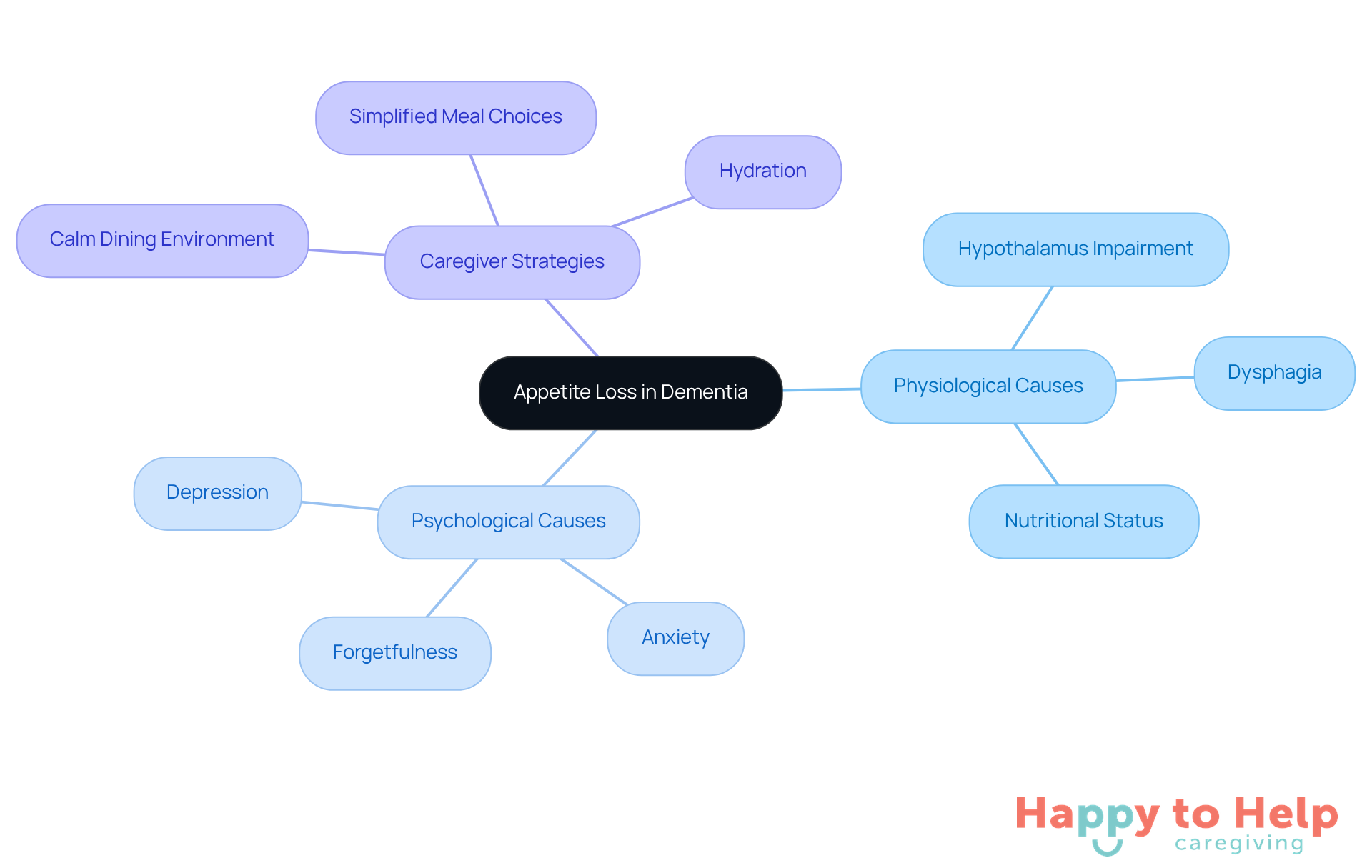
Dementia presents a significant challenge by disrupting the brain's ability to process hunger signals, leading to notable changes in appetite. This condition can impair the hypothalamus, a crucial player in regulating hunger and satiety, resulting in either diminished appetite or overeating. Psychological factors, such as depression and anxiety, are common among individuals with cognitive impairment, further exacerbating appetite loss. Research shows that many individuals with cognitive decline, such as those who are dementia patients not eating and sleeping all day, may forget to eat or lose interest in food, with approximately 54% of early-stage Alzheimer's patients at risk of malnutrition.
As dementia progresses, around 45% of dementia patients not eating and sleeping all day experience difficulty swallowing (dysphagia), complicating their ability to consume food. Understanding these fundamental causes is essential for caregivers, as it enables them to implement effective strategies that promote healthy dietary habits. For instance, creating a calm dining environment, simplifying meal choices, and providing cues during meals - like prompting patients to pick up utensils - can significantly enhance their engagement with food.
Regular dental check-ups and maintaining oral hygiene are also vital for preserving the ability to eat. Neurologists emphasize that addressing both psychological and physiological factors is crucial for improving the overall well-being of dementia patients. Nutritional status plays a significant role in their quality of life and disease progression. Caregivers should also prioritize hydration throughout the day to support overall health.
Examine How Dementia Affects Daily Routines: Eating and Sleeping Patterns
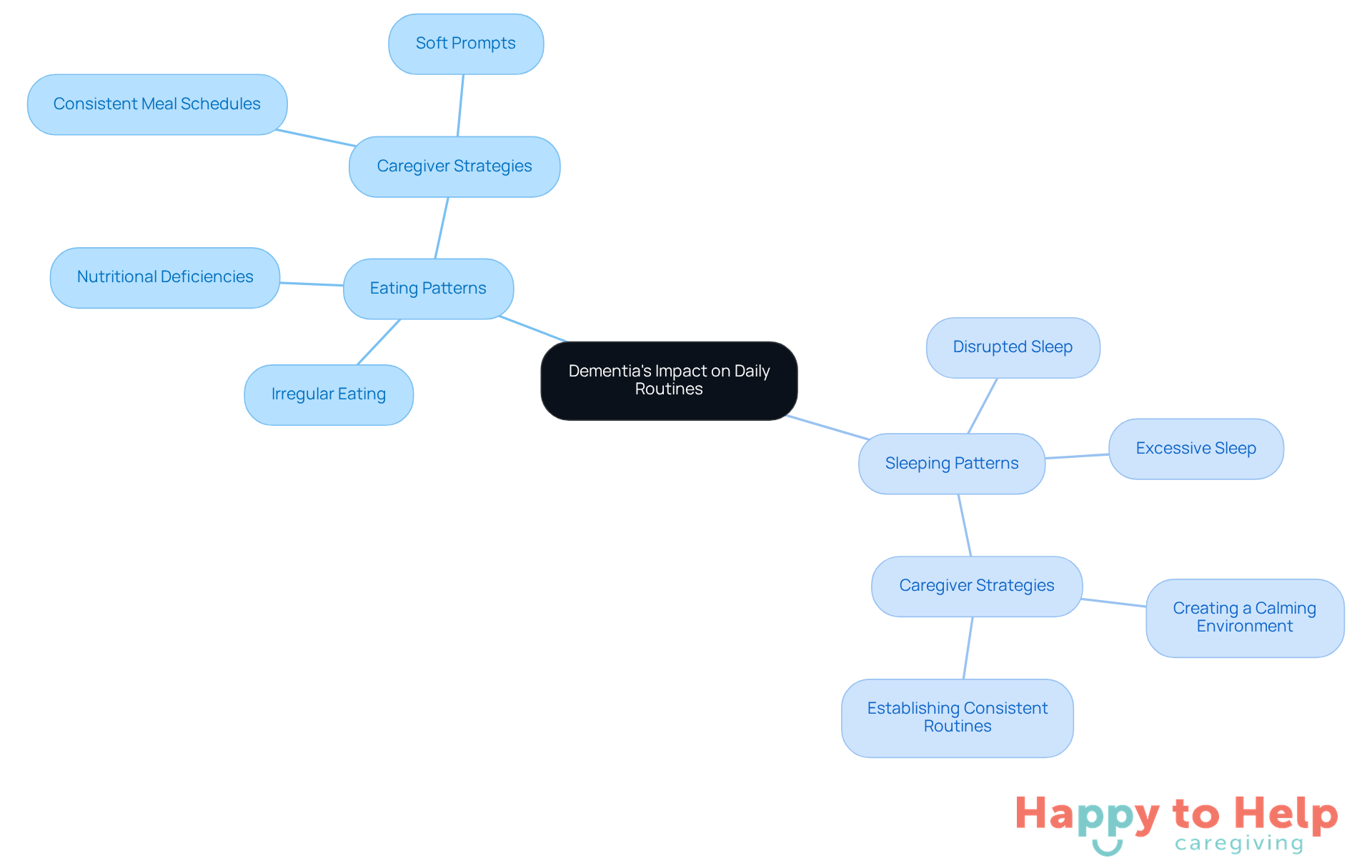
A dementia patient not eating and sleeping all day faces significant challenges in maintaining daily routines, particularly in nutrition and sleep. The issue of a dementia patient not eating and sleeping all day often arises because they forget to eat or lose track of mealtimes, leading to irregular eating patterns that can result in nutritional deficiencies. Research indicates that individuals with cognitive impairment may sleep excessively, with some resting for up to 15 hours a day, including long naps and disrupted nighttime sleep. This excessive sleepiness can create a cycle of fatigue and confusion, complicating care management.
Caregivers must recognize these patterns and establish consistent routines to provide structure. By doing so, they help patients feel more secure and engaged in their daily lives, ultimately enhancing their overall well-being. Understanding the connection between sleep disturbances and cognitive decline is crucial, particularly in the context of a dementia patient not eating and sleeping all day, as poor sleep can worsen memory issues and mood fluctuations, further affecting mealtime behaviors.
To improve the quality of life for individuals impacted by memory disorders, caregivers can implement the following strategies:
- Consistent meal schedules: Establish regular times for meals to create predictability.
- Soft prompts: Use gentle reminders to encourage eating and hydration.
By applying these approaches, caregivers can significantly enhance the daily experiences of those they support.
Understand the Emotional and Social Influences on Eating and Sleeping in Dementia Patients
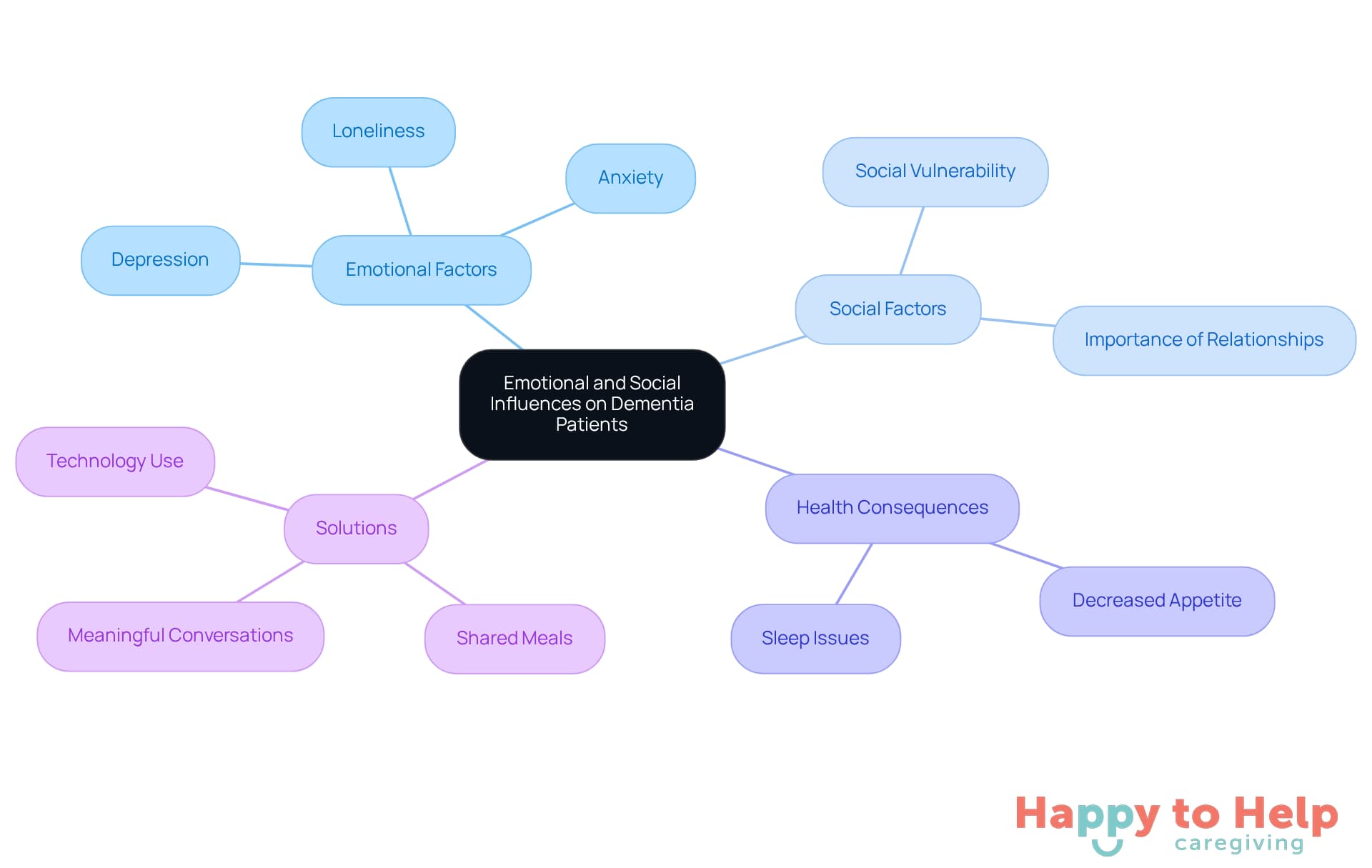
Emotional and social factors play a significant role in the habits of a dementia patient not eating and sleeping all day. The problem is that feelings of loneliness, anxiety, and depression can lead to a marked decrease in appetite and cause a dementia patient not eating and sleeping all day. Studies indicate that socially vulnerable individuals face a 47% higher risk of developing cognitive decline, underscoring the importance of social ties in mental health.
The agitation comes from the serious health consequences of loneliness, which can be as detrimental as smoking 15 cigarettes a day. This highlights the urgent need for caregivers to address these emotional challenges. Engaging in shared meals and meaningful conversations can enhance the dining experience, encouraging better nutrition and overall well-being.
The solution lies in prioritizing social connections. Experts emphasize that maintaining strong relationships is crucial for healthy aging, as they can reduce chronic inflammation, a key driver of accelerated aging. Caregivers should focus on creating a supportive atmosphere that fosters social bonds and emotional health. By encouraging social interactions and utilizing technology to lessen isolation, caregivers can help alleviate the negative impacts of loneliness for a dementia patient not eating and sleeping all day, thereby promoting healthier dietary habits. This approach ultimately improves the overall care experience for individuals with cognitive impairments.
Identify Strategies for Caregivers to Encourage Healthy Eating and Sleeping Habits
Caregivers often struggle to foster healthy eating and sleeping habits in a dementia patient not eating and sleeping all day. This can lead to a situation where a dementia patient not eating and sleeping all day experiences decreased appetite and disrupted sleep patterns, significantly impacting their quality of life.
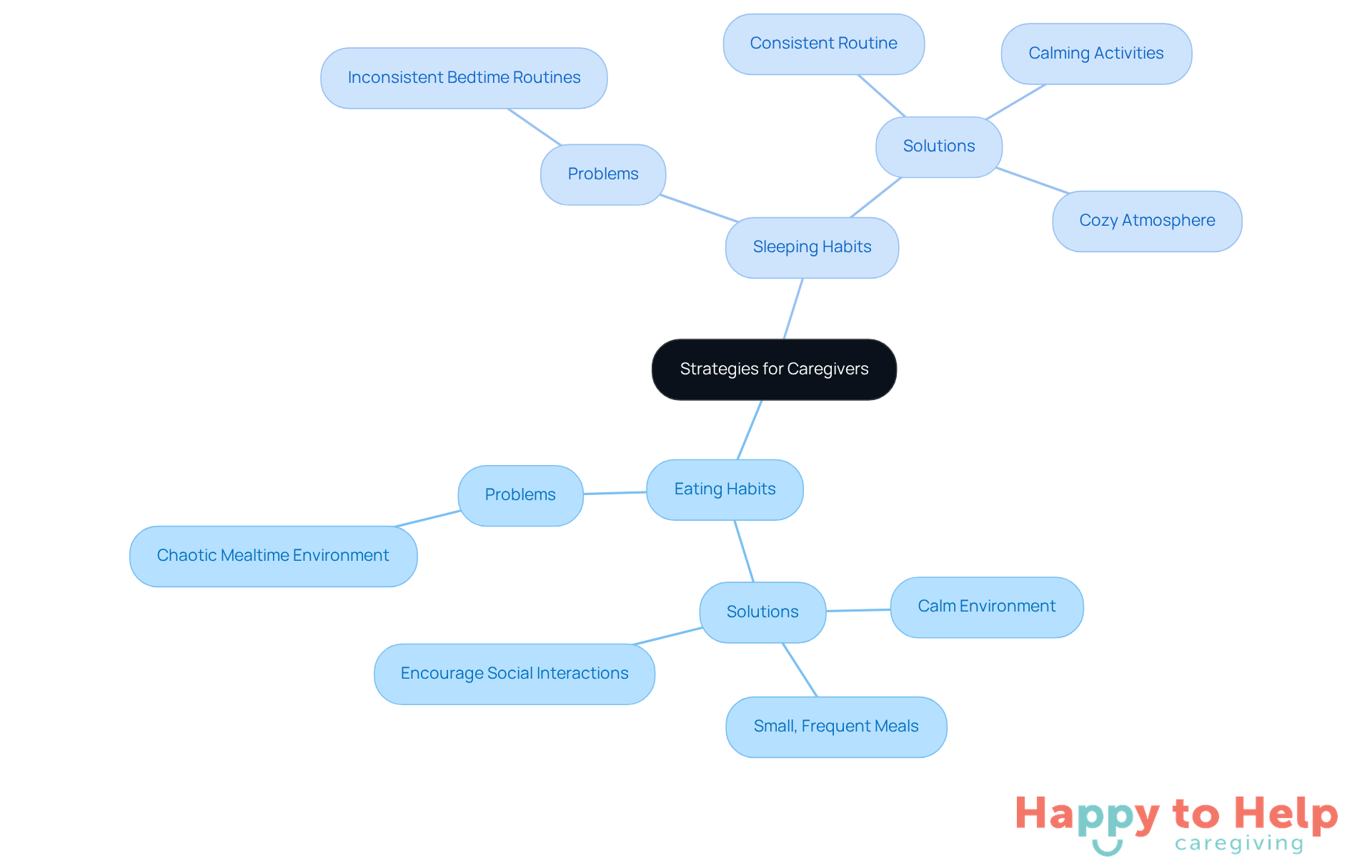
Agitate: A chaotic mealtime environment can diminish appetite, while inconsistent bedtime routines may result in poor sleep quality. These issues not only affect the well-being of a dementia patient not eating and sleeping all day but also add stress to caregivers who want to provide the best care possible.
Solution: To enhance mealtime experiences, caregivers should create a calm and inviting environment. Research shows that a well-structured mealtime setting can significantly stimulate appetite. Here are some actionable tips:
- Offer small, frequent meals.
- Utilize visual cues to guide patients.
- Encourage social interactions during meals to foster a sense of community and belonging.
For improving sleep, establishing a consistent bedtime routine is crucial. This routine should include calming activities, such as reading or listening to soothing music, signaling to the body that it’s time to wind down. Additionally, minimizing daytime napping to one short nap can help maintain a healthy sleep-wake cycle. Creating a cozy resting atmosphere - quiet, dark, and cool - further promotes restorative slumber.
Caregivers should also remain vigilant for signs of discomfort or distress that may disrupt sleep, addressing these issues promptly to ensure better rest for their clients. By implementing these strategies, caregivers can significantly improve the quality of life for dementia patients not eating and sleeping all day, promoting both better eating and sleeping habits.
Making the Right Choice
Understanding the complexities of why dementia patients struggle with eating and sleeping reveals critical insights into their daily lives. The interplay of physiological and psychological factors significantly influences these essential activities, leading to challenges that caregivers must navigate.
Dementia disrupts hunger signals and affects emotional well-being, making it difficult for patients to maintain healthy routines. This not only impacts their nutrition but also their overall quality of life. Caregivers face the daunting task of addressing these issues while ensuring their loved ones receive the support they need.
To combat these challenges, structured meal times and a calming environment are essential. Consistent sleep routines can help reduce excessive daytime sleepiness. Caregivers can enhance the quality of life for dementia patients by fostering social connections during meals and creating a soothing bedtime atmosphere. Addressing both the emotional and physical aspects of care is vital for promoting better nutrition and sleep patterns.
Ultimately, caregivers play a crucial role in mitigating the effects of dementia on daily living activities. By implementing thoughtful approaches that cater to the unique needs of each patient, they can make a significant difference. Prioritizing emotional support, structured routines, and social engagement fosters an environment that not only addresses the challenges of eating and sleeping but also enriches the overall well-being of those affected by dementia.
https://iframe.tely.ai/cta/eyJhcnRpY2xlX2lkIjogIjY5NDBhMjBmOTc5ZjhiMGM0MmQzYjU2MiIsICJjb21wYW55X2lkIjogIjY4ZWU1ZGNhNzMxNzYyNTU3ZjNjOTVjMSIsICJpbmRleCI6IG51bGwsICJ0eXBlIjogImFydGljbGUifQ==Frequently Asked Questions
What causes appetite loss in dementia patients?
Appetite loss in dementia patients is caused by disruptions in the brain's ability to process hunger signals, particularly impairments in the hypothalamus, as well as psychological factors like depression and anxiety.
How does cognitive decline affect eating habits?
Individuals with cognitive decline may forget to eat or lose interest in food, with approximately 54% of early-stage Alzheimer's patients at risk of malnutrition.
What percentage of dementia patients experience difficulty swallowing?
As dementia progresses, around 45% of dementia patients experience difficulty swallowing (dysphagia), which complicates their ability to consume food.
What strategies can caregivers use to promote healthy eating in dementia patients?
Caregivers can promote healthy eating by creating a calm dining environment, simplifying meal choices, and providing cues during meals, such as prompting patients to pick up utensils.
Why are regular dental check-ups important for dementia patients?
Regular dental check-ups and maintaining oral hygiene are vital for preserving the ability to eat, which is essential for the nutritional status and overall health of dementia patients.
How do psychological and physiological factors impact dementia patients' well-being?
Addressing both psychological and physiological factors is crucial for improving the overall well-being of dementia patients, as nutritional status significantly affects their quality of life and disease progression.
What role does hydration play in the health of dementia patients?
Caregivers should prioritize hydration throughout the day to support the overall health of dementia patients.
List of Sources
- Explore the Physiological and Psychological Causes of Appetite Loss in Dementia
- Appetite and dementia (https://alzheimers.org.uk/get-support/living-with-dementia/poor-appetite-dementia)
- Malnutrition and Dementia: What Clinical Trials Are Revealing (https://researchforyou.co.uk/mac-news/malnutrition-and-dementia-what-clinical-trials-are-revealing)
- Poor Appetite in Your Alzheimer’s Patients? (https://guidestareldercare.com/blog/poor-appetite-in-your-alzheimers-patients)
- New research reveals high rates of malnutrition in people living with dementia in long-term care (https://medicalxpress.com/news/2023-06-reveals-high-malnutrition-people-dementia.html)
- Appetite Loss in Memory Care: Warning Signs & Solutions (https://irisseniorliving.com/senior-living/tx/dallas/dickason-ave/blog/appetite-loss-in-memory-care-warning-signs-solutions)
- Examine How Dementia Affects Daily Routines: Eating and Sleeping Patterns
- Alzheimer’s might be powered by a broken sleep-wake cycle (https://sciencedaily.com/releases/2025/11/251102205012.htm)
- Excessive Sleep and Dementia (https://mentalhealth.com/library/why-dementia-patients-sleep-so-much)
- Dementia Risk Rises for Older Women With Changing Sleep Patterns (https://medpagetoday.com/neurology/dementia/114737)
- Understand the Emotional and Social Influences on Eating and Sleeping in Dementia Patients
- Ten minutes of social interaction improves wellbeing in dementia care (https://alzheimers.org.uk/news/2025-10-08/ten-minutes-social-interaction-improves-wellbeing-dementia-care)
- Scientists reveal the one practice that could prevent dementia as you age (https://foxnews.com/health/scientists-reveal-one-practice-could-prevent-dementia-you-age)
- New Studies Suggest Social Isolation Is a Risk Factor for Dementia in Older Adults, Point to Ways to Reduce Risk (https://hopkinsmedicine.org/news/newsroom/news-releases/2023/01/new-studies-suggest-social-isolation-is-a-risk-factor-for-dementia-in-older-adults-point-to-ways-to-reduce-risk)
- Factors associated with eating performance in older adults with dementia in long-term care facilities: a cross-sectional study - BMC Geriatrics (https://bmcgeriatr.biomedcentral.com/articles/10.1186/s12877-021-02315-6)
- Being Social May Delay Dementia Onset by Five Years (https://rush.edu/news/being-social-may-delay-dementia-onset-five-years)
- Identify Strategies for Caregivers to Encourage Healthy Eating and Sleeping Habits
- How to support someone with dementia to sleep better at night (https://alzheimers.org.uk/about-dementia/stages-and-symptoms/healthy-sleep-tips)
- Helping caregivers help people with dementia eat at home (https://news.osu.edu/helping-caregivers-help-people-with-dementia-eat-at-home)
- How to Help Someone With Dementia Sleep at Night (https://aarp.org/caregiving/basics/dementia-sleep-tips)
- Managing Alzheimer's sleep problems (https://mayoclinic.org/diseases-conditions/alzheimers-disease/in-depth/alzheimers/art-20047832)
- Managing Sleep for Individuals With Dementia: A Guide for Caregivers (https://archives-pmr.org/article/S0003-9993(21)00099-X/fulltext)