Why Do Alzheimer's Patients Die? Understanding Key Factors

For families in our service areas
For families in our service areas, this guide explains alzheimer's care and how non-medical in-home caregiving can support care planning in East Idaho, Treasure Valley & Magic Valley, Northern Wasatch, North Central West Virginia, and Northeast Ohio.
Understanding Why Do Alzheimer
Alzheimer's disease is a relentless neurodegenerative disorder that poses a significant threat to cognitive function and the overall health of millions. As the disease progresses, individuals encounter increasingly severe complications that can ultimately lead to death. This raises critical questions about the factors contributing to mortality in Alzheimer's patients.
Understanding the complexities of Alzheimer's mortality is essential. The interplay of physical health, emotional well-being, and caregiving dynamics significantly affects outcomes. Caregivers often face immense challenges, navigating a landscape filled with uncertainty and emotional strain. To address these issues, it is crucial to develop effective support systems that enhance the quality of life for those impacted by this disease.
What are the key elements contributing to the mortality of Alzheimer's patients? How can caregivers effectively manage these challenges? By exploring these questions, we can identify actionable solutions that empower caregivers and improve patient outcomes.
Understand Alzheimer's Disease and Its Progression
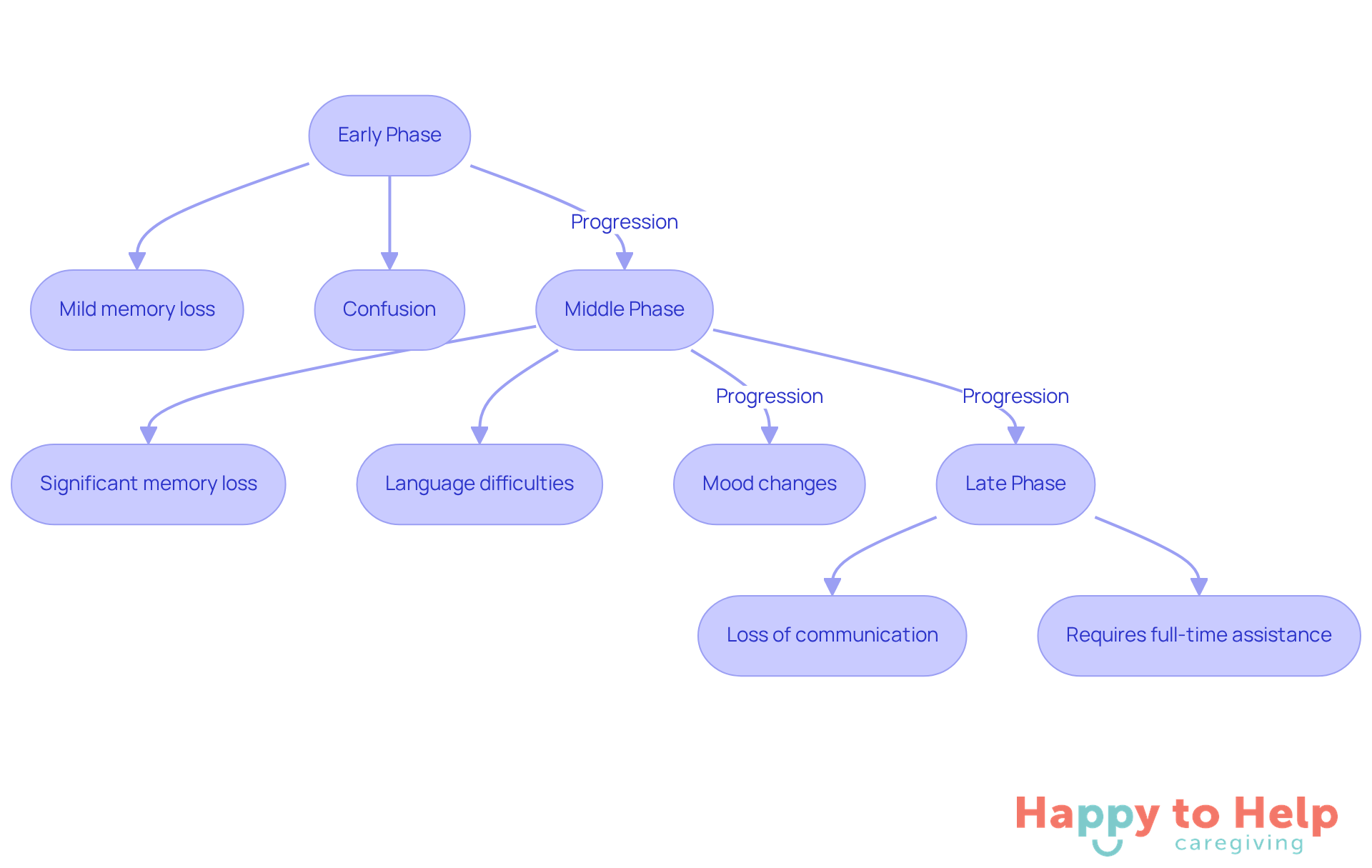
Alzheimer's disease presents a significant challenge, being a progressive neurodegenerative disorder that leads to a gradual decline in cognitive functions such as memory, reasoning, and communication skills. This condition typically unfolds in three phases: early, middle, and late.
- In the early phase, individuals may face mild memory loss and confusion, often mistaken for normal aging.
- As the disease progresses to the middle phase, symptoms intensify, manifesting as significant memory loss, language difficulties, and mood changes.
- By the late phase, individuals lose the ability to communicate and require full-time assistance with daily activities.
The implications of this progression are profound. Not only does it affect cognitive abilities, but it also leads to a decline in physical health, increasing susceptibility to complications like infections and malnutrition. Neurologists stress the importance of understanding these phases to provide appropriate care. Ronald Petersen, M.D., notes that recognizing the stages of dementia can help caregivers decide when to initiate treatment or make lifestyle changes that may delay symptom onset.
Dementia is a leading cause of death, raising concerns about why do Alzheimer's patients die, with approximately one in three older Americans dying with this condition or another form of cognitive decline. The prevalence of dementia is expected to rise significantly, with projections indicating that around 10% of individuals aged 65 and older currently have the condition, a figure that is anticipated to double by 2050.
Real-world examples highlight the diverse needs of patients at different stages.
- In the early stages, memory aids and structured routines can be beneficial,
- while comprehensive caregiving and palliative support become essential in the later stages.
As the population ages, the demand for specialized dementia care will continue to grow, underscoring the vital role of caregivers in navigating this complex journey.
Explore Common Complications Leading to Death
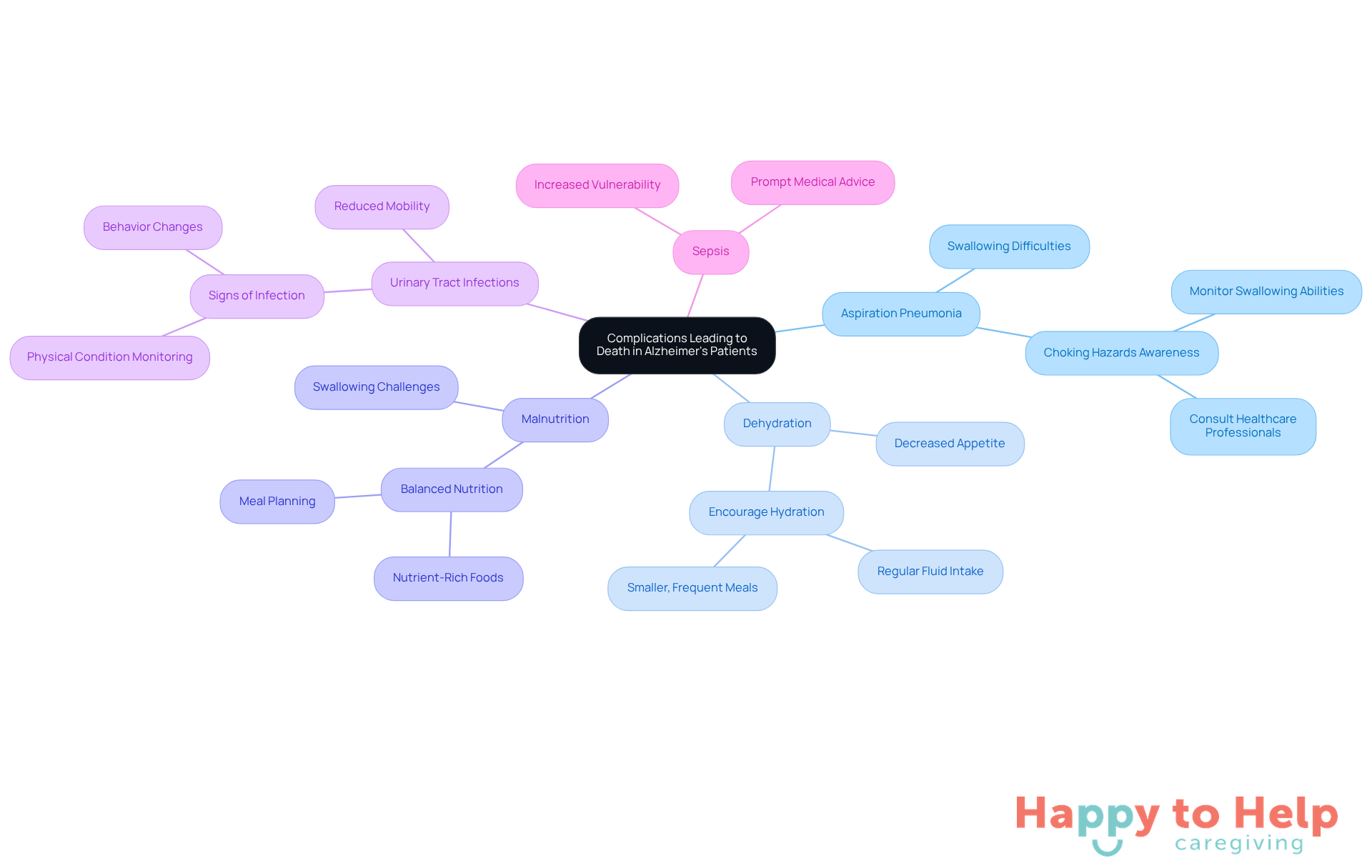
The significant complications that patients with Alzheimer's disease encounter often lead to questions about why do Alzheimer's patients die. One of the most pressing issues is aspiration pneumonia, which arises when food or liquid mistakenly enters the lungs due to swallowing difficulties. This risk is heightened by cognitive decline, which impairs the individual's ability to recognize and react to choking hazards.
Additionally, dehydration and malnutrition often occur as a result of decreased appetite and swallowing challenges. In advanced stages, urinary tract infections (UTIs) and sepsis become more common, as individuals may experience reduced mobility and increased vulnerability to infections. Understanding these challenges is crucial for caregivers, as timely intervention can greatly enhance the quality of life and longevity for those living with dementia, leading to inquiries about why do Alzheimer's patients die.
To address these issues, caregivers should:
- Monitor swallowing abilities closely and consult with healthcare professionals for strategies to minimize choking risks.
- Encourage regular hydration and balanced nutrition, possibly through smaller, more frequent meals.
- Stay vigilant for signs of infections, such as changes in behavior or physical condition, and seek medical advice promptly.
By recognizing these complications and implementing proactive measures, caregivers can significantly improve the well-being of individuals with Alzheimer's disease.
Analyze Emotional and Psychological Factors Impacting Outcomes
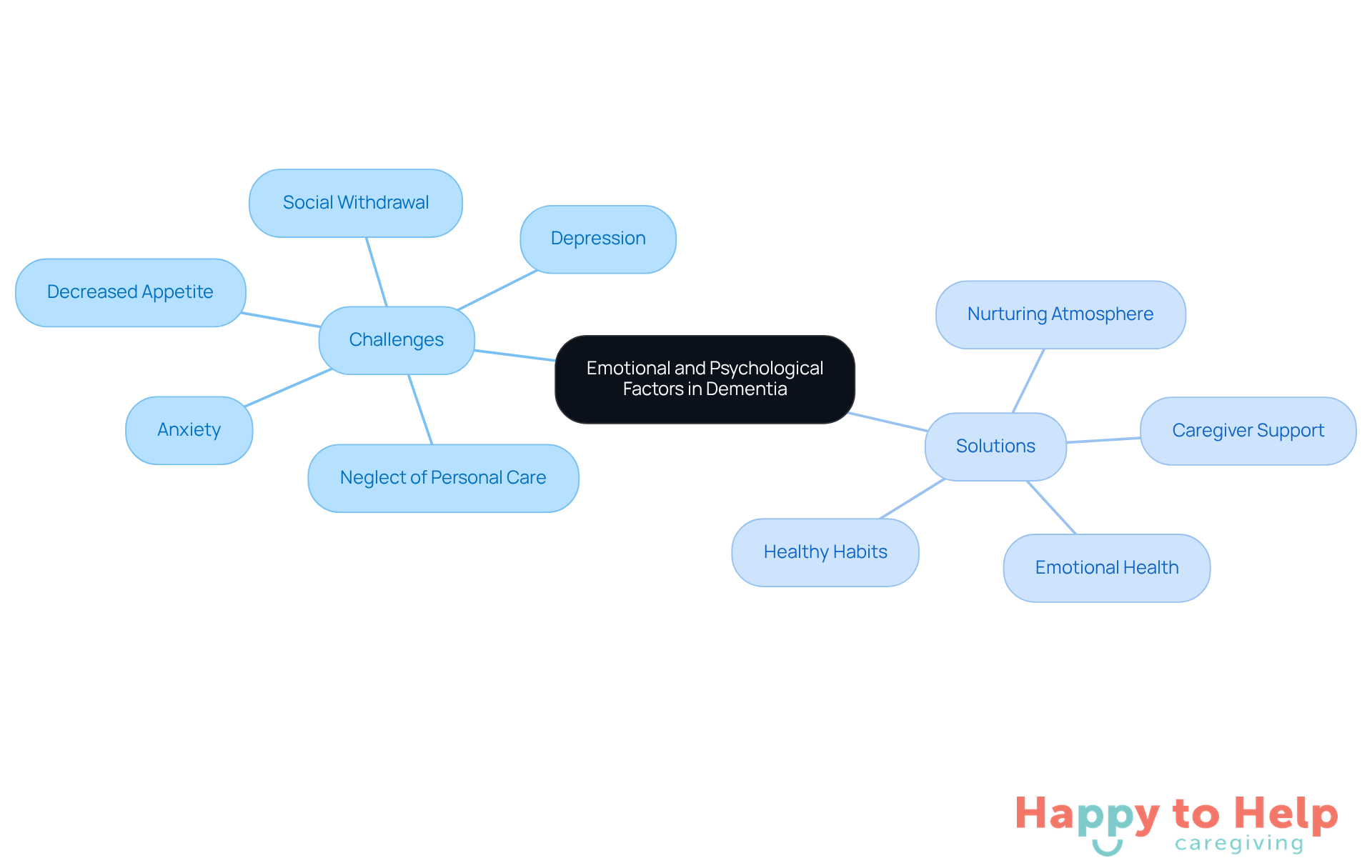
Emotional and psychological difficulties, particularly depression and anxiety, are significant challenges for individuals with Alzheimer's or related dementia. Research shows that up to 40% of these individuals may experience substantial depression, which can lead to decreased appetite, social withdrawal, and neglect of personal care. These emotional challenges not only diminish quality of life but also complicate health management, as affected individuals may be less inclined to engage in care or adhere to treatment plans.
To address these issues, caregivers can cultivate a nurturing atmosphere that recognizes and values their contributions. This approach can greatly enhance the emotional health of their loved ones, promoting healthier habits that may extend life. By focusing on emotional needs, caregivers play a crucial role in improving the overall health status of individuals with dementia. Compassion and understanding are vital components of effective care, demonstrating that emotional support is just as important as physical health management.
Evaluate the Role of Caregiving and Support Systems
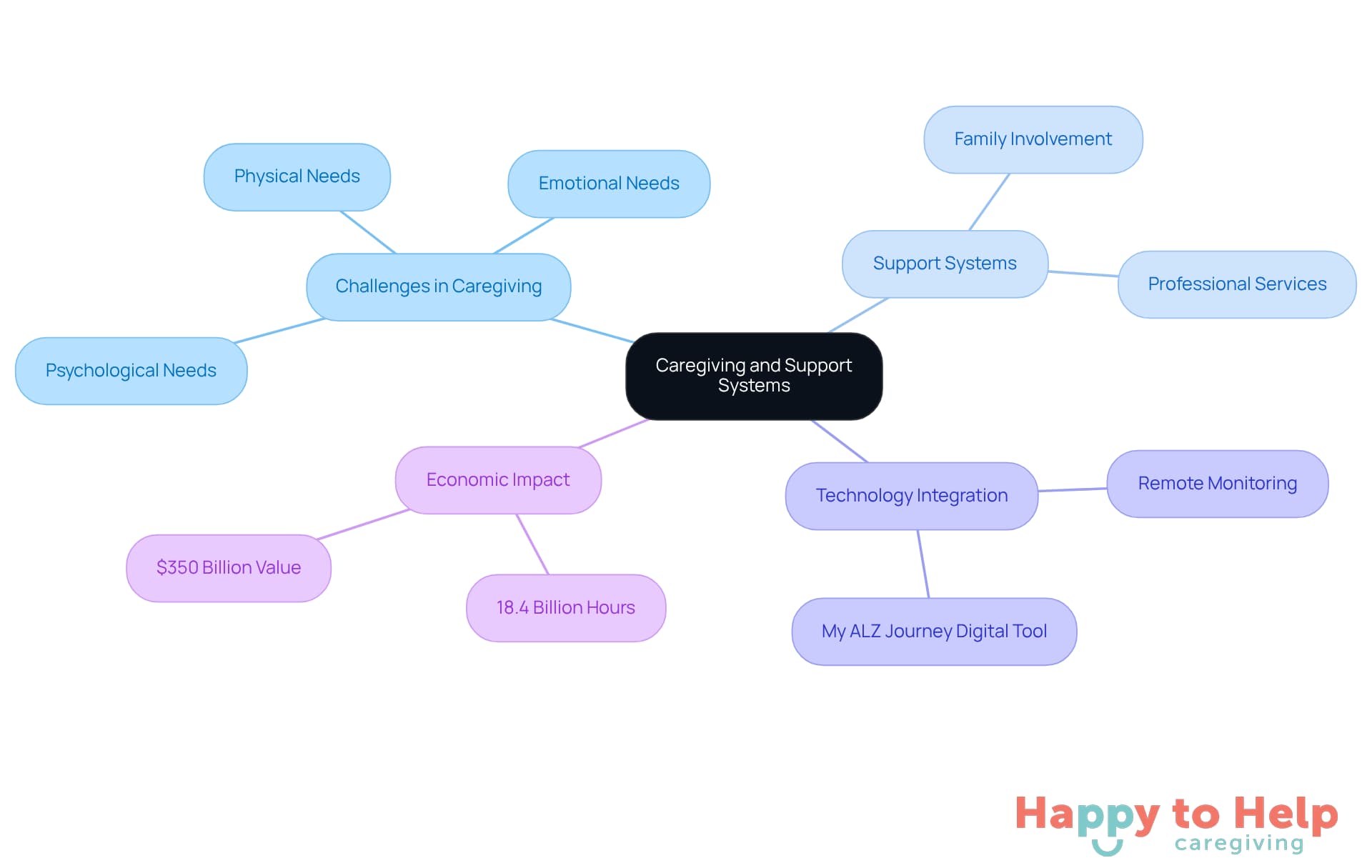
Efficient caregiving presents significant challenges for those managing dementia, impacting individual outcomes profoundly. Caregivers often struggle to identify the unique physical, emotional, and psychological needs of individuals with dementia, which can lead to inadequate support and increased complications.
To address these challenges, support systems are vital. Family involvement and professional caregiving services play crucial roles in delivering necessary assistance. For instance, Happy to Help Caregiving emphasizes personalized care plans tailored to individual preferences, fostering a sense of security and comfort for patients. These plans not only meet daily needs but also help prevent complications through proper nutrition, hydration, and medication management.
Moreover, integrating technology enhances the caregiving experience. Tools like the My ALZ Journey Digital Tool and remote monitoring allow families to stay informed and actively engaged in their loved one's care. This holistic approach highlights the importance of personalized care in improving the quality of life for individuals with Alzheimer's, ultimately supporting their autonomy and well-being.
The economic impact of caregiving is substantial, with caregivers providing 18.4 billion hours of assistance valued at nearly $350 billion. This underscores the importance of support for caregivers. As Miriam Sanjuán points out, "This paper emphasizes the significance of training for those who provide care, which can lead to enhanced autonomy and independence in the older adults they support." This connection between caregiver training and the effectiveness of personalized care plans is essential for improving outcomes.
Your Path Forward
Alzheimer's disease presents a significant challenge, impacting both cognitive and physical health, and ultimately leading to increased mortality among patients. Caregivers and healthcare providers must understand the complexities of this condition, including its stages and associated complications. Recognizing the need for tailored care and emotional support is essential for enhancing the quality of life for individuals living with Alzheimer's.
The mortality of Alzheimer's patients is influenced by several key factors. The disease progresses from early memory loss to advanced stages that require full-time assistance, underscoring the critical need for effective caregiving strategies. Complications such as aspiration pneumonia, dehydration, and emotional challenges like depression can severely affect health outcomes. To combat these issues, caregivers should implement proactive measures, including proper nutrition, hydration, and emotional support, which are vital for improving the well-being of those affected.
Ultimately, navigating Alzheimer's disease highlights the indispensable role of caregivers and support systems in managing its complexities. By fostering a nurturing environment and utilizing available resources, caregivers can significantly impact the lives of individuals with Alzheimer's, promoting both their physical and emotional health. The call to action is clear: prioritize understanding and addressing the unique needs of Alzheimer's patients to ensure they receive the compassionate care they deserve.
https://iframe.tely.ai/cta/eyJhcnRpY2xlX2lkIjogIjY5MjEwYWEzMDVlZDRhMGQ5ZTRlYTc5OSIsICJjb21wYW55X2lkIjogIjY4ZWU1ZGNhNzMxNzYyNTU3ZjNjOTVjMSIsICJpbmRleCI6IG51bGwsICJ0eXBlIjogImFydGljbGUifQ==Frequently Asked Questions
What is Alzheimer's disease?
Alzheimer's disease is a progressive neurodegenerative disorder that leads to a gradual decline in cognitive functions such as memory, reasoning, and communication skills.
What are the phases of Alzheimer's disease?
Alzheimer's disease typically unfolds in three phases: early, middle, and late.
What symptoms are associated with the early phase of Alzheimer's disease?
In the early phase, individuals may experience mild memory loss and confusion, which are often mistaken for normal aging.
How do symptoms change in the middle phase of Alzheimer's disease?
As the disease progresses to the middle phase, symptoms intensify, leading to significant memory loss, language difficulties, and mood changes.
What occurs during the late phase of Alzheimer's disease?
By the late phase, individuals lose the ability to communicate and require full-time assistance with daily activities.
What are the broader implications of Alzheimer's disease progression?
The progression of Alzheimer's disease not only affects cognitive abilities but also leads to a decline in physical health, increasing susceptibility to complications like infections and malnutrition.
Why is understanding the phases of Alzheimer's disease important for caregivers?
Understanding the phases of Alzheimer's disease helps caregivers decide when to initiate treatment or make lifestyle changes that may delay symptom onset.
How prevalent is Alzheimer's disease among older Americans?
Approximately one in three older Americans dies with Alzheimer's disease or another form of cognitive decline, and around 10% of individuals aged 65 and older currently have the condition, a figure expected to double by 2050.
What types of support are beneficial for patients in the early stages of Alzheimer's disease?
In the early stages, memory aids and structured routines can be beneficial for patients.
What kind of care is essential in the later stages of Alzheimer's disease?
Comprehensive caregiving and palliative support become essential in the later stages of Alzheimer's disease.
What does the future hold for dementia care as the population ages?
As the population ages, the demand for specialized dementia care will continue to grow, highlighting the vital role of caregivers in navigating this complex journey.
List of Sources
- Understand Alzheimer's Disease and Its Progression
- ‘A tipping point’: An update from the frontiers of Alzheimer’s disease research (https://news.yale.edu/2025/08/08/tipping-point-update-frontiers-alzheimers-disease-research)
- 8 recent breakthroughs in the fight against Alzheimer’s disease (https://weforum.org/stories/2025/06/recent-breakthroughs-fight-against-alzheimers-disease)
- Alzheimer's Disease Facts and Figures (https://alz.org/alzheimers-dementia/facts-figures)
- Mayo Clinic scientists create tool to predict Alzheimer's risk years before symptoms begin - Mayo Clinic News Network (https://newsnetwork.mayoclinic.org/discussion/mayo-clinic-scientists-create-tool-to-predict-alzheimers-risk-years-before-symptoms-begin)
- High-stakes Novo Nordisk Alzheimer's studies could yield answers on GLP-1 benefit (https://reuters.com/business/healthcare-pharmaceuticals/high-stakes-novo-nordisk-alzheimers-studies-could-yield-answers-glp-1-benefit-2025-11-20)
- Analyze Emotional and Psychological Factors Impacting Outcomes
- Depression | Alzheimer's Association (https://alz.org/help-support/caregiving/stages-behaviors/depression)
- 4 Inspiring Quotes for Caring for a Loved One With Alzheimer’s | myALZteam (https://myalzteam.com/resources/inspiring-quotes-for-caring-for-a-loved-one-with-alzheimers)
- Caregiver Dementia Quotes (Encouragement For Dementia Caregivers) (https://optoceutics.com/caregiver-dementia-quotes-encouragement-dementia-caregivers?srsltid=AfmBOoozlDOqMjgyAXe9wL7CPSBWmb2x8ZcupVo0Et2CmDjY1InvmrAZ)
- Frontiers | Depression in Alzheimer's Disease: A Delphi Consensus on Etiology, Risk Factors, and Clinical Management (https://frontiersin.org/journals/psychiatry/articles/10.3389/fpsyt.2021.638651/full)
- Evaluate the Role of Caregiving and Support Systems
- Research: Caregiver Training Improves Skills & Knowledge of Alzheimer's, Study Shows (https://advancecaregivers.org/caregiver-training-improves-skills-knowledge-of-alzheimers-study-shows)
- Caregiver training: Evidence of its effectiveness for cognitive and functional improvement in older adults - PMC (https://pmc.ncbi.nlm.nih.gov/articles/PMC10078788)
- National Family Caregivers and National Alzheimer’s Disease Awareness Month Recognized During November - Union County Daily Digital (https://unioncountydailydigital.com/articles/national-family-caregivers-and-national-alzheimers-disease-awareness-month-recognized-during-november)
- Supporting Alzheimer’s and dementia caregivers: resources from the Wisconsin Alzheimer’s Institute (https://wai.wisc.edu/2025/04/09/supporting-alzheimers-and-dementia-caregivers-resources-from-the-wisconsin-alzheimers-institute)