
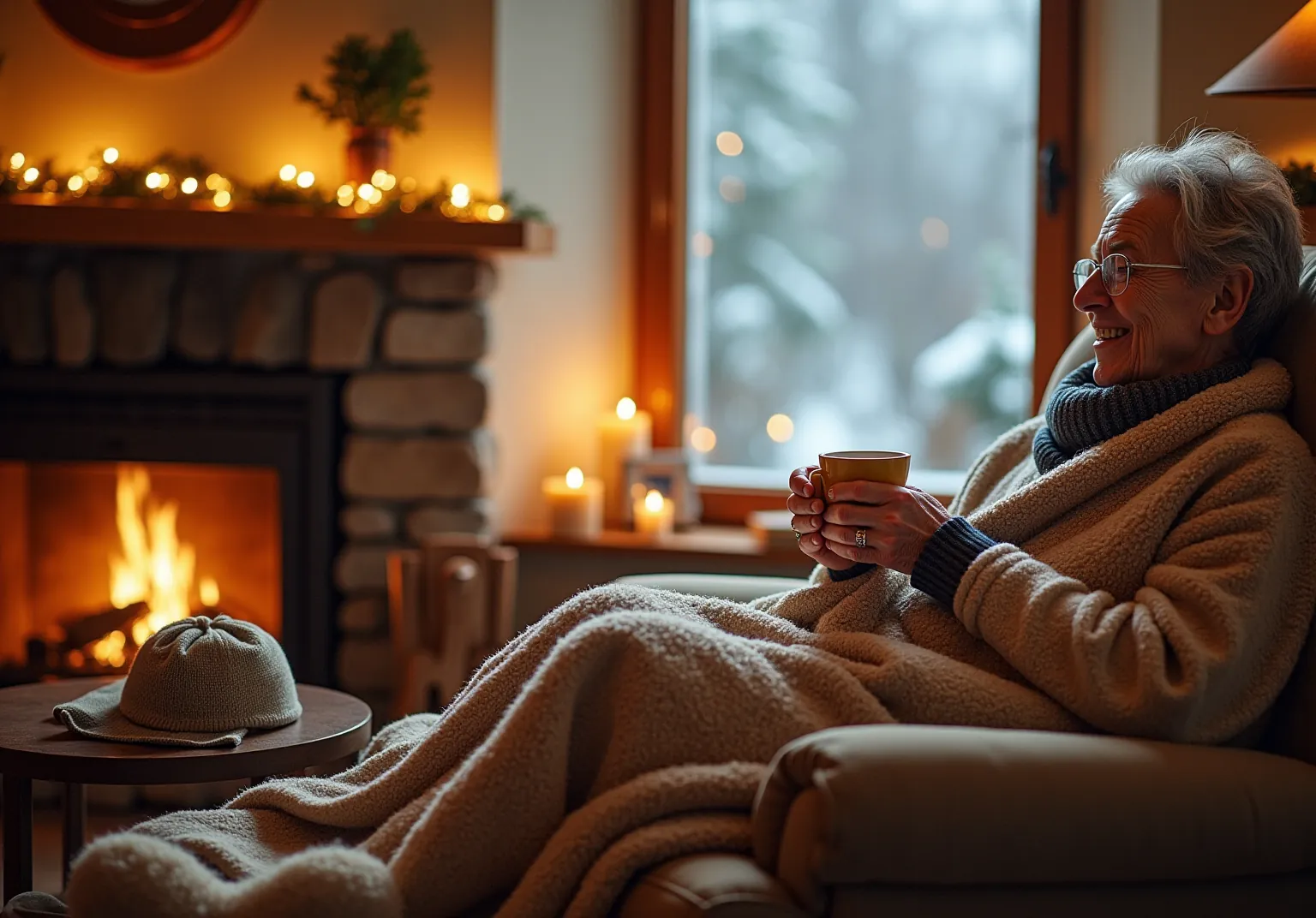
For families in our service areas
For families in our service areas, this guide explains caregiving and how non-medical in-home caregiving can support care planning in East Idaho, Treasure Valley & Magic Valley, Northern Wasatch, North Central West Virginia, and Northeast Ohio.
Understanding Why Do Older People Get Cold?
As the seasons shift and temperatures drop, a significant concern arises: older adults often experience heightened sensitivity to cold. This issue is not just about discomfort; it results from a complex interplay of physiological changes and medical conditions that make aging individuals particularly vulnerable to chilly environments.
The implications of this sensitivity can be serious, affecting both physical health and overall well-being. Caregivers must recognize that seniors may struggle more than younger individuals to maintain warmth, which can lead to increased risks of hypothermia and other health complications.
To address this challenge, caregivers can implement several proactive measures:
- Ensuring that older adults are dressed in layers
- Using thermal blankets
- Maintaining a warm home environment
Additionally, regular check-ins can help monitor their comfort levels and needs during the colder months.
By understanding the underlying causes and exploring effective strategies, caregivers can play a pivotal role in safeguarding the well-being of seniors during winter. What steps can you take to ensure that older adults not only stay warm but also thrive in winter's embrace?
Understand Physiological Changes in Aging
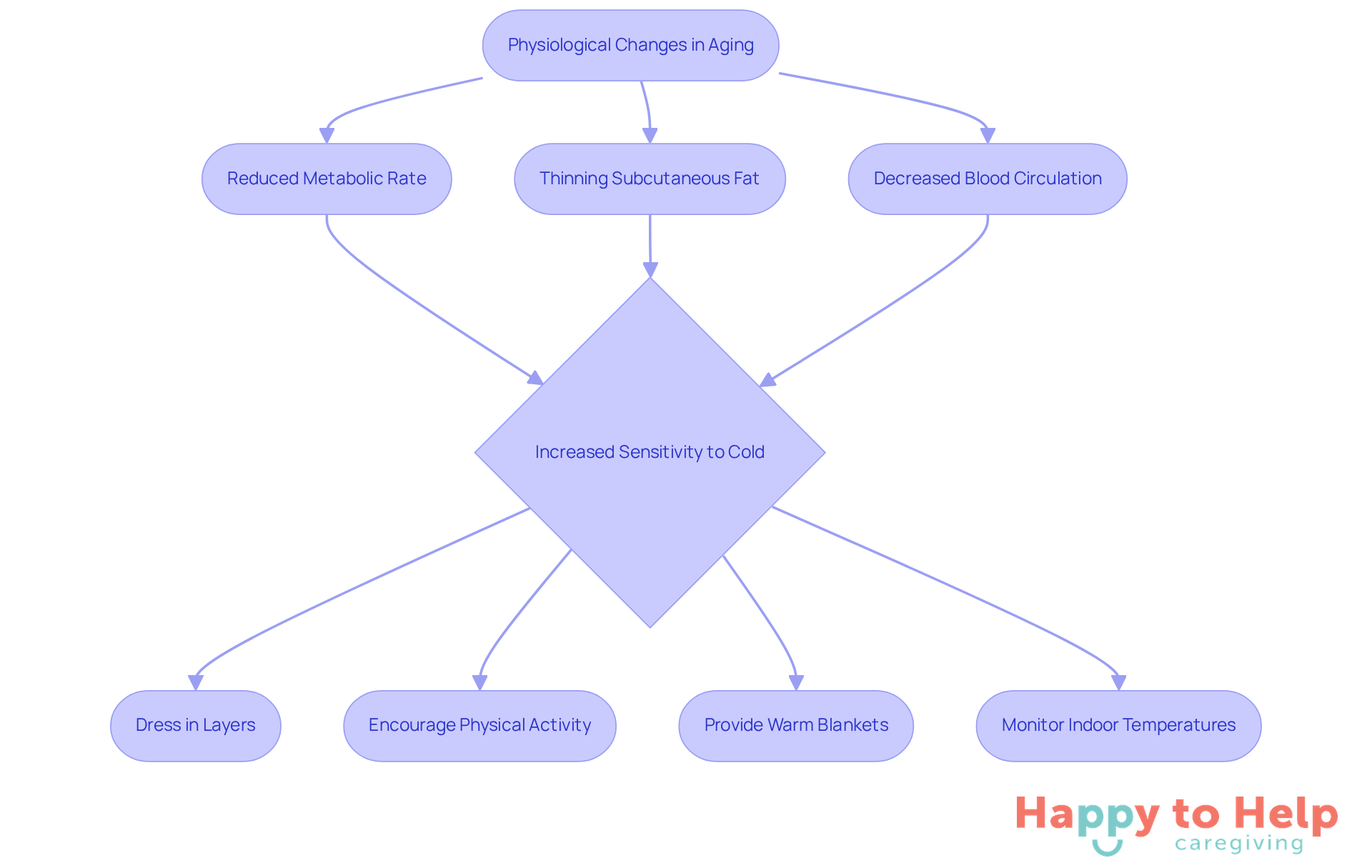
As individuals age, they experience significant physiological changes, which is part of why older people get cold and affects their ability to regulate temperature. The problem lies in a reduction in metabolic rate, which slows down the body's temperature generation. Additionally, the subcutaneous fat layer, which provides insulation, tends to thin, making it more difficult for older adults to retain body heat. Furthermore, decreased blood circulation, especially in extremities like hands and feet, heightens sensitivity to cold.
The implications of these changes help to explain why older people get cold more often than younger individuals, even in moderate temperatures. This heightened sensitivity can lead to discomfort and potential health risks during colder months. Understanding why older people get cold is crucial for caregivers and families, as it enables them to provide appropriate support and care.
The solution involves several practical steps caregivers can take:
- Ensure seniors dress in layers to trap heat effectively.
- Encourage regular physical activity to improve circulation.
- Provide warm blankets and heating pads for comfort.
- Monitor indoor temperatures to maintain a cozy environment.
By implementing these strategies, caregivers can help seniors stay warm and comfortable, enhancing their overall well-being during the colder seasons.
Identify Medical Conditions Affecting Cold Sensitivity
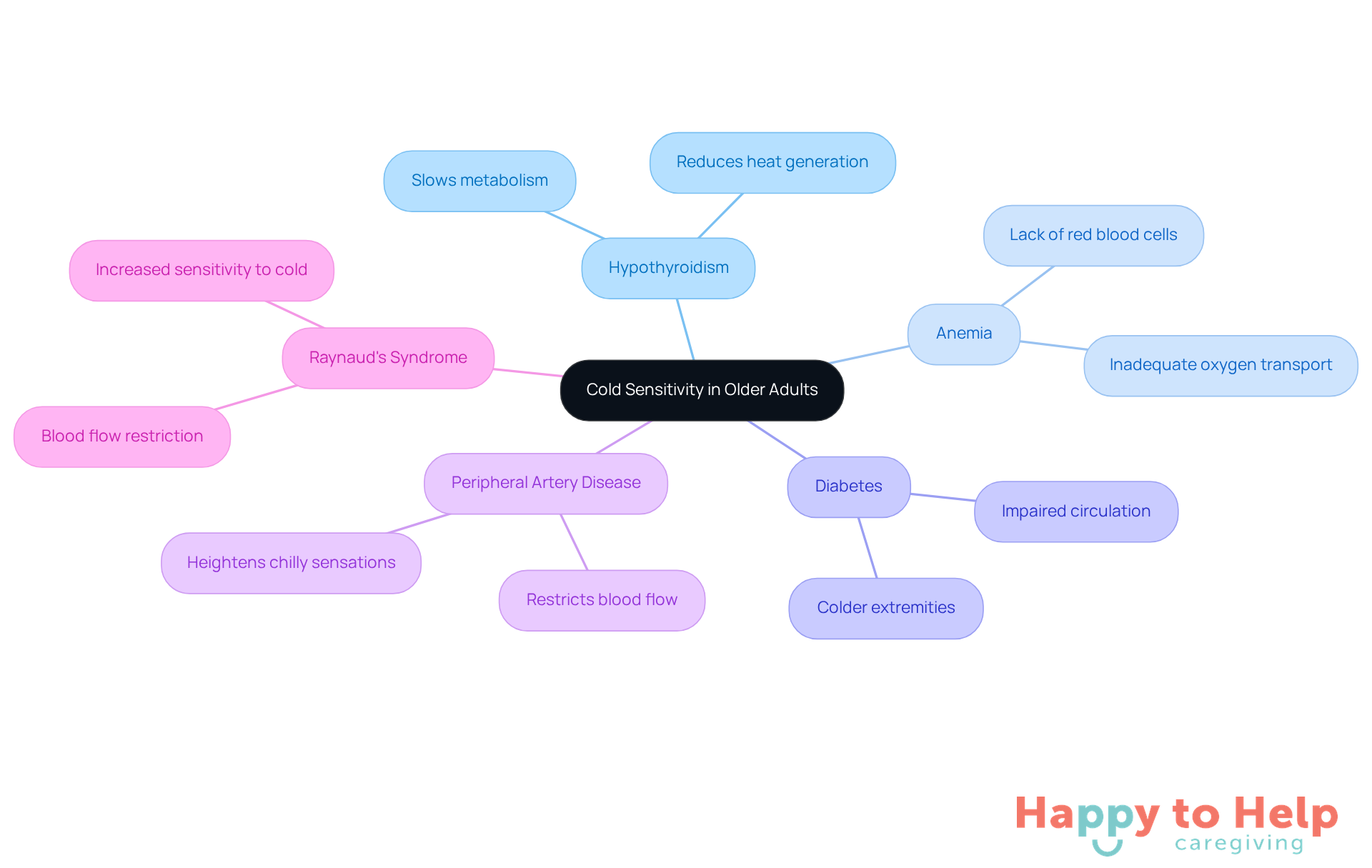
There are several health issues that contribute to why do older people get cold and become more sensitive to low temperatures.
- Hypothyroidism slows metabolism, reducing the body's ability to generate heat.
- Anemia, characterized by a lack of red blood cells, leads to inadequate oxygen transport to tissues, intensifying feelings of chill.
- Diabetes can impair circulation, especially in the extremities, making hands and feet feel colder.
- Additionally, conditions like peripheral artery disease and Raynaud's syndrome can restrict blood flow, heightening chilly sensations.
Recognizing these conditions is crucial for caregivers, as it allows for better management of elderly individuals' health and comfort during colder weather.
To enhance the well-being of older adults, caregivers should maintain home thermostats at 68°F or higher to ensure a warm living environment. It's also vital for caregivers to regularly check in on older adults and provide community assistance during chilly weather, as isolation can increase vulnerability. Caregivers must be vigilant about the risks of frostbite, which can affect extremities and lead to permanent damage if not treated promptly. Warning signs include redness, pain, and numbness in the affected areas.
By understanding why do older people get cold in relation to the interplay between these medical issues and cold sensitivity, along with the impact of cold weather on chronic health conditions, caregivers can take proactive measures to ensure the well-being of their clients.
Implement Strategies to Keep Seniors Warm
As colder months approach, it is important to understand why do older people get cold, as this can lead to discomfort and serious health issues like hypothermia. Homes with temperatures between 60°F and 65°F can be particularly dangerous for older adults.
This situation is concerning because many seniors may not understand why do older people get cold and how vulnerable they are to the cold. Without proper precautions, they can suffer from decreased body temperature, leading to severe consequences and raising concerns about why do older people get cold, including increased risks of falls and other health complications.
Solution: To combat these challenges, caregivers can implement several effective strategies:
- Maintain Indoor Temperatures: Keep indoor temperatures between 68°F and 70°F to ensure comfort and safety.
- Dress in Layers: Encourage seniors to wear thermal or wool clothing to retain warmth and provide insulation.
- Protect Extremities: Since a significant amount of heat is lost through the feet and head, wearing slippers and a comfortable knit cap indoors is advisable.
- Warm Foods and Beverages: Serve warm beverages and hearty meals, such as soups and meatloaf, to help maintain body temperature from the inside out.
- Stay Active: Involve seniors in light physical activities, like indoor stretching or gentle exercises, to enhance circulation and counteract temperature sensitivity. Even minimal daily exercise can prevent falls and boost mood.
- Monitor for Drafts: Caregivers should be vigilant in checking for drafts, ensuring that windows and doors are sealed properly to prevent heat loss.
By following these strategies, caregivers can significantly enhance the comfort and well-being of seniors during winter, reducing the risks associated with cold weather exposure. In summary, maintaining a warm indoor environment, dressing appropriately, consuming warm foods, staying active, and monitoring for drafts are essential for keeping seniors safe and comfortable.

Key Takeaways for Caregivers
Understanding why older individuals experience increased sensitivity to cold is crucial for their comfort and well-being. As people age, their bodies undergo various physiological changes, such as a slower metabolism and decreased insulation from thinning fat layers. These factors make it increasingly difficult for older adults to maintain their body temperature. Additionally, medical conditions like hypothyroidism and diabetes heighten their vulnerability to cold environments.
Recognizing the interplay between aging and health issues is essential for caregivers. Cold sensitivity can lead to serious health complications, including hypothermia and frostbite. Caregivers can take proactive steps to mitigate these risks:
- Maintain a warm home environment.
- Encourage layered clothing.
- Promote light physical activity.
Awareness of these strategies is vital for safeguarding older adults during colder months. Fostering a warm and supportive environment enhances the quality of life for seniors. By implementing targeted strategies and remaining vigilant about their needs, caregivers can significantly protect older individuals from the adverse effects of cold weather. This commitment not only helps maintain physical comfort but also supports emotional well-being, enabling seniors to thrive even in chillier seasons.
https://iframe.tely.ai/cta/eyJhcnRpY2xlX2lkIjogIjY5MjI2NTBmZWQ5ZjEzYmMxZTVjY2E0NCIsICJjb21wYW55X2lkIjogIjY4ZWU1ZGNhNzMxNzYyNTU3ZjNjOTVjMSIsICJpbmRleCI6IG51bGwsICJ0eXBlIjogImFydGljbGUifQ==Frequently Asked Questions
What physiological changes occur in aging that affect temperature regulation?
As individuals age, they experience a reduction in metabolic rate, which slows down the body's temperature generation. Additionally, the subcutaneous fat layer thins, making it harder for older adults to retain body heat, and decreased blood circulation, especially in extremities, heightens sensitivity to cold.
Why do older people feel colder than younger individuals?
Older individuals often get cold more frequently than younger people due to a combination of slower metabolic rates, thinner insulation from subcutaneous fat, and decreased blood circulation, particularly in the hands and feet.
What are the potential risks associated with heightened sensitivity to cold in older adults?
Heightened sensitivity to cold can lead to discomfort and potential health risks for older adults, especially during colder months.
How can caregivers help older adults stay warm?
Caregivers can help seniors stay warm by ensuring they dress in layers, encouraging regular physical activity to improve circulation, providing warm blankets and heating pads, and monitoring indoor temperatures to maintain a cozy environment.
Why is it important for caregivers and families to understand why older people get cold?
Understanding why older people get cold is crucial for caregivers and families as it enables them to provide appropriate support and care, enhancing the overall well-being of seniors during colder seasons.
List of Sources
- Understand Physiological Changes in Aging
- Rising temperatures put older hearts in danger (https://news-medical.net/news/20251007/Rising-temperatures-put-older-hearts-in-danger.aspx)
- Older Adults Show Greater Increase in Body Temperature in Simulated Heatwave Than Previously Reported (https://physiology.org/detail/news/2023/09/26/older-adults-show-greater-increase-in-body-temperature-in-simulated-heatwave-than-previously-reported)
- Extreme Heat Can Accelerate Aging, New Research Finds (https://sciencealert.com/extreme-heat-can-accelerate-aging-new-research-finds)
- Can't Deal With the Heat? Blame Your Aging Body (https://health.com/older-adults-extreme-heat-biological-changes-aging-11759823)
- Identify Medical Conditions Affecting Cold Sensitivity
- Why Extreme Cold is Dangerous for Older Adults (https://aarp.org/health/conditions-treatments/extreme-cold-weather-dangers)
- Cold weather poses increased risks for older adults, doctor warns (https://newson6.com/story/67b8b953a8c71740f0d1ecc2/cold-weather-poses-increased-risks-for-older-adults-doctor-warns)
- Older adults more susceptible to hypothermia (https://uclahealth.org/news/article/older-adults-more-susceptible-to-hypothermia)
- 6 reasons why you feel the cold more as you age (https://rte.ie/lifestyle/living/2025/1028/1540985-6-reasons-why-you-feel-the-cold-more-as-you-age)
- Implement Strategies to Keep Seniors Warm
- How Seniors Can Stay Warm In Winter | Avon Health Center (https://avonhealthcenter.com/news/senior-health/seniors-warm-winter)
- Winter Safety Tips for Seniors: Staying Safe in Cold Weather (https://arcadiahomecare.com/winter-safety-tips-for-seniors)
- Cold Weather Safety for Older Adults (https://nia.nih.gov/health/safety/cold-weather-safety-older-adults)
- Winter Safety Tips for Seniors - Lighthouse Senior Living (https://lighthouseseniorliving.com/news/winter-safety-tips-for-seniors)
- Northern U.S. Winter Safety Tips for Seniors | Pegasus (https://pegasusseniorliving.com/blog/winter-safety-tips)