
For families in our service areas
For families in our service areas, this guide explains caregiving and how non-medical in-home caregiving can support care planning in East Idaho, Treasure Valley & Magic Valley, Northern Wasatch, North Central West Virginia, and Northeast Ohio.
Why Why Do the Elderly Stop Eating? 4 Steps Matters
Appetite loss among the elderly is a pressing issue that can significantly affect their health and well-being. Studies reveal that nearly one in four older adults may experience reduced appetite, making it imperative for caregivers to understand the underlying causes. This decline not only impacts nutritional health but can also lead to serious health complications.
To combat this challenge, caregivers need to implement practical strategies that address the reasons behind appetite loss. By recognizing factors such as medication side effects, depression, or changes in taste, caregivers can tailor their approaches to encourage better eating habits. Here are some actionable steps:
- Create a pleasant dining environment: A warm, inviting atmosphere can stimulate appetite.
- Offer smaller, more frequent meals: This can make eating less daunting for seniors.
- Incorporate favorite foods: Familiar flavors can entice seniors to eat more.
By employing these strategies, caregivers can help ensure that seniors maintain their nutritional health and overall well-being.
Identify Common Causes of Appetite Loss in the Elderly
Problem: Appetite Loss in the Elderly
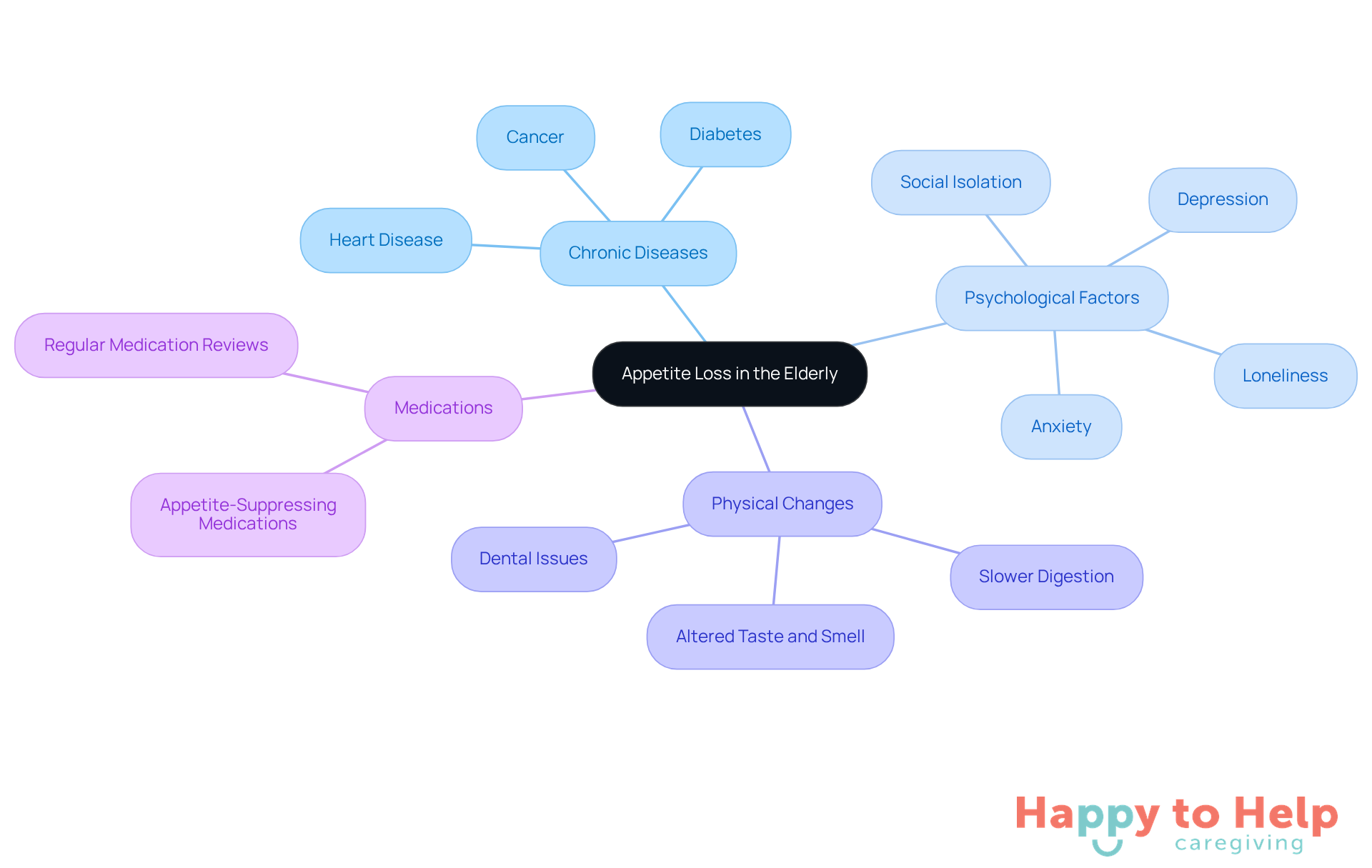
Appetite loss in older adults can arise from various causes, significantly impacting their health and quality of life. Chronic Diseases such as heart disease, diabetes, and cancer can lead to a notable decrease in the desire to eat. Recent studies indicate that 1 in 4 older adults experience reduced appetite before malnutrition sets in. Additionally, medications for these conditions may further diminish hunger, making it crucial for caregivers to monitor these effects closely.
Agitate: The Implications
Psychological factors also play a significant role. Depression, anxiety, and loneliness are prevalent among older adults, often resulting in a reduced desire to eat. Social isolation can intensify these feelings, creating a challenging cycle. As geriatric specialist Naushira Pandya emphasizes, addressing these psychological elements is essential for improving food intake.
Physical changes due to aging can affect the digestive system, leading to slower digestion and altered taste and smell, which may lessen the enjoyment of food. These changes can make meals less appealing, further contributing to decreased appetite. Dental issues, such as problems with teeth or dentures, can complicate eating, discouraging older adults from consuming adequate nutrition. Caregivers should prioritize monitoring oral health to alleviate these challenges.
Solution: Practical Strategies for Caregivers
Certain medications can also have side effects that suppress appetite. Regular reviews of medication regimens with healthcare providers are vital to identify and address potential issues. Clinical dietitian Cheryl Mussatto points out that unintentional weight loss exceeding 5% within a six to twelve-month period is concerning and should be addressed promptly.
Recognizing these causes is the first step in developing effective strategies to understand why the elderly stop eating and encourage better eating habits among seniors. By implementing these solutions, caregivers can significantly enhance the quality of life for older adults.
Implement Strategies to Stimulate Appetite
To address the issue of low appetite in elderly individuals, caregivers must understand why the elderly stop eating, as this can lead to nutritional deficiencies and overall health decline. Statistics indicate that this issue affects roughly 15% to 30% of older adults, highlighting the urgency of addressing it.
To combat this problem, consider implementing the following strategies:
-
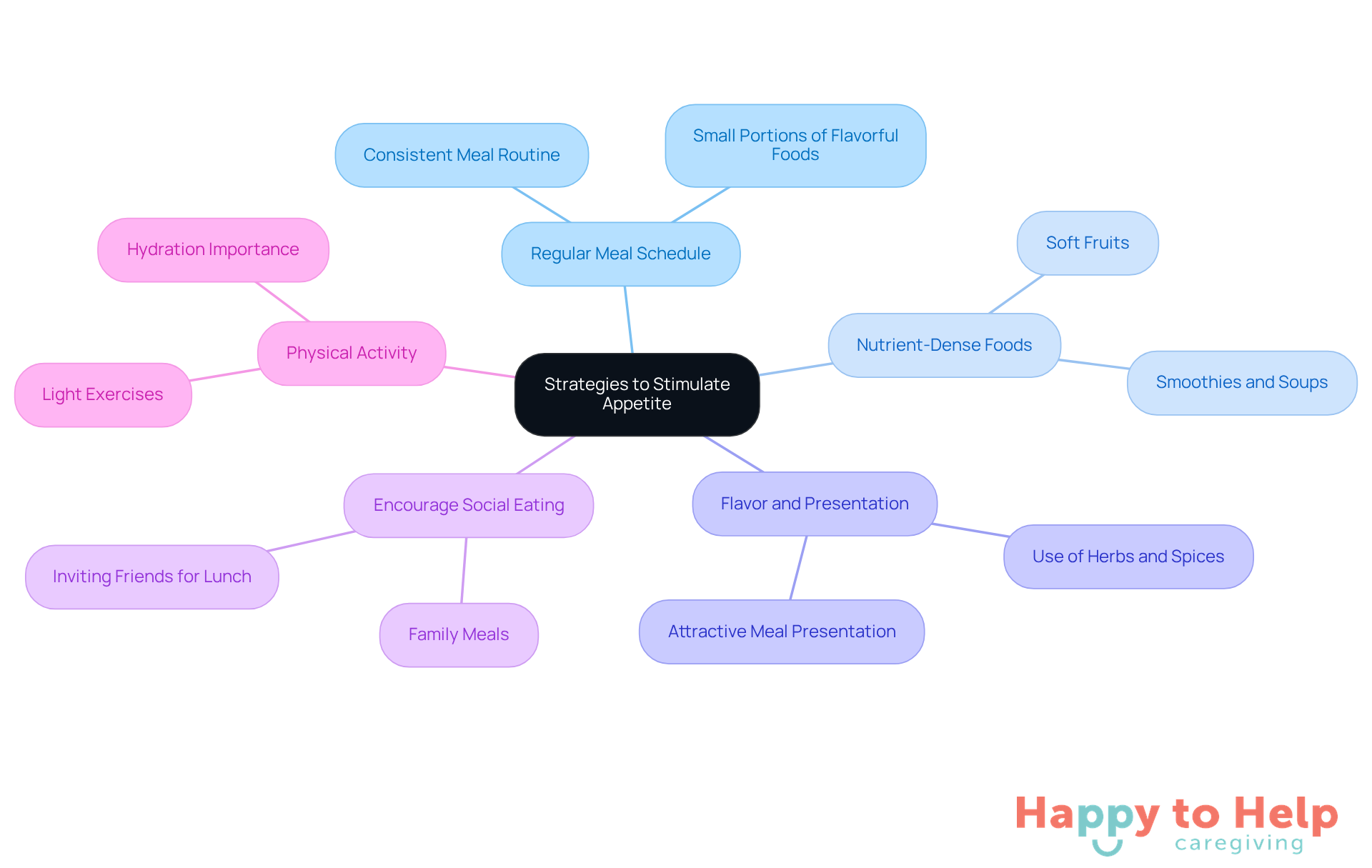
Regular Meal Schedule: Establishing a consistent meal routine helps the body anticipate food intake, triggering hunger signals. Medicare notes that older adults often eat better when they have access to small portions of flavorful, nutrient-rich foods. Regular mealtimes create a rhythm that encourages eating.
-
Nutrient-Dense Foods: Focus on providing small, nutrient-rich dishes that are easy to prepare and consume. Foods such as smoothies, soups, and soft fruits are not only appealing but also packed with essential nutrients that support overall health.
-
Flavor and Presentation: Enhance the taste of dishes with herbs and spices, and present them attractively. Utilizing vibrant dishes and organizing food in an appealing way can greatly enhance the attractiveness of meals, making them more enjoyable.
-
Encourage Social Eating: Eating with family or friends can transform mealtimes into a more enjoyable experience, encouraging seniors to eat more. Hosting family meals or inviting friends over for lunch fosters a supportive environment that promotes better eating habits. A case study on "Strategies to Improve Eating in Older Adults" illustrates how social mealtimes can enhance food intake and overall well-being.
-
Physical Activity: Light physical activity, such as walking or gardening, can stimulate hunger by increasing energy expenditure. Motivating older adults to participate in gentle exercises can improve their overall well-being and desire for food. Additionally, ensuring that older adults remain hydrated is vital for sustaining their appetite and overall health.
By implementing these strategies, caregivers can create a more inviting atmosphere for meals, making it easier for older adults to enjoy their food and maintain their nutritional health. If there is a sudden decline in appetite, it is advisable to consult a healthcare professional to address concerns such as why the elderly stop eating and rule out any underlying issues.
Create a Positive Dining Environment
Creating a positive dining environment for seniors presents a significant challenge for caregivers. Many older adults face issues such as social isolation and a lack of engagement during meals, leading to the question of why do the elderly stop eating, which can detract from their overall well-being. Without a supportive atmosphere, mealtime can become a monotonous task rather than an enjoyable experience.
To address these concerns, caregivers can implement several essential elements that enhance the mealtime experience:
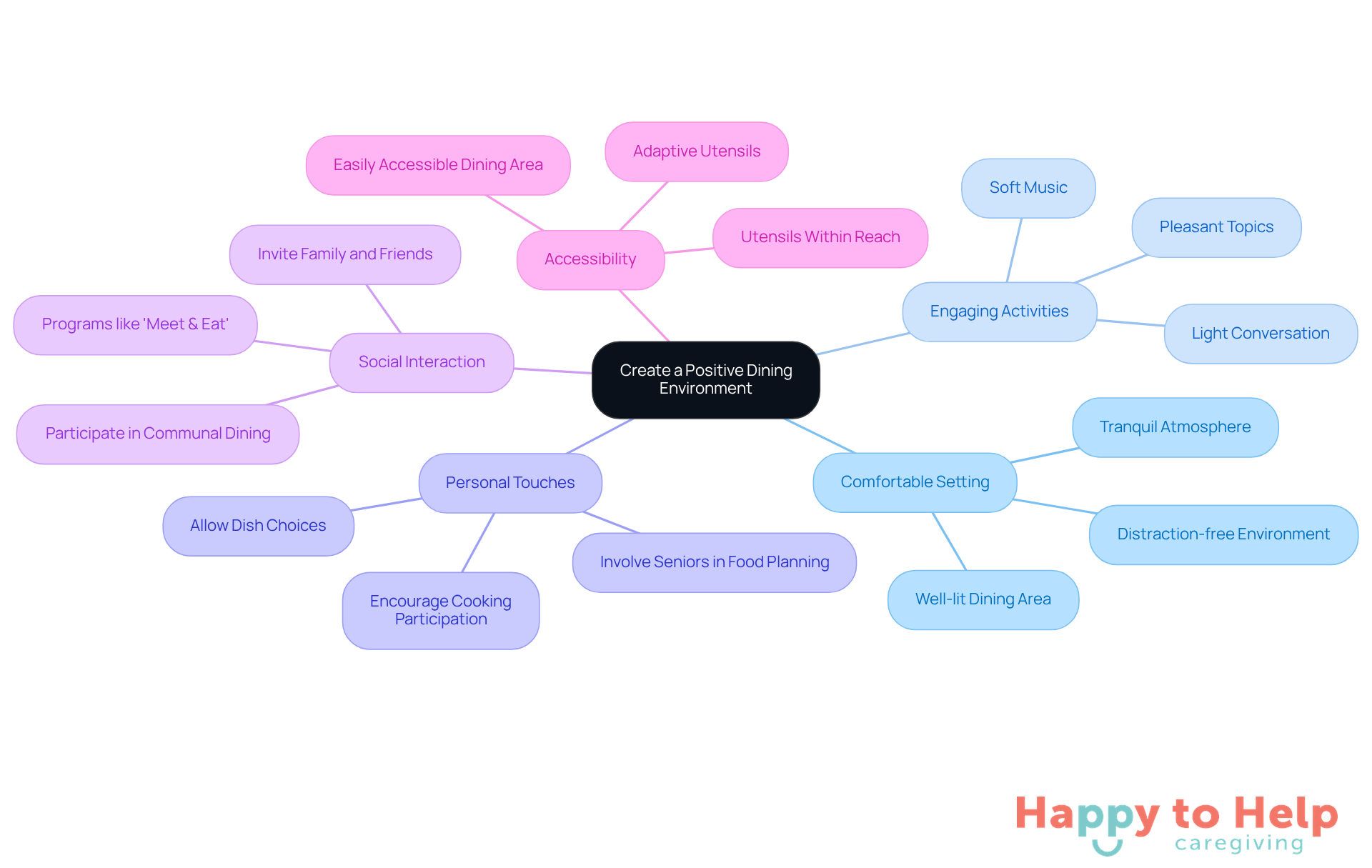
- Comfortable Setting: A well-lit, distraction-free dining area promotes focus and relaxation. A tranquil environment is essential for older adults to savor their food completely.
- Engaging Activities: Incorporating enjoyable elements, such as soft music or light conversation about pleasant topics, can make mealtime more enjoyable and stimulating.
- Personal Touches: Involving seniors in food planning and preparation fosters a sense of ownership and interest in their cuisine. Allowing them to choose their favorite dishes can enhance their appetite and enjoyment.
- Social Interaction: Inviting family members or friends to join meals can significantly reduce feelings of isolation. Social dining not only enhances the eating experience but also encourages older adults to explore new dishes and participate in discussions that stimulate their cognitive abilities. Programs like the 'Meet & Eat' and 'Grab & Connect' have demonstrated that communal dining can cultivate relationships and enhance overall well-being among older adults.
- Accessibility: Ensuring that the dining area is easily accessible and that utensils and food are within reach is vital. Adaptive utensils can also be advantageous, facilitating independent eating for older adults.
By concentrating on these elements, caregivers can foster a friendly atmosphere that helps to understand why do the elderly stop eating and motivates them to enjoy their meals. This approach ultimately improves their overall well-being and quality of life. As Dr. Alison Yaxley points out, acknowledging the connection between social isolation and nutrition is crucial for enhancing elderly individuals' dining experiences.
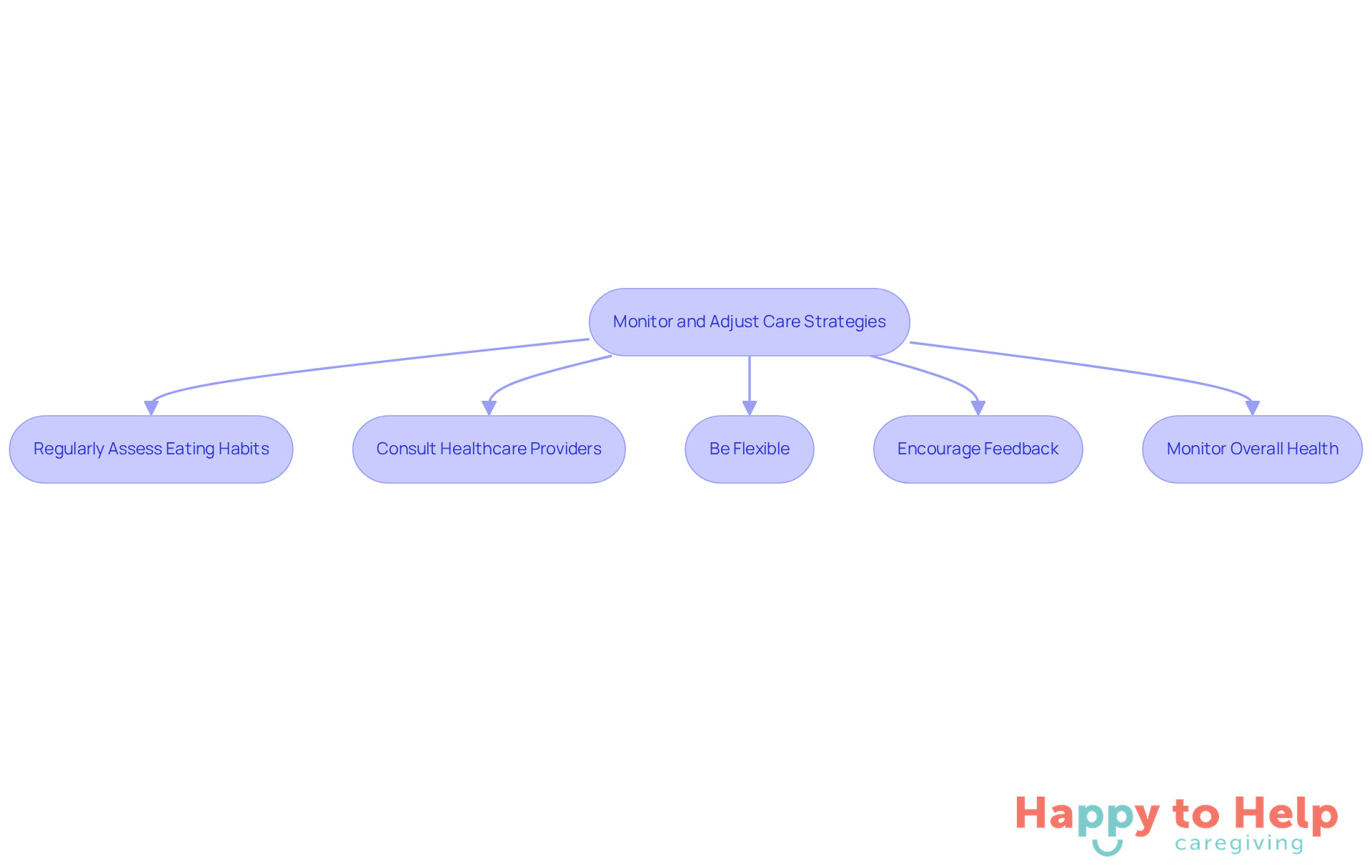
Monitor and Adjust Care Strategies Regularly
To ensure the effectiveness of appetite stimulation strategies, caregivers face a significant challenge related to why do the elderly stop eating, as many seniors experience a decrease in their desire to eat. This issue affects up to one-third of older adults, highlighting the importance of understanding why do the elderly stop eating, which makes it essential for caregivers to adapt meal plans to meet their changing needs.
-
Regularly Assess Eating Habits: Caregivers should monitor what and how much the senior is consuming, noting any changes in appetite or food preferences. This ongoing assessment is crucial for identifying shifts in dietary habits.
-
Consult Healthcare Providers: Regular check-ins with healthcare professionals can help identify underlying health issues that may affect appetite. Caregivers should discuss any concerns regarding medications or health conditions that could influence why do the elderly stop eating. As Meredith Goodwin, MD, FAAFP, states, "An older person experiencing appetite loss, or, if applicable, their caregiver, should always consult a doctor or a registered dietitian before making any changes to their diet."
-
Be Flexible: Adjusting dining times, food varieties, and eating settings according to the elder's preferences is vital. Flexibility in caregiving can significantly enhance the dining experience for seniors.
-
Encourage Feedback: Involving older adults in conversations about their meals and dining experiences can provide valuable insights. Their feedback can reveal what works best and what may need adjustment.
-
Monitor Overall Health: Caregivers should keep track of weight changes, energy levels, and general health. Significant fluctuations may necessitate revisiting care strategies and consulting with healthcare professionals. Regular monitoring of weight is essential, as unintentional weight loss exceeding 5% within six to twelve months can be concerning.
By adopting these proactive steps, caregivers can effectively support the nutritional needs of seniors, ultimately enhancing their quality of life.
Making the Right Choice
Understanding the reasons behind appetite loss in the elderly presents a significant challenge for caregivers. This issue is not merely about food intake; it encompasses a range of factors, including:
- Chronic diseases
- Medication side effects
- Psychological influences
- Physical changes
The implications of this problem are profound, as inadequate nutrition can severely impact the health and quality of life of older adults.
To address this challenge, caregivers can implement several effective strategies:
- Establishing regular meal schedules helps create a routine.
- Providing nutrient-dense foods ensures that seniors receive essential vitamins and minerals.
- Creating a positive dining environment and fostering social interactions during meals can enhance the overall eating experience.
Regular monitoring and adjusting care strategies are crucial to meet the evolving needs of seniors. By remaining attentive and proactive, caregivers can significantly support the well-being and nutritional intake of those they care for.
Ultimately, tackling appetite loss in the elderly requires a holistic approach. By fostering an engaging and supportive atmosphere, caregivers can encourage healthy eating habits, thereby improving the lives of older adults.
https://iframe.tely.ai/cta/eyJhcnRpY2xlX2lkIjogIjY5MjNiYmZlZDliNmM4NTdhZDJiYzRlZCIsICJjb21wYW55X2lkIjogIjY4ZWU1ZGNhNzMxNzYyNTU3ZjNjOTVjMSIsICJpbmRleCI6IG51bGwsICJ0eXBlIjogImFydGljbGUifQ==Frequently Asked Questions
What are the common causes of appetite loss in the elderly?
Common causes of appetite loss in the elderly include chronic diseases such as heart disease, diabetes, and cancer, psychological factors like depression and anxiety, physical changes due to aging, and dental issues.
How do chronic diseases affect appetite in older adults?
Chronic diseases can lead to a notable decrease in the desire to eat, and medications for these conditions may further diminish hunger.
What psychological factors contribute to appetite loss in elderly individuals?
Psychological factors such as depression, anxiety, and loneliness can significantly reduce the desire to eat, with social isolation often intensifying these feelings.
How does aging physically affect appetite?
Aging can lead to slower digestion and altered taste and smell, making meals less appealing and contributing to decreased appetite.
What role do dental issues play in appetite loss among the elderly?
Dental issues, such as problems with teeth or dentures, can complicate eating and discourage older adults from consuming adequate nutrition.
What should caregivers do to address medication-related appetite loss?
Caregivers should regularly review medication regimens with healthcare providers to identify and address potential side effects that may suppress appetite.
What is considered concerning weight loss in older adults?
Unintentional weight loss exceeding 5% within a six to twelve-month period is concerning and should be addressed promptly.
How can caregivers enhance the quality of life for older adults experiencing appetite loss?
By recognizing the causes of appetite loss and implementing practical strategies, caregivers can encourage better eating habits and significantly enhance the quality of life for older adults.
List of Sources
- Identify Common Causes of Appetite Loss in the Elderly
- Study: Appetite loss strikes 1 in 4 older adults before malnutrition develops (https://mcknights.com/news/study-appetite-loss-strikes-1-in-4-older-adults-before-malnutrition-develops)
- Fighting Senior Weight Loss: Tips for Boosting Appetite and Health (https://health.usnews.com/senior-care/articles/appetite-and-weight-loss-in-the-elderly-causes-and-treatment)
- Is it normal to lose your appetite as you get older? (https://uclahealth.org/news/article/it-normal-lose-your-appetite-you-get-older)
- Implement Strategies to Stimulate Appetite
- No appetite? Nutrition tips for older adults to support long term health (https://hw.qld.gov.au/blog/nutrition-for-older-adults-with-tips-for-no-appetite-and-bone-health)
- Is it normal to lose your appetite as you get older? (https://uclahealth.org/news/article/it-normal-lose-your-appetite-you-get-older)
- How to Increase Appetite in Older Age (https://healthline.com/health/medicare/treatment-for-loss-of-appetite-in-elderly)
- Food for Elderly with No Appetite: Simple and Nutritious Ideas (https://westmontliving.com/blog/oceanview-senior-living/food-for-elderly-with-no-appetite-easy-nutritious-ideas)
- How to eat more in older age (https://medicalnewstoday.com/articles/treatment-for-loss-of-appetite-in-elderly)
- Create a Positive Dining Environment
- Dining innovation sparks joy in residents, attracts culinary talent (https://mcknightsseniorliving.com/news/dining-innovation-sparks-joy-in-residents-attracts-culinary-talent)
- Why Eating Alone Could Be Surprisingly Dangerous for Older Adults (https://scitechdaily.com/why-eating-alone-could-be-surprisingly-dangerous-for-older-adults)
- Why Seniors Should Do More Social Dining - Spectrum Community Services (https://spectrumcs.org/about/blog/334-why-seniors-should-do-more-social-dining)
- How Dining Together Builds Community in Senior Living (https://somerbypeachtreecity.com/how-dining-together-builds-community-in-senior-living)
- Monitor and Adjust Care Strategies Regularly
- Understanding the Importance of Monitoring What Seniors Eat (https://careathomemd.com/elder-care-understanding-the-importance-of-monitoring-what-seniors-eat)
- Findings From New Study Reinforce That Home-Delivered Meals Provide Critical Health and Social Benefits to Older Adults and Caregivers (https://prnewswire.com/news-releases/findings-from-new-study-reinforce-that-home-delivered-meals-provide-critical-health-and-social-benefits-to-older-adults-and-caregivers-302570034.html)
- How to eat more in older age (https://medicalnewstoday.com/articles/treatment-for-loss-of-appetite-in-elderly)
- Fighting Senior Weight Loss: Tips for Boosting Appetite and Health (https://health.usnews.com/senior-care/articles/appetite-and-weight-loss-in-the-elderly-causes-and-treatment)
- The changing nutritional needs of older adults and how to meet them (https://heart.org/en/news/2024/12/18/the-changing-nutritional-needs-of-older-adults-and-how-to-meet-them)