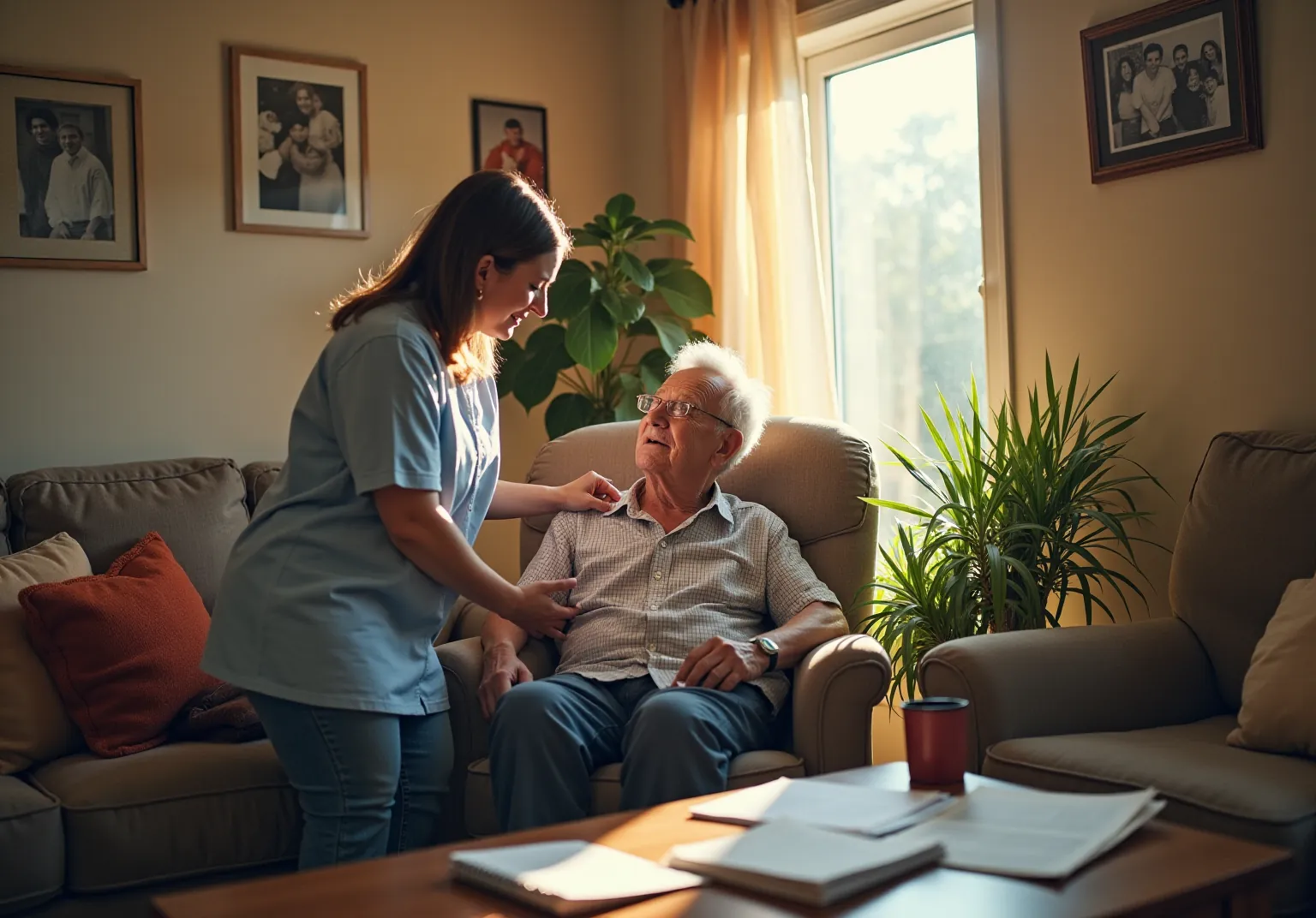
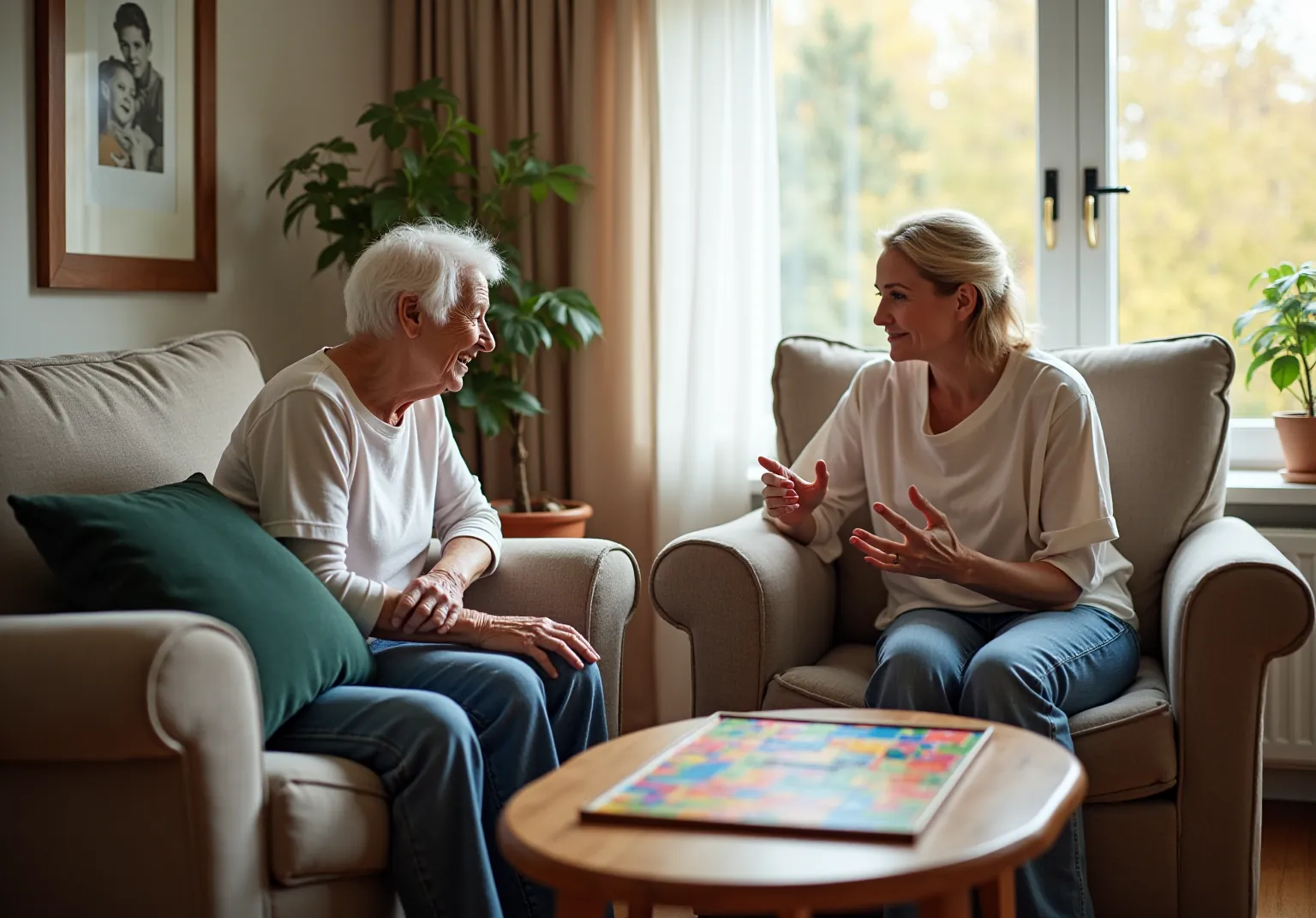
Why Families Choose Professional Home Care for Aging Loved Ones
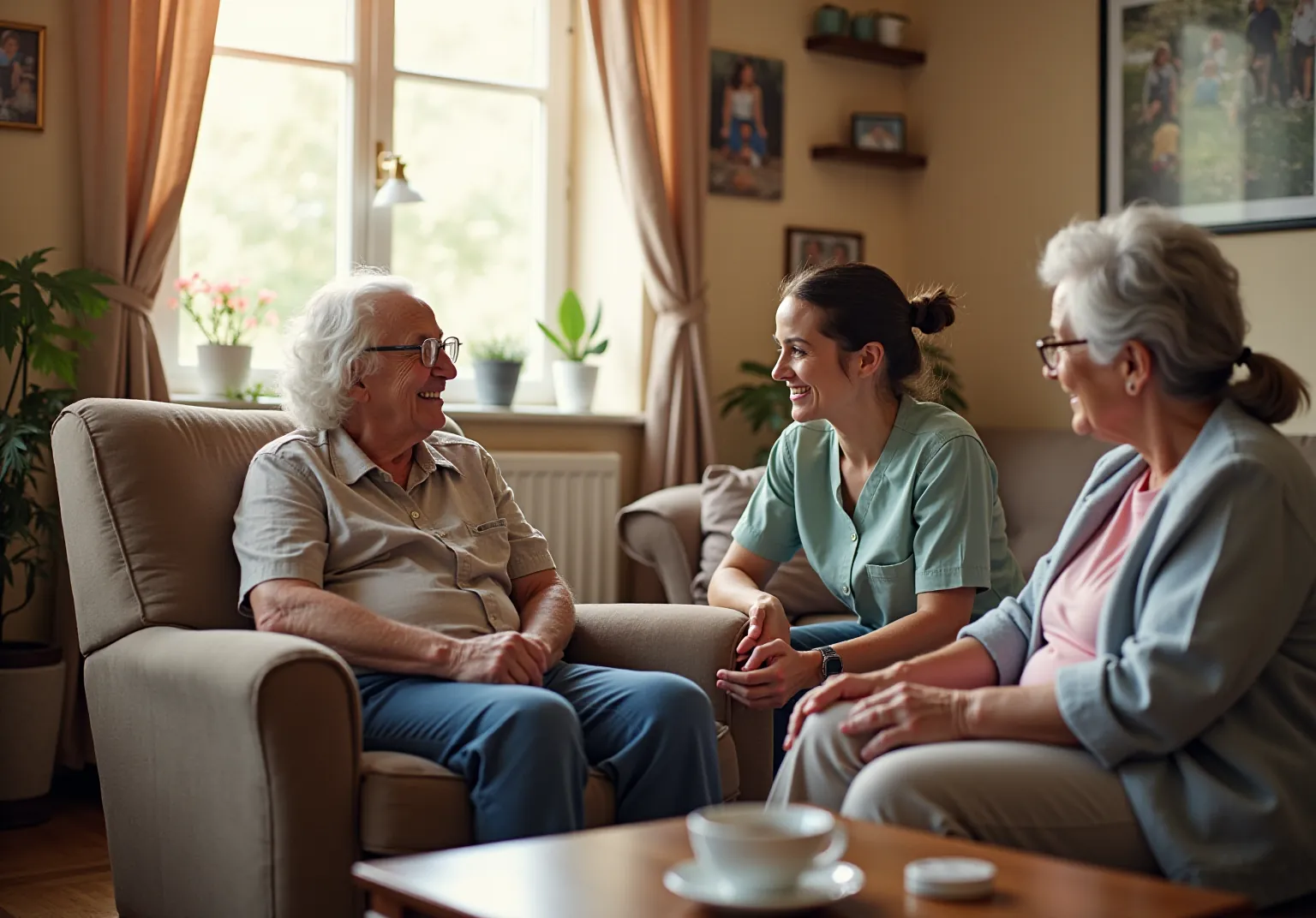
For families in our service areas
For families in our service areas, this guide explains home care and how non-medical in-home caregiving can support care planning in East Idaho, Treasure Valley & Magic Valley, Northern Wasatch, North Central West Virginia, and Northeast Ohio.
Understanding Why Families Choose Professional Home
Families navigating the complexities of caring for aging loved ones often find themselves at a crossroads. They must balance emotional needs with practical realities. The desire to maintain independence and dignity for seniors is paramount, yet the demands of caregiving can quickly become overwhelming.
This situation presents a significant problem: families face emotional strain and practical challenges that can lead to caregiver burnout. The implications are profound, affecting not only the well-being of the elderly but also the mental and physical health of their caregivers.
So, what can be done? Professional home care services offer a solution that enhances quality of life for seniors while alleviating caregiver stress. These services provide the necessary support, allowing families to focus on what truly matters - spending quality time with their loved ones.
Understand the Emotional and Practical Motivations for Home Care
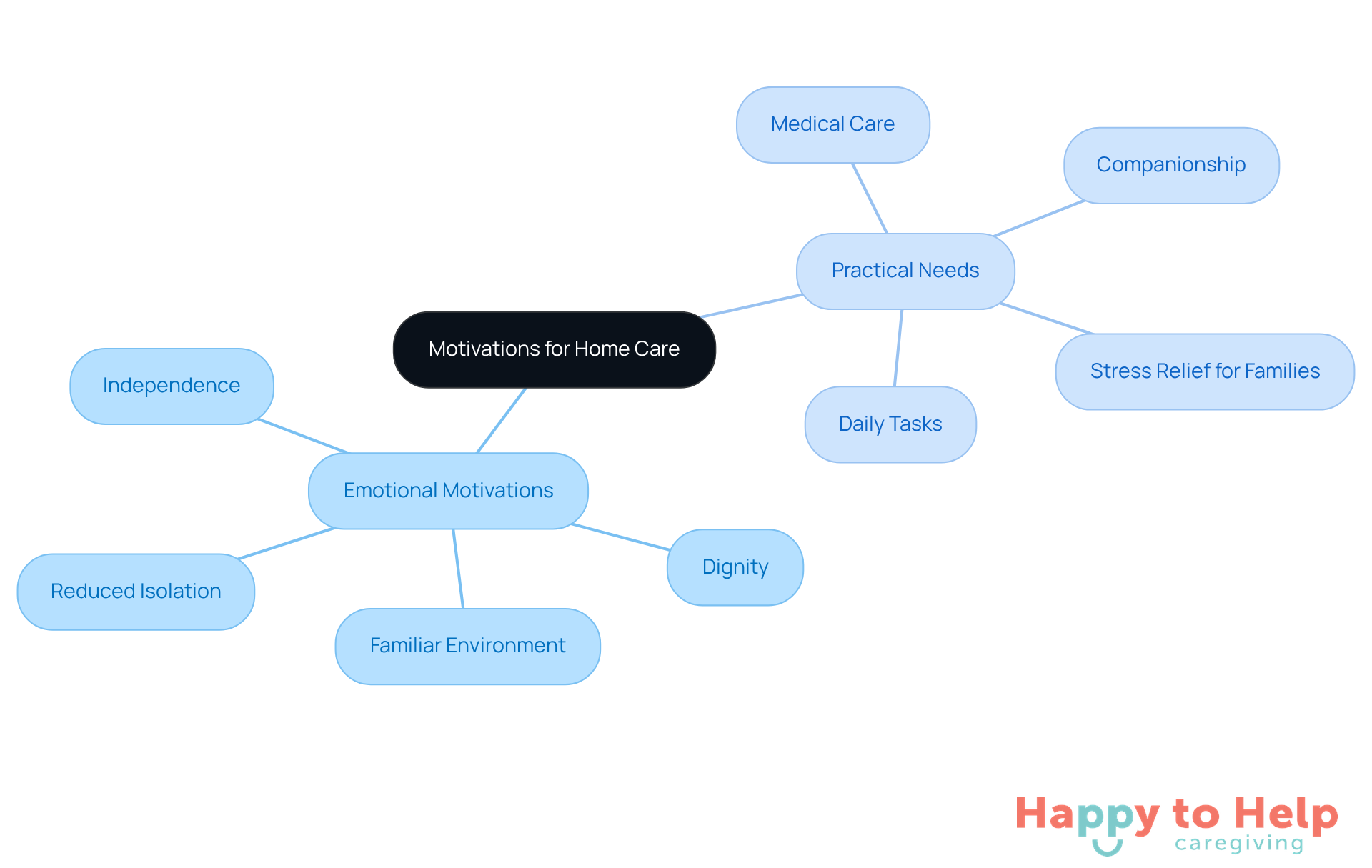
Families often face a significant challenge when it comes to caring for their aging loved ones. The emotional landscape can be complex, with a primary concern being the desire to maintain independence and dignity for older adults. Many thrive in familiar environments, which greatly enhances their emotional well-being. Research indicates that staying in a familiar setting can reduce feelings of isolation and depression, allowing seniors to remain connected with their loved ones.
However, practical needs also arise. Families often require assistance with daily tasks, medical care, and companionship-responsibilities that can quickly become overwhelming. The emotional burden of guilt and anxiety about providing adequate support often drives families to seek professional home care services. This not only ensures that their loved ones receive high-quality care but also alleviates some of the stress on family members.
For instance, families have reported that involving skilled caregivers improves their loved ones' quality of life while allowing them to focus on their own responsibilities. This fosters a healthier balance in their lives. Statistics reveal that 43% of caregivers are the sole providers of assistance, highlighting the strain on families and the critical need for professional home care.
As Morgan Gonzales notes, "Families of older adults have a strong preference for at-home assistance over assisted living-but many are unaware of the type of support their loved one requires." This underscores the importance of understanding both the emotional and practical reasons behind the decision to pursue professional home care.
Explore the Benefits of Professional Home Care Services
Expert home assistance services address a pressing problem: the unique needs of elderly individuals and their families. Many seniors face challenges that can lead to feelings of insecurity and isolation. Without proper support, these issues can escalate, impacting their overall well-being.
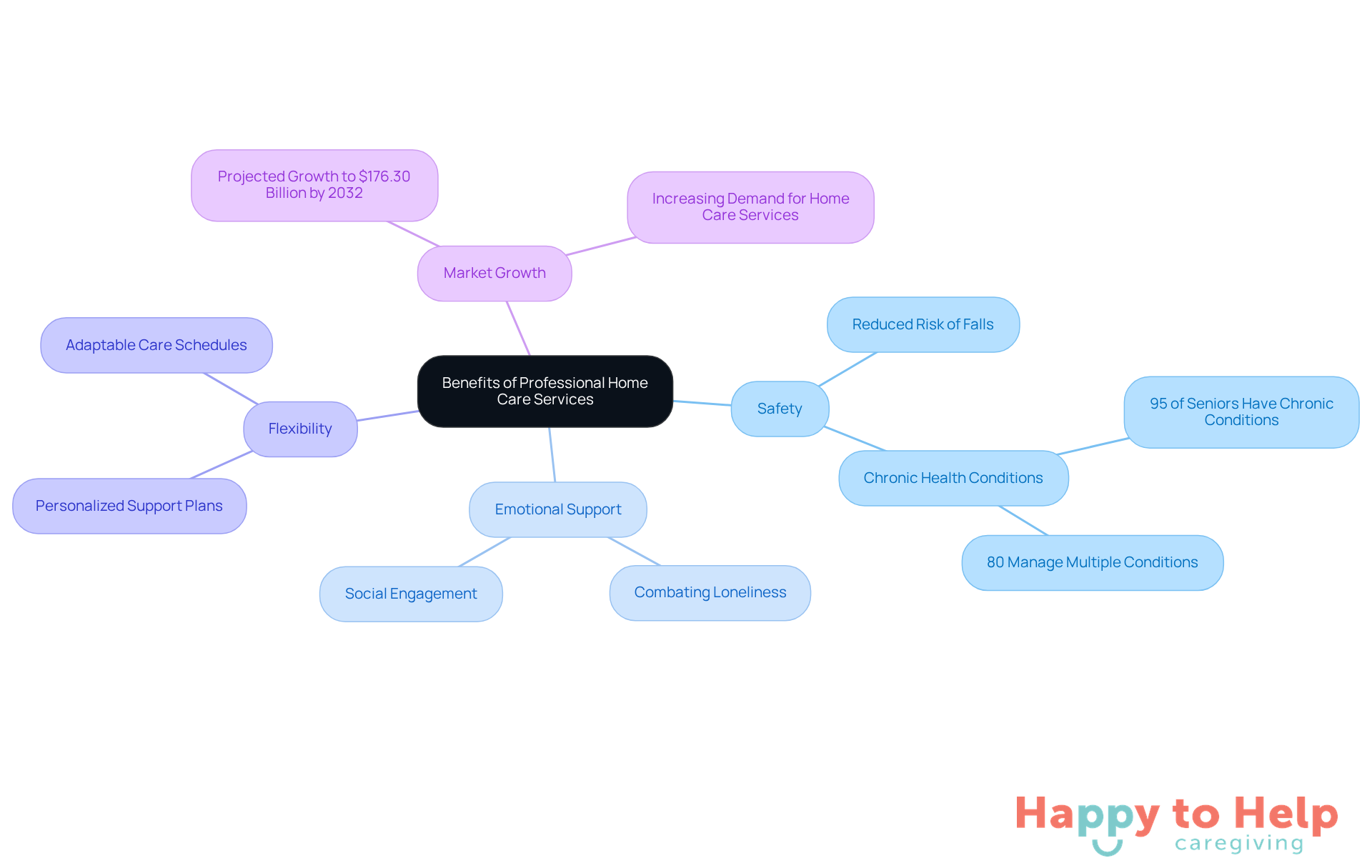
One significant implication of inadequate care is the heightened risk of accidents. Caregivers play a crucial role in assisting with mobility and daily tasks, which can significantly reduce the risk of falls. This is critical, especially considering that nearly 95% of people over 60 have at least one chronic health condition, and about 80% manage two or more. Additionally, at-home assistance fosters social engagement and emotional support, effectively combating loneliness and isolation.
The solution lies in personalized support plans tailored to individual preferences. Families appreciate the flexibility that professional home care offers. Caregivers can adapt to various schedules, allowing family members to fulfill their obligations while ensuring their loved ones receive attentive care. This arrangement not only alleviates stress for families but also enables older adults to age in place comfortably, preserving their dignity and independence.
Statistics underscore the effectiveness of individualized support plans. Studies show that older adults receiving customized assistance experience improved emotional well-being and a higher quality of life. The residential health service market is projected to grow to $176.30 billion by 2032, reflecting the increasing demand for such services. By prioritizing personal needs, professional home care services enhance safety and well-being, empowering older adults to thrive in their own homes.
Examine the Challenges of Family Caregiving
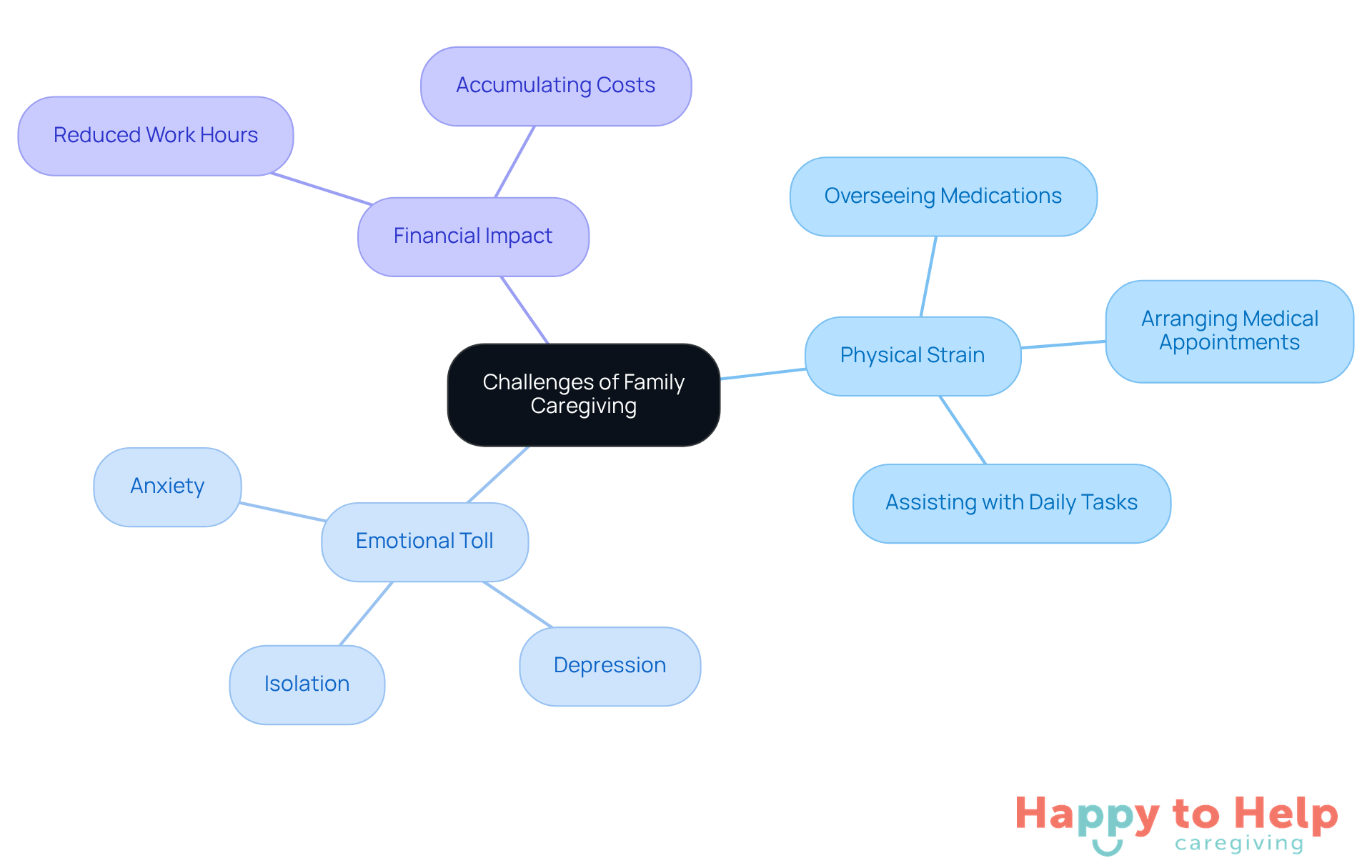
Family caregiving can be an incredibly demanding role, often leading to physical, emotional, and financial strain. Caregivers frequently face exhaustion due to the ongoing requirements of delivering support, which can involve:
- Overseeing medications
- Arranging medical appointments
- Assisting with daily tasks
The emotional toll can manifest as anxiety, depression, and feelings of isolation. Caregivers may neglect their own needs while focusing on their loved ones, which can exacerbate these feelings. Financially, the costs associated with caregiving can accumulate, especially if caregivers must reduce their work hours or leave their jobs entirely.
These challenges highlight the importance of pursuing professional home care assistance. By seeking professional home care, caregivers can alleviate some of the pressures they face and ensure that elderly individuals receive the specialized support they require. This approach not only benefits the caregivers but also enhances the quality of care for their loved ones.
Identify Unique Features of Professional Home Care
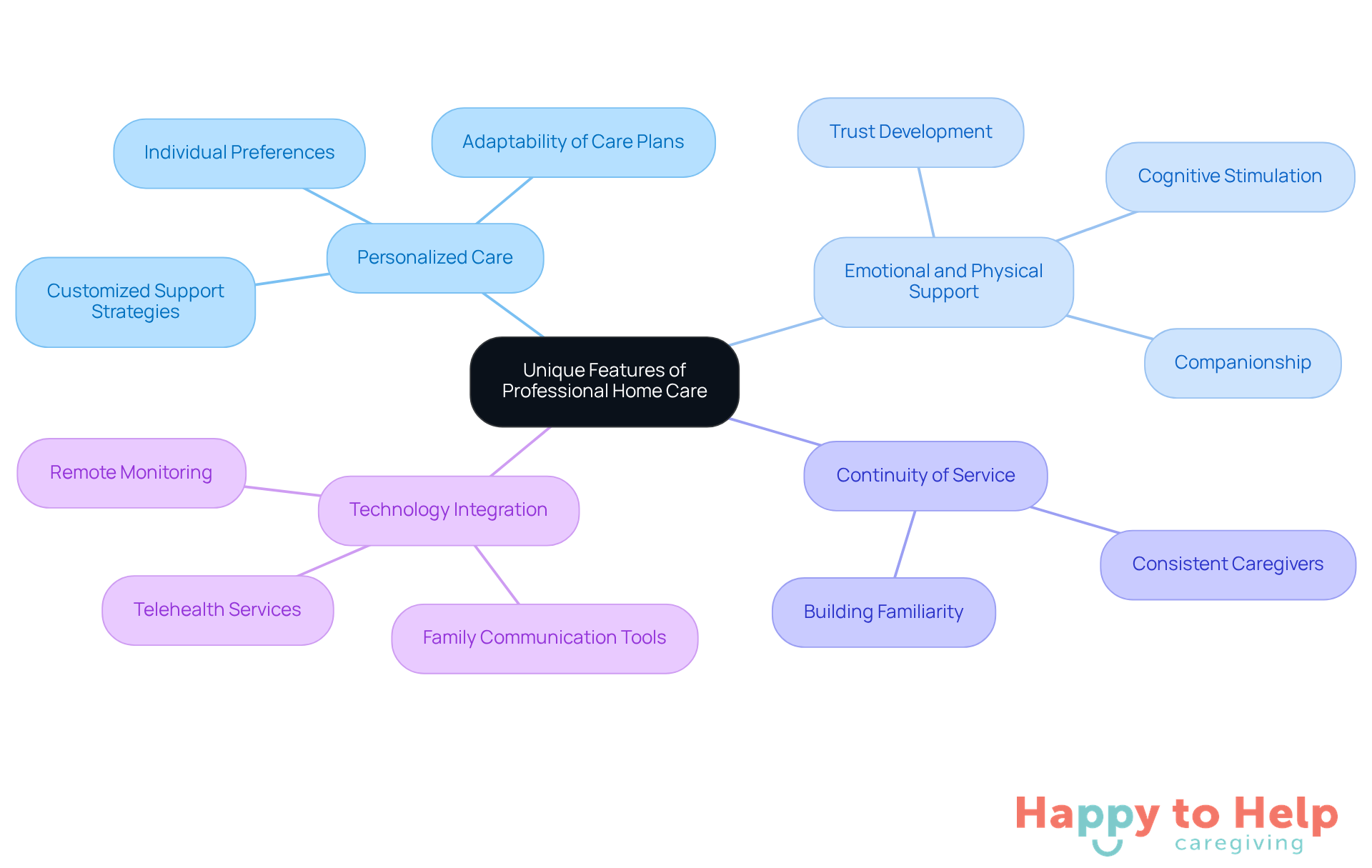
Professional domestic assistance services address critical challenges faced by seniors and their families. One significant issue is the lack of personalized care in institutional settings, which often fails to meet individual preferences and routines. This can lead to feelings of isolation and disengagement among seniors.
The implications of this problem are profound. Without tailored support, seniors may not receive the emotional and physical assistance they need, which can affect their overall well-being. Moreover, the inconsistency in caregivers can hinder the development of trust and familiarity, essential for effective care.
A compelling solution lies in professional home care assistance. Caregivers create customized support strategies that align with the unique needs of each client. This level of personalization is often absent in institutional care, making home assistance a preferable choice.
Additionally, a hallmark of professional home care is the continuity of service. Clients typically have the same caregivers, fostering a sense of trust and comfort. The integration of technology, such as online communication tools, allows families to stay informed about the support their loved ones receive, enhancing the overall experience.
Furthermore, professional caregivers are trained to provide both physical and emotional support, ensuring that seniors feel valued and engaged. These unique features make it an excellent option for families seeking professional home care for their aging loved ones.
Your Path Forward
Choosing professional home care for aging loved ones often stems from a blend of emotional and practical factors. Caregivers face the challenge of maintaining their loved ones' independence and dignity while ensuring they receive the specialized care essential for their well-being. This situation can lead to feelings of isolation and overwhelm for both seniors and their families.
The implications of these challenges are significant. Families may struggle with caregiver strain, which can affect their emotional and physical health. The need for a supportive environment that fosters emotional connections becomes crucial. Professional home care addresses these issues by providing personalized support plans tailored to individual needs, reducing caregiver strain, and enhancing the quality of life for seniors.
Statistics reveal a growing recognition of the advantages of home care over institutional settings, emphasizing the critical need for these services. Trained caregivers not only alleviate the burden on family members but also empower older adults to thrive in familiar surroundings. This compassionate approach to aging prioritizes the well-being of both seniors and their families.
As the demand for professional home care continues to rise, families are encouraged to explore its unique features. Embracing this option can lead to a more fulfilling and dignified life for aging individuals while offering caregivers essential support and relief. By choosing home care, families can ensure their loved ones receive the care they deserve, fostering a nurturing environment that benefits everyone involved.
https://iframe.tely.ai/cta/eyJhcnRpY2xlX2lkIjogIjY5M2Y1MDkzMmI4ODNiM2YwNWZiOTk3YSIsICJjb21wYW55X2lkIjogIjY4ZWU1ZGNhNzMxNzYyNTU3ZjNjOTVjMSIsICJpbmRleCI6IG51bGwsICJ0eXBlIjogImFydGljbGUifQ==Frequently Asked Questions
What are the emotional motivations for families seeking home care for aging loved ones?
Families often seek home care to maintain the independence and dignity of older adults, as familiar environments enhance their emotional well-being and reduce feelings of isolation and depression.
What practical needs do families face when caring for aging loved ones?
Families may require assistance with daily tasks, medical care, and companionship, which can become overwhelming without support.
How does the emotional burden affect families providing care?
Families often experience guilt and anxiety about providing adequate support, prompting them to seek professional home care services to alleviate stress and ensure high-quality care for their loved ones.
What benefits do families report from involving skilled caregivers?
Families report that skilled caregivers improve their loved ones' quality of life and allow family members to focus on their own responsibilities, fostering a healthier balance in their lives.
What statistics highlight the strain on family caregivers?
Statistics show that 43% of caregivers are the sole providers of assistance, indicating a significant strain on families and the critical need for professional home care services.
What preference do families have regarding the care of older adults?
Families of older adults generally prefer at-home assistance over assisted living, but many are unaware of the specific type of support their loved one requires.
List of Sources
- Understand the Emotional and Practical Motivations for Home Care
- Why Are More People Choosing Home Care Over Facilities as They Age? (https://newlifestyles.com/blog/why-are-more-people-choosing-home-care-over-facilities-as-they-age)
- The Growing Demand for Home Healthcare | Why Families Choose In-Home Care (https://lhghealth.com/blog/the-growing-demand-for-home-healthcare-why-more-families-are-choosing-in-home-care)
- Families Prefer In-Home Care To Senior Living – Yet Struggle To Identify Needed Support (https://homehealthcarenews.com/2025/11/families-prefer-in-home-care-to-senior-living-yet-struggle-to-identify-needed-support)
- Family Caregiver Annual Report and Statistics | SeniorLiving.org (https://seniorliving.org/research/family-caregiver-report-statistics)
- Explore the Benefits of Professional Home Care Services
- The Unexpected Benefits of Home Care (Not Just for Seniors!) (https://websterhc.com/the-unexpected-benefits-of-home-care-enhancing-quality-of-life-and-not-just-for-seniors)
- In-Home Care for Seniors - Caregiving News and Tips (https://aarp.org/caregiving/home-care)
- 52 Eye-Opening Home Health Statistics: Insights for 2025 (https://boosthomehealth.com/home-health-statistics)
- News Releases (https://hcaoa.org/news-releases.html)
- News from In Home Personal Services (https://ihps.com/news-publications)
- Examine the Challenges of Family Caregiving
- 'I don't know where to start.' Parents and caregivers are burned out. Who's most at risk? (https://usatoday.com/story/money/2025/04/04/parents-caregivers-burnt-out-help/82695959007)
- New Report Reveals Crisis Point for America’s 63 million Family Caregivers (https://states.aarp.org/maryland/caregiving-report)
- Family Caregiver Support, Education Needs Growing (https://hospicenews.com/2025/11/11/family-caregiver-support-education-needs-growing)
- Family Caregivers Struggling In Some States More Than Others (https://disabilityscoop.com/2025/10/31/family-caregivers-struggling-in-some-states-more-than-others/31710)
- Opinion | America’s Caregivers Are in Crisis (https://nytimes.com/2025/11/24/opinion/caregiving-crisis.html)
- Identify Unique Features of Professional Home Care
- Home Care Impact on Recovery of Patient (A Statistics Report) (https://lovinghomecareinc.com/home-care-recovery-statistics)
- What’s Coming in the Future of Home Health Care? - Alora Health (https://alorahealth.com/blog-future-homecare-trends)
- 2025 Home Care Statistics: Trends & Insights To Know (https://premierhcinc.com/blog/home-care-statistics)
- Customized Care at Home: The Benefits of Personalized Care Plans - VNA Health Group (https://vnahg.org/customized-care-at-home-the-benefits-of-personalized-care-plans)
- State of home care in 2025 (https://mcknightshomecare.com/state-of-home-care-in-2025)