Why Life Companions Are Essential for Home Care Support

For families in our service areas
For families in our service areas, this guide explains companion care and how non-medical in-home caregiving can support care planning in East Idaho, Treasure Valley & Magic Valley, Northern Wasatch, North Central West Virginia, and Northeast Ohio.
What You Need to Know About Why Life Companions Are Essential for
Loneliness among the elderly has emerged as a pressing issue, with many facing the emotional toll of isolation in their later years. This problem not only affects their mental health but also diminishes their overall quality of life. Life companions are stepping in as vital support systems, providing companionship and assisting with daily tasks that enhance the well-being of older adults.
However, how can these companions effectively bridge the gap between emotional well-being and practical care? They help to overcome specific challenges such as:
- Social isolation
- Lack of motivation for daily activities
- Difficulties in managing household tasks
By addressing these issues, life companions play a crucial role in improving the lives of elderly individuals.
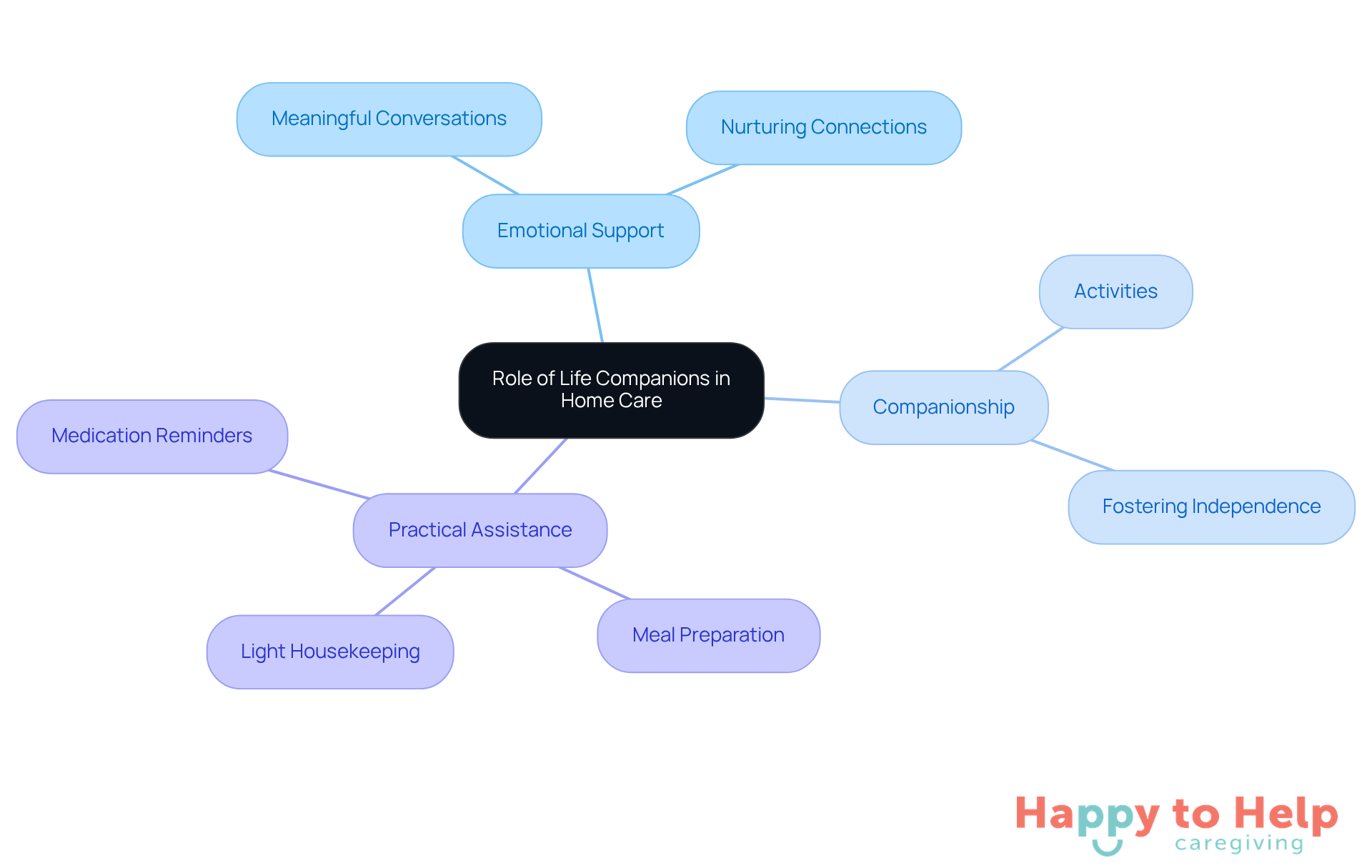
Define the Role of Life Companions in Home Care
Loneliness among the elderly is a significant problem that can severely impact their emotional and social well-being. As individuals age, they often find themselves isolated, which can lead to feelings of depression and anxiety. This is where life companions come into play, providing essential non-medical assistance that addresses these challenges.
Life partners engage clients in meaningful conversations and participate in activities that foster companionship. This support combats loneliness and nurtures emotional connections, which are vital for mental health. Additionally, they assist with daily tasks such as:
- Meal preparation
- Light housekeeping
- Medication reminders
By doing so, they help older adults maintain a sense of independence while ensuring they receive the necessary support.
The role of life companions is complex, as they not only meet practical needs but also create a familiar and comforting atmosphere. This environment helps older adults feel secure and appreciated in their own homes, ultimately enhancing their overall quality of life. By establishing these connections, life companions play a crucial role in enhancing the emotional and social well-being of the elderly.
Explore the Emotional and Practical Benefits of Companionship
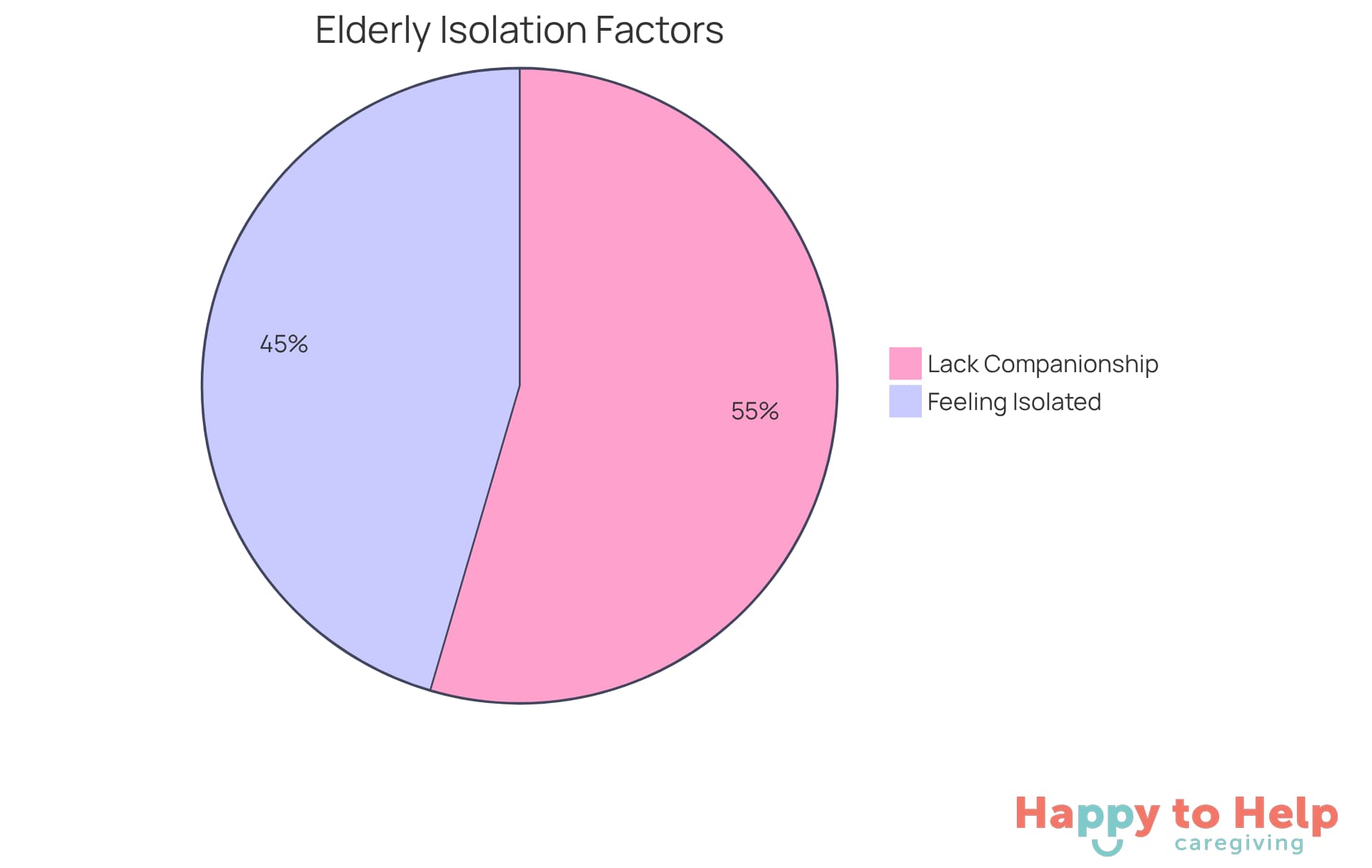
Companionship presents a significant problem for many elderly individuals, as loneliness and isolation are prevalent issues. Research indicates that 25% of older adults feel isolated, and 30% report lacking regular companionship. This widespread loneliness can lead to serious implications for mental health, including increased rates of depression and anxiety.
Regular social interaction is crucial for improving mental health among the elderly. Life companions offer not only a listening ear and meaningful conversations but also encourage participation in enjoyable activities. These interactions can enhance cognitive function and emotional stability. Furthermore, companions assist with everyday living activities, which alleviates the burden on family caregivers and helps older adults maintain their autonomy.
As noted, companion care improves the quality of life for older adults by keeping them connected and involved with their life companions. This highlights the solution: integrating companionship into care strategies. By combining emotional support with practical assistance, caregivers can significantly enhance the quality of life for older adults.
Address the Challenges Life Companions Help Overcome
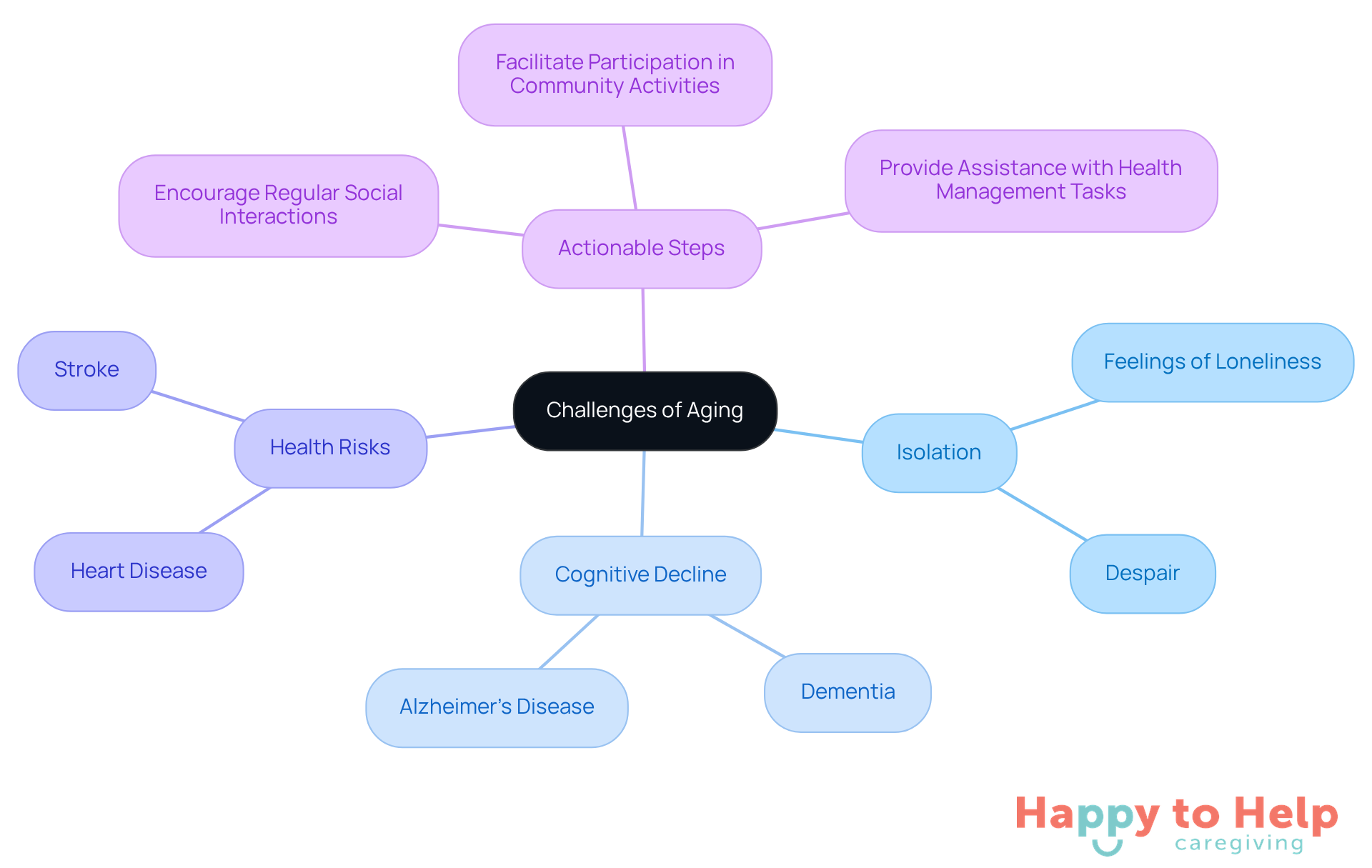
Life companions play a crucial role in assisting older adults to confront the challenges of aging, especially in combating isolation and cognitive decline. With 1 in 4 people in the U.S. over the age of 60, nearly 28% of older adults living alone can experience feelings of loneliness and despair. This isolation can lead to serious health risks: studies show that older adults facing loneliness have a 29% higher risk of developing heart disease and a 32% greater risk of stroke. Clearly, companionship is vital for preserving overall health.
In addition to emotional support, companions assist with essential health-related tasks, such as medication management and mobility support. These services are critical for preventing hospitalizations. Engaging in regular communal activities not only boosts mood but also enhances cognitive function, reducing the risk of dementia and Alzheimer’s disease. By addressing these multifaceted challenges, life companions play a crucial role in significantly improving the daily lives of seniors, thereby contributing to their overall well-being and longevity.
As noted, "Companionship, the feeling of friendship and fellowship, is the perfect antidote for social isolation and loneliness." To combat these issues, caregivers can take actionable steps:
- Encourage regular social interactions.
- Facilitate participation in community activities.
- Provide assistance with health management tasks.
By implementing these strategies, caregivers can help ensure that older adults lead healthier, more fulfilling lives.
Your Path Forward
Loneliness among older adults is a pressing issue that significantly impacts their mental health and overall well-being. Life companions play an indispensable role in addressing this challenge, serving not only as helpers with daily tasks but also as vital allies in fostering emotional connections. These relationships are essential for maintaining independence and ensuring that seniors feel valued and secure in their own homes.
The implications of isolation are profound. Statistics show that a significant portion of older adults experience loneliness, which can lead to cognitive decline and emotional instability. By providing meaningful interactions and support with practical activities, life companions help combat these feelings of isolation. Regular engagement not only enhances emotional stability but also promotes cognitive health, which is crucial for the aging population.
To effectively integrate companionship into home care strategies, caregivers should prioritize emotional support as a fundamental component of care. Encouraging social interactions and facilitating community involvement can significantly enhance the quality of life for seniors. This approach not only addresses the challenges faced by the elderly but also contributes to their overall health and longevity.
In conclusion, emphasizing the need for companionship in home care is essential. It serves as a call to action for caregivers and families to recognize the importance of emotional support, ensuring that older adults lead fulfilling and enriched lives.
https://iframe.tely.ai/cta/eyJhcnRpY2xlX2lkIjogIjY5MjRmMWM4ZWM0Y2FiOGU3NGVjMDBhZSIsICJjb21wYW55X2lkIjogIjY4ZWU1ZGNhNzMxNzYyNTU3ZjNjOTVjMSIsICJpbmRleCI6IG51bGwsICJ0eXBlIjogImFydGljbGUifQ==Frequently Asked Questions
What is the primary role of life companions in home care?
The primary role of life companions in home care is to provide non-medical assistance to elderly individuals, helping to combat loneliness and enhance their emotional and social well-being.
How do life companions help alleviate loneliness among the elderly?
Life companions engage clients in meaningful conversations and participate in activities that foster companionship, which helps combat loneliness and nurtures emotional connections.
What daily tasks do life companions assist with?
Life companions assist with daily tasks such as meal preparation, light housekeeping, and medication reminders.
How do life companions contribute to the independence of older adults?
By providing support with daily tasks, life companions help older adults maintain a sense of independence while ensuring they receive the necessary assistance.
What kind of environment do life companions create for elderly individuals?
Life companions create a familiar and comforting atmosphere that helps older adults feel secure and appreciated in their own homes.
Why are life companions important for the quality of life of the elderly?
Life companions play a crucial role in enhancing the emotional and social well-being of the elderly, ultimately improving their overall quality of life by establishing meaningful connections.
List of Sources
- Define the Role of Life Companions in Home Care
- Older adults find support through health care companions (https://news-medical.net/news/20250924/Older-adults-find-support-through-health-care-companions.aspx)
- 2025 Home Care Statistics: Trends & Insights To Know (https://premierhcinc.com/blog/home-care-statistics)
- The Unbeatable Benefits of Companion Care for Seniors (https://comforcare.com/massachusetts/canton/resources/blog/the-unbeatable-benefits-of-companion-care-for-seniors)
- Benefits of Companion Care for Seniors in California - 2025 (https://findinghomecare.net/benefits-of-companion-care-for-seniors)
- Why Home Care Providers Are Increasingly Offering Companion Care Services for Seniors | Aaniie, formerly Smartcare Software (https://aaniie.com/news/why-home-care-providers-are-increasingly-offering-companion-care-services-for-seniors)
- Explore the Emotional and Practical Benefits of Companionship
- The Emotional Benefits of Companion Care for Seniors (https://comfortkeepers.com/offices/texas/round-rock/resources/news/the-emotional-benefits-of-companion-care-for-seniors)
- The Incredible Benefits of Home Care, in 7 Amazing Stats - Companions For Seniors (https://companionsforseniors.com/2019/08/benefits-home-care-amazing-stats-trends-reports)
- How Companionship in Home Care Boosts Seniors' Mental Health - Care With Love (https://carewithlove.com/how-companionship-in-home-care-boosts-seniors-mental-health)
- Home Care Agency in Plantation, FL Near You | Skilled Nursing and Senior Home Care Services Serving Broward and Palm Beach Counties | Home Health Aide | Free Consult | 24-7 | Trust USA Home Health (https://trustusahomehealth.com/?p=2378)
- The Unbeatable Benefits of Companion Care for Seniors (https://comforcare.com/massachusetts/canton/resources/blog/the-unbeatable-benefits-of-companion-care-for-seniors)
- Address the Challenges Life Companions Help Overcome
- The Negative Effects of Seniors Living Alone | Sundale (https://sundaleseniorliving.com/news-and-articles/the-negative-effects-of-seniors-living-alone)
- The Urgent Need (https://mealsonwheelsamerica.org/issues/the-urgent-need)
- The Most Common Challenges Seniors Have Living Alone (https://alternativeseniorcare.net/the-most-common-challenges-seniors-have-living-alone)
- Historic Numbers of Americans Live by Themselves as They Age - KFF Health News (https://kffhealthnews.org/news/article/going-it-alone-americans-aging-by-themselves-support-networks-children)
- Creating Safe Living Environment for Seniors: Tips & Practices (https://peacevillage.org/news/why-companionship-is-key-to-happy-aging-elderly-well-being)