For families in our service areas
For families in our service areas, this guide explains home care and how non-medical in-home caregiving can support care planning in East Idaho, Treasure Valley & Magic Valley, Northern Wasatch, North Central West Virginia, and Northeast Ohio.
What You Need to Know About Why Local Home Care is Essential
Navigating the complexities of caregiving can be overwhelming for families. The emotional and logistical challenges often leave caregivers feeling isolated and stressed. Local home care services have emerged as a vital resource, fostering trust and familiarity while providing essential support.
These services not only enhance the quality of care but also address the unique needs of both caregivers and their loved ones. However, families may wonder: how can they ensure that their loved ones receive the personalized attention they need while also safeguarding their own well-being?
This article explores the essential role of local home care, highlighting its benefits and the profound impact it has on caregivers and those they care for. By understanding these resources, families can find practical solutions to improve their caregiving experience.
Emphasize Trust and Familiarity in Local Care
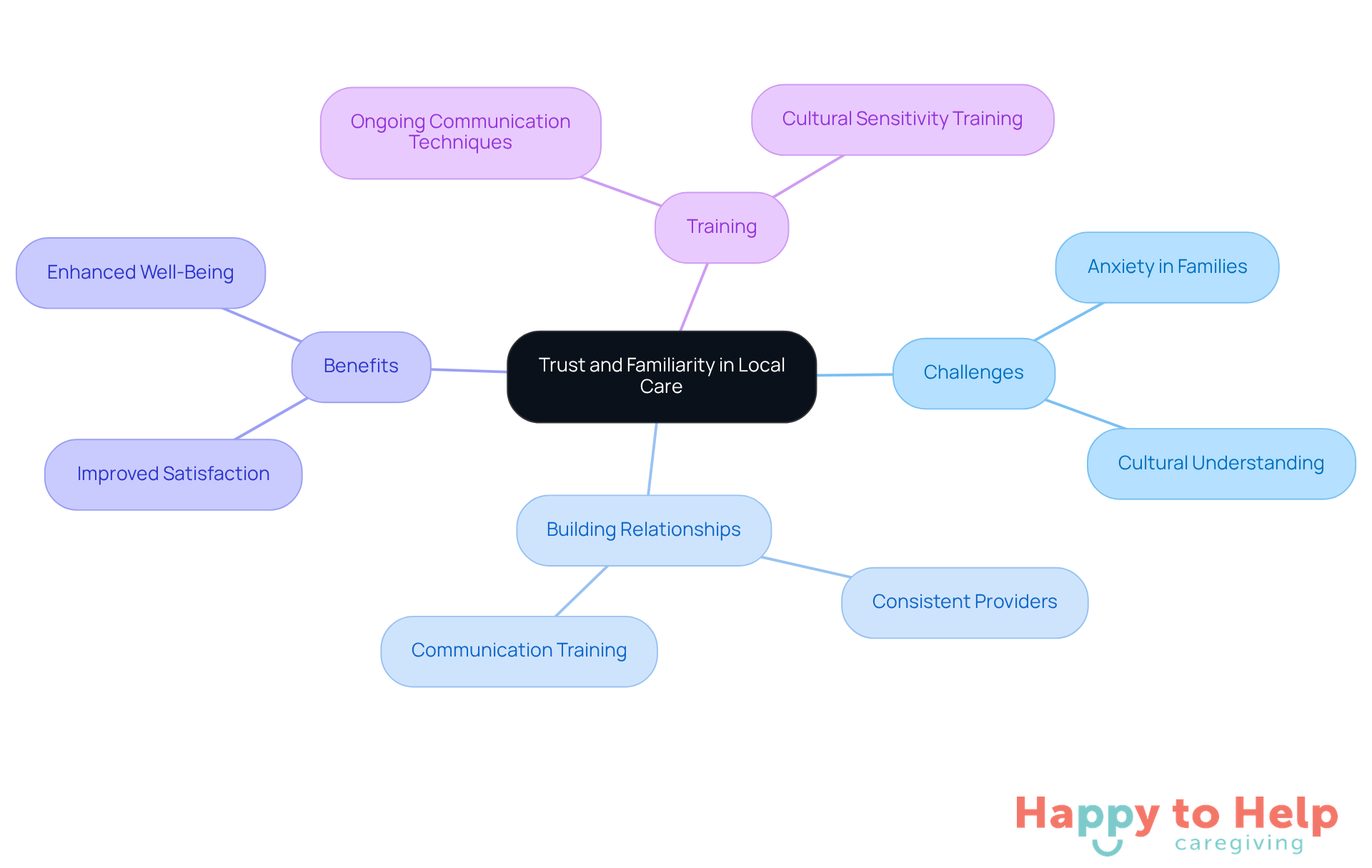
Trust and familiarity are crucial challenges in effective caregiving, especially in local home care environments. When caregivers and clients share a community, it fosters a sense of belonging and safety. However, without this connection, families may feel anxious about their loved ones' care.
The implications of lacking trust can be significant. Families often worry about whether their loved ones are understood in terms of cultural background and personal preferences. This disconnect can lead to increased anxiety for both the caregiver and the recipient, ultimately affecting the quality of support provided. Studies show that individuals who establish trust with their caregivers experience reduced anxiety and improved overall support quality.
To address these challenges, caregivers can focus on building strong relationships with their clients. Research indicates that clients receiving support from familiar providers report higher satisfaction levels and better adherence to treatment plans. This highlights the importance of local home care relationships in the caregiving process.
Moreover, seniors with strong social ties tend to live longer and face fewer health issues. This underscores the vital role of caregiver-client relationships in enhancing overall well-being. Continuous training in communication methods and cultural awareness is essential for caregivers to develop these strong connections. Consistent providers can also establish routines that promote familiarity and emotional stability.
As Eric Thomas points out, strong relationships can mitigate the isolation many seniors feel, reducing the risk of depression and other mental health issues. By prioritizing trust and familiarity, caregivers can significantly improve the quality of care and emotional support they provide.
Highlight Personalized Care Solutions
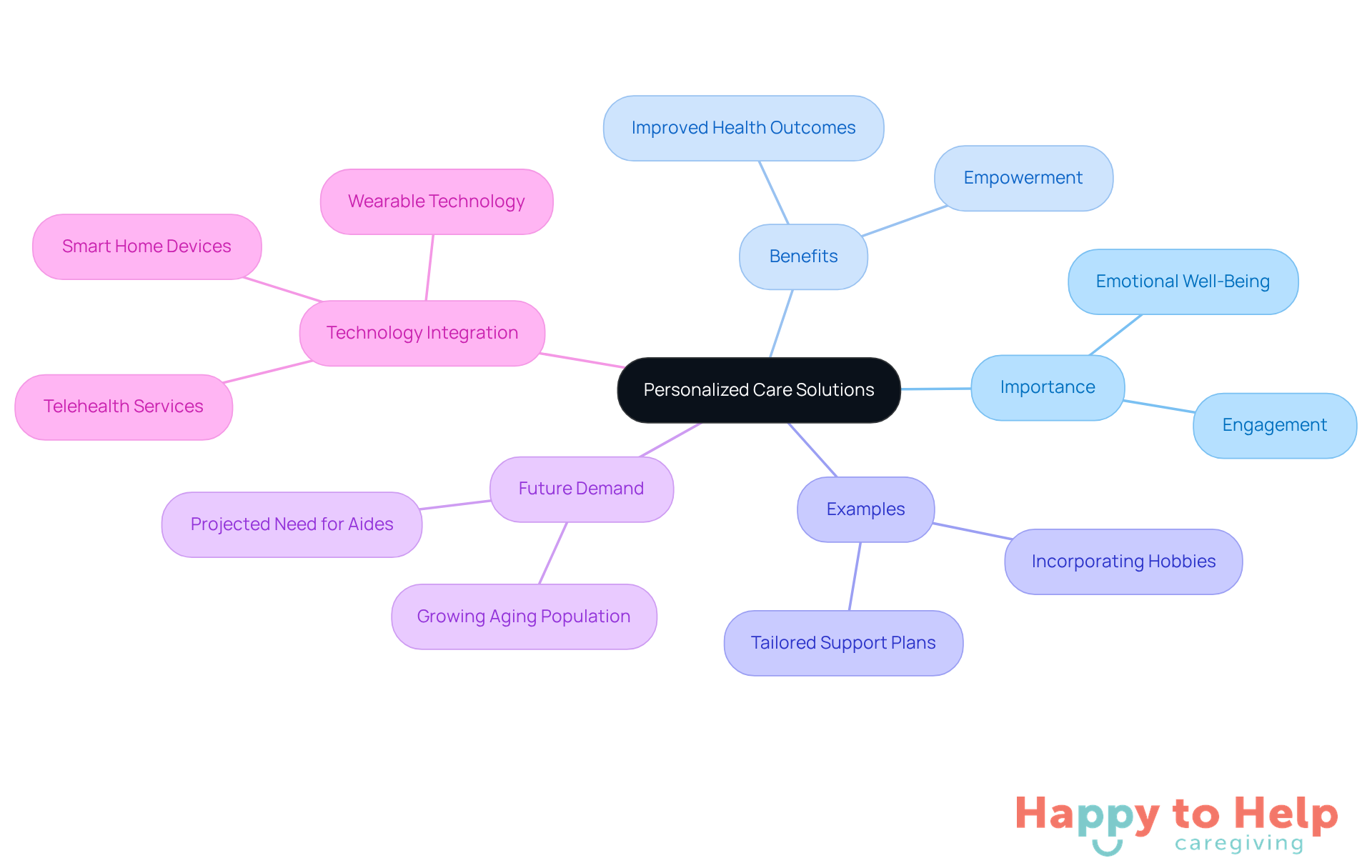
Customized support solutions are crucial for local home care services, addressing the unique needs of each individual. In institutional environments, assistance often remains generalized, which can overlook personal preferences and specific requirements. This lack of personalization can lead to disengagement and diminished emotional well-being.
To combat this issue, local providers can create tailored support plans that consider an individual’s medical history, preferences, and daily routines. For example, a caregiver might incorporate a person’s favorite hobbies into their daily activities, fostering engagement and enhancing emotional health. This personalized approach not only improves the quality of support but also empowers individuals, giving them a sense of control over their lives.
Research indicates that individualized treatment plans significantly enhance health outcomes. Clients are more likely to adhere to treatment regimens when their specific needs are acknowledged and addressed. With a projected demand for 924,000 personal support aides and health aides from 2021 to 2031, the need for personalized assistance solutions is on the rise.
By focusing on personalized support, local home care providers can cultivate a nurturing environment that promotes both physical and emotional well-being, ultimately leading to a more fulfilling life for seniors. Additionally, the integration of technology, such as telehealth services and smart home devices, further enhances individualized support. These tools enable real-time health tracking and improve communication between providers and clients, ensuring that care is both effective and responsive.
Discuss Emotional and Logistical Advantages
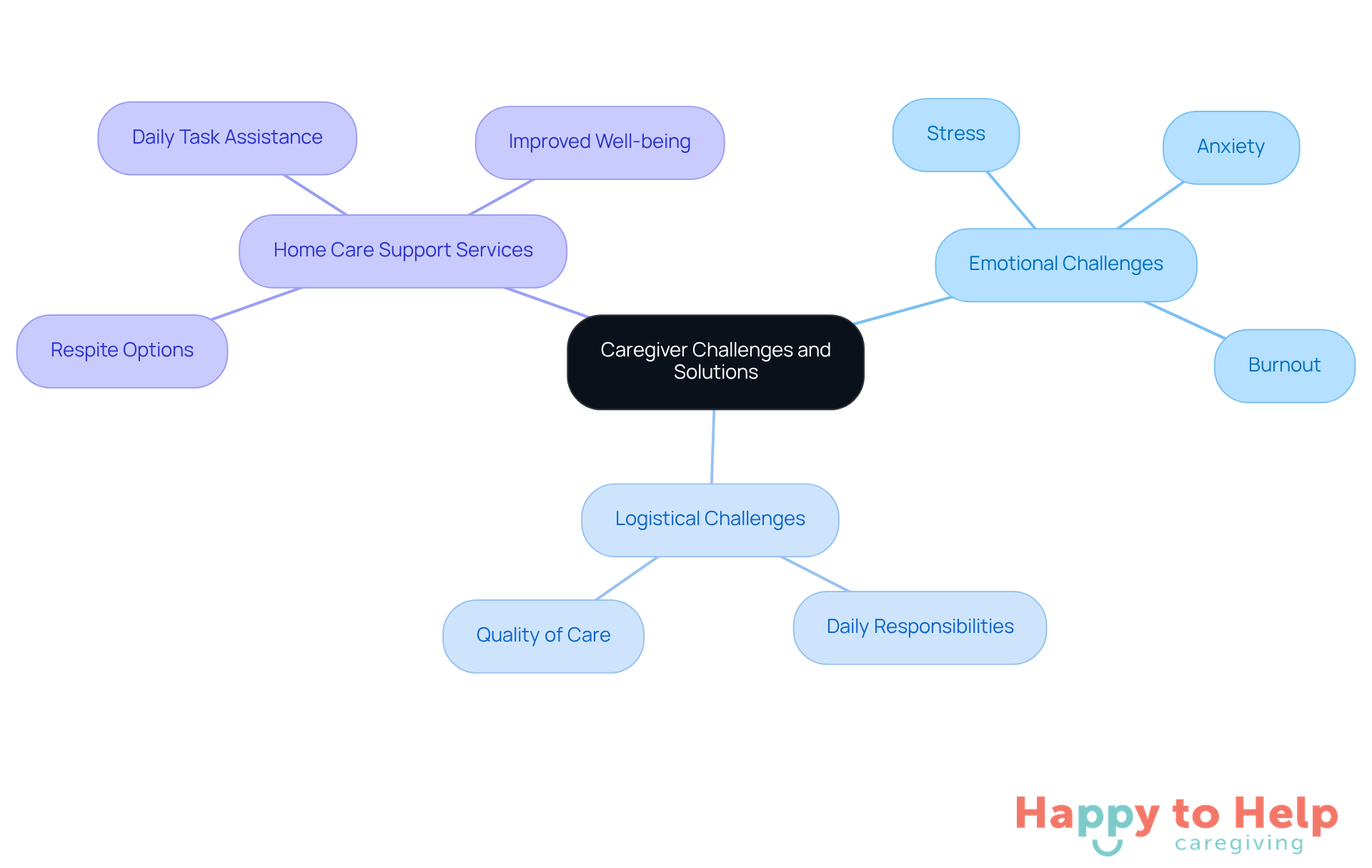
Problem: Family caregivers often face significant emotional and logistical challenges. The demands of caregiving can lead to stress, anxiety, and burnout, impacting their mental well-being.
Agitate: Without adequate support, caregivers may struggle to manage daily responsibilities, which can exacerbate feelings of overwhelm. This not only affects their health but also the quality of care they provide to their loved ones. Families frequently report feeling unsupported and unable to engage positively with those they care for.
Local home care support services offer essential respite options, allowing caregivers to take necessary breaks and rejuvenate. These services assist with daily tasks like meal preparation and medication management, alleviating the burden on family members. Research indicates that organized schedules from at-home assistance can enhance emotional well-being for everyone involved. In fact, up to 90% of patients report improved ability to perform daily activities within 60 days of receiving support. Continuous monitoring also reduces risks such as falls and medication errors, providing peace of mind.
Ultimately, local home care services foster a sustainable caregiving environment that respects the independence of seniors while also supporting the well-being of their families.
Explore Community Connections and Resources
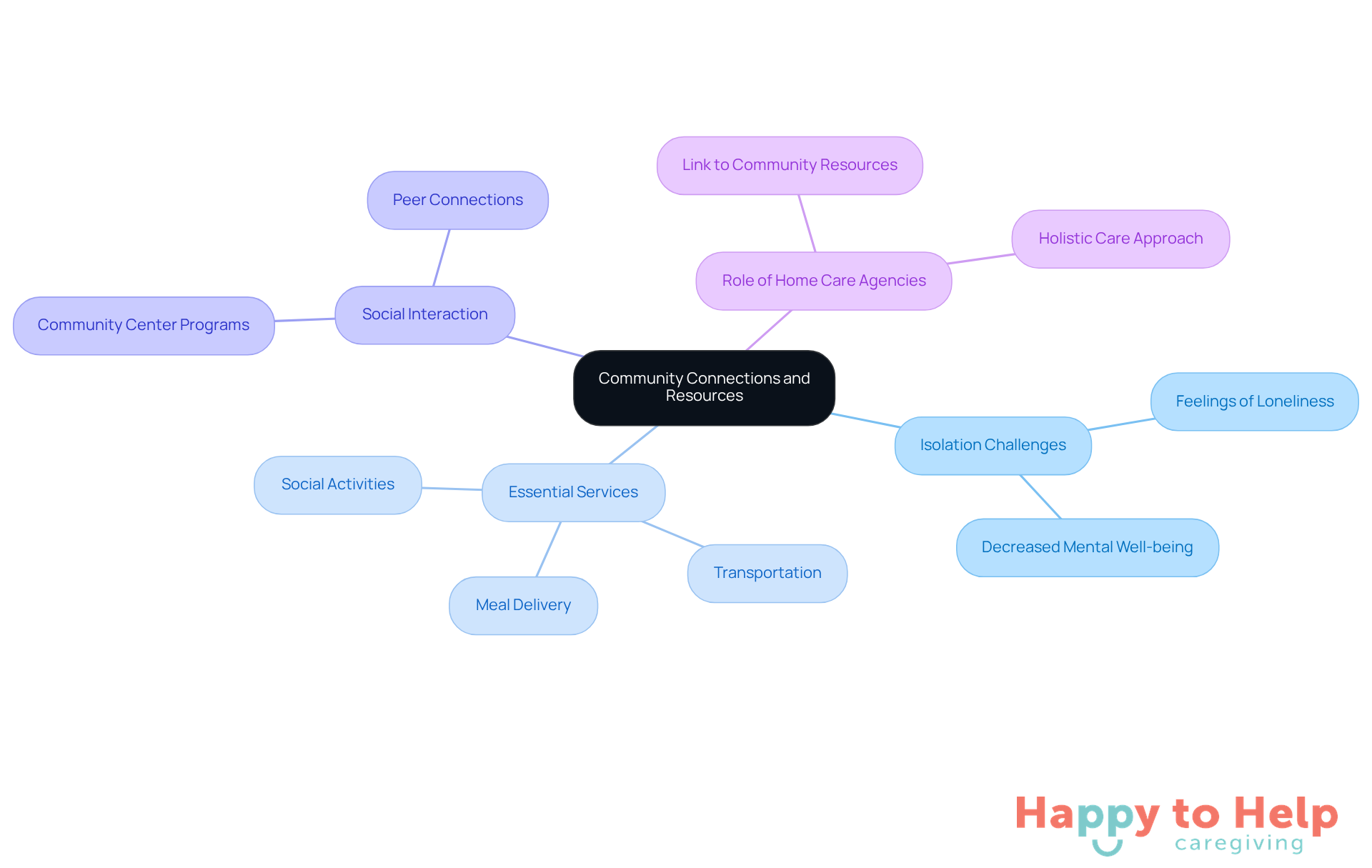
Community connections and resources play a crucial role in the effectiveness of local home care services. Isolation is a significant challenge faced by many seniors, often leading to feelings of loneliness and decreased mental well-being. Home support agencies frequently partner with community organizations to combat this issue by providing essential services such as transportation, meal delivery, and social activities.
These resources not only enhance the quality of support but also foster social interaction among seniors. For example, community centers often host programs tailored specifically for seniors, allowing them to connect with peers and engage in activities that promote their mental and emotional health. This interconnectedness is vital, as it helps reduce feelings of isolation and encourages a sense of belonging.
Local home care agencies act as a crucial link to these resources, ensuring families are informed about the local home care support available in their communities. By facilitating access to these services, caregivers can implement a holistic approach to caregiving. This approach addresses not just the physical needs of clients but also their emotional and social requirements, ultimately leading to more comprehensive support.
Your Path Forward
Trust and familiarity are foundational elements in local home care, significantly enhancing the caregiving experience for both caregivers and their clients. However, many caregivers face challenges in establishing these connections, which can lead to feelings of isolation and stress.
The implications of this lack of connection are profound. Without strong, personal ties within the community, caregivers may struggle to provide the empathetic support that addresses the unique needs of each individual. This can burden family members and diminish the overall quality of care.
To combat these challenges, caregivers should prioritize building trust and familiarity within their communities. By tailoring support plans to suit individual needs and fostering relationships built on trust, caregivers can alleviate the burdens faced by family members. Additionally, integrating community resources can enhance the overall support system for seniors, promoting their well-being and reducing feelings of isolation.
In conclusion, local home care is not just a service; it is a vital lifeline that supports family caregivers emotionally and logistically. As the demand for personalized care solutions continues to rise, embracing trust, familiarity, and community connections will be essential. By doing so, caregivers can create a sustainable and compassionate caregiving environment, leading to more fulfilling lives for both caregivers and those they care for.
https://iframe.tely.ai/cta/eyJhcnRpY2xlX2lkIjogIjY5NDFmMzRlMTE4MTVjMDQxY2UzNWU2MiIsICJjb21wYW55X2lkIjogIjY4ZWU1ZGNhNzMxNzYyNTU3ZjNjOTVjMSIsICJpbmRleCI6IG51bGwsICJ0eXBlIjogImFydGljbGUifQ==Frequently Asked Questions
Why are trust and familiarity important in local home care?
Trust and familiarity are crucial as they foster a sense of belonging and safety, which helps reduce anxiety for families concerned about their loved ones' care.
What are the implications of lacking trust in caregiving?
A lack of trust can lead to families worrying about whether their loved ones' cultural backgrounds and personal preferences are understood, resulting in increased anxiety for both caregivers and recipients and negatively impacting the quality of support.
How does establishing trust with caregivers affect clients?
Individuals who establish trust with their caregivers experience reduced anxiety and improved overall support quality, leading to higher satisfaction levels and better adherence to treatment plans.
What role do caregiver-client relationships play in seniors' well-being?
Strong caregiver-client relationships are vital as they contribute to seniors living longer and facing fewer health issues, enhancing their overall well-being.
What can caregivers do to build strong relationships with clients?
Caregivers can focus on building strong relationships by continuously training in communication methods and cultural awareness, which helps develop familiarity and emotional stability.
How do consistent providers contribute to caregiving?
Consistent providers can establish routines that promote familiarity, helping to create emotional stability and reducing feelings of isolation for seniors.
What impact do strong relationships have on seniors' mental health?
Strong relationships can mitigate the isolation many seniors feel, reducing the risk of depression and other mental health issues.
List of Sources
- Emphasize Trust and Familiarity in Local Care
- Family caregivers prefer in-home care over senior living, new industry report finds (https://mcknightshomecare.com/news/family-caregivers-prefer-in-home-care-over-senior-living-new-industry-report-finds)
- The Importance of Caregiver-Client Relationships in Senior Well-Being (https://homeinstead.com/home-care/usa/in/goshen/588/news-and-media/the-importance-of-caregiver-client-relationships-in-senior-well-being)
- Why Trust Matters: Building Bonds Between Caregivers and Seniors (https://trustedlikefamilyhomecare.com/f/why-trust-matters-building-bonds-between-caregivers-and-seniors?blogcategory=Why+Us%3F)
- The Importance of Trust Between Caregivers and Patients in Daily Living Assistance (https://breezehospiceservices.com/resources/the-importance-of-trust-between-caregivers-and-patients-in-daily-living-assistance)
- Family Caregivers Share Both Positive And Challenging Experiences In New Study (https://hopkinsmedicine.org/news/articles/2022/10/family-caregivers-share-both-positive-and-challenging-experiences-in-new-study)
- Highlight Personalized Care Solutions
- The Changing Landscape of Elder Care Solutions (https://homeinstead.com/home-care/usa/co/denver/148/news-and-media/introduction-to-the-changing-landscape-of-elder-care-solutions)
- 52 Eye-Opening Home Health Statistics: Insights for 2025 (https://boosthomehealth.com/home-health-statistics)
- Home Care Statistics In 2025: Key Insights In Home Care (https://sagapixel.com/marketing/home-care-statistics)
- The Future of Private Home Care: What to Expect in 2025 (https://anodyne-services.com/2024/08/14/the-future-of-private-home-care-what-to-expect-in-2025)
- How Personalized Health Care Is Changing The Role Of Home Care Providers (https://homehealthcarenews.com/2024/03/how-personalized-health-care-is-changing-the-role-of-home-care-providers)
- Discuss Emotional and Logistical Advantages
- The Unexpected Benefits of Home Care (Not Just for Seniors!) (https://websterhc.com/the-unexpected-benefits-of-home-care-enhancing-quality-of-life-and-not-just-for-seniors)
- How 24-Hour Home Care Helps Caregiver Burnout (https://hcprosonline.com/how-24-hour-home-care-helps-caregiver-burnout)
- 10 Benefits of Home Health Care (https://resources.amedisys.com/benefits-home-health-care)
- How in-home care can reduce stress for families (https://wftv.com/news/how-in-home-care-can-reduce-stress-families/OVSAYMPDZRLTFGOGCEFDDNAWTY)
- Explore Community Connections and Resources
- News – Ohio Council for Home Care & Hospice (https://ochch.org/about/news)
- National Alliance for Care at Home, Aetna, and MissionCare Collective Unite to Strengthen Direct Care Workforce - All Ways Caring HomeCare (https://allwayscaring.com/press-releases/national-alliance-for-care-at-home-aetna-and-missioncare-collective-unite-to-strengthen-direct-care-workforce)
- Home care organizations partner to grow direct care workforce in three states (https://mcknightshomecare.com/news/home-care-organizations-partner-to-grow-direct-care-workforce-in-three-states)
- News Releases (https://hcaoa.org/news-releases.html)
- Friends For Life Homecare Unveils 'Ways To Give, Countless Ways To Care' Community-Wide Initiative (https://wdtn.com/business/press-releases/ein-presswire/868350268/friends-for-life-homecare-unveils-ways-to-give-countless-ways-to-care-community-wide-initiative)