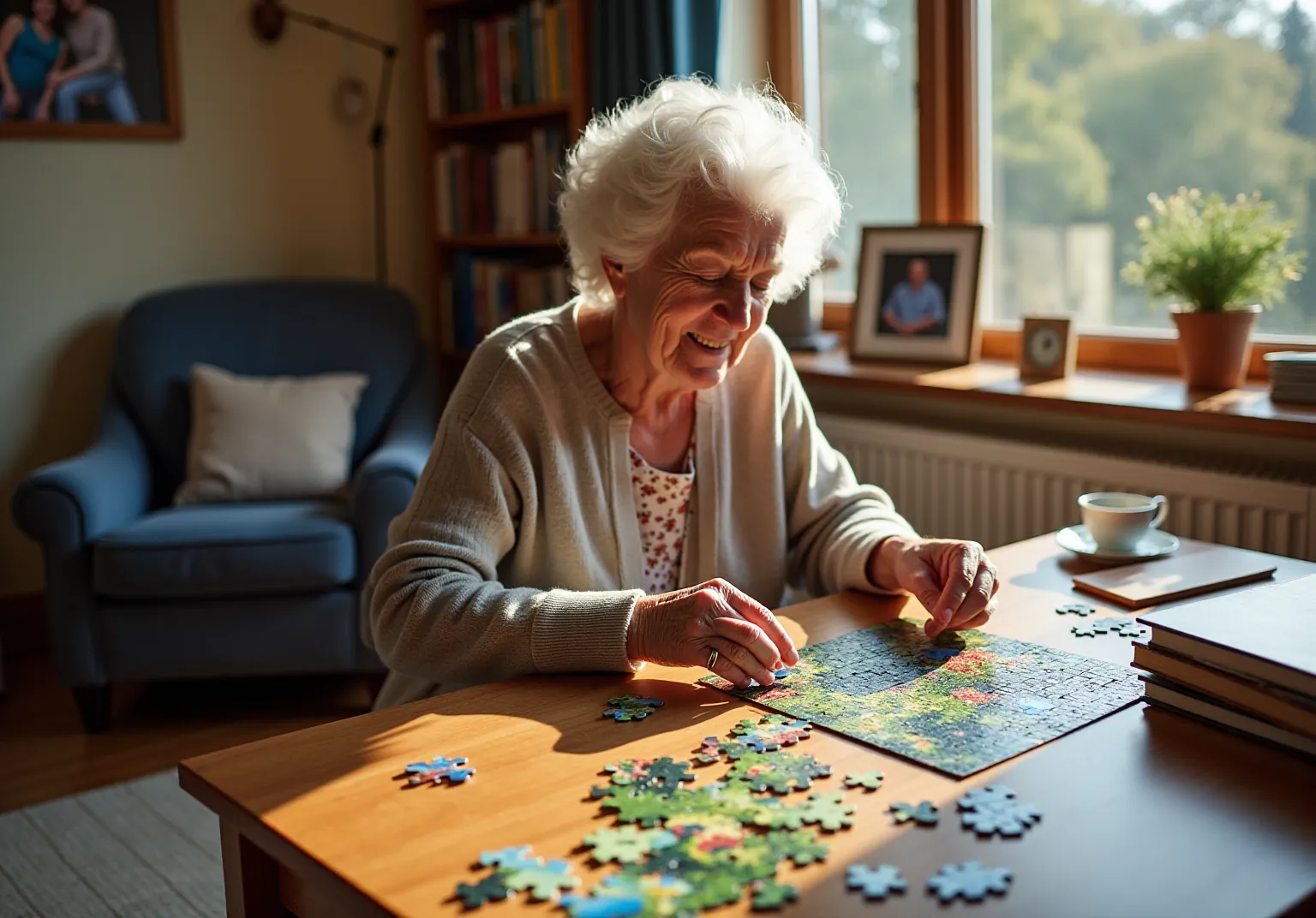
What You Need to Know About Why Neurocognitive Puzzles Are Essential
Neurocognitive puzzles, like jigsaw games and crosswords, are more than just a pastime for seniors; they serve as a crucial tool in the fight against cognitive decline. Engaging in these activities sharpens memory and problem-solving skills while fostering neuroplasticity, which enhances overall mental health. However, many caregivers face the challenge of integrating these cognitive exercises into daily routines, especially amid rising concerns about isolation and emotional well-being among older adults.
The implications of neglecting cognitive engagement can be significant. Without regular mental stimulation, seniors may experience accelerated cognitive decline, leading to increased feelings of loneliness and depression. This situation not only affects their mental health but also places additional stress on caregivers who wish to support their loved ones effectively.
So, how can caregivers effectively incorporate these cognitive challenges into daily life? Here are some actionable solutions:
- Set a Routine: Designate specific times for puzzle activities, making them a regular part of the day.
- Encourage Social Interaction: Organize puzzle-solving sessions with family or friends to promote social engagement.
- Choose Varied Puzzles: Select a range of puzzles that cater to different skill levels and interests to keep the activities fresh and engaging.
By implementing these strategies, caregivers can enhance both mental engagement and social interaction for seniors, ultimately improving their quality of life.
Explore the Cognitive Benefits of Neurocognitive Puzzles
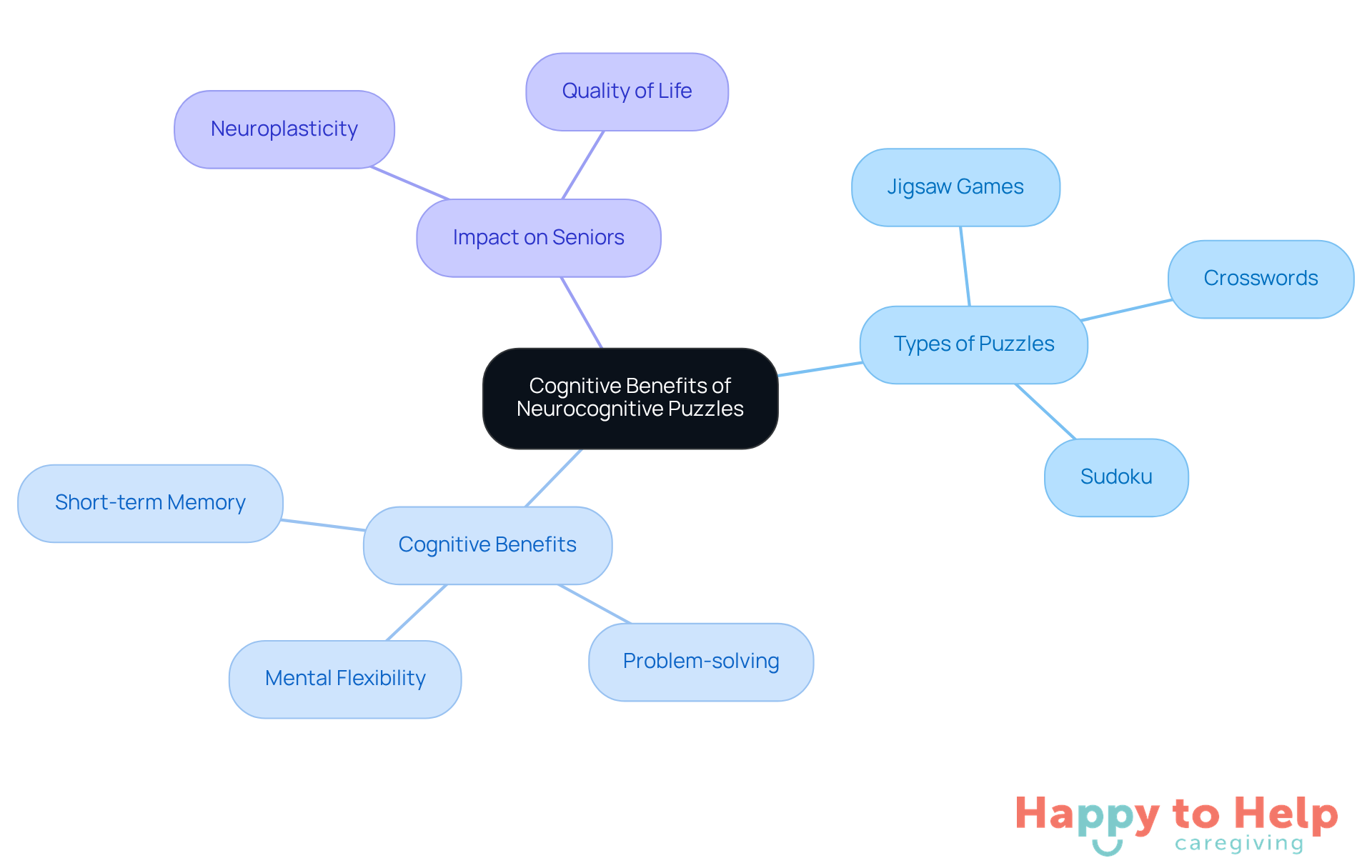
Neurocognitive puzzles, including jigsaw games, crosswords, and Sudoku, present a significant problem for seniors facing mental decline. Research indicates that these activities can enhance short-term memory, problem-solving abilities, and overall mental flexibility. For instance, a study published in the journal PMC found that engaging in jigsaw activities activates various mental skills, potentially serving as a protective factor against cognitive deterioration.
Moreover, neurocognitive puzzles stimulate different areas of the brain and promote neuroplasticity, which is crucial for maintaining mental health as we age. This mental engagement not only helps preserve existing abilities but also aids in acquiring new skills, ultimately improving the quality of life for older adults. To support seniors, caregivers can encourage participation in these activities, fostering a stimulating environment that enhances cognitive function.
Understand How Puzzles Stimulate Cognitive Functions
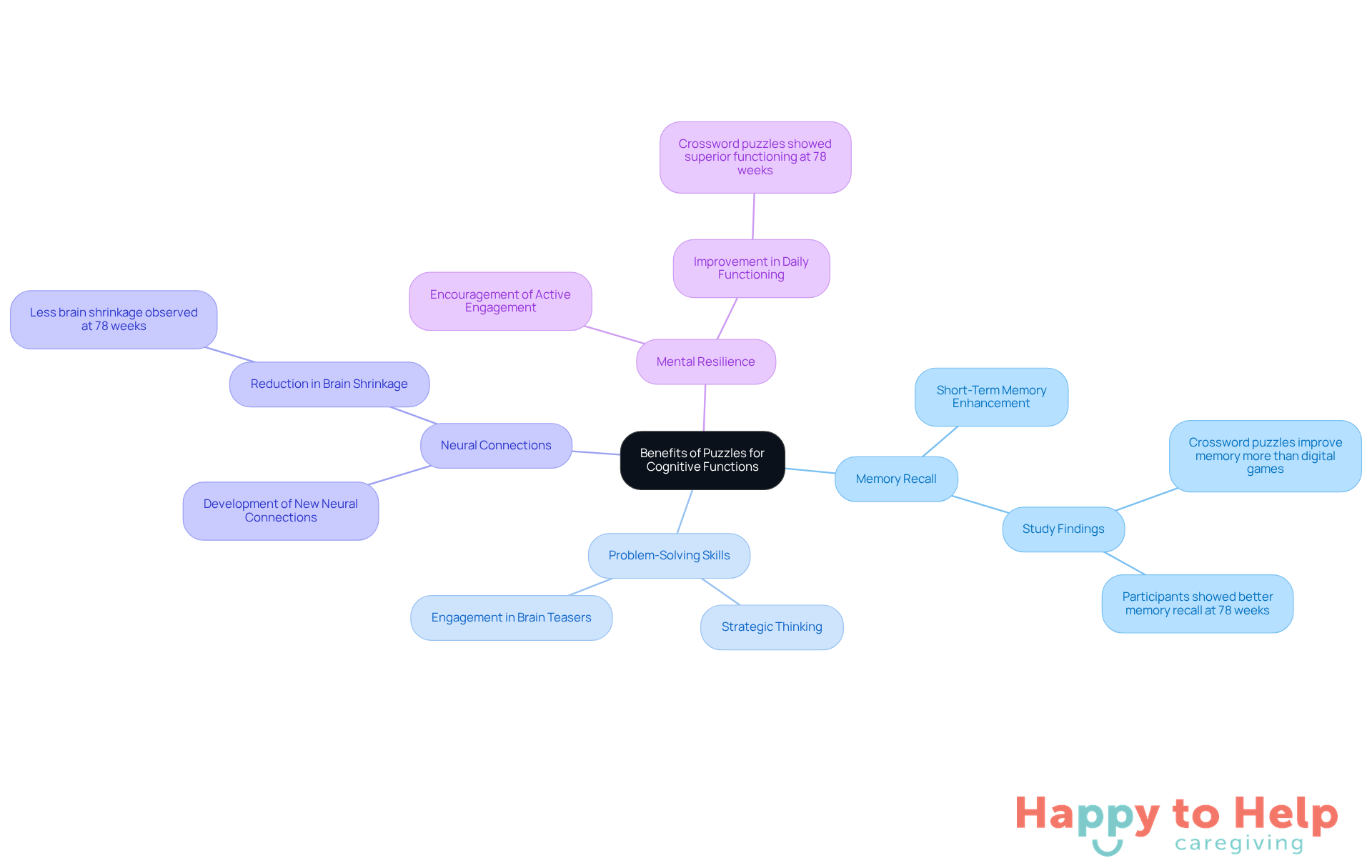
Cognitive decline is a significant concern for older adults, impacting their memory and problem-solving abilities. Engaging in activities that stimulate the brain is crucial for maintaining mental health and resilience. Neurocognitive puzzles serve as a powerful tool for enhancing cognitive functions, improving memory recall, and fostering problem-solving skills.
When older adults participate in games, they actively remember shapes, colors, and patterns, which enhances their short-term memory. Moreover, brainteasers often require strategic thinking and planning, engaging the brain's executive functions. A study from Duke University revealed that crossword games significantly surpassed digital brain activities in improving memory among older adults with mild mental impairment.
Dr. Murali Doraiswamy noted that this engagement not only keeps the mind active but also encourages the development of new neural connections, essential for preserving mental resilience. Additionally, research indicated that brain shrinkage was reduced for participants engaging in crossword activities at 78 weeks, emphasizing clinically significant effects.
To enhance mental well-being, caregivers should encourage consistent engagement in such activities. Incorporating neurocognitive puzzles into daily routines can lead to improved thinking abilities, making them a crucial element of elderly wellness. In conclusion, integrating challenges into everyday habits can greatly enhance mental strength among older adults.
Recognize the Emotional and Social Impact of Puzzle Engagement
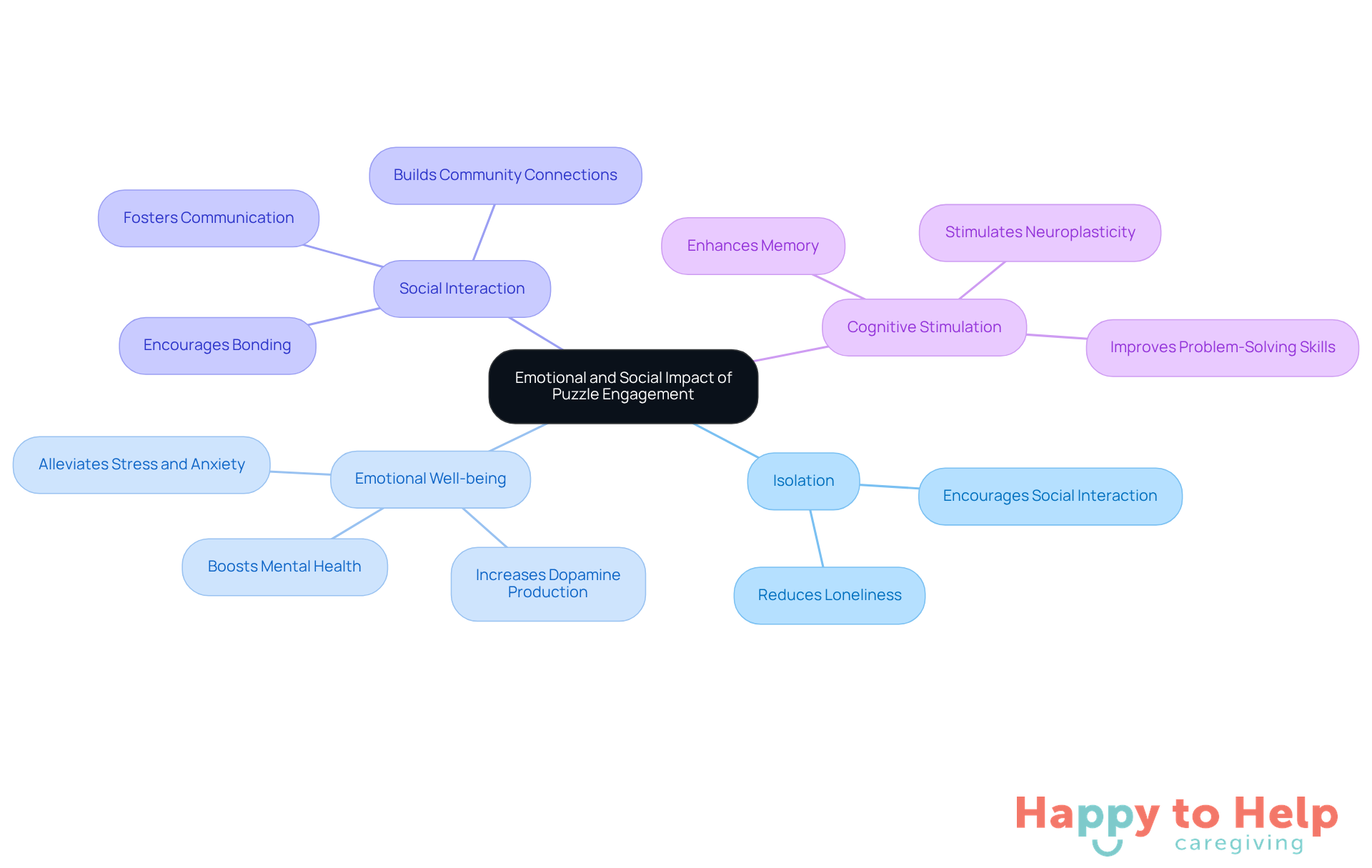
Isolation among older adults is a significant issue that can lead to emotional distress and cognitive decline. Many seniors experience feelings of loneliness, which can negatively impact their mental health and overall quality of life. This is where collaborative activities, such as solving neurocognitive puzzles, come into play.
Engaging in neurocognitive puzzles not only enhances cognitive well-being but also encourages social interaction between seniors and caregivers. This collective endeavor promotes social bonding, effectively reducing feelings of isolation. Research shows that such activities can boost emotional well-being by instilling a sense of accomplishment and purpose.
Puzzles serve as a source of joy and achievement for older adults, reinforcing their emotional benefits. The meditative nature of focusing on these challenges alleviates stress and anxiety, contributing to a calming effect that supports overall mental health. To maximize these benefits, it's crucial to adjust the difficulty of neurocognitive puzzles to match personal skills, ensuring that older adults remain engaged and stimulated without feeling overwhelmed.
Incorporating neurocognitive puzzles into daily activities not only provides intellectual stimulation but also enhances social interactions. This blend of mental engagement and emotional involvement highlights the importance of neurocognitive puzzles as challenges in the lives of elderly individuals. Additionally, participating in puzzles can help preserve mental well-being as one ages, while also sparking positive memories that strengthen emotional bonds.
Consider the Risks of Ignoring Cognitive Engagement
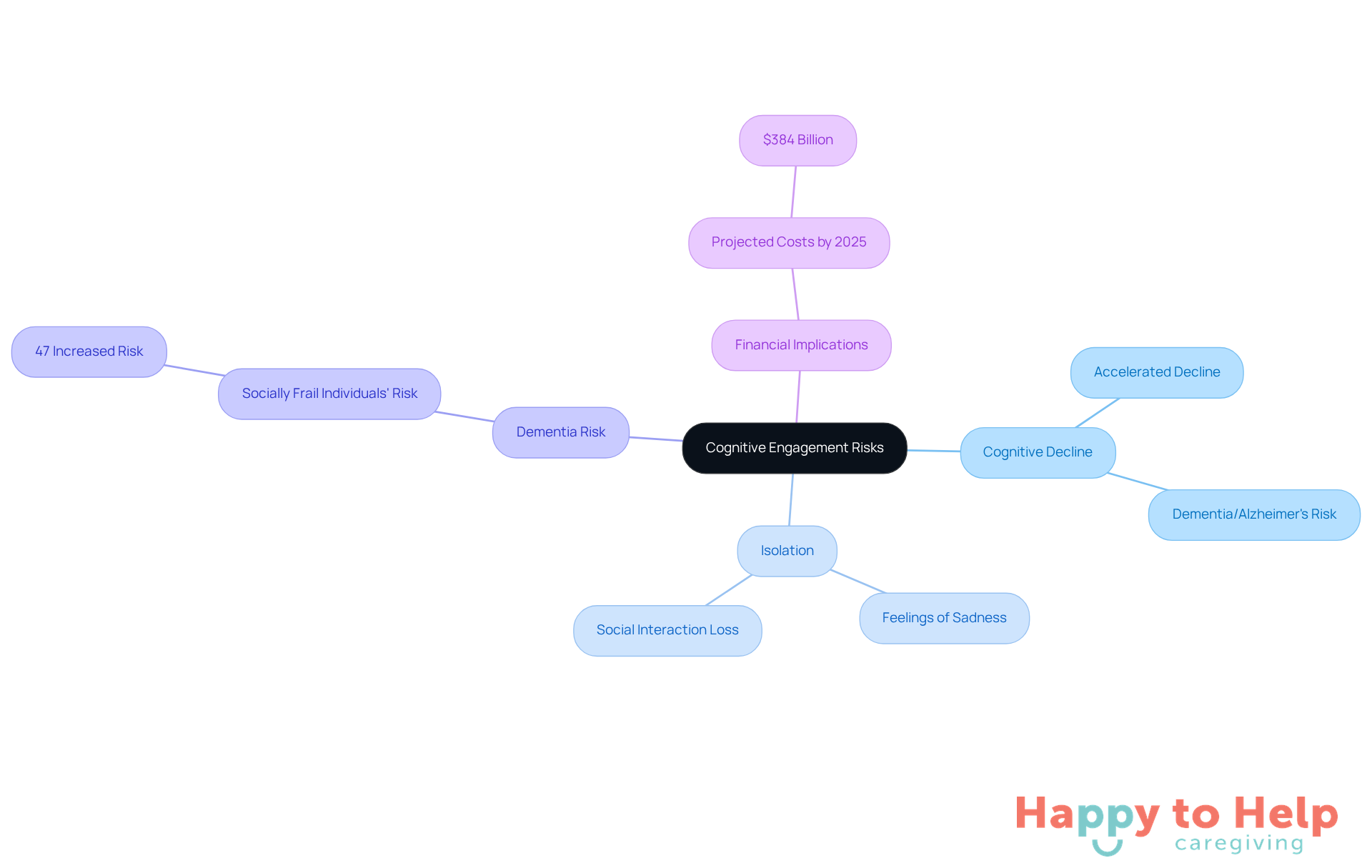
Neglecting cognitive engagement poses significant risks for older adults. This neglect can lead to accelerated cognitive decline and heightened feelings of isolation. Studies show that older individuals who avoid intellectually engaging pursuits face a higher chance of developing dementia and Alzheimer's disease.
The Alzheimer's Association emphasizes that participating in activities that stimulate the mind can promote a 'cognitive reserve,' potentially postponing the emergence of dementia symptoms. Furthermore, a lack of mental involvement can amplify feelings of isolation and sadness, as older adults often miss out on the social interactions that joint activities, like games, provide. Notably, socially frail individuals face about a 47% increased risk of dementia compared to their non-frail counterparts. Dr. Suraj Samtani highlights that social isolation is the biggest risk factor for dementia late in life.
The anticipated health and long-term care expenses for individuals living with dementia are predicted to reach $384 billion by 2025, underscoring the broader consequences of neglecting mental engagement.
To combat these risks, it is essential for caregivers and families to prioritize cognitive engagement through neurocognitive puzzles and similar activities. Not only does this approach mitigate the risks associated with cognitive decline, but it also promotes a healthier, more fulfilling life for seniors.
Moving Forward with Why Neurocognitive Puzzles Are Essential
Neurocognitive puzzles present a significant challenge for caregivers concerned about the cognitive health of seniors. As cognitive decline becomes a pressing issue, it can lead to emotional instability and feelings of isolation among older adults. This situation not only affects their mental well-being but also places a burden on caregivers who strive to maintain their loved ones' quality of life.
However, engaging seniors in neurocognitive puzzles like jigsaw games, crosswords, and Sudoku can serve as a powerful solution. These activities enhance memory recall, improve problem-solving skills, and promote overall mental flexibility. Research shows that such puzzles stimulate various brain functions and encourage neuroplasticity, which is crucial for combating cognitive decline.
Moreover, incorporating these puzzles into daily routines fosters social interactions and reduces feelings of isolation. Caregivers can take practical steps by introducing these activities into their loved ones' lives, creating an environment that promotes mental stimulation and emotional connection. By prioritizing cognitive engagement through neurocognitive puzzles, caregivers can help mitigate the risks associated with cognitive decline, allowing seniors to lead healthier, more fulfilling lives.
In summary, the benefits of neurocognitive puzzles are multifaceted. They not only provide emotional rewards, instilling a sense of accomplishment and purpose, but also contribute significantly to the mental resilience of older adults. Caregivers are encouraged to embrace these activities, ensuring that seniors remain engaged and connected.
https://iframe.tely.ai/cta/eyJhcnRpY2xlX2lkIjogIjY5NDBhMjE0NGFiMmI4OGM4M2NiZjU5NSIsICJjb21wYW55X2lkIjogIjY4ZWU1ZGNhNzMxNzYyNTU3ZjNjOTVjMSIsICJpbmRleCI6IG51bGwsICJ0eXBlIjogImFydGljbGUifQ==Frequently Asked Questions
What are neurocognitive puzzles?
Neurocognitive puzzles include activities such as jigsaw games, crosswords, and Sudoku that challenge the brain and enhance cognitive functions.
How do neurocognitive puzzles benefit seniors facing mental decline?
These puzzles can enhance short-term memory, problem-solving abilities, and overall mental flexibility, helping to combat cognitive deterioration.
What does research say about the effects of engaging in jigsaw activities?
Research indicates that engaging in jigsaw activities activates various mental skills and may serve as a protective factor against cognitive decline.
How do neurocognitive puzzles promote brain health?
They stimulate different areas of the brain and promote neuroplasticity, which is essential for maintaining mental health as we age.
Can neurocognitive puzzles help with skill acquisition in older adults?
Yes, these activities not only help preserve existing abilities but also aid in acquiring new skills, improving the overall quality of life for older adults.
How can caregivers support seniors in engaging with neurocognitive puzzles?
Caregivers can encourage participation in these activities, fostering a stimulating environment that enhances cognitive function.
List of Sources
- Explore the Cognitive Benefits of Neurocognitive Puzzles
- Jigsaw Puzzling Taps Multiple Cognitive Abilities and Is a Potential Protective Factor for Cognitive Aging - PMC (https://pmc.ncbi.nlm.nih.gov/articles/PMC6174231)
- Study Shows Crossword Puzzles Beat Computer Games in Slowing Memory Loss (https://medschool.duke.edu/news/study-shows-crossword-puzzles-beat-computer-games-slowing-memory-loss)
- Games, Puzzles And Reading Can Slow Cognitive Decline In The Elderly — Even In Those With Mild Cognitive Impairment (https://stories.tamu.edu/news/2024/09/10/games-puzzles-and-reading-can-slow-cognitive-decline-in-the-elderly-even-in-those-with-mild-cognitive-impairment)
- Brain games for older adults (https://uclahealth.org/news/article/4-worthwhile-brain-games-older-adults-3)
- Understand How Puzzles Stimulate Cognitive Functions
- Word and number puzzles improve adult cognitive function (https://alzheimers.org.uk/news/2025-10-08/word-and-number-puzzles-improve-adult-cognitive-function)
- Study Shows Crossword Puzzles Beat Computer Games in Slowing Memory Loss (https://medschool.duke.edu/news/study-shows-crossword-puzzles-beat-computer-games-slowing-memory-loss)
- Can Playing Crossword Puzzles Improve Cognitive Function? (https://columbiapsychiatry.org/news/crossword-puzzles-superior-computer-video-games-slowing-memory-loss-older-adults-mild-cognitive-impairment)
- Recognize the Emotional and Social Impact of Puzzle Engagement
- 9 Benefits of Puzzles for Adults and Dementia (https://christiescare.com/benefits-of-puzzles-for-older-adults-dementia)
- The Benefits of Game Nights: How Board Games and Puzzles Boost Senior Wellness - American Retirement Homes (https://americanretirementhomes.org/the-benefits-of-game-nights-senior-wellness)
- The Benefits of Puzzles and Brain Games for Aging Minds (https://applewoodassistedliving.com/blog/the-benefits-of-puzzles-and-brain-games-for-aging-minds)
- Mental Fitness: How Puzzles and Games Can Improve Mental Function | Inspir (https://inspirseniorliving.com/senior-living-resources/mental-fitness-how-puzzles-and-games-can-improve-mental-function)
- Consider the Risks of Ignoring Cognitive Engagement
- Scientists reveal the one practice that could prevent dementia as you age (https://foxnews.com/health/scientists-reveal-one-practice-could-prevent-dementia-you-age)
- New Studies Suggest Social Isolation Is a Risk Factor for Dementia in Older Adults, Point to Ways to Reduce Risk (https://hopkinsmedicine.org/news/newsroom/news-releases/2023/01/new-studies-suggest-social-isolation-is-a-risk-factor-for-dementia-in-older-adults-point-to-ways-to-reduce-risk)
- Alzheimer's Disease Facts and Figures (https://alz.org/alzheimers-dementia/facts-figures)
- Frequent social engagement may delay dementia onset (https://news-medical.net/news/20250130/Frequent-social-engagement-may-delay-dementia-onset.aspx)