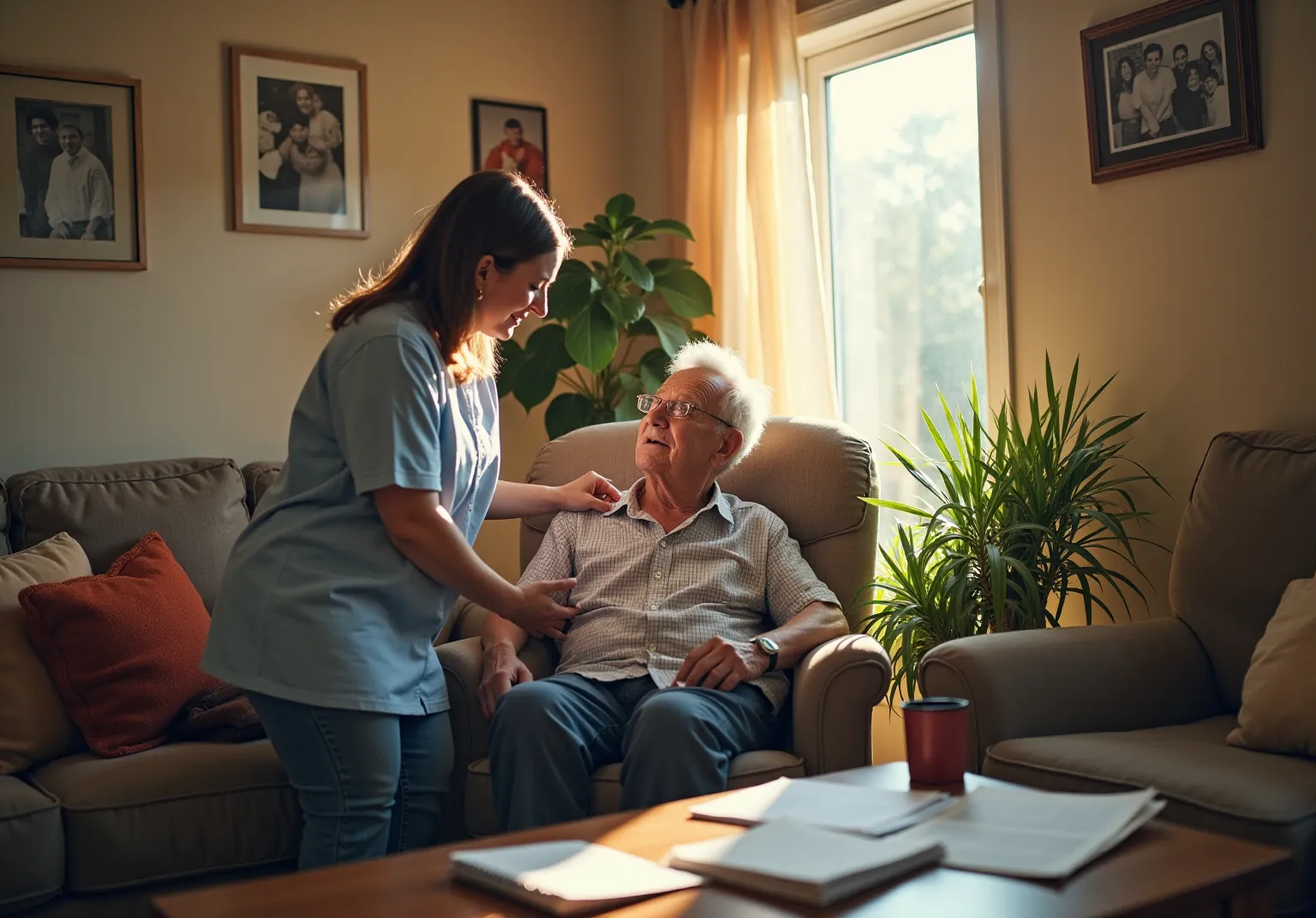
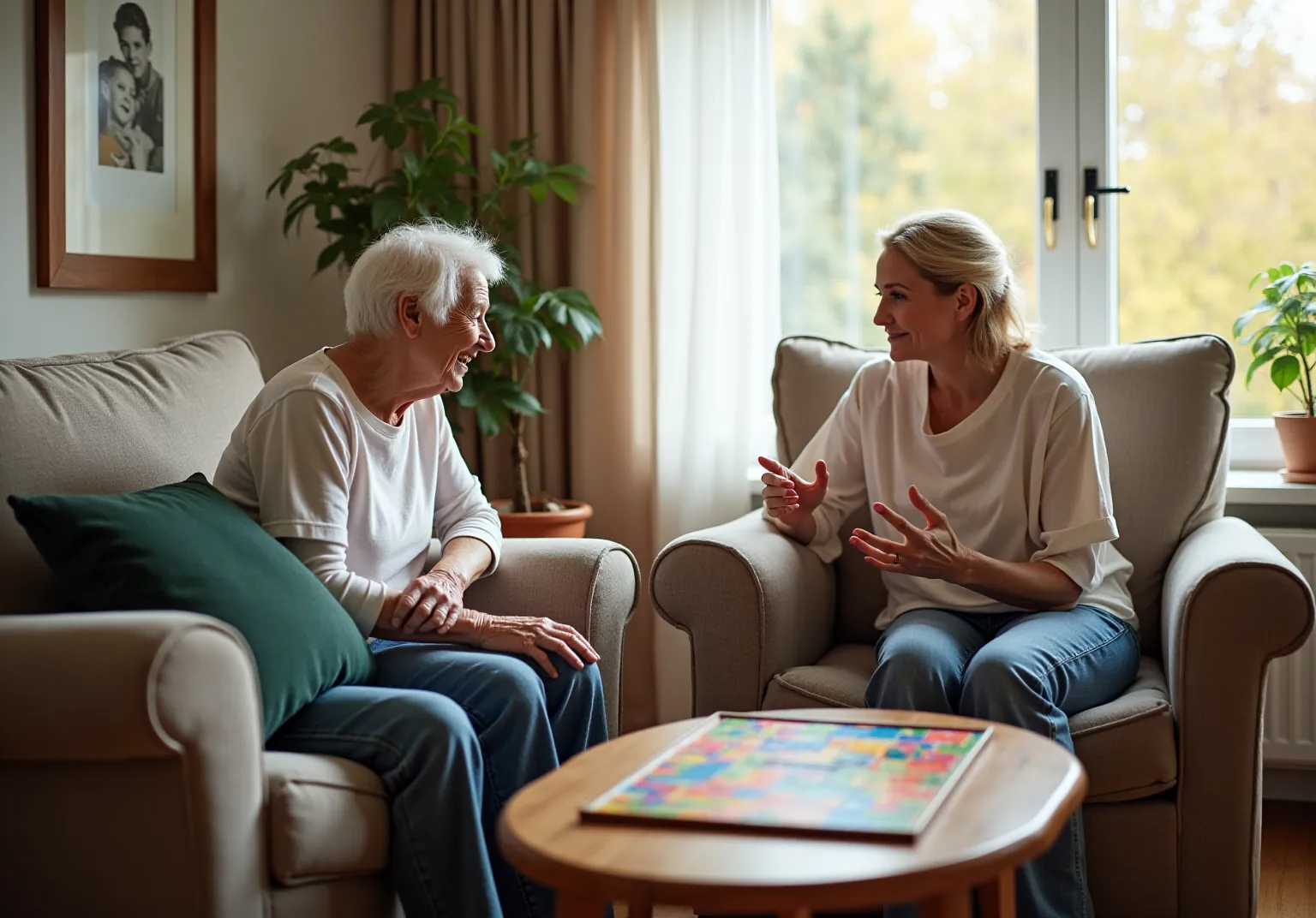
Why Non Medical Senior Home Care is Essential for Family
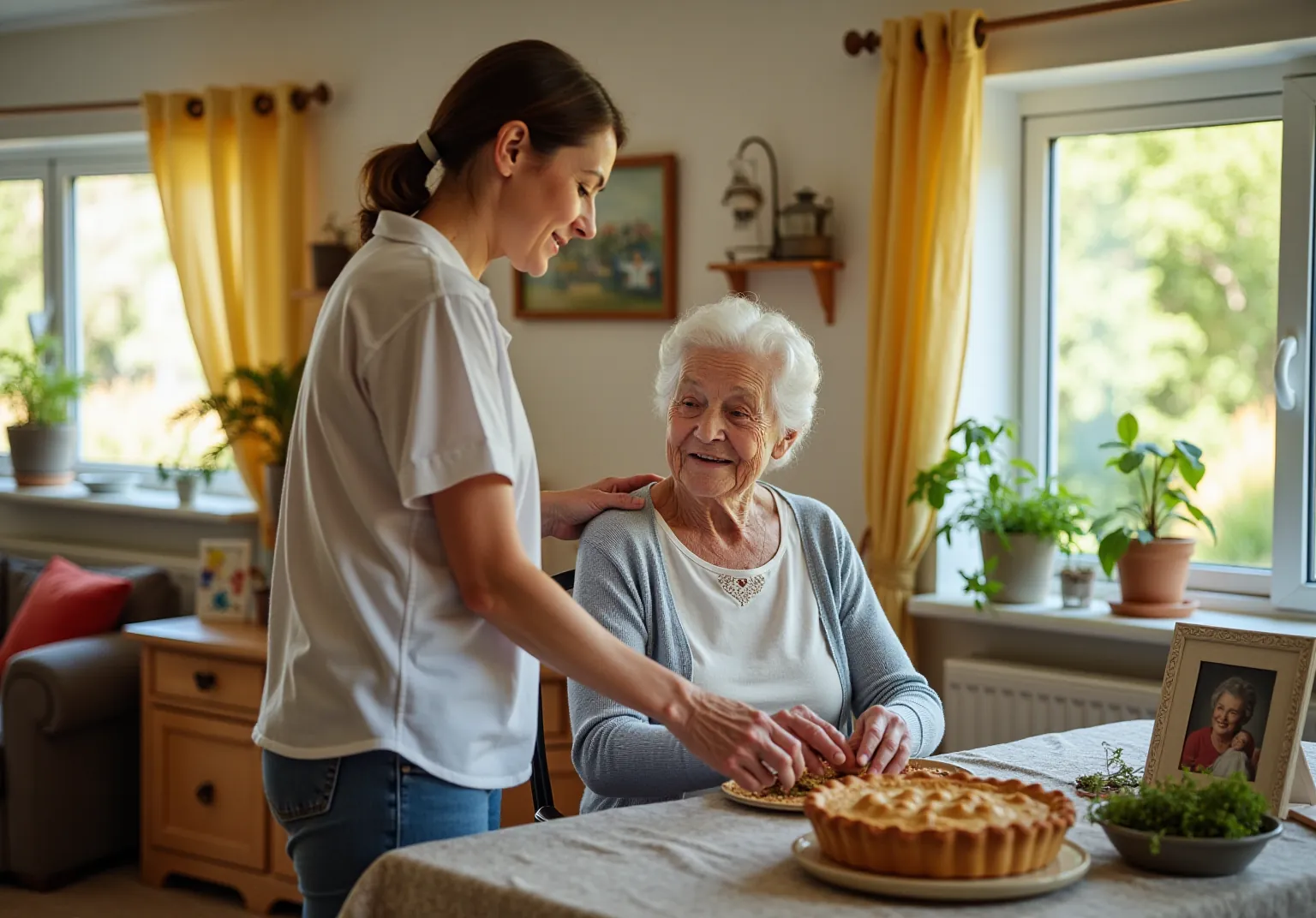
For families in our service areas
For families in our service areas, this guide explains home care and how non-medical in-home caregiving can support care planning in East Idaho, Treasure Valley & Magic Valley, Northern Wasatch, North Central West Virginia & Southwestern Pennsylvania, and Northeast Ohio.
The Importance of Why Non Medical Senior Home Care is
As the aging population continues to rise, the dynamics of caregiving are shifting dramatically. This change places immense pressure on family members tasked with providing support. With nearly 63 million Americans projected to take on caregiver roles by 2025, the need for effective, non-medical home care solutions has never been more critical.
These services not only enhance the quality of life for seniors but also offer respite and relief to overwhelmed caregivers. However, families face the challenge of navigating the complexities of caregiving while ensuring their loved ones receive the personalized attention they deserve.
To address these challenges, families can consider several practical solutions:
- Exploring local non-medical home care services can provide the necessary support.
- Establishing a caregiving schedule can help distribute responsibilities among family members, reducing individual stress.
- Seeking support groups can offer emotional relief and practical advice from others in similar situations.
Understand the Need for Non-Medical Home Care
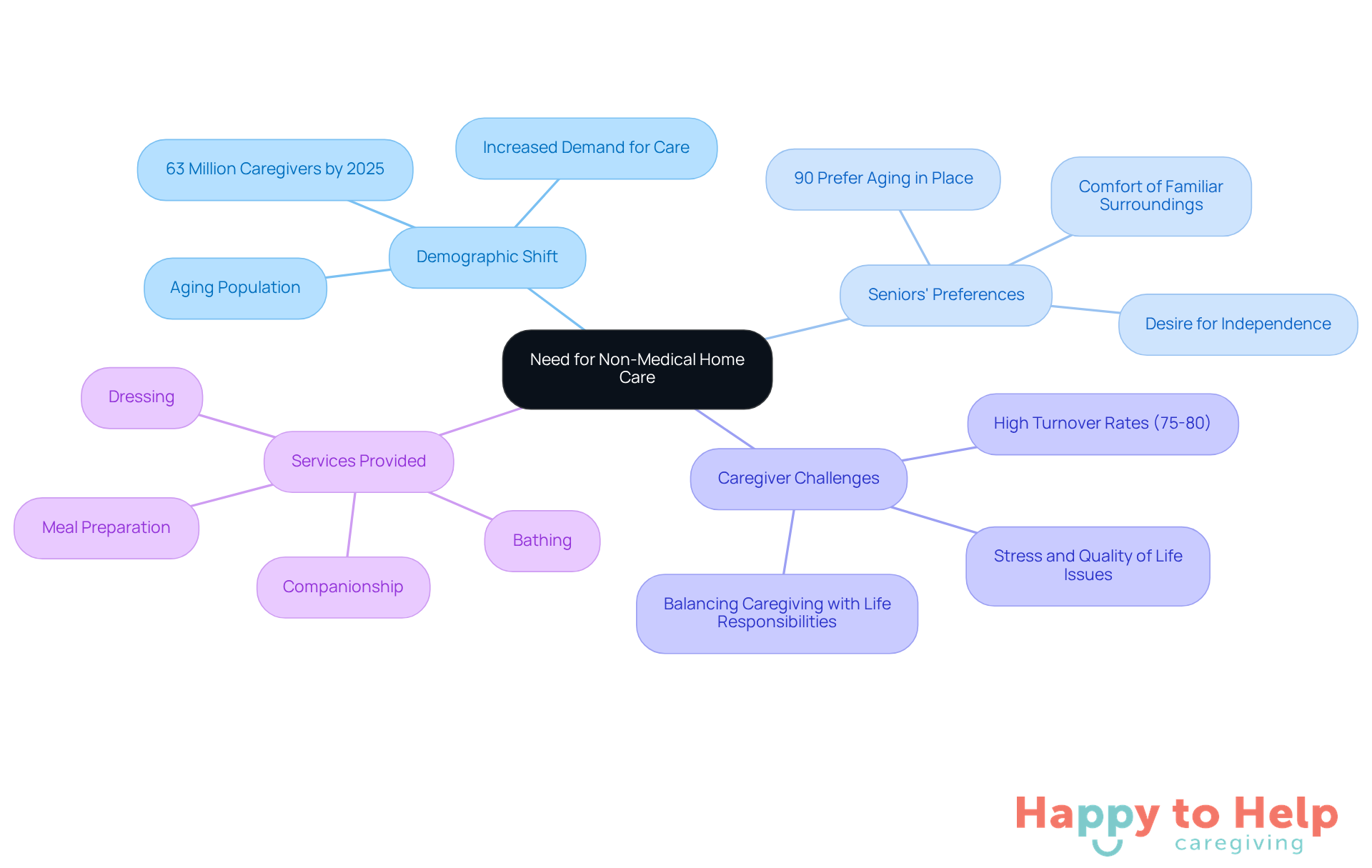
As the population ages, the challenge of providing adequate care becomes increasingly pressing. By 2025, an estimated 63 million Americans will be caregivers, reflecting a significant demographic shift. This growing number of seniors requires assistance with daily living activities, which can be overwhelming for families.
Many seniors, around 90%, prefer to age in place, valuing the independence and comfort of their familiar surroundings. However, this desire can place a heavy burden on caregivers, who often struggle to balance caregiving duties with other life responsibilities. The implications are clear: without proper support, both seniors and their caregivers may face increased stress and diminished quality of life.
Non-medical senior home care services provide a practical solution to this problem. These services provide essential support with activities of daily living (ADLs), such as:
- bathing
- dressing
- meal preparation
- companionship
By bridging the gap between seniors' needs and caregivers' capabilities, these services not only enhance the quality of life for seniors but also alleviate the strain on their families.
Research indicates a growing preference for non-medical senior home care over institutional care, highlighting its importance. Families can ensure their loved ones receive help in a comfortable and familiar setting, which is crucial for both well-being and peace of mind. In this way, non-medical senior home care plays a vital role in supporting the aging population and their caregivers.
Explore the Benefits of Non-Medical Home Care Services
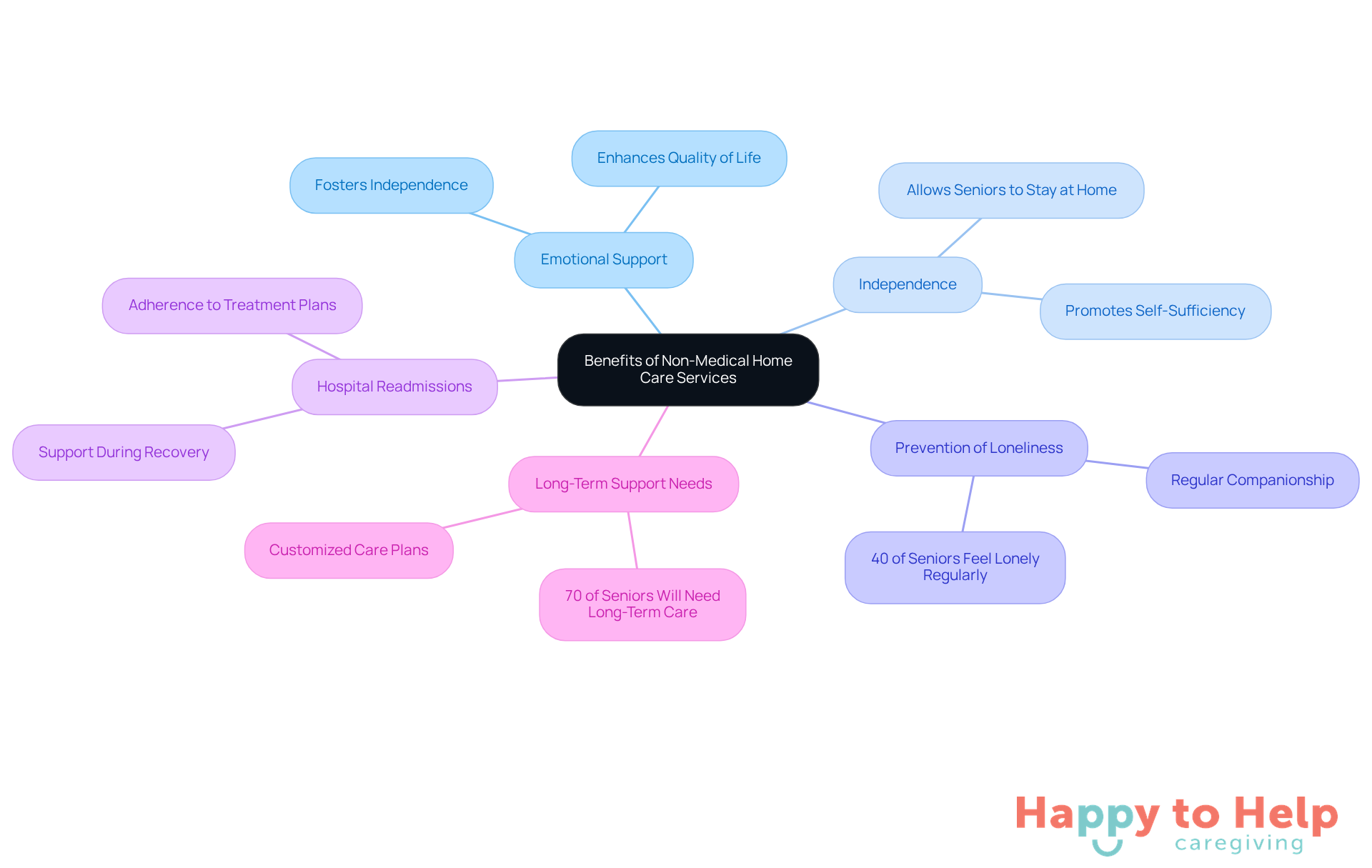
Non-medical home assistance addresses a significant problem: loneliness and isolation among seniors. Many older adults find themselves feeling disconnected, which can adversely affect their mental health. In fact, according to the Home Care Association of America, over 40% of seniors report feeling lonely regularly. This isolation can lead to serious emotional challenges, making it crucial to find effective solutions.
One effective solution is non-medical senior home care, which promotes independence by allowing clients to stay in their familiar surroundings while receiving necessary support. This arrangement not only fosters emotional well-being but also helps reduce feelings of loneliness. Regular companionship can significantly enhance the quality of life for seniors, providing them with the social interaction they need.
Moreover, non-medical assistance plays a vital role in preventing hospital readmissions. By offering essential support during recovery phases, caregivers can ensure that clients adhere to their treatment plans. This proactive approach not only aids in recovery but also provides families with peace of mind, knowing their loved ones are safe and well-cared for.
It's important to note that nearly 70% of individuals aged 65 and above will require some form of long-term support at some point. This statistic underscores the necessity of resources like non-medical senior home care assistance. The adaptability of these services allows for customized care that evolves with the client's needs, making it a sustainable option for long-term support.
In summary, non-medical senior home care not only enhances the lives of seniors by fostering independence and providing emotional support but also empowers families to navigate the complexities of caregiving with confidence.
Address the Challenges of Family Caregiving
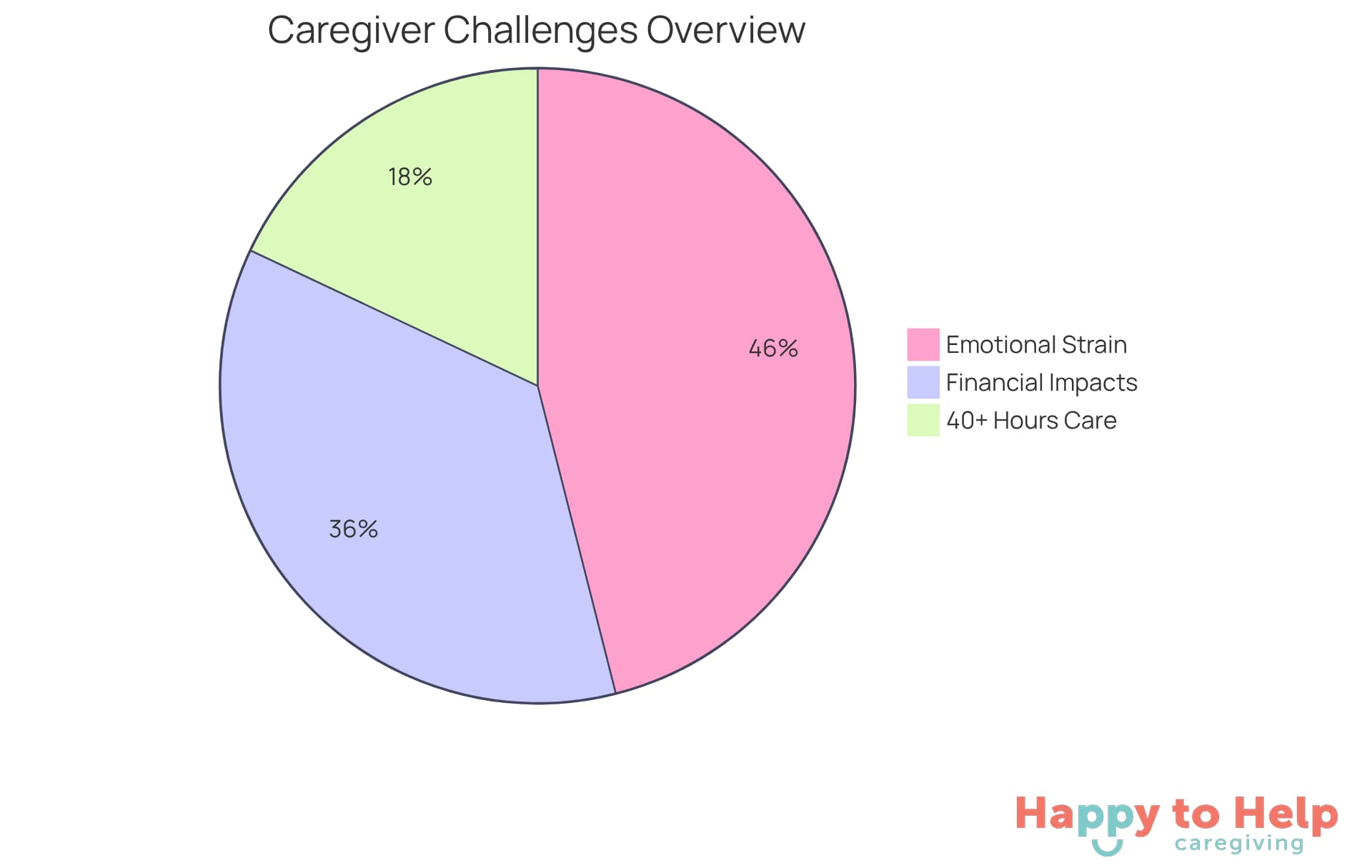
Family caregiving presents a significant challenge, often accompanied by high levels of stress. In fact, studies show that 64% of caregivers experience considerable emotional strain. This stress can lead to physical health declines, as caregivers frequently neglect their own well-being while focusing on their loved ones.
Financial strain compounds these challenges. Nearly half of caregivers report facing major financial impacts, such as incurring debt or struggling to meet essential needs. Many find themselves working fewer hours or even resigning from their jobs entirely, creating a cycle of stress and exhaustion that makes it increasingly difficult to provide necessary support.
Fortunately, non medical senior home care options can help alleviate some of these burdens. By offering respite assistance, these services allow caregivers to take much-needed breaks and recharge. Distributing caregiving responsibilities helps families maintain their health and wellness while ensuring that their loved ones receive the care they need.
Moreover, it's important to note that almost 1 in 4 caregivers provide over 40 hours of assistance each week. This statistic underscores the intensity of caregiving duties and the critical need for respite options. By recognizing these challenges and seeking support, caregivers can better manage their responsibilities and improve their overall well-being.
Highlight the Importance of Personalized Care Plans
Customized support strategies represent a significant challenge in effective non-medical home assistance services. Without a tailored approach, caregivers struggle to meet the distinct requirements, preferences, and objectives of each client, which can lead to poorer health outcomes and increased stress for both clients and caregivers.
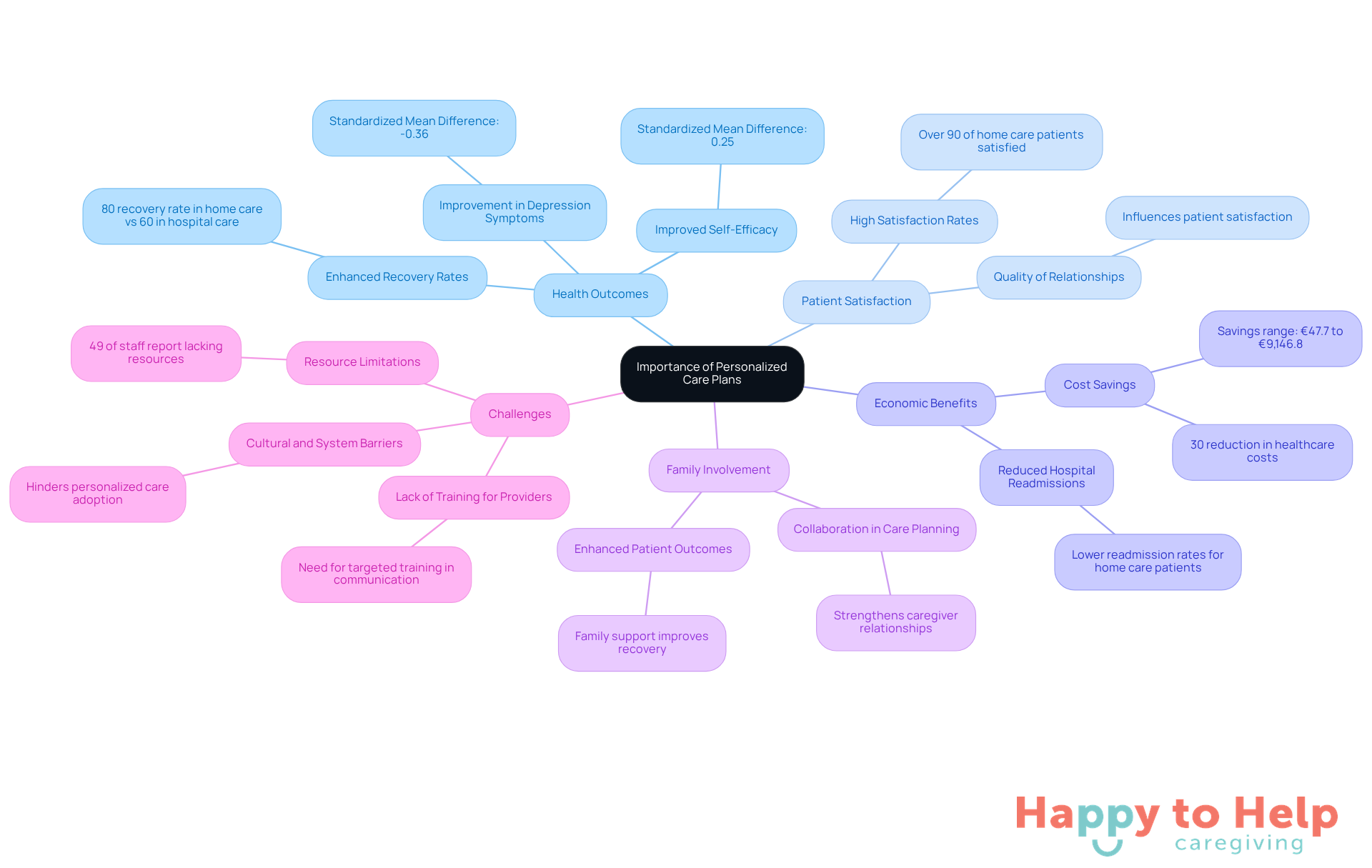
Research shows that individuals who actively participate in their care planning experience better health outcomes. For instance, a standardized mean difference of -0.36 in depression symptoms favors personalized treatment, and 31 out of 64 assessed home services significantly enhance patient satisfaction. This highlights the need for caregivers to develop customized support plans that not only improve the quality of assistance but also promote a sense of autonomy and control for clients, essential for their emotional well-being.
Moreover, economic evaluations indicate that home therapy can lead to substantial cost savings, ranging from €47.7 to €9,146.8. This underscores the financial benefits of personalized care planning, making it a practical solution for caregivers. For those supporting relatives, having an organized strategy can alleviate stress and provide clear direction on how to assist their loved ones effectively.
To foster a supportive atmosphere that encourages independence and dignity, it’s crucial to include family members in the planning process. This collaborative approach not only enhances the client’s experience but also strengthens the bond between caregivers and relatives, ultimately leading to better patient outcomes.
However, challenges such as a lack of training and resources for healthcare providers must be addressed to fully realize the potential of personalized care planning. By focusing on these solutions, caregivers can significantly improve the quality of care they provide.
Key Takeaways for Caregivers
The significance of non-medical senior home care is profound, especially as our aging population continues to grow. Caregivers face numerous challenges, including the emotional toll of caregiving and the risk of burnout. These services not only provide essential support for seniors wishing to maintain their independence but also alleviate the pressures faced by family caregivers.
By embracing non-medical home care, families can ensure that their loved ones receive the assistance they need while fostering a sense of comfort and familiarity in their own homes. This approach combats loneliness, enhances emotional well-being, and prevents hospital readmissions, creating a supportive environment that benefits both seniors and their families.
Investing in non-medical senior home care services is not just a practical choice; it’s a necessary one for families navigating the complexities of caregiving. Personalized care plans are crucial, as they tailor support to meet individual needs, ultimately leading to improved health outcomes and greater satisfaction.
As the demand for effective support systems continues to rise, prioritizing these resources can enhance the quality of life for loved ones while safeguarding the well-being of caregivers. Embracing non-medical home care will be pivotal in ensuring that both seniors and caregivers thrive in their respective roles.
https://iframe.tely.ai/cta/eyJhcnRpY2xlX2lkIjogIjY5M2Y1MGE0MTQ3ZTIwZjE1ODJjOWRlOCIsICJjb21wYW55X2lkIjogIjY4ZWU1ZGNhNzMxNzYyNTU3ZjNjOTVjMSIsICJpbmRleCI6IG51bGwsICJ0eXBlIjogImFydGljbGUifQ==Frequently Asked Questions
What is the main reason for the increasing need for non-medical home care?
The increasing need for non-medical home care is primarily due to the aging population, with an estimated 63 million Americans expected to be caregivers by 2025, reflecting a significant demographic shift.
What percentage of seniors prefer to age in place?
Around 90% of seniors prefer to age in place, valuing the independence and comfort of their familiar surroundings.
What challenges do caregivers face when providing care to seniors?
Caregivers often struggle to balance caregiving duties with other life responsibilities, leading to increased stress and a diminished quality of life for both seniors and their caregivers.
What types of support do non-medical senior home care services provide?
Non-medical senior home care services provide essential support with activities of daily living (ADLs), including bathing, dressing, meal preparation, and companionship.
How do non-medical senior home care services benefit families?
These services enhance the quality of life for seniors and alleviate the strain on their families by bridging the gap between seniors' needs and caregivers' capabilities.
Why is there a growing preference for non-medical senior home care over institutional care?
Families increasingly prefer non-medical senior home care because it allows their loved ones to receive help in a comfortable and familiar setting, which is crucial for both well-being and peace of mind.
List of Sources
- Understand the Need for Non-Medical Home Care
- Shortages In Non-Medical Home Care: Key Statistics For 2025 | A Better Solution Home Care Franchise Partners (https://homecarefranchisepartners.com/2025/10/22/shortages-in-non-medical-home-care-key-statistics-for-2025)
- The Importance of Non-Medical Home Care (https://starpointhomecare.org/news-resources/news-blog/the-importance-of-non-medical-home-care)
- Caregiving in the US 2025 (https://aarp.org/pri/topics/ltss/family-caregiving/caregiving-in-the-us-2025)
- The senior population is booming. Caregiving is struggling to keep up (https://cnbc.com/2025/11/21/senior-caregiving-labor.html)
- Explore the Benefits of Non-Medical Home Care Services
- Place-Agnostic Models Signal New Era For Home-Based Care, Senior Living (https://homehealthcarenews.com/2025/11/place-agnostic-models-signal-new-era-for-home-based-care-senior-living)
- 5 Benefits of Senior In-Home Care in 2025 | Valley Home Care (https://valleyhca.com/the-top-5-benefits-of-in-home-senior-care-for-aging-loved-ones-in-2025)
- 2025 Home Care Statistics: Trends & Insights To Know (https://premierhcinc.com/blog/home-care-statistics)
- Mid-Year Check-In: 7 Key Trends Shaping Non-Medical Home Care for the Rest of 2025 | Aaniie, formerly Smartcare Software (https://aaniie.com/news/key-trends-shaping-non-medical-home-care-for-the-rest-of-2025)
- Promoting Independence through In-Home Care (https://visitingangels.com/npr/news-info/promoting-independence-through-in-home-care/24383)
- Address the Challenges of Family Caregiving
- National Alliance for Caregiving: Caregiving in the US 2025 Report (https://johnahartford.org/resources/view/national-alliance-for-caregiving-caregiving-in-the-us-2025-report)
- Honoring America’s Family Caregivers, the Unseen Workforce Behind Our Health System - Medicare Rights Center (https://medicarerights.org/medicare-watch/2025/11/25/honoring-americas-family-caregivers-the-unseen-workforce-behind-our-health-system)
- New Report Reveals Crisis Point for America’s 63 million Family Caregivers - Massachusetts Healthy Aging Collaborative (https://mahealthyagingcollaborative.org/new-report-reveals-crisis-point-for-americas-63-million-family-caregivers)
- More Americans are family caregivers; states struggle to help them, report finds • Stateline (https://stateline.org/2025/07/25/more-americans-are-family-caregivers-states-struggle-to-help-them-report-finds)
- Opinion | America’s Caregivers Are in Crisis (https://nytimes.com/2025/11/24/opinion/caregiving-crisis.html)
- Highlight the Importance of Personalized Care Plans
- How Personalized Care Plans Enhance Medical Services in Long-Term Care (https://rosewood-nursing.com/post/how-personalized-care-plans-enhance-medical-services-in-long-term-care)
- The Impact of Personalized Home Health Plans on Recovery Outcomes (https://regencyhcs.com/blog/the-impact-of-personalized-home-health-plans-on-recovery-outcomes)
- Improving personalised care, through the development of a service evaluation tool to assess, understand and monitor delivery - PMC (https://pmc.ncbi.nlm.nih.gov/articles/PMC10481846)
- New Study Reveals Mixed Results in Advance Care Planning for Older Adults | Johns Hopkins Bloomberg School of Public Health (https://publichealth.jhu.edu/2024/new-study-reveals-mixed-results-in-advance-care-planning-for-older-adults)
- Home Care Impact on Recovery of Patient (A Statistics Report) (https://lovinghomecareinc.com/home-care-recovery-statistics)