
The Importance of Why the Department of Aging Chester
Caregivers play a crucial role in our society, yet their immense responsibilities often lead to significant emotional and physical challenges. This burden can result in caregiver burnout, a growing crisis that affects not only the caregivers themselves but also the loved ones they support.
Recognizing this pressing issue, the Department of Aging Chester County provides a lifeline through various support services designed to ease the burdens faced by these essential individuals. However, as the number of family caregivers continues to rise, it’s vital to explore how these resources can be effectively utilized.
To combat caregiver burnout and ensure that both caregivers and their loved ones thrive, it’s essential to take advantage of available support. This includes:
- Accessing respite care
- Joining support groups
- Utilizing educational resources
By implementing these solutions, caregivers can find relief and maintain their well-being.
Support Services Offered by the Department of Aging
Caregivers often face significant challenges in their essential roles, leading to stress and feelings of being overwhelmed. This can impact not only their well-being but also the quality of care they provide to older adults at home.
To address these issues, a range of support services designed specifically for caregivers is offered by the Department of Aging Chester County. These include:
- The Support Program, which aims to alleviate stress and enhance the assistance provided to older adults.
- Transportation help.
- Meal delivery.
- Home health visits.
These resources are crucial for maintaining the well-being of both caregivers and their loved ones.
By facilitating access to these vital services, the Department of Aging Chester County empowers caregivers, allowing them to focus on delivering quality care without the burden of logistical challenges.
Challenges Faced by Family Caregivers
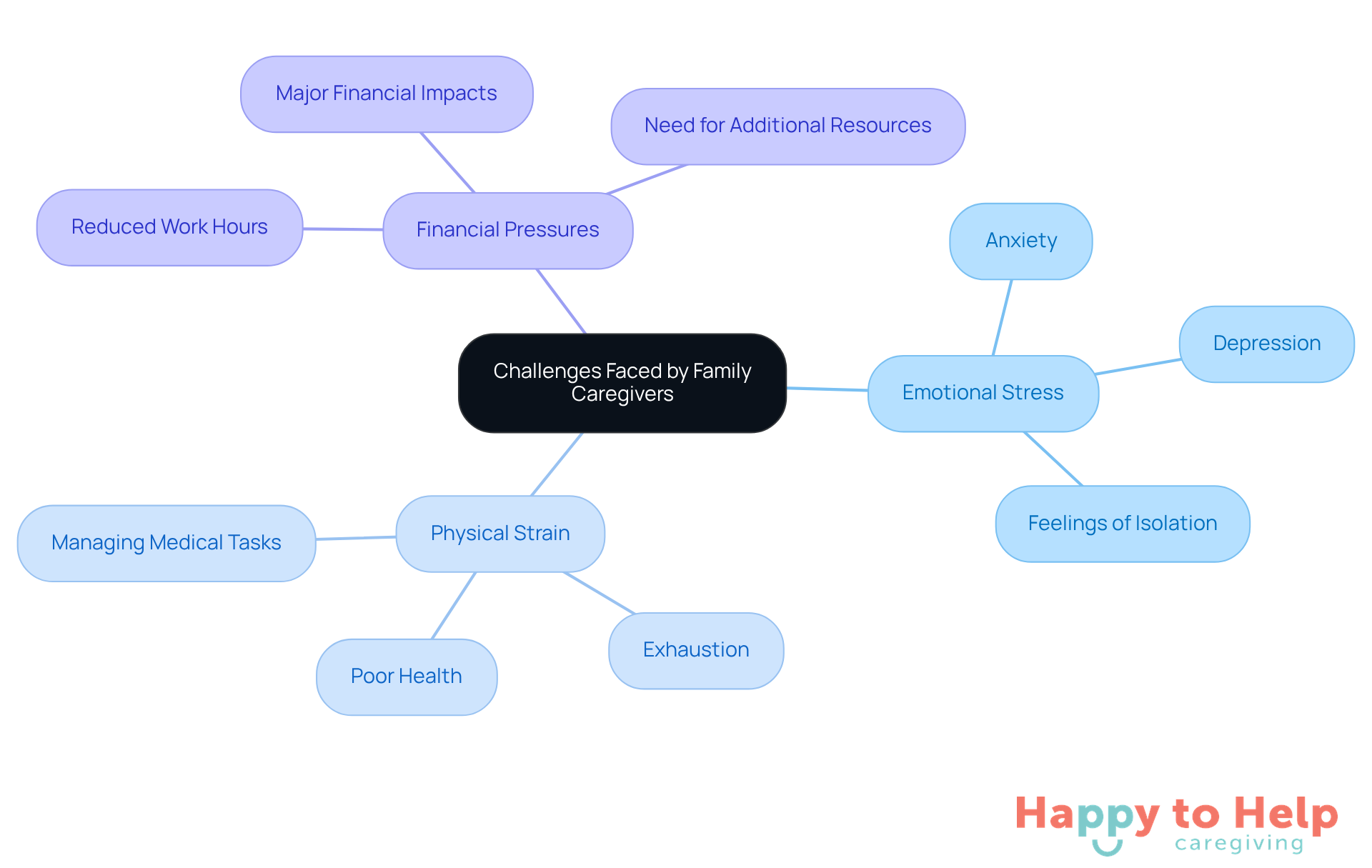
Family supporters often face significant challenges that can impact their well-being. These challenges include:
- Emotional stress from the responsibility of caring for a loved one
- Physical strain due to caregiving demands
- Financial pressures from reduced work hours or the need for additional resources
Almost half of caregivers report experiencing anxiety, depression, and other mental health issues, highlighting the emotional burden of their duties.
Physical stress is another critical aspect, with nearly 1 in 5 caregivers indicating they are in fair or poor health due to their responsibilities. Many individuals in supportive roles express feelings of isolation and exhaustion, which can lead to serious health problems. The complexities of managing medical appointments, medications, and daily care routines add to this stress.
To alleviate these pressures, caregivers should seek assistance from organizations like the department of aging chester county. Additionally, initiatives such as tax credits and paid leave can provide essential relief and resources. By advocating for these solutions, caregivers can better manage their responsibilities and improve their overall well-being.
Consequences of Insufficient Support for Caregivers
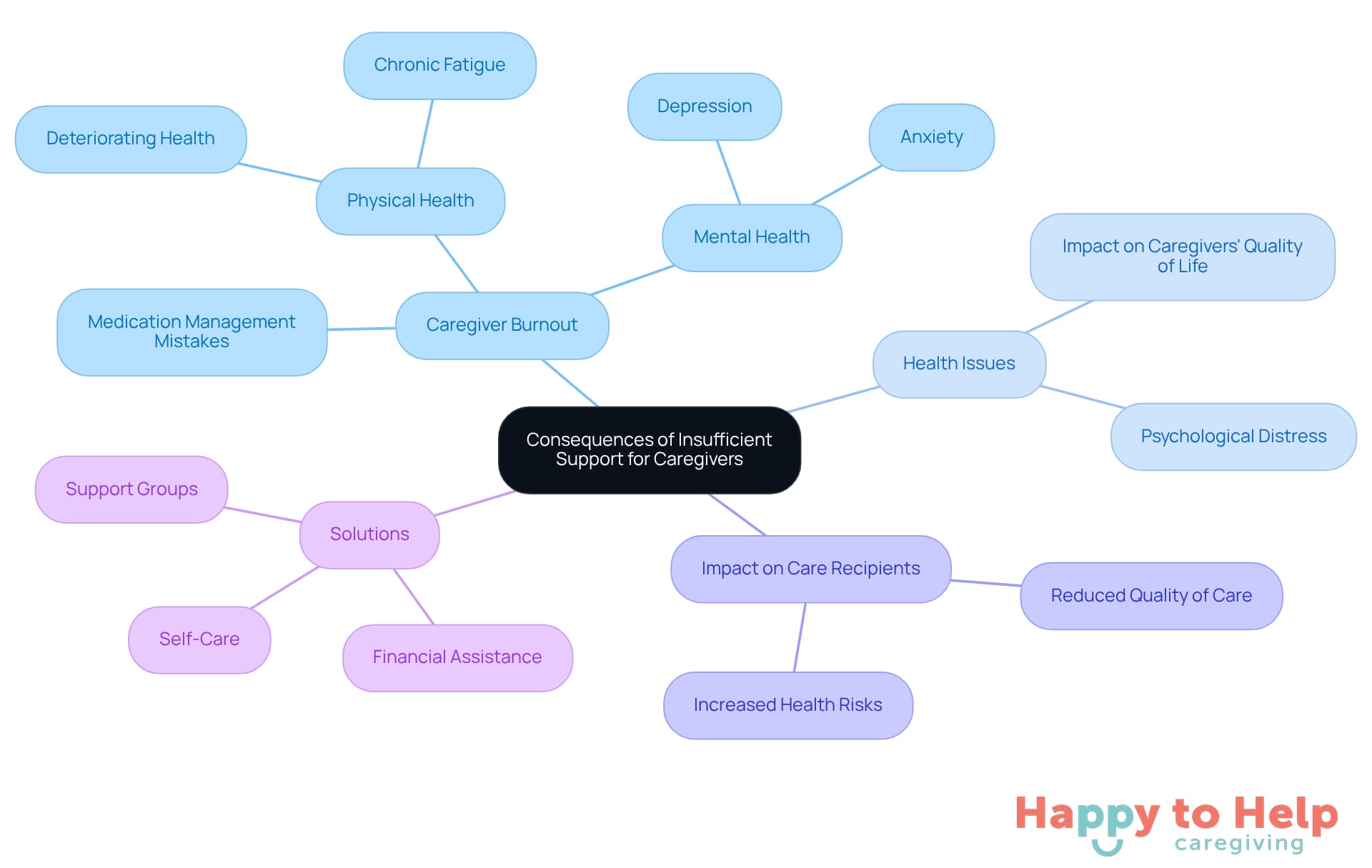
Caregiver burnout poses a significant problem, leading to serious repercussions for both caregivers and those they care for. This lack of sufficient assistance can result in physical and mental health issues, including depression, anxiety, and chronic fatigue. Such deterioration not only affects the caregiver's quality of life but also jeopardizes the support provided to their loved ones.
Research shows that caregivers experiencing high levels of stress are more likely to make mistakes in medication management, particularly when providing over 20 hours of assistance each week. This situation heightens psychological distress and can diminish the emotional support caregivers offer, creating a harmful cycle that impacts both parties.
With approximately 63 million Americans serving as family caregivers - a 45% increase over the past decade - the need for robust support systems is more critical than ever. Programs provided by the department of aging Chester County can alleviate the negative impacts of caregiver stress, ensuring that caregivers maintain their well-being and deliver high-quality assistance.
As Debra Barrett emphasizes, we must treat the mental health of family supporters with the same urgency as physical health, highlighting the emotional toll of caregiving. Additionally, financial pressure is widespread among caregivers, with over one-third reporting they have stopped saving due to caregiving duties, complicating their challenges further.
To address these issues, caregivers can:
- Seek out local support groups or resources.
- Prioritize self-care and mental health.
- Explore financial assistance programs designed for caregivers.
By implementing these solutions, caregivers can better manage their responsibilities while safeguarding their own health.
Alternative Resources for Family Caregivers
Caregivers often face significant challenges, including stress and financial strain. According to the National Alliance for Caregiving, individuals providing care dedicate an average of 27 hours each week to their responsibilities. This commitment can lead to feelings of isolation and increased pressure, making it crucial to seek assistance.
Research indicates that caregivers involved in support groups report reduced stress levels and a stronger sense of community. Nearly half of caregivers experience at least one adverse financial effect from their responsibilities, underscoring the importance of robust support systems.
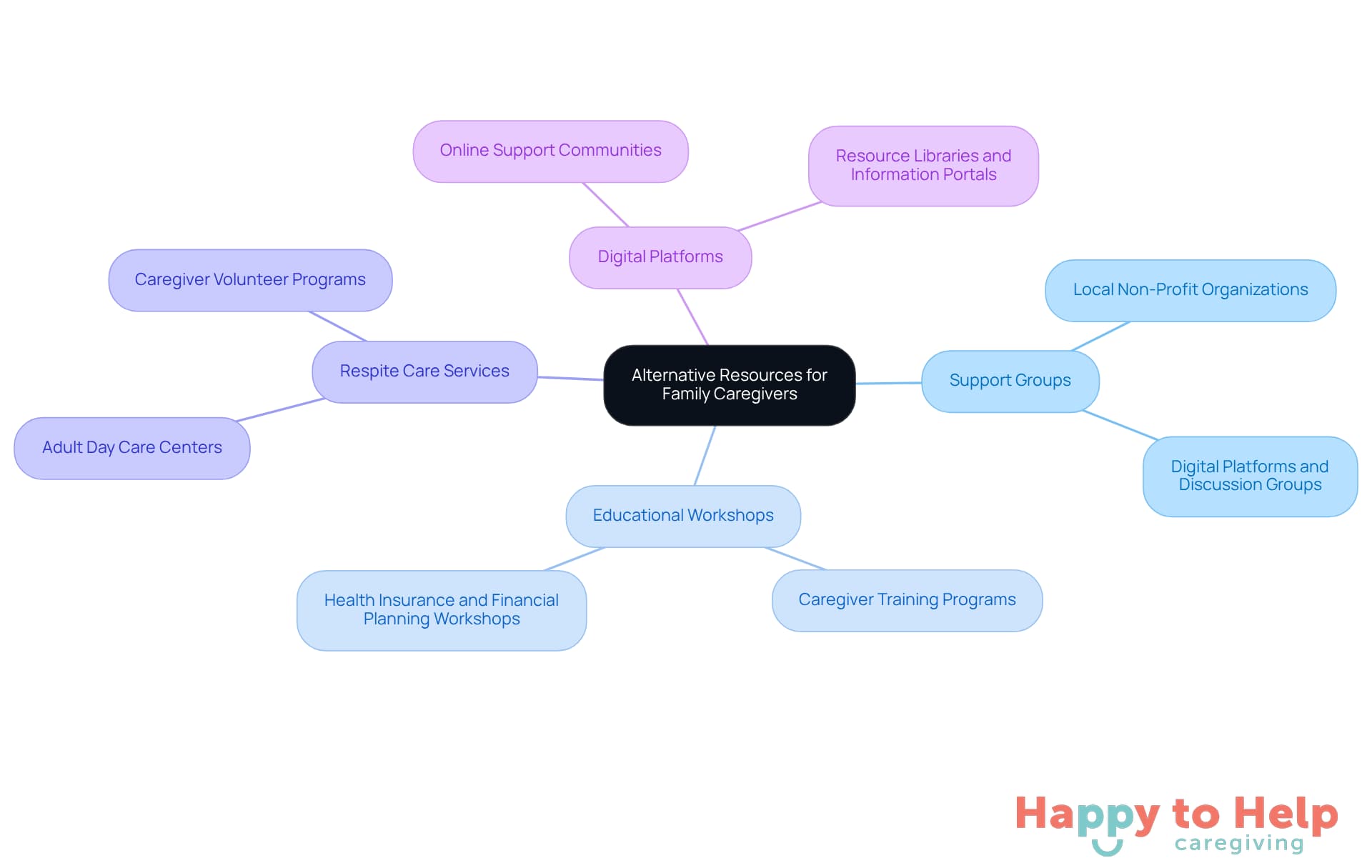
Fortunately, there are various resources available to help alleviate these burdens. Local non-profit organizations frequently offer:
- Assistance groups
- Educational workshops
- Respite care services
These resources can significantly reduce the pressure on caregivers, providing them with much-needed relief.
Digital platforms and discussion groups also play a vital role in connecting caregivers with others facing similar challenges. These online communities offer essential information and support, fostering a sense of belonging.
Additionally, many healthcare providers offer care coordination services, which can assist caregivers in managing their loved ones' medical needs. By exploring these alternative resources, caregivers can build a more robust support network, enhancing their ability to provide care effectively.
Taking the Next Steps
The importance of the Department of Aging Chester County cannot be overstated when it comes to supporting caregivers who face overwhelming challenges in their vital roles. Caregivers often encounter significant burdens, which can hinder their ability to provide high-quality care to their loved ones.
Key support services, such as:
- Transportation assistance
- Meal delivery
- Home health visits
play a crucial role in promoting the well-being of both caregivers and those they care for. However, the emotional and physical strains caregivers endure can be immense. Without adequate support, caregivers risk burnout, which can have detrimental effects on their health and the quality of care they provide.
To thrive, caregivers need robust support systems. Recognizing the challenges they face is the first step. Actively seeking resources can help caregivers manage their responsibilities while safeguarding their health. Engaging with local support groups, utilizing available services, and advocating for financial assistance are vital steps toward fostering a healthier caregiving environment.
The Department of Aging Chester County stands as a crucial ally in this endeavor, empowering caregivers to navigate their responsibilities with greater ease and resilience.
https://iframe.tely.ai/cta/eyJhcnRpY2xlX2lkIjogIjY5M2Y3NWIwZDBhZjMzZjhjODczZTZmZSIsICJjb21wYW55X2lkIjogIjY4ZWU1ZGNhNzMxNzYyNTU3ZjNjOTVjMSIsICJpbmRleCI6IG51bGwsICJ0eXBlIjogImFydGljbGUifQ==Frequently Asked Questions
What challenges do caregivers face?
Caregivers often experience significant challenges that lead to stress and feelings of being overwhelmed, which can impact their well-being and the quality of care they provide to older adults.
What support services does the Department of Aging Chester County offer for caregivers?
The Department of Aging Chester County offers several support services for caregivers, including a Support Program to alleviate stress, transportation help, meal delivery, and home health visits.
How do these support services benefit caregivers and older adults?
These resources are crucial for maintaining the well-being of both caregivers and their loved ones, allowing caregivers to focus on delivering quality care without the burden of logistical challenges.
List of Sources
- Support Services Offered by the Department of Aging
- More Than 60% Say Caregiving Increased Their Level of Stress, AARP Report Finds (https://aarp.org/caregiving/medical/report-caregiver-mental-health)
- Chester County Commissioners Call on Governor, General Assembly to Finalize Budget • Chester County, PA (https://chesco.org/m/newsflash/home/detail/1669)
- Senior Citizens News for Chester County - MyChesCo (https://mychesco.com/a/category/news/social-issues/senior-citizens)
- Challenges Faced by Family Caregivers
- Honoring America’s Family Caregivers, the Unseen Workforce Behind Our Health System - Medicare Rights Center (https://medicarerights.org/medicare-watch/2025/11/25/honoring-americas-family-caregivers-the-unseen-workforce-behind-our-health-system)
- New Report Reveals Crisis Point for America’s 63 million Family Caregivers - Massachusetts Healthy Aging Collaborative (https://mahealthyagingcollaborative.org/new-report-reveals-crisis-point-for-americas-63-million-family-caregivers)
- Caregiving’s Mental Health Crisis (https://forbes.com/sites/otsuka/2025/10/02/caregivings-mental-health-crisis)
- Opinion | America’s Caregivers Are in Crisis (https://nytimes.com/2025/11/24/opinion/caregiving-crisis.html)
- New State-by-State Data Expose the Crushing Financial Strain of Family Caregiving — and Call for Immediate Federal and State Action (https://press.aarp.org/2025-10-28-New-Data-Expose-Financial-Strain-of-Family-Caregiving)
- Consequences of Insufficient Support for Caregivers
- 'I don't know where to start.' Parents and caregivers are burned out. Who's most at risk? (https://usatoday.com/story/money/2025/04/04/parents-caregivers-burnt-out-help/82695959007)
- Caregiving’s Mental Health Crisis (https://forbes.com/sites/otsuka/2025/10/02/caregivings-mental-health-crisis)
- Caregiving Crisis: 45% Increase in Americans Providing Care (https://aarp.org/caregiving/basics/caregiving-in-us-survey-2025)
- Caregivers Face Mental, Physical Health Risks (https://usnews.com/news/health-news/articles/2025-01-07/caregivers-face-mental-physical-health-risks)
- What Is the Caregiver Crisis? | Johns Hopkins Bloomberg School of Public Health (https://publichealth.jhu.edu/2025/what-is-the-caregiver-crisis)
- Alternative Resources for Family Caregivers
- New caregiving report offers multiple story ideas for journalists (https://healthjournalism.org/blog/2025/08/new-caregiving-report-offers-multiple-story-ideas-for-journalists)
- National Alliance for Caregiving: Caregiving in the US 2025 Report (https://johnahartford.org/resources/view/national-alliance-for-caregiving-caregiving-in-the-us-2025-report)
- The Hidden Cost of Aging: How America's Care Crisis Is Reshaping Family Life - WorldHealth.net (https://worldhealth.net/news/hidden-cost-of-aging-america-crisis-reshaping)
- Resources to support new caregivers (https://uhc.com/news-articles/healthy-living/resources-to-support-new-caregivers)
- Family Caregiver Support, Education Needs Growing (https://hospicenews.com/2025/11/11/family-caregiver-support-education-needs-growing)