Your Guide to Temporary Care for Seniors: 4 Essential Steps

For families in our service areas
For families in our service areas, this guide explains caregiving and how non-medical in-home caregiving can support care planning in East Idaho, Treasure Valley & Magic Valley, Northern Wasatch, North Central West Virginia, and Northeast Ohio.
Why Your Guide to Temporary Care Matters
Temporary care for seniors has become a vital resource for families facing the challenges of caregiving. As the number of family caregivers increases, so does the need for effective respite solutions. These solutions not only support the elderly but also help ease the significant burden on caregivers.
However, families often grapple with various options and financial considerations. This complexity can lead to confusion and stress when trying to make the best choices for their loved ones. How can families navigate this landscape to ensure they find the right temporary care?
This guide outlines essential steps for locating and coordinating temporary care. By providing valuable insights, it empowers caregivers to prioritize their well-being while delivering quality support to their seniors.
Understand Respite Care Basics
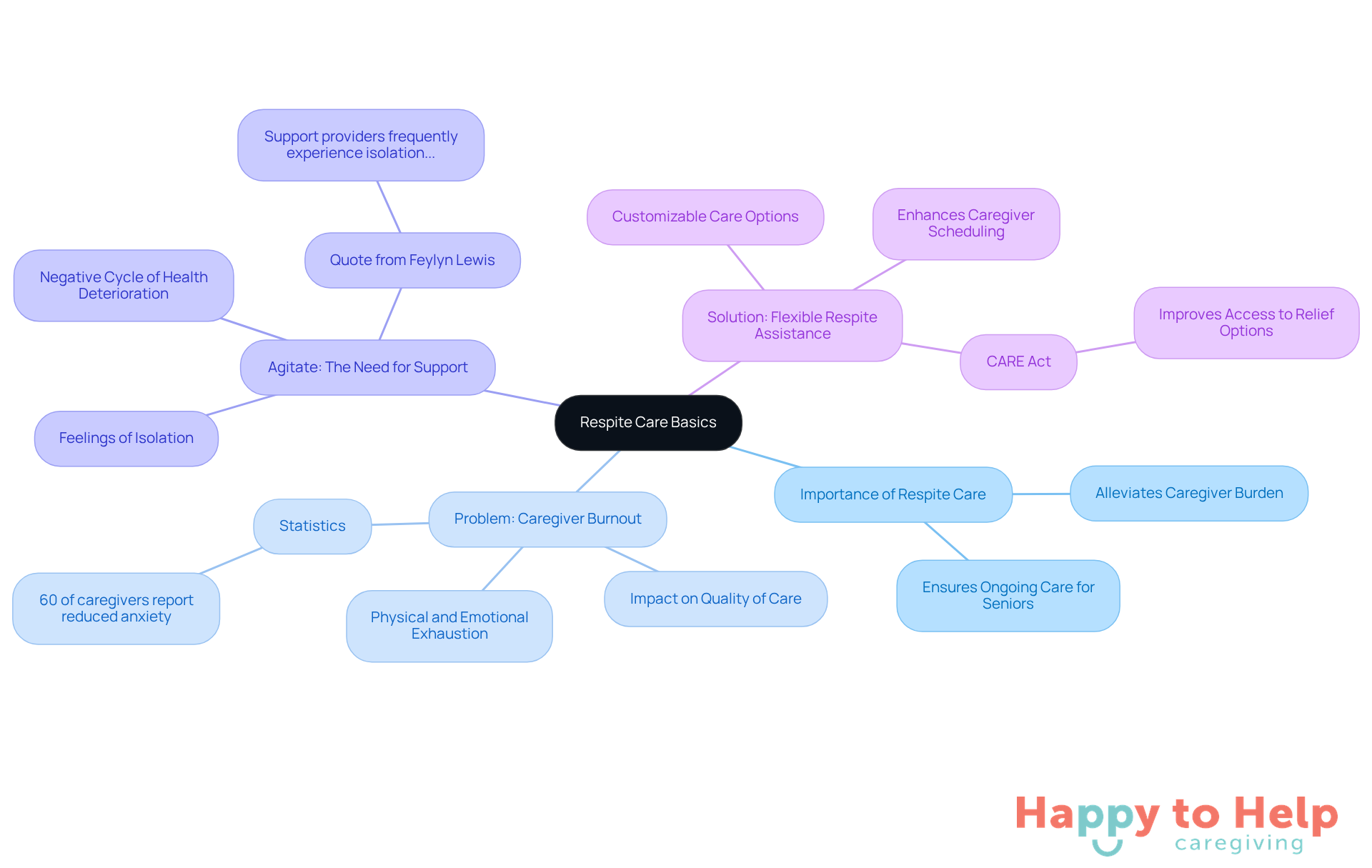
Respite assistance serves as a vital system for temporary care for seniors, designed to alleviate the burden on primary caregivers, allowing them to take necessary breaks while ensuring their loved ones receive ongoing care. This service can be offered in various settings, such as in-home environments, adult day programs, or residential facilities.
Problem: Caregiver Burnout
Continuous caregiving can lead to significant physical and emotional exhaustion. This burnout not only affects the caregiver's well-being but also impacts the quality of care provided to their loved ones. Research indicates that caregivers who utilize relief programs experience reduced stress and improved mental health. In fact, a survey found that nearly 60% of caregivers reported feeling less anxious after accessing respite services.
Agitate: The Need for Support
Caregivers often face feelings of isolation and overwhelming responsibility. This can create a negative cycle where the caregiver's health deteriorates, leading to decreased quality of care for the recipient. As healthcare expert Feylyn Lewis notes, "Support providers frequently experience isolation, and respite assistance can offer them the essential backing to reestablish connections with their own lives."
Solution: Flexible Respite Assistance
Respite assistance can be customized to meet specific needs, whether for a few hours, days, or even weeks. This flexibility allows caregivers to schedule breaks that fit their personal circumstances, ultimately enhancing the temporary care for seniors they provide to their family members. The Respite Care and Resources for Everyone (CARE) Act aims to improve access to these adaptable relief options, ensuring caregivers can find the assistance they need.
By understanding these critical aspects, families can effectively incorporate respite assistance into their caregiving strategies, ensuring that both caregivers and recipients benefit from this essential support system.
Identify and Locate Respite Care Services
Finding suitable respite care services can be a daunting task for caregivers. With nearly 4 in 10 family supporters considering temporary care for seniors as their most significant service requirement, the need for effective solutions is clear. The number of family caregivers has surged from 18 million in 2011 to 24 million in 2022, highlighting the increasing demand for support.
To address these challenges, follow these essential steps:
- Evaluate Your Requirements: Identify the extent of assistance needed, the length of relief desired, and any specific preferences for support, such as in-home versus facility-based options.
- Research Local Providers: Use online resources like the ARCH National Respite Network to find temporary support options in your area. Local agencies on aging can also provide valuable insights and recommendations.
- Ask for Recommendations: Consult healthcare professionals, social workers, or fellow caregivers for suggestions on trustworthy relief providers. Their firsthand experiences can guide you toward reliable options.
- Contact Providers: Reach out to potential providers to inquire about their offerings, availability, and any specific requirements they may have. This step is crucial for understanding how well they can meet your needs.
- Visit Facilities: If considering facility-based short-term assistance, arrange visits to evaluate the surroundings and meet the personnel. Observing the setting and interactions can provide peace of mind regarding your choice.
By following these steps, families can effectively identify and locate temporary support options that align with their specific needs, ensuring a supportive environment for their loved ones. As Jim Rohn said, "Kindness is the language that the deaf can hear and the blind can see," reminding us of the compassionate nature of caregiving.

Evaluate Costs and Financial Options for Respite Care
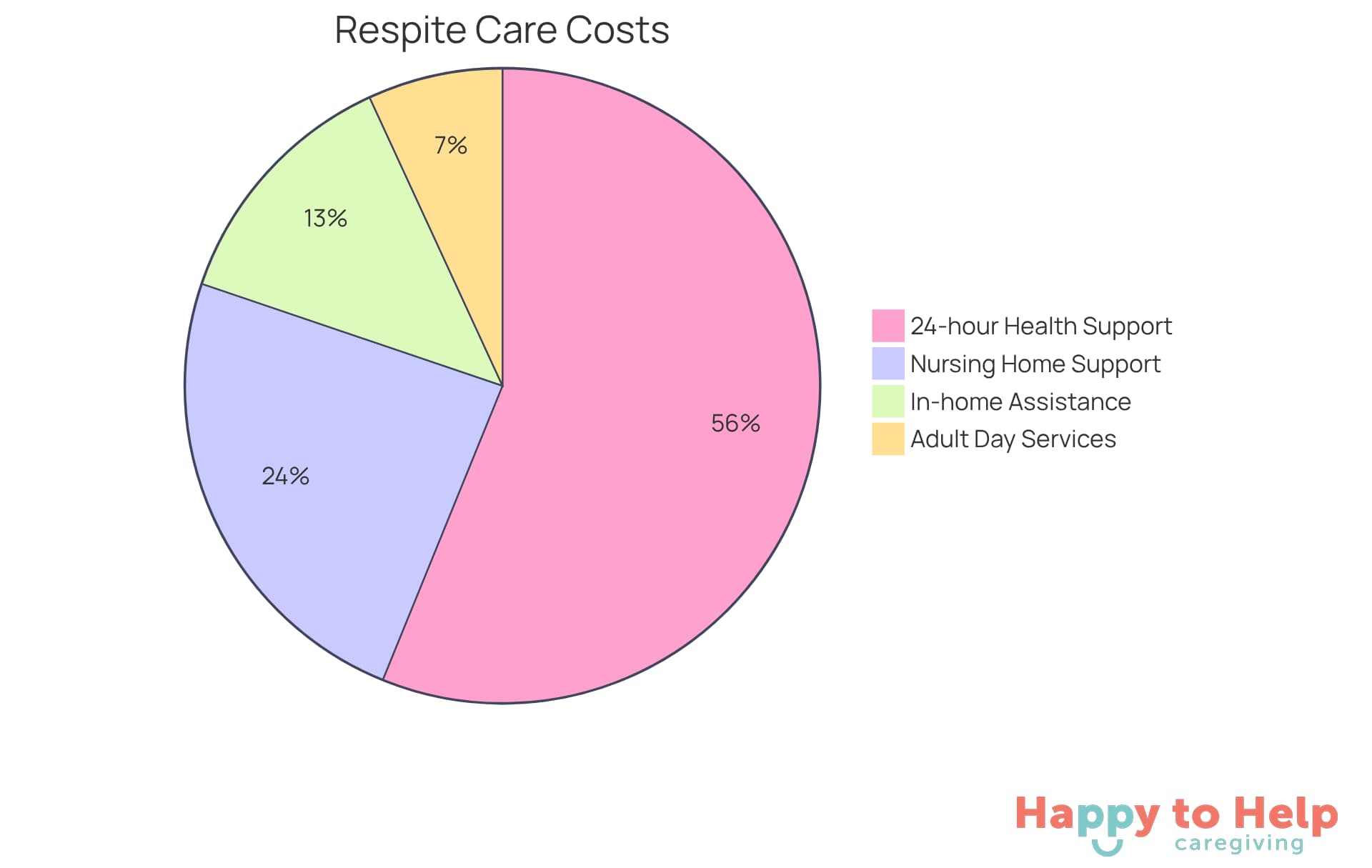
Evaluating the costs of respite care can be a daunting task for caregivers. Understanding the various pricing models is crucial, as respite services can be billed hourly, daily, or as a flat fee for a set period. For instance:
- In-home assistance averages $188 per day for homemaker services.
- 24-hour in-home health support can reach $817 per day.
- Facility-based services average $100 per day for adult day services and can exceed $350 for nursing home support.
Insurance coverage adds another layer of complexity. It’s essential to consult with your insurance provider about coverage for temporary care for seniors. Medicare may cover up to 95% of expenses related to temporary care for seniors for qualifying individuals, particularly those receiving hospice support, allowing for up to 5 consecutive days of help. However, coverage is not available if there is no identifiable caregiver or if the individual resides in a facility offering round-the-clock assistance.
Financial assistance programs can also provide relief. Numerous local and national programs offer financial support for short-term respite services. For example:
- The National Family Caregiver Support Program provides grants and vouchers to help reduce expenses.
- The Lifespan Respite Support Program and Medicaid waivers may assist low-income families with costs related to temporary care for seniors.
Budgeting is a critical step in managing these expenses. Developing a financial plan that incorporates potential relief service costs alongside other caregiving expenses is vital. This proactive approach helps families prepare for both immediate needs and future financial responsibilities. Financial advisors recommend considering all potential costs and exploring various funding options to ensure comprehensive planning.
By thoroughly assessing expenses and examining financial alternatives, families can better navigate the monetary aspects of temporary care for seniors, ensuring they can provide essential support for their loved ones.
Coordinate with Family and Other Caregivers
Coordinating temporary care for seniors can be a significant challenge for caregivers, leading to stress and confusion. Without clear communication and defined roles, the experience can become overwhelming for both caregivers and care recipients.
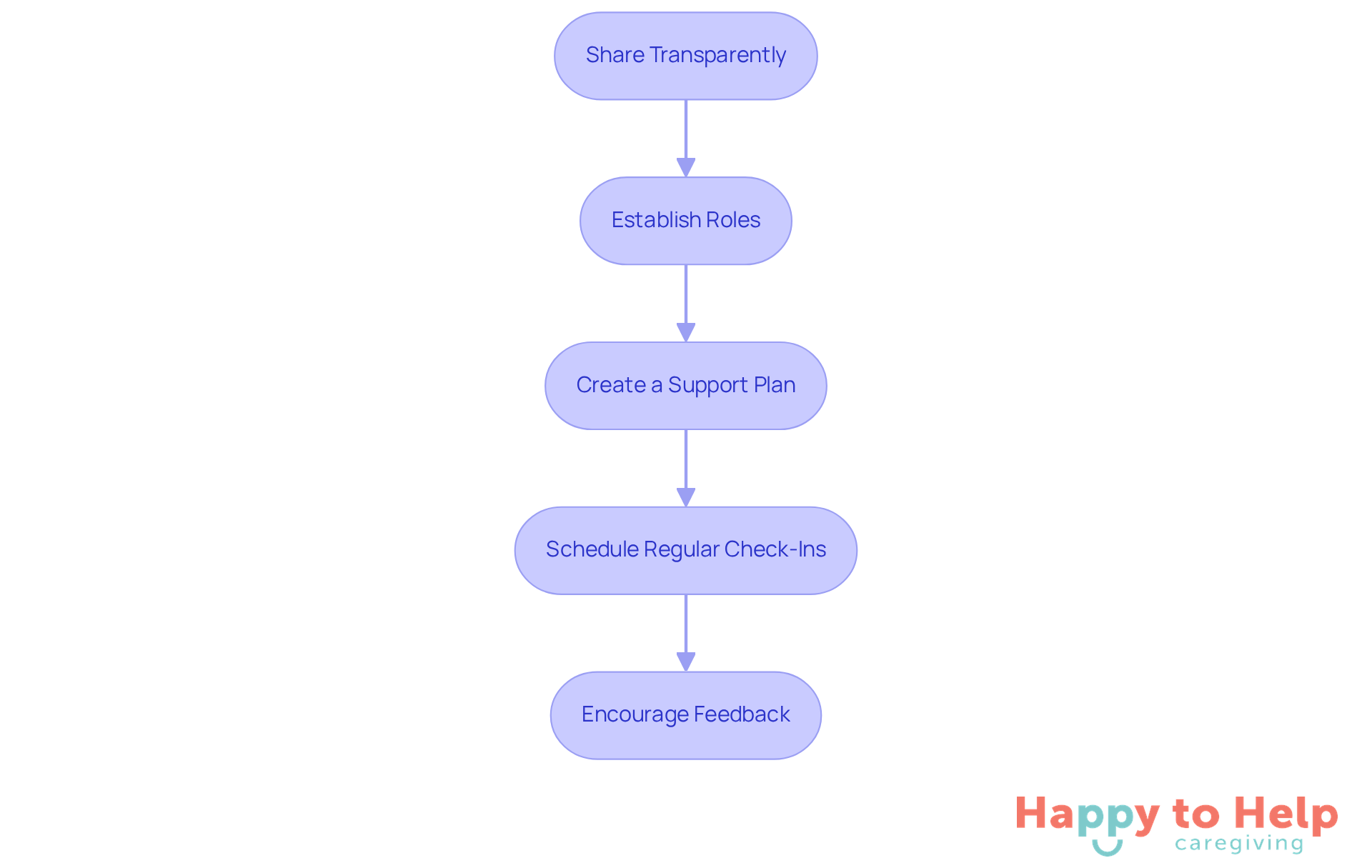
To address these issues, consider the following actionable steps:
-
Share Transparently: Begin discussions about the need for respite care with family members and other support providers. It’s crucial that everyone understands the reasons for seeking relief and the benefits it brings. Open communication fosters trust and collaboration, which are essential for a successful caregiving experience.
-
Establish Roles: Clearly define the roles and responsibilities of each participant involved. This clarity helps avoid confusion and ensures that all aspects of care are adequately addressed. For example, one caregiver might handle daily personal hygiene, while another manages medication schedules.
-
Create a Support Plan: Develop a detailed support plan that outlines the recipient's needs, preferences, and specific instructions for respite providers. Sharing this plan with all involved ensures everyone is aligned and can provide consistent support. Include relevant medical information and emergency contacts to enhance safety.
-
Schedule Regular Check-Ins: Arrange consistent meetings to discuss the recipient's progress and any necessary adjustments to the support plan. Ongoing communication fosters collaboration and allows for timely modifications based on the recipient's evolving needs. Research shows that caregivers who engage in regular communication report higher satisfaction and lower stress levels.
-
Encourage Feedback: Create an environment where support providers feel comfortable sharing their thoughts on the respite experience. This openness allows for continuous improvement in service delivery and enhances overall satisfaction for both providers and recipients. Notably, 40% of caregivers report that their responsibilities negatively impact their stress levels, highlighting the importance of addressing concerns promptly.
By effectively coordinating temporary care for seniors, families can ensure a positive experience for both caregivers and care recipients, ultimately leading to better outcomes and reduced caregiver stress.
Moving Forward with Your Guide to Temporary Care
Temporary care for seniors is more than just a service; it’s a lifeline for both caregivers and those they care for. Caregiver burnout is a significant issue, leading to stress and exhaustion that can affect the quality of care provided. By understanding the fundamentals of respite care, families can alleviate this burden, ensuring their loved ones receive the quality care they deserve.
Recognizing caregiver burnout is crucial. Families should:
- Identify suitable respite care services
- Evaluate costs
- Coordinate care with family and other caregivers
Each of these steps is vital in building a sustainable caregiving plan that prioritizes the well-being of both caregivers and seniors. The flexibility of respite assistance allows for tailored solutions that meet individual needs, ultimately fostering a healthier caregiving environment.
The journey toward effective temporary care for seniors isn’t just about finding services; it’s about creating a supportive community that values caregivers' contributions. Families are encouraged to take proactive steps in their caregiving strategies. This includes:
- Seeking out resources
- Engaging in open discussions
- Exploring financial options
By doing so, they can ensure that both caregivers and recipients thrive, reinforcing the essential message that respite care is a vital component of compassionate and effective caregiving.
https://iframe.tely.ai/cta/eyJhcnRpY2xlX2lkIjogIjY5MjBmZDdhYzQ4NjU1NjRkNDliYzZiMyIsICJjb21wYW55X2lkIjogIjY4ZWU1ZGNhNzMxNzYyNTU3ZjNjOTVjMSIsICJpbmRleCI6IG51bGwsICJ0eXBlIjogImFydGljbGUifQ==Frequently Asked Questions
What is respite care?
Respite care is a temporary care service for seniors that provides relief to primary caregivers, allowing them to take necessary breaks while ensuring their loved ones receive ongoing care.
Where can respite care be provided?
Respite care can be offered in various settings, including in-home environments, adult day programs, or residential facilities.
What is caregiver burnout?
Caregiver burnout refers to the physical and emotional exhaustion that caregivers experience from continuous caregiving, which can negatively impact their well-being and the quality of care they provide.
How does respite care help caregivers?
Research indicates that caregivers who utilize respite services experience reduced stress and improved mental health, with nearly 60% reporting feeling less anxious after accessing these services.
What challenges do caregivers face?
Caregivers often feel isolated and overwhelmed by their responsibilities, which can lead to a decline in their health and a decrease in the quality of care for their loved ones.
How can respite assistance be customized?
Respite assistance can be tailored to meet specific needs, whether for a few hours, days, or even weeks, allowing caregivers to schedule breaks that fit their personal circumstances.
What is the CARE Act?
The Respite Care and Resources for Everyone (CARE) Act aims to improve access to flexible respite options, ensuring that caregivers can find the assistance they need.
How can families incorporate respite assistance into their caregiving strategies?
By understanding the critical aspects of respite care, families can effectively integrate this support system into their caregiving approaches to benefit both caregivers and recipients.
List of Sources
- Understand Respite Care Basics
- It’s Time to Care for Caregivers: Senator Markey Announces Comprehensive Family Caregiving Legislative Agenda | U.S. Senator Ed Markey of Massachusetts (https://markey.senate.gov/news/press-releases/11/20/2025/its-time-to-care-for-caregivers-senator-markey-announces-comprehensive-family-caregiving-legislative-agenda)
- Improving Support for Family Caregivers (https://nationalacademies.org/news/2025/07/improving-support-for-family-caregivers)
- News & Updates | ARCH National Respite Network & Resource Center (https://archrespite.org/news)
- Caregivers and the Importance of Respite Care (https://benedictineliving.org/resources/news/caregivers-and-the-importance-of-respite-care)
- Federal budget committee greenlights millions in spending for family caregivers, respite services (https://mcknightshomecare.com/news/federal-budget-committee-greenlights-millions-in-spending-for-family-caregivers-respite-services)
- Identify and Locate Respite Care Services
- Respite Facts and Talking Points | ARCH National Respite Network & Resource Center (https://archrespite.org/policy/respite-facts-and-talking-points)
- The World's Best Caregiving Quotes to Inspire Your Career | Visiting Angels Prescott (https://visitingangels.com/prescott/articles/the-worlds-best-caregiving-quotes-to-inspire-your-career/19696)
- Fact Sheet: Trends in Family Care for Older Americans (https://prb.org/resources/fact-sheet-trends-in-family-care-for-older-americans)
- Number of Family Caregivers Supporting Older Adults Increased Nearly One-Third Between 2011 and 2022 | Johns Hopkins Bloomberg School of Public Health (https://publichealth.jhu.edu/2025/number-of-family-caregivers-supporting-older-adults-increased-nearly-one-third-between-2011-and-2022)
- New Resources Available for Improving Respite Care Services for Caregivers | ACL Administration for Community Living (https://acl.gov/news-and-events/announcements/new-resources-available-improving-respite-care-services-caregivers)
- Evaluate Costs and Financial Options for Respite Care
- Who Pays For Respite Care? [Payment Options & FAQs] (https://alwaysbestcare.com/resources/who-pays-for-respite-care)
- Does Medicare pay for respite care? (https://medicalnewstoday.com/articles/does-medicare-pay-for-respite-care)
- Respite Care Costs | How Much Does it Cost for Respite Care in 2025? (https://seniorliving.org/respite/costs)
- Alzheimer’s Association Center for Dementia Respite Innovation Awards More Than $4 Million in New Round of Grants to Improve Respite Care for People Living With Dementia and Their Caregivers (https://alz.org/news/2025/alzheimers-association-center-for-dementia-respite-innovation-grants-4-million-in-second-year)
- How Much Does Respite Care Cost Out Of Pocket? (https://trualta.com/resources/blog/how-much-does-respite-care-cost-out-of-pocket)
- Coordinate with Family and Other Caregivers
- Caregiver Statistics: Demographics (https://caregiver.org/resource/caregiver-statistics-demographics)
- The Caregiving Landscape: Data & Insights on the Caregiver Experience in the U.S. (https://caregiveraction.org/caregiver-statistics)
- 39 Caregiver Statistics, Facts & Trends (https://humancareny.com/blog/39-caregiver-statistics-facts-trends)
- CaringBridge (https://caringbridge.org/resources/inspirational-quotes-on-caregiving)