
The Importance of Your Step-by-Step Guide to In-Home
In the vibrant city of San Diego, the increasing demand for in-home senior care highlights a significant challenge for caregivers. As our population ages, families are faced with the daunting task of finding the right support for their loved ones. This situation not only affects seniors but also places immense pressure on their families, who must navigate a complex landscape of care options.
With choices ranging from companionship and personal care to skilled nursing and respite services, caregivers often feel overwhelmed. How can they ensure that their loved ones receive the best care tailored to their unique needs? This guide aims to clarify these options, providing practical solutions to help families make informed decisions.
By understanding the various types of in-home care available, caregivers can better assess what will enhance the quality of life for seniors. From companionship that offers emotional support to skilled nursing for medical needs, each service plays a crucial role in the overall well-being of aging individuals. Armed with this knowledge, families can confidently choose the right care that meets their loved ones' specific requirements.
Understand In-Home Senior Care Options
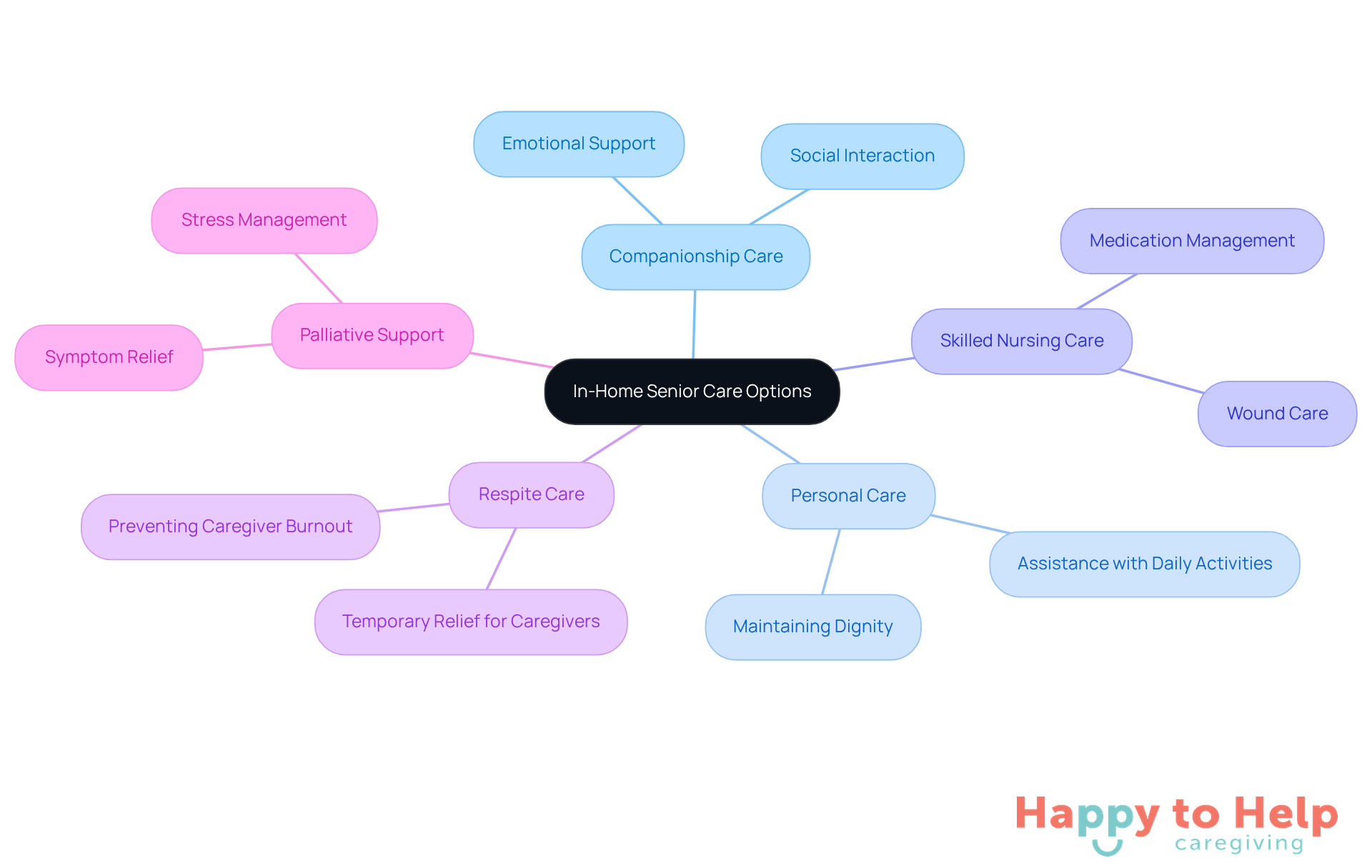
In-home senior care San Diego CA addresses the unique challenges that older adults and their caregivers face. Many seniors experience feelings of loneliness and require assistance with daily activities, which can be overwhelming for family members. Understanding the available options is crucial for ensuring that your loved one receives the appropriate support.
-
Companionship Care: This service provides emotional support and social interaction, helping to alleviate feelings of loneliness. It’s essential for seniors to have someone to talk to and engage with regularly.
-
Personal Care: Assistance with daily activities such as bathing, dressing, and meal preparation is vital for maintaining dignity and quality of life. This type of in-home senior care San Diego CA ensures that seniors can live comfortably at home.
-
Skilled Nursing Care: For those with medical needs, skilled nursing services offer medication management, wound care, and other health-related tasks. This professional support is crucial for managing chronic conditions and ensuring health stability.
-
Respite Care: Primary caregivers often face burnout. Respite care provides temporary relief, allowing caregivers to take necessary breaks while ensuring their family members continue to receive quality care.
-
Palliative Support: This specialized care focuses on relieving symptoms and stress related to serious illnesses, ultimately improving the quality of life for seniors.
By comprehending these options, caregivers can make informed decisions that best meet their family member's needs.
Assess Individual Care Needs and Preferences
To effectively assess the care needs of your loved one, it’s crucial to recognize the challenges caregivers face. Many struggle with understanding the specific needs of their family members, which can lead to inadequate support and emotional distress for both parties.
-
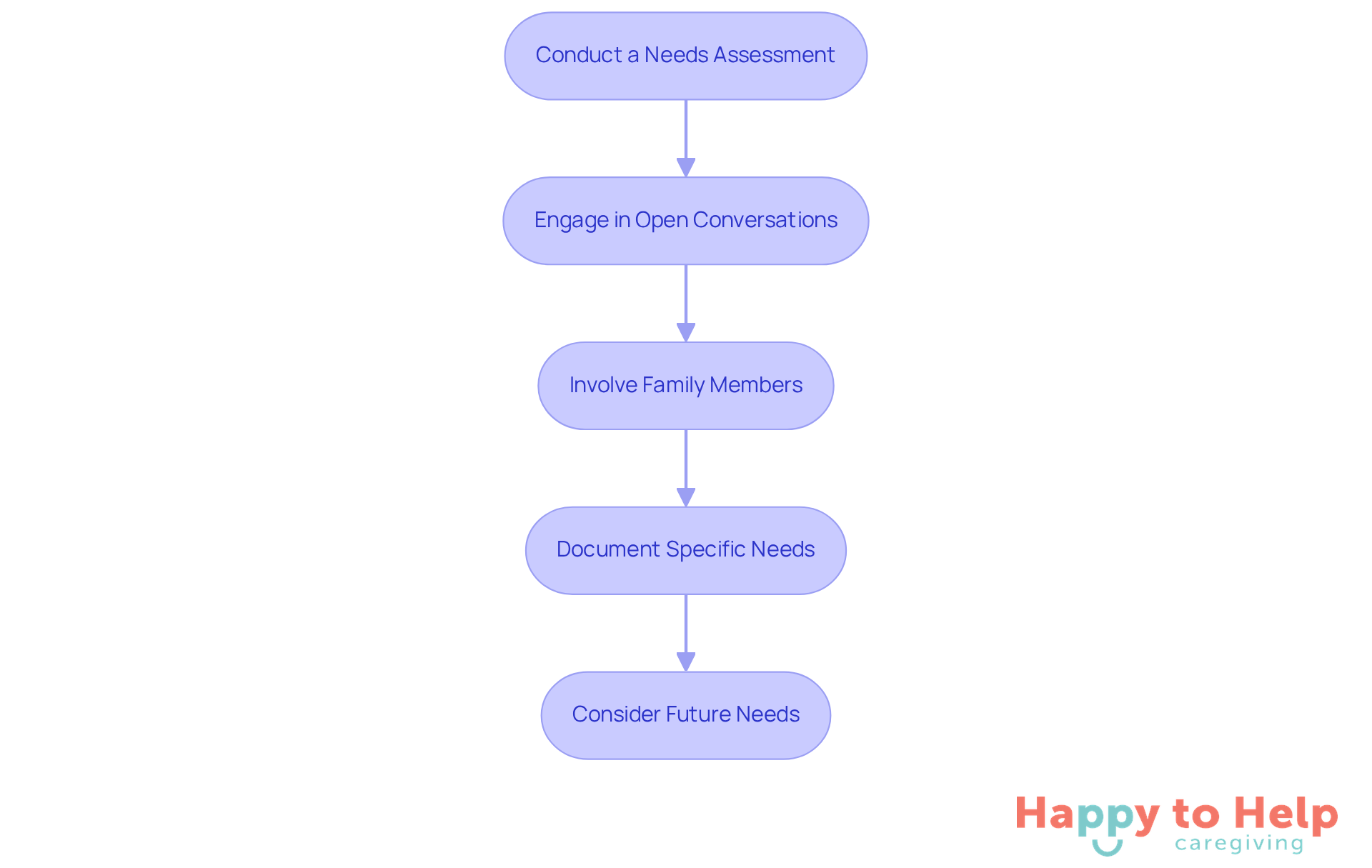
Conduct a Needs Assessment: Start by evaluating their physical health, mobility, cognitive abilities, and emotional well-being. Look for changes in daily routines, hygiene, and social interactions, as these can indicate underlying issues such as depression or cognitive decline. According to a case study on Activities of Daily Living (ADLs), assessing a family member's capability to carry out these tasks is essential for understanding their care requirements.
-
Engage in Open Conversations: It’s vital to discuss with your loved one their preferences regarding care, daily activities, and any concerns they may have about receiving help. This dialogue fosters a sense of control and respect for their wishes, which is crucial for their emotional well-being. As highlighted by the Geriatrics Department at Arnot Health, "The initial step in preparing for aging family members is to evaluate their present and anticipated requirements."
-
Involve Family Members: Gather insights from family members who interact with the senior regularly. Their observations can provide a comprehensive perspective on the individual's needs and help pinpoint areas that may require additional focus. Engaging experts in aging care can also facilitate discussions about care requirements, ensuring that all viewpoints are considered.
-
Document Specific Needs: Create a list of tasks they struggle with, such as cooking, cleaning, or managing medications. This documentation will help identify where assistance is necessary and facilitate the development of a tailored care plan. Understanding the financial aspects of care is also important; the cost of at-home care typically ranges from $36 to $45 per hour, which should be factored into the planning process.
-
Consider Future Needs: Anticipate potential changes in health or mobility that may require additional support down the line. Regularly assessing and revising the care plan ensures it remains aligned with your family member's evolving needs.
This comprehensive evaluation will assist you in choosing the most suitable care options, ensuring that your family member receives the support they need to maintain their quality of life.
Research and Evaluate In-Home Care Providers
Finding the right in-home senior care San Diego CA provider can be a daunting task for caregivers. With so many options available, it’s crucial to ensure that your loved one receives the best possible care. Here’s how to navigate this process effectively:
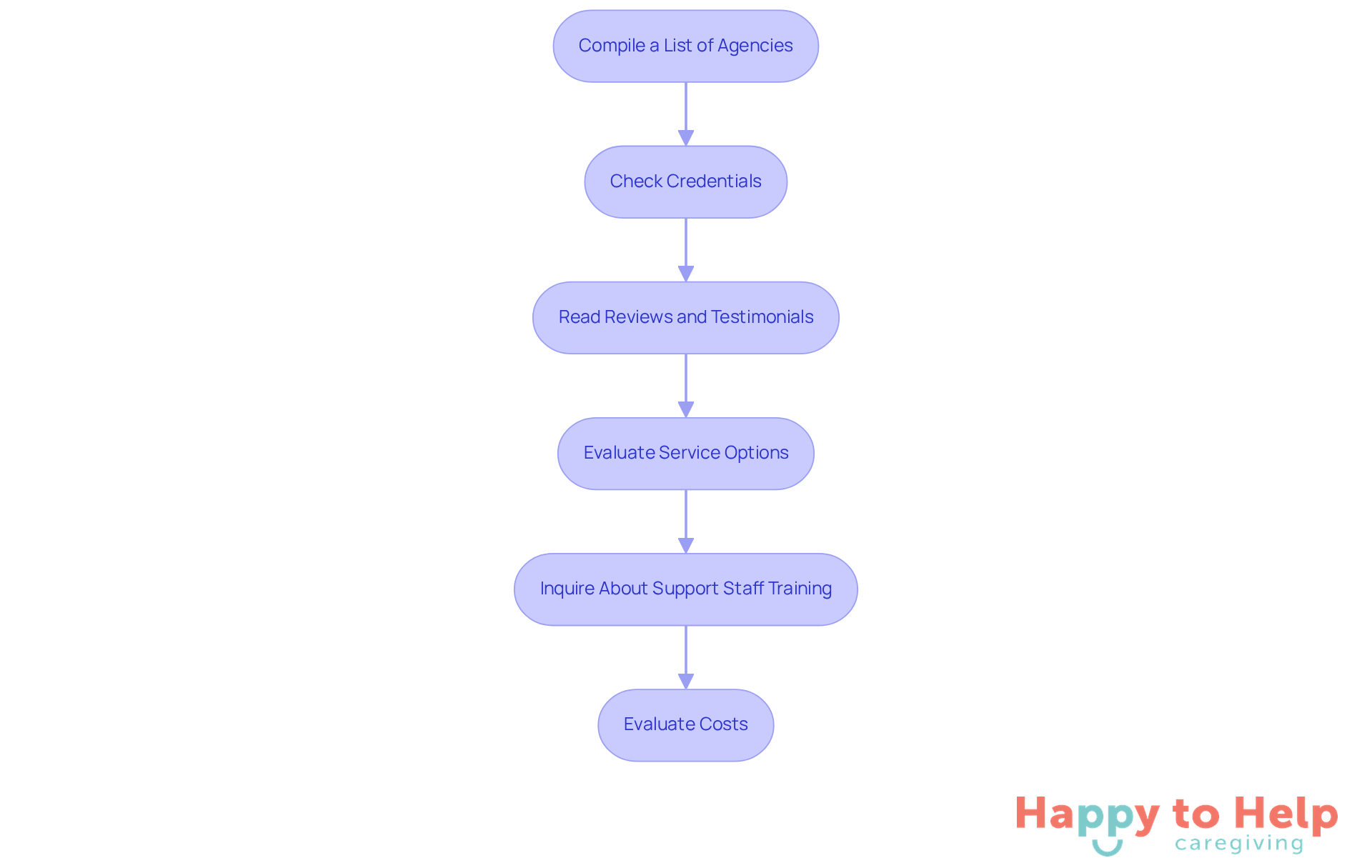
- Compile a List of Agencies: Start by gathering names of local agencies that offer in-home care services. Utilize online resources, community referrals, and local directories.
- Check Credentials: Verify that the agencies are licensed and insured. Look for certifications from recognized organizations that indicate quality standards.
- Read Reviews and Testimonials: Look for feedback from other families who have used the services. Websites like Yelp and Google Reviews can provide insights into the agency's reputation.
- Evaluate Service Options: Confirm the agency offers the particular services your family member requires, whether it’s companionship, personal care, or skilled nursing.
- Inquire About Support Staff Training: Ask about the training and qualifications of the support staff. Ensure they possess experience in the specific areas pertinent to your family member's requirements.
- Evaluate Costs: Understand the pricing structure and what services are included. Compare costs among different agencies to find a balance between quality and affordability.
By following these steps, you can narrow down your options and find the most suitable in-home senior care San Diego CA providers for your loved one.
Conduct Interviews with Caregivers and Agencies
Selecting the right caregiver can be a daunting task, but following these interview steps can help you make an informed choice:
-
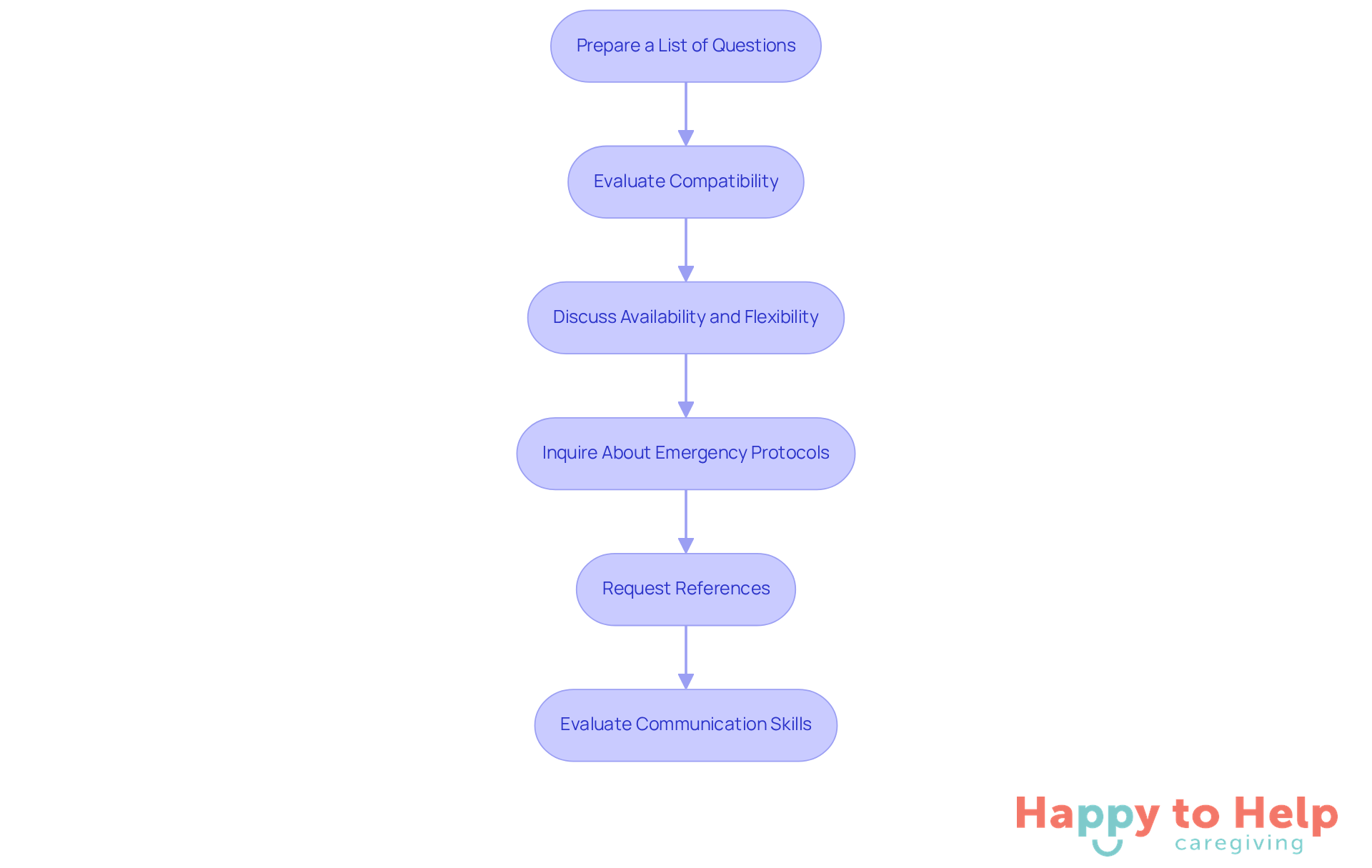
Prepare a List of Questions: Start by developing a comprehensive list of questions that cover experience, training, and approach to caregiving. Inquire about their prior experiences with clients who have similar needs to your family member.
-
Evaluate Compatibility: During the interview, observe how the caregiver interacts with your family member. Compatibility is crucial; studies indicate that effective caregiver-patient matching significantly enhances care quality and satisfaction, leading to better health outcomes. For instance, consistent provider assignments have been linked to decreased hospital readmissions. One meta-analysis revealed that readmission rates dropped from 16% to 12.9% within one month when continuity interventions were utilized.
-
Discuss Availability and Flexibility: Ensure that the caregiver’s schedule aligns with your family member’s needs. Discuss any potential changes in availability to maintain continuity of care, which is vital for fostering strong relationships and minimizing hospital readmissions.
-
Inquire About Emergency Protocols: Ask how the caregiver handles emergencies and what procedures are in place for unexpected situations. A caregiver's ability to respond effectively can greatly impact your family member's safety and well-being.
-
Request References: Ask for references from previous clients or employers to gain insights into the reliability and quality of care provided. Positive feedback can indicate a strong caregiver-client relationship, which is essential for effective in-home senior care San Diego CA.
-
Evaluate Communication Skills: Effective communication is key. Ensure the caregiver can communicate clearly and compassionately with your family member. Strong relationships foster trust and emotional support, enhancing overall care. Additionally, consider the caregiver's cultural competence, as understanding and respecting your family member's background can significantly improve the caregiving experience.
By conducting thorough interviews, you can find a caregiver who is not only qualified but also a good fit for your family, ultimately leading to a more positive caregiving experience.
Review Contracts and Understand Service Agreements
Before finalizing your choice of an in-home care provider, it’s essential to address a significant problem: the potential confusion surrounding contracts and service agreements. Failing to thoroughly review these documents can lead to misunderstandings that may jeopardize your loved one's care.
To avoid this, here are some actionable solutions:
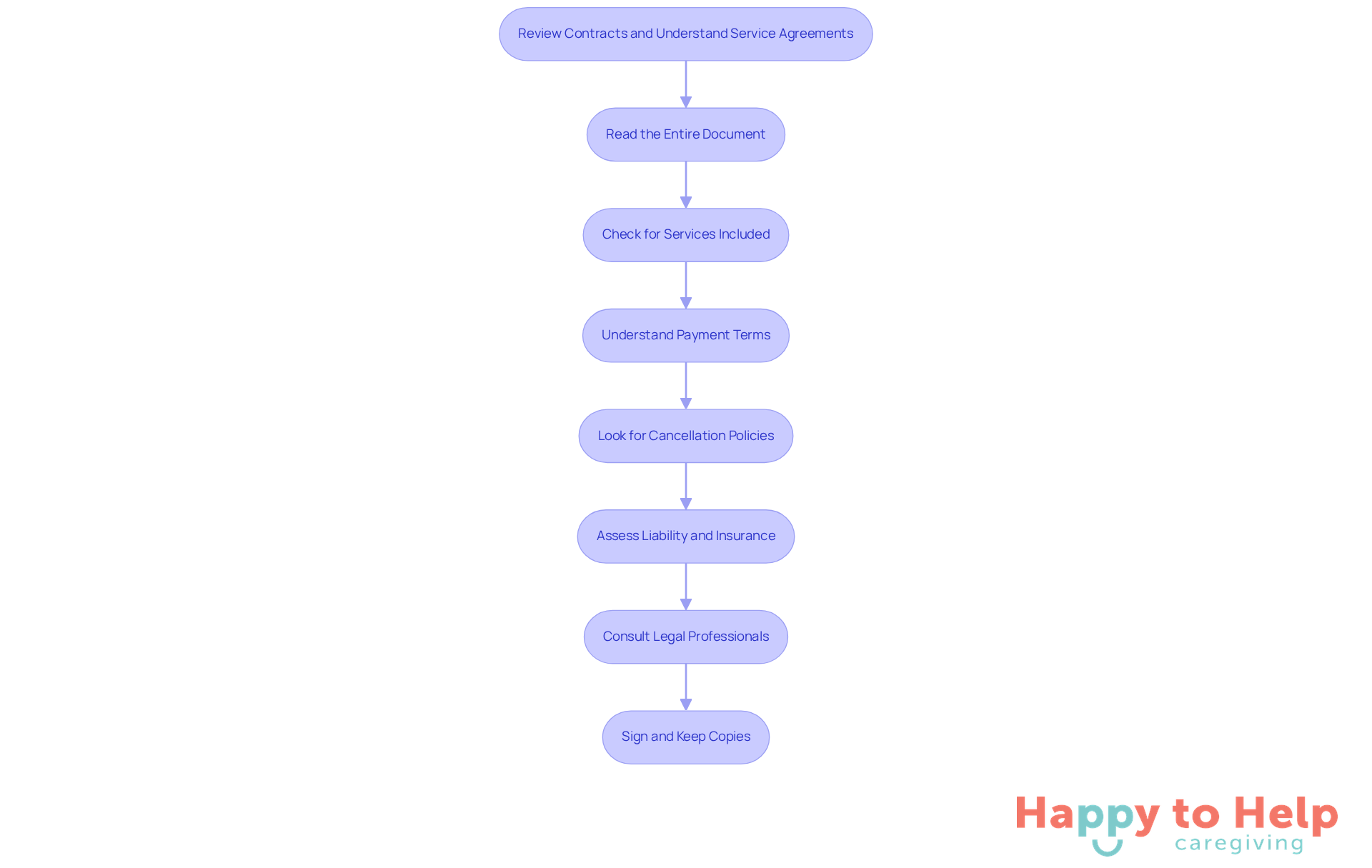
- Read the Entire Document: Carefully examine all terms and conditions outlined in the contract. If any points are unclear, don’t hesitate to seek clarification.
- Check for Services Included: Confirm that the services discussed are explicitly listed in the contract. This should encompass details about caregiver duties, hours of service, and any additional fees that may apply.
- Understand Payment Terms: Scrutinize the payment structure, including rates, billing cycles, and potential extra charges for additional services. Transparency in these areas is vital for financial planning.
- Look for Cancellation Policies: Familiarize yourself with the agency’s policies regarding cancellations or changes in service. Grasping these concepts is crucial for adaptability, particularly if your family member's requirements change.
- Assess Liability and Insurance: Verify that the agency carries liability insurance and understand the extent of its coverage in case of accidents or issues during care.
- Consult Legal Professionals: Engaging with legal experts can enhance the clarity and compliance of the contract, ensuring that all parties' rights are protected.
- Sign and Keep Copies: Once you are satisfied with the agreement, sign it and retain a copy for your records. This document will serve as a reference for both parties, ensuring accountability.
By diligently reviewing the contract and consulting with legal professionals, you can foster a clear understanding of the caregiving arrangement. This proactive approach safeguards your loved one’s well-being and ensures that their needs are met effectively.
Making the Right Choice
Understanding the complexities of in-home senior care in San Diego presents a significant challenge for families. Without the right support tailored to their elderly loved ones' needs, caregivers may struggle to provide the necessary assistance. This guide highlights various care options, from companionship and personal care to skilled nursing and respite services, emphasizing the importance of personalized care in enhancing seniors' quality of life.
Key insights discussed throughout the article reveal critical steps caregivers must take:
- Conduct thorough assessments of individual care needs.
- Maintain open communication with seniors and family members.
- Research and evaluate potential care providers.
Additionally, interviewing caregivers and understanding service agreements are essential actions that can secure quality care. These steps are pivotal in ensuring that seniors receive the support they deserve.
Ultimately, the well-being of seniors hinges on informed decisions made by their caregivers. By taking the time to understand available options, assess specific needs, and choose the right care provider, families can create a supportive environment that fosters dignity and independence. Prioritizing these steps is crucial for ensuring that elderly individuals can age gracefully in the comfort of their own homes, surrounded by the care they deserve.
https://iframe.tely.ai/cta/eyJhcnRpY2xlX2lkIjogIjY5M2Y1MDlhNGM3OGNhYjkzOThjNmZhZCIsICJjb21wYW55X2lkIjogIjY4ZWU1ZGNhNzMxNzYyNTU3ZjNjOTVjMSIsICJpbmRleCI6IG51bGwsICJ0eXBlIjogImFydGljbGUifQ==Frequently Asked Questions
What are the main types of in-home senior care options available in San Diego, CA?
The main types of in-home senior care options include companionship care, personal care, skilled nursing care, respite care, and palliative support.
What is companionship care?
Companionship care provides emotional support and social interaction for seniors, helping to alleviate feelings of loneliness by ensuring they have someone to talk to and engage with regularly.
What does personal care involve?
Personal care involves assistance with daily activities such as bathing, dressing, and meal preparation, which helps seniors maintain their dignity and quality of life while living comfortably at home.
What services are included in skilled nursing care?
Skilled nursing care includes medical services such as medication management, wound care, and other health-related tasks, which are essential for managing chronic conditions and ensuring health stability.
What is respite care and why is it important?
Respite care provides temporary relief for primary caregivers, allowing them to take necessary breaks while ensuring that their family members continue to receive quality care. This is important to prevent caregiver burnout.
How does palliative support benefit seniors?
Palliative support focuses on relieving symptoms and stress related to serious illnesses, ultimately improving the quality of life for seniors.
How can caregivers assess the care needs of their loved ones?
Caregivers can assess care needs by conducting a needs assessment, engaging in open conversations with their loved ones, involving family members for insights, documenting specific needs, and considering future needs.
What should be included in a needs assessment?
A needs assessment should evaluate physical health, mobility, cognitive abilities, and emotional well-being, as well as changes in daily routines, hygiene, and social interactions.
Why is it important to involve family members in the assessment process?
Involving family members provides a comprehensive perspective on the senior's needs and helps identify areas that may require additional focus, ensuring all viewpoints are considered.
What are the typical costs associated with at-home care?
The cost of at-home care typically ranges from $36 to $45 per hour, which should be considered when planning for care options.
List of Sources
- Understand In-Home Senior Care Options
- 28 Senior Care Statistics: In-Home & Assisted Living | Shortlister (https://myshortlister.com/insights/senior-care-statistics)
- Family caregivers prefer in-home care over senior living, new industry report finds (https://mcknightshomecare.com/news/family-caregivers-prefer-in-home-care-over-senior-living-new-industry-report-finds)
- 2025 Home Care Statistics: Trends & Insights To Know (https://premierhcinc.com/blog/home-care-statistics)
- Home Care Statistics In 2025: Key Insights In Home Care (https://sagapixel.com/marketing/home-care-statistics)
- 10 Must-Know U.S. Home Care Industry Stats for 2025 - North American Community Hub (https://nchstats.com/us-home-care-industry-stats)
- Assess Individual Care Needs and Preferences
- How to Assess if an Older Adult Needs Caregiving Help (https://aarp.org/caregiving/home-care/assessing-need-for-caregiver)
- How to Assess the Need for a Caregiver: A Guide for Families - Geriatric House Call Dentistry (https://geriatrichousecalldentistry.com/how-to-assess-the-need-for-a-caregiver-a-guide-for-families)
- Caregiver Statistics: Demographics (https://caregiver.org/resource/caregiver-statistics-demographics)
- What to do when your aging parents need more care than you can provide (https://uchealth.org/today/aging-parents-what-to-do-when-parents-need-more-care-than-you-can-provide)
- Guide to Taking Care of Aging Parents and Family Members (https://arnothealth.org/news/guide-to-taking-care-of-aging-parents-and-family-members)
- Research and Evaluate In-Home Care Providers
- How Real-Time Credentialing Enhances Security and Compliance in Healthcare (https://idealcareinsurance.com/news/regulations-and-laws/how-real-time-credentialing-enhances-security-and-compliance-in-healthcare)
- The Importance of Background Checks in Homecare Hiring | Gotham Companies (https://gothamcompanies.com/2024/08/21/the-importance-of-comprehensive-background-checks-in-homecare-hiring)
- U.S. News to Debut Best Home Health Ratings in 2026 (https://usnews.com/info/blogs/press-room/articles/2025-11-03/u-s-news-to-debut-best-home-health-ratings-in-2026)
- Home Health Agency Utilization Trends 2014-2023 - California Association For Health Services At Home (https://cahsah.org/news/home-health-agency-utilization-trends-2014-2023)
- Conduct Interviews with Caregivers and Agencies
- The Ideal Match: Selecting the Right Caregiver & Managing the Case for Success (https://elderwerks.org/news/events/2025-08-13/the-ideal-match-selecting-the-right-caregiver-managing-the-case-for-success-768dc1e5-d851-478a-b457-f55b87c66092-1.aspx)
- The Importance of Caregiver-Client Relationships in Senior Well-Being (https://homeinstead.com/home-care/usa/in/goshen/588/news-and-media/the-importance-of-caregiver-client-relationships-in-senior-well-being)
- Caregiver-Patient Matching in Home Care (https://carevoyant.com/home-health-blog/caregiver-patient-matching-home-care)
- Finding the Right Caregiver Match | Active Day (https://activeday.com/news/finding-the-right-caregiver-match)
- The Evolution Of Caregiver-Client Matching In Home Care (https://homehealthcarenews.com/2023/08/the-evolution-of-caregiver-client-matching-in-home-care)
- Review Contracts and Understand Service Agreements
- How to Review Assisted Living Contracts: Essential Guide Before Signing - Resource for Seniors and Caregivers | SeniorSite (https://seniorsite.org/resource/how-to-review-assisted-living-contracts-essential-guide-before-signing)
- Home Care Industry Statistics: Key Facts and Trends (https://regencyhcs.com/blog/home-care-industry-statistics-key-facts-and-trends)
- Key Importance of Understanding Home Care Contracts (https://h2hhc.com/blog/importance-of-understanding-home-care-contracts)
- The Importance of Understanding Home Care Contracts (https://h2hhc.com/blog/the-importance-of-understanding-home-care-contracts)
- Key considerations for your care contract (https://hcrlaw.com/news-and-insights/key-considerations-for-your-care-contract)