
The Importance of Comparing GPS for Alzheimer
Caregivers of individuals with Alzheimer's face significant challenges, particularly concerning the constant worry of wandering and safety. This concern can be overwhelming, especially as the number of dementia cases continues to rise. The implications of this issue are profound, affecting not only the well-being of patients but also the mental health of caregivers.
As the need for effective solutions becomes more pressing, GPS technology emerges as a valuable tool in Alzheimer's care. These devices enhance safety and promote independence for patients, allowing caregivers to alleviate some of their stress. But what features make a GPS tracker truly effective?
Caregivers can leverage this technology to ensure the well-being of their loved ones while gaining peace of mind. By understanding the capabilities of GPS trackers, caregivers can make informed decisions that enhance safety and support independence.
Understanding the Role of GPS Tracking in Alzheimer's Care
Problem: Individuals with Alzheimer's often wander due to cognitive impairments, posing significant safety risks. Caregivers face constant worry about their loved ones' whereabouts, which can lead to stress and anxiety.
Agitate: This wandering can result in dangerous situations, including getting lost or encountering unsafe environments. The emotional toll on caregivers is substantial, as they strive to balance their loved ones' safety with their desire for independence.
Solution: GPS for Alzheimer's patients provides a practical tracking technology. These devices provide real-time location data, allowing caregivers to monitor their loved ones' movements. This not only ensures safety but also grants patients a sense of independence, enabling them to participate in activities outside the home without the fear of getting lost.
By utilizing GPS for Alzheimer's patients, caregivers can react swiftly in emergencies, providing peace of mind. This balance between safety and independence is crucial in Alzheimer's care, ultimately enhancing the quality of life for both patients and their supporters.

Key Features to Consider When Choosing GPS Trackers
When it comes to caring for individuals with Alzheimer's, safety is a significant concern for caregivers. The fear of wandering can lead to anxiety for families, making it crucial to have reliable solutions in place. One effective way to address this issue is through the use of GPS for Alzheimer's patients, which can provide peace of mind and enhance safety.
-
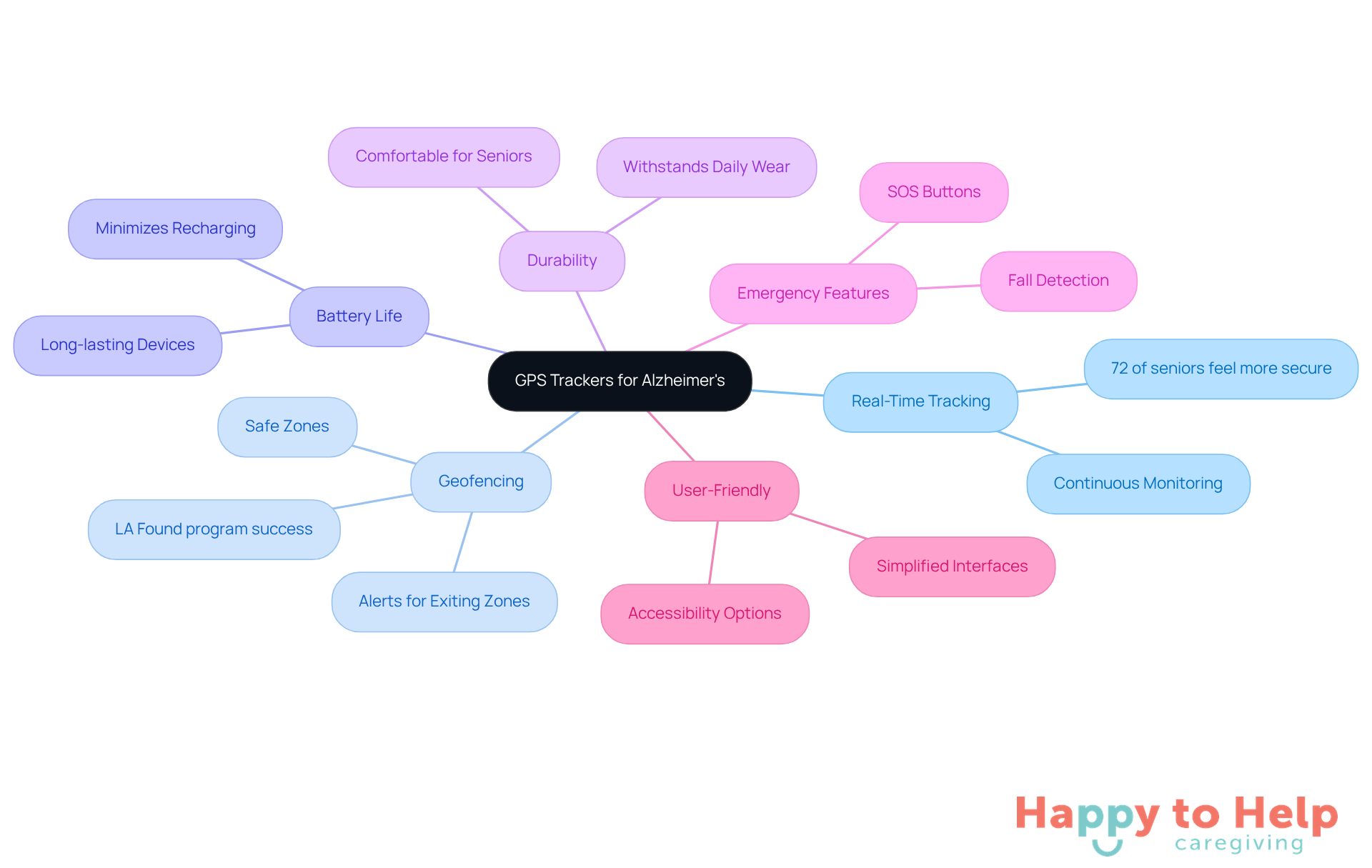
Real-Time Tracking is a vital feature for caregivers. It allows them to monitor the patient's location continuously, ensuring immediate access to location data. This capability is essential for prompt responses in case of wandering, significantly reducing anxiety for families. In fact, studies show that 72% of seniors feel more secure with GPS for Alzheimer's patients, which correlates with increased independence.
-
Another important feature is Geofencing. This technology enables caregivers to establish safe zones, triggering alerts if the patient exits these designated areas. This adds an extra layer of security and allows for quicker interventions when necessary. The LA Found program, which has successfully located 29 individuals with cognitive impairments, highlights the importance of this feature.
-
Battery Life is also crucial. A long-lasting battery ensures that the device remains operational without frequent recharging. For instance, devices like the Tracki GPS Tracker are designed for continuous use, minimizing interruptions in monitoring.
-
Durability is key as well. The tracker should withstand daily wear and tear, especially if worn as a wristband or shoe insert. This durability guarantees that the product can keep up with the active lifestyles of seniors.
-
Incorporating Emergency Features like SOS buttons or fall detection can provide immediate alerts in emergencies, enhancing the overall safety of the patient.
-
Finally, the device must be User-Friendly. Simplified interfaces reduce the need for technical knowledge, making it easier for seniors to engage with the technology.
Real-world examples demonstrate the effectiveness of these features. The LA Found program effectively employs GPS for Alzheimer's patients to monitor and find individuals with cognitive impairments, showcasing the significance of real-time observation and geofencing in improving safety. Additionally, nearly 70% of older adults are more likely to consent to GPS monitoring when benefits and privacy concerns are addressed. By focusing on these key features, families can select the most appropriate GPS for Alzheimer's patients to assist their loved ones efficiently.
Comparative Overview of Leading GPS Devices for Alzheimer's Patients
As the prevalence of dementia continues to rise, with an estimated 78 million cases expected by 2030, caregivers face significant challenges in ensuring the safety of their loved ones. The emotional toll of caregiving can be overwhelming, especially when it comes to managing the risks associated with wandering and disorientation.
To address these concerns, integrating GPS for Alzheimer's patients into dementia care strategies is becoming increasingly vital. Here’s a comparative overview of some leading GPS devices designed specifically for Alzheimer's patients:
-
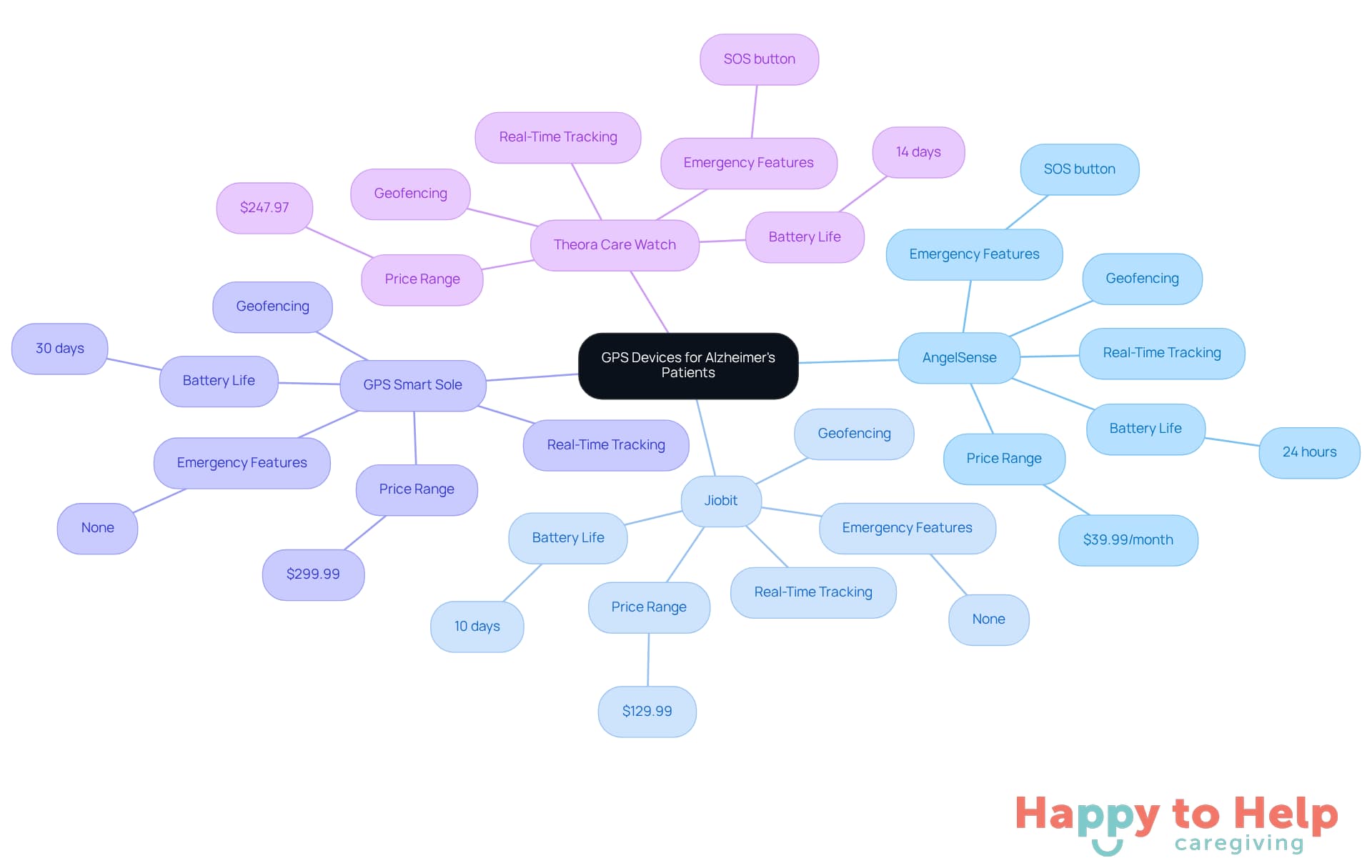
Device Name: AngelSense
Real-Time Tracking: Yes
Geofencing: Yes
Battery Life: 24 hours
Emergency Features: SOS button
Price Range: $39.99/month -
Device Name: Jiobit
Real-Time Tracking: Yes
Geofencing: Yes
Battery Life: 10 days
Emergency Features: None
Price Range: $129.99 -
Device Name: GPS Smart Sole
Real-Time Tracking: Yes
Geofencing: Yes
Battery Life: 30 days
Emergency Features: None
Price Range: $299.99 -
Device Name: Theora Care Watch
Real-Time Tracking: Yes
Geofencing: Yes
Battery Life: 14 days
Emergency Features: SOS button
Price Range: $247.97
Each device offers unique features tailored to different needs. For example, AngelSense is especially recognized for its extensive monitoring capabilities and emergency features, making it perfect for high-risk patients. In contrast, Jiobit is compact and discreet, suitable for those who prefer a less noticeable option. The GPS Smart Sole integrates seamlessly into footwear, eliminating the stigma associated with traditional trackers. Theora Care Watch combines functionality with style, appealing to users who value aesthetics alongside practicality.
These devices not only improve safety but also offer reassurance for caregivers, allowing families to concentrate on quality moments with their loved ones. By selecting the appropriate GPS for Alzheimer's patients, caregivers can enhance their peace of mind while ensuring the well-being of those they care for.
Evaluating the Impact of GPS Technology on Caregiver Well-Being
Caregivers of individuals with Alzheimer's often face significant challenges, particularly concerning anxiety and safety. The fear of a loved one wandering off can be overwhelming, leading to increased stress and emotional strain. This anxiety can detract from the quality of care they provide, as caregivers may find themselves preoccupied with safety concerns rather than focusing on their loved ones' needs.
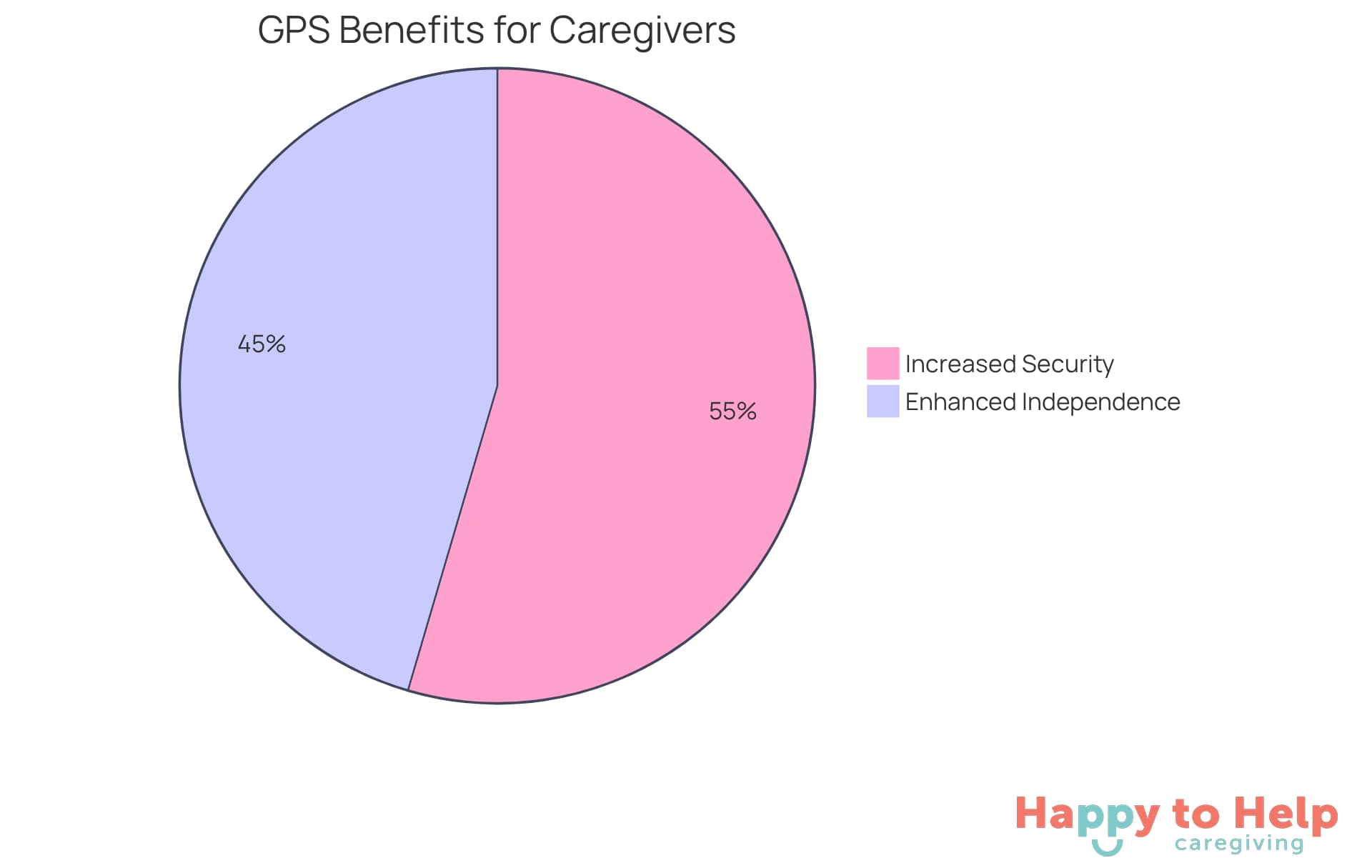
Fortunately, the use of GPS for Alzheimer's patients provides a practical solution to these challenges. With GPS for Alzheimer's patients and real-time position monitoring, caregivers can experience a notable decrease in anxiety, knowing they can quickly locate their loved ones if they stray. In fact, a 2023 study revealed that 72% of participants felt more secure using GPS for Alzheimer's patients, which highlights the technology's effectiveness in fostering peace of mind. Additionally, 60% reported that GPS technology enhanced their sense of independence, further supporting the positive impact on caregiver well-being.
Moreover, using GPS for Alzheimer's patients not only enhances their safety but also cultivates a more supportive environment for caregivers. Families utilizing GPS devices have noted a marked decrease in stress levels, allowing for healthier interactions and relationships. Caregivers feel more empowered and less burdened, as they can balance their responsibilities while engaging in personal activities, confident that their loved ones are safe.
The geofencing features of GPS for Alzheimer's patients provide alerts if loved ones stray beyond designated safe zones, further enhancing peace of mind. By integrating GPS for Alzheimer's patients into their caregiving approach, caregivers can significantly enhance the quality of life and well-being of those they support.
Your Path Forward
The integration of GPS technology into the care of Alzheimer's patients addresses a significant problem: safety concerns and caregiver anxiety. Caregivers often worry about the safety of their loved ones, leading to increased stress and challenges in providing care. This anxiety can detract from the overall well-being of both patients and caregivers.
By leveraging real-time tracking and geofencing capabilities, GPS devices offer a practical solution. These tools not only enhance the security of individuals with cognitive impairments but also provide caregivers with the peace of mind necessary to focus on their loved ones' needs. Key features essential for effective GPS devices include:
- Real-time tracking
- Durability
- Long battery life
- Emergency functionalities
These elements are crucial for ensuring that caregivers can respond swiftly to any wandering incidents while allowing patients to maintain a sense of independence. A comparative overview of leading GPS devices illustrates the diverse options available, enabling families to choose the most suitable solution tailored to their specific needs.
Ultimately, adopting GPS technology in Alzheimer's care is about more than just tracking; it represents a commitment to enhancing the quality of life for both patients and caregivers. By prioritizing safety and reducing caregiver stress, GPS devices foster healthier relationships and a more supportive environment. Embracing this technology can significantly impact families, encouraging them to take proactive steps in safeguarding their loved ones while nurturing their independence.
https://iframe.tely.ai/cta/eyJhcnRpY2xlX2lkIjogIjY5MjdhNWRiNzA1N2VkY2U1MTM2NjU1MyIsICJjb21wYW55X2lkIjogIjY4ZWU1ZGNhNzMxNzYyNTU3ZjNjOTVjMSIsICJpbmRleCI6IG51bGwsICJ0eXBlIjogImFydGljbGUifQ==Frequently Asked Questions
What problem does GPS tracking address in Alzheimer's care?
GPS tracking addresses the problem of individuals with Alzheimer's wandering due to cognitive impairments, which poses significant safety risks and causes stress and anxiety for caregivers.
What are the risks associated with wandering in Alzheimer's patients?
Wandering can lead to dangerous situations, including getting lost or encountering unsafe environments, which can have serious emotional and physical consequences.
How does GPS tracking benefit Alzheimer's patients and their caregivers?
GPS tracking provides real-time location data, allowing caregivers to monitor their loved ones' movements. This ensures safety while granting patients a sense of independence to participate in activities outside the home without fear of getting lost.
How does GPS tracking enhance the quality of life for Alzheimer's patients?
By using GPS tracking, caregivers can react swiftly in emergencies, providing peace of mind and balancing safety with independence, which ultimately enhances the quality of life for both patients and their supporters.
List of Sources
- Understanding the Role of GPS Tracking in Alzheimer's Care
- L.A. County Expands Tracking Program for Residents With Cognitive Disabilities (https://governing.com/resilience/l-a-county-expands-tracking-program-for-residents-with-cognitive-disabilities)
- GPS devices can help caregivers of dementia patients | Medical Economics (https://medicaleconomics.com/view/gps-devices-can-help-caregivers-of-dementia-patients)
- Free track devices for Treasure Coast residents with dementia, autism (https://tcpalm.com/story/news/local/florida/2025/11/25/free-track-devices-for-treasure-coast-residents-with-dementia-autism/87087317007)
- LA Found program launches new GPS technology to help locate people who wander (https://cbsnews.com/losangeles/video/la-found-program-launches-new-gps-technology-to-help-locate-people-who-wander)
- Key Features to Consider When Choosing GPS Trackers
- LA County's tracking program to find cognitive patients gets tech upgrade (https://nbclosangeles.com/news/local/la-countys-tracking-program-to-find-cognitive-patients-gets-tech-upgrade/3792148)
- 4 Essential Steps for Choosing GPS Tracking for Seniors - Happy To Help (https://happytohelpcaregiving.com/4-essential-steps-for-choosing-gps-tracking-for-seniors)
- L.A. County Launches New GPS Smartwatch to Protect Alzheimer’s and Autism Communities – COUNTY OF LOS ANGELES (https://lacounty.gov/2025/10/15/l-a-county-launches-new-gps-smartwatch-to-protect-alzheimers-and-autism-communities)
- 170 Million Americans Now Own GPS Tracking Devices (https://safehome.org/gps-industry-outlook-statistics)
- Comparative Overview of Leading GPS Devices for Alzheimer's Patients
- Choosing the Best GPS Tracker for Dementia Care Needs - Happy To Help (https://happytohelpcaregiving.com/choosing-the-best-gps-tracker-for-dementia-care-needs)
- GPS-tracking insoles for safer walking (https://alzheimers.org.uk/blog/gps-tracking-insoles-safer-walking)
- 11 Best GPS Trackers for Dementia Patients In 2025 (https://family1st.io/best-gps-trackers-for-dementia-patients)
- 4 Best GPS Trackers for Dementia Patients (2025 Review) | SafeWise (https://safewise.com/best-gps-trackers-dementia-patients)
- Evaluating the Impact of GPS Technology on Caregiver Well-Being
- GPS Wearable Device for Dementia Caregivers Reduces Stress and Improves Communication (https://medindia.net/news/gps-wearable-device-for-dementia-caregivers-reduces-stress-and-improves-communication-218817-1.htm)
- GPS Technology and Its Impact on Elderly Independence: A Closer Look (https://cprguardian.com/blogs/latest-dementia-news-and-updates/gps-technology-and-its-impact-on-elderly-independence-a-closer-look?srsltid=AfmBOoqWBOqMrzFZ9\_6A2rJhvVmR0x-5xRjNVPYQuURm5MWqs7Zbl4Sa)
- L.A. County Launches New GPS Smartwatch to Protect Alzheimer’s and Autism Communities – COUNTY OF LOS ANGELES (https://lacounty.gov/2025/10/15/l-a-county-launches-new-gps-smartwatch-to-protect-alzheimers-and-autism-communities)
- How Does GPS Tracking Support Families Caring for Relatives With Demen (https://cprguardian.com/blogs/latest-dementia-news-and-updates/how-does-gps-tracking-support-families-caring-for-relatives-with-dementia?srsltid=AfmBOorCf9STBb5cvmajFQ7e4x4XlyIvQWWbnAclgrYDREO3DKQ28KyW)