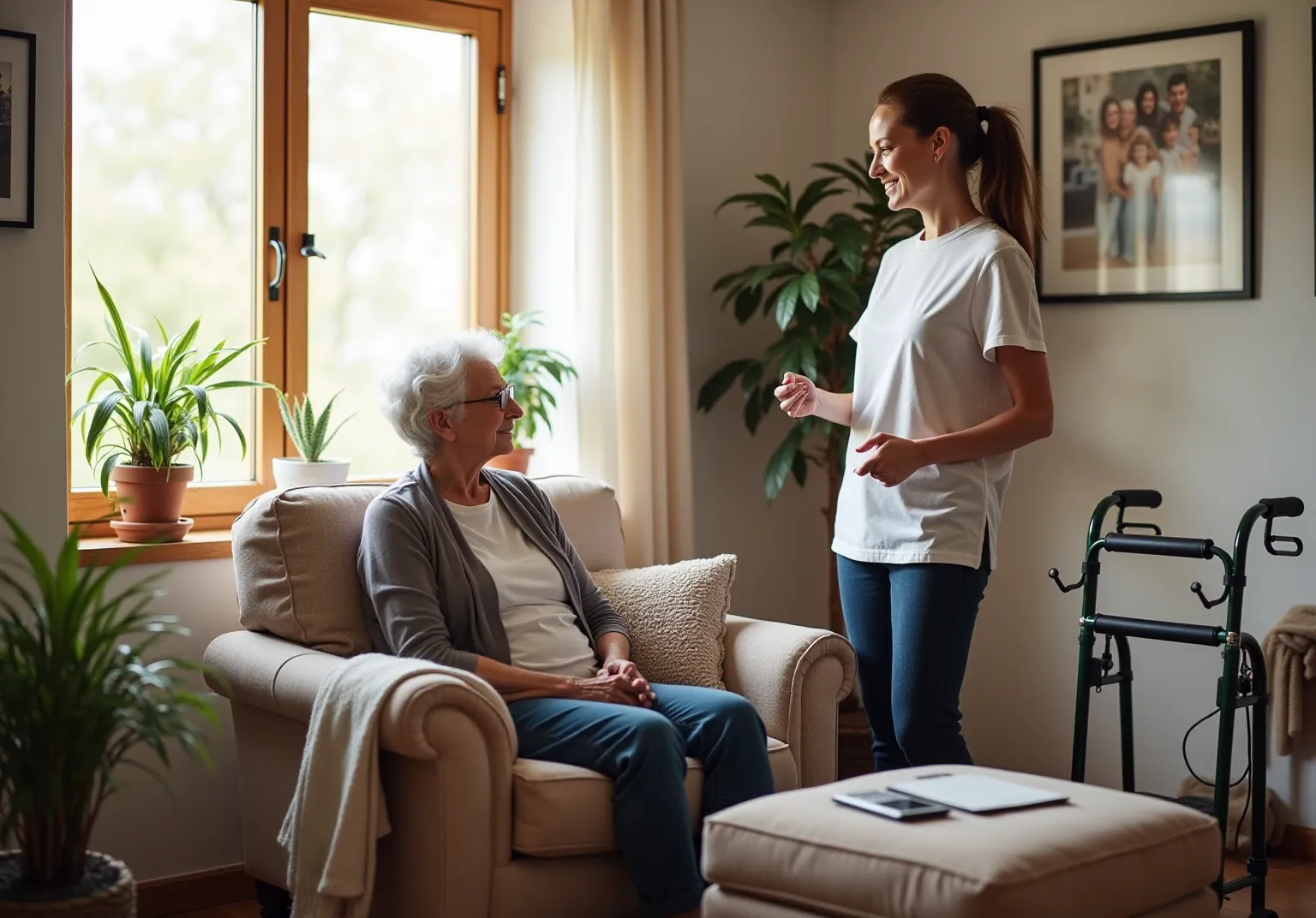
The Importance of Find a Live-In Caregiver for Elderly
Finding the right live-in caregiver for elderly loved ones is a critical decision that profoundly impacts their quality of life. Families face the challenge of navigating the complexities of caregiving, where understanding specific needs and preferences is essential for a smooth transition. With numerous options available, how can families effectively identify a caregiver who meets these requirements and aligns with their loved one's unique lifestyle?
This guide addresses these challenges by outlining essential steps and considerations for selecting a live-in caregiver. By empowering families with actionable solutions, we aim to enhance both safety and companionship for their elderly relatives. Understanding the nuances of caregiving can lead to informed choices that significantly improve the quality of life for loved ones.
Assess Care Needs and Preferences
Start by engaging in an open conversation with your loved one about their daily routines, preferences, and any specific health concerns. This initial dialogue is crucial, as it helps identify the challenges they face. Neglecting to understand these needs can lead to increased stress for both the caregiver and the loved one.
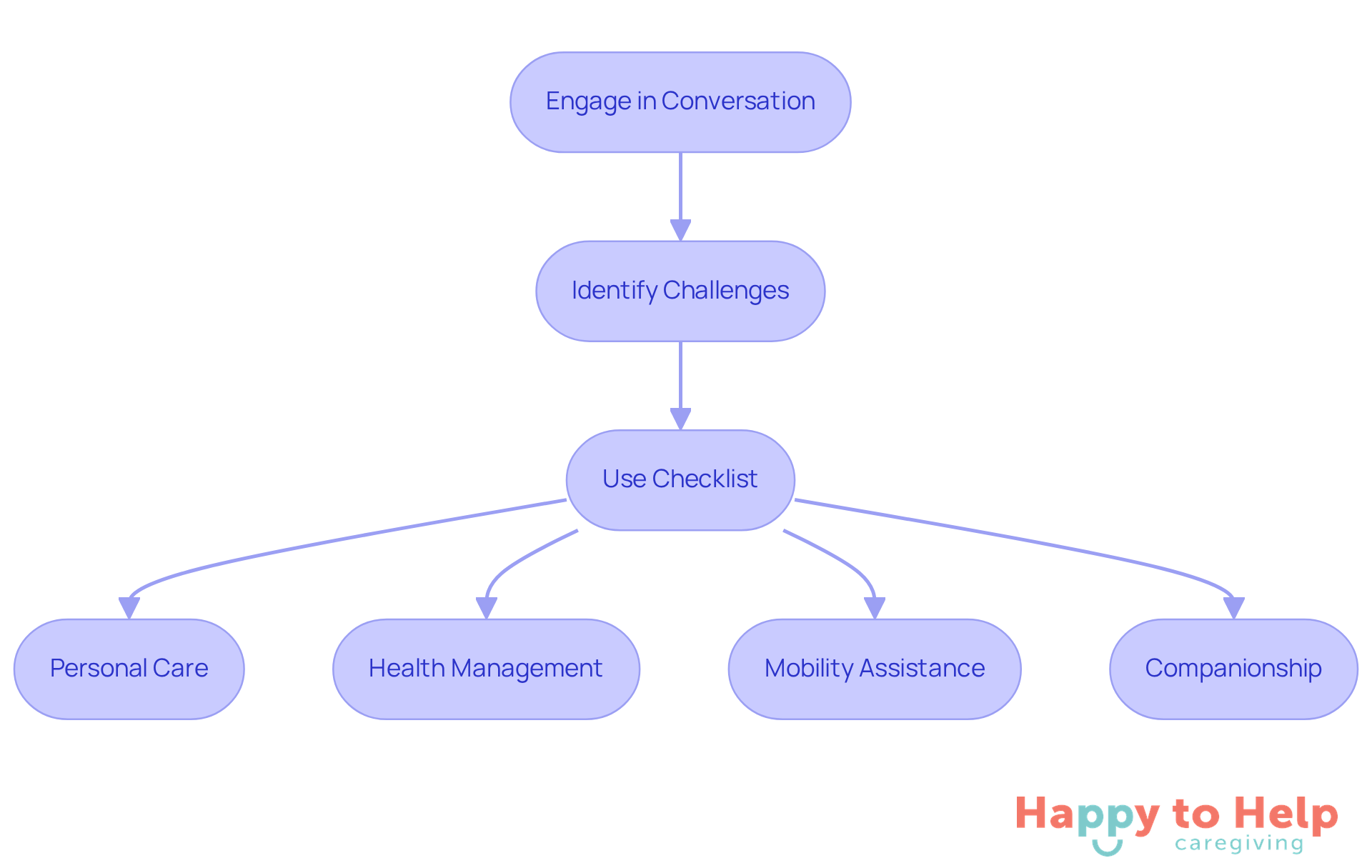
To effectively evaluate their needs, consider using a checklist that may include:
- Personal Care: Assistance with bathing, dressing, and grooming.
- Health Management: Medication reminders and monitoring of health conditions.
- Mobility Assistance: Help with walking or transferring from bed to chair.
- Companionship: Social interaction to combat loneliness.
Clearly documenting these needs will help guide you on how to find a live-in caregiver for elderly who can meet these specific requirements. By addressing these areas, you can ensure that your loved one receives the support they need, ultimately improving their quality of life.
Explore Care Options and Services
When families are exploring how to find a live-in caregiver for elderly loved ones, they often face the challenge of selecting the right option. This decision can significantly impact both the caregiver and the recipient's quality of life.
The Problem: Many families struggle with the emotional and physical demands of caregiving. For instance, those providing 21 or more hours of care each week are nearly four times more likely to care for a spouse or partner, reflecting the intensity of their responsibilities. Additionally, 92% of these caregivers report being in high-burden situations, highlighting the challenges they face.
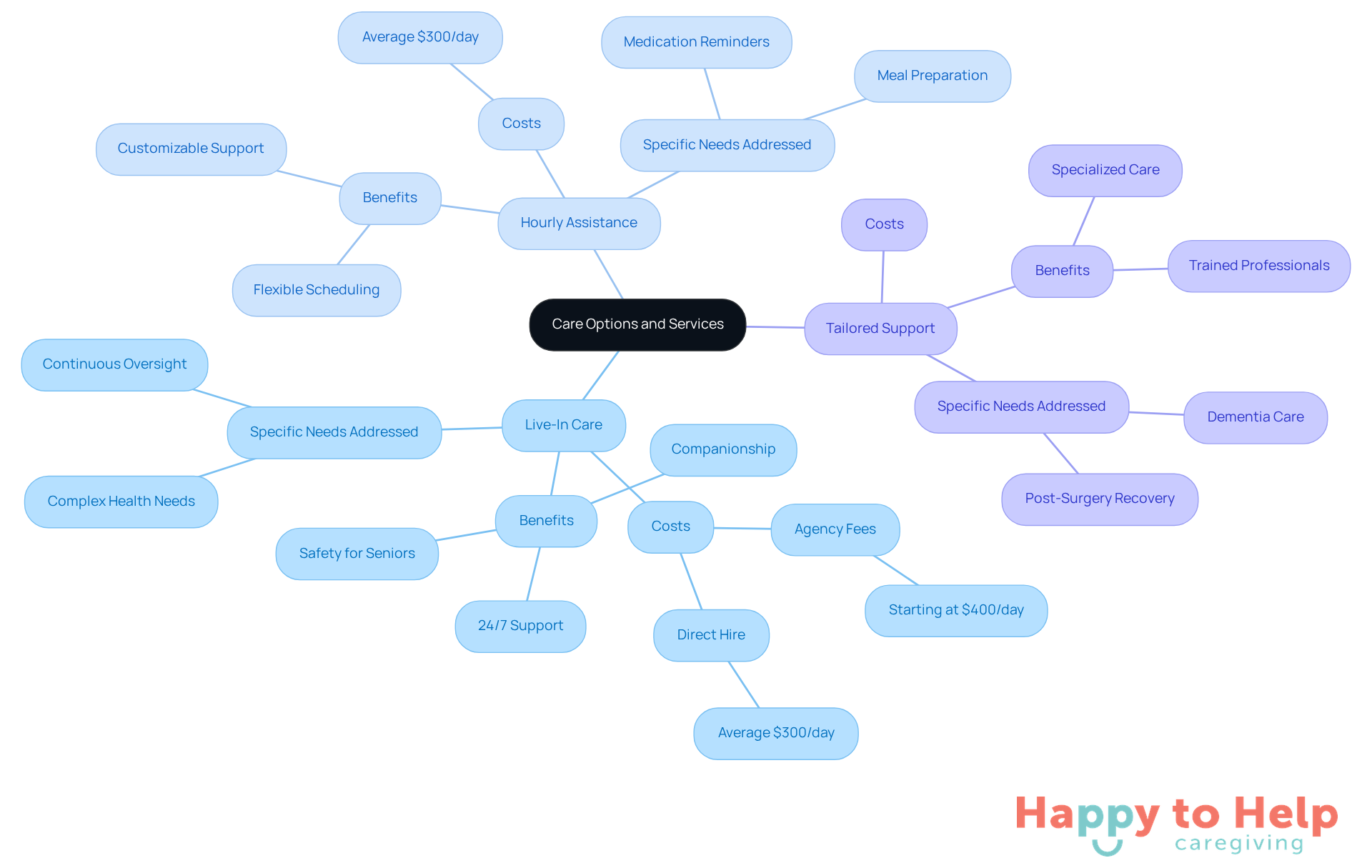
The Implications: Understanding the distinctions between caregiving options is crucial. Live-in care, while providing continuous support, typically incurs higher expenses, with agency fees starting at approximately $400 daily. In contrast, hourly assistance averages around $300 per day, varying by location and provider qualifications. Families must weigh these costs against the emotional toll of caregiving.
The Solutions: To navigate these challenges, families can explore various caregiving options:
-
Live-In Care: A caregiver resides in the home, offering 24/7 support, companionship, and safety, especially for seniors who may wander at night. This arrangement is beneficial for individuals needing continuous oversight or those with complex health needs.
-
Hourly Assistance: This option allows families to customize support schedules based on specific needs, such as meal preparation or medication reminders. Hourly assistants typically work in shifts that can be adjusted according to family requirements.
-
Tailored Support: Some providers specialize in services for specific conditions, like dementia or post-surgery recovery. These professionals are trained to handle unique challenges, ensuring clients receive appropriate care.
Utilizing resources such as local caregiving agencies, online platforms, and community services can assist families in understanding how to find a live-in caregiver for elderly individuals by gathering detailed information about each option and associated costs. Engaging with caregiving experts is essential; 66% of caregivers report having significant decision-making power regarding the recipient's care. This involvement fosters a supportive and effective care environment.
Incorporating insights from caregiving experts can enhance understanding. For example, the National Alliance for Caregiving notes that the average length of a caregiver's role is four years, emphasizing the long-term commitment involved in caregiving.
Research and Identify Potential Caregivers
For many families, understanding how to find a live-in caregiver for elderly can be a daunting task. The challenge lies not only in identifying qualified individuals but also in knowing how to find a live-in caregiver for elderly who meet specific needs and standards. This can lead to stress and uncertainty, especially when the well-being of loved ones is at stake.
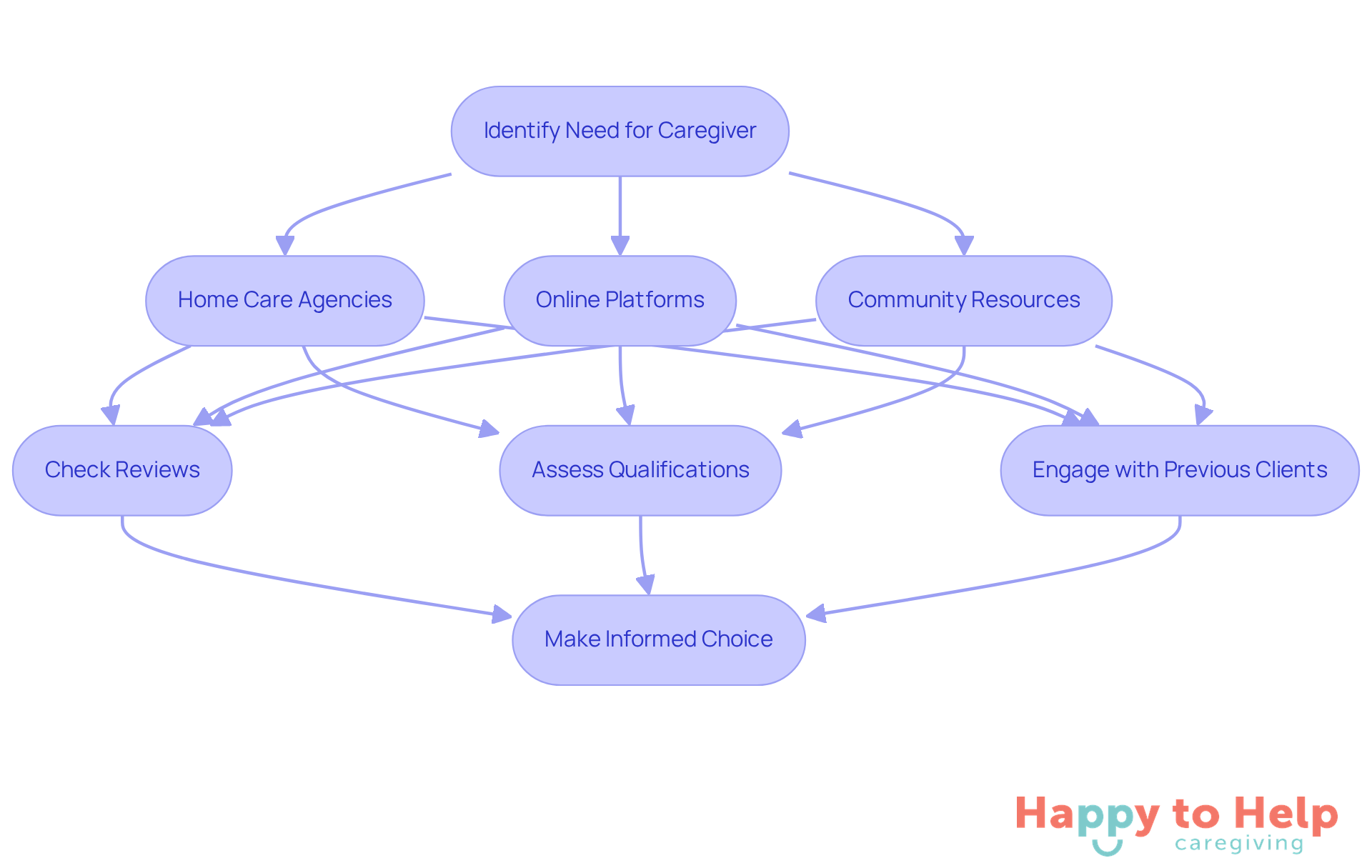
To tackle this issue, consider these key resources:
-
Home Care Agencies: These agencies provide trained caregivers and handle administrative tasks like payroll and compliance with local labor laws. They ensure that support providers are certified and insured, adding a layer of security for households. For example, Happy to Help Caregiving offers personalized care plans tailored to individual needs and provides guidance on how to find a live-in caregiver for elderly companionship care and post-hospital recovery assistance.
-
Online platforms such as Care.com and Caregivers.com provide resources on how to find a live-in caregiver for elderly individuals based on specific criteria, including qualifications and availability. These platforms often feature reviews and ratings, aiding families in learning how to find a live-in caregiver for elderly by assessing the experiences of others. In Newport News, VA, for instance, the average rating for home care agencies is 3.4 out of 5 stars, reflecting a range of client experiences and indicating the quality of care available in the area.
-
Community resources like local senior centers, hospitals, and Area Agencies on Aging can offer valuable referrals on how to find a live-in caregiver for elderly individuals. These organizations often have established connections and can provide guidance on how to find a live-in caregiver for elderly individuals who have successfully placed in similar situations. They can also assist families in navigating the complexities of how to find a live-in caregiver for elderly, including understanding potential legal obligations.
Once you've compiled your list, it's crucial to check reviews and ratings for each candidate as part of how to find a live-in caregiver for elderly. Ensure they possess the necessary qualifications and experience, especially when considering how to find a live-in caregiver for elderly who can provide specialized assistance. Engaging with previous clients or families who have used their services can provide valuable insights into how to find a live-in caregiver for elderly, leading to a more informed choice regarding a provider's reliability and effectiveness. Remember, around 3.0 million patients received assistance from home health agencies in the U.S. during 2020, highlighting the importance of finding the right support.
Interview and Screen Caregivers Thoroughly
The challenge in how to find a live-in caregiver for elderly loved ones lies in ensuring that you find someone who is not only qualified but also a good fit for your family. This process, especially when considering how to find a live-in caregiver for elderly, can be daunting, particularly given the emotional weight of the decision. Without proper vetting, you risk compromising the quality of care your loved one receives.
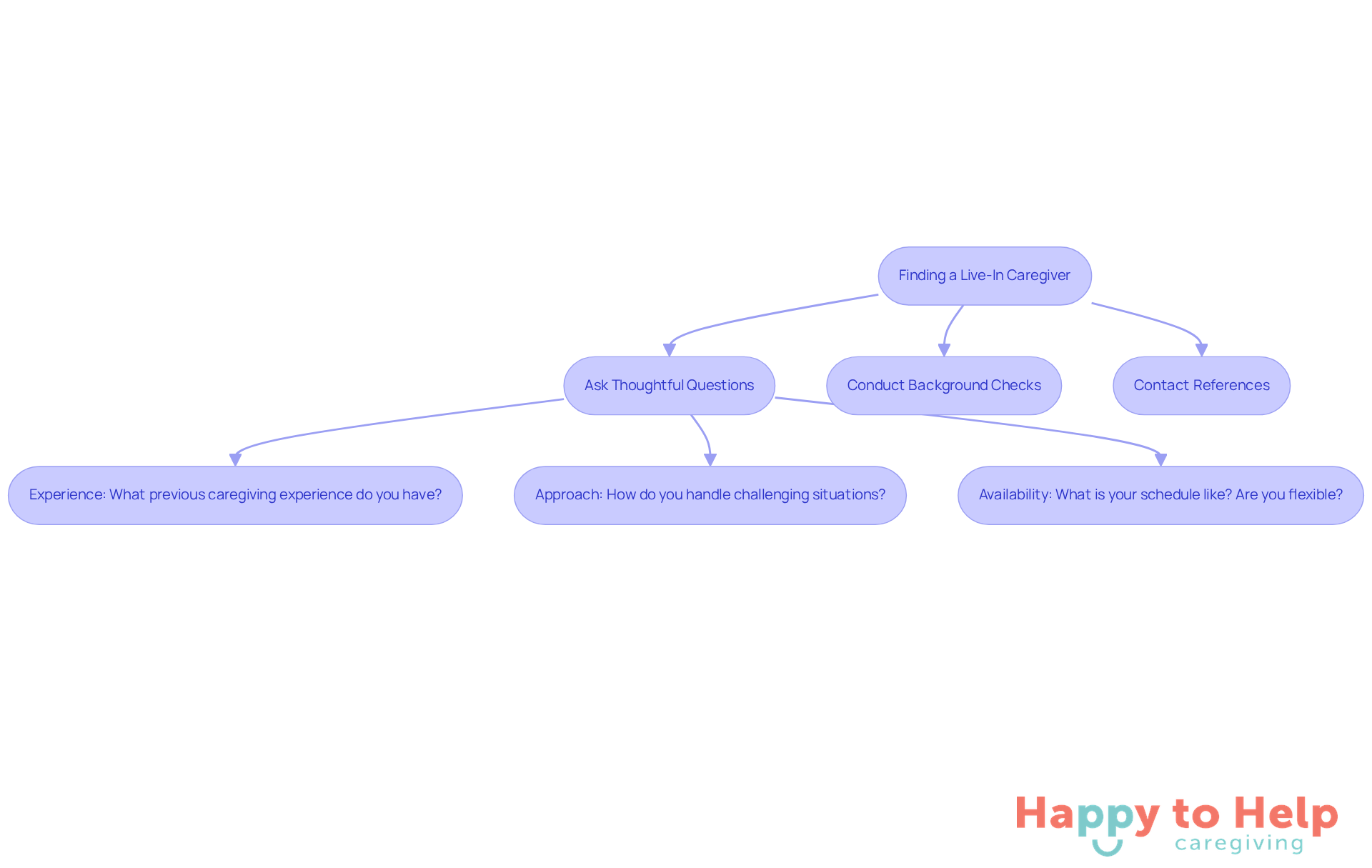
To navigate this challenge effectively, consider asking potential caregivers a thoughtful list of questions that cover various aspects of their experience and approach to caregiving:
- Experience: "What previous caregiving experience do you have?" This question helps assess their understanding of the specific needs of elderly clients.
- Approach: "How do you handle challenging situations?" Understanding their problem-solving skills can reveal how they might react in stressful scenarios.
- Availability: "What is your schedule like? Are you flexible?" Flexibility is crucial for meeting the unpredictable needs of elderly support.
In addition to these questions, understanding how to find a live-in caregiver for elderly involves conducting thorough background checks and contacting references, which is vital. This process not only confirms the provider's history and trustworthiness but also offers reassurance for both you and your loved one. As caregiving specialists emphasize, asking the right questions during interviews can help identify individuals who are not only qualified but also a suitable match for your family’s unique needs. By taking these steps, you can significantly improve the standard of care provided.
Prepare the Home for Caregiver Integration
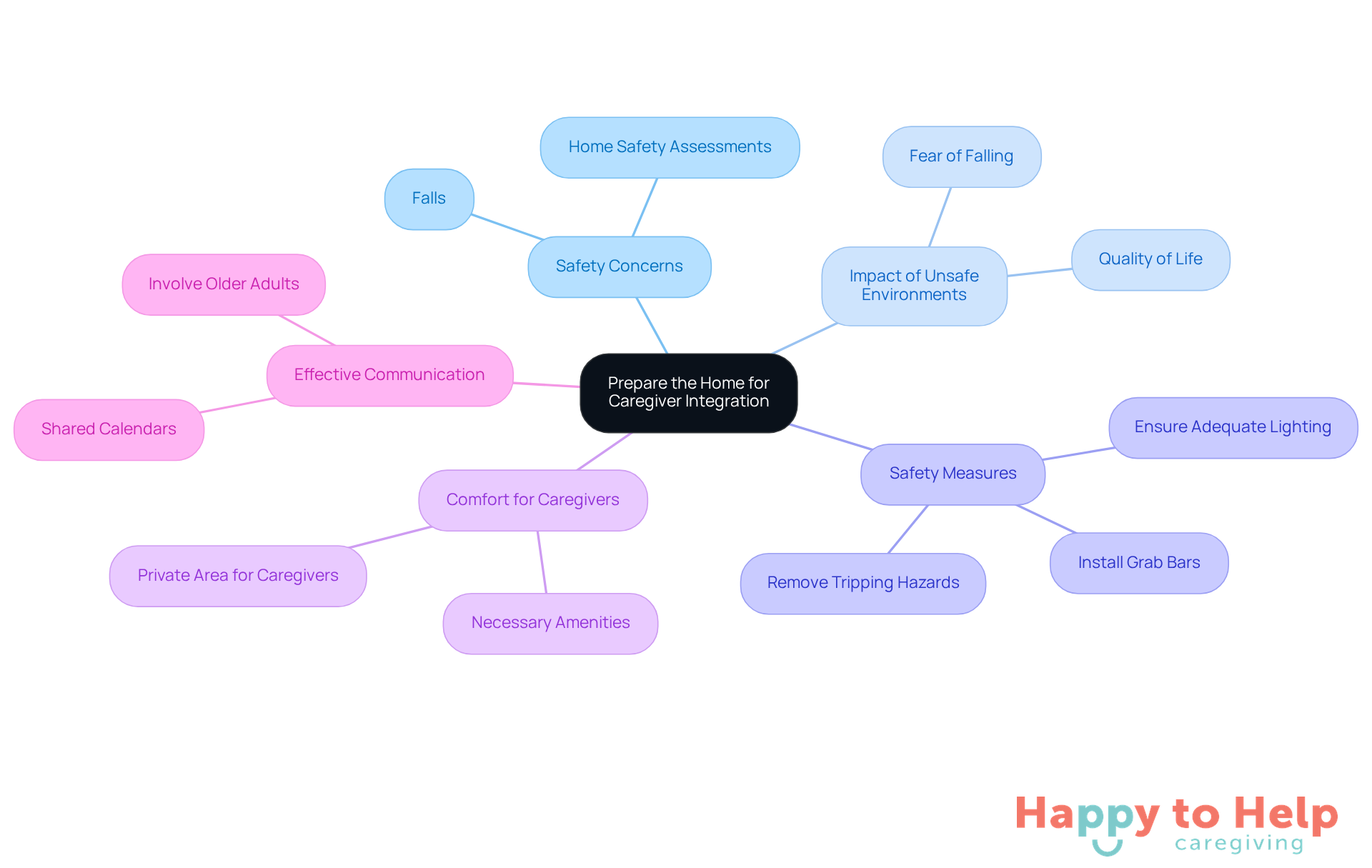
When considering how to find a live-in caregiver for elderly, preparing your home involves addressing several critical challenges to ensure optimal care for your loved one.
Problem: Safety Concerns
One of the primary issues is safety. Falls are a leading cause of injury-related death among older adults, making it essential to create a secure environment. Occupational therapists recommend regular home safety assessments, as these can decrease fall-related injuries by up to 36%. This proactive approach not only enhances safety but also alleviates the emotional fears older adults may have about falling.
Agitate: The Impact of Unsafe Environments
When safety is compromised, it can lead to serious injuries, affecting both the individual and their family. The fear of falling can hinder older adults from engaging in daily activities, impacting their quality of life. Therefore, addressing these concerns is crucial for both physical safety and emotional well-being, especially when considering how to find a live-in caregiver for elderly.
Solution: Implementing Safety Measures
To mitigate these risks, start with a thorough safety assessment. Remove tripping hazards, ensure adequate lighting, and install grab bars in bathrooms. These modifications can significantly reduce the risk of falls, creating a safer living space for your loved one.
Comfort for Caregivers
Creating a comfortable living environment for the caregiver is equally important. Provide a private area for rest during breaks, equipped with necessary amenities. A well-prepared space not only benefits the provider's well-being but also enhances their efficiency in delivering assistance.
Effective Communication
Establishing a clear communication system is vital for coordinating care. Utilize shared calendars or notes to keep relatives informed about routines and any changes in your loved one's condition. Involving older adults in these discussions promotes their dignity and autonomy, making the transition smoother.
These preparations not only foster a positive working relationship between the caregiver and your family but also guide you on how to find a live-in caregiver for elderly, ultimately ensuring that your loved one receives the highest quality of care in a safe and supportive environment.
Moving Forward with Find a Live-In Caregiver for Elderly
Finding the right live-in caregiver for elderly loved ones is a significant challenge that can greatly impact their quality of life. Families often struggle with understanding the unique care needs of seniors, which can lead to stress and uncertainty in selecting a qualified caregiver. This decision is crucial, as the right caregiver can enhance the well-being of elderly individuals, while the wrong choice can lead to complications and dissatisfaction.
To address this issue, families should engage in a careful assessment of their loved one's specific needs. Open communication about care requirements is essential, as it helps in identifying the most suitable caregiving options available. Families are encouraged to explore resources such as:
- Home care agencies
- Online platforms
- Community services
Preparing the home environment for safety and comfort is also vital, ensuring that both the elderly individual and the caregiver feel secure and at ease.
Screening potential caregivers is a critical step in this process. Conducting comprehensive interviews and background checks can solidify the choice of caregiver, ensuring alignment with the family's values and the senior's needs. Engaging in this thorough selection process not only fosters trust but also enhances the caregiving experience.
Ultimately, the well-being of elderly loved ones is paramount. By following these best practices, families can create a nurturing and supportive caregiving environment. Embracing this journey with diligence and compassion honors the needs of seniors and fosters a stronger bond between families and caregivers. Prioritizing these steps allows families to provide their loved ones with the care and companionship they deserve, positively impacting their overall health and happiness.
https://iframe.tely.ai/cta/eyJhcnRpY2xlX2lkIjogIjY5MjI0ZjU5ZmViYTIxODdjZTM2NWI4NiIsICJjb21wYW55X2lkIjogIjY4ZWU1ZGNhNzMxNzYyNTU3ZjNjOTVjMSIsICJpbmRleCI6IG51bGwsICJ0eXBlIjogImFydGljbGUifQ==Frequently Asked Questions
How can I assess the care needs and preferences of my loved one?
Start by engaging in an open conversation about their daily routines, preferences, and specific health concerns. This dialogue is crucial to identify the challenges they face and can be supported by using a checklist that includes personal care, health management, mobility assistance, and companionship.
What should be included in the checklist for assessing care needs?
The checklist should include assistance with bathing, dressing, and grooming (personal care), medication reminders and monitoring of health conditions (health management), help with walking or transferring (mobility assistance), and social interaction to combat loneliness (companionship).
What are the different care options available for elderly loved ones?
The main care options include live-in care, which provides 24/7 support from a caregiver residing in the home; hourly assistance, which allows families to customize support schedules; and tailored support for specific conditions, such as dementia or post-surgery recovery.
What are the costs associated with different caregiving options?
Live-in care typically incurs higher expenses, with agency fees starting at approximately $400 daily, while hourly assistance averages around $300 per day, though costs can vary by location and provider qualifications.
What challenges do families face when providing care?
Families often struggle with the emotional and physical demands of caregiving, especially those providing 21 or more hours of care weekly. Many caregivers report being in high-burden situations, highlighting the intensity of their responsibilities.
How can families find the right caregiver for their loved ones?
Families can explore various caregiving options through local caregiving agencies, online platforms, and community services. Engaging with caregiving experts can provide essential insights and help families understand the available options and associated costs.
What is the average length of a caregiver's role?
The average length of a caregiver's role is approximately four years, indicating the long-term commitment involved in caregiving.
List of Sources
- Assess Care Needs and Preferences
- Guide to Taking Care of Aging Parents and Family Members (https://arnothealth.org/news/guide-to-taking-care-of-aging-parents-and-family-members)
- How to Assess if an Older Adult Needs Caregiving Help (https://aarp.org/caregiving/home-care/assessing-need-for-caregiver)
- Understanding If Your Older Loved One Needs Help | AgeWays (https://ageways.org/2021/12/15/holidays-offer-a-chance-to-assess-care-needs-of-older-loved-ones)
- Caring for Aging Parents: A Comprehensive Checklist - UDS Foundation (https://udservices.org/caring-for-aging-parents-a-comprehensive-checklist)
- Elderly Care Statistics (https://rosewood-nursing.com/post/elderly-care-statistics)
- Explore Care Options and Services
- Live-In Caregiving As The New Alternative (https://liveinhomecare.com/live-in-caregiving-as-the-new-alternative/caregiving)
- Understanding the Different Eldercare Options (https://health.usnews.com/senior-care/articles/understanding-the-different-senior-care-options)
- Caregiver Statistics: Demographics (https://caregiver.org/resource/caregiver-statistics-demographics)
- Types of live-in caregivers and what you can expect to pay (https://care.com/c/hiring-a-live-in-caregiver-rate)
- Senior Care: Know Your Options | Homeland Security (https://dhs.gov/employee-resources/news/2023/12/13/senior-care-know-your-options)
- Research and Identify Potential Caregivers
- How To Find Reliable Private Caregivers For Hire - Voyager Home Health Care (https://voyagerhomehealthcare.com/blogs/news/how-to-find-reliable-private-caregivers-for-hire)
- Top 10 Home Care Agencies in Newport News, VA | Affordable Pricing (https://care.com/home-care-agencies/newport-news-va)
- Tips for Hiring the Right Caregiver (https://ncoa.org/article/how-do-i-find-a-good-caregiver-a-step-by-step-guide)
- FastStats (https://cdc.gov/nchs/fastats/home-health-care.htm)
- The 10 Best Home Care Agencies for Seniors in Newport News, VA for 2025 | Caring.com (https://caring.com/senior-care/in-home-care/virginia/newport-news)
- Interview and Screen Caregivers Thoroughly
- National Alliance for Caregiving: Caregiving in the US 2025 Report (https://johnahartford.org/resources/view/national-alliance-for-caregiving-caregiving-in-the-us-2025-report)
- The Case For Stronger Caregiver Vetting In Home Care (https://homehealthcarenews.com/2024/10/the-case-for-stronger-caregiver-vetting-in-home-care)
- Caregiver Statistics: Work and Caregiving (https://caregiver.org/resource/caregiver-statistics-work-and-caregiving)
- The Caregiving Landscape: Data & Insights on the Caregiver Experience in the U.S. (https://caregiveraction.org/caregiver-statistics)
- Caregiving Crisis: 45% Increase in Americans Providing Care (https://aarp.org/caregiving/basics/caregiving-in-us-survey-2025)
- Prepare the Home for Caregiver Integration
- Home Care: How to Get Ready, Tips from the Experts (https://porch.com/advice/home-care-experts-tips)
- Understanding Barriers to Home Safety Assessment Adoption in Older Adults: Qualitative Human-Centered Design Study - PMC (https://pmc.ncbi.nlm.nih.gov/articles/PMC12212885)
- How To Prepare a Home for a Live-In Caregiver: Essential Steps for a Smooth Transition? (https://legacyhc.net/how-to-prepare-a-home-for-a-live-in-caregiver-essential-steps-for-a-smooth-transition)
- Home Safety for Seniors: Statistics & Proven Safety Solutions (https://agesafeamerica.com/home-safety-hub/articles/home-safety-seniors-statistics-solutions)
- 6 Tips for Bringing a Caregiver Into Your Loved One’s Home (https://truelinkfinancial.com/blog/6-tips-for-bringing-a-caregiver-into-your-loved-ones-home)