
Why Find In-Home Care for Disabled Adults Matters
Finding the right in-home care for disabled adults can feel like navigating a complex maze. With approximately 70% of disabled adults requiring assistance with daily activities, families face a critical challenge: identifying the most suitable support options to enhance their loved ones' quality of life.
But how can families ensure they choose caregivers who not only meet these needs but also foster a sense of companionship and trust? This guide delves into essential steps for locating in-home care services, evaluating caregiver qualifications, and understanding financial options. It addresses the emotional and practical challenges that come with caregiving, providing families with the tools they need to make informed decisions.
Understand the Unique Needs of Disabled Adults
Finding in-home care for disabled adults near me can be challenging, especially when it comes to understanding their unique needs. Caregivers often face the problem of identifying the specific support required to enhance the quality of life for these individuals.
-
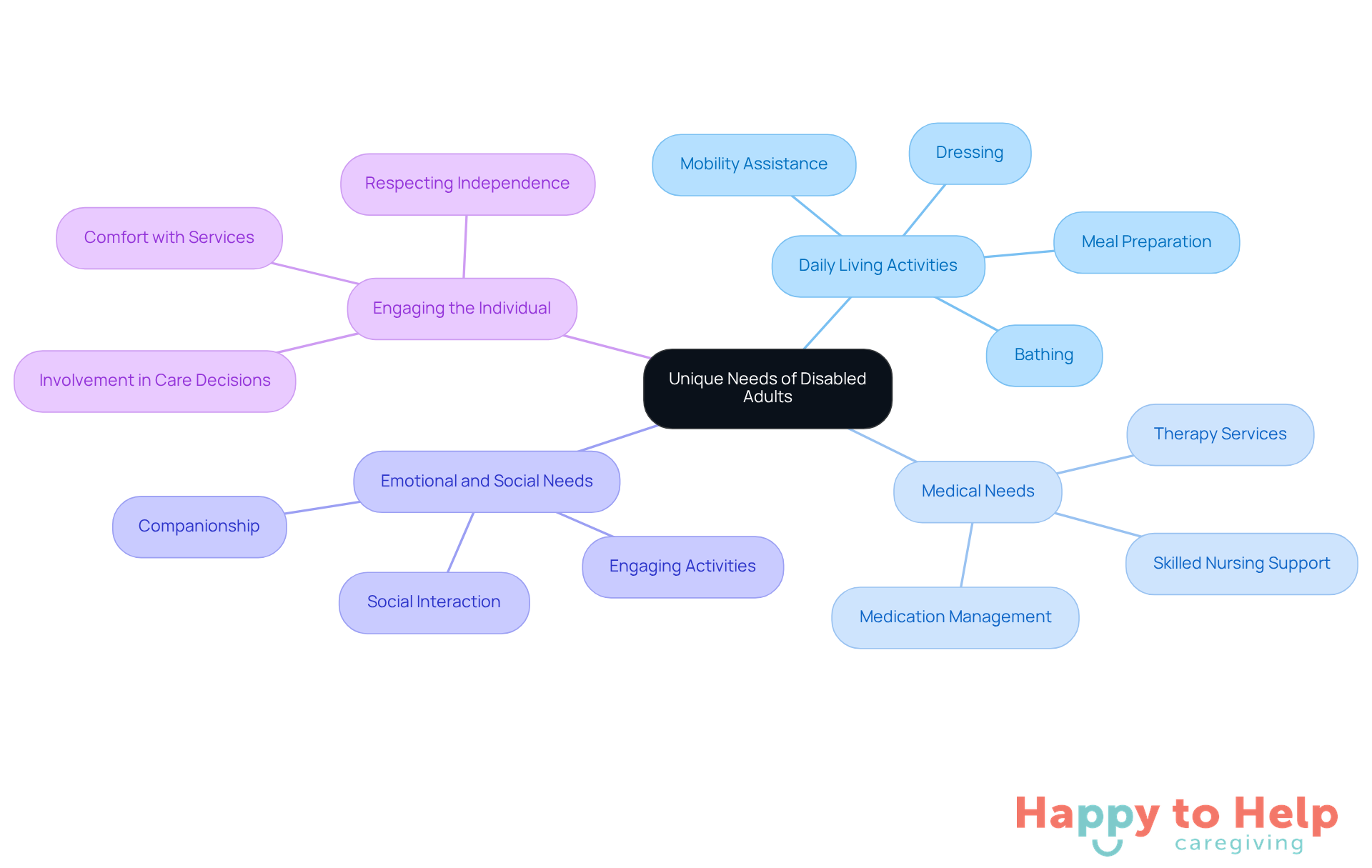
Identifying Daily Living Activities: Start by pinpointing which daily activities the person struggles with. Common challenges include bathing, dressing, meal preparation, and mobility. Approximately 70% of disabled adults need help with at least one of these activities, underscoring the necessity for in-home care for disabled adults near me. Acknowledging these needs is crucial for developing effective support strategies.
-
Evaluating Medical Needs: Assess any medical conditions the individual may have. This evaluation helps determine if skilled nursing support, medication management, or therapy services are necessary. Addressing health-related needs adequately is vital for overall well-being.
-
Considering Emotional and Social Needs: Don’t overlook the importance of companionship and emotional support. Many disabled adults thrive on social interaction and engaging in enjoyable activities, which can significantly improve their quality of life. As one supporter noted, "Social engagement is equally important as physical assistance; it keeps our loved ones involved and joyful."
-
Engaging the Individual: Whenever possible, involve the disabled adult in discussions about their support preferences. This inclusion respects their independence and ensures their comfort with the chosen services. When individuals feel acknowledged in their treatment choices, it often leads to better outcomes and a more positive caregiving experience.
Additionally, be aware of potential Medicaid reductions that could affect in-home assistance availability. Programs like In-Home Supportive Services (IHSS) are essential for providing in-home care for disabled adults near me to maintain independence and necessary support. Families should stay informed about these changes to ensure continued access to vital assistance.
Explore Different Types of In-Home Care Services
Caring for a loved one, especially those with disabilities, can be a daunting challenge for families. The emotional and physical toll on caregivers is significant, often leading to feelings of exhaustion and isolation. Understanding the available options for in-home care for disabled adults near me is crucial for families seeking the best assistance for their loved ones.
-
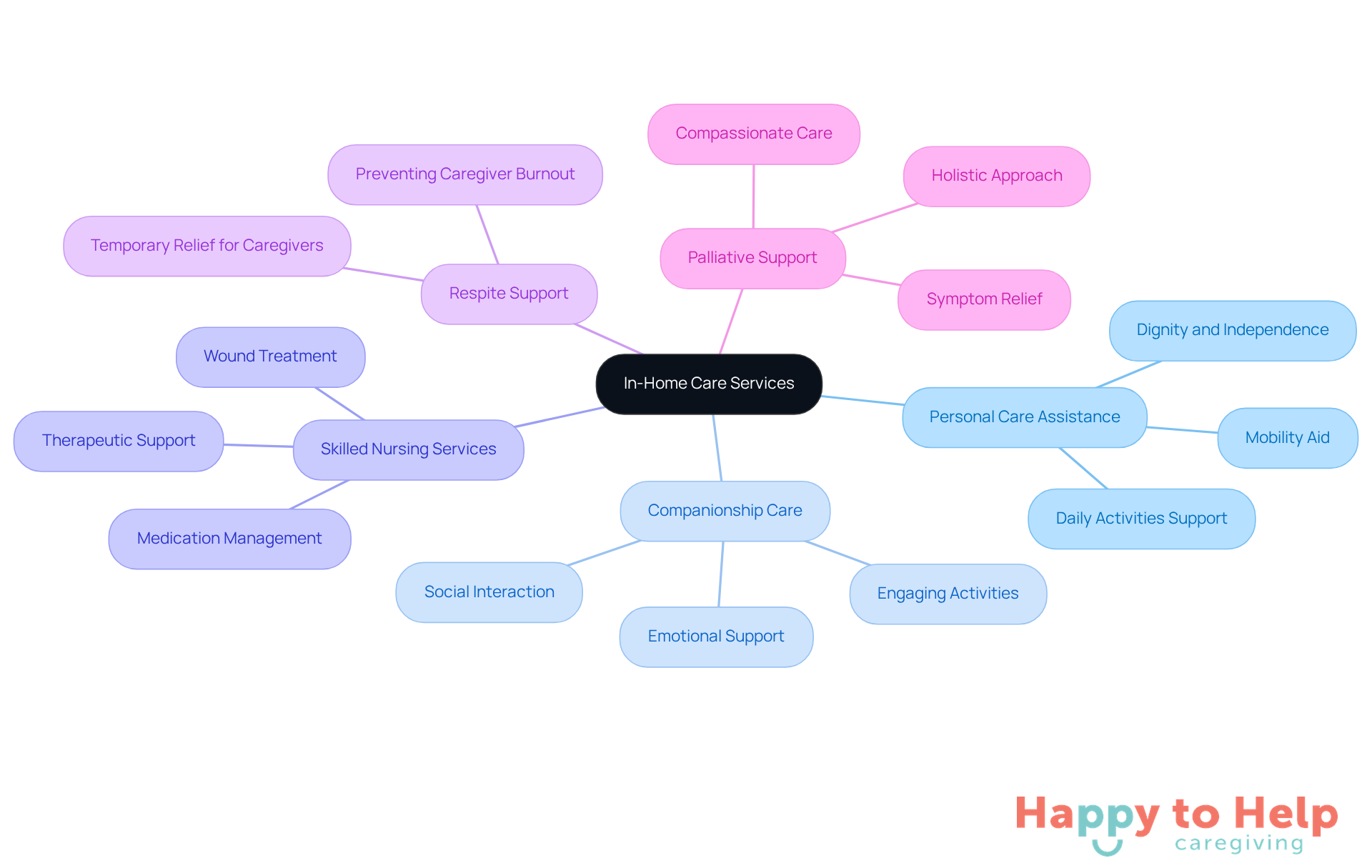
Personal Care Assistance: These supports are essential for helping individuals with daily activities, such as bathing, grooming, dressing, and mobility aid. Personal assistants play a vital role in helping clients maintain their dignity and independence while ensuring safety and comfort in their daily routines.
-
Companionship Care: This offering provides social interaction and emotional support, which is particularly beneficial for individuals experiencing loneliness or isolation. Companion caregivers engage clients in meaningful activities, fostering connections that enhance overall well-being.
-
Skilled Nursing Services: For individuals with specific medical needs, skilled nursing services offer professional assistance, including wound treatment, medication management, and therapeutic support. This form of support is essential for those recuperating from surgery or managing chronic health issues.
-
Respite Support: Respite support offers temporary relief for primary caregivers, allowing them to take essential breaks while ensuring their loved ones receive quality assistance. This service is crucial for preventing caregiver burnout and maintaining the well-being of both the caregiver and the person receiving support.
-
Palliative Support: Focused on individuals with serious illnesses, palliative support aims to relieve symptoms and enhance quality of life. This holistic approach addresses physical, emotional, and spiritual needs, ensuring that clients receive compassionate support during challenging times.
The demand for in-home care for disabled adults near me is increasing, driven by an aging population and a growing preference for remaining at home. Families are increasingly recognizing the importance of personalized assistance that aligns with their loved ones' unique needs and preferences. As the market evolves, it is essential for families to explore these options thoroughly to find the right fit for their disabled relatives.
Evaluate Caregiver Qualifications and Compatibility
Choosing in-home care for disabled adults near me poses a significant challenge. Many families struggle to find qualified individuals who can provide in-home care for disabled adults near me and the necessary support. Alarmingly, only 7% of caregivers report having received formal training, which raises concerns about the quality of care available.
To address this issue, families should take several steps to ensure they choose the right in-home care for disabled adults near me:
-
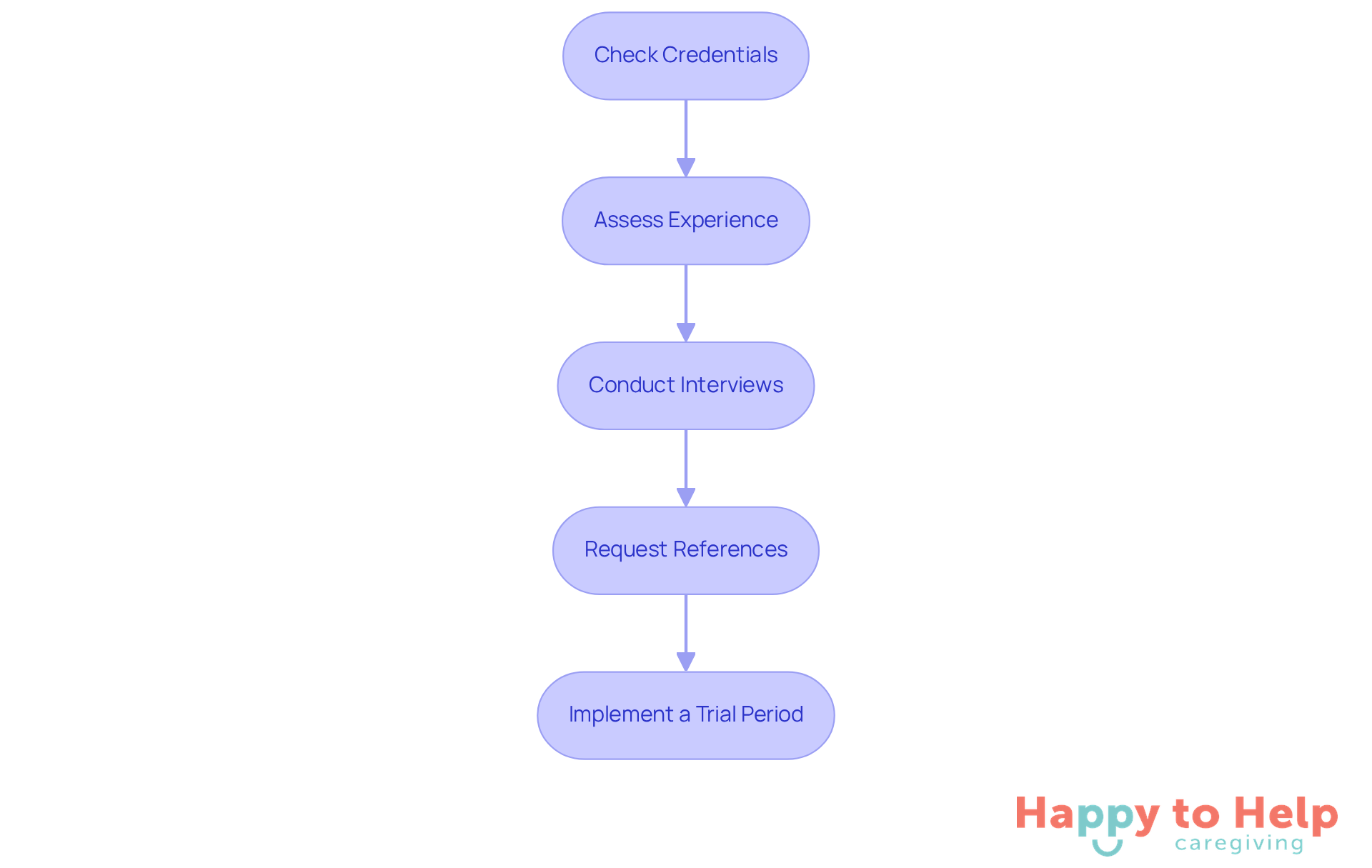
Check credentials. Verify that the caregiver has the necessary certifications and training relevant to the specific care needs. This is essential for ensuring that the caregiver is equipped to handle the complexities of disability support.
-
Assess experience. Prioritize caregivers with substantial experience in supporting individuals with similar disabilities. Research indicates that those with an average of one year of experience are better equipped to manage the intricacies of disability support, ultimately improving the quality of care provided. Additionally, consider that the average age of informal support providers is 61.18 years, which may influence their training needs and capabilities.
-
Conduct interviews. Arrange discussions with potential caregivers to evaluate their communication skills, empathy, and overall approach to care. Effective communication is crucial, as it significantly impacts the caregiver-client relationship.
-
Request references. Ask for testimonials from previous clients or employers to gain insights into the caregiver's reliability and effectiveness. These references can provide valuable information about the caregiver's past performance and compatibility with clients.
-
Implement a trial period. Observing the caregiver's interactions with the disabled adult allows families to assess whether a comfortable rapport is established, which is essential for effective caregiving.
By following these steps, families can make informed choices that prioritize both qualifications and personal connection in in-home care for disabled adults near me. As Lindsey Copeland noted, caregivers often face challenges in finding affordable options, highlighting the importance of selecting the right caregiver to alleviate some of the emotional strain associated with caregiving.
Navigate Payment Options for In-Home Care
Understanding payment options for in-home care for disabled adults near me can pose a challenge for families trying to manage costs effectively. Many caregivers face financial strain when seeking assistance, which can lead to stress and uncertainty about how to proceed.
To address this issue, here are some practical solutions:
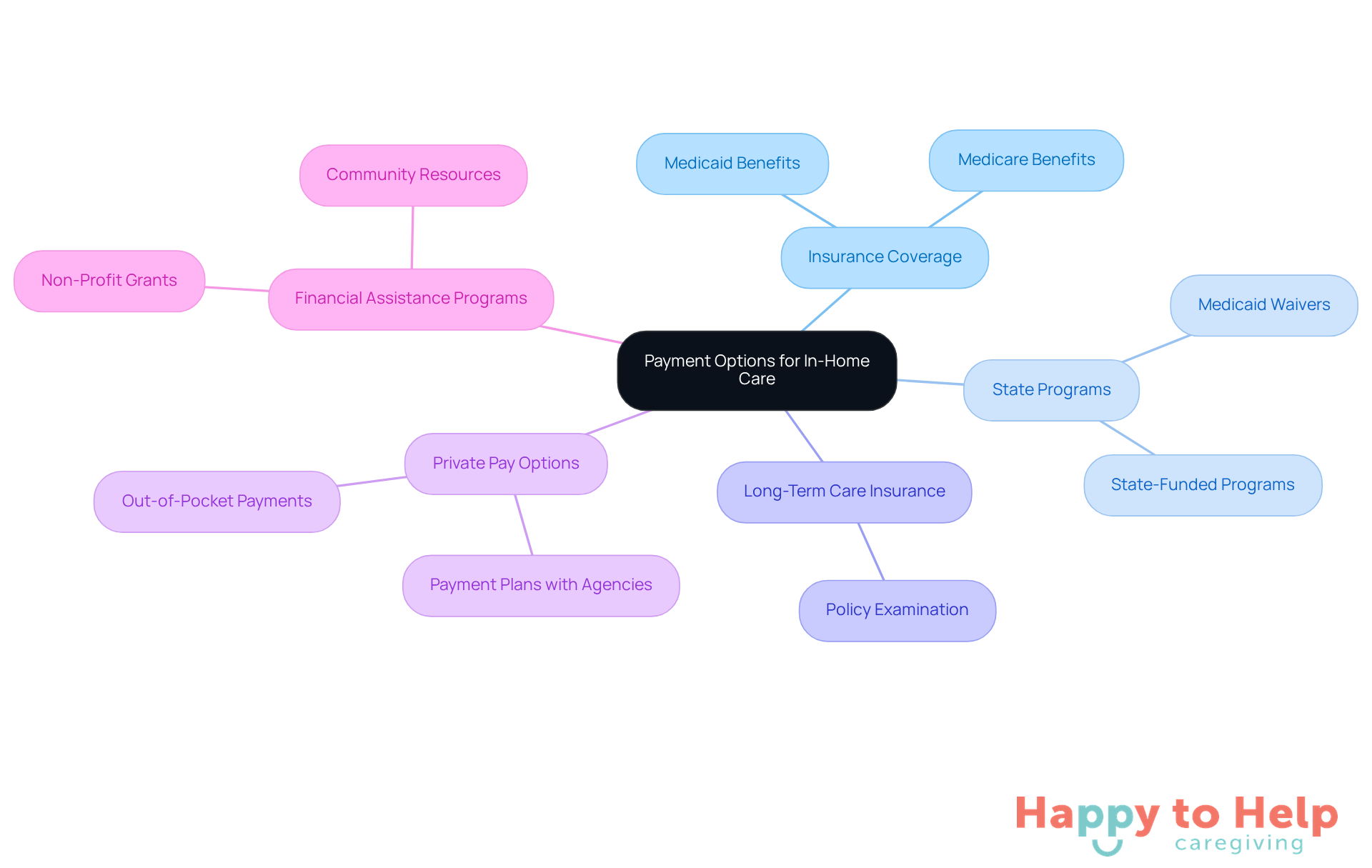
- Insurance Coverage: Verify if the person's health insurance includes any in-home assistance options, such as Medicare or Medicaid benefits.
- State Programs: Investigate state-specific initiatives that offer financial support for in-home assistance, such as Medicaid waivers or state-funded programs.
- Long-Term Care Insurance: If relevant, examine any long-term care insurance policies that may include in-home assistance.
- Private Pay Options: Consider private pay arrangements, where families pay out-of-pocket for services. Discuss payment plans with care agencies if needed.
- Financial Assistance Programs: Look into non-profit organizations or community resources that offer grants or financial assistance for caregivers.
By exploring these options, families can find the support they need to effectively manage the costs of in-home care for disabled adults near me.
Your Path Forward
Finding appropriate in-home care for disabled adults presents a significant challenge. Families often grapple with understanding individual needs, available services, and caregiver qualifications. This complexity can lead to feelings of overwhelm, as it’s not just about physical assistance; emotional well-being and independence are also at stake.
Identifying daily living challenges and evaluating both medical and emotional needs are crucial steps in this process. Families must explore various types of care services and assess caregiver qualifications to create a supportive environment tailored to their loved ones. Additionally, understanding payment options and potential financial assistance can ease some of the burdens families face.
The importance of securing the right in-home care cannot be overstated. Advocating for the needs of disabled adults is essential to ensure they receive care that upholds their dignity and enhances their quality of life. Families are encouraged to take proactive steps in their search, utilizing available resources and staying informed about potential changes in care policies. By doing so, they can foster a nurturing environment that empowers their loved ones to thrive at home.
https://iframe.tely.ai/cta/eyJhcnRpY2xlX2lkIjogIjY5MjRmMjA1ZWM0Y2FiOGU3NGVjMDEwNCIsICJjb21wYW55X2lkIjogIjY4ZWU1ZGNhNzMxNzYyNTU3ZjNjOTVjMSIsICJpbmRleCI6IG51bGwsICJ0eXBlIjogImFydGljbGUifQ==Frequently Asked Questions
What are the unique needs of disabled adults when it comes to in-home care?
Disabled adults often require assistance with daily living activities, medical needs, and emotional and social support. Identifying these needs is crucial for enhancing their quality of life.
What daily living activities do disabled adults commonly struggle with?
Common challenges include bathing, dressing, meal preparation, and mobility. Approximately 70% of disabled adults need help with at least one of these activities.
How can medical needs impact the care of disabled adults?
Evaluating medical conditions is important to determine if skilled nursing support, medication management, or therapy services are necessary for the individual's overall well-being.
Why are emotional and social needs important for disabled adults?
Companionship and social interaction are vital for many disabled adults, as engaging in enjoyable activities can significantly improve their quality of life.
How can caregivers involve disabled adults in their care decisions?
Caregivers should engage the individual in discussions about their support preferences, respecting their independence and ensuring comfort with the chosen services.
What should families be aware of regarding Medicaid and in-home care?
Families should stay informed about potential Medicaid reductions that could affect the availability of in-home assistance, as programs like In-Home Supportive Services (IHSS) are essential for maintaining independence and necessary support.
List of Sources
- Understand the Unique Needs of Disabled Adults
- Notice of Privacy (https://triblive.com/news/health-now/older-disabled-pennsylvanians-bear-brunt-of-home-care-staffing-crisis)
- How Medicaid cuts could affect a Manassas day program for disabled adults (https://vpm.org/news/2025-10-23/medicaid-cuts-bright-center-disabled-adults-manassas-smith-kamara-beadnell)
- People with Disabilities Could Lose At-Home Care Due to Medicaid Cuts | County News Center | Office of Communications and Public Affairs | County of Santa Clara (https://news.santaclaracounty.gov/people-disabilities-could-lose-home-care-due-medicaid-cuts)
- ‘Medicaid is a lifeline’ for people living with disabilities, but they are about to lose vital services (https://thebeaconnews.org/stories/2025/07/21/medicaid-is-a-lifeline-for-people-living-with-disabilities-but-cuts-are-imminent)
- Explore Different Types of In-Home Care Services
- The Evolution of Home Care Services: Trends in the USA - Cottage Home Care (https://cottagehomecare.com/blog/trends-in-home-care-new-york)
- Disruption Redefines Home-Based Care: Providers Confront Challenges, Seize New Opportunities (https://homehealthcarenews.com/2025/10/disruption-redefines-home-based-care-providers-confront-challenges-seize-new-opportunities)
- FastStats (https://cdc.gov/nchs/fastats/home-health-care.htm)
- Companion Care vs. Personal Care | What's the Difference (https://corewoodcare.com/news/personal-vs-companion-care)
- The Future of HCBS: Trends and Innovations - Suffolk (https://suffolkhealth.com/the-future-of-hcbs-trends-and-innovations)
- Evaluate Caregiver Qualifications and Compatibility
- Perceived Training Needs of the Informal Caregivers of Older Adults: A Cross-Sectional Study - PMC (https://pmc.ncbi.nlm.nih.gov/articles/PMC11641250)
- A New Medicare Proposal Would Cover Training for Family Caregivers - KFF Health News (https://kffhealthnews.org/news/article/a-new-medicare-proposal-would-cover-training-for-family-caregivers)
- As Family Caregiving Grows, So Does the Need for Reform - Medicare Rights Center (https://medicarerights.org/medicare-watch/2025/08/14/as-family-caregiving-grows-so-does-the-need-for-reform)
- Family Caregivers: One of the Most Important but Difficult Jobs (https://iredellhealth.org/news/releases/family-caregivers-one-of-the-most-important-but-difficult-jobs)
- Navigate Payment Options for In-Home Care
- Home (https://homehealthcarenews.com)
- Changes to Medicaid, the ACA and other key provisions of the One Big Beautiful Bill Act (https://ama-assn.org/health-care-advocacy/federal-advocacy/changes-medicaid-aca-and-other-key-provisions-one-big)
- How Medicaid Cuts Could Force Millions Into Nursing Homes (https://ldi.upenn.edu/our-work/research-updates/how-medicaid-cuts-could-force-millions-into-nursing-homes)
- Expanding in-home care coverage is a needed evolution of Medicare | Brookings (https://brookings.edu/articles/expanding-in-home-care-coverage-is-a-needed-evolution-of-medicare)
- Medicaid cuts threaten home and community-based care (https://naco.org/news/medicaid-cuts-threaten-home-and-community-based-care)