
Why Master Compassionate Care in Home Care: Matters
Compassionate care in home settings is more than just a buzzword; it’s a fundamental necessity that directly impacts the well-being of clients and their families. Caregivers often face significant challenges, including emotional stress and communication barriers, which can hinder their ability to provide effective support. These obstacles not only affect the caregivers themselves but also the quality of life for their loved ones.
Studies show that empathetic interactions can significantly enhance the quality of life for patients. This presents family caregivers with a unique opportunity to transform their caregiving approach. However, navigating the complexities of compassionate care requires understanding and addressing the emotional toll it can take.
To foster a nurturing environment, caregivers can implement several practical strategies:
- Establishing open lines of communication with clients and family members can help alleviate misunderstandings and build trust.
- Seeking support from peer groups or professional networks can provide valuable insights and emotional relief.
- By prioritizing self-care and setting realistic expectations, caregivers can better manage their stress and enhance their caregiving effectiveness.
Define Compassion in Home Care
Being compassionate in home care is a critical issue that caregivers face. The challenge lies in the ability to empathize with a client's feelings and experiences while taking actionable steps to alleviate their suffering. Without this empathy, clients may feel isolated and unsupported, which can negatively impact their quality of life.
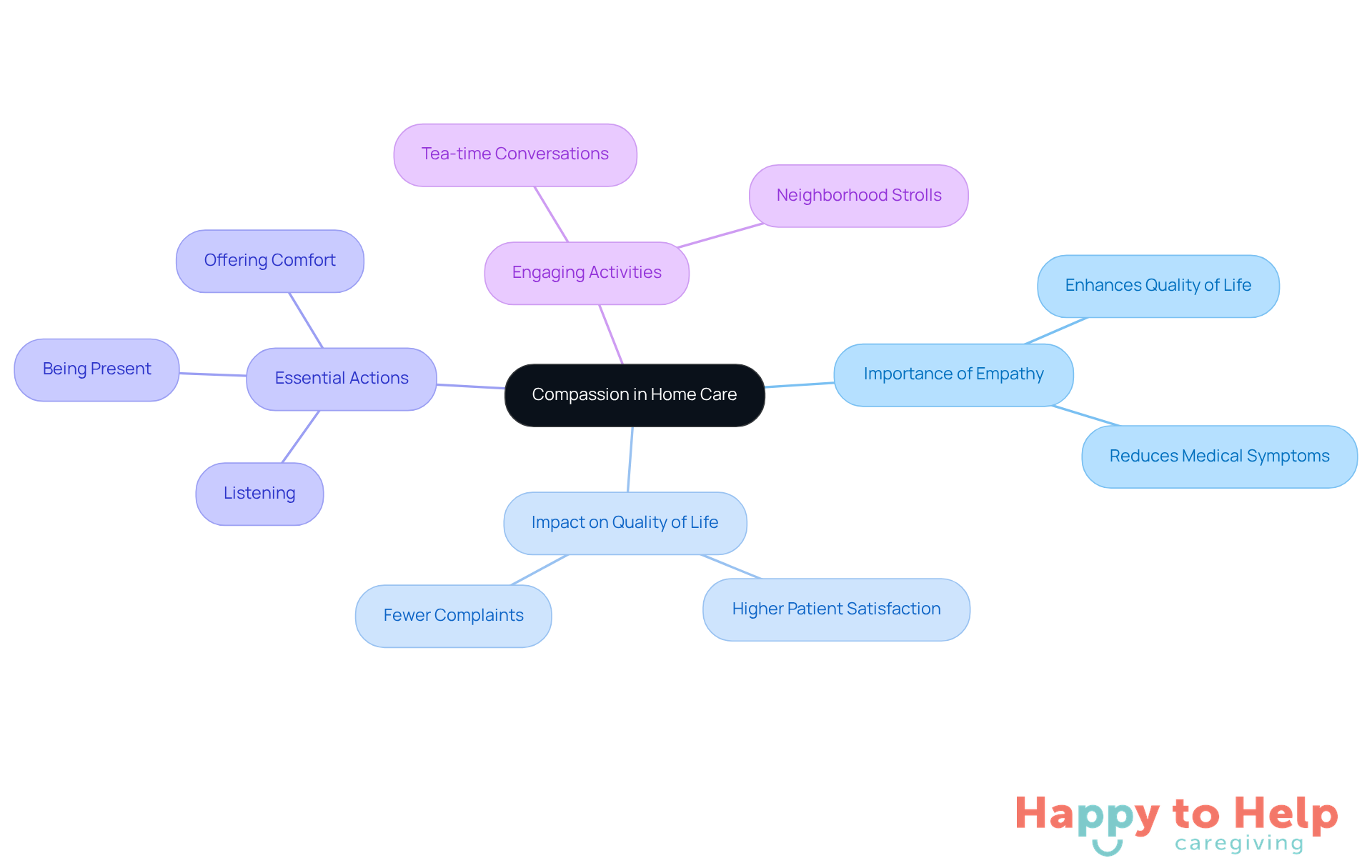
Statistics reveal that home care patients who receive empathetic support report a higher quality of life and experience fewer medical symptoms. A study published in BMC Palliative Care highlights this profound impact of empathy in caregiving. For family supporters, being present, listening attentively, and offering comfort in both physical and emotional situations are essential actions that can significantly improve client outcomes.
To address these challenges, caregivers can prioritize compassion in their approach. Engaging in meaningful activities, such as:
- Sharing tea-time conversations
- Enjoying neighborhood strolls
can enhance the caregiver-client relationship. By fostering a nurturing atmosphere where individuals feel valued and understood, caregivers not only enhance the emotional well-being of those they support but also contribute to a more positive caregiving experience overall.
In summary, being compassionate in home care is not just about understanding feelings; it’s about taking steps to create a supportive environment. By implementing these strategies, caregivers can make a significant difference in the lives of their clients.
Examine the Impact of Compassionate Care on Outcomes
Research consistently demonstrates that compassionate in home care is pivotal in enhancing health outcomes for individuals. However, many healthcare providers struggle to deliver compassionate in home care, leading to significant challenges in patient care.
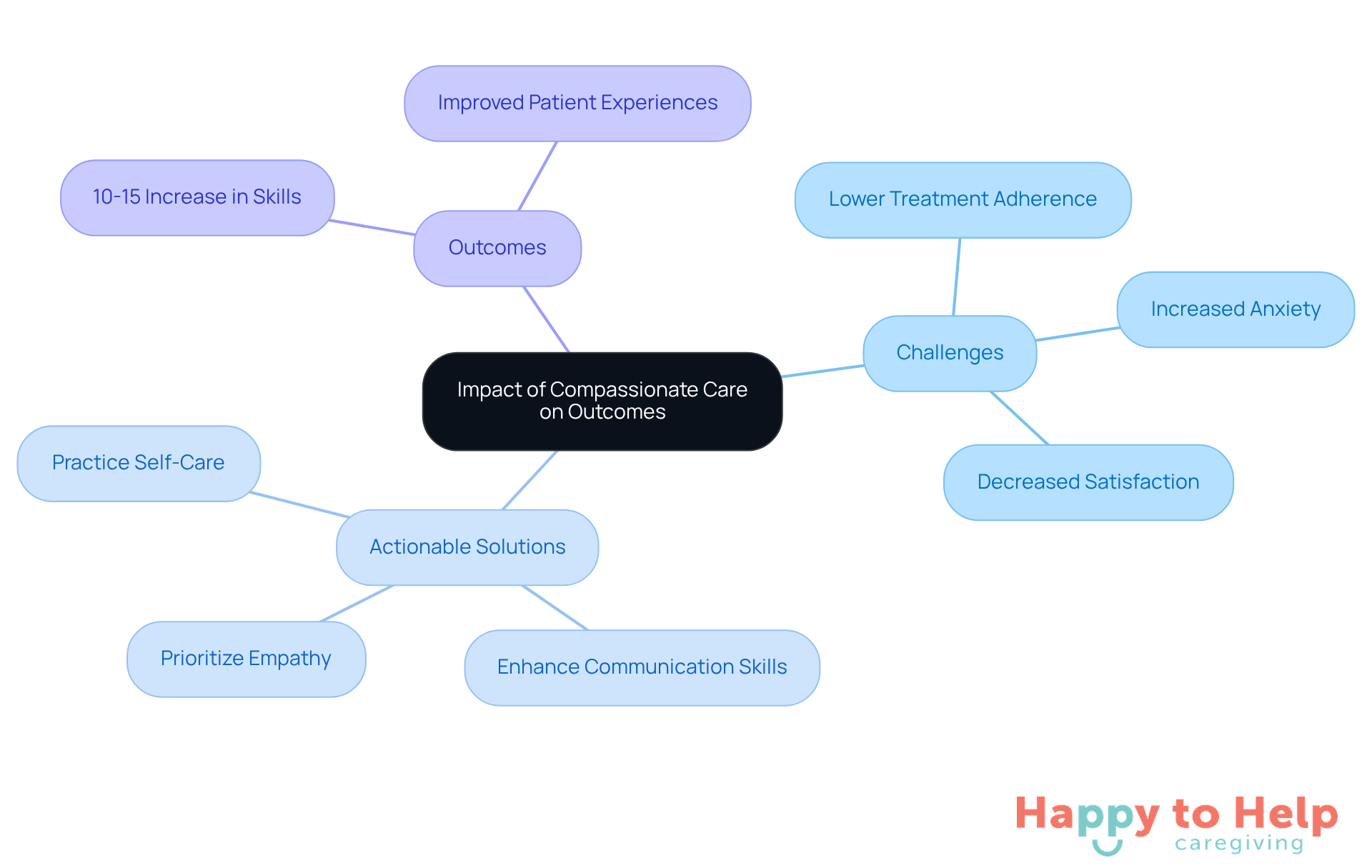
When providers lack compassion, patients are less likely to follow treatment plans, experience higher anxiety levels, and report lower satisfaction with their care. This not only affects emotional well-being but also exacerbates feelings of isolation and depression. As Theodore Roosevelt noted, the patient's perception of care often hinges on the compassionate in home care and understanding they receive from healthcare professionals.
To address these challenges, caregivers can implement several actionable solutions:
- Prioritize Empathy: Engage with patients on a personal level to foster trust and understanding.
- Enhance Communication Skills: Use clear, compassionate language to ensure patients feel heard and valued.
- Practice Self-Care: Caregivers should also focus on their own emotional health to prevent burnout and maintain job satisfaction.
Studies indicate that being compassionate in home care can lead to a 10% to 15% increase in compassion-related skills, highlighting the significance of empathy in achieving optimal caregiving outcomes. Furthermore, the systemic challenges faced in healthcare highlight the necessity for being compassionate in home care, as this approach significantly improves patient experiences and outcomes globally.
Implement Best Practices for Compassionate Care
Family caregivers face several challenges that can impact their ability to provide support while implementing compassionate in home care effectively. Here are some best practices to address these issues:
-
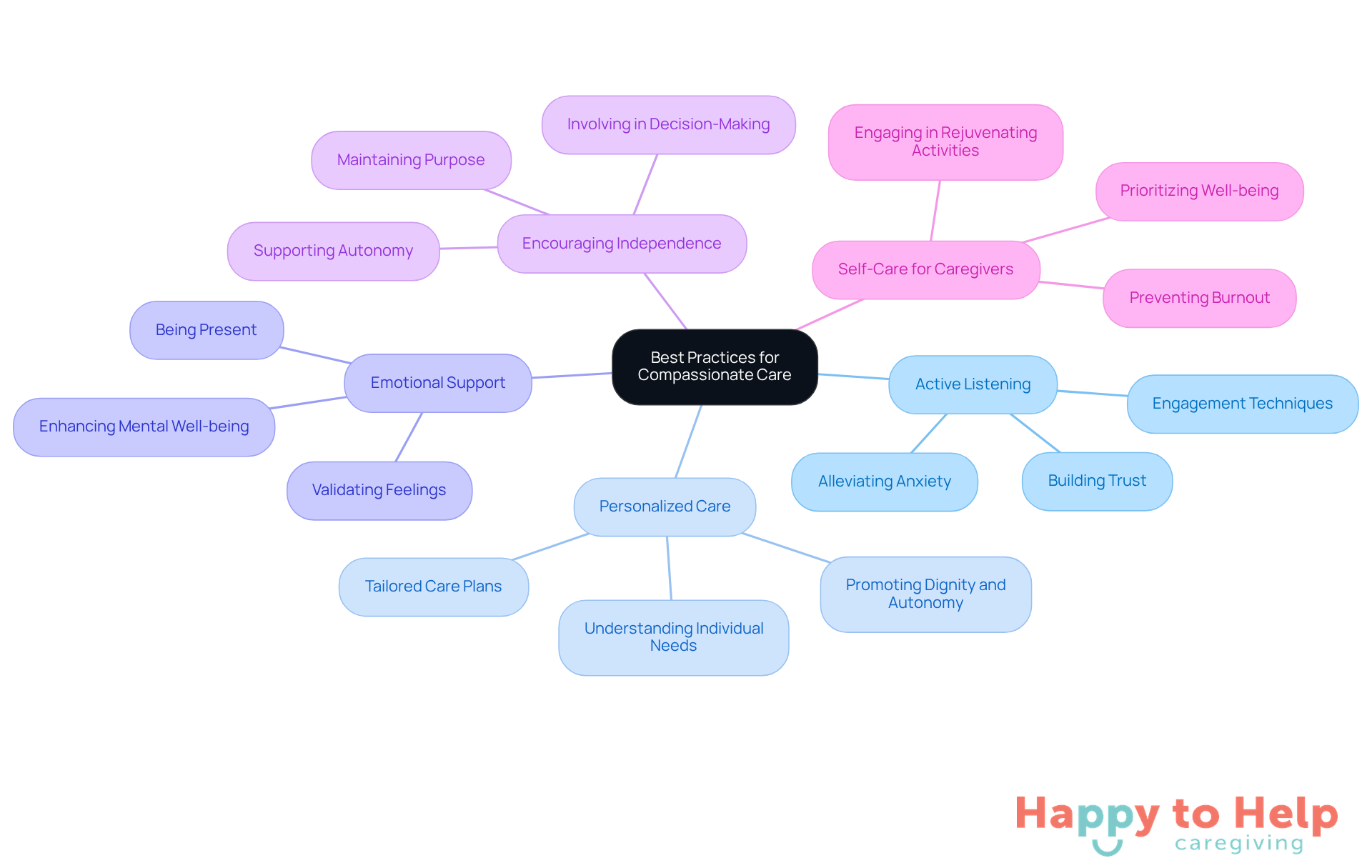
Active Listening: Engaging fully with individuals by maintaining eye contact and responding thoughtfully to their concerns is crucial. This approach shows appreciation for their emotions and viewpoints. Research indicates that caregivers who are compassionate in home care and practice active listening can alleviate feelings of anxiety and isolation in those they assist, ultimately building trust and improving emotional health.
-
Personalized Care: Tailoring your approach to meet the unique needs and preferences of each individual is essential. Understanding their history, interests, and routines enhances comfort and trust. A personalized care plan that reflects individual preferences and is compassionate in home care promotes dignity and autonomy, allowing clients to feel more in control of their lives.
-
Emotional Support: Being present during difficult moments is vital. Offering reassurance and validating feelings can help alleviate anxiety and foster a sense of security. Identifying and responding to psychological needs enhances the mental well-being of elderly individuals, highlighting that compassionate in home care is a key component of caregiving.
-
Encouraging independence is essential in compassionate in home care, as it supports clients in maintaining their autonomy by involving them in decision-making processes regarding their care, which reinforces their dignity. This empowerment helps them retain a sense of purpose, which is vital for their overall well-being.
-
Self-Care for Caregivers: Prioritizing your own well-being is crucial to prevent burnout. Engaging in rejuvenating activities, such as exercise or hobbies, is essential for maintaining the energy and emotional resilience needed to provide the best care possible. Caregivers who practice self-care report higher levels of satisfaction and effectiveness in their roles, benefiting both themselves and their loved ones.
Address Challenges in Delivering Compassionate Care
Delivering compassionate care involves navigating several challenges that can impact both caregivers and clients:
-
Problem: Emotional Stress
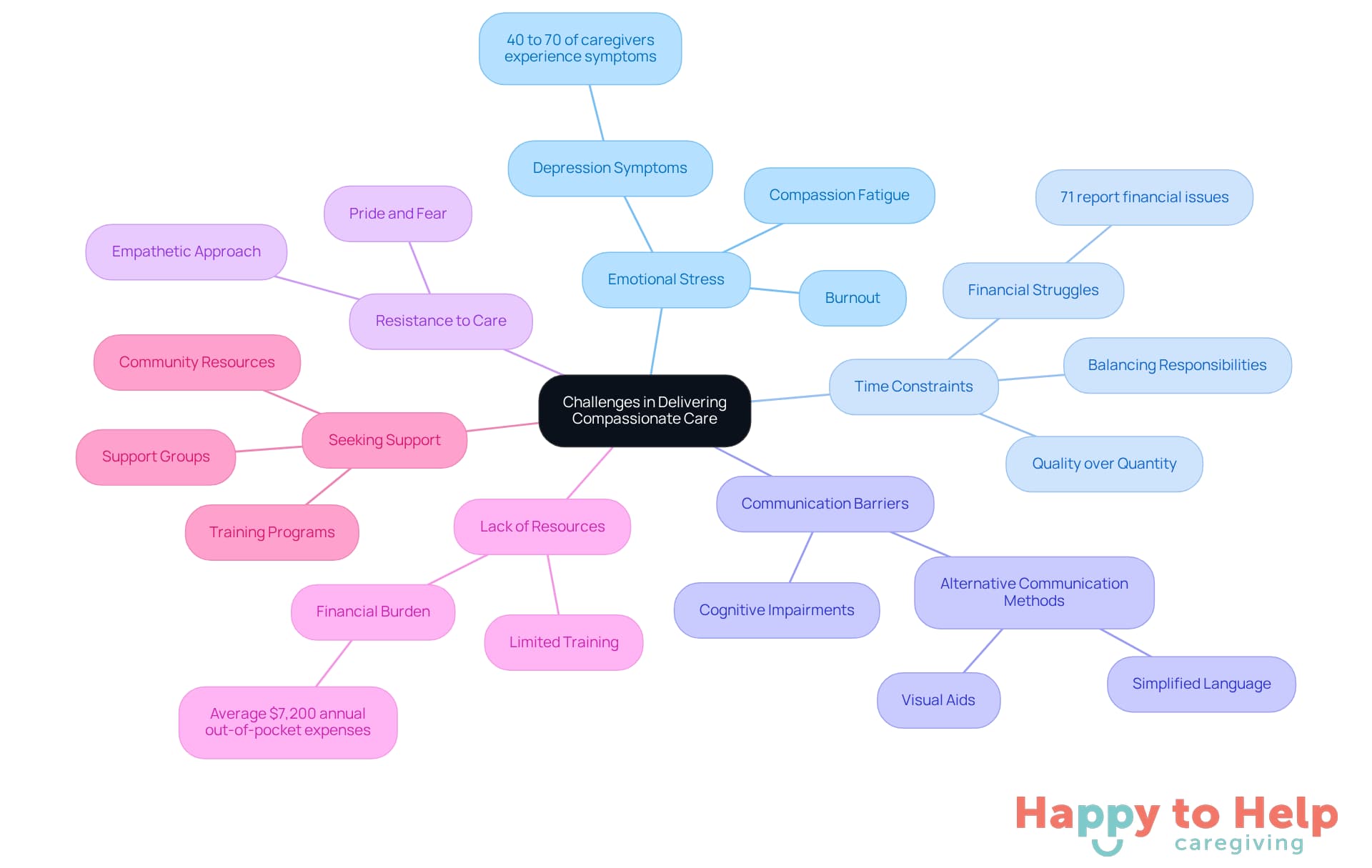
Caregivers often encounter emotional stress, including compassion fatigue and burnout. Studies show that 40% to 70% of family caregivers experience clinically significant symptoms of depression. This prevalence highlights the need for caregivers to recognize these feelings and seek support from peers or professional resources to help mitigate emotional strain. -
Agitate: Time Constraints
Balancing caregiving with other responsibilities can severely limit the time available for meaningful interactions. In fact, 71% of caregivers report financial struggles, which can exacerbate these time constraints. Prioritizing quality over quantity in engagements is essential; even brief, focused moments can significantly enhance the caregiving experience. -
Solution: Communication Barriers
Clients with cognitive impairments may struggle to express their needs. Employing patience and alternative communication methods-such as visual aids or simplified language-can improve understanding and foster a more supportive environment. -
Problem: Resistance to Care
Some clients may resist assistance due to pride or fear. It’s vital to approach these situations with empathy. Recognizing their emotions while gently promoting acceptance of assistance can ease the transition to receiving care. -
Agitate: Lack of Resources
Many providers feel unsupported due to limited access to training or resources. The average family support provider spends around $7,200 annually out of pocket on caregiving expenses, emphasizing the financial strain they encounter. -
Solution: Seeking Support
Actively seeking community resources, training programs, or support groups can enhance skills and knowledge, ultimately improving the quality of care provided.
By addressing these challenges head-on, caregivers can cultivate an environment that is compassionate in home care, ensuring that both they and their clients thrive.
Moving Forward with Master Compassionate Care in Home Care:
Compassionate care in home settings is essential for enhancing the well-being of clients and fostering meaningful connections between caregivers and those they support. However, caregivers often face significant challenges, including:
- Emotional stress
- Time constraints
- Resistance to care
These issues can hinder the quality of care provided and impact the emotional stability of both caregivers and clients.
To address these challenges, it is crucial to prioritize empathy through active listening and to personalize care to meet individual needs. Caregivers should also ensure emotional support during difficult times. Additionally, self-care for caregivers is vital; it allows them to maintain their own well-being while effectively supporting their loved ones. By recognizing and addressing these common challenges, caregivers can cultivate an atmosphere of compassion that benefits everyone involved.
The significance of compassionate care extends beyond individual interactions; it has the potential to transform the overall dynamics of home caregiving. By embracing these strategies, caregivers can enhance the quality of life for their clients while enriching their own experiences. Taking proactive steps to implement compassionate practices leads to a more fulfilling caregiving journey, where both caregivers and clients thrive together in a supportive and empathetic environment.
https://iframe.tely.ai/cta/eyJhcnRpY2xlX2lkIjogIjY5MjY0M2ExZGIzM2UyOThlOGE1MTJkOSIsICJjb21wYW55X2lkIjogIjY4ZWU1ZGNhNzMxNzYyNTU3ZjNjOTVjMSIsICJpbmRleCI6IG51bGwsICJ0eXBlIjogImFydGljbGUifQ==Frequently Asked Questions
What does compassion in home care mean?
Compassion in home care involves empathizing with a client's feelings and experiences while taking actionable steps to alleviate their suffering, thereby enhancing their quality of life.
Why is empathy important in home care?
Empathy is crucial because home care patients who receive empathetic support report a higher quality of life and experience fewer medical symptoms, as highlighted by a study published in BMC Palliative Care.
What actions can family supporters take to show compassion?
Family supporters can show compassion by being present, listening attentively, and offering comfort in both physical and emotional situations.
How can caregivers prioritize compassion in their approach?
Caregivers can prioritize compassion by engaging in meaningful activities like sharing tea-time conversations and enjoying neighborhood strolls, which enhance the caregiver-client relationship.
What impact does a nurturing atmosphere have on caregiving?
A nurturing atmosphere where individuals feel valued and understood enhances the emotional well-being of clients and contributes to a more positive caregiving experience.
What is the overall significance of compassion in home care?
The overall significance of compassion in home care lies in creating a supportive environment that not only understands feelings but also actively improves the lives of clients through meaningful interactions.
List of Sources
- Define Compassion in Home Care
- The Heart of Homecare is Built on the Unshakeable Compassion and Dedication of Caregivers | Healthcare IT Today (https://healthcareittoday.com/2024/09/25/the-heart-of-homecare-is-built-on-the-unshakeable-compassion-and-dedication-of-caregivers)
- Compassion in Home Care (https://homeinstead.com/home-care/usa/la/carencro/347/news-and-media/compassion-in-home-care)
- The importance of compassion and respectful care for the health workforce: a mixed-methods study - PMC (https://pmc.ncbi.nlm.nih.gov/articles/PMC7951938)
- Examine the Impact of Compassionate Care on Outcomes
- 10 Inspiring Patient Experience Quotes | Relias (https://relias.com/blog/patient-experience-quotes)
- WHO report highlights the role of compassion in healthcare - European Lung Foundation (https://europeanlung.org/en/news-and-blog/who-report-highlights-the-role-of-compassion-in-healthcare)
- The Heart of Healthcare: Why Compassion Matters in Treating Patients (https://gloriagatescare.com/the-heart-of-healthcare-why-compassion-matters-in-treating-patients)
- Can compassion help heal patients — and providers? (https://aamc.org/news/can-compassion-help-heal-patients-and-providers)
- Implement Best Practices for Compassionate Care
- A Guide to Becoming a Compassionate Caregiver for Elderly Loved Ones (https://rothkofflaw.com/2024/05/16/a-guide-to-becoming-a-compassionate-caregiver-for-elderly-loved-ones)
- More Than 60% Say Caregiving Increased Their Level of Stress, AARP Report Finds (https://aarp.org/caregiving/medical/report-caregiver-mental-health)
- ‘A good death’: How compassionate care helps people navigate the end of life (https://news.yale.edu/2025/10/13/good-death-how-compassionate-care-helps-people-navigate-end-life)
- LSPM UK Fully accredited UK Degrees and Diploma starting from Level 2, Level 3, Level 4, Level 5, Level 6, Level 7, Level 8, OfQual Accredited (https://lspm.org.uk/2022/news.aspx?id=12421518&CourseTitle=The+role+of+active+listening+in+effective+communication+in+health+and+social+care)
- Address Challenges in Delivering Compassionate Care
- Stress and caregiving (https://apa.org/monitor/2020/11/numbers-stress-caregivers)
- The Caregiving Landscape: Data & Insights on the Caregiver Experience in the U.S. (https://caregiveraction.org/caregiver-statistics)
- Caregiver Statistics: Health, Technology, and Caregiving Resources (https://caregiver.org/resource/caregiver-statistics-health-technology-and-caregiving-resources)
- WHO report highlights the role of compassion in healthcare - European Lung Foundation (https://europeanlung.org/en/news-and-blog/who-report-highlights-the-role-of-compassion-in-healthcare)