Why Companion Care for the Elderly: Matters
Companion care for the elderly stands as a vital lifeline in a world where loneliness often casts a shadow over the golden years. This heartfelt service not only meets the emotional and social needs of seniors but also enriches their overall quality of life through meaningful interactions and daily support.
Yet, with increasing reports of isolation among older adults, families may wonder: how can they ensure their loved ones receive the companionship they truly need? Exploring the nuances of companion care reveals its profound impact on mental well-being. It plays an essential role in fostering a sense of belonging and purpose for the elderly, reminding us that no one should have to face their golden years alone.
Define Companion Care for the Elderly
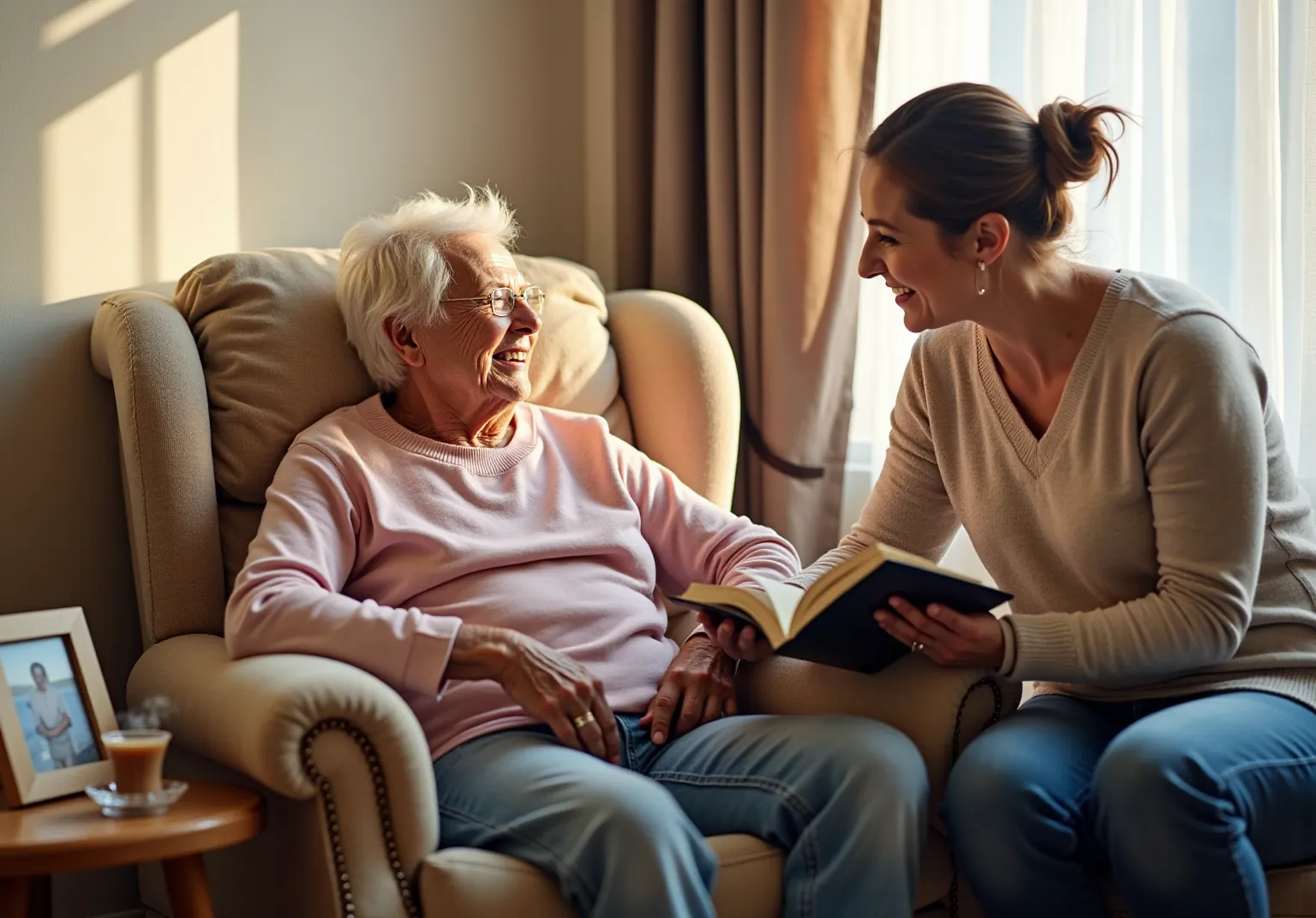
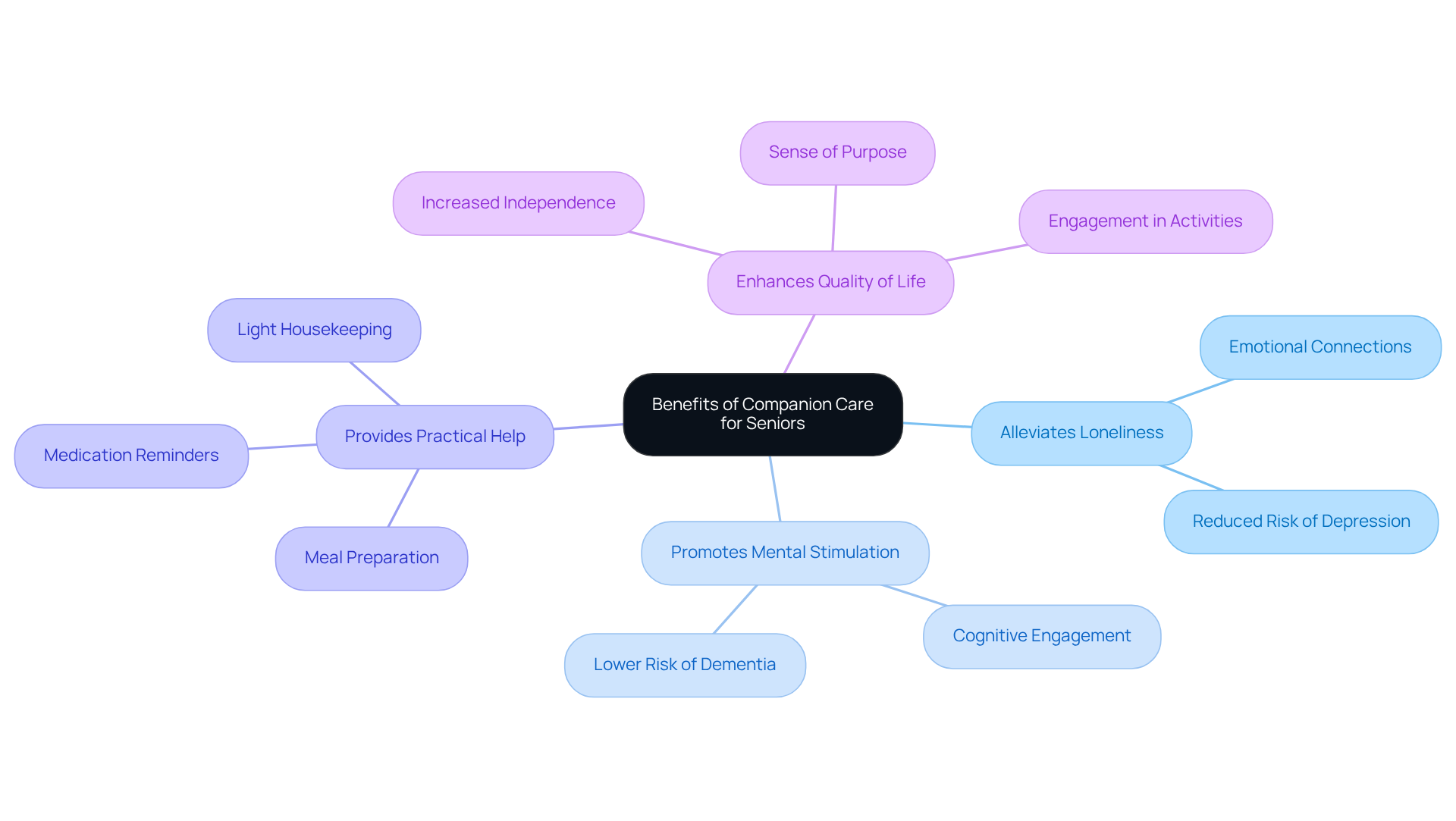
Companion care for the elderly is a heartfelt service designed to provide psychological assistance, interaction, and help with daily tasks. This companion care for the elderly focuses on enhancing the quality of life for seniors by addressing their emotional and social needs, which are often overlooked in traditional caregiving models. Companion care for the elderly includes engaging individuals in meaningful conversations, accompanying them on outings, and assisting with light household tasks, all while nurturing a sense of companionship and belonging.
This service, which includes companion care for the elderly, is especially vital for seniors who may be feeling lonely or isolated, as it helps them maintain their independence in a familiar environment. In 2025, the demand for companionship is on the rise, with reports showing that 33% of older adults felt lonely some of the time or frequently in the past year. Regular social interaction through companionship can lower blood pressure, reduce stress, and enhance overall quality of life.
As Dee Bustos beautifully puts it, "Companion support offers older adults both practical assistance and psychological backing, aiding them in staying engaged, active, and socially connected." This highlights the psychological benefits of companionship, fostering relationships that improve mental well-being and create a sense of safety.
Moreover, the flexibility of companion care for the elderly allows families to tailor support to their loved ones' unique needs, making it an essential part of elderly care. Remember, you’re not alone in this journey; there are compassionate services ready to help you and your loved ones thrive.
Explain the Importance of Companion Care
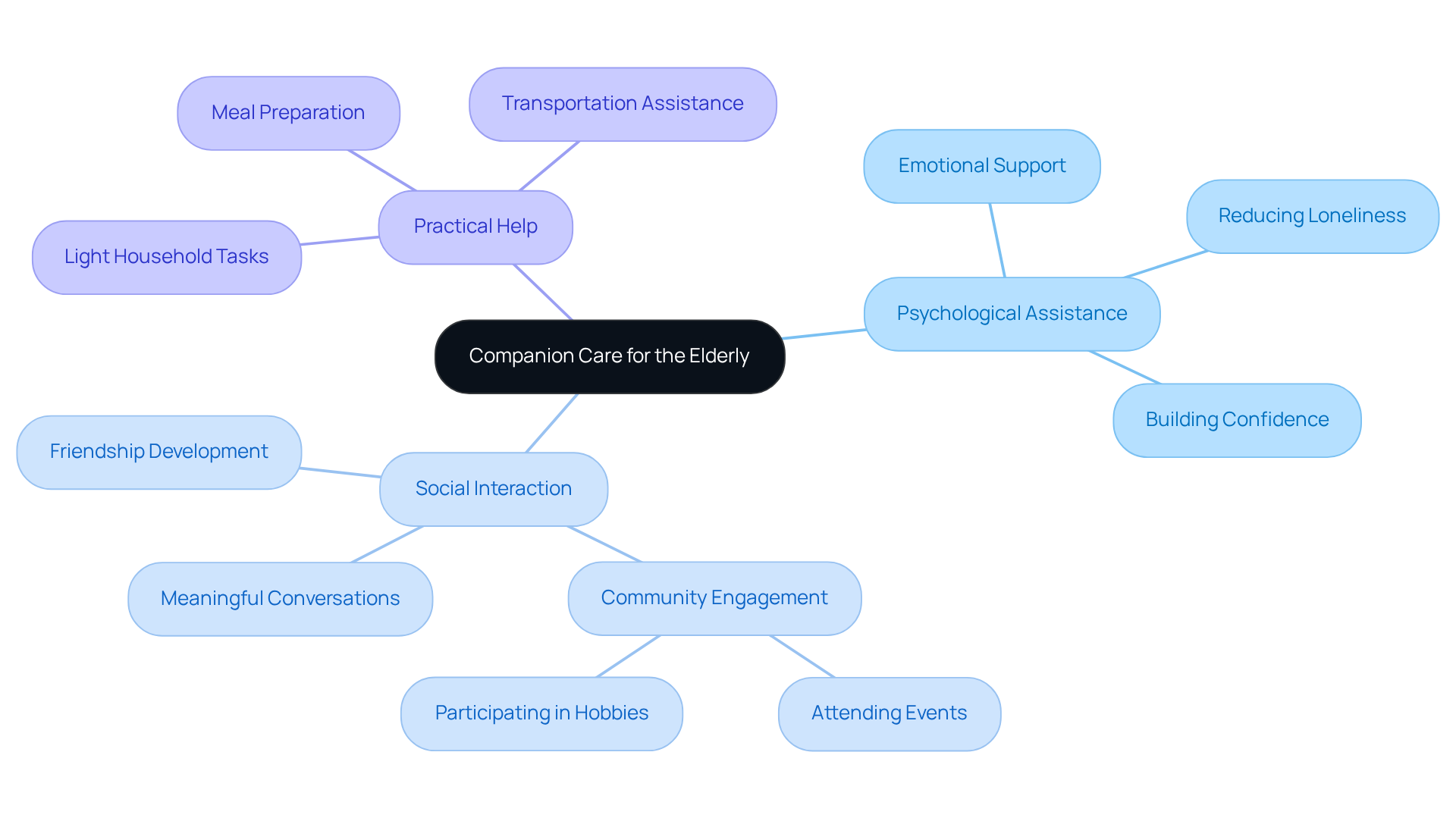
Companion care for the elderly is crucial in supporting our loved ones, addressing the emotional and social challenges that often come with aging. Many older adults face feelings of loneliness and isolation, which can lead to depression and a decline in overall health. It’s heartbreaking to know that one in three seniors report feeling a lack of companionship, highlighting just how prevalent loneliness is among this population.
Research shows that social interaction can greatly enhance mental health. In fact, individuals without companionship are at least twice as likely to experience depression compared to those who enjoy stable social relationships. The health risks associated with loneliness are staggering - comparable to smoking 15 cigarettes a day. This reality underscores the urgency of providing companionship.
By offering companion care for the elderly, caregivers can help alleviate feelings of loneliness, fostering a sense of connection and purpose in their lives. This support is not just beneficial for the elderly; it also brings peace of mind to families, knowing their loved ones are receiving the emotional care they need. Proactively addressing mental health is vital to prevent serious issues from escalating.
Ultimately, companion care for the elderly is essential for enhancing their quality of life. It ensures they remain engaged and connected in their daily lives, allowing them to thrive in their golden years.
Outline the Benefits of Companion Care for Seniors
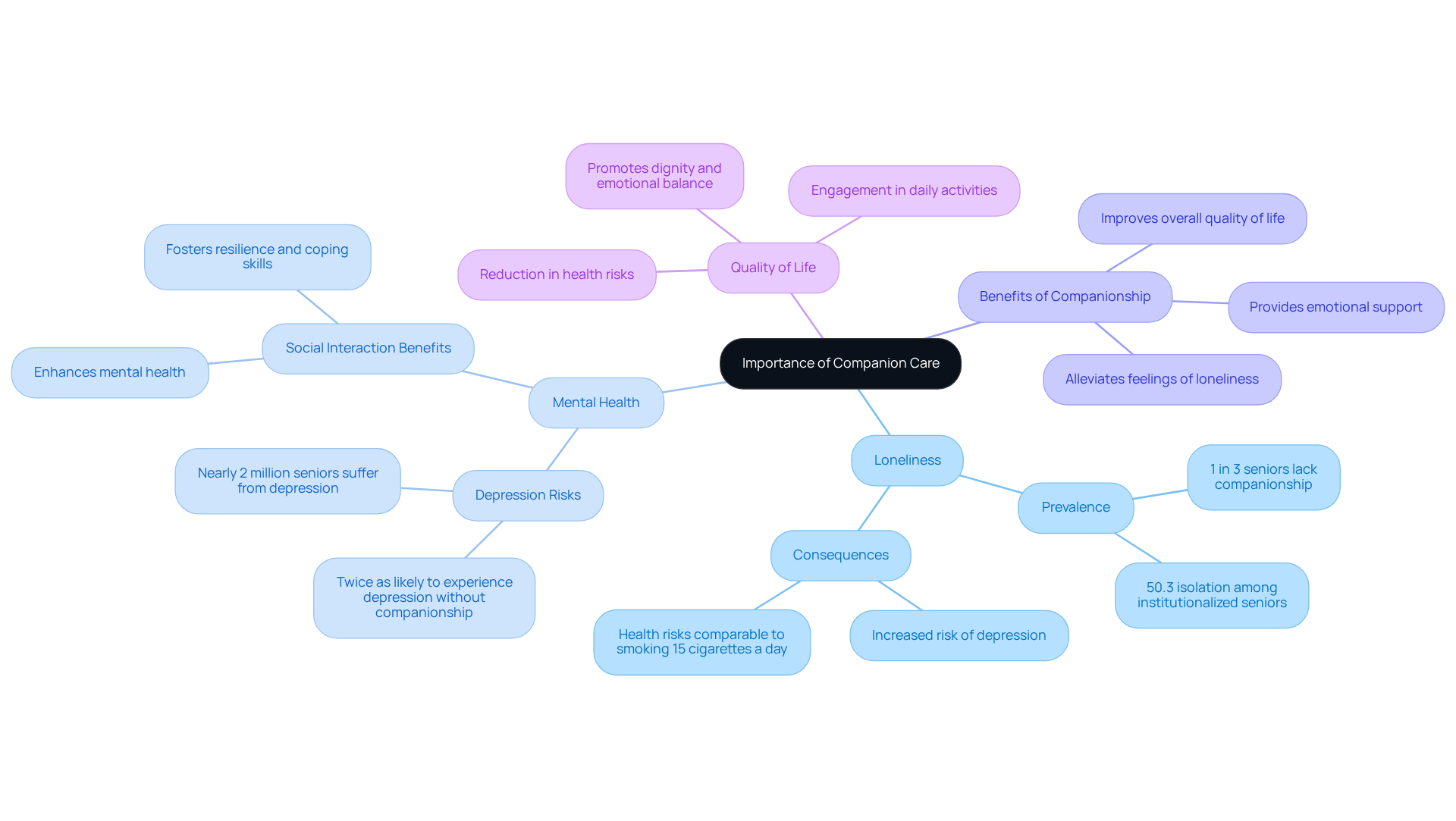
Companion care for the elderly provides a wealth of benefits that truly enhance their lives. One of the most significant advantages is its ability to alleviate feelings of loneliness and isolation, which affect around 24% of community-dwelling Americans aged over 65. This social isolation can lead to serious health issues, including heart disease and depression. Regular interactions with caregivers foster emotional connections, which can uplift mood and emotional well-being.
Moreover, companion assistance promotes mental stimulation through engaging conversations and activities, essential for maintaining cognitive function. Studies show that social interaction can lower the risk of dementia and depression, highlighting the vital role of companionship in elderly care.
In addition to providing psychological support, caregivers assist with everyday tasks like meal preparation, light cleaning, and medication reminders. This practical help eases the burden on older adults, allowing them to focus on enjoying their day. It not only enhances their independence but also contributes to a sense of purpose and dignity. Companions can introduce seniors to new activities, such as games and outings, encouraging physical movement and mental sharpness. Families can find peace of mind knowing their loved ones are safe, engaged, and cared for in a nurturing environment.
Overall, the quality of life for seniors is significantly improved through companion care for the elderly. It enables them to thrive in their own homes while fostering emotional resilience and cognitive engagement.
Taking the Next Steps
Companion care for the elderly is more than just a service; it’s a heartfelt commitment to enriching the lives of seniors by addressing their emotional and social needs. By focusing on companionship, this care alleviates feelings of isolation and enhances overall well-being, allowing older adults to maintain their independence and dignity in the comfort of their own homes.
We understand that loneliness can weigh heavily on both seniors and their families. Regular social interaction can significantly improve mental health and reduce the risks associated with isolation. Companion care offers not just emotional support but also practical assistance with daily tasks, mental stimulation, and a renewed sense of purpose. This holistic approach ensures that seniors remain engaged, active, and connected to the world around them.
In a society where loneliness can lead to serious health issues, prioritizing companion care for the elderly is crucial. Families are encouraged to explore these services, recognizing that investing in companionship not only enhances the quality of life for seniors but also brings peace of mind to caregivers. Embracing the significance of companion care can lead to healthier, happier, and more fulfilling lives for older adults, reinforcing the value of human connection during their golden years.
https://iframe.tely.ai/cta/eyJhcnRpY2xlX2lkIjogIjY5MTkxNDFhYTc1MDljMjI3ODFlOWZjMSIsICJjb21wYW55X2lkIjogIjY4ZWU1ZGNhNzMxNzYyNTU3ZjNjOTVjMSIsICJpbmRleCI6IG51bGwsICJ0eXBlIjogImFydGljbGUifQ==Frequently Asked Questions
What is companion care for the elderly?
Companion care for the elderly is a service designed to provide psychological assistance, interaction, and help with daily tasks, focusing on enhancing the quality of life for seniors by addressing their emotional and social needs.
How does companion care benefit seniors?
Companion care benefits seniors by engaging them in meaningful conversations, accompanying them on outings, assisting with light household tasks, and nurturing a sense of companionship and belonging, which can help reduce feelings of loneliness and isolation.
Why is companion care important for elderly individuals?
Companion care is important as it helps seniors maintain their independence in a familiar environment, especially for those who may feel lonely or isolated. It also contributes to better mental well-being and overall quality of life.
What are some psychological benefits of companion care?
Psychological benefits of companion care include improved mental well-being, reduced stress, and a sense of safety and connection, which are crucial for seniors' emotional health.
What is the current trend regarding the demand for companion care?
The demand for companion care is on the rise, with reports indicating that 33% of older adults felt lonely some of the time or frequently in the past year, highlighting the need for regular social interaction.
Can companion care be customized for individual needs?
Yes, companion care can be tailored to meet the unique needs of elderly individuals, allowing families to provide support that best suits their loved ones.