What You Need to Know About Elderly Hallucinations at Night: Causes
Elderly hallucinations at night present a significant problem, causing distress not only for those experiencing them but also for their caregivers. As the aging population faces cognitive decline and various medical conditions, understanding these false perceptions becomes crucial. The implications of these hallucinations can be profound, affecting the emotional and psychological well-being of both the elderly and their caregivers.
This article will explore the causes and symptoms of nighttime hallucinations in older adults, providing caregivers with essential strategies to manage these episodes effectively. How can caregivers navigate the emotional challenges posed by these hallucinations while ensuring their loved ones feel safe and supported? By addressing these concerns, we aim to equip caregivers with practical solutions that foster a supportive environment.
Define Hallucinations in the Elderly
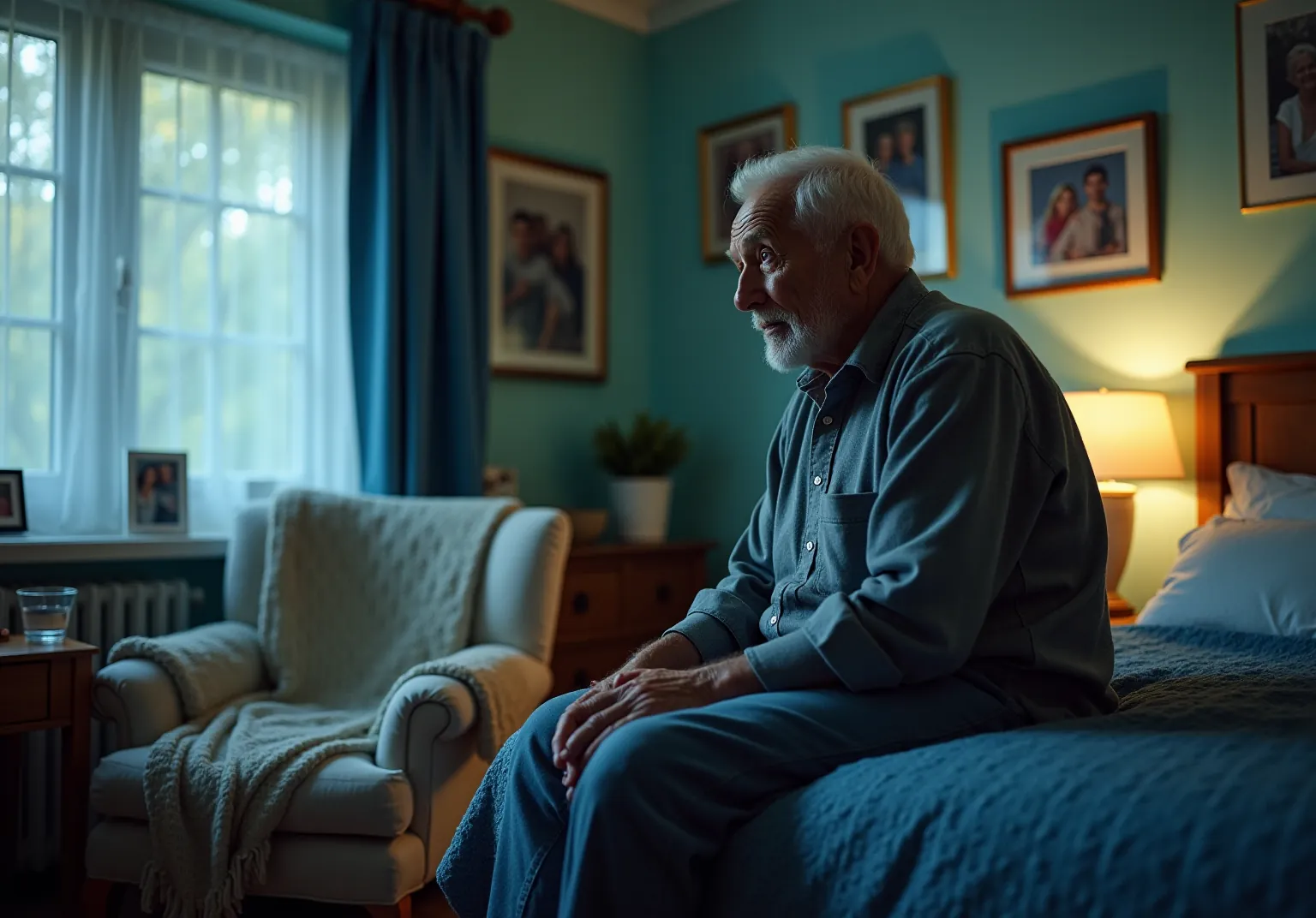
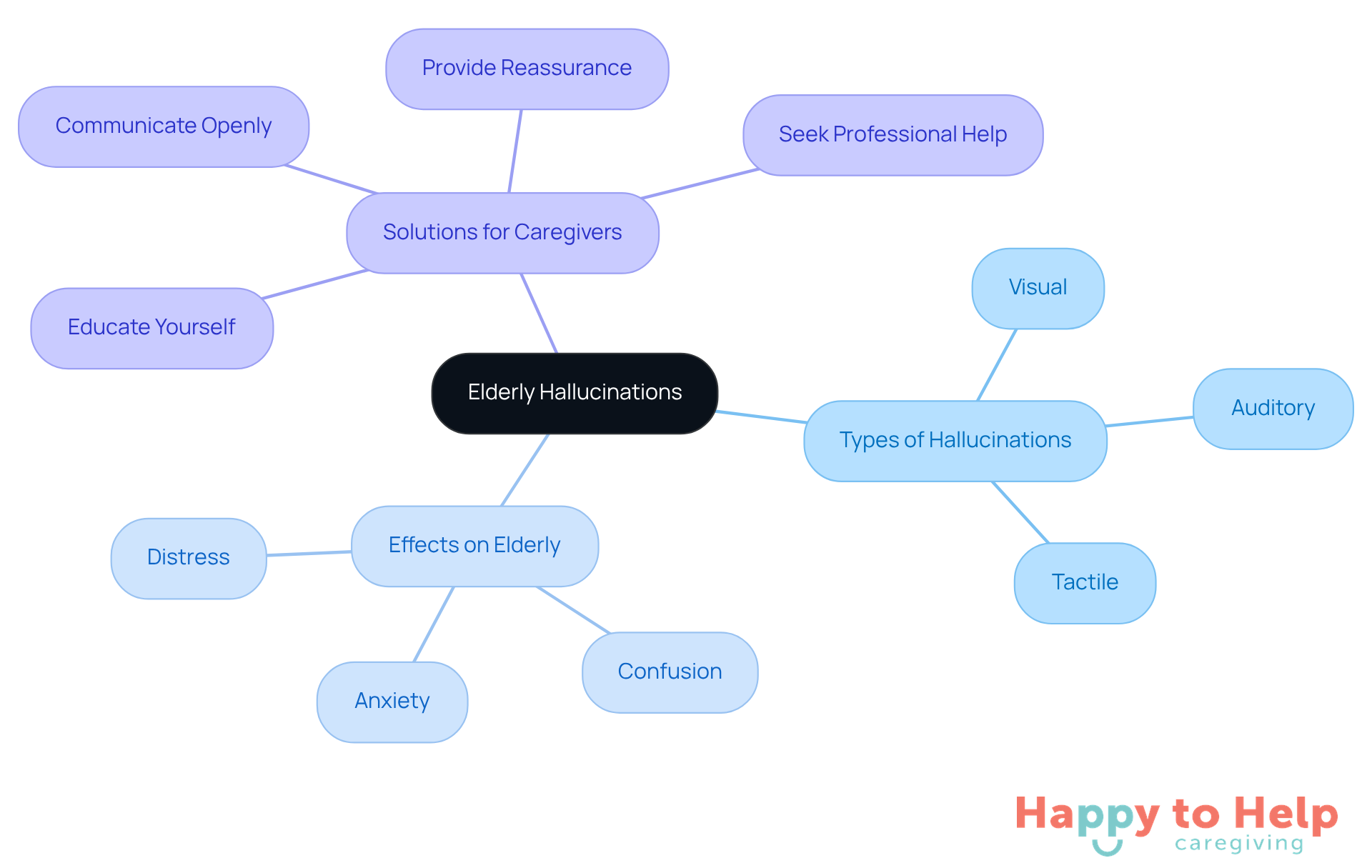
False perceptions are sensory experiences that seem genuine but occur without any external stimuli. In the elderly, these can manifest as elderly hallucinations at night, including visual, auditory, or tactile sensations. For instance, an elderly person might experience elderly hallucinations at night, where they see figures that aren't present or hear voices that do not exist.
It is essential for caregivers to recognize that elderly hallucinations at night are not unusual in older individuals, particularly those with cognitive challenges. Elderly hallucinations at night can cause perceptual disturbances that are distressing, leading to confusion and anxiety for both the elderly and their caregivers. Understanding that these are symptoms rather than deliberate actions can help caregivers respond with empathy and support.
Actionable Solutions for Caregivers:
- Educate Yourself: Familiarize yourself with the types of false perceptions and their implications.
- Communicate Openly: Encourage open dialogue with the elderly about their experiences, validating their feelings.
- Provide Reassurance: Offer comfort and reassurance when they express distressing perceptions.
- Seek Professional Help: If necessary, consult healthcare professionals for further guidance and support.
By recognizing and addressing these perceptual disturbances, caregivers can create a more supportive environment, ultimately enhancing the quality of care for the elderly.
Explore Causes of Hallucinations in Older Adults
Elderly hallucinations at night pose a significant challenge for caregivers, arising from various causes that can complicate their care. Understanding these causes is crucial for providing appropriate support and addressing elderly hallucinations at night when seeking medical intervention is necessary.
-
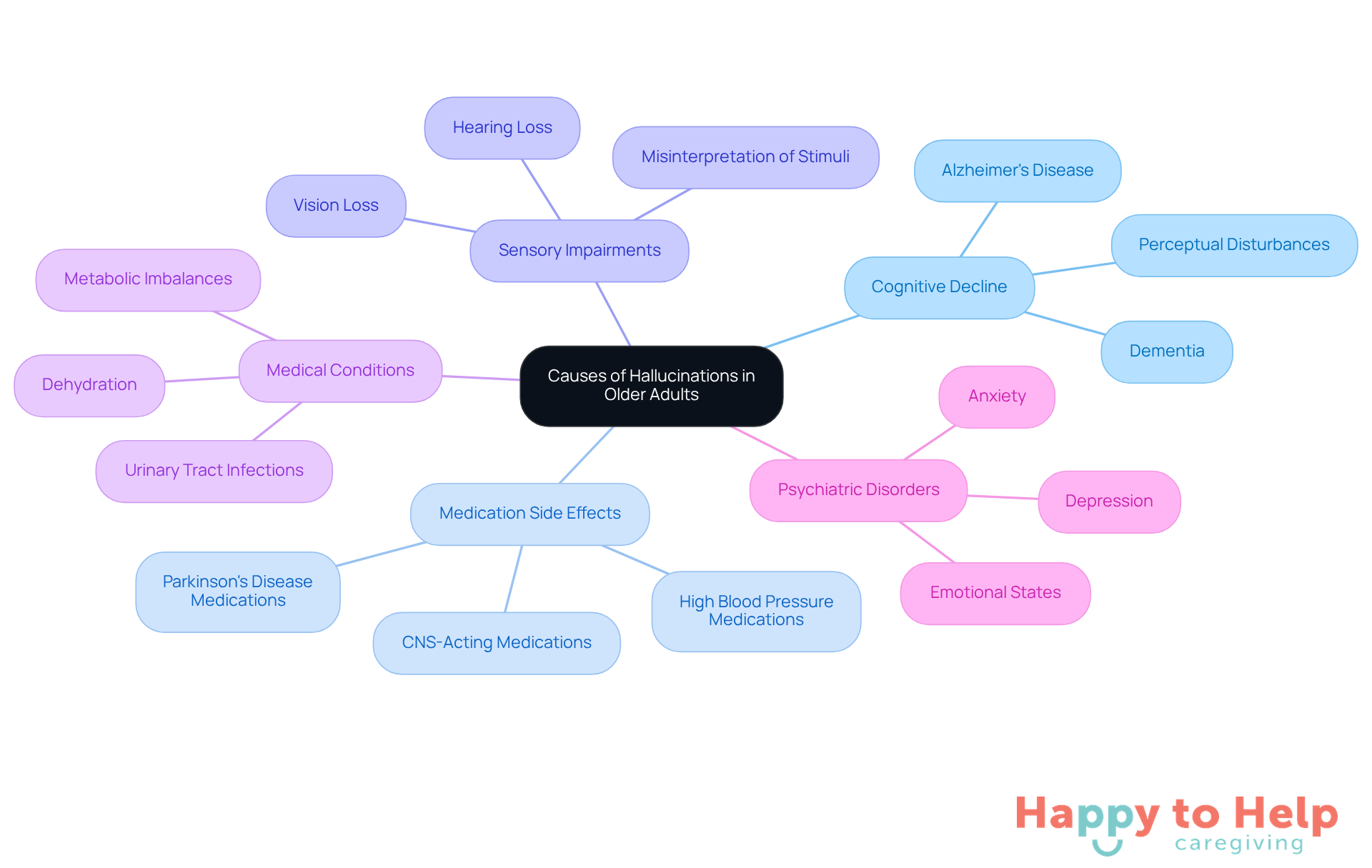
Cognitive Decline: Conditions like Alzheimer's disease and other forms of dementia are major contributors to hallucinations. Changes in brain function can distort perception, resulting in elderly hallucinations at night and perceptual disturbances in about 25% to 33% of Alzheimer's patients. As Nikolaos Scarmeas notes, "Delusions and sensory perceptions are very common in AD and predict cognitive and functional decline." Caregivers should closely monitor cognitive changes, as these symptoms, which can include elderly hallucinations at night, may indicate a quicker decline.
-
Medication Side Effects: Many elderly individuals take multiple medications, some of which may cause delusions as a side effect. Medications that affect the central nervous system, including those for high blood pressure and Parkinson's disease, can result in elderly hallucinations at night. Caregivers must be vigilant about medication interactions that could exacerbate these effects.
-
Sensory Impairments: Vision or hearing loss can lead to misinterpretations of stimuli, resulting in false perceptions. The brain may compensate for the lack of sensory input by creating images or sounds, which can be distressing if the individual is unaware of the cause. This can heighten feelings of anxiety and isolation, underscoring the importance of community and connection in reducing elderly hallucinations at night.
-
Medical Conditions: Various medical issues, including urinary tract infections, dehydration, or metabolic imbalances, can provoke false perceptions. These conditions can result in elderly hallucinations at night, highlighting the need for caregivers to monitor overall health in older adults. As Scarmeas indicates, elderly hallucinations at night can be distressing not only for those experiencing them but also for caregivers, and they may be linked to significant disease outcomes.
-
Psychiatric Disorders: Mental health issues, such as anxiety and depression, can also lead to perceptual disturbances. Addressing these underlying psychological factors is essential for effective management. Caregivers should remain aware of their loved ones' emotional states and seek appropriate support when necessary.
By understanding these causes, caregivers can better navigate the complexities of care, ensuring that they provide the necessary support and seek medical help when needed.
Identify Symptoms of Hallucinations
Caregivers of the elderly can face significant challenges due to elderly hallucinations at night. Symptoms may vary widely, leading to confusion and distress.
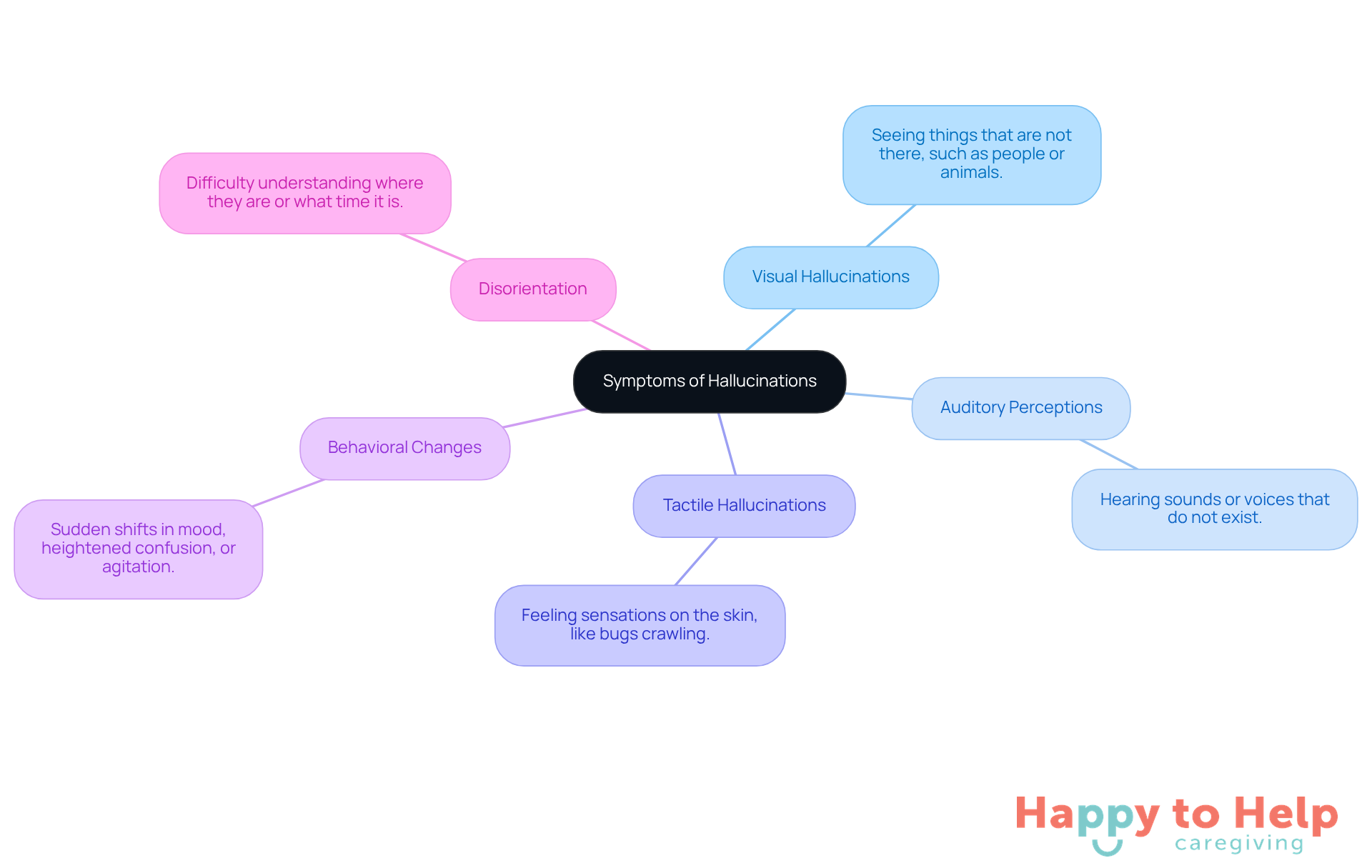
Symptoms of Hallucinations:
- Visual Hallucinations: Seeing things that are not there, such as people or animals.
- Auditory Perceptions: Hearing sounds or voices that do not exist.
- Tactile Hallucinations: Feeling sensations on the skin, like bugs crawling.
- Behavioral Changes: Sudden shifts in mood, heightened confusion, or agitation may accompany sensory experiences.
- Disorientation: Difficulty understanding where they are or what time it is.
Caregivers should stay alert for these signs, as they can signify distress or confusion that may be associated with elderly hallucinations at night in the elderly person. Recognizing these symptoms early can help in managing the situation effectively.
Implement Strategies for Managing Hallucinations
Managing elderly hallucinations at night can pose a significant challenge for caregivers, often leading to distress for both the caregiver and the individual experiencing these episodes. Elderly hallucinations at night can provoke anxiety and confusion, making it essential for caregivers to respond effectively to these situations.
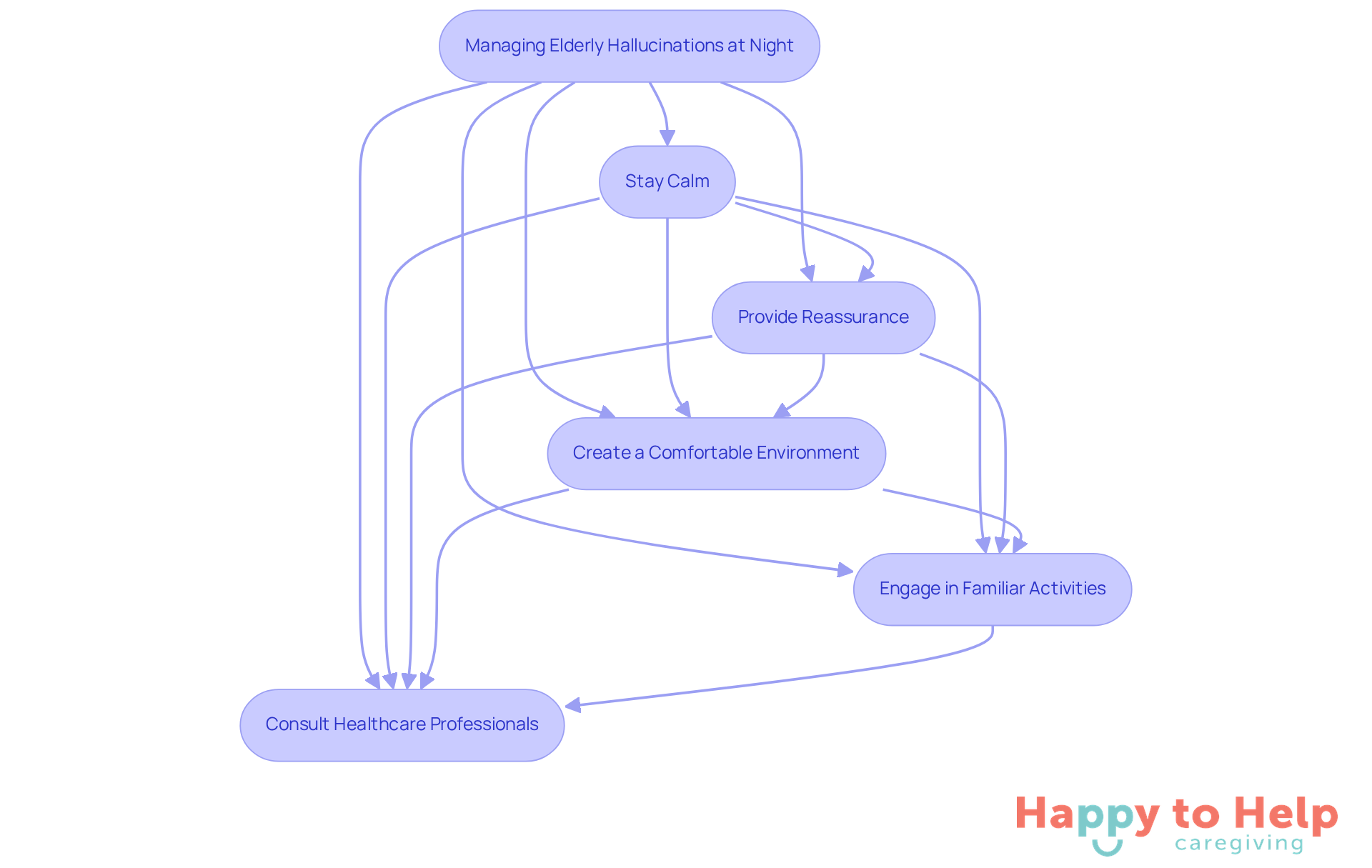
To address this issue, caregivers can implement several key strategies:
- Stay Calm: Responding to hallucinations with a calm demeanor is crucial. Avoid arguing or trying to convince the person that their experience is not real, as this can lead to increased anxiety.
- Provide Reassurance: It is essential to reassure the person that they are safe and that you are there to help. This emotional support can significantly reduce feelings of fear and confusion.
- Create a Comfortable Environment: Ensure the living space is well-lit and free from shadows that may provoke visual distortions. Warm lighting and eliminating reflective surfaces can create a bright, safe atmosphere.
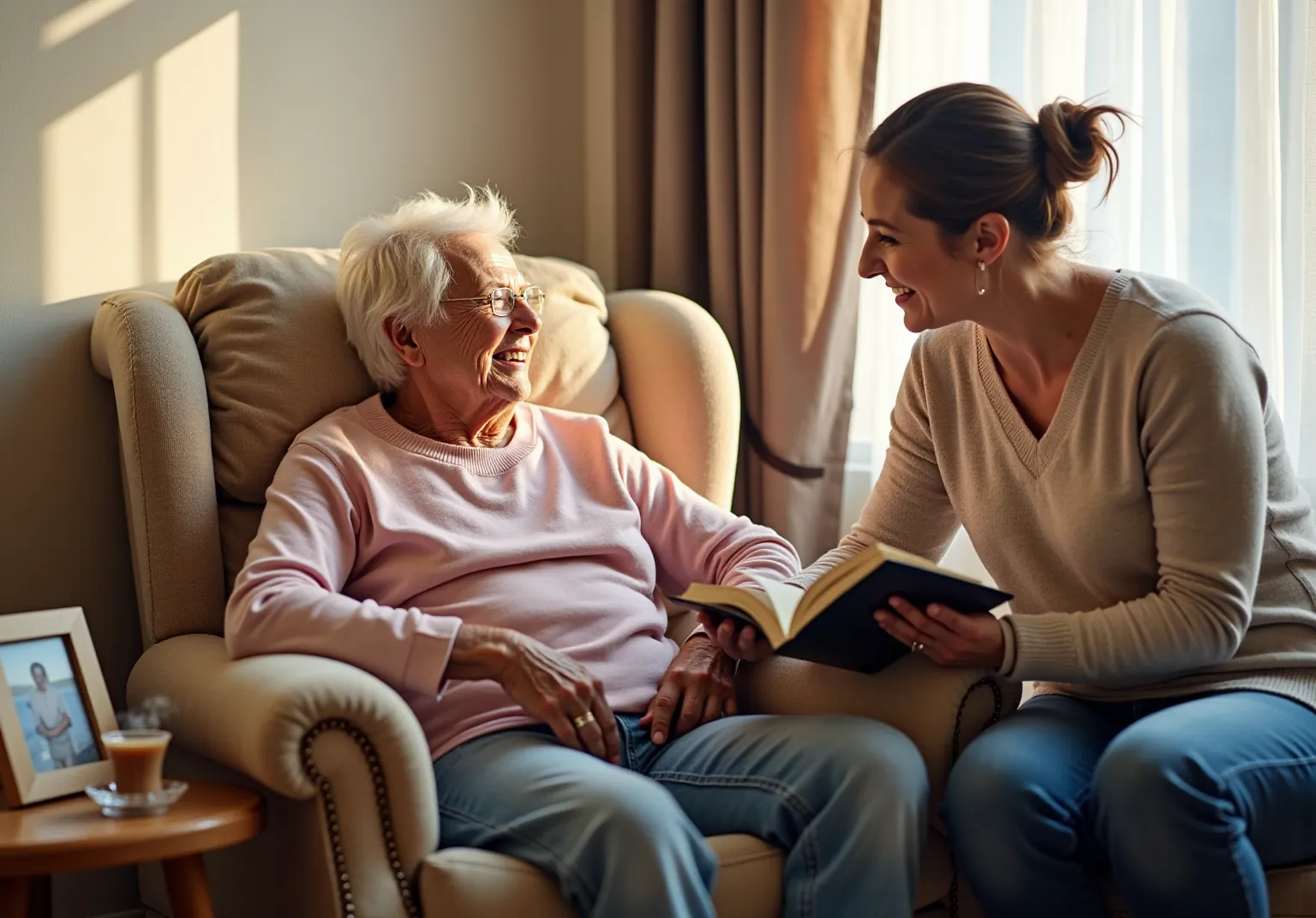
- Engage in Familiar Activities: Encourage participation in activities that the individual enjoys, such as looking at old photos or enjoying a cup of tea together. Participating in known and pleasurable activities can divert attention from false perceptions and offer solace.
- Consult Healthcare Professionals: Regularly review medications with a healthcare provider to identify any that may lead to visual or auditory disturbances. Open communication regarding the frequency and intensity of perceived experiences can lead to better management and potential adjustments in treatment.
By employing these strategies, caregivers can help alleviate the distress associated with elderly hallucinations at night, fostering a more supportive environment that enhances the overall well-being of their loved ones.
Your Path Forward
Understanding elderly hallucinations at night presents a significant challenge for caregivers striving to provide compassionate support. These false perceptions-whether visual, auditory, or tactile-are common among older adults, especially those with cognitive difficulties. Recognizing that these episodes arise from underlying causes rather than intentional behaviors is essential for caregivers. This understanding fosters empathy and enhances the quality of care.
Several key factors contribute to these nighttime hallucinations, including:
- Cognitive decline
- Medication side effects
- Sensory impairments
- Medical conditions
- Psychiatric disorders
Each of these elements significantly shapes the experiences of older adults. By understanding these factors, caregivers can navigate the complexities of care more effectively. Implementing strategies such as maintaining a calm demeanor, providing reassurance, and consulting healthcare professionals can alleviate distress and create a supportive environment.
In conclusion, addressing elderly hallucinations at night goes beyond merely managing symptoms; it’s about enhancing the overall well-being of older adults. Caregivers should remain vigilant and proactive, ensuring they cultivate an atmosphere of safety and understanding. By embracing these insights and strategies, caregivers can make a meaningful difference in the lives of those they support, helping to mitigate the challenges posed by hallucinations and promoting a sense of peace and comfort in their care.
https://iframe.tely.ai/cta/eyJhcnRpY2xlX2lkIjogIjY5MjNhMGFlMWRmODM1M2QyMjg0NTk0ZSIsICJjb21wYW55X2lkIjogIjY4ZWU1ZGNhNzMxNzYyNTU3ZjNjOTVjMSIsICJpbmRleCI6IG51bGwsICJ0eXBlIjogImFydGljbGUifQ==Frequently Asked Questions
What are hallucinations in the elderly?
Hallucinations in the elderly are false perceptions that involve sensory experiences, such as seeing, hearing, or feeling things that are not present. These experiences occur without any external stimuli.
How do elderly hallucinations manifest?
Elderly hallucinations can manifest at night and may include visual hallucinations (seeing figures), auditory hallucinations (hearing voices), or tactile sensations (feeling things that aren't there).
Are elderly hallucinations common?
Yes, elderly hallucinations, particularly at night, are not unusual in older individuals, especially those with cognitive challenges.
What impact do elderly hallucinations have on individuals and caregivers?
Elderly hallucinations can lead to perceptual disturbances that are distressing, causing confusion and anxiety for both the elderly person experiencing them and their caregivers.
How can caregivers respond to elderly hallucinations?
Caregivers can respond by educating themselves about false perceptions, communicating openly with the elderly, providing reassurance, and seeking professional help if necessary.
What should caregivers do to support elderly individuals experiencing hallucinations?
Caregivers should familiarize themselves with the types of hallucinations, validate the feelings of the elderly, offer comfort, and consult healthcare professionals for additional support when needed.
List of Sources
- Explore Causes of Hallucinations in Older Adults
- What Causes Hallucinations in Seniors? | Juniper Senior Living (https://junipercommunities.com/what-causes-hallucinations-in-seniors)
- Delusions and Hallucinations Are Associated With Worse Outcome in Alzheimer Disease - PMC (https://pmc.ncbi.nlm.nih.gov/articles/PMC3028538)
- Study Sheds Light on Syndrome Causing Harmless Hallucinations among the Elderly (https://healthcare.utah.edu/moran/news/2018/10/study-sheds-light-syndrome-causing-harmless-hallucinations-among-elderly)
- What Causes Hallucinations in the Elderly? - Griswold (https://griswoldcare.com/blog/what-causes-hallucinations-in-the-elderly)
- Implement Strategies for Managing Hallucinations
- CaringBridge (https://caringbridge.org/resources/inspirational-quotes-on-caregiving)
- Managing Dementia Hallucinations: How To Keep Your Loved One Relaxed (https://homeinstead.com/home-care/usa/az/glendale/882/news-and-media/managing-dementia-hallucinations-how-to-keep-your-loved-one-relaxed)
- 27 Inspirational Quotes for Caregivers (https://ultimatecareny.com/resources/27-quotes-for-caregivers)
- Managing Hallucinations and Delusions (https://michaeljfox.org/news/managing-hallucinations-and-delusions)
- Hallucinations in the Elderly Revealed (https://humancareny.com/blog/hallucinations-in-the-elderly)